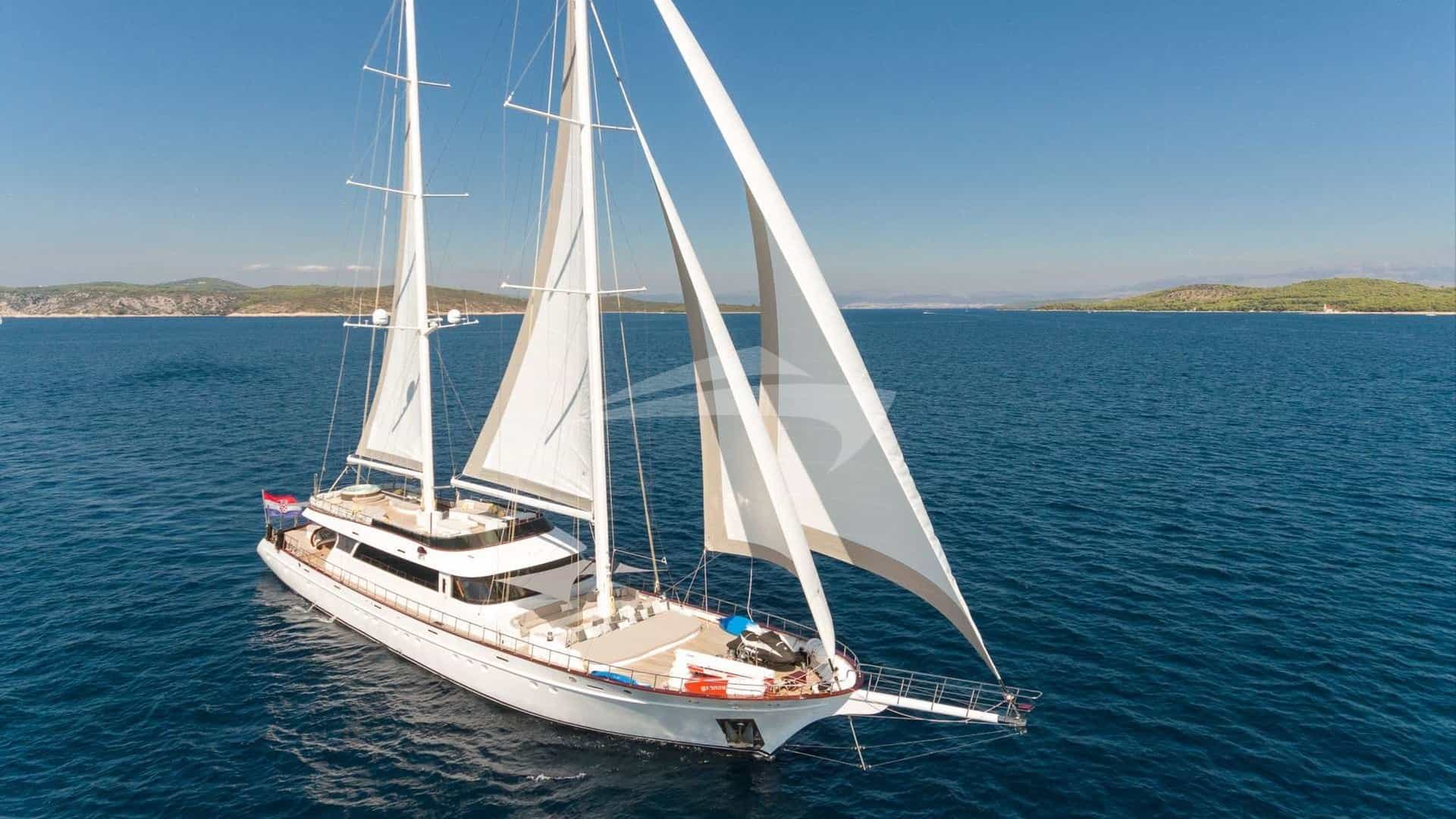
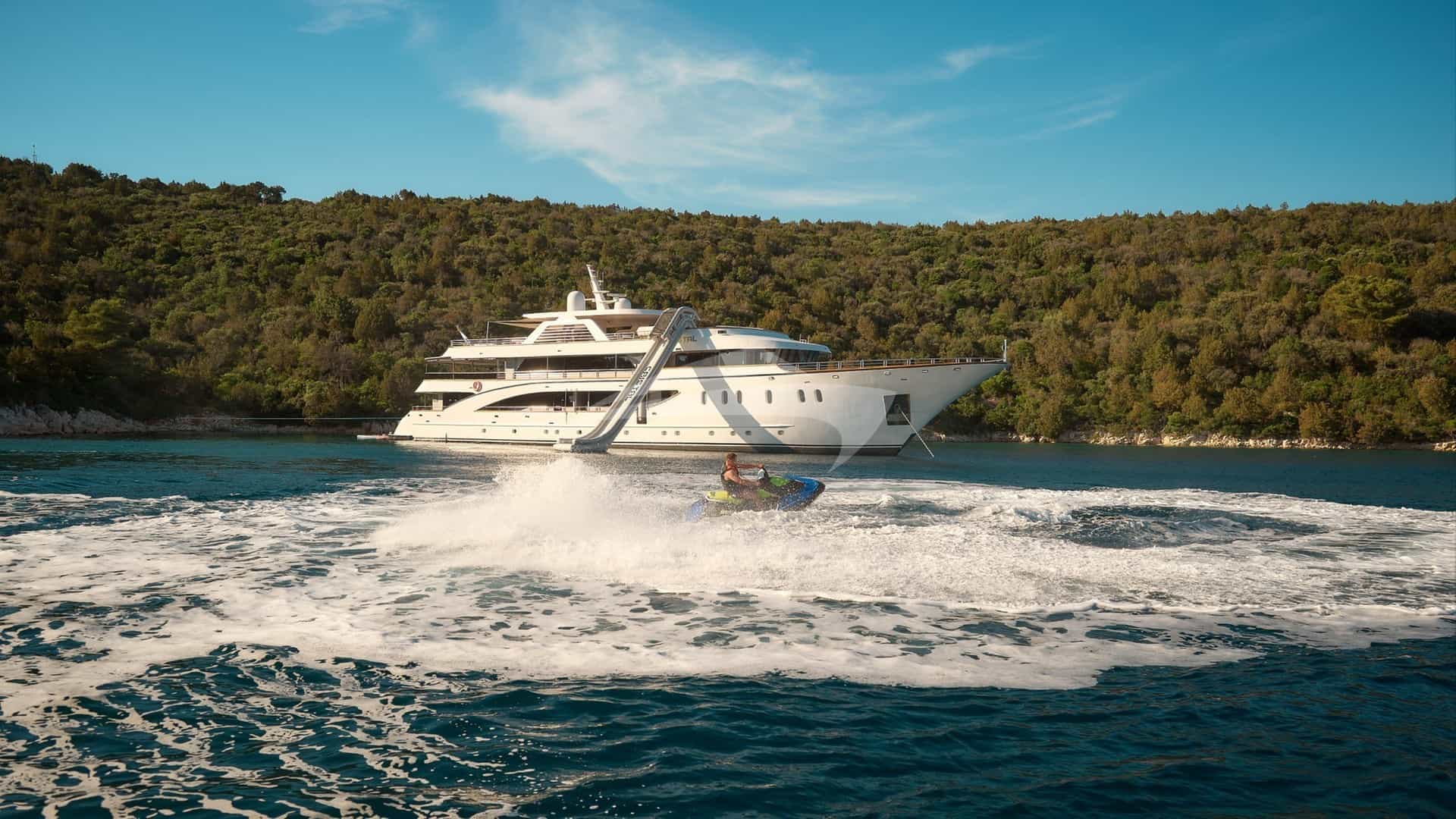
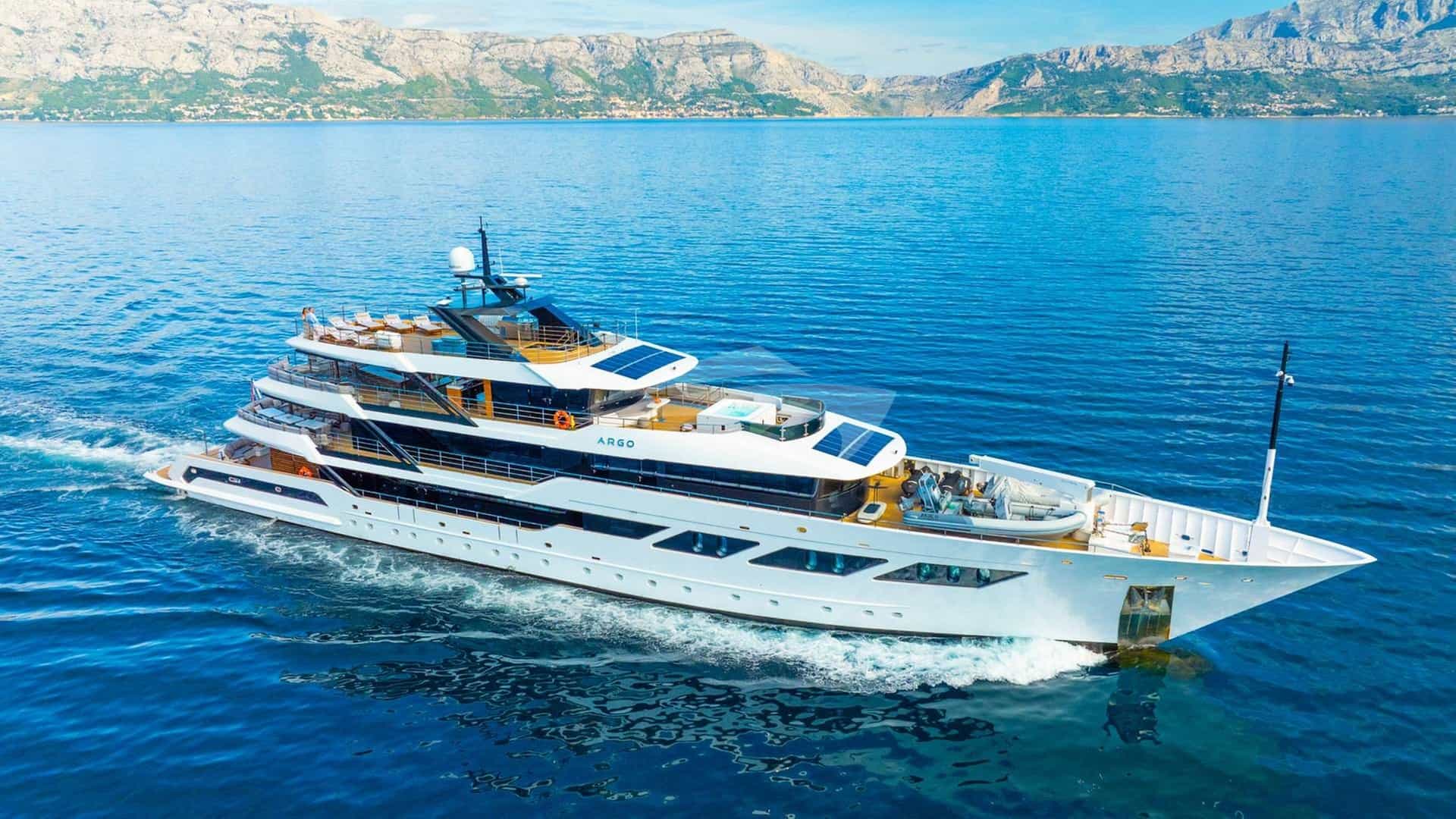
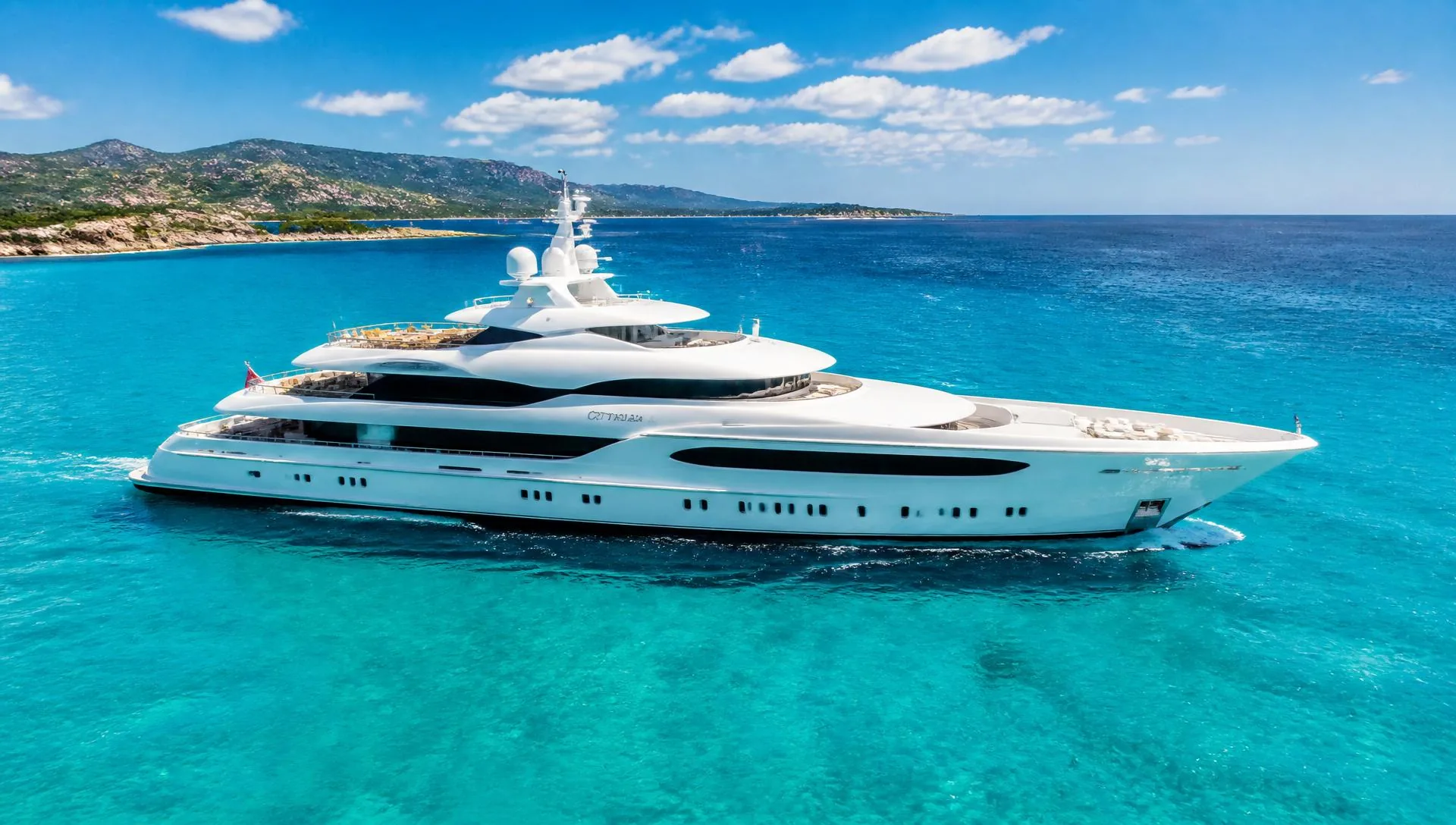
Why Croatia is the Definitive Mediterranean Charter Destination
For years, the chatter in yachting circles was all about the Côte d'Azur or the Amalfi Coast. Those are magnificent, of course, but they are playing on a different pitch. When a client asks me for the ultimate combination of freedom, discovery, and variety on the water, my compass invariably points east to the Dalmatian Coast. Why? The sheer density of options. We are talking about 1,244 islands, islets, and crags, meaning you are never more than an hour or two from your next breathtaking bay or historic harbour.
This isn't the open-water, long-passage sailing of other regions. This is island-hopping perfected. The distances are short and the navigation is largely line-of-sight, making it supremely relaxing. You can wake in a secluded cove, enjoy a morning swim, have a leisurely sail to a bustling medieval town for lunch, and then cruise to another quiet bay to drop anchor for the night. This rhythm is the very essence of a Croatian charter. The water itself is a draw; its clarity is legendary, a product of the karst limestone geology. You can often see your anchor chain resting on the seabed 15 metres below. Add to this a coastline steeped in visible history – from Roman arenas to Venetian fortresses – and a new generation of world-class chefs and winemakers, and you have a destination that simply cannot be exhausted in a single trip. I have clients who have returned for a decade straight, and they still haven't seen it all.
Understanding the Croatian Coastline: A Broker's View
The Croatian coast is, in essence, the submerged front range of the Dinaric Alps. This geological fact is what gives the coastline its unique character: long, slender islands running parallel to the mainland, creating sheltered channels and countless natural harbours. From a yacht, the backdrop is almost always the dramatic, pale grey mountains of the Velebit or Biokovo ranges, which create a stunning contrast with the deep blue of the Adriatic and the dark green of pine forests clinging to the island shores.
Broadly, I split the coast into three main charter regions:
-
Istria & The Kvarner Gulf (The North): More green, more Italianate. Istria feels like a Croatian Tuscany with its hilltop towns, vineyards, and truffle-rich forests. The Kvarner islands like Cres, Lošinj, and Rab are larger, less populated, and feel a bit wilder than their southern cousins. The sailing here is excellent, though one must always respect the Bora wind, which can funnel fiercely through the mountain gaps.
-
Northern & Central Dalmatia (The Kornati, Šibenik to Split): This is arguably the epicentre of nautical Croatia. It's home to two national parks, Kornati and Krka. The Kornati Archipelago is a staggering lunar landscape of over 100 uninhabited islands – a sailor's paradise. The stretch from Zadar down to Split is a dense constellation of smaller islands, perfect for true exploration. The starting points of Zadar, Šibenik, and Split offer superb infrastructure and access.
-
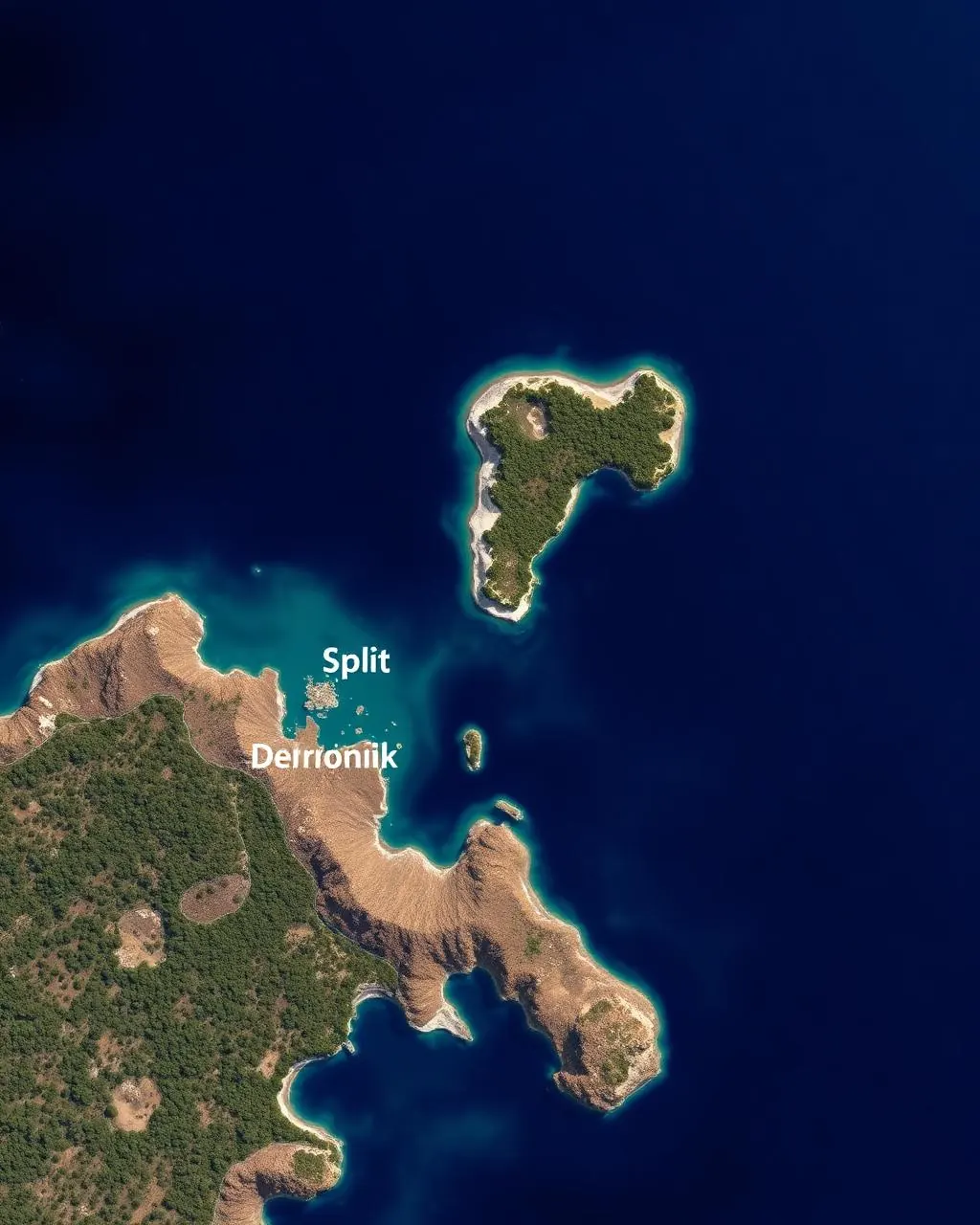
Southern Dalmatia (Split to Dubrovnik): This is the Croatia most people picture. It's home to the 'celebrity' islands: Brač with its famous Zlatni Rat beach, sleek Hvar with its glamorous nightlife, mysterious Vis, which was closed to foreigners until 1991, and Korčula, the mini-Dubrovnik. The journey culminates in the magnificent walled city of Dubrovnik itself. It is the most popular, and in July and August, the most crowded region, but its beauty is undeniable.
The Great Debate: Where to Cruise?
This is the first question every client asks. There's no single right answer, only the right answer for you. Let's compare the two most popular options.
Dalmatian Jewels: Split vs. Dubrovnik
Starting from Split (or nearby Trogir/Kaštela): This is the quintessential Croatian charter experience and my most recommended starting point for first-timers. The key here is choice. From the marinas around Split, you have the entire Central Dalmatian archipelago at your fingertips. Within a two-hour sail, you can be anchored off the Golden Horn on Brač, exploring the ancient stone quarries, or tucked into the fjord-like bay of Milna.
The next day, it's an easy hop to Hvar. You can choose the glitz of Hvar Town, booking a berth stern-to on the Riva to watch the world go by, or you can find tranquility in the less-visited harbours of Stari Grad or Jelsa. Then there's Vis. My personal favourite. Its isolation has preserved an authenticity that is utterly captivating. You can explore the main town, visit the submarine pen, or anchor in stunning Stiniva Cove. The Pakleni Islands, a small chain opposite Hvar Town, offer a labyrinth of exquisite bays and some of the best beach clubs and restaurants in the country. The sheer volume of anchorages and harbours within a 30-nautical-mile radius of Split means you can tailor your itinerary daily based on whim and weather. It's a playground.
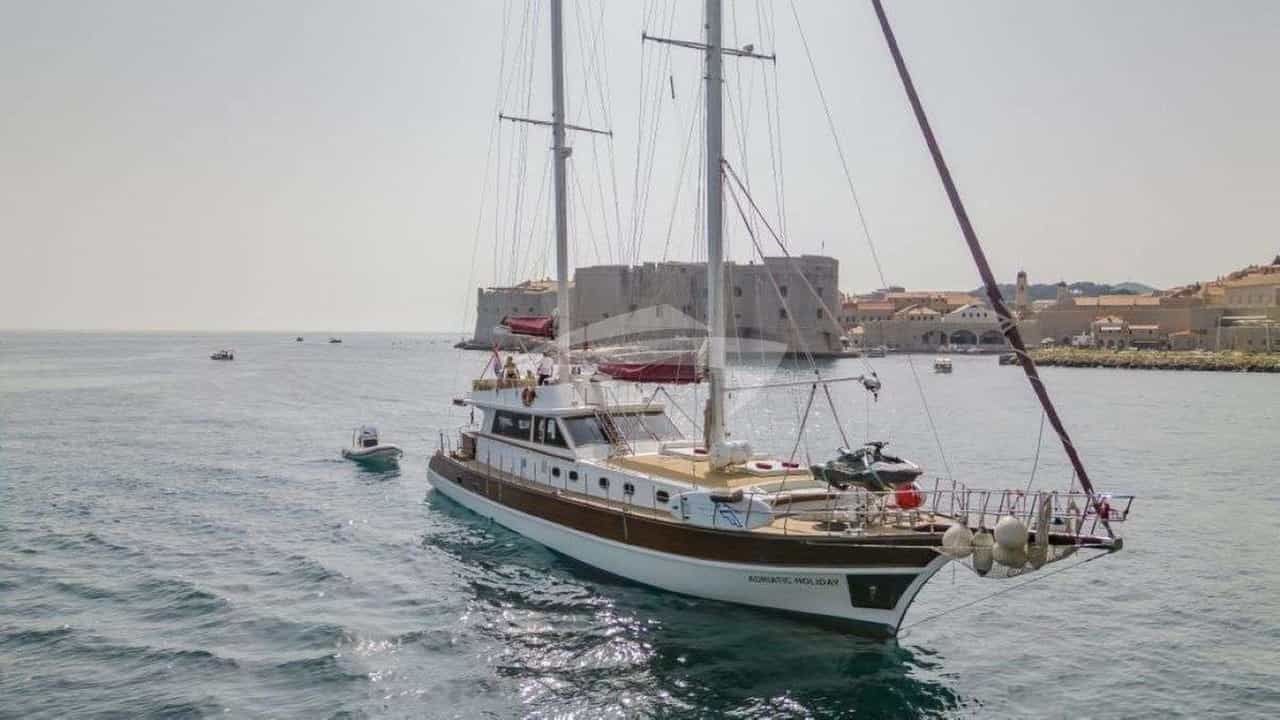
Starting from Dubrovnik: A charter from Dubrovnik is a more stately, linear affair. It's about 'The Pearl of the Adriatic' itself. Embarking from ACI Marina Dubrovnik and sailing under the bridge towards the old city is a moment you will never forget. The cruising ground here is spectacular but less dense than around Split. The typical one-week itinerary is a one-way trip to Split (or vice-versa), or a round trip exploring the Elaphiti Islands (Koločep, Lopud, Šipan), the green national park of Mljet with its saltwater lakes, and the beautiful walled town of Korčula.
Dubrovnik's appeal is its grandeur. It feels a bit more formal, a bit more epic. The limitation is that if you only have one week for a round trip, you will likely only get as far as Korčula and Mljet before having to turn back. While these are world-class destinations, you miss the variety offered by the Split archipelago. For a 10- or 14-day charter, however, a one-way trip between Split and Dubrovnik is, without question, the grand tour of Croatia.
The Northern Alternative: Istria & the Kvarner Gulf
For repeat clients or those seeking a different flavour, I always suggest looking north. A charter out of Pula in Istria is a completely different holiday. Here, the Venetian influence is paramount. The towns of Poreč and Rovinj, with its St. Euphemia church perched on a hilltop peninsula, feel like they've been plucked straight from Italy. The food scene is more developed, focused on world-class olive oils, white truffles, and wines like Malvasia. From a yacht, you can explore the Brijuni National Park, Tito's former private islands, now a delightfully strange safari park.
The Kvarner Gulf offers a more rugged adventure. The islands of Cres and Lošinj form a 60-mile barrier, creating a vast protected sailing area. These islands are mountainous and sparsely populated. You can sail for hours seeing only Griffon vultures circling overhead. You might anchor for the night in a bay with just a single family-run konoba ashore, where the owner pulls your dinner straight from the sea. It has a raw, adventurous feel that contrasts with the polish of the south. This area is for the sailor who wants to feel like they are really getting away from it all and is interested as much in hiking and nature as in glamorous towns.
The Sailing: Conditions, Winds, and Waters
Croatia is often described as a sailing nirvana, and it's no exaggeration. The prevailing summer wind is the Maestral, a wonderfully reliable north-westerly that typically builds around 11 a.m. to a pleasant Force 3-5 and dies down at sunset. It's the perfect charter wind: strong enough for exhilarating sailing, but rarely overwhelming. You can plan your days around it, enjoying lazy mornings and thrilling afternoon passages.
However, one must respect the other winds. The Bora (Bura) is a katabatic wind that blows from the north-east, tumbling down from the mountains. It can arrive with frightening speed and reach hurricane force, though this is rare in summer. A good captain will always be aware of the Bora forecast and ensure the yacht is in a secure harbour or a well-protected bay. The Jugo (or Sirocco) is a southerly wind that brings warmer, more humid air, cloud cover, and a considerable swell. It builds more slowly than the Bora, giving plenty of warning, but can make for lumpy conditions in exposed anchorages.
One of the joys of Croatian sailing is the ease of mooring. The country has perfected the art of the town quay (riva). In most towns, you will moor 'stern-to', dropping your anchor and reversing towards the quay where attendants will help you with mooring lines. It's a sociable, quintessentially Mediterranean experience. For more seclusion, there are thousands of anchorages. Many of the most popular bays now have mooring buoy fields (polje bova), which you pay a fee to use. While this removes some of the romance of anchoring, it protects the delicate posidonia seagrass beds and allows more boats to share a popular spot safely.
Beyond the Deck: Gastronomy, Wine, and Culture
A charter here is as much a culinary journey as a nautical one. The food is honest, seasonal, and deeply connected to the local environment.
A Taste of Dalmatia
Forget generic 'Mediterranean' cuisine. Croatian food has its own distinct identity. On the coast, it's all about what comes from the sea. A simple plate of grilled fish – bream (orada), bass (brancin), or scorpionfish (škrpina) – dressed with local olive oil, garlic, and parsley is a sublime experience. Look for restaurants that cook ispod peke (under the bell), a metal dome covered in hot coals under which lamb, veal, or octopus is slow-roasted for hours until impossibly tender. Each island has its speciality. Pag is famous for its hard, salty sheep's cheese (Paški sir). The Pelješac peninsula is famed for its oysters from Ston. In Istria, it's all about truffles (tartufi), shaved over pasta, steak, or even eggs.
Don't just stick to the flashy restaurants on the waterfront. The real soul of Croatian cooking is found in the konobas – small, family-run taverns, often in the backstreets or in a secluded bay accessible only by boat. Here, the menu is often verbal, and the food is cooked by mama in the kitchen. These are the meals you'll remember.
Croatian Viticulture
For too long, Croatian wine was a local secret. Not anymore. The country has a wine-making history that dates back to the Ancient Greeks, and a new generation of winemakers is producing world-class vintages from indigenous grapes. The most famous red is Plavac Mali, a robust, full-bodied cousin of Zinfandel, which grows on the steep, sun-drenched slopes of the Pelješac peninsula and the southern shores of Hvar and Brač. Wineries like Grgić (founded by the same Mike Grgich of Napa Valley fame) and Stina on Brač are must-visits. For white wines, seek out Pošip and Grk from the island of Korčula, or Malvasia from Istria. A private tasting arranged at one of these estates is an essential part of the Croatian luxury experience.
A Coastline of Culture
You are constantly sailing through living history. In Split, you will literally moor within the walls of Diocletian's Palace, a 1,700-year-old Roman retirement complex that now forms the vibrant heart of the city. In Dubrovnik, walking the magnificent 2km-long city walls is a non-negotiable experience, offering incredible views over the sea of terracotta roofs. In Pula, you can attend a concert in a Roman amphitheatre that rivals the one in Rome. The old towns of Hvar, Korčula, and Trogir (a UNESCO World Heritage site in its own right) are perfectly preserved examples of Venetian architecture, a labyrinth of polished limestone streets, hidden courtyards, and beautiful Renaissance-era buildings. A great charter is not just about the sea; it's about stepping ashore and immersing yourself in a culture that is thousands of years old.
Practicalities for the Prudent Charterer
A few pieces of insider advice can make a great charter truly seamless.
- Booking Marinas & Quays: In July and August, popular spots like Hvar Town, Korčula, and the ACI marinas near Split get booked up weeks, sometimes months, in advance, especially for Friday nights. There are online booking systems like MySea or the ACI app, but it's often best to have your captain or broker handle this. Be prepared for high daily rates in peak season – sometimes several hundred Euros for a mid-sized yacht.
- Cash is Still King: While credit cards are accepted in most restaurants and shops in larger towns, you absolutely must have cash (Euros, as of 2023) on you. You will need it for mooring buoys, national park tickets, water taxis, and for paying at smaller konobas and market stalls. Don't get caught out.
- National Parks: The fees for visiting national parks like Kornati and Mljet by yacht can be substantial and are charged per person. It's wise to buy tickets online in advance, as it's often cheaper than buying them from the park rangers on the water.
- The Friday Rush: Most charters in Croatia run Saturday-to-Saturday. This means that Friday afternoon is a frantic rush of thousands of yachts descending on the marinas closest to the main charter bases (Split, Trogir, etc.) to refuel and be ready for handover. My advice is to plan a leisurely itinerary that brings you back to a nearby island like Šolta or Brač on Thursday night. Enjoy a final peaceful dinner and then have a short, stress-free motor to the marina early on Friday morning, beating the queues at the fuel dock.
Is Croatia for You? Finding Your Perfect Charter
Croatia’s versatility is its greatest strength. It can be whatever you want it to be.
-
For Families: It is, without a doubt, one of the world's best family charter destinations. The calm seas, short sailing distances, and endless opportunities for swimming, snorkelling, and paddleboarding in safe, sheltered bays are perfect for children. The historic towns are like giant playgrounds, full of castle walls to climb and ice cream to eat.
-
For Groups of Friends & Party-Goers: Head for the Split-Hvar-Vis route in July and August. Hvar Town is the undisputed party capital, with legendary beach clubs like Carpe Diem and Hula Hula. You can dance until dawn, recover on the sundeck the next day, and then sail to a quiet bay to recharge before the next party.
-
For Foodies & Wine Lovers: A charter focused on Istria or a one-way trip from Split to Dubrovnik stopping at Pelješac is the dream. We can build an itinerary around visits to specific wineries, oyster farms, and Michelin-starred restaurants like Pelegrini in Šibenik.
-
For History & Culture Buffs: Every stop can be a history lesson. From Diocletian's Palace to Marco Polo's (alleged) house in Korčula, the coast is a living museum. A route combining Split, Hvar, Korčula, and Dubrovnik is a journey through the annals of the Adriatic.
-
For Peace & Quiet Seekers: Charter in June or September. Head for the outer islands like Vis and Lastovo, or explore the vast, empty spaces of the Kornati archipelago. You can find bays where yours is the only yacht in sight and the only sound is the cicadas in the pines. This is the Croatia I fell in love with 20 years ago, and it is still there if you know where to look.
Ultimately, Croatia rewards the curious. It's a place that invites you to drop the anchor, lower the tender, and go exploring. Whether you are looking for glamour, solitude, history, or simply the profound joy of a perfect day's sail, you will find it here, waiting in the dazzling Adriatic light.