The Ibiza Proposition: Beyond the Headlines
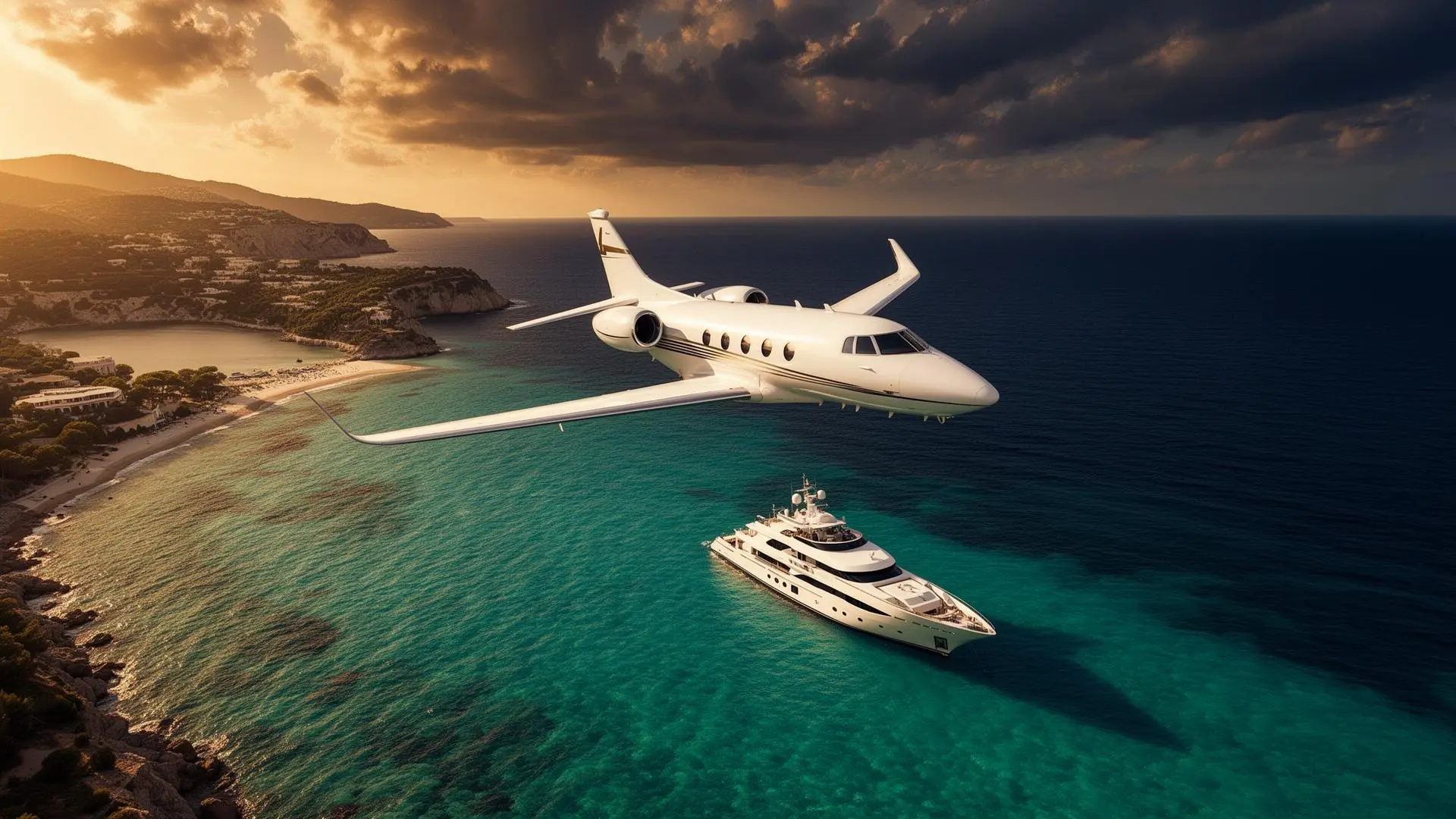
Ibiza is a duality. For principals seeking the apex of Mediterranean energy—the seamless transition from a sun-drenched deck to a front-row table at Lío—the island’s southern coastline delivers with unmatched intensity. Yet, a mere 15 nautical miles north, the narrative shifts entirely. Here, the asset becomes a platform for seclusion, anchoring in silent calas where the only sound is the evening breeze through pine forests.
Understanding this duality is the first step in engineering a successful charter. Ibiza is not a singular destination; it's a menu of experiences to be curated with operational precision. The success of the week is determined not by chance, but by the strategic deployment of the yacht, crew, and a meticulously planned itinerary that treats the island as a set of distinct, yet interconnected, operational zones.
Charter Fee & APA Breakdown: The 2026 Season
Ambiguity on cost serves no one. For budgeting and client expectation management, the following figures represent a realistic baseline for a prime week in the 2026 July/August season. All pricing is ex-VAT.
-
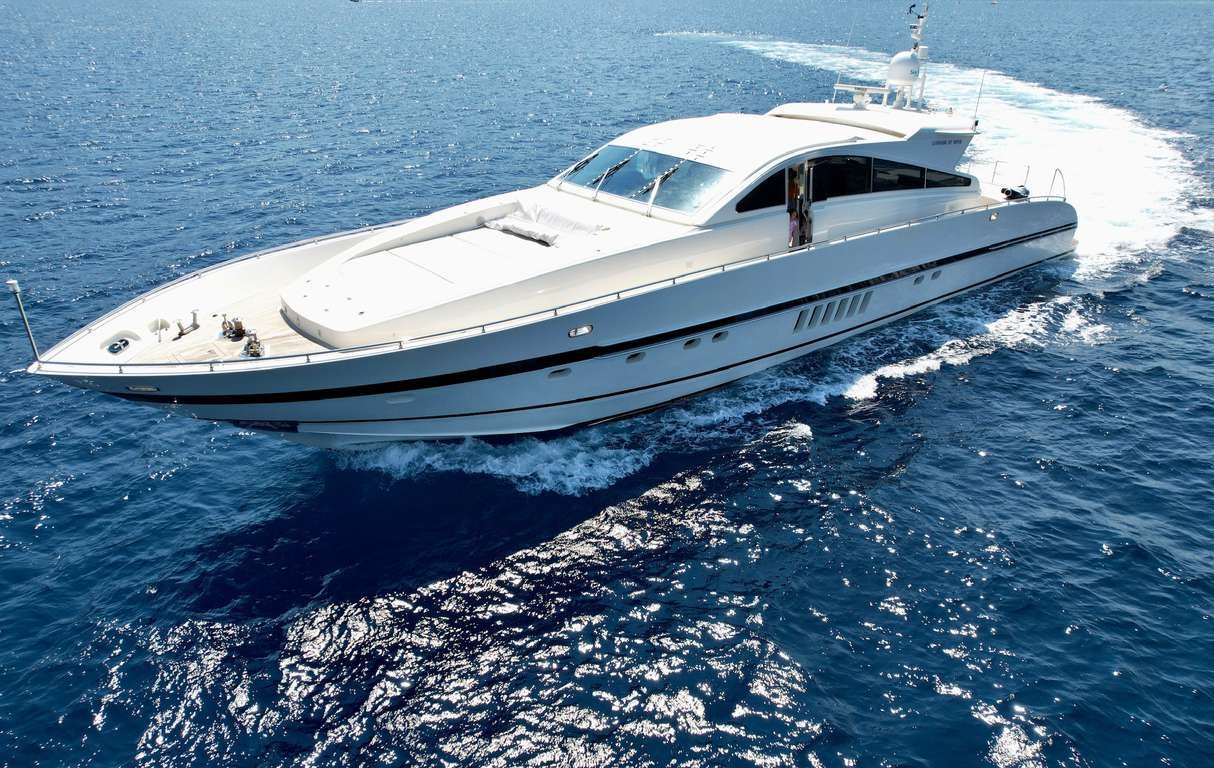
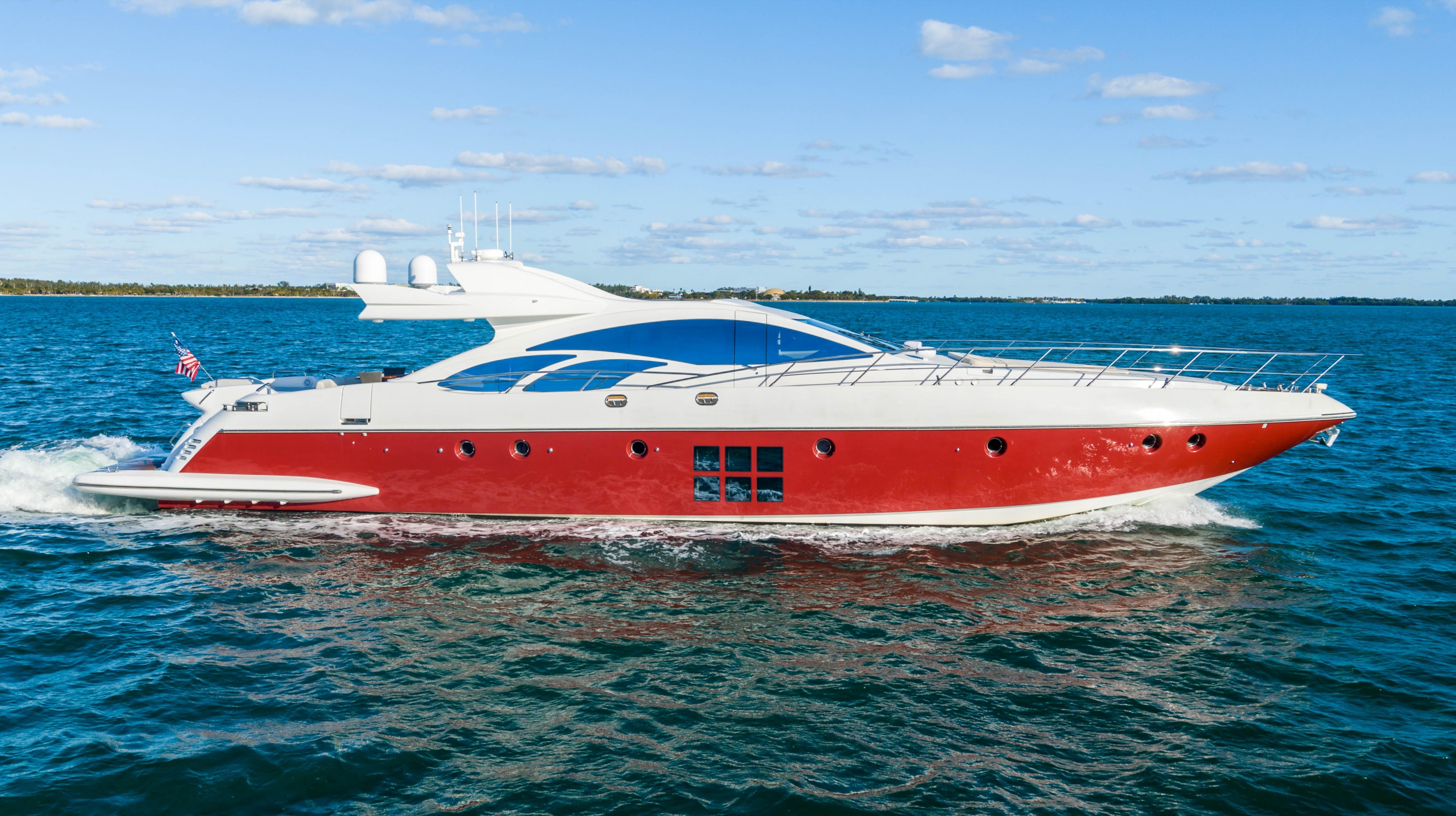
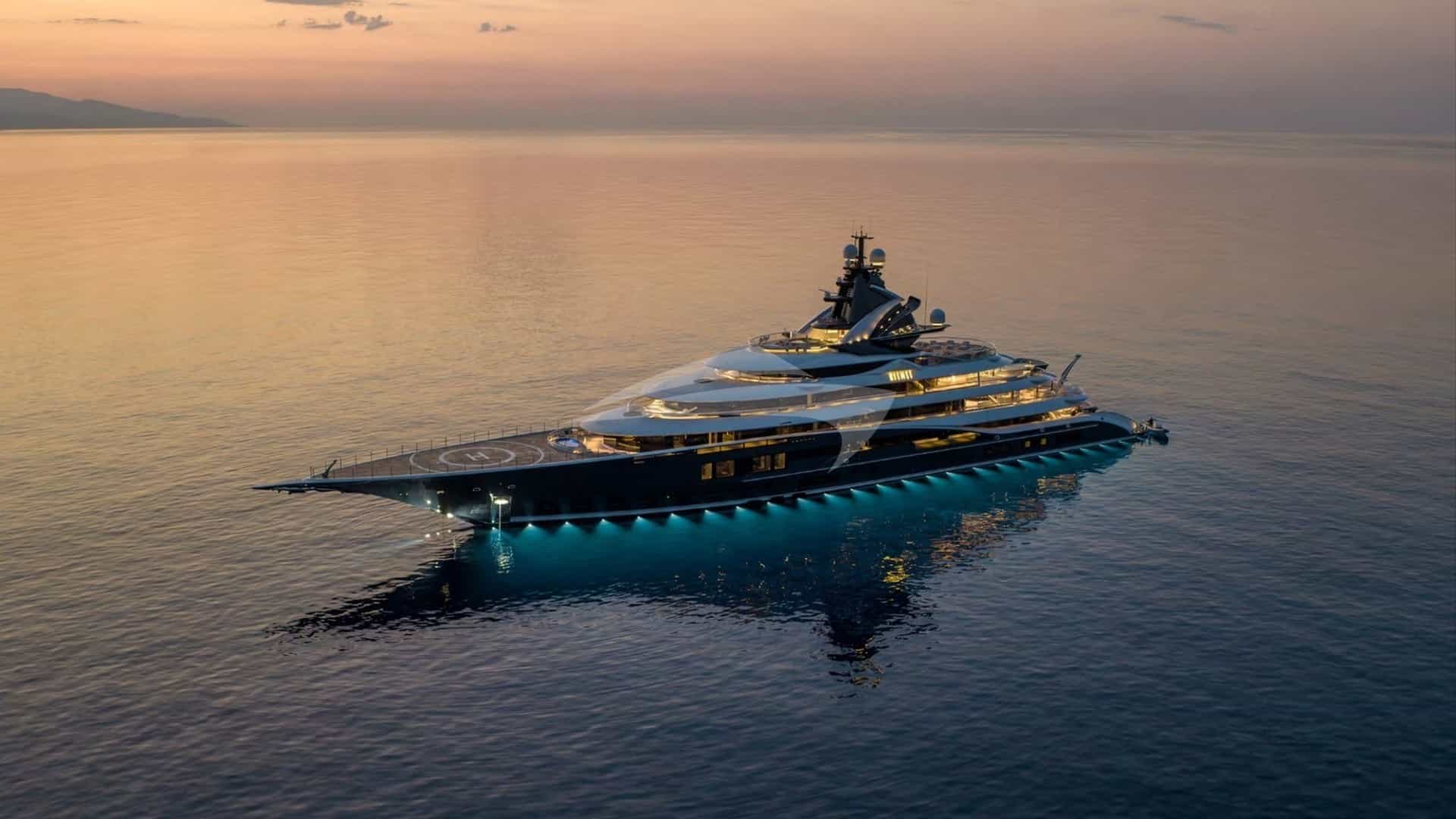
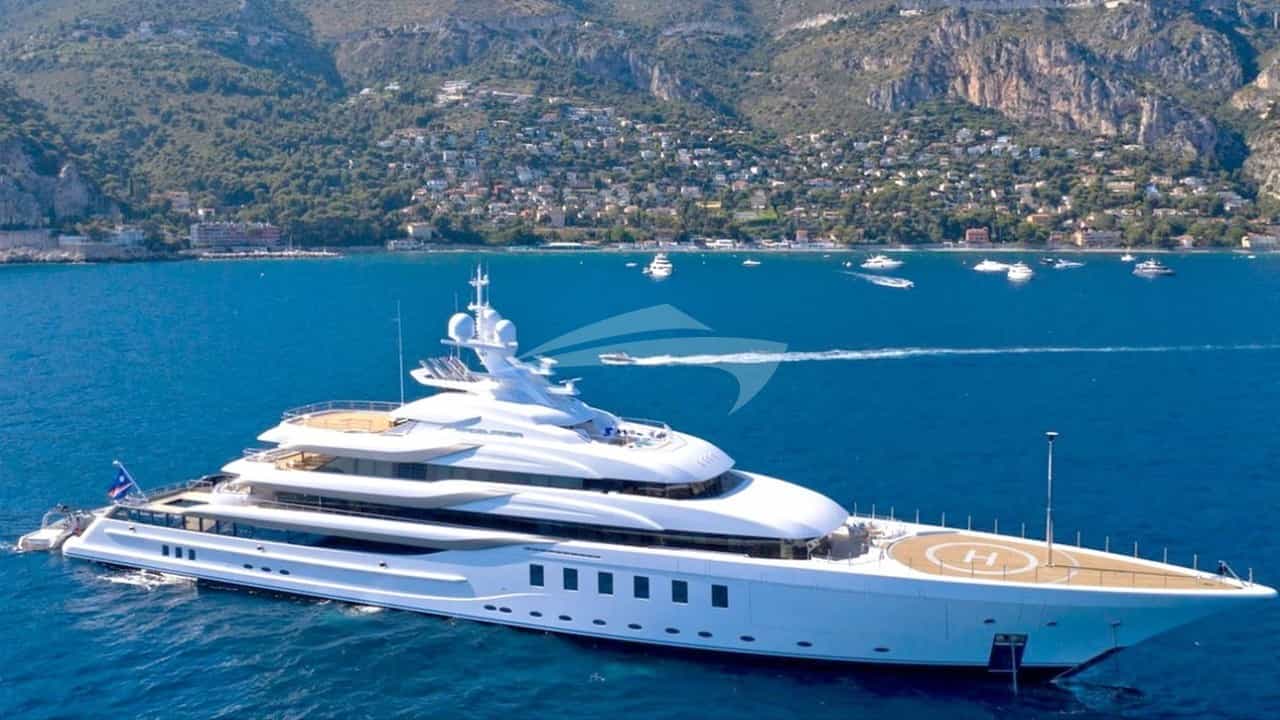
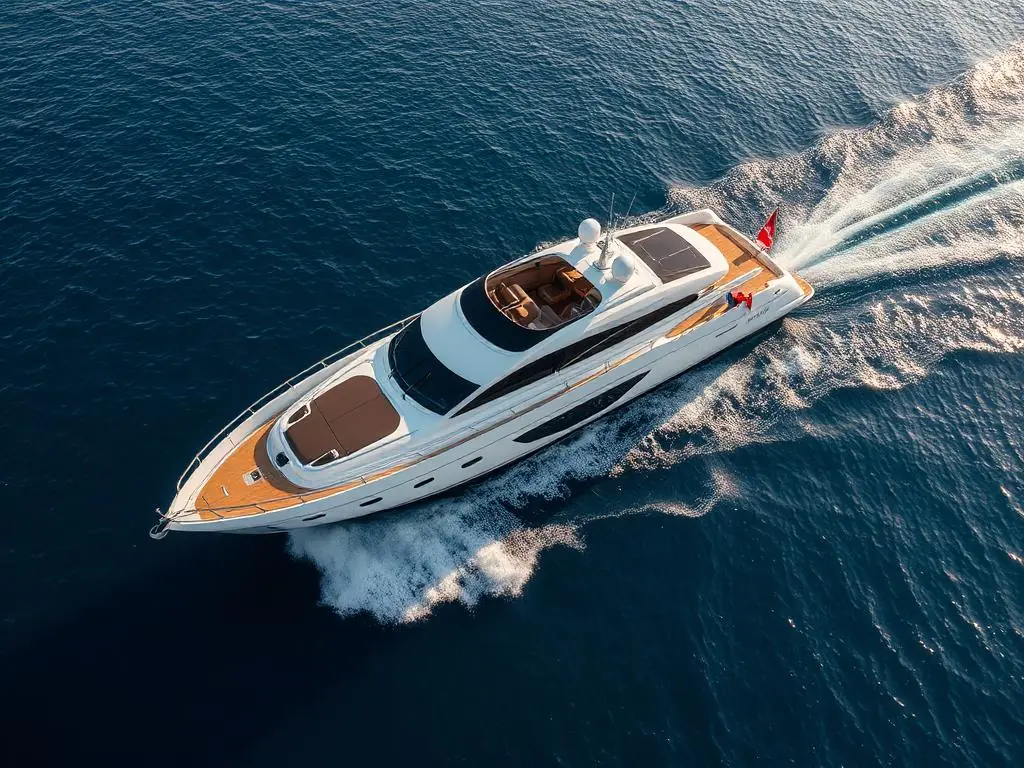
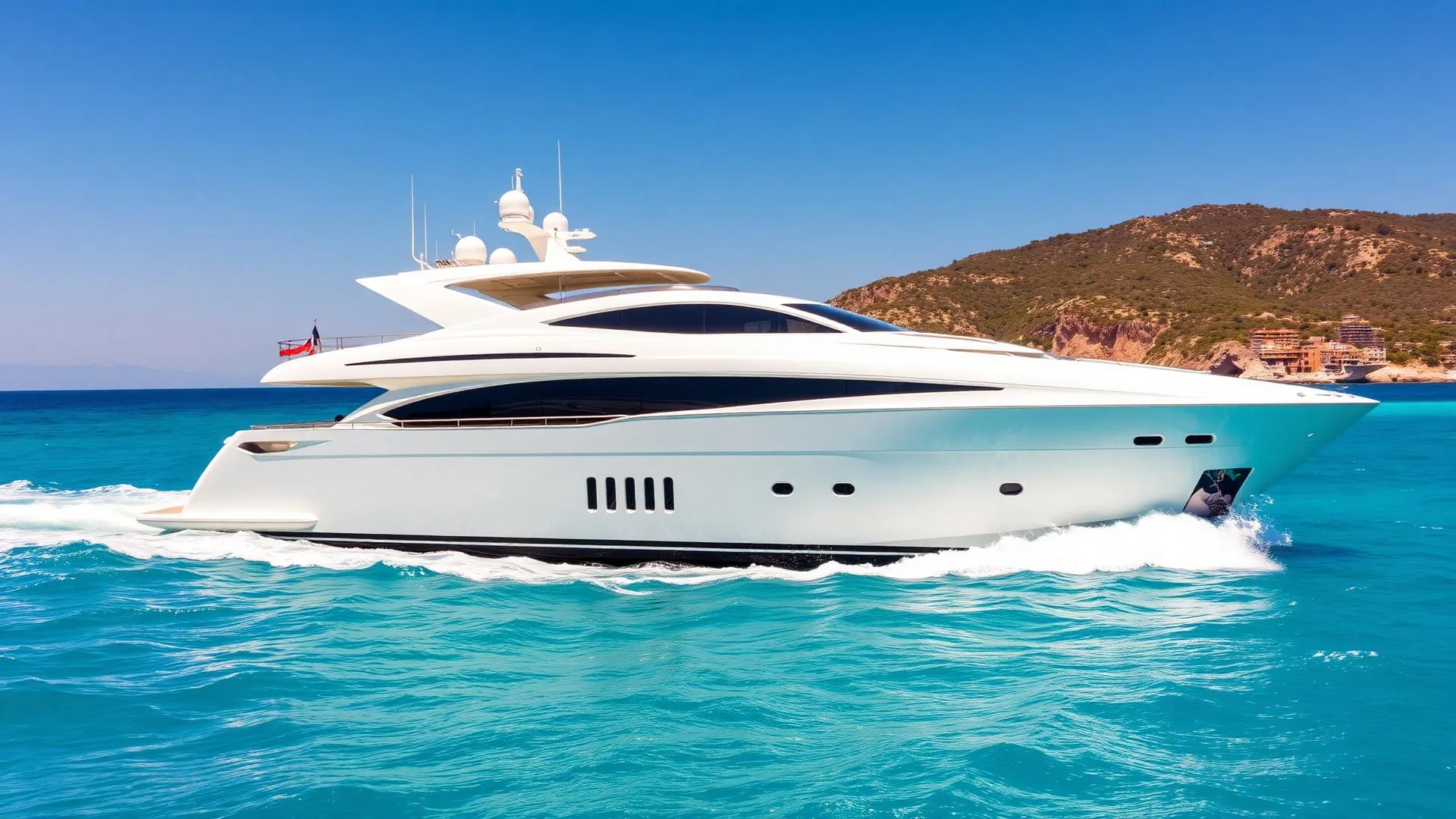
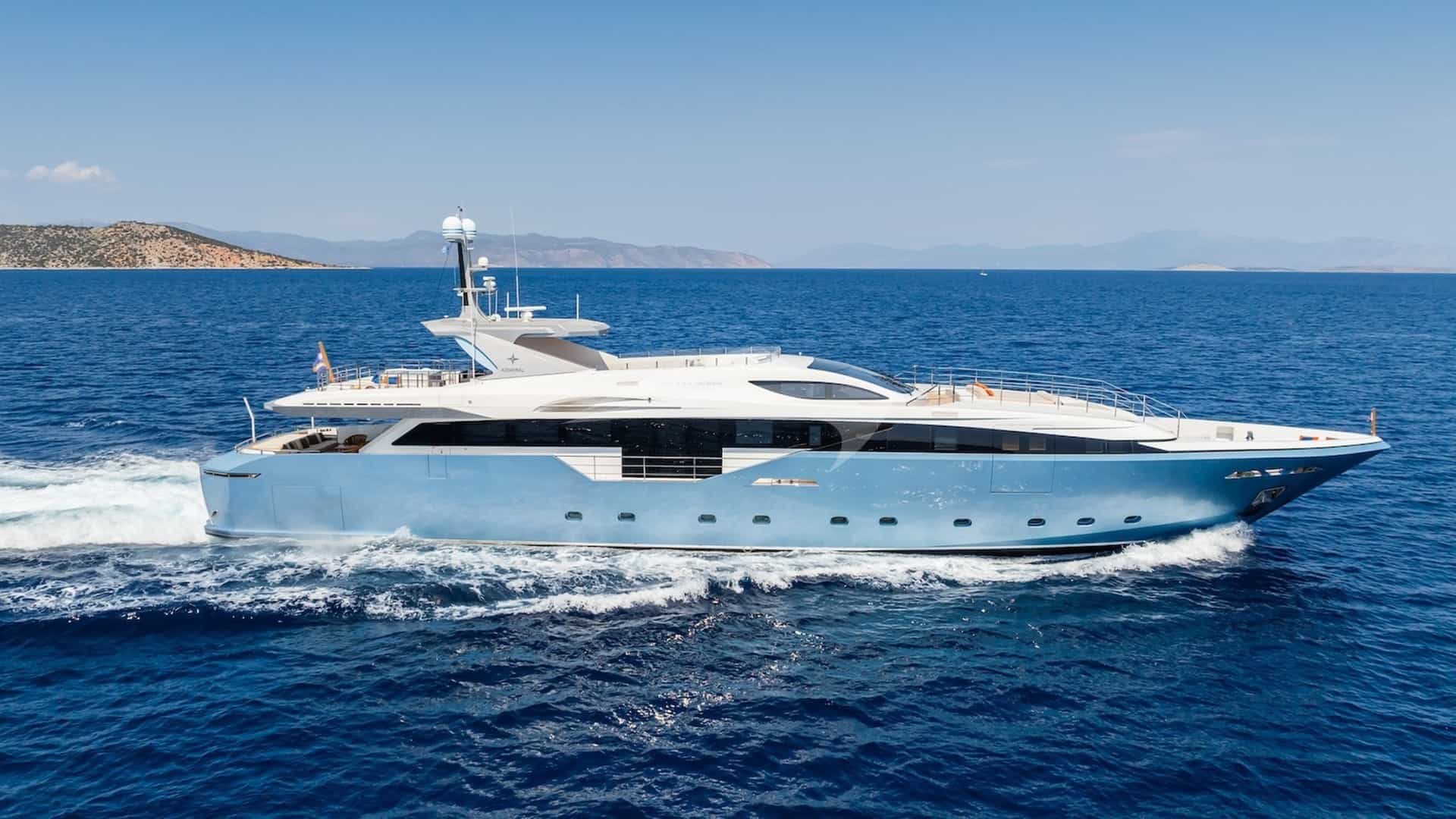
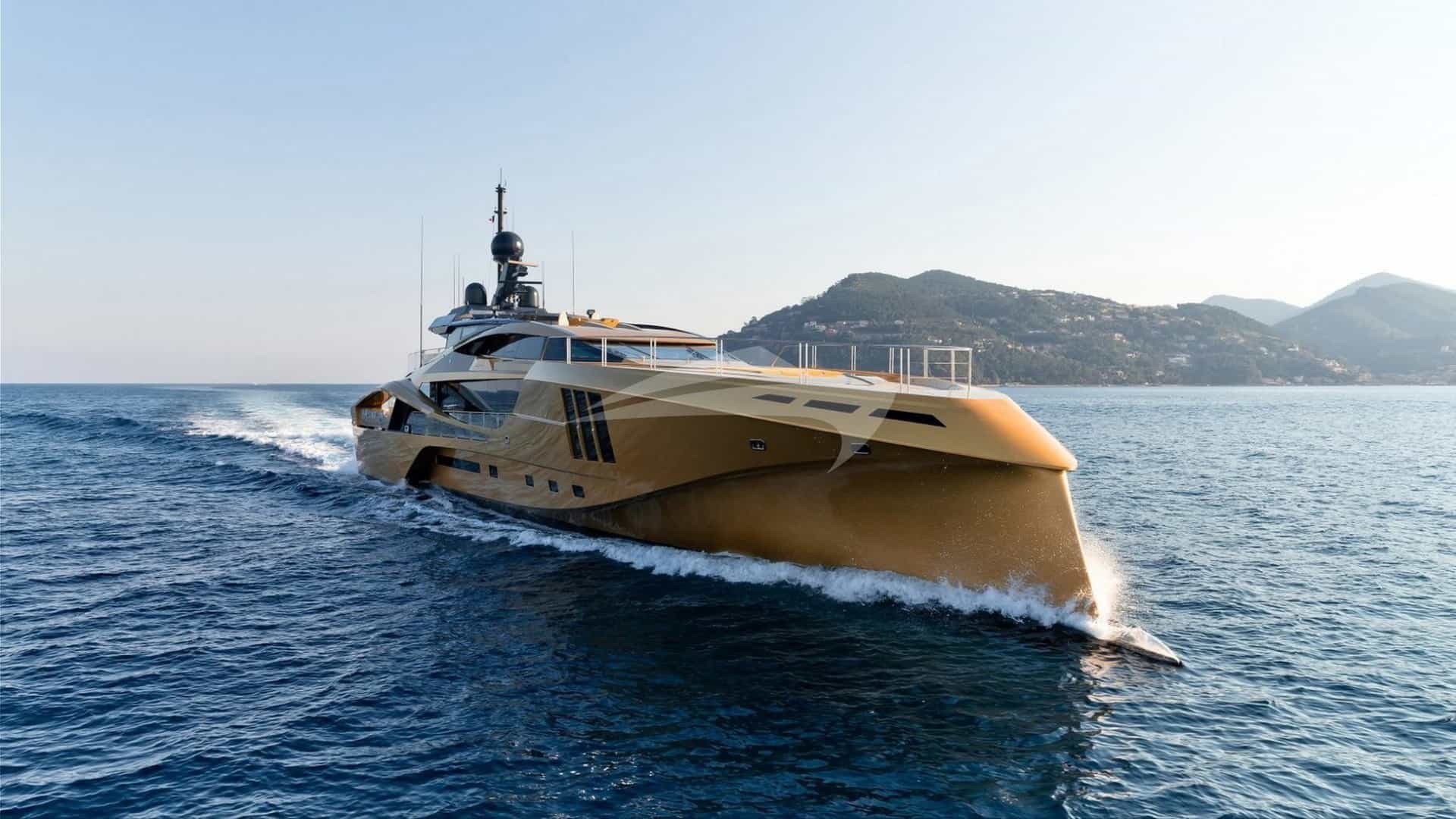
30-40m Planing Motor Yacht: Expect weekly charter fees in the range of €130,000 - €220,000. This bracket is dominated by high-performance yachts like a newer Sunseeker 116 or a Pershing 116. These are platforms built for speed and access, ideal for principals who value hopping between Cala Jondal, Illetes in Formentera, and back to Marina Ibiza in a single afternoon. Fuel consumption is the primary driver of APA variance.
-
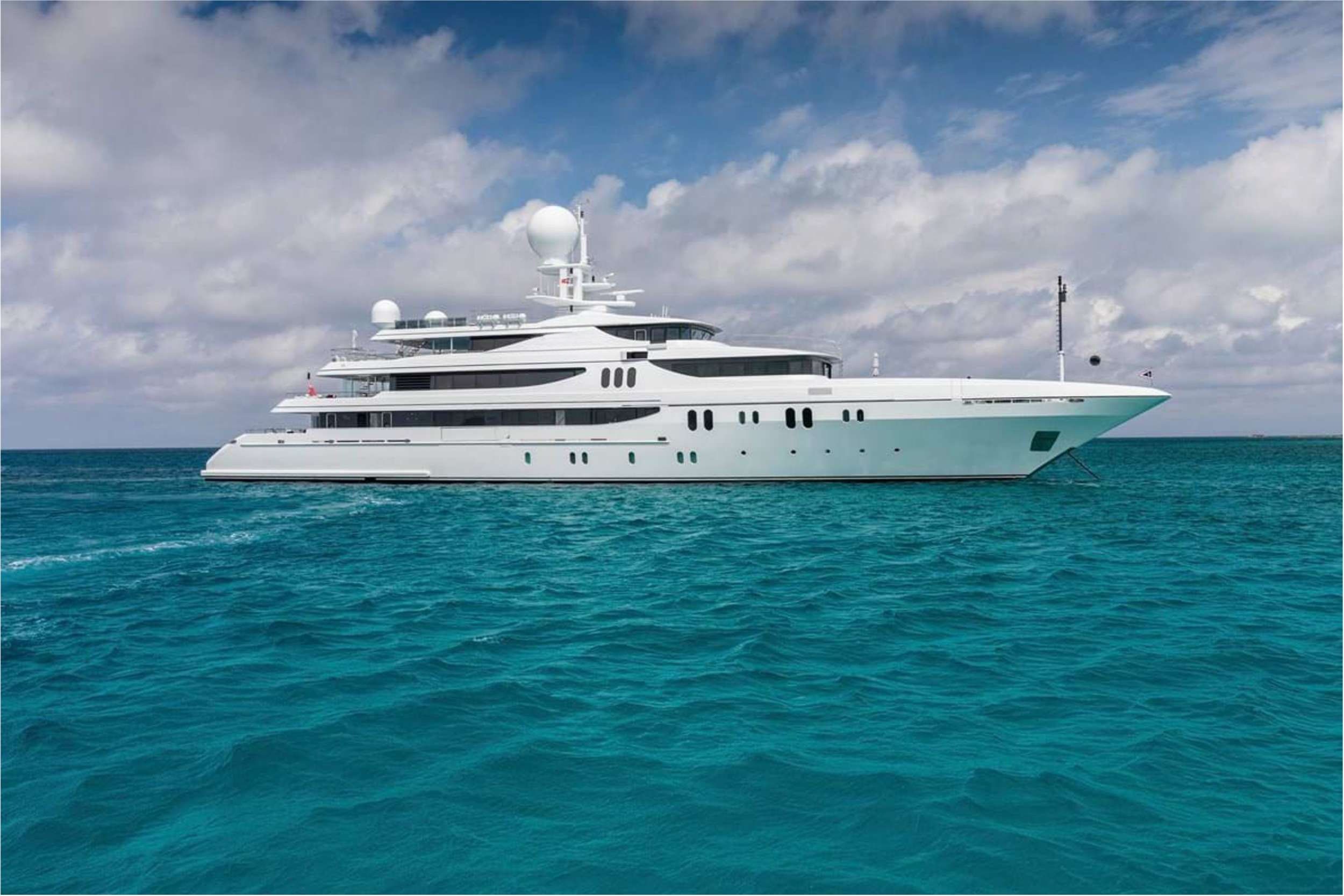
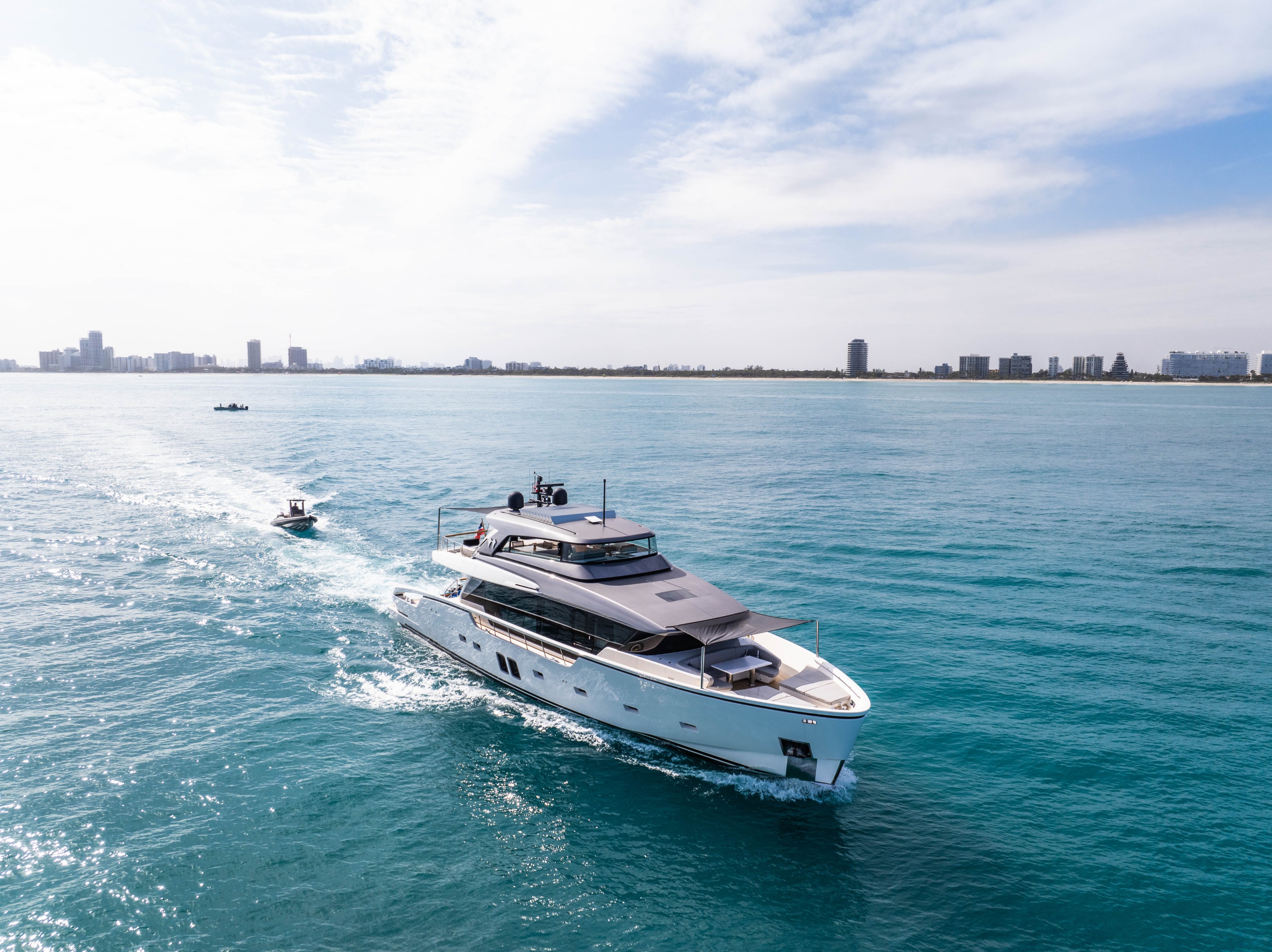
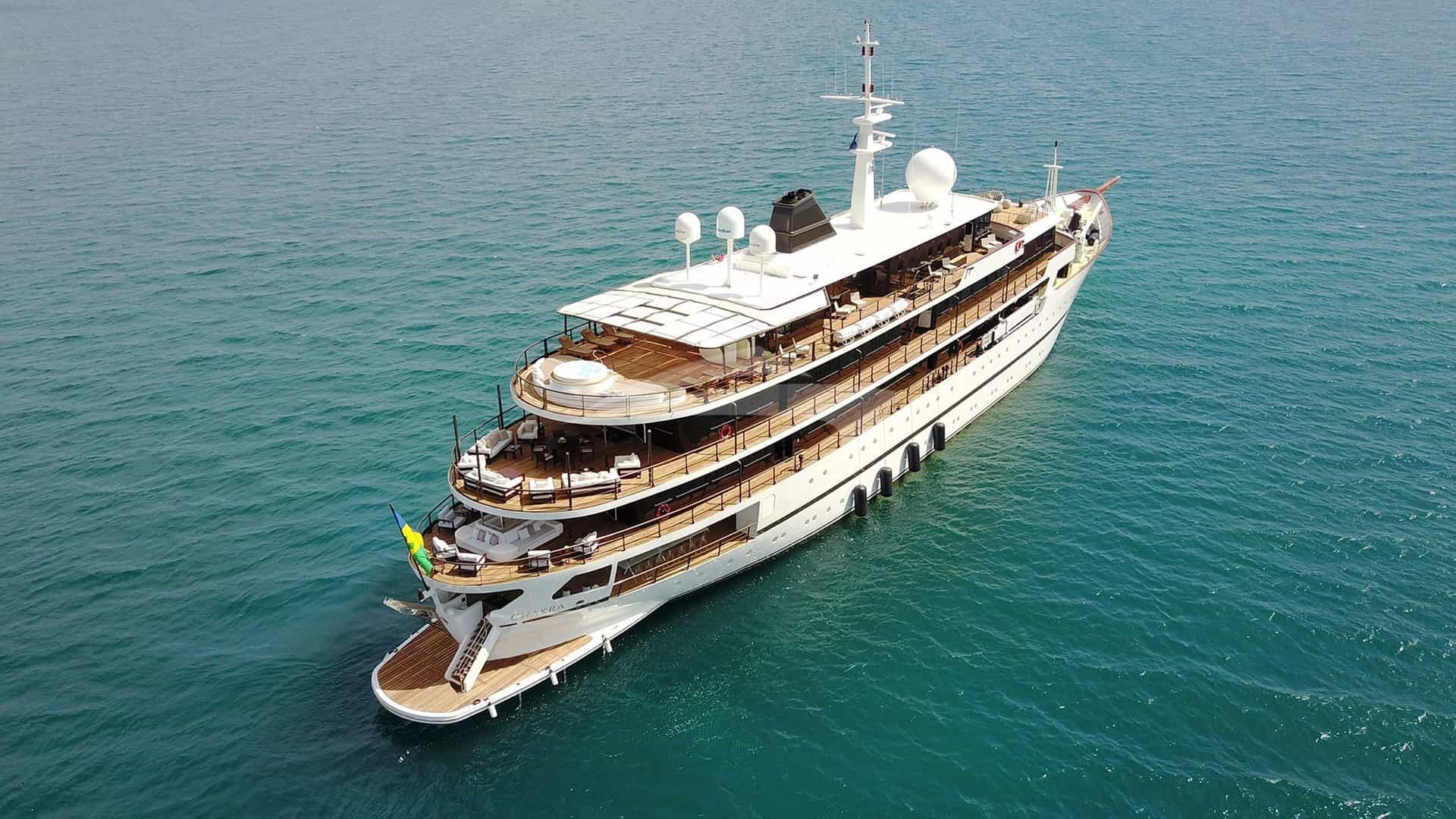
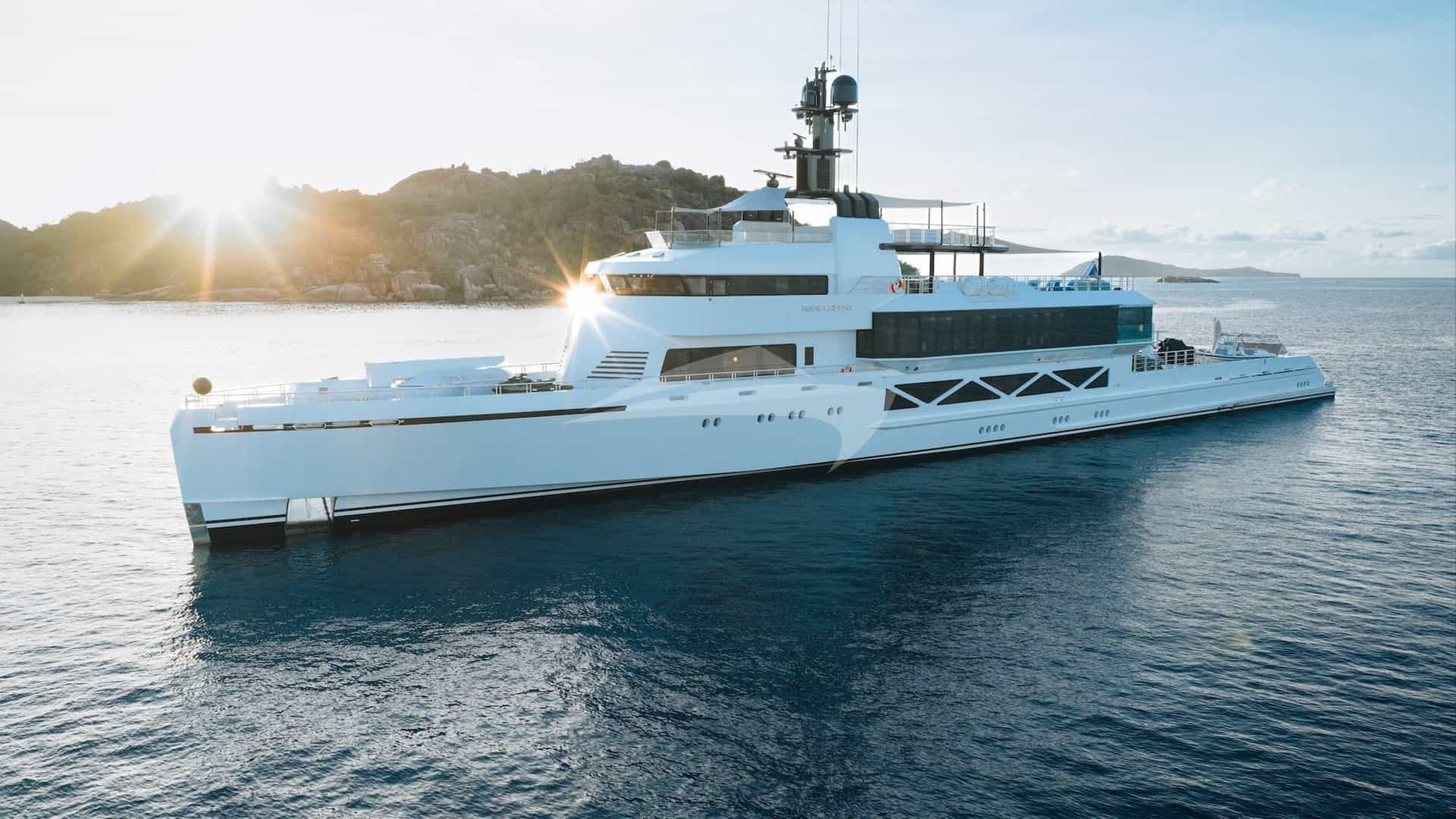
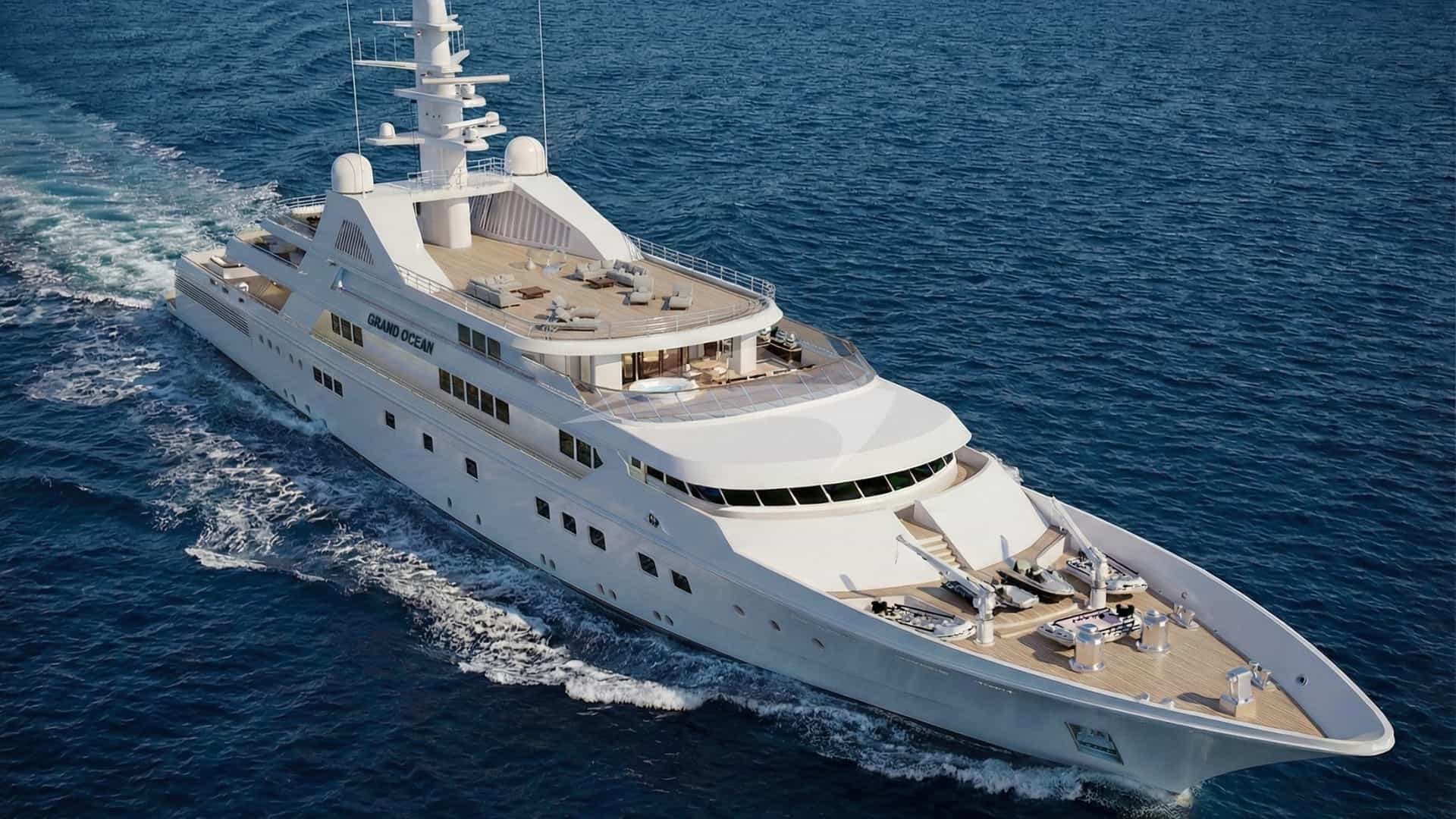
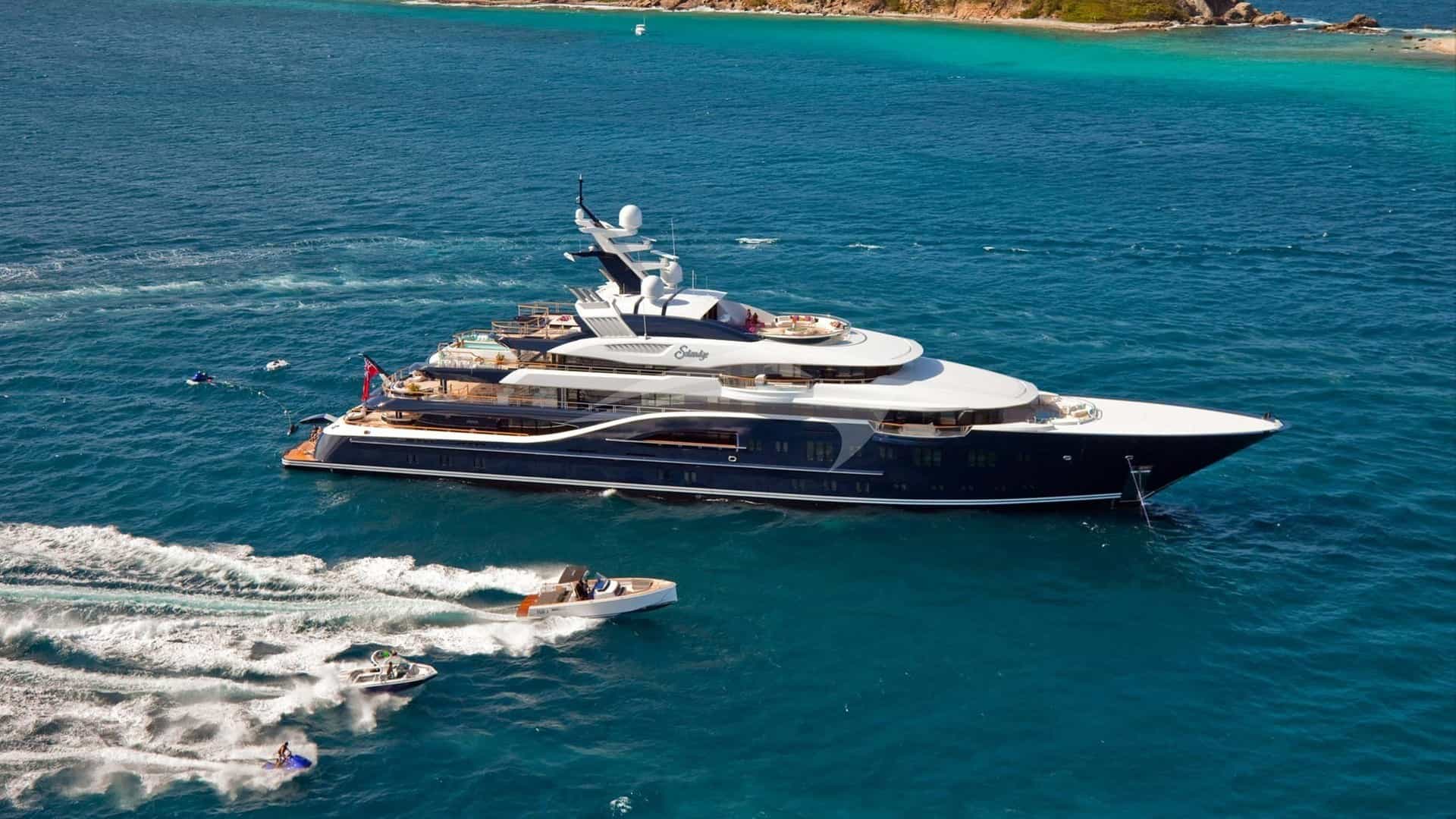
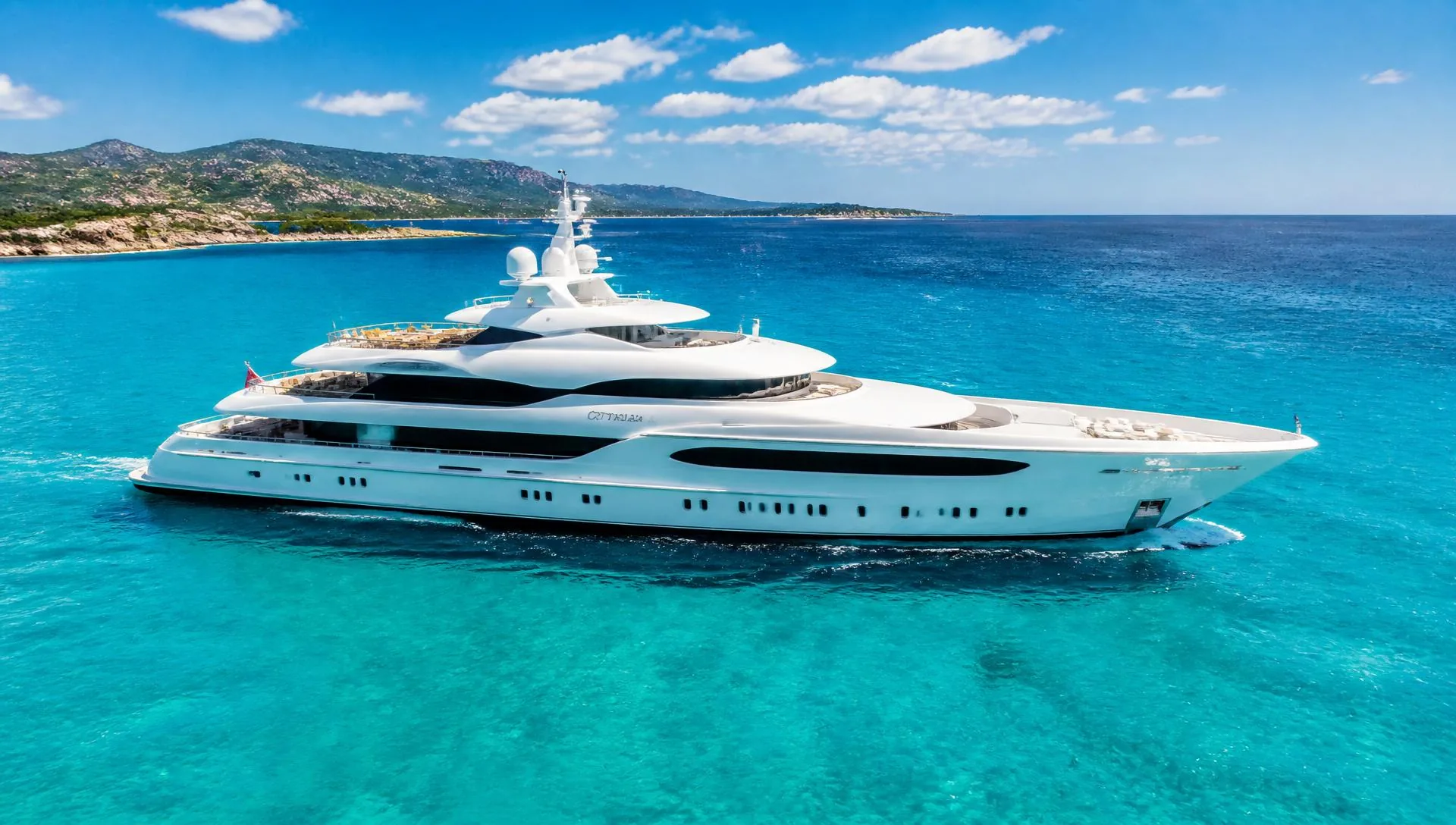
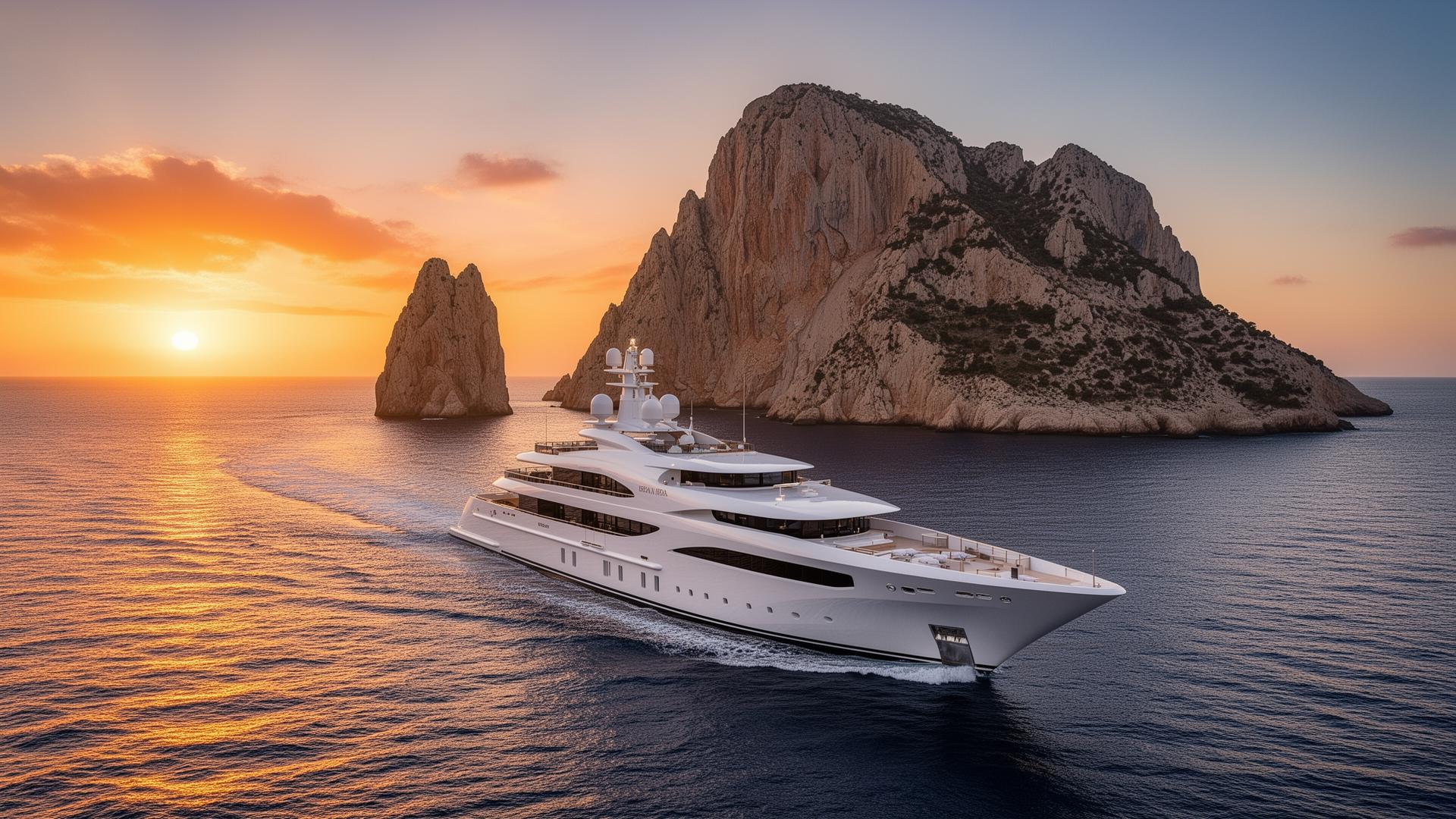
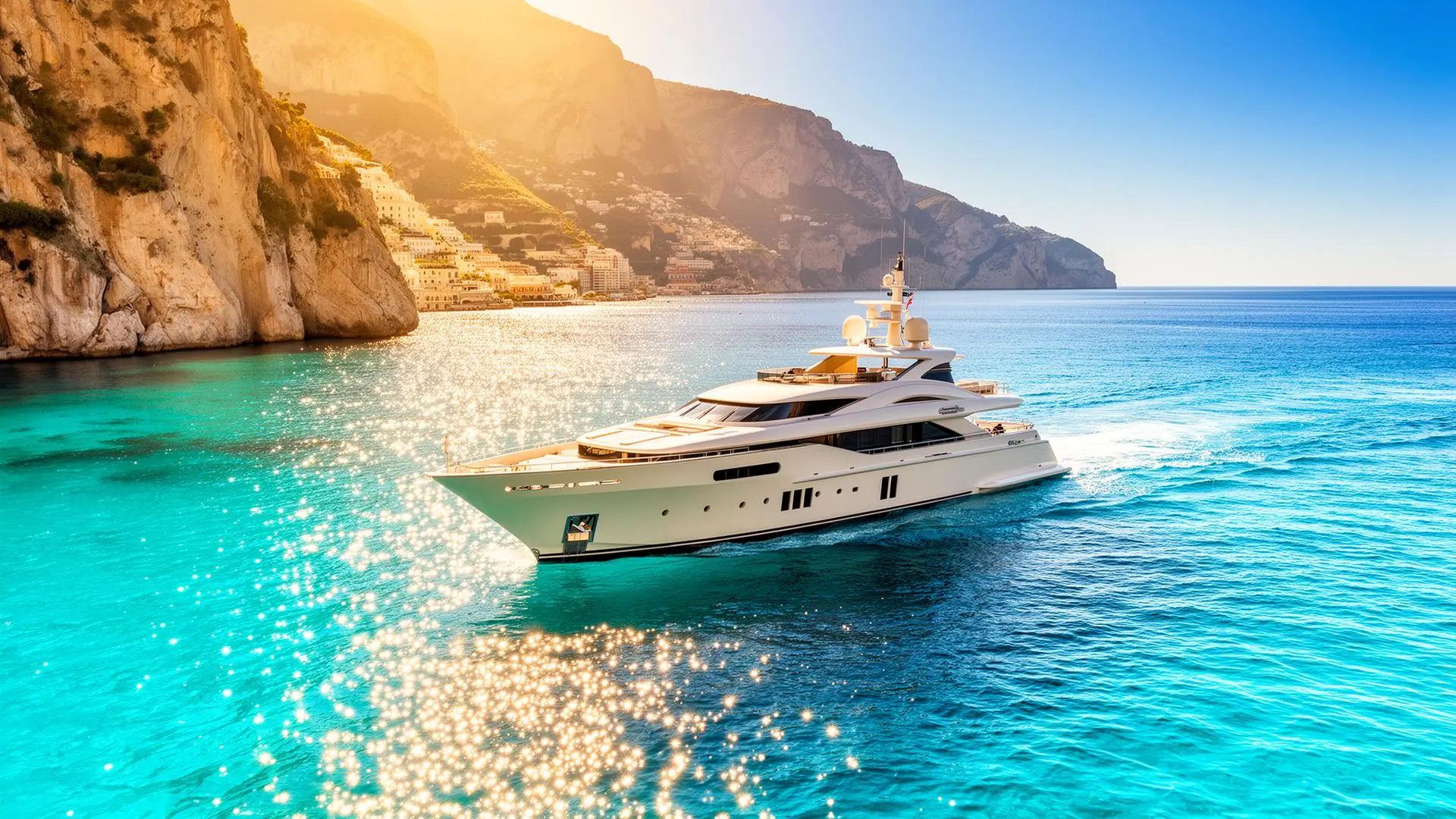
50-65m Displacement/Semi-Displacement Motor Yacht: The core of the superyacht fleet sits here. Fees will range from €280,000 - €550,000+. Assets from shipyards like Benetti, Feadship, and Amels offer stability, volume, and extensive amenities. The yacht itself is the destination. This is the choice for multi-generational family charters or principals hosting significant guests, where the beach club, onboard cinema, and dedicated wellness areas are in constant use.
-
40m+ Performance Sailing Yacht: A different proposition entirely, for a principal who values the journey over the raw speed of arrival. Expect €120,000 - €250,000. A modern Baltic or a classic Perini Navi offers an unparalleled connection to the elements. While less suited for the high-traffic, tender-jockeying of the southern beach clubs, a large sloop anchored off the dramatic cliffs of the north coast is an unmatched statement of sophisticated leisure.
The APA (Advanced Provisioning Allowance) is non-negotiable at 35% in the Balearics. While 30% is a standard elsewhere, the concentration of high-cost variables in Ibiza mandates the higher figure. Key drivers include:
- Fuel: A planing yacht making daily runs to Formentera can burn through €30,000-€50,000 in fuel alone.
- Berthing: A prime, stern-to berth in Marina Ibiza for a 55m yacht can exceed €3,000 per night in high season. Booking is competitive and must be actioned months in advance.
- Provisioning: Sourcing world-class produce, rare vintages, and specific client requests (e.g., A5 Wagyu, specific Petrus vintages flown from London) adds significant cost.
- Shore-side Activities: VIP tables, last-minute private transfers, and concierge services are priced at a premium.
A transparent conversation about the APA is critical. It is not a secondary expense; it is the operating budget for the entire experience.
Strategic Itinerary Planning: South vs. North
A successful charter week is often bifurcated, allocating time to both the high-energy south and the tranquil north.
The Southern Circuit: High-Beta Energy
This is the Ibiza of global repute. The operation is centered around the "Golden Triangle" of Marina Ibiza, Cala Jondal, and Formentera's Playa de Illetes.
-
Home Port: Marina Ibiza is the premier choice, placing you directly opposite the old town and a short tender ride from Lío and Cipriani. Marina Botafoch is a strong alternative, offering excellent facilities. Securing a berth here between July 15th and August 25th requires a broker with established relationships and the willingness to confirm and pay for the slot six to nine months prior. Without a confirmed berth, the yacht anchors in Talamanca Bay, a viable but less convenient option requiring longer tender runs.
-
Day Anchorages & Beach Clubs: The lunchtime anchorage at Las Salinas or Cala Jondal is a spectacle.
- Cala Jondal: Home to Blue Marlin and Jondal. Blue Marlin remains the epicenter of high-energy daytime partying. Jondal offers a more refined, gastronomically focused alternative. A yacht's captain or purser must book tables weeks, if not months, in advance. Arrival is a statement; the tender glides past a gallery of the world's finest yachts.
- Las Salinas: Beso Beach and the classic Sa Trinxa define this long stretch of sand. The water is clear, the anchorage is vast (though crowded), and the vibe is bohemian-chic.
-
The Formentera Run: This is a mandatory excursion. The waters of Playa de Illetes are a Caribbean-blue anomaly in the Mediterranean. The anchorage is packed by noon. An early start (departing Ibiza by 09:00) is essential to secure a prime position.
- Lunch: Juan y Andrea is the institution, famous for its location and seafood. Es Molí de Sal offers exceptional views and cuisine. Beso Beach Formentera provides a consistent, high-energy experience. All are tender-to-beach operations. The crew’s skill in managing this often-choppy transfer is paramount.
The Northern Passage: In Search of Sanctuary
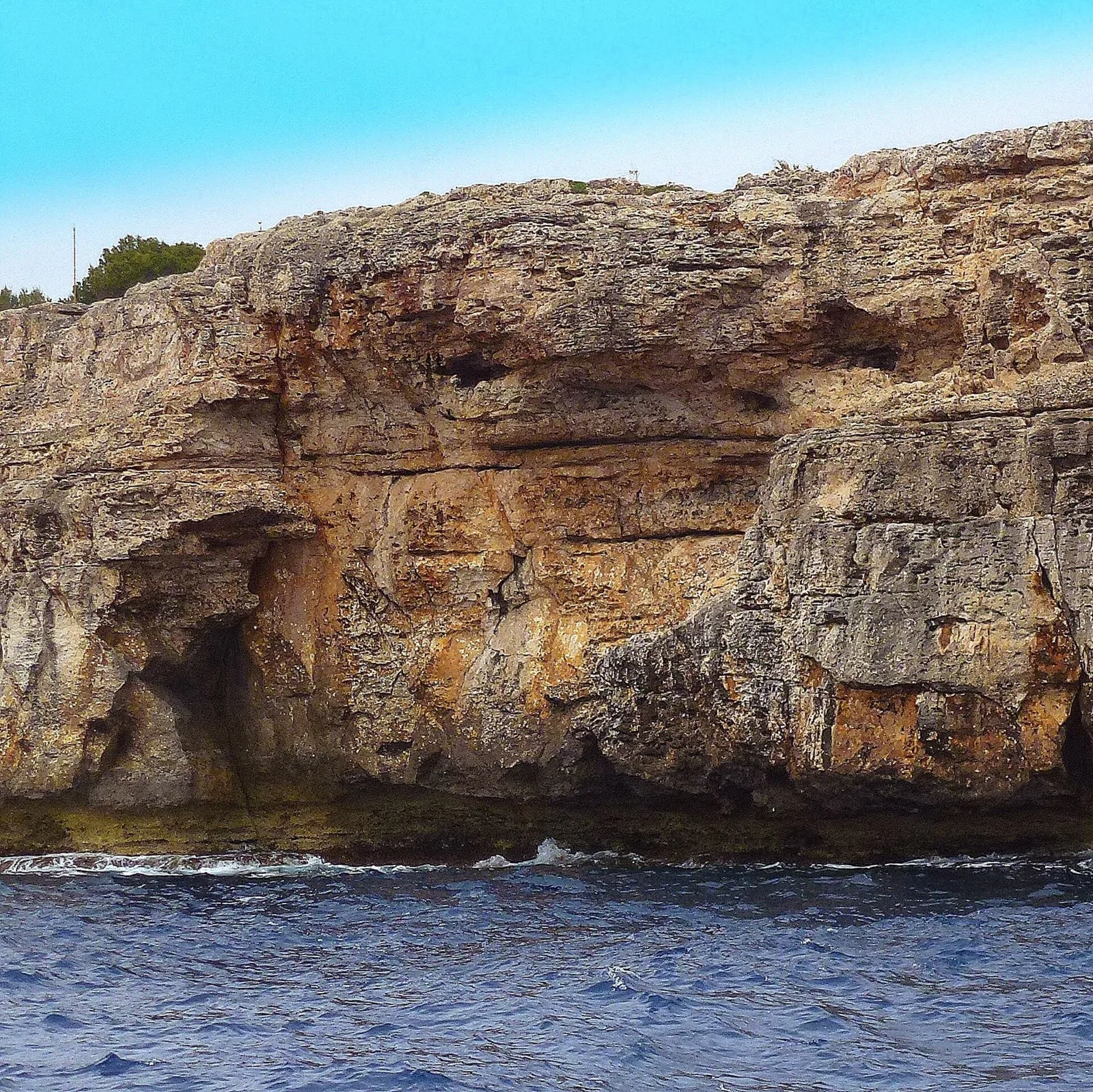
To truly leverage the yacht, one must escape the south. The cruise north is a dramatic transition. The landscape becomes rugged, the cliffs sheer, and the anchorages intimate.
-
Key Anchorages:
- Benirràs: Famous for its Sunday sunset drumming sessions. Anchoring here on a Sunday evening, watching the spectacle from the sundeck with a cocktail in hand, is a classic Ibiza experience.
- Cala Xarraca & S'illot des Renclí: A stunning bay with crystal-clear water, known for its natural mud baths. It offers excellent protection and a sense of raw, unspoiled nature.
- Cala d'en Serra: A tiny, picturesque cove at the island's northernmost tip. It’s often empty, feeling like a private discovery.
- Tagomago: This private island off the east coast offers the ultimate secure anchorage. For principals desiring absolute privacy ashore, the entire island can be rented, creating a seamless extension of the superyacht’s secure environment.
-
Onshore Exploration: The north is not about beach clubs but about authentic, high-quality experiences. A great crew will facilitate reservations at places like La Paloma in San Lorenzo for a magical dinner in a citrus grove, or The Giri Café in San Juan for sophisticated farm-to-table cuisine.
Operational Realities: Berths, Permits, and Weather
-
Berthing: To reiterate: high-season berths in the premier marinas are a scarce, high-value commodity. A broker's ability to secure one is a direct measure of their effectiveness. Any other claim is marketing.
-
Permits & Compliance: All legitimate charter yachts operating in Spanish waters will possess the requisite Spanish Charter License. This is a baseline compliance issue. More tactically, captains must be vigilant about anchoring restrictions designed to protect the UNESCO-listed Posidonia seagrass meadows. Fines are substantial and enforcement is active. A competent captain will use updated charts and depth-sounding technology to anchor responsibly on sand, demonstrating environmental stewardship and avoiding legal complications.
-
Weather Window: The charter season runs from May to October.
- Peak (July-August): Hottest weather, calmest seas, largest crowds, highest prices.
- Shoulder (June & September): The strategic choice. Sea temperatures are excellent, crowds are thinner, and berth/restaurant access is marginally easier. Weather is generally stable, though September can see the first autumn gales.
- Off-Season (May & October): Best for value and tranquility. The water is cooler, and some venues may be closed, but for a principal seeking solitude, this period is ideal. A northern Tramontana wind can appear with little warning, requiring a captain who knows the safe havens.
Yacht Selection: The Right Asset for the Mission
-
Fast-Planing Motor Yachts (30-45m): The choice for an itinerary focused on the Southern Circuit. These yachts, often with shallower drafts, can access tighter anchorages. They are platforms for getting to the destination quickly. The trade-off is significant fuel burn and less interior volume.
-
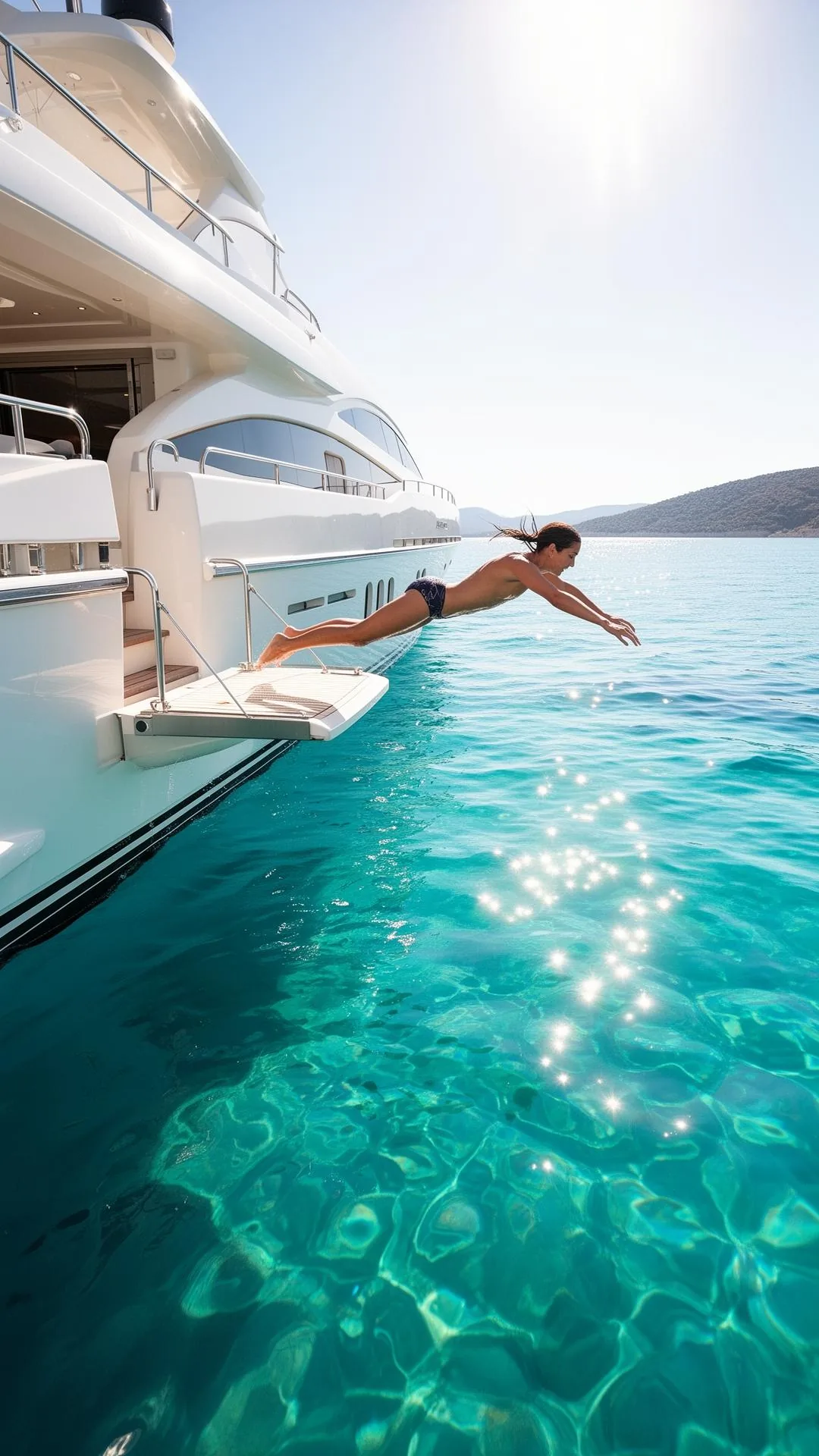
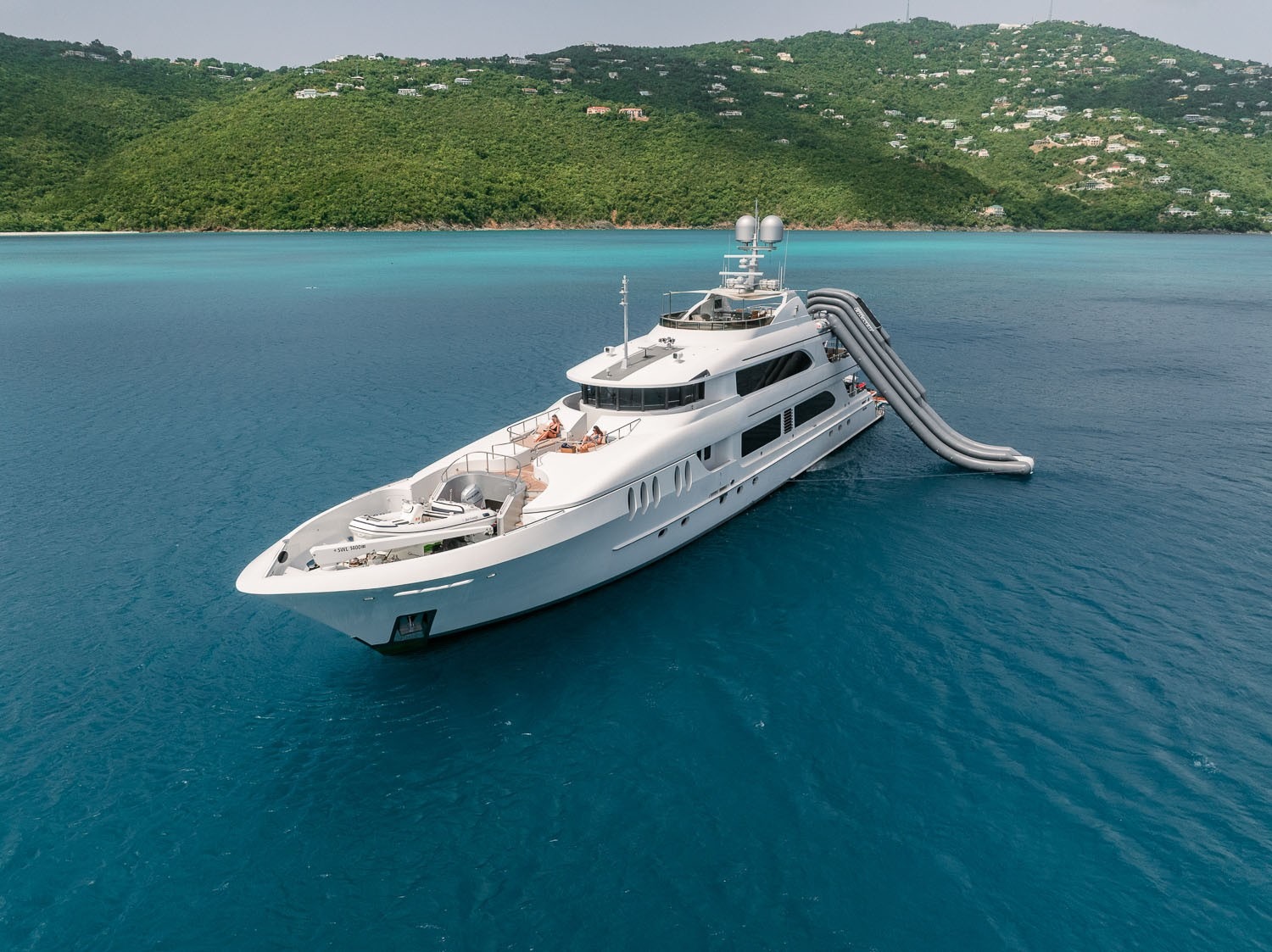
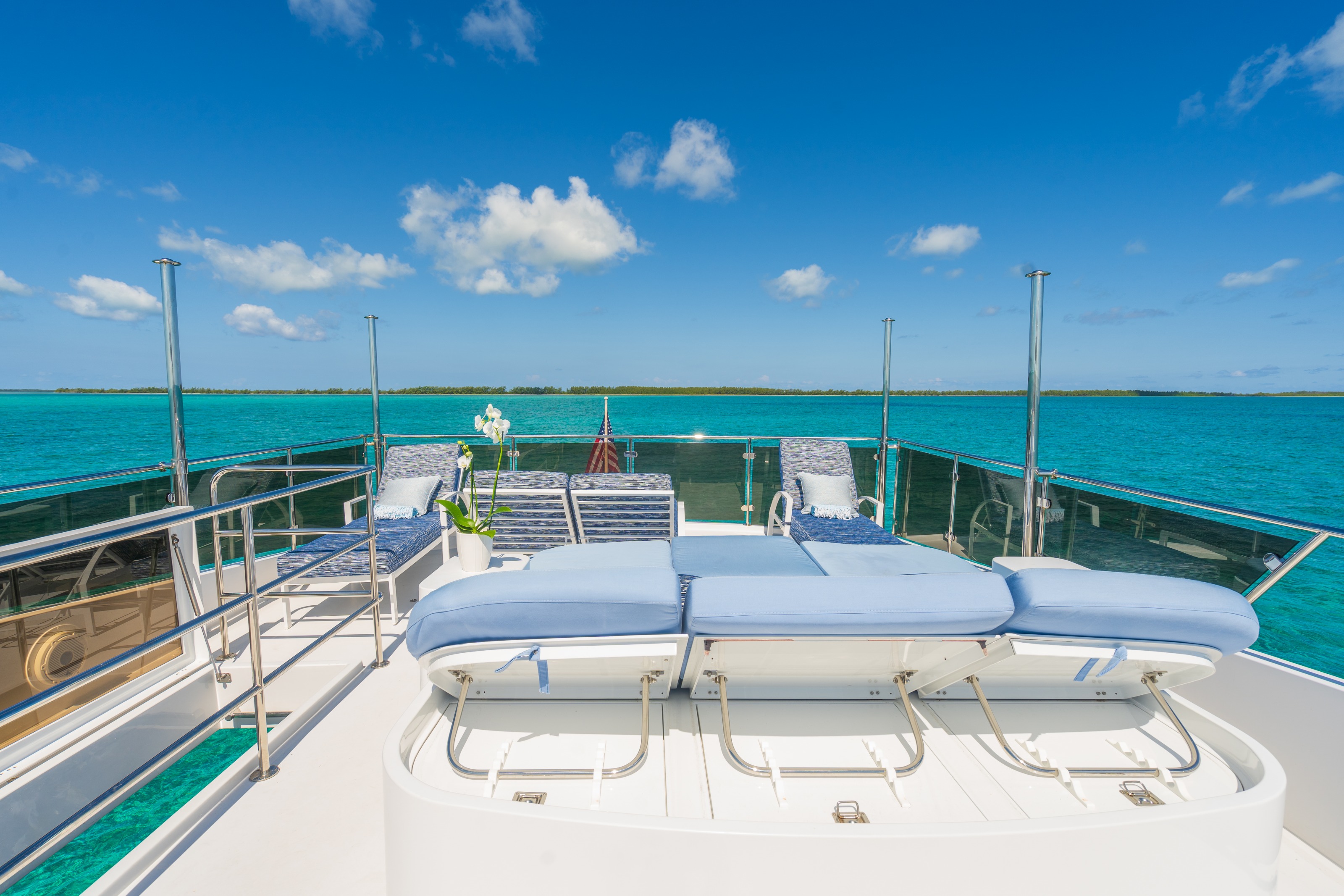
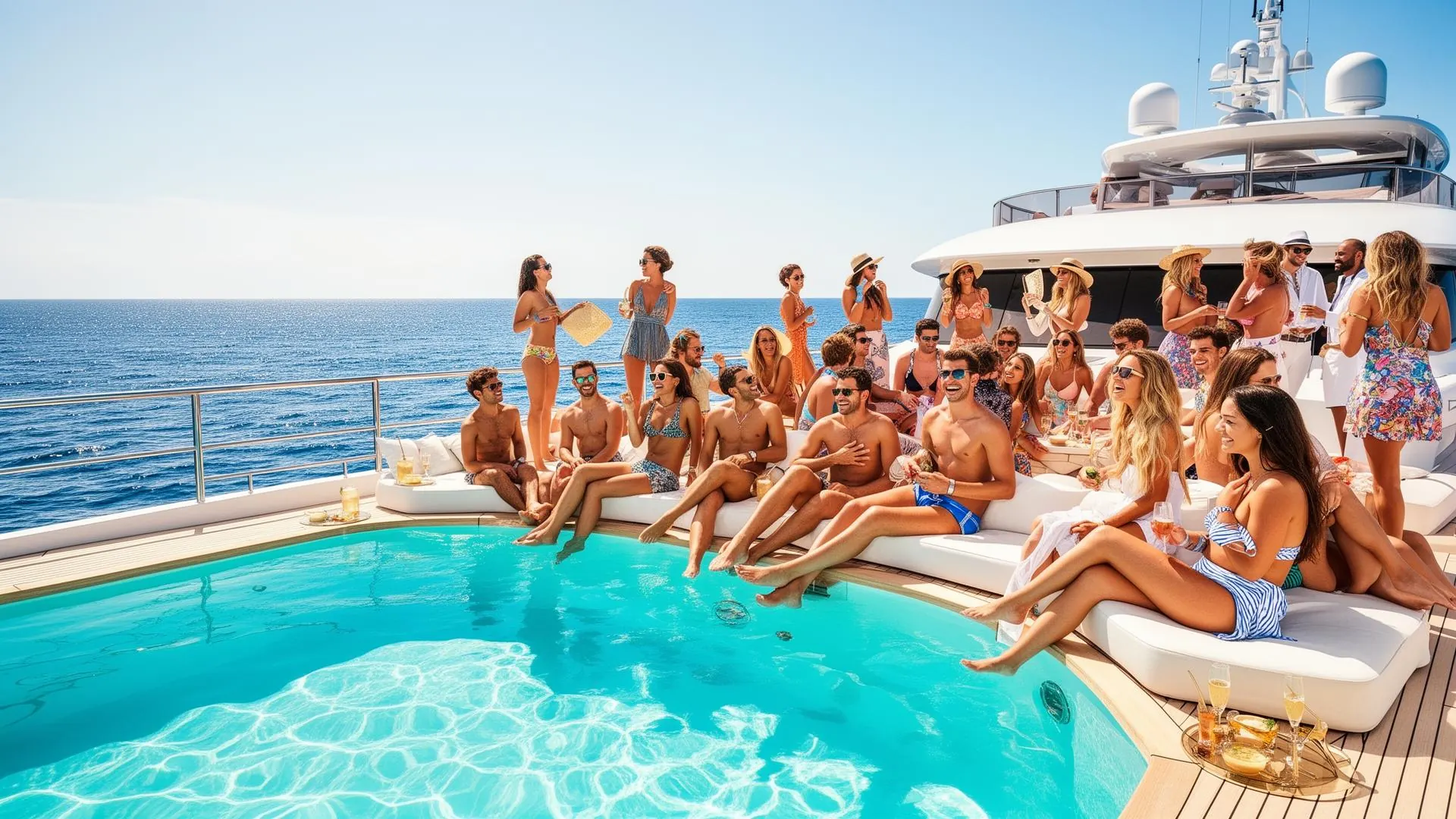
Full-Displacement Motor Yachts (50m+): The ultimate platform for a varied itinerary. Their range, stability, and onboard amenities make them self-contained resorts. A large beach club and an arsenal of water toys (Seabobs, eFoils, slides) are indispensable for entertaining guests at anchor in the quieter northern bays. The journey is as important as the destination.
-
Sailing Yachts: For the purist. A sailing yacht charter in Ibiza is a statement against the frenetic energy of the south. It’s about silent cruising along the west coast for the sunset, or navigating the intricate coves of the north under sail. They attract a high caliber of crew, often with exceptional culinary skills, focused on a holistic, wellness-oriented experience.
Crew & Provisioning: The Execution Layer
A yacht is only as good as its crew. In Ibiza, a captain’s local knowledge is invaluable. Their network, built over years, is the key to securing last-minute reservations, finding the uncrowded anchorage, or liaising with the harbormaster at Marina Ibiza. The Chief Steward/ess must be able to orchestrate seamless service for demanding guests, managing everything from complex dietary needs to coordinating with shore-side contacts.
Provisioning is a critical logistical task that begins weeks before the charter.
- Local Sourcing: A top-tier chef will have direct relationships with suppliers to source the best local product: carabineros prawns from the market, jamón Ibérico de bellota, fresh produce from inland farms.
- International Imports: For specific requests—a case of 2005 Domaine de la Romanée-Conti, Russian Osetra caviar, specialty items from Paris or London—these must be provisioned via specialist suppliers like De Gustibus or BWA Yachting. They are flown in and cleared through customs ahead of the charter. This is a significant APA item and requires flawless coordination between the broker, management company, and the yacht's chef.
The charter contract is the plan; the crew and their support network are the execution. The success of an Ibiza charter is measured in the flawless delivery of a complex logistical operation, masked by an atmosphere of effortless luxury. It is a performance, and the yacht is the stage.