The Two-Square-Kilometre Marina
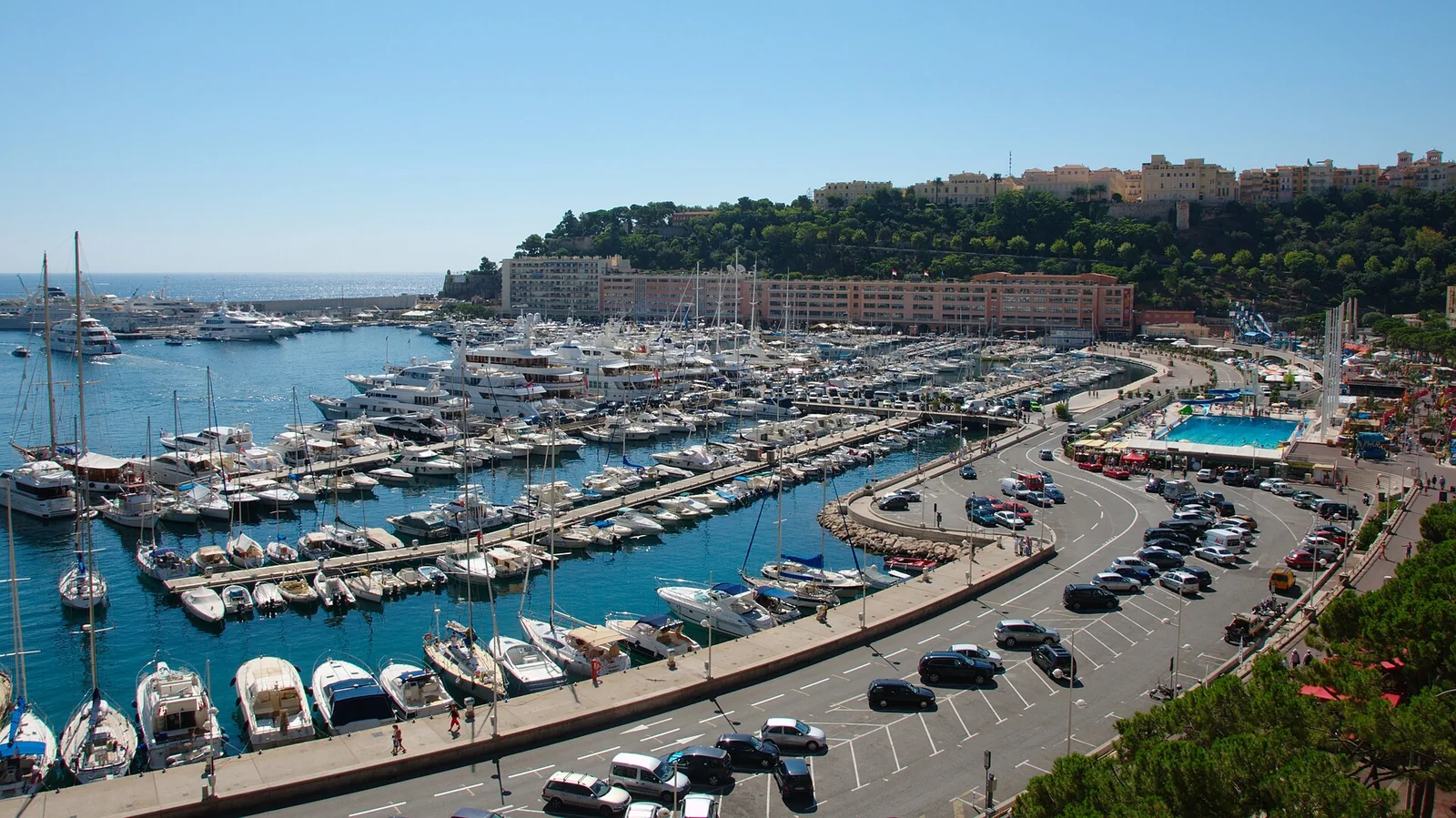
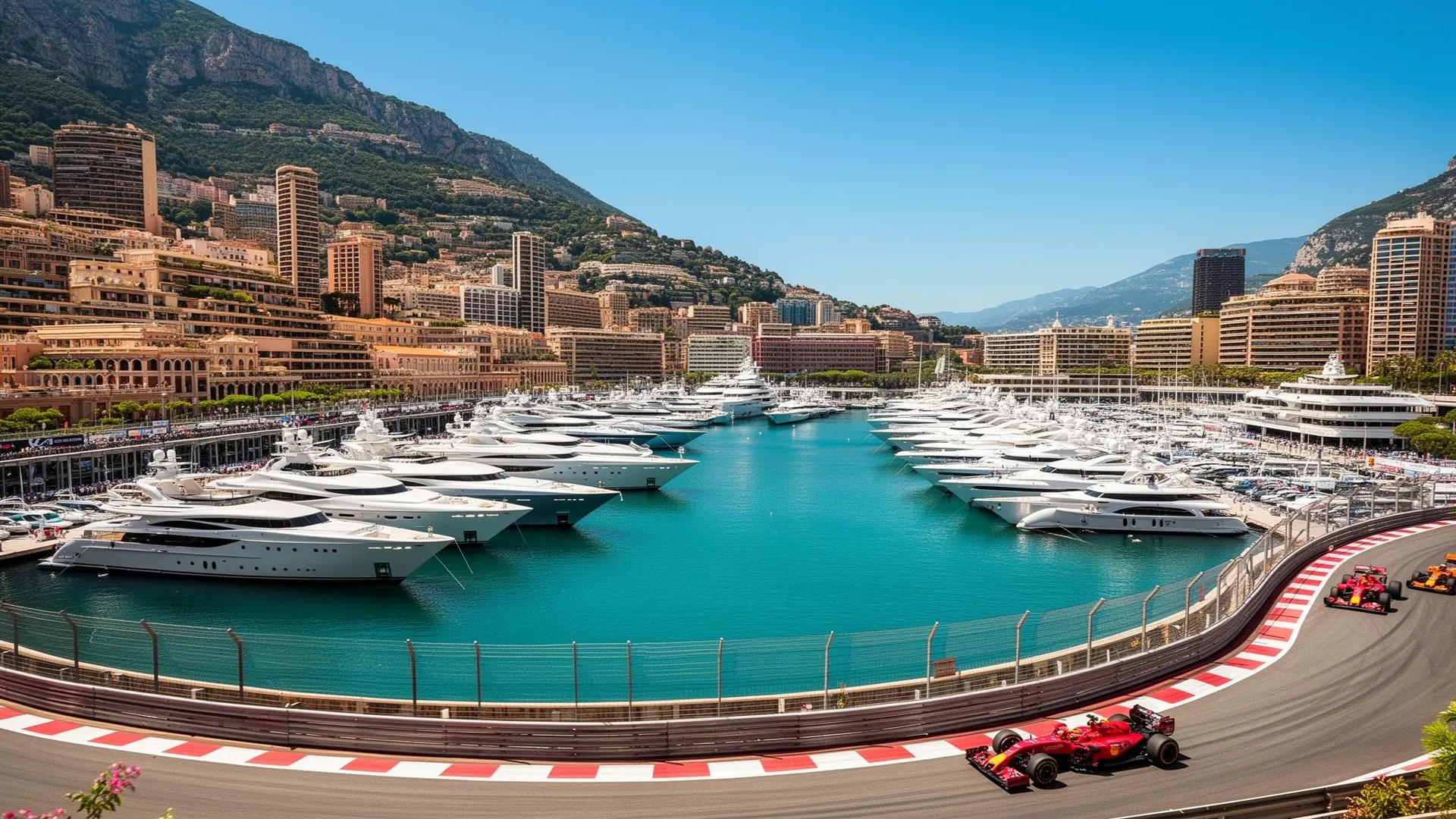
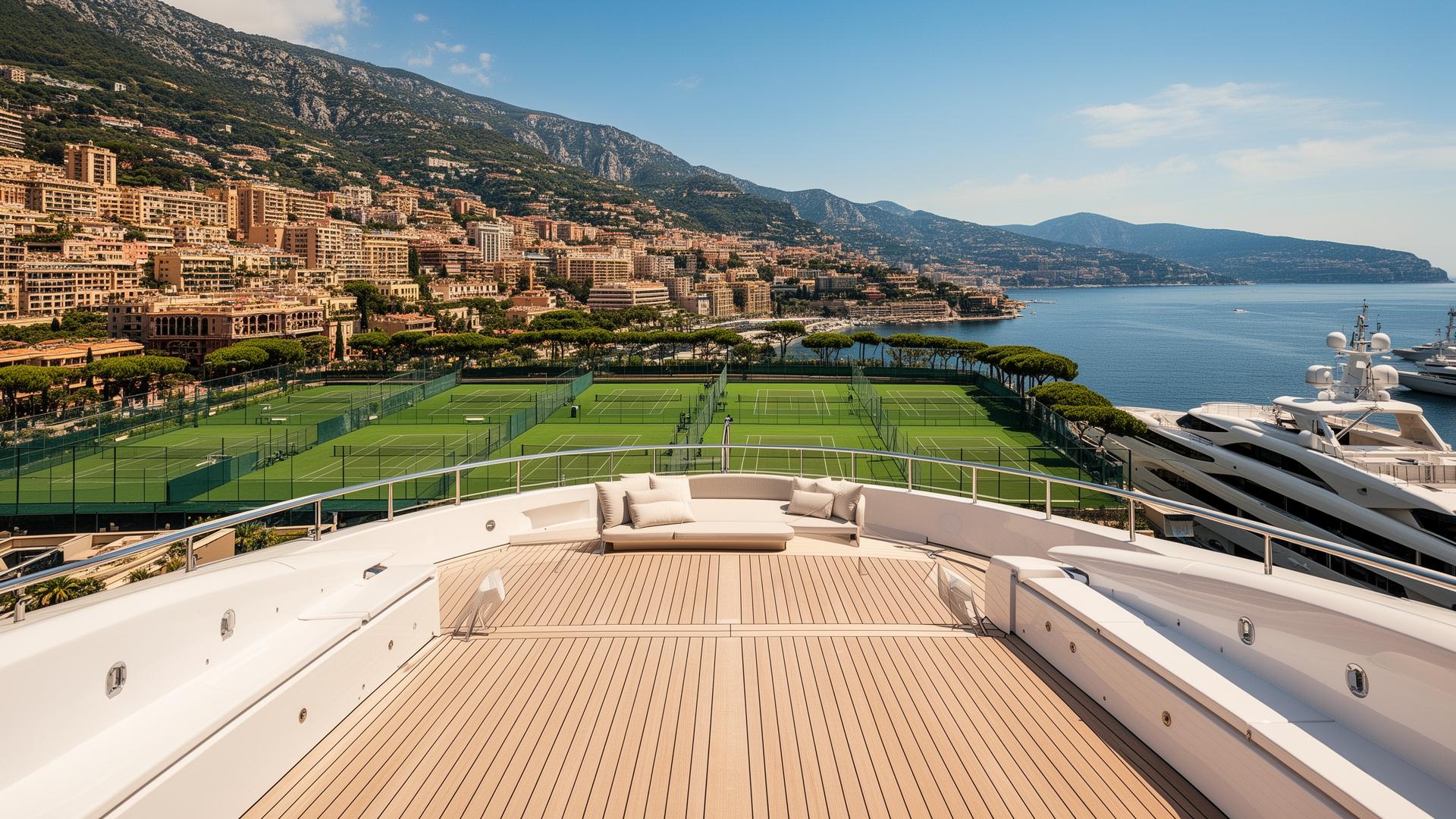
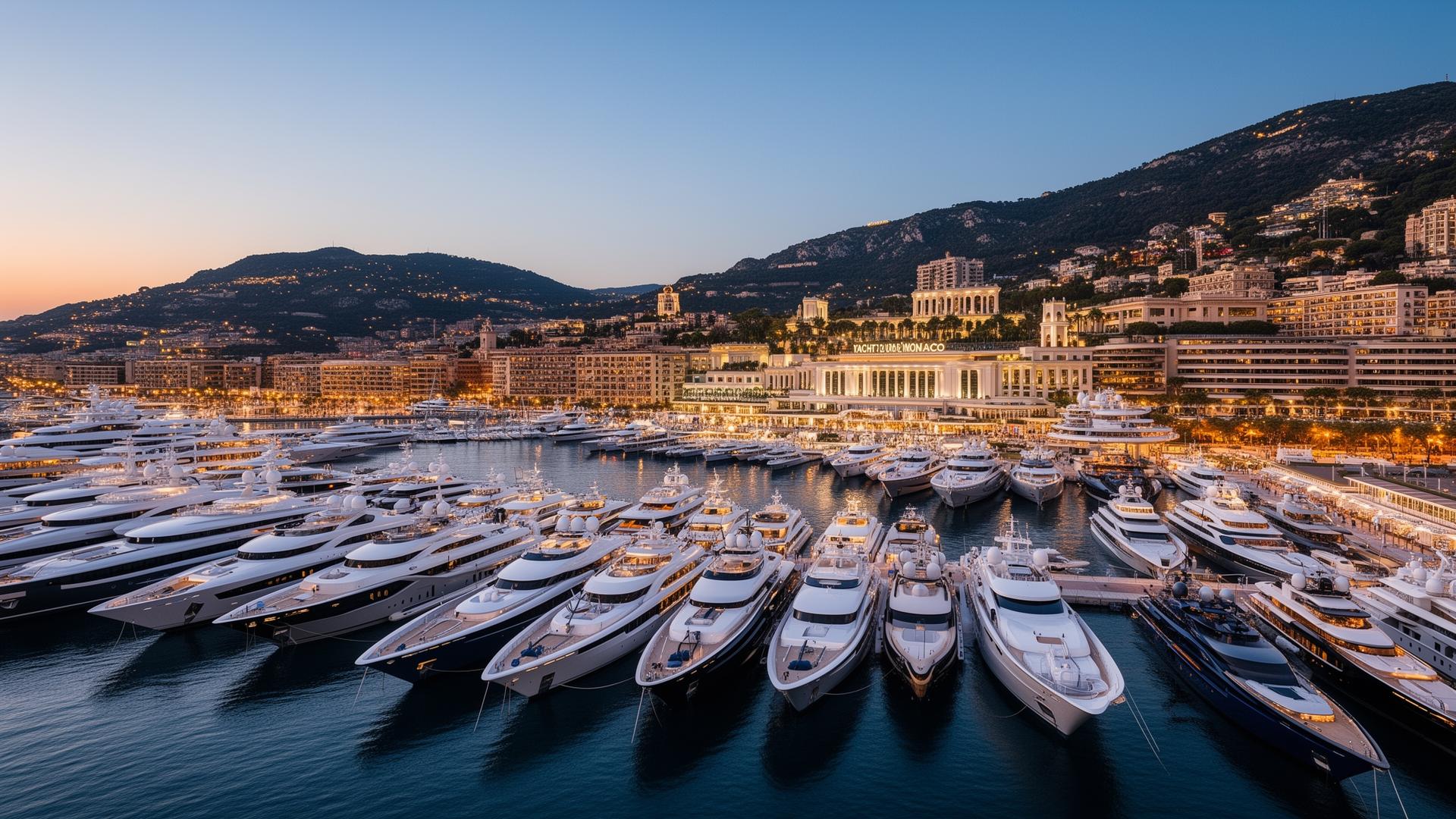
Monaco is the most yacht-dense piece of real estate in the world. Two square kilometres of principality, two functioning ports (Port Hercule on the south side and the smaller Port de Fontvieille on the west), and a permanent berth-holder list for the larger slots that has not materially changed in twenty years. Port Hercule's outer T-pier — the one in every photograph of the Grand Prix — takes a single 100-metre-plus yacht alongside, three 80-metre boats stern-to on each side, and a further hundred or so under-40-metre boats on the inner moles. The pricing is the highest per linear metre of any berth in the Mediterranean, the waiting list for the Grand Prix and Yacht Show weekends is closed years in advance, and the Port Authority — Société d'Exploitation des Ports de Monaco — is one of the most professionally run port operations in Europe.
This is what Monaco actually sells on a charter: a berth in the busiest two square kilometres in the Mediterranean, on the busiest two weekends of the year, for a price that buys nothing on the water but buys everything ashore.
The Two Calendars
Monaco's yachting year hinges on two events that have no equivalent anywhere else in the Mediterranean.
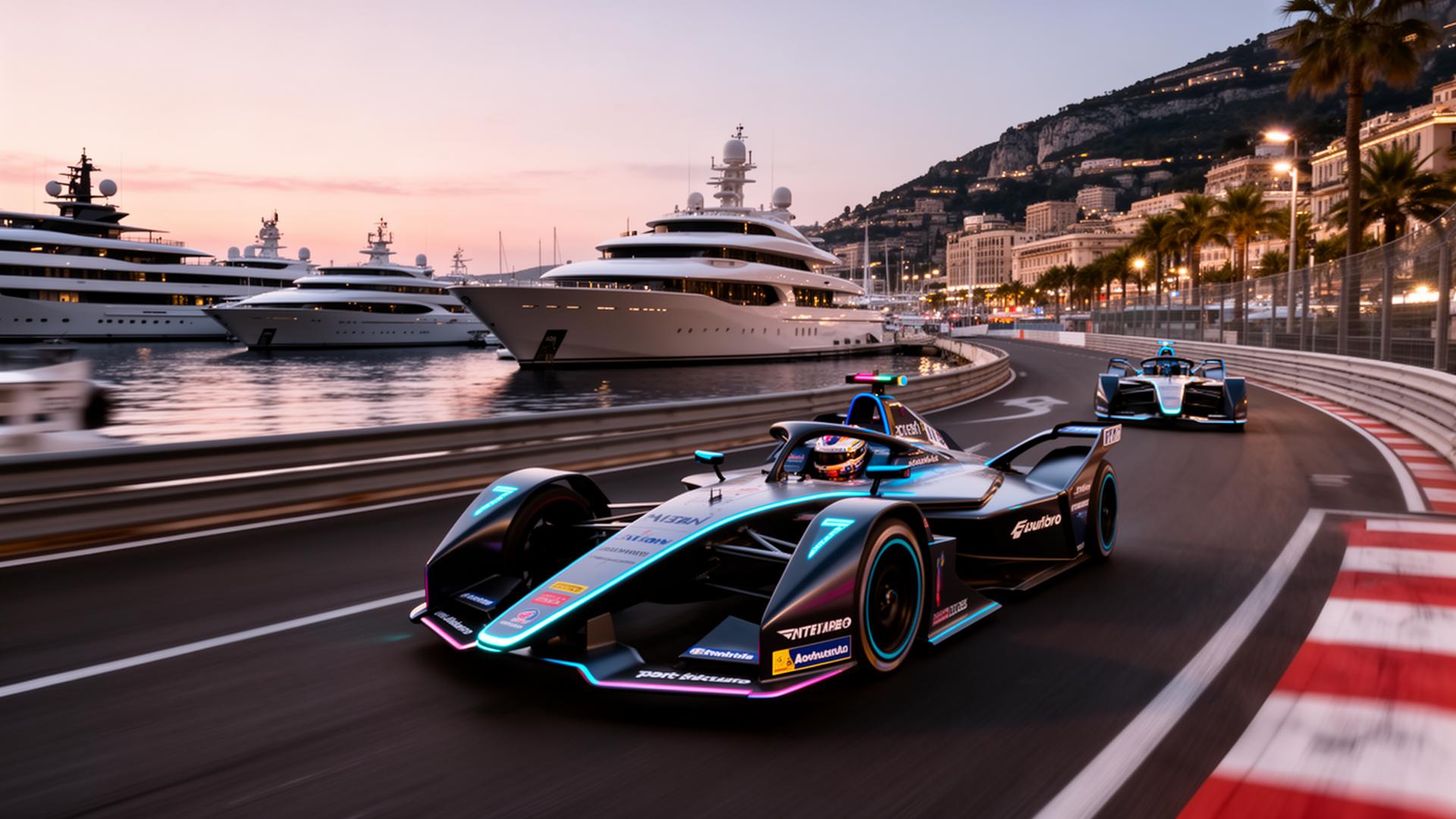
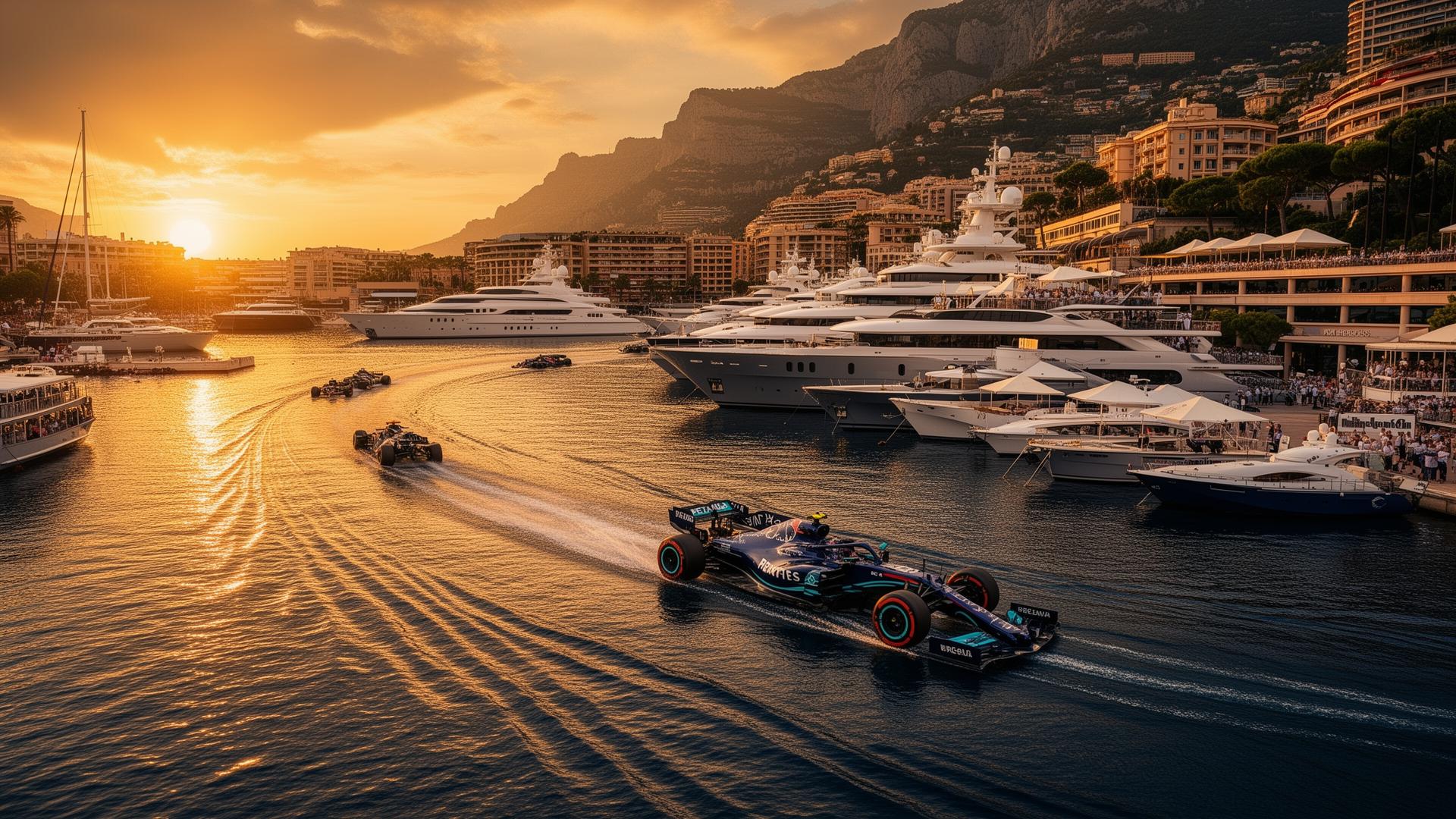
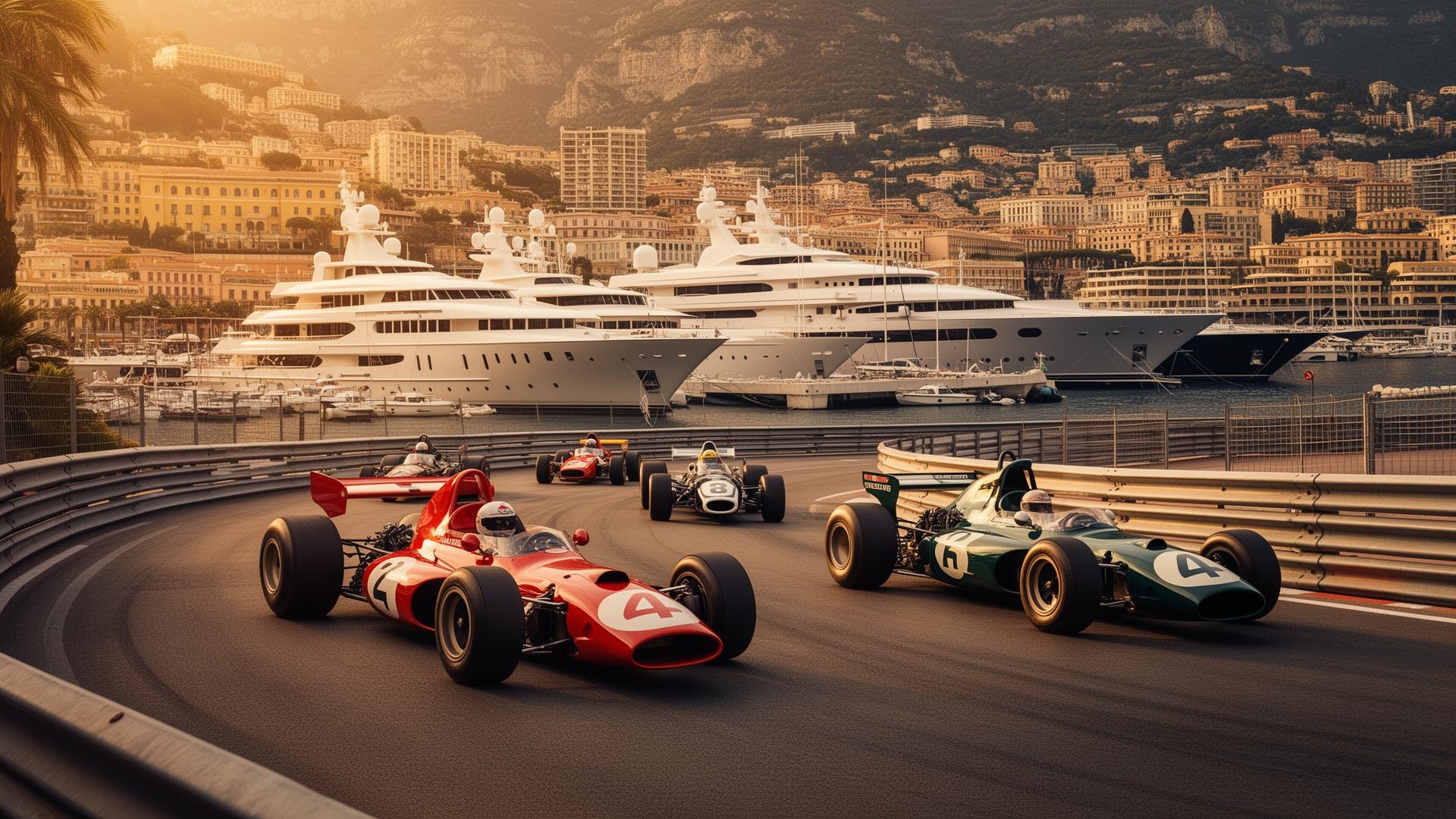
The Monaco Grand Prix, the last weekend of May, is the only Formula 1 race in the world that turns a working port into trackside hospitality. Boats med-moored on the harbour quay become private grandstands, the deck rail becomes the front row of the chicane at Tabac, and the four-day berth fee on a 50-metre yacht runs into the low six figures. Allocation is controlled by the Port Authority and a small handful of agents; first-time applicants for the inside positions are politely told there is a waiting list.
The Monaco Yacht Show, the final week of September, is the world's largest superyacht trade event — 120-plus yachts on display in Port Hercule, every major broker, builder, designer, and surveyor in attendance, and the entire market's annual price discovery happens in a single five-day window. For a charterer evaluating the next boat, the next acquisition, or the next refit, the Yacht Show is the only event in the calendar that pulls every relevant counterparty into a one-kilometre radius simultaneously.
Outside these two weekends, Monaco is a working principality with a small but well-run port. The charter case for Monaco-as-Monaco is largely about these two windows; outside them, Monaco is best used as a punctuation mark in a French Riviera itinerary, not as a destination.
How a Charter Actually Uses Monaco
The honest pattern for an experienced French Riviera charter is one or two nights in Monaco — not three, not five. Monaco is the social peak of an itinerary that does most of its work elsewhere on the Côte d'Azur. A typical placement:
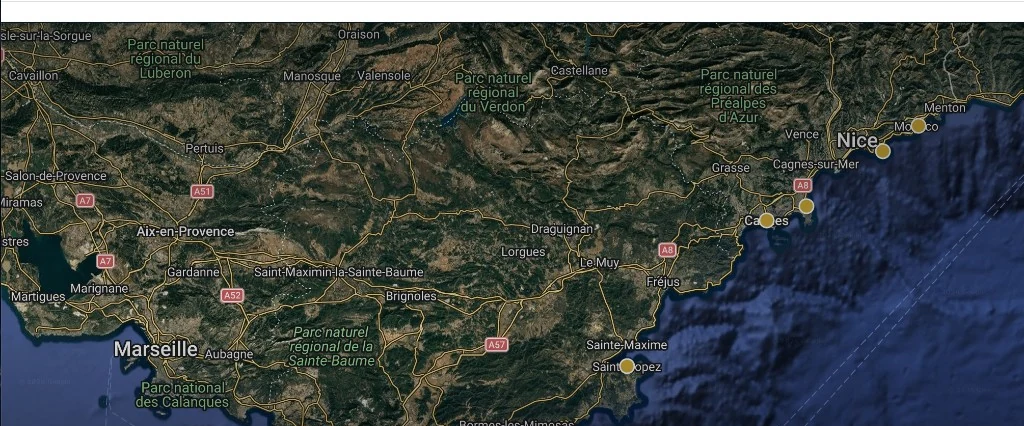
- Embark in Antibes or Cannes, run the Riviera itinerary west to Saint-Tropez and the Estérel for the first half of the week, then turn east for the cultural and social close.
- Arrive Monaco for a single night — berth at Port Hercule if the calendar and the broker have lined up the slot, anchor in the open water off Cap Martin if not. Dinner at Le Louis XV at the Hôtel de Paris, drinks at the Buddha Bar, a late tour of the Casino square.
- Move at first light to Villefranche or Cap Ferrat, where the anchorage is sheltered and the morning swim is twenty minutes off the beach club — exactly the things that Monaco can't deliver in its two-square-kilometre footprint.
- Day excursions from Monaco anchor. With the boat anchored a mile offshore and tendering in, Monaco becomes a half-day ashore — the Oceanographic Museum, the Palace walk, lunch at Le Grill on the Hôtel de Paris rooftop, and back to the boat for the run east toward Italy.
The charter parties who book Monaco for three or four consecutive nights generally find that they have paid twice for what Saint-Jean-Cap-Ferrat or Villefranche already supply (anchorage, beach, restaurant) plus a berth fee that buys evening proximity to the Casino and not much else.
The Grand Prix Calculus
The Grand Prix yacht-berth premium is the most over-paid week in the Mediterranean calendar and, for the right party, also the best value. The math is one-dimensional: a 50-metre boat med-moored on the harbour quay during the race weekend gives twelve guests the most exclusive Formula 1 hospitality position in the world, with the deck rail forty metres from the cars, full track visibility through Tabac and the Swimming Pool chicane, and the entire Sunday programme — paddock access, podium, post-race party — accessible by tender within the harbour itself.
The all-in cost on the right boat in the right position is well into seven figures for the four-day weekend, including the berth premium, the charter fee, the catering surge, and the inevitable APA overspend. For a corporate group hosting clients who have asked for the trophy F1 weekend, it is the only seat in the house. For everyone else, the off-water alternatives — a yacht in Cap Ferrat with tender shuttles to the principality, or simply a hotel booking at the Hôtel de Paris — deliver materially the same race access at a fraction of the bill. The decision turns on whether the boat is the hospitality venue or the accommodation.
The Yacht Show Calculus
The Yacht Show in late September is the more interesting commercial week. The five days of the show convert Port Hercule into the global superyacht industry's annual general meeting. For an owner contemplating a build, a refit, or a sale, the Yacht Show is where the broker conversations, the shipyard meetings, the designer presentations, and the captain interviews happen back-to-back. The premium on a Yacht Show berth is materially smaller than the Grand Prix premium (most slots are allocated to displaying yachts and brokerage inventory rather than charter), and the cruising-ground value of the surrounding week — the second week of September on the Côte d'Azur is the connoisseur's window of the entire Mediterranean year — makes the round-trip charter more defensible.
The Operational Realities
Berthing. Port Hercule allocates slots through the Port Authority and a small handful of established agents. A charter manager who has worked Monaco previously has a starting position; one who hasn't is competing for the leftover slots in shoulder periods. The harbour does not have walk-up availability in season.
Anchoring. The roadstead off Cap Martin and the bay west of Port Hercule are usable summer anchorages in settled weather. They are open to any southerly swell and not suitable for an overnight stay in marginal forecasts.
Tax framework. Monaco's status as a separate principality means the French VAT regime does not apply to a charter operating purely within Monégasque waters, but almost every Riviera charter spends most of its time in French waters and is therefore quoted on the French 20 percent base. Monaco is a port of call, not a flag-of-convenience for the broader Riviera week.
Helicopter access. Monaco Heliport — the single most-used civilian helipad in Europe — handles the seven-minute shuttle to Nice Airport and a dense network of point-to-point charters into the Italian Riviera, the Alps, and the western Mediterranean. The helicopter is the asset that most efficiently uses Monaco as a hub: morning meeting in Milan, lunch at the Hôtel de Paris, evening anchor in Cap Ferrat.
What Monaco Is, and Isn't
Monaco is not a cruising ground. It is a port of call on the busiest forty miles of coast in the Mediterranean, and a market venue for the two annual weekends that organise the global superyacht industry's social and commercial calendar. The charter case for Monaco is the case for one of these two weekends, or for a single night inside a wider Riviera itinerary where the principality functions as the social peak and the swimming, the anchoring, and the actual time on the water happen ten miles east or west. A well-built Riviera charter uses Monaco precisely. A poorly built one books four nights at Port Hercule and discovers, by day three, that the most expensive berth in the Mediterranean has stopped delivering anything the next bay does not deliver for free.