
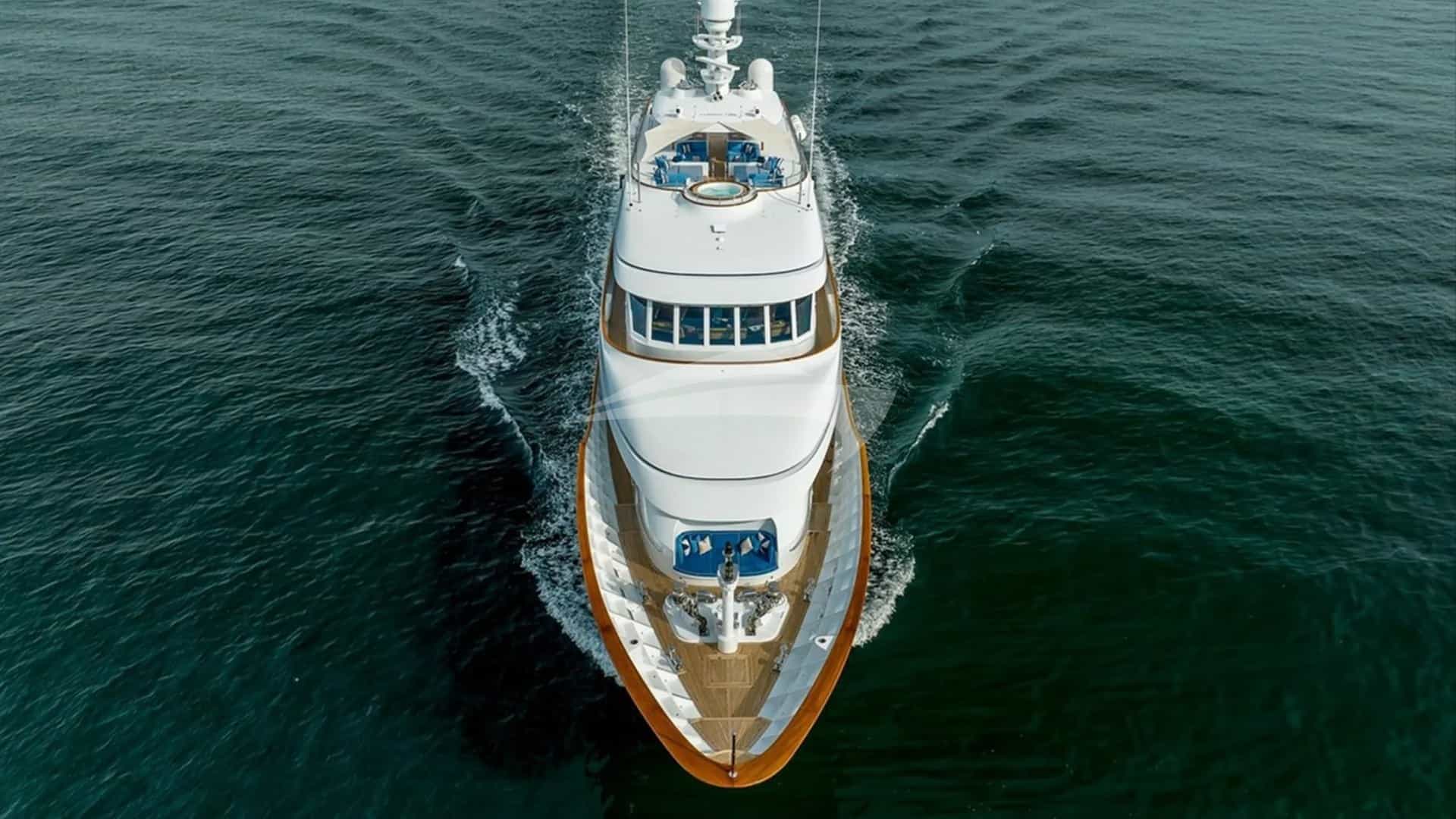
The southern coast of Portugal occupies a unique oceanographic position. While geographically washed by the Atlantic Ocean, the Algarve functions culturally, climatically, and navigationally as the western gateway to the Mediterranean cruising circuit. Stretching roughly 85 nautical miles from Cabo de São Vicente in the west to the mouth of the Rio Guadiana at the Spanish border in the east, this coastline offers two distinct maritime personalities. The windward west (Barlavento) is defined by dramatic limestone cliffs, sea stacks, and deep-water caves, while the leeward east (Sotavento) presents miles of barrier islands, calm lagoon systems, and sandy shoals.
Timing an itinerary here requires a sharper eye on meteorological patterns than in the sheltered interior of the Mediterranean basin. The interaction between Atlantic weather systems, African thermal heat low-pressure zones, and local coastal topography dictates everything from daily anchorage selection to sea state and water temperature. Selecting the right month for an Algarve Yacht Charter yacht charter transforms a standard coastal passage into an extraordinary luxury voyage, allowing you to match your preferences for sailing conditions, crowd levels, and local culture with the region's natural rhythms.
Ocean Mechanics: Winds, Water Temperatures, and Coastal Dynamics
Understanding the Algarve’s seasonal cruising viability begins with the prevailing wind regimes. The dominant summer wind is the Nortada, a northerly to northwesterly breeze generated by the pressure differential between the Atlantic high-pressure system (the Azores High) and the thermal low over the Iberian peninsula. The Nortada begins to build in late May, peaks in July and August, and eases by mid-September.
Because the Algarve’s south coast runs predominantly east-west, the high cliffs of the Barlavento section act as a topographical shield against this northerly airflow. While open waters off Cabo de São Vicente might experience 25 knots of wind and a building offshore swell, the waters just a quarter-mile off the beaches of Lagos, Alvor, and Armação de Pêra remain glassy and flat. This provides motor yachts and large catamarans with exceptional, calm anchoring options right under the towering red sandstone bluffs.
Conversely, the east wind, known locally as the Leste, originates over the North African desert. Occurring intermittently throughout the season, the Leste brings warm, dry air and flat seas along the eastern Sotavento coast, though it can occasionally build a short, sharp chop in the far west around Sagres.
Water temperatures along the southern coast of Portugal are heavily influenced by ocean upwelling. Deep, cold, nutrient-rich water rises to the surface when the Nortada blows hard, keeping early summer sea temperatures around 17°C to 19°C. However, as summer progresses and warm surface waters drift in from the Gulf Cadiz and the Mediterranean, sea temperatures peak in late August and September, reaching a comfortable 21°C to 23°C.
The Season Month-by-Month
April and May: Early Spring and Coastal Transition
Spring along the Algarve is a period of dramatic atmospheric clarity and wild coastal greenery. Ocean swells from the North Atlantic begin to diminish in frequency, though a motor yacht equipped with modern zero-speed stabilisers is essential during these transitional months to ensure comfort at anchor.
Daytime ambient air temperatures average a pleasant 20°C to 22°C, making this an exceptionally comfortable period for active itineraries that combine coastal cruising with shore excursions. Marinas in Vilamoura, Portimão, and Lagos are uncrowded, and securing prime berths alongside outer pontoons requires minimal lead time.
Cruising the Barlavento coast in May offers front-row access to coastal nature without the swarm of commercial day-boats that populate the sea caves in high summer. Water temperatures remain crisp at roughly 16°C to 17°C, meaning swimming is brisk, but conditions for paddleboarding and tender excursions inside the cavernous grottos of Ponta da Piedade are superb. Shoreside, the coastal landscape is blanketed in blooming rockrose and wild lavender, and coastal towns are relaxed and welcoming.
June: The Pre-Peak Sweet Spot
June represents one of the finest months of the year to charter in southern Portugal. The daily weather pattern stabilizes into long, sun-drenched days with afternoon air temperatures hovering around 25°C. The Nortada wind develops its reliable afternoon cadence—rising around noon, peaking at 15 to 18 knots by mid-afternoon, and dying away entirely by sunset.
This month marks the beginning of the local festival season. In mid-June, coastal towns celebrate the Santos Populares (Feast Days of the Popular Saints). Harbour fronts from Ferragudo to Olhão fill with the aroma of grilled sardines, local wine, and traditional music.
Key advantages of a June charter include: * Excellent availability of premier crewed motor yachts and luxury sailing catamarans before the Mediterranean fleet reaches full capacity. * Uncongested anchorages off the barrier islands of Ilha Deserta and Ilha da Culatra within the Ria Formosa Natural Park. * Moderate sea temperatures hovering around 19°C, suitable for water sports. * Extended daylight hours, with sunset occurring after 20:45, maximizing evening cocktails on the flybridge.
July and August: High Summer Vitality
July and August are the peak summer months, when the Algarve transforms into a vibrant international playground. High temperatures average 28°C to 32°C, softened along the water by the daily sea breeze. The coastal waters are bustling with activity, from superyachts dropping anchor off the beach clubs of Vale do Lobo to day cruisers navigating the dramatic cliffs near Benagil.
During these peak weeks, the leeward waters off Vilamoura and the sheltered pockets between Ponta da Piedade and Portimão offer flat, turquoise swimming conditions. Anchorages behind the outer barrier sandbars of Culatra offer complete shelter from Atlantic swells, creating ideal conditions for unrolling water toys, sea-bobs, and jet skis in shallow, warm lagoons.
Social life shifts to the coast. Luxury beach clubs near Quinta do Lago and Vale do Lobo are accessible via yacht tender, offering world-class seafood dining directly on the sand. In Portimão, the annual August Sardine Festival draws culinary enthusiasts to the waterfront to sample fresh catches paired with crisp green wines from the Minho or local Algarve whites.
Cruising during peak summer requires precise logistics. High-demand berths in Vilamoura Marina—the region’s primary superyacht facility—must be booked months in advance. Similarly, navigating tender access to popular sites like the Benagil Cave requires an experienced captain who knows how to time visits early in the morning before commercial tour vessels arrive.
September: The Connoisseur’s Month
Ask any seasoned captain or charter broker for their preferred time to cruise the Algarve, and September is almost invariably the answer. High-summer crowds depart as schools reopen across Europe, yet the weather remains warm and stable, with ambient temperatures averaging 26°C.
Most importantly, September delivers the highest sea temperatures of the year. The ocean reaches 22°C to 23°C, warm enough for prolonged swimming, diving, and water sports. The strong summer Nortada winds begin to moderate, resulting in gentle breezes and glassy seas across both the windward and leeward coasts.
Anchorages that are congested in August—such as the dramatic bay of Praia da Rocha or the translucent anchorage off Ilha de Tavira—are tranquil once more. You can drop anchor in total isolation beneath the golden cliffs of Albandeira or Senhora da Rocha. Shoreline dining is seamless, with table availability at top-tier seafood restaurants in Lagos, Alvor, and Santa Luzia readily accessible.
October and Early November: The Late Indian Summer
October brings a slower, highly atmospheric energy to the region. The light shifts to a deep, warm gold, making the red and yellow limestone cliffs of the western coastline appear remarkably vivid. Air temperatures remain mild, frequently touching 23°C, while water temperatures linger around 19°C through mid-October.
This period appeals to guests seeking quiet navigation, fine dining, and cultural immersion over high-energy beach club scenes. Autumn is harvest time in the nearby Lagoa wine region, and shore excursions can be organized to historic quintas for private tastings of native grape varieties like Negra Mole and Castelão.
While the probability of an autumnal rain shower increases by late October, long stretches of stable, high-pressure weather often persist well into November. Atlantic swells begin to rebuild, creating impressive ocean backdrops around Cape St. Vincent and providing spectacular sailing for experienced yachtsmen on performance sailing yachts.
Navigating the Geography: Barlavento vs. Sotavento Across the Seasons
A well-planned Algarve itinerary takes advantage of the distinct geographical characteristics of the Barlavento (west) and Sotavento (east), adjusting the focus depending on the time of year and prevailing weather.
       BARLAVENTO (West)                     SOTAVENTO (East)
  [Sagres / Lagos / Portimão]             [Faro / Olhão / Tavira]
  • High limestone cliffs & caves        • Barrier islands & sandy lagoons
  • Deep-water anchorages                • Shallow, warm natural park waters
  • Sheltered from North winds           • Protected from Atlantic ocean swell
The Western Coast: Barlavento
The line from Carvoeiro west to Sagres features dramatic coastal landscapes. Here, the coast is carved into deep coves, sea arches, and sheltered bays.
- Best Time to Cruise: June through September.
- Key Destinations: Ponta da Piedade, Lagos Marina, Portimão, Ferragudo, Alvor Lagoon, Benagil, Sagres.
- Navigational Highlights: The 12-nautical-mile stretch between Portimão and Sagres offers spectacular cliffside anchoring. The high bluffs provide exceptional lee from northerly summer breezes. Dropping anchor off Praia de João de Arens in July provides a pristine, turquoise swimming pool completely walled off from inland winds.
The Eastern Coast: Sotavento
From Vilamoura east to the Spanish border, the high cliffs disappear, giving way to flat, sandy coastlines and the expansive barrier island system of the Ria Formosa Natural Park.
- Best Time to Cruise: May through October.
- Key Destinations: Vilamoura Marina, Ilha Deserta, Ilha da Culatra, Olhão, Tavira, Vila Real de Santo António.
- Navigational Highlights: Entering the channels of the Ria Formosa via the Farol inlet opens up miles of pristine, uncrowded lagoon anchorages. The waters here are noticeably warmer and calmer than on the open ocean coast. It is an ideal landscape for motor yachts with shallow drafts or large luxury catamarans, offering total protection from Atlantic swells. A day spent anchored off Ilha Deserta—a completely uninhabited island with miles of untouched sand—is a classic highlight of late-summer itineraries.
Culinary Rhythms Along the Coast
The seasonal evolution of an Algarve charter is closely mirrored in its culinary calendar. The region’s cuisine is fundamentally maritime, deeply tied to the daily catch brought into the fishing ports of Olhão, Sagres, and Vila Real de Santo António.
- Spring: Focuses on shellfish, particularly wild clam varieties harvested in the Ria Formosa mudflats, and percebes (gooseneck barnacles) gathered from the wave-battered rocks of Sagres.
- Summer: Peak season for Sardinhas Assadas (charcoal-grilled sardines), served simple and whole over sourdough bread, best enjoyed in rustic waterfront spots in Portimão or Ferragudo during August.
- Autumn: The season for deep, rich seafood stews cooked in traditional copper clamshell pots known as cataplanas. Autumn catches bring prized octopus from Santa Luzia and wild sea bass, cooked over salt beds or baked with local olive oils and summer-ripened tomatoes.
Charter Logistics and Planning Lead Times
Securing the right vessel for an Algarve itinerary requires forward planning, particularly given the growing popularity of the region as an alternative to the crowded French Riviera or Balearic Islands.
### Peak Season Lead Times (July & August) The fleet of fully crewed, high-end motor yachts and luxury catamarans permanently based in Portugal is smaller than in Western Mediterranean hubs like Monaco or Palma. Therefore, booking lead times for peak July and August weeks should ideally be 8 to 12 months in advance. This ensures access to top-tier vessels with experienced local crews who possess deep knowledge of the coastline's microclimates and hidden anchoring nooks.
### Shoulder Season Lead Times (May, June, September, October) For shoulder-season dates, a lead time of 3 to 6 months is usually sufficient to secure preferred vessels and berths in key ports like Vilamoura or Lagos. Shoulder-season charters also offer distinct financial advantages, with base charter rates typically 15% to 25% lower than July/August peak pricing, alongside greater flexibility for berth bookings on short notice.
### Essential Yacht Specification Factors When selecting a yacht for this region, consider the following technical characteristics:
- Stabilisation: Modern zero-speed stabilisers (either fins or gyroscopic) are highly recommended. While coastal bluffs protect anchorages from wind, Atlantic ocean rollers can occasionally round the headlands, and stabilisers ensure total comfort at anchor.
- Draft Considerations: If your dream itinerary involves exploring the intimate, shallow lagoon channels of the Ria Formosa near Tavira and Olhão, consider a luxury sailing or power catamaran. Their shallow drafts (often under 1.5 metres) allow access to protected inner waters off-limits to deep-draft monohull motor yachts.
- Tender Capability: A powerful, high-quality RIB tender is critical along the Barlavento coast. Entering the narrow openings of limestone caves, such as those at Benagil or the hidden blowholes near Ponta da Piedade, requires a nimble craft handled by a skilled crew member who can timing tender entries between wave sets.
Crafting Your Ideal Timing Strategy
Choosing when to book your charter ultimately depends on what you want from your time on the water.
- For High-Energy Summer and Social Scenes: Book between mid-July and late August. You will experience maximum sunshine, vibrant beach clubs, lively towns, and warm evening temperatures perfect for alfresco dining on deck.
- For Optimal Swimming and Uncrowded Anchorages: Choose September. The sea is at its warmest, the summer wind moderates, anchorages are quiet, and the light is exceptional for photography and coastal cruising.
- For Active Sailing and Coastal Exploration: Select May or June. The coastal landscape is green and vibrant, daytime temperatures are warm without being hot, afternoon breezes are consistent, and local harbour towns offer an authentic, relaxed atmosphere.
By aligning your preferences with the oceanographic realities of Portugal’s southern coast, cruising the Algarve delivers a rich, varied maritime experience that captures the wild beauty of the Atlantic alongside the warm, refined hospitality of the Mediterranean.