
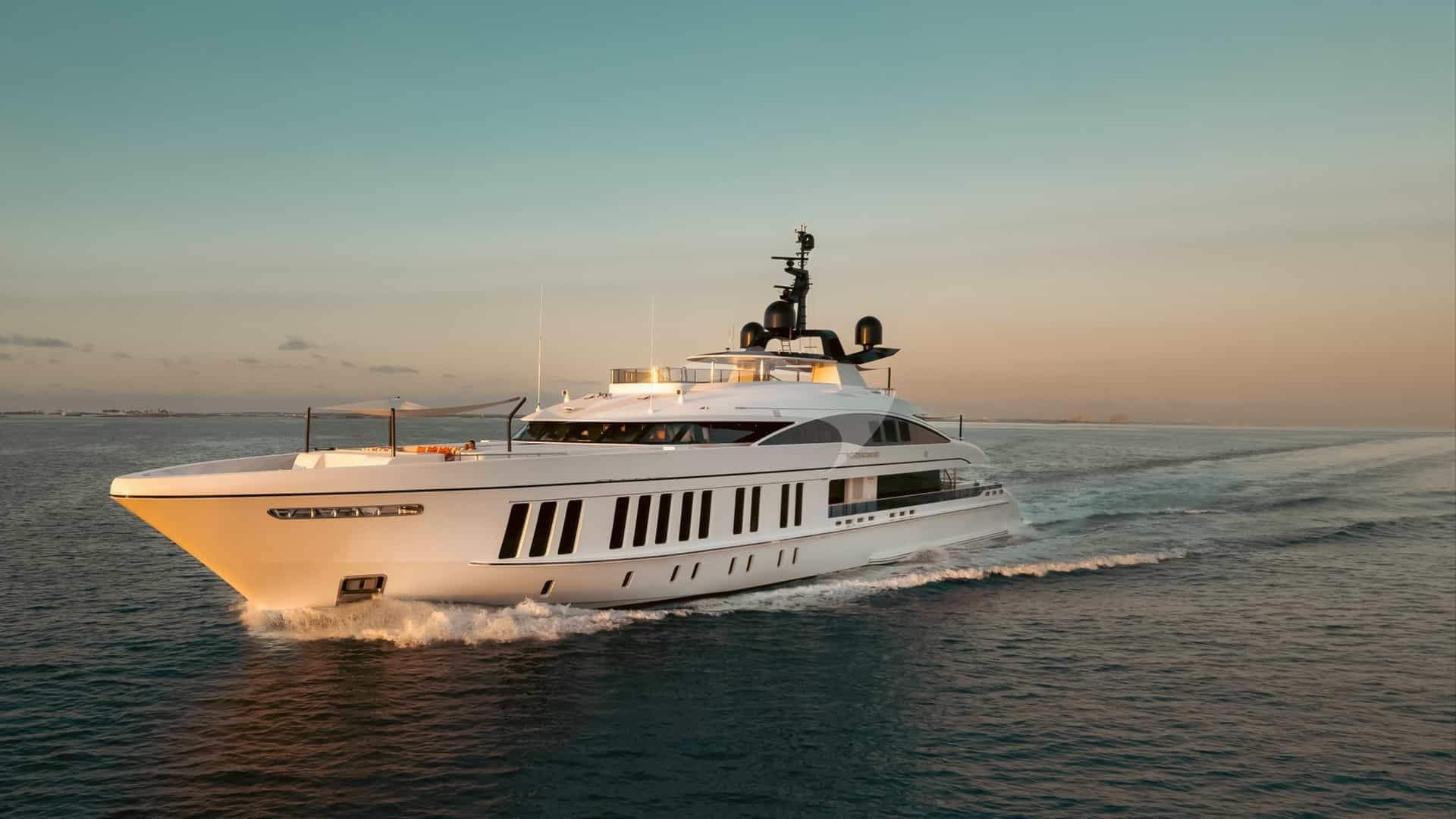
The southern coastline of Portugal presents a distinct marine operational profile. Unlike the landlocked Mediterranean basins of the Balearics or the Côte d'Azur, an Algarve Yacht Charter yacht charter operates at the intersection of Atlantic oceanography and Mediterranean climate. Extending 84 nautical miles from Cape St. Vincent (Cabo de São Vicente) in the west to the mouth of the Guadiana River at the Spanish border, the Algarve offers exceptional cruising grounds dominated by dramatic golden limestone cliffs, barrier islands, and reliable summer weather. However, executing a seamless charter demands rigorous logistical planning. Captains and charter managers must navigate distinct tidal variations, shallow river bars, specific harbour infrastructure, and strict Portuguese maritime clearance protocols.
Cruising the Algarve requires a precise understanding of where deep-draft superyachts can comfortably berth, where high-flow fuel bunkering is available, and how local weather phenomena like the Norteada affect coastal anchorages. From the luxury infrastructure of Marina de Vilamoura to the deepwater facilities of Portimão and the historic river entrance of Lagos, each harbour offers unique operational advantages and limitations.
Principal Marinas and Superyacht Berthing Infrastructure
Marinas in the Algarve vary considerably in capacity, entrance depths, and maximum length overall (LOA). Selecting the correct base or overnight berthing location depends heavily on vessel draft, beam, and the specific shore side requirements of the charter party.
### Marina de Vilamoura Situated centrally at 37°04'.3N, 008°07'.4W, Marina de Vilamoura is the largest and most commercially developed marina facility in Portugal, offering 825 berths. It serves as the primary hub for luxury charter operations in the region.
- Superyacht Limits: The inner marina basins accommodate yachts up to 35 metres LOA with maximum drafts of 2.5 to 3.0 metres. For larger vessels up to 60 metres LOA, berthing is assigned along the outer reception quay, where depths reach 4.0 metres at Lowest Astronomical Tide (LAT).
- Logistics & Amenities: Vilamoura provides 3-phase electrical connections up to 125A, direct freshwater hookups, and waste extraction services. The commercial perimeter offers high-end dining, private vehicle access directly to the quayside for VIP transfers, and full security protocols.
### Marina de Portimão Located within the shelter of the Arade River estuary (37°07'.5N, 008°31'.8W), Portimão provides the deepest and most accessible berthing in the western Algarve. Protected by two substantial outer breakwaters, it eliminates the entry hazards associated with shallow bar crossings found elsewhere along the coast.
- Superyacht Limits: Marina de Portimão features dedicated superyacht pontoon berthing capable of accommodating vessels up to 50 metres LOA with drafts up to 4.2 metres. Furthermore, the adjacent commercial port quay (Cais Comercial de Portimão) can handle megayachts exceeding 80 metres LOA with drafts up to 8.0 metres, subject to prior arrangement with the Port Authority of Sines and the Algarve (APS).
- Logistics & Amenities: Portimão is the premier option for heavy technical support, bunkering, and extended stays. The marina features secure gated access, high-capacity power pedestals (up to 250A), fuel docks with high-flow pumps, and direct proximity to major repair yards.
### Marina de Lagos Positioned inside the Bensafrim River at 37°06'.2N, 008°40'.2W, Marina de Lagos combines excellent technical facilities with immediate access to the historic town of Lagos and the stunning rock formations of Ponta da Piedade, located just 2.5 nautical miles to the south.
- Superyacht Limits: Access to the 462-berth marina requires transit up a dredged river channel and through an operational pedestrian lift bridge (Ponte Móvel), which operates on a scheduled timetable or on-demand via VHF Channel 09. The maximum LOA inside the marina basin is 30 metres, with a strict draft limit of 2.5 metres at low tide. Vessels drawing more than 2.8 metres must time their entry precisely for slack high water.
- Logistics & Amenities: Excellent protection from all wind vectors. Facilities include full shore power, high-speed Wi-Fi, fuel bunkering, and direct access to Sopromar, one of the region's top marine engineering shipyards.
### Marina de Albufeira Located at 37°05'.1N, 008°16'.0W, Albufeira provides a highly sheltered, custom-built inner basin accessed via a narrow concrete-lined channel cut into the coastal cliffs.
- Limits & Accessibility: Albufeira offers 475 berths but is constrained by size. The maximum LOA is 25 metres, with maximum drafts restricted to 2.5 metres. Entering the narrow approach channel can be hazardous during strong southerly or south-westerly swells, which create breaking seas across the entrance. It is predominantly utilized as an intermediate day-stop rather than a primary superyacht base.
Oceanographic Dynamics: Tides, Drafts, and Weather Systems
Navigating the Algarve's waters differs significantly from cruising the sheltered, tideless bays of the Cote d'Azur or the Ionian Sea. The Atlantic environment introduces ocean swells and semi-diurnal tides that demand careful navigation planning.
### Tidal Variations and Bar Crossings The Algarve experiences semi-diurnal tides with ranges between 1.5 metres during neap cycles and up to 3.8 metres during spring tide cycles. This tidal range substantially impacts draft clearances in river entrances and shallow coastal lagoons:
- Ria Formosa (Faro/Olhão): This vast natural park consists of barrier islands and shifting sandbanks. Entering the channels of Barra da Nova (Faro) or Barra de Armona (Olhão) requires local pilotage knowledge or up-to-date hydrographic charts. Deep-draft yachts (drawing over 2.0 metres) should only attempt these channels during flood tides to avoid grounding on migrating sandbars.
- River Estuaries: Both the Arade (Portimão) and Bensafrim (Lagos) rivers experience strong tidal currents reaching up to 3 knots during spring flood and ebb tides. Captains must factor these tidal currents into maneuvering calculations when berthing alongside or navigating tight channels.
### Dominant Wind Regimes Understanding local wind patterns is essential for selecting comfortable anchorages for guest activities such as swimming, tender operations, and al fresco dining.
- The Norteada (Northerly Wind): During the summer months, a thermal low-pressure system over the interior of Spain combined with the Azores High generates a prevailing northerly to north-westerly wind known locally as the Norteada. While this wind can blow at 20 to 30 knots off Cape St. Vincent and open ocean waters, the towering limestone cliffs between Sagres and Albufeira provide a wind shadow, creating flat water conditions within 0.5 nautical miles of the coast—ideal for motor yacht anchoring.
- The Levante (Easterly Wind): Originating in the Mediterranean and accelerating through the Strait of Gibraltar, the Levante brings warm, humid easterly or south-easterly winds to the Algarve. When the Levante blows above 20 knots, it creates a short, steep ocean chop along the exposed eastern coastline between Vila Real de Santo António and Vilamoura, rendering open roadsteads uncomfortable and forcing yachts to seek shelter inside Portimão, Vilamoura, or behind the lee of Culatra Island.
Berth Reservations, Seasonal Demand, and Anchorages
Due to the limited number of superyacht berths exceeding 35 metres LOA in the Algarve, securing berthing during peak summer months requires structured advance planning.
### High Season Lead Times The peak charter season spans from mid-June through mid-September, with July and August representing the absolute high season.
- Vilamoura & Portimão: Superyacht berths (30m+) along the outer wall in Vilamoura or the primary superyacht quay in Portimão should be requested and secured 6 to 9 months in advance. Transient or short-notice berthing in July and August is extremely difficult to obtain without prior broker or agent intervention.
- Shoulder Seasons: May, early June, late September, and October present optimal cruising conditions with milder temperatures, manageable winds, and far greater berth availability. Advance booking windows for shoulder months can typically be reduced to 4 to 6 weeks.
### Recommended Charter Anchorages When marina berths are unavailable or when guests prefer total privacy, the Algarve features several outstanding day and overnight anchorages:
- Ponta da Piedade (Lagos): Positioned at 37°04'.8N, 008°40'.0W. Excellent day anchorage in 8 to 12 metres of water over sand, protected from northerly and north-westerly winds. Spectacular backdrop of sea arches and caves.
- Enseada de Sagres / Baleeira: Positioned at 37°00'.8N, 008°55'.5W. Located just east of Cape St. Vincent, this wide bay provides crucial shelter from heavy north-westerly Atlantic swells and the Norteada. Excellent holding in 10 to 15 metres over sand and mud.
- Culatra Island (Ria Formosa): Positioned at 36°59'.5N, 007°50'.0W. A well-protected anchorage situated inside the main inlet of the Ria Formosa natural park. Provides complete shelter from all wind directions, though tidal streams run fast. Anchor in 6 to 10 metres of water off the village of Culatra.
- Ferragudo Roadstead: Positioned at 37°07'.0N, 008°31'.2W. Located just inside the mouth of the Arade River, outside the main navigation channel for Portimão. Good holding in 5 to 8 metres, offering immediate tender access to Ferragudo village and Portimão Marina.
Bunkering, Shore Power, and Technical Infrastructure
Maintaining a high-end charter vessel requires robust shore side technical support, reliable high-voltage power, and efficient bunkering options.
### Fuel Logistics Ultra-low sulphur diesel (EN590) is readily available at fuel docks in Vilamoura, Portimão, and Lagos.
- High-Flow Bunkering: For vessels requiring large volume refuelling (exceeding 10,000 litres), bunkering by road tanker lorry is the standard procedure. Portimão is the primary port for commercial tanker bunkering due to easy vehicle access along the main quayside.
- Duty-Free / Commercial Fuel: Vessels operating under an official commercial charter registry (e.g., Marshall Islands, Cayman Islands, or EU commercial registration) with valid charter contracts and outward port clearance may apply for duty-exempt fuel (gasóleo de cor azul / commercial maritime diesel). This must be arranged through a registered local port agent at least 48 to 72 hours prior to bunkering to complete Customs (Autoridade Tributária e Aduaneira) declarations.
### Shore Utilities and Electrical Infrastructure Vilamoura:* Offers 230V single-phase and 400V three-phase power up to 125 amperes on outer quays. Portimão:* Equipped with heavy-duty electrical pedestals capable of supplying up to 250A 400V three-phase power on its dedicated superyacht quay, ensuring large multi-deck motor yachts can run full domestic systems without generator usage overnight. Water Supply:* Fresh municipal water is provided at all main marinas. However, due to regional water conservation measures during dry summer seasons, charter yachts are strongly advised to utilize onboard reverse-osmosis desalination watermakers for hull washing and non-potable uses whenever at anchor.
### Shipyards and Maintenance Capabilities Should mechanical, hydraulic, or structural issues arise during a charter, the Algarve possesses high-standard repair infrastructure:
- Sopromar Centro Náutico (Lagos): Features a 300-tonne travel lift, comprehensive engineering workshops, certified marine electronics technicians, stainless steel fabrication, and an extensive chandlery inventory.
- Portimão Drydocks / Navstra: Offers haul-out and repair capabilities for larger vessels up to 500 tonnes, supported by skilled shipwrights, marine diesel mechanics, and painting facilities.
Provisioning and Regional Gastronomy
High-level yacht chartering demands access to premium ingredients, fine wines, and specialist provisions. The Algarve offers a mix of high-end international suppliers and exceptional local food markets.
### Provisioning Logistics for Superyacht Chefs Chefs operating on an Advanced Provisioning Allowance (APA) can source specialty imported ingredients—such as Wagyu beef, French cheeses, caviar, and niche dietary goods—via established yacht provisioning agencies operating out of Lisbon or Spain (Seville/Palma), who deliver via temperature-controlled logistics directly to the vessel's berth within 24 to 48 hours.
For ultra-fresh seafood, organic produce, and regional specialties, local markets provide extraordinary quality:
- Mercado Municipal de Olhão: The undisputed culinary capital for fresh seafood in southern Portugal. Housed in two iconic red-brick market halls along the waterfront, this market receives daily catches directly from the artisanal fishing fleet. Chefs can source wild sea bass (robalo), turbot (pregado), red mullet (salmonete), giant scarlet prawns (carabineiros), and live Ria Formosa oysters (ostras).
- Mercado Municipal de Loulé: An oriental-style covered market inland from Vilamoura, world-renowned for organic regional produce, Iberian cured hams (presunto de Monchique or pata negra), local goat cheeses, almonds, figs, and fresh herbs.
### Regional Culinary Specialties Incorporating authentic Algarvian dishes into guest menus enhances the luxury charter experience:
- Cataplana de Marisco: A signature Algarvian seafood stew containing clams, prawns, monkfish, and chouriço sausage, slow-cooked in a hinged, shell-shaped copper pot that seals in aromatics and steam.
- Percebes (Gooseneck Barnacles): A prized local delicacy harvested by daring divers (mariscadores) off the wave-battered cliffs of Cape St. Vincent and Sagres. Served simply blanched in ocean water.
- Sardinhas Assadas de Portimão: Fresh whole sardines charcoal-grilled over open hearths, served atop thick slices of sourdough bread to absorb the natural oils, accompanied by roasted pepper salad (salada à algarvia).
- Regional Wines: Pair menus with crisp white wines from the local Algarve DOC regions (Lagoa, Portimão, Tavira, and Silves), characterized by vibrant minerality, or feature high-scoring vintages from the adjacent Alentejo region and the Douro Valley.
Maritime Formalities, Customs, and Immigration
As Portugal is a member of the European Union and the Schengen Area, charter vessels must adhere strictly to Portuguese maritime regulations and border control measures.
### Essential Entry and Clearance Documentation Upon arrival in Portuguese waters or when moving between maritime districts (Capitanias), the vessel's captain or appointed shipping agent must liaise with three distinct government bodies:
1. Capitania do Porto (Maritime Authority): Manages safety of navigation, port clearances, light dues (taxa de farolagem), and verifies vessel documentation including registry, safety certificates, insurance, and crew qualifications. 2. Polícia Marítima: Oversees maritime policing, local harbor regulations, and monitors anchoring restrictions in protected marine reserves like the Ria Formosa or the Marine Park of Luiz Saldanha. 3. AIMA (Agência para a Integração, Migrações e Asilo - formerly SEF): Handles border control, passport stamping, and immigration compliance for guests and crew entering or exiting the Schengen Zone.
### Schengen vs. Non-Schengen Operations For charters embarking guests arriving from non-Schengen countries (such as the United Kingdom, United States, or Middle East) or for vessels arriving directly from Gibraltar, Tangier, or transatlantic crossings:
- Passport Control: Formal border entry clearance must be conducted at an officially designated Border Crossing Point (Ponto de Passagem de Fronteira). Portimão and Faro are the primary ports equipped with permanent immigration facilities for clearing non-Schengen passengers and crew.
- Crew Seaman's Discharge Books: Crew changes involving non-EU nationals require advance notification to AIMA. Non-EU crew members entering Portugal to join a commercial vessel must hold valid Seamen’s Identification Documents or appropriate transit visas.
### Cruising Permits and Commercial Charter Regulations Yachts offering an Algarve Yacht Charter yacht charter must comply with local commercial charter licensing laws:
- Commercial Registration & VAT: Vessels operating charter programs in Portuguese territorial waters must be registered for VAT in Portugal or operate under the EU Reverse Charge mechanism if holding a valid EU VAT number. Charters commencing in Portuguese ports are subject to standard Portuguese VAT (23% on charter fees) unless specific offshore international transport exemptions apply.
- *Cruising Log (Livro de Bordo / Livro de Raio):* Captains are required to maintain a formal log of all passenger manifests, port entries, and departures, which must be presented upon request during routine inspections by the Polícia Marítima.
Aviation Infrastructure and Crew Logistics
Seamless guest arrivals and crew rotations depend on efficient transport links between international airports, private jet terminals, and primary marina berths.
### Airport Infrastructure and Private Jet FBOs The Algarve is served directly by Faro Airport (FAO / Gago Coutinho Airport), situated centrally along the coastline at 37°00'.9N, 007°57'.9W.
- General Aviation Terminal (GAT): Faro Airport features a dedicated private aviation terminal operating 24/7, providing discreet VIP customs and immigration processing, private lounge facilities, and direct ramp access for chauffeur vehicles.
- Fixed-Base Operators (FBOs): Established FBO handling services at Faro include Sky Valet, Omni Handling, and Universal Aviation. These facilities handle executive jets ranging from light corporate aircraft up to heavy long-range jets like the Gulfstream G650 or Bombardier Global 7500.
### Transfer Times to Key Marina Hubs The region is traversed east-to-west by the A22 motorway (Via do Infante), ensuring rapid ground transportation times from Faro Airport to all primary charter ports:
- To Marina de Vilamoura: 25 kilometres / 25 minutes via the N125 / A22.
- To Marina de Portimão: 65 kilometres / 50 minutes via the A22.
- To Marina de Lagos: 85 kilometres / 60 minutes via the A22.
- To Sagres Anchorage: 115 kilometres / 75 minutes via the A22 and N125.
### Alternative Regional Airports In scenarios where guests or crew are connecting via secondary international hubs:
- Lisbon Humberto Delgado Airport (LIS): Located 260 kilometres north of Portimão (approximately 2.5 hours by car via the A2 motorway). Lisbon serves as a primary international hub for direct long-haul flights from North America, South America, and Asia.
- Seville Airport (SVQ, Spain): Positioned 200 kilometres east of Vilamoura (approximately 2 hours by car via the A49 / A22 motorways). An excellent option for guests connecting through Spanish air corridors.
### Crew Logistics and Support Services Managing crew changes, shore accommodation, and technical deliveries in the Algarve is straightforward due to well-developed local infrastructure:
- Accommodation: High-quality crew accommodation is readily available near Lagos, Portimão, and Vilamoura, particularly during the shoulder months when seasonal hotel inventory opens up.
- Freight and Parts Delivery: Express courier services (DHL, FedEx, UPS) operate daily connections into Faro from major European hubs (Frankfurt, Paris, London). Marine spare parts shipped under "Ship's Spares in Transit" status can be cleared through Portuguese Customs in Faro or Lisbon within 24 to 48 hours, provided proper commercial shipping documentation and vessel registry details are supplied.