
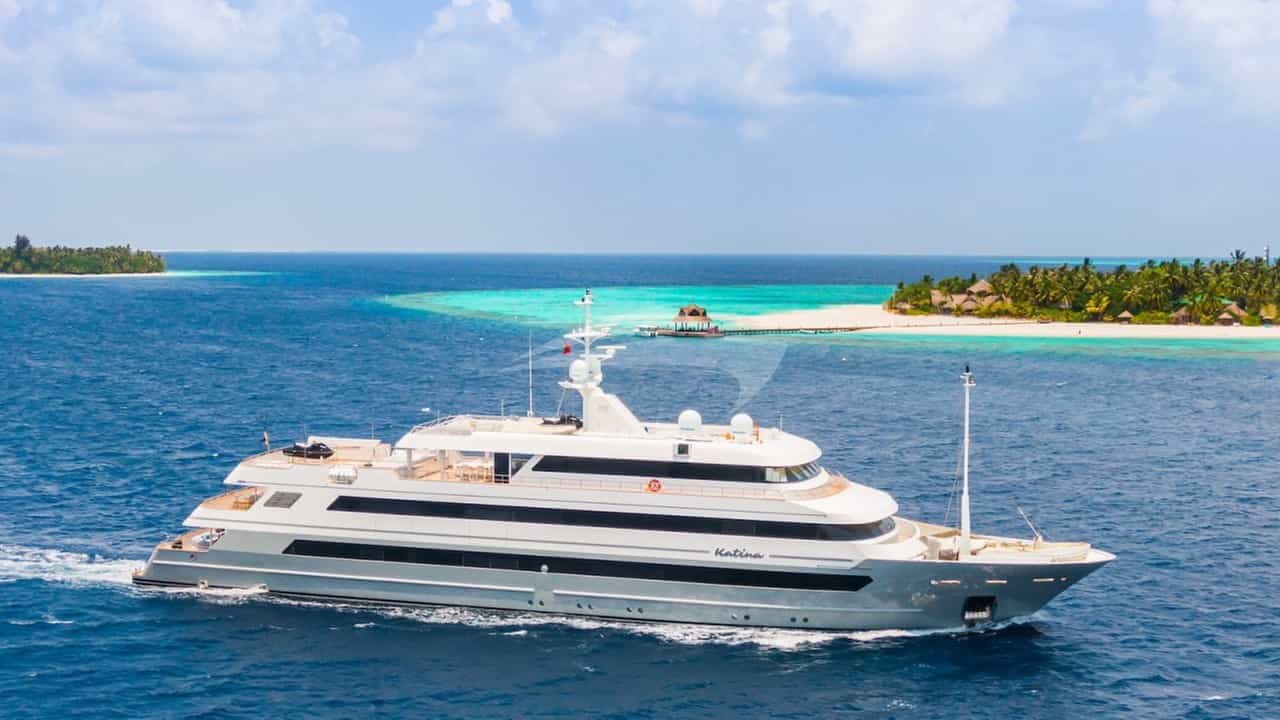
Positioned at 38°20’N, 000°29’W, Alicante serves as the primary maritime gateway to the Costa Blanca and a key departure point for transits to the Balearic Islands. For captains and charter brokers executing an Alicante Yacht Charter yacht charter, the port offers deepwater access, extensive infrastructure, and immediate proximity to an international airport. Protected from the northern sector by the towering headland of Mount Benacantil and Santa Bárbara Castle, the port operates year-round with minimal tidal variation and robust commercial capability.
Planning a charter out of Alicante requires an understanding of local berth availability, draught constraints, seasonal wind patterns, and regional marine regulations. The coastline between Torrevieja to the south and Dénia to the north features a varied set of facilities ranging from high-capacity mega-yacht docks to specialized technical yards.
Primary Marinas and Harbour Infrastructure
### Marina de Alicante The central hub for visiting pleasure craft and superyachts is Marina de Alicante, situated inside the main commercial port basin (Puerto de Alicante). The marina is divided into distinct zones: the inner basin (Dársena Interior), which accommodates vessels up to 25 metres in length overall (LOA), and the outer pontoons and quays designed for larger displacement motor yachts and sailing yachts.
Superyachts exceeding 30 metres LOA are typically berthed along the inner side of the Muelle de Levante or at dedicated heavy-duty pontoon berths in the outer basin. The marina offers berths for vessels up to 60 metres LOA, with draughts ranging from 3.5 metres in the inner pontoons to 7.0 metres along the outer breakwater quays. For mega-yachts over 60 metres, temporary or extended berthing can be arranged along the commercial berths (Muelle 14 or Muelle de Costa), subject to port authority approval and commercial ship movements.
Facilities at Marina de Alicante include 24-hour security, gated pontoon access, high-capacity shore power installations, fresh water connections, grey/blackwater suction pump-outs, and Wi-Fi. The marina's positioning within the city centre allows charter guests to step directly off the passerelle onto the Explanada de España promenade.
### Port Dénia Superyacht Marina Located 45 nautical miles north-northeast of Alicante around Cabo de la Nao, Port Dénia is a specialized superyacht shipyard and marina facility. While serving as a standalone destination, it frequently acts as an alternative northern embarkation or technical base for charters operating out of the Alicante region.
Port Dénia provides berthing for vessels up to 138 metres LOA with a maximum draught of 6.5 metres. The facility offers 2000A shore power, high-volume fuel bunkering directly at the berth, and comprehensive shipyard support including a 150-tonne slipway and dry dock facilities. It is particularly useful for vessels needing technical preparation before embarking charter guests or for those bridging a charter between the mainland and Ibiza, which lies just 55 nautical miles east of Dénia.
### Greenwich Marina (Marina Campomanes) Situated 25 nautical miles north of Alicante near Altea, Greenwich Marina holds the distinction of being the only marina in the world located precisely on the Prime Meridian (0°00’00”). It provides an upscale berth option for vessels up to 30 metres LOA with maximum draughts of 3.5 metres.
The marina is well-sheltered from prevailing westerly and northerly winds by the Serra Gelada and Morro de Toix cliffs. However, entry can become challenging during strong easterly (Levante) swells. Facilities include boutique dining options, fuel services, and high-end shore support, making it an ideal mid-charter lunch stop or overnight berth when exploring the northern Costa Blanca.
### Marina Miramar (Santa Pola) Located 10 nautical miles south of Alicante, Marina Miramar in Santa Pola offers 434 berths for vessels up to 60 metres LOA. Draughts inside the harbor range from 3.0 to 4.5 metres. Santa Pola provides an alternative option if berths in Alicante central are fully occupied during peak summer events.
The marina is located three nautical miles west-southwest of the Isla de Tabarca, making it an efficient staging post for early morning access to the marine reserve's anchorage zones.
Berthing Availability, Booking Windows, and Peak Seasons
Demand for berths in Alicante and the surrounding Costa Blanca peaks between mid-June and mid-September. The absolute high season occurs in July and August, coinciding with European summer holidays and peak Mediterranean charter activity.
- July and August: Berths for yachts over 30 metres LOA in Marina de Alicante and Port Dénia should be secured 4 to 6 months in advance. Transient or single-night berths can occasionally be arranged with short notice, but stern-to berths with high-amperage power availability fill rapidly.
- May, June, September, and October: The shoulder season offers high availability. A booking window of 2 to 4 weeks is generally sufficient for securing prime berths. Weather conditions during May and September are frequently ideal for cruising, with air temperatures averaging 25°C to 28°C and lower swell activity.
- November to April: The winter season sees significant berth availability. Marina de Alicante serves as a lay-up and wintering port for vessels transitioning between summer charters in the Western Med and winter shipyard periods.
When booking berths, marine agents and brokers must submit full yacht documentation, including the certificate of registry, valid insurance policy (with civil liability coverage matching Spanish legal minimums), crew list, and proof of commercial charter registration if embarking paying guests within Spanish waters.
Technical Specifications: Draught, Air Draught, and Hydrography
The coastal hydrography around Alicante is characterized by a narrow continental shelf dropping off quickly into deep water once clear of coastal headlands. Tidal ranges along the Costa Blanca are micro-tidal, rarely exceeding 0.3 metres. However, meteorological factors can influence water depth and harbor conditions.
- Draught Restrictions: Marina de Alicante offers deepwater access across its main fairways (6.0 to 8.0 metres). Vessels drawing up to 5.5 metres can enter the outer marina basin without issue. Shallower inner basins (under 3.0 metres) are reserved for smaller local craft. At Greenwich Marina (Altea), draughts are restricted to 3.5 metres, requiring deep-draught sailing yachts to carefully monitor echo sounders on approach.
- Air Draught: There are no overhead bridges or power cable restrictions entering the primary commercial ports of Alicante, Dénia, or Santa Pola. High-masted sailing superyachts can approach all major channels without clearance constraints.
- *Meteotsunamism and Seiches (Rissaga): While most prominent in the Balearic Islands (specifically Ciutadella, Menorca), atmospheric pressure shifts during summer squalls can occasionally cause minor harbor oscillations (seiches*) along the Costa Blanca coast. Captains should ensure lines are properly tensioned and fenders deployed with allowance for sudden 0.5-metre water-level changes during unstable summer weather fronts.
Bunkering, Water, and Shore Power Logistics
### Fuel Bunkering Fueling operations in Alicante are flexible and efficient. Marine gas oil (MGO) and automotive diesel are available via fixed fuel docks or dedicated road tankers.
- Dockside Bunkering: Marina de Alicante operates a dedicated fuel dock near the main entrance fairway, capable of fueling vessels up to 45 metres LOA with high-flow pumps dispensing up to 150 litres per minute.
- Tanker Delivery: For superyachts taking large volumes (exceeding 10,000 litres), direct road-tanker bunkering at the berth can be coordinated through local marine fuel agents. Tanker access requires prior port authority clearance and deployment of safety equipment (oil booms and fire extinguishers) during the transfer.
- Duty-Free Fuel: Vessels operating under a valid commercial charter licence and holding foreign outward clearance are eligible for duty-free fuel (gasóleo bonificado). The bunker request must be processed at least 48 to 72 hours prior to delivery through a registered Spanish customs agent (agente de aduanas).
### Water Supply and Quality Potable water is available at all berths in Marina de Alicante and regional harbors. While the municipal water supply meets safety standards, municipal water in south-eastern Spain carries a high mineral and calcium content.
It is best practice for crew to run shore water through an external water softener or onboard filtration unit before topping up fresh water tanks. For charter guest consumption, onboard reverse-osmosis (RO) desalination units or bottled water systems are preferred to preserve the taste profile and prevent mineral buildup in onboard galley appliances.
### Shore Power Infrastructure Marina de Alicante provides standardized shore power connections across its pontoons: Standard Berths (up to 20m):* Single-phase 32A and three-phase 63A, 230V/400V, 50Hz. Superyacht Berths (30m+):* Three-phase 125A, 250A, and up to 400A at 400V / 50Hz.
Vessels built to North American electrical standards (60Hz) will require onboard frequency converters to connect to the local grid.
Provisioning and Fine Dining Supplies
Alicante offers access to Mediterranean agricultural products, fresh seafood, and imported goods. The region's rich culinary tradition—centered on high-grade seafood and specialized rice dishes—provides an excellent base for yacht chefs.
### Mercado Central de Alicante Located in an historic 1920s modernist building in the city centre (a ten-minute walk or five-minute transfer from the marina passerelle), the Mercado Central de Alicante is the chief source for fresh provisioning. Spread over two expansive floors, it features over 200 stalls.
- Seafood: The lower floor hosts fishmongers receiving daily deliveries from local fish auctions (lonjas) in Santa Pola, Dénia, and Alicante. Highlights include the famous Gamba Roja de Dénia (deep-water red prawns), local red mullet (moll de roca), wild sea bass (lubina), wild sea bream (dorada), and Mediterranean slipper lobster (cigala).
- Meats and Charcuterie: The upper level houses specialized butchers providing dry-aged Spanish beef, suckling pig (cochinillo), and top-tier cured meats, including Jamón Ibérico de Bellota (Cinco Jotas and Joselito suppliers).
- Produce and Local Ingredients: Fresh vegetables from the neighboring Vega Baja region (artichokes, tomatoes, lemons) are available daily, along with authentic Bomba and Senia rice varieties essential for regional arròs a banda and paella alicantina.
### Specialist Yacht Provisioners For imported items, rare vintages, foreign delicacies, or pre-packaged vacuum-sealed provisions, local yacht agents collaborate with dedicated marine provisioning suppliers based in Alicante and Palma de Mallorca.
Deliveries can be made in refrigerated trucks directly alongside the yacht’s passerelle. Orders for high-end international items (e.g., Japanese Wagyu beef, specific caviar grades, specialized French cheeses) should be submitted 72 hours prior to guest arrival.
Customs, Formalities, and Marine Regulations
### Cruising Formalities and Schengen Regulations Spain is part of the Schengen Zone. Vessels entering Spanish territorial waters from non-Schengen destinations (such as Gibraltar, North Africa, or the UK) must complete formal immigration and customs entry declarations.
- Passport Control: Non-EU crew members and charter guests must present their passports for physical stamping at the local Policía Nacional border control post within the commercial port of Alicante.
- Customs Declarations: Non-EU flagged yachts must carry paperwork proving their VAT status or temporary admission (Importación Temporal) status. Commercial yachts must present a valid Charter Licence issued by the regional maritime authorities (Capitanía Marítima).
### Spanish Charter Licence (Permiso de Chárter) To embark or disembark charter guests in Alicante or anywhere within Spanish waters, the vessel must possess an official Spanish Charter Licence issued by the Dirección General de la Marina Mercante. Operating a commercial charter without this licence can lead to severe fines and vessel detention.
The application process requires submitting proof of commercial registry, class certificates, insurance, crew qualifications, and payment of the applicable regional charter taxes (Impuesto Especial sobre Determinados Medios de Transporte, if applicable).
Marine Protected Areas and Environmental Rules
Cruising the Alicante coastline requires strict adherence to environmental regulations designed to protect marine ecosystems, specifically the meadows of Posidonia oceanica (Neptune grass).
[Isla de Tabarca Marine Reserve]
  ├── Zone A: Integral Reserve (No anchoring, no entry without permit)
  ├── Zone B: Selective Reserve (Regulated buoy mooring)
  └── Zone C: Periphery Zone (Regulated anchoring on sand only)
#### Reserva Marina de la Isla de Tabarca Located 12 nautical miles south-southeast of Marina de Alicante, Tabarca was Spain’s first designated Marine Reserve (established in 1986). The reserve is strictly zoned: Zone A (Integral Reserve):* Located on the northeastern side of the island. Entry, anchoring, diving, and fishing are prohibited for all vessels. Zone B and C: Anchoring is permitted only on clear sand patches. Dropping anchor in Posidonia seagrass beds is strictly illegal and subject to heavy fines enforced by the Guardia Civil Marítima*. Designated seasonal mooring buoys are available for visiting yachts, subject to length restrictions.
#### Posidonia Protection Regulations Throughout Valencia and the Costa Blanca, specialized marine patrol boats monitor coastal anchorages (including Cabo de las Huertas, Cala Moraig, and El Portet de Moraira). Captains must ensure anchors and chains are deployed exclusively in sandy bottoms (arena). Many eco-conscious anchorages now require the use of smartphone apps (such as Posidonia Maps) to confirm seabed composition before dropping anchor.
Airports, Transfers, and Crew Logistics
### Aviation and Transfers Alicante is exceptional for crew changes and guest turnarounds due to its proximity to an international aviation hub.
- Alicante-Elche Miguel Hernández Airport (IATA: ALC / ICAO: LEAL): Located just 9 kilometres (5.5 miles) southwest of Marina de Alicante. Driving time from the airport terminal directly to the berth passerelle is approximately 15 minutes via the N-332 or A-70 roadways.
- General Aviation / Private Jets: ALC airport features a dedicated General Aviation Terminal (GAT) with fixed-base operators (FBOs) providing ground handling, VIP lounges, fast-track customs clearance, and direct tarmac transfers. Private jets can land 24/7 without night curfew restrictions.
- Alternative Airports: Valencia Airport (VLC) is located 170 kilometres (1 hour 40 minutes by road) north, providing additional options for private flights or international commercial connections if needed.
### Crew Movements and Railway Links For crew turnover or guest transit to Madrid, Alicante is connected to the Spanish high-speed rail network (AVE).
The Alicante-Terminal railway station is located 1.5 kilometres from the marina (a 5-minute drive). High-speed AVE trains run directly to Madrid Atocha station in 2 hours and 15 minutes, offering an efficient overland route across central Spain.
### Marine Engineering and Chandlery Support Alicante provides reliable technical services for minor maintenance, engine servicing, electronics repair, and safety equipment re-certification.
- Chandleries: Multiple well-stocked marine supply stores operate around the Dársena Interior and neighboring industrial estates, providing standard hardware, safety gear, line, and cleaning chemicals.
- Haul-out and Shipyards: For emergency underwater repairs or haul-outs, facilities in Alicante, Santa Pola, and Dénia operate travelifts ranging from 75 tonnes up to 150 tonnes, with Port Dénia accommodating much larger tonnage via specialized slipways.
Navigational Planning and Coastal Distances
Alicante serves as an ideal base for cruising itineraries heading north toward the rugged cliffs of the Marina Alta, south toward Mar Menor, or east across the Ibiza Channel to the Balearic Islands.
Cruising Distances from Alicante (Marina de Alicante):

Destination                      Nautical Miles (nm)
----------------------------------------------------
Cabo de las Huertas              4.5 nm
Isla de Tabarca                  12.0 nm
Benidorm Island                  22.0 nm
Altea (Greenwich Marina)         28.0 nm
Cabo de la Nao                   42.0 nm
Dénia                            48.0 nm
Ibiza (Cala Jondal)              80.0 nm
Ibiza Town (Marina Ibiza)        88.0 nm
Formentera (Espalmador)          78.0 nm
Palma de Mallorca                155.0 nm
### Prevailing Wind Patterns and Navigational Hazards Summer Winds: The summer regime is dominated by thermal sea breezes (Garbí), which build from the south-southwest during early afternoon, reaching 12 to 18 knots before dying down at sunset. The easterly Levante* can bring sustained 20 to 25 knot winds and a short, uncomfortable chop across the open bays. Cabo de la Nao Transit:* Rounding Cabo de la Nao (42 nm northeast of Alicante) often involves a sharp change in sea state and wind strength. The headland acts as a climatic divide between the Gulf of Valencia and the southern Costa Blanca. Captains should check weather models carefully when planning transits around the cape toward Dénia or Ibiza. Shoals and Hazards: Navigational hazards along the main coastal routes are well-marked. The primary areas requiring caution are the shallow reefs surrounding the Isla de Tabarca (La Losa* reef located 0.8 nm south-west of Tabarca) and the coastal shallows near Cabo de las Huertas. Maintain a minimum off-lying distance of 0.5 nm unless entering designated harbor channels.
By leveraging Alicante’s sheltered deepwater berths, rapid airport connections, and robust supply chains, charter operators can ensure seamless logistics for both crew operations and guest turnarounds along Spain's southeastern coast.