
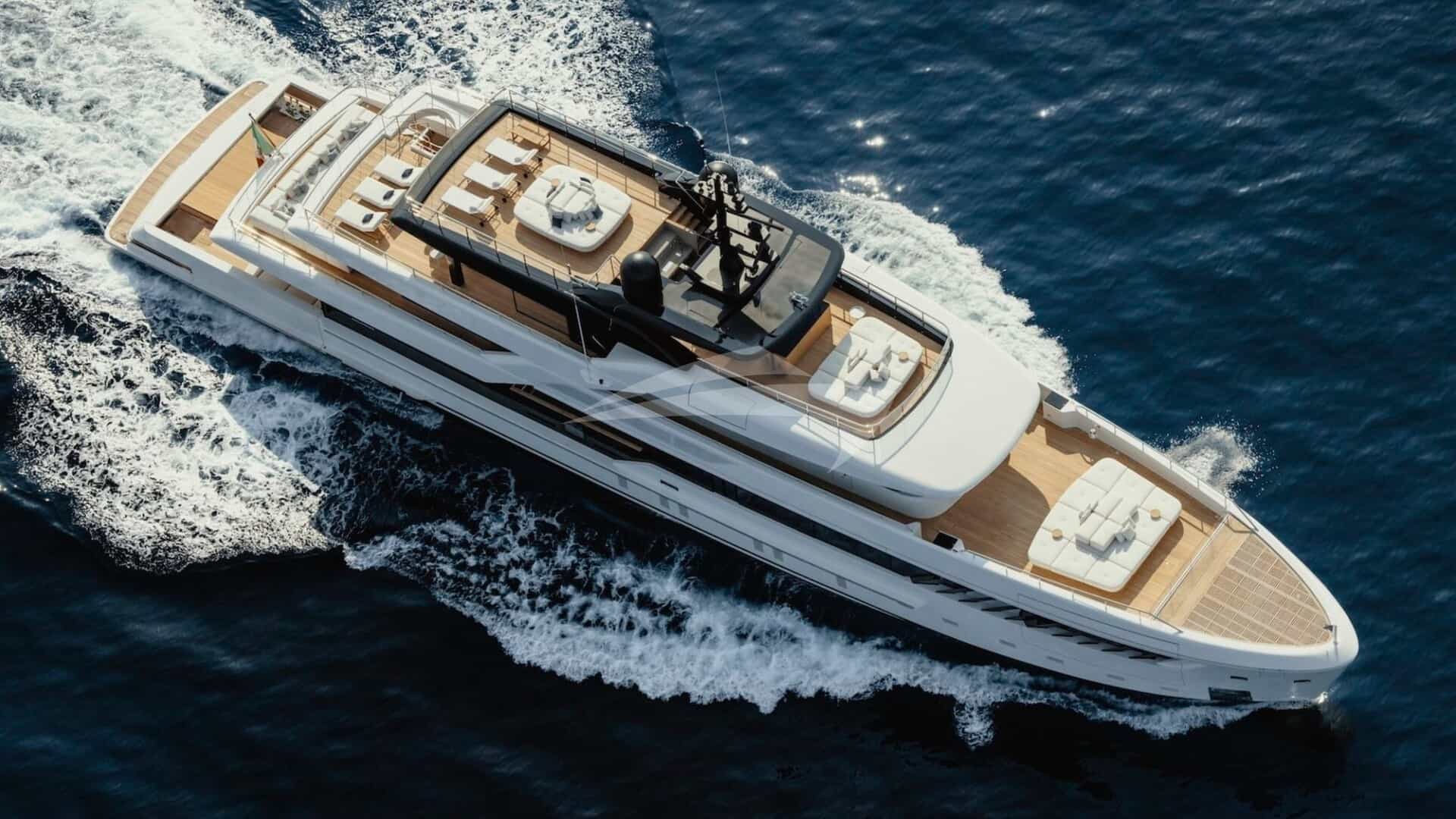
Rising from the Tyrrhenian Sea just six nautical miles off the Tuscan mainland at Piombino, Elba forms the dramatic emerald core of the Parco Nazionale Arcipelago Toscano. Dominated to the west by the granite peak of Monte Capanne and fringed by over 140 kilometres of jagged coastline, the island offers an extraordinary variety of cruising environments within a compact geographical footprint. Deep, sheltered gulfs cut into the southern shore, while northern chalk cliffs give way to turquoise anchorages and historic fortifications built by the Medici family.
Choosing the precise timing for an itinerary dictates whether one encounters high-octane Mediterranean glamour or tranquil, solitary anchorages. The cruising season officially opens in May and extends into late October, with each month delivering a distinct combination of sea temperatures, prevailing wind patterns, berth availability, and shore-side culture. Understanding these seasonal nuances is essential for tailoring an itinerary to specific preferences, whether that means securing prime quay space in Portoferraio or dropping anchor in silent, pine-scented coves.
The Seasonal Arc of the Tuscan Archipelago
The Tyrrhenian marine climate dictates the rhythm of life afloat off Elba. Sea surface temperatures begin their ascent in May, climbing from 18°C to peak at 25–26°C in late July and August, before cooling gradually through September to hold at a comfortable 22°C into October.
Wind conditions across the archipelago are governed by thermal daytime breezes during the midsummer height, interspersed with regional wind systems that require careful tactical planning by yacht captains. The Maestrale (north-westerly) can blow down through the Corsica Channel, bringing crisp visibility and clear skies, while the Sirocco (south-easterly) introduces warmer, humid air from North Africa, generating swell along Elba’s southern bays. Understanding how these systems interact with Elba's varied topography is the key to executing a flawless charter.
Spring Cruising: May and Early June
May and early June represent a secret window for charterers seeking absolute tranquility and pristine natural scenery. As the island awakens, the air is aromatic with flowering rockrose, wild lavender, and yellow broom covering the slopes of Monte Capanne. High daytime air temperatures average 21°C to 24°C, creating ideal conditions for alfresco dining on the flybridge, hiking coastal paths, or exploring ancient hilltop villages without the summer heat.
Sea temperatures in May hover around 18°C to 19°C, which may prove refreshing for extended swimming, though hydrofoils, tender rides, and coastal exploration are at their peak. By mid-June, water temperatures comfortably reach 21°C.
Cruising during this period offers maximum flexibility for captain and guests: * Unrestricted choice of primary anchorages in Golfo di Procchio, Fetovaia, and Golfo della Lacona without competing traffic. * Guarantees of prominent quay positioning along the historic Molo Mediceo in Portoferraio without long booking lead times. * Crisp air quality providing unobstructed views across to Capraia, 18 nautical miles to the north-west, and the snow-capped peaks of Corsica 30 nautical miles to the west. * Ideal conditions for long passages under sail across the Tuscan Archipelago National Park.
In late spring, local events showcase authentic Elban culture before the summer rush. The Trofeo Accademia Navale regatta, held in nearby waters, brings elegant classic and modern sailing yachts through the passage between Piombino and Cavo. Shore-side, restaurants in Marciana Marina and Porto Azzurro reopen their terraces, serving early-season delicacy dishes such as gnocchi al nero di seppia (squid ink gnocchi) and freshly caught line-caught sea bass without the necessity of weeks-ahead reservations.
High Summer: July and August
July and August represent the zenith of the Tyrrhenian yachting calendar. During these peak months, the island vibrates with energy. High temperatures average 28°C to 31°C, moderated on the water by predictable afternoon thermal breezes. Water temperatures reach a balmy 25°C to 26°C, creating perfect conditions for full days of watersports, seabob diving in the crystal-clear waters of Spiaggia della Biodola, and long evening swims off the swim platform.
This period is defined by vibrant social energy ashore. The harbour basins of Portoferraio and Porto Azzurro fill with high-calibre motor yachts and performance sailing vessels. The atmospheric waterfront promenades are lined with boutiques, cocktail bars, and fine-dining establishments operating at full capacity.
However, high summer demands meticulous advance logistics. Securing the ideal vessel for an Elba Yacht Charter yacht charter during July or August requires booking six to nine months in advance, particularly for large motor yachts requiring stern-to berths in historic harbours. Portoferraio’s inner basin, the Darsena Medicea, offers roughly 200 recorded berths capable of accommodating yachts up to 40 metres LOA, but availability during mid-August (Ferragosto) is exceptionally tight.
During these peak weeks, an experienced captain will structure the itinerary to avoid afternoon bay congestion. Mornings are best spent at anchor in popular spots like Cavoli or Fetovaia before day-cruisers arrive, moving by midday to deeper, more secluded bays along the rugged south-eastern coastline near Punta Rossa or the iron-rich cliffs of Rio Marina.
Late Summer and Early Autumn: September and October
For discerning yacht owners and experienced charterers, September is widely considered the ultimate month to cruise Elba. The high-summer crowds depart following the first week of September, yet the sea retains the heat accumulated over the summer, lingering at a warm 23°C to 24°C. Air temperatures settle into a comfortable 25°C, providing long, sun-drenched days free from intense humidity.
The sea conditions in September are often glass-calm, making long passage-making between Elba, Capraia, and Giglio exceptionally smooth. Anchorages that were busy in August, such as Sant'Andrea and Golfo di Stella, revert to peaceful havens.
As autumn approaches in late September and October, the island shifts its focus to the terrestrial harvest. The slopes around Capoliveri and Porto Azzurro come alive with the grape harvest (vendemmia). This is the time to taste Aleatico dell'Elba DOCG, the island’s famous sweet red passito wine, alongside regional autumn dishes like cacciucco elbano (a rich, garlic-infused rockfish stew) and schiacciabriaca (a traditional sweet cake laced with pine nuts, raisins, and Aleatico).
October offers a slower, highly atmospheric cruising experience. While day temperatures remain pleasant (20°C to 22°C) and water temperatures hold at 20°C, daylight hours shorten and weather systems become more dynamic. October itineraries require flexibility to adjust for occasional autumn weather fronts, making protected harbours like Portoferraio and Porto Azzurro ideal home bases between day trips.
Microclimates and Wind Systems: Navigating Elba's Coasts
Elba’s complex topographies create distinct microclimates across its northern, southern, eastern, and western shores. A skilled charter captain will continuously adapt the daily itinerary to match prevailing wind vectors, ensuring guests enjoy flat water at anchor regardless of regional weather patterns.
### The Northern Coast (Portoferraio to Sant'Andrea) The northern coastline features dramatic white limestone cliffs, deep turquoise coves, and fine sand beaches such as Biodola, Scaglieri, and Procchio. Shelter: Excellent protection from southerly winds (Sirocco and Ostro*). Exposure: Open to the Maestrale (NW) and Tramontana* (N). When north-westerly winds build, anchorage in Golfo di Procchio becomes rolly, and yachts seek refuge in the sheltered lee of Portoferraio or pivot to the south coast. Key Anchorages:* Spiaggia della Biodola, Cala dei Frati, and the dramatic granite shelves of Sant'Andrea.
### The Southern Coast (Marina di Campo to Capo Calamita) Characterised by deep, sweeping gulfs including Golfo di Stella and Golfo della Lacona, as well as famous beach coves like Fetovaia and Cavoli. Shelter: Outstanding protection from northern breezes (Maestrale and Tramontana*). When the north-west wind is blowing hard through the Corsica Channel, the south coast remains flat and calm. Exposure: Fully open to the Sirocco (SE) and Libeccio* (SW). Key Anchorages:* Fetovaia for turquoise waters, Golfo di Stella for isolated evening anchorages beneath Capoliveri.
### The Eastern Coast (Rio Marina to Porto Azzurro) The eastern shore is defined by its reddish, iron-rich hillsides, historic mining heritage, and deep, quiet bays facing the Tuscan mainland. Shelter:* Sheltered from western and north-western wind systems. Porto Azzurro provides one of the safest natural harbours on the island. Exposure: Exposed to easterly winds (Levante*). Key Anchorages:* Barbarossa bay, Reale beach, and the scenic roads outside Porto Azzurro.
### The Western Coast (Punta Nera to Pomonte) A wild, steep coastline dominated by the granite mass of Monte Capanne dropping directly into deep blue water. Shelter:* Limited harbour infrastructure, but spectacular for daytime anchorages in calm summer conditions. Exposure:* Unprotected from westerly quadrant winds. Key Anchorages: Pomonte (famous for diving on the shallow wreck of the Elviscot*) and Chiessi.
Berth Logistics, Lead Times, and APA Planning
A successful charter itinerary around Elba depends on balancing days spent at anchor with planned nights in port. Port infrastructure on the island is charming and historic, but berth availability for yachts over 24 metres LOA is finite.
Portoferraio is the principal maritime gateway. The quay along the Molo Mediceo allows yachts to bow- or stern-to directly under the grand brick ramparts of Forte Stella and Forte Falcone. For vessels up to 40 metres LOA, securing a berth here provides instant walking access to the old town’s dining and cultural sites. Outside Portoferraio, Marciana Marina on the north-west coast offers a picturesque, scaled-down harbour atmosphere suitable for small to mid-sized yachts, while Porto Azzurro on the east coast provides excellent berthing options sheltered inside a deep bay.
Planning lead times vary significantly depending on the desired cruising window:
- July and August: High-demand weeks require charter contract execution 6 to 9 months ahead to ensure top-tier vessel selection and permit early berth reservation requests. Shore services, high-end private transfers, and premier dining reservations should be locked down at least 60 days prior to departure.
- May, June, and September: Lead times of 3 to 5 months are generally sufficient to secure preferred yachts and customized itineraries, with berthing arrangements offering far greater spontaneous flexibility during the trip.
- October: Short booking windows of 4 to 8 weeks are common, catering to clients seeking late-season value, peaceful waters, and flexible, weather-dependent passage planning.
When budgeting for an itinerary in this region, the Advance Provisioning Allowance (APA) should account for variable port fees. Berth costs in Portoferraio and Marciana Marina peak sharply between mid-July and late August. Cruising extensively between neighbouring islands will also impact fuel consumption calculations within the APA.
Extending the Itinerary: Regional Connections
Elba serves as an exceptional hub for broader Tyrrhenian and Tuscan Archipelago exploration. Its central location allows captains to easily extend a charter itinerary outward to adjacent islands or mainland ports depending on weather windows and guest preferences.
### Capraia (18 Nautical Miles North-West) A volcanic island of wild beauty, Capraia features dramatic dark red cliffs, deep sea caves, and crystal-clear waters within a protected marine zone. The tiny, colorful harbour offers limited berthing, making an offshore anchor hold in Cala Rossa or Cala del Ceppo a highlight of any midsummer passage.
### Pianosa (13 Nautical Miles South-West) Formerly a high-security prison island, Pianosa is now a strictly controlled marine sanctuary within the National Park. Access is heavily regulated, but yachts sailing with authorized local guides or securing advance navigation permits can witness underwater marine biodiversity that is unmatched in the northern Mediterranean.
### Giglio and Giannutri (30 to 42 Nautical Miles South-East) Heading south-east from Elba leads to Giglio, famous for its fortified hilltop village (Giglio Castello) and clear blue bays like Campese. Further south-east lies tiny Giannutri, a crescent-shaped limestone island featuring Roman villa ruins and spectacular wall-diving sites.
### Corsica and Cap Corse (30 Nautical Miles West) Crossing the Corsica Channel from Elba’s western tip brings yachts to Bastia or the wild, wind-swept finger of Cap Corse within two to three hours at standard cruising speeds. Combining Elba's historic Tuscan charm with the rugged French-Corsican coastline creates an outstanding multi-nation charter itinerary.
### The Tuscan Mainland (18 to 35 Nautical Miles East/South-East) For guests wishing to integrate mainland golf, luxury spa resorts, or wine tours into their yachting holiday, modern marinas such as Marina di Punta Ala and Portiglioni sit just across the channel. Further south lies the glamorous peninsula of Monte Argentario (Porto Ercole and Porto Santo Stefano), offering convenient transfer links to Rome or Florence.
Summary of the Cruising Year
The decision of when to charter off Elba ultimately depends on the experience sought afloat:
- May & June: Blooming landscapes, cool-to-warming sea temperatures, peaceful anchorages, and maximum flexibility for harbour berths.
- July & August: Warm seas, vibrant shore-side atmosphere, ideal watersports conditions, requiring advance lead times for berth holds and vessel reservations.
- September: The optimum synthesis of warm water, calm sea conditions, reduced crowd levels, and rich local food and wine traditions.
- October: Atmospheric late-season sailing, serene coastline, and deep cultural immersion amidst autumn harvest celebrations.
By aligning charter dates with the seasonal character of the Tuscan Archipelago, guests can experience Elba at its absolute best—a versatile, historic, and stunningly varied marine playground.