
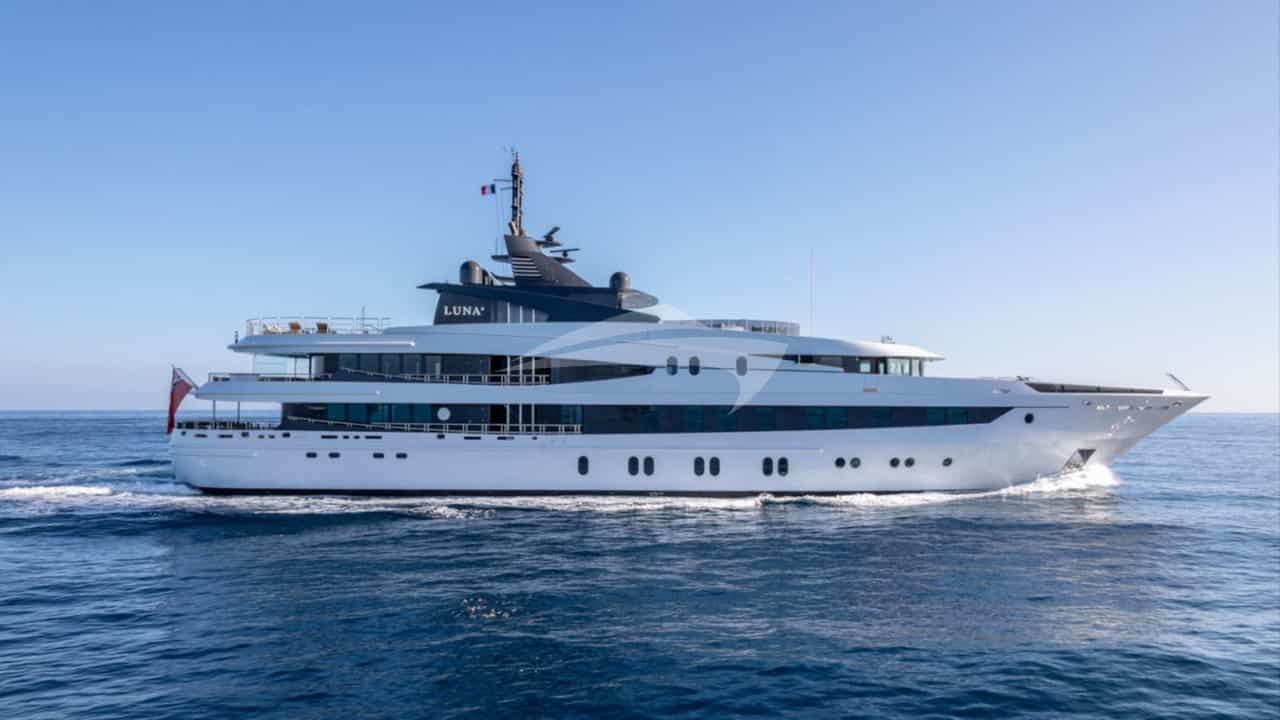
Positioned on the western edge of the Solent, directly across from the Isle of Wight, Lymington occupies one of the most enviable maritime positions in the United Kingdom. Protected from the southwest by the sweeping shingle barrier of Hurst Spit, the Lymington River winds past ancient salt marshes and mudflats into deep water, offering immediate access to the rich cruising grounds of Christchurch Bay, Yarmouth, and the Central Solent. For those planning a luxury charter, timing is everything. The character of the Solent transforms dramatically from the quiet, atmospheric days of early spring to the high-energy regatta weeks of August and the crisp, golden light of autumn.
Selecting the ideal window for a Lymington Yacht Charter yacht charter requires understanding the Solent's distinct seasonal cadence, microclimates, and complex hydrodynamics. Whether your priority is securing front-row moorings for elite racing events, enjoying warm afternoon sea breezes, or exploring deserted nature reserves without another vessel in sight, this guide outlines what to expect month by month across the cruising calendar.
Hydrology and Meteorology: The Solent Microclimate
The cruising area surrounding Lymington is defined by a unique combination of tidal complexity and localized weather patterns. Bordered by the ancient oak woods of the New Forest to the north and the high chalk downs of the Isle of Wight to the south, the Western Solent generates its own atmospheric conditions.
The Tidal Engine and Sea Breeze Dynamics
The Solent is famous among navigators for its double high water, caused by the tidal flow moving around both ends of the Isle of Wight. This hydrographic quirk creates long periods of high water, allowing generous departure windows over the shallow sandbar at the Lymington River entrance, marked by the iconic red beacon known as Jack in the Basket. However, the narrow funnel between Hurst Castle and Colwell Bay—known as Hurst Narrows—concentrates the ebb and flood tides, creating currents that can reach up to 4.5 knots during spring tides.
Atmospherically, the region enjoys higher sun hours and milder ambient temperatures than much of the mainland, protected as it is by the island's high southern ridge. From late May through August, solar heating over the Hampshire mainland routinely triggers the "Solent Doctor"—a localized southwesterly sea breeze that kicks in around midday, building steadily to 15–20 knots before dying away at sunset. This reliable thermal wind delivers some of the finest daytime sailing in Western Europe.
Water Temperature Progression:
• April–May: 9°C to 12°C
• June–August: 14°C to 19°C
• September–October: 17°C down to 13°C
Month-by-Month Charter Guide
April and May: Early Season Clarity and Solitary Anchorages
Early spring marks the reactivation of the Lymington charter fleets as yachts return to their berths after winter maintenance. Air temperatures range from 11°C to 15°C, while water temperatures remain cool at 9°C to 12°C. April often brings crisp, clear days dominated by easterly high-pressure systems, delivering flat water and excellent visibility across the Solent.
During May, the New Forest coast bursts into bloom, and daylight stretches past eight in the evening. This is an exceptional time for experienced yachtsmen who prioritize quiet waters and effortless berthing over swimming. Anchorages such as Newtown Creek—a tranquil National Nature Reserve three nautical miles across the water on the Isle of Wight—are virtually empty. You can drop anchor in the deep pool off Clamerkin Creek and hear nothing but call of curlews and redshanks across the saltmarsh.
Berthing availability at Lymington Haven and Berthon Marina is high, allowing for spontaneous itinerary adjustments. Cruising up the Beaulieu River to anchor off Buckler’s Hard requires minimal advance planning, and Yarmouth’s historic Harbour master can easily accommodate walk-up berthing requests even for larger motor yachts.
June: Long Daylight Hours and the Arrival of the Solent Doctor
June represents the sweet spot for charterers seeking long daylight hours, rising temperatures, and manageable shore-side crowds. Ambient air temperatures average 18°C to 21°C, and water temperatures climb toward 15°C. With over 16 hours of daylight around the summer solstice, long evening passages become a highlight of the itinerary.
The thermal sea breeze machine becomes fully operational in June, providing crisp, predictable conditions every afternoon. This is a favoured month for passages westward past the chalk stacks of The Needles and across Christchurch Bay to Studland Bay or Swanage (16 nautical miles), where the waters below the white cliffs of Old Harry Rocks are sheltered from the prevailing south-westerly swell.
Events begin to build in mid-to-late June. The famous Round the Island Race often takes place during this month, drawing up to 1,200 yachts to the Solent. Watching the fleet round The Needles from the flybridge of a yacht anchored off Alum Bay is a spectacular maritime sight. Charter bookings for the week of the race require early reservation, though general cruising weeks in early June remain delightfully accessible.
July and August: High Summer, Regattas, and Peak Vibrancy
July and August are the pinnacle of the Solent summer. Air temperatures routinely reach 22°C to 26°C, and the water warms to a comfortable 17°C to 19°C, inviting tender trips, paddleboarding, and swimming in the sheltered coves of Priory Bay or Totland Bay.
The social atmosphere reaches its height during this period. Lymington’s cobblestone Town Quay, lined with Georgian townhouses and traditional sea-chests, hums with activity. Local restaurants showcase the region's summer produce: wild Hampshire samphire, fresh-landed crab from keyhaven, and Solent oysters paired with cold English sparkling wine from Hampshire vineyards like Hambledon and Danebury.
The charter calendar in August is anchored by Cowes Week, the world’s oldest sailing regatta, located nine nautical miles east of Lymington. During this week, the Central Solent becomes a dense mosaic of racing fleets, spectator craft, and mega yachts. Berthing anywhere between Lymington and Cowes becomes tightly contested.
Peak Summer Key Events:
• Late June: Round the Island Race
• Late July: Lymington Town Sailing Club Regatta
• Early August: Cowes Week
• Mid-August: Lymington Seafood Festival
For charterers who enjoy high-energy atmospheres, waterfront parties, and world-class racing spectacles, August is unmatched. However, those seeking peaceful anchorage should plan itineraries that head west toward Poole Harbour, Weymouth, or the sheltered nooks of the Jurassic Coast, using Lymington as a quiet, refined base to return to after the crowds disperse.
September: The Golden Indian Summer
Many seasoned local captains consider September the finest month of all for a Solent yacht charter. The sea holds its summer warmth, holding around 16°C to 17°C, which moderates air temperatures and delays the onset of autumn chill. The intense pressure of the summer regatta circuit dissolves, leaving behind calm, stable meteorological conditions often referred to as an Indian summer.
Days are typically characterized by soft golden light, light winds, and empty waterways. The anchorages of the Western Solent—such as Keyhaven Lake behind Hurst Castle or Osborne Bay off Cowes—regain their peaceful solitude. Marina space in Lymington, Yarmouth, and Cowes becomes readily available without pre-booking months in advance.
September is also ideal for cross-Channel passages. From Lymington, a departure past The Needles sets a direct course across the English Channel to the Channel Islands or Cherbourg on the Cotentin Peninsula (approximately 60 to 70 nautical miles). The stable early-autumn weather windows make this a smooth and enjoyable passage for larger motor and sailing yachts.
October: Autumnal Passage Making and Maritime Heritage
October brings a dramatic shift in tone. Air temperatures settle between 12°C and 15°C, and low-pressure systems moving off the Atlantic begin to bring dynamic, changing weather. While swimming is largely off the menu as water temperatures drop to 13°C, October offers a deeply authentic maritime experience for true passage-makers.
The New Forest transforms into a tapestry of copper and gold, and cruising the calm waters of the tidal rivers becomes a magical experience. A slow passage four miles up the Beaulieu River, past ancient oak woods where timber was harvested for Lord Nelson’s navy, culminates at Buckler's Hard. Here, charterers can tie up at the pontoon and dine beside open log fires at historic maritime inns.
Cruising during October is defined by short, exhilarating day sails, warm wheelhouse salons, and atmospheric evenings tied up along Lymington’s historic quayside as the autumn mist rises off the saltings.
Commercial Logistics: Lead Times, Berthing, and Rates
Planning a luxury charter out of Lymington requires navigating specific commercial constraints, particularly regarding vessel length, berth reservations, and high-season demand.
Advance Booking Windows
Due to the limited inventory of high-end, professionally crewed charter yachts permanently stationed in the Solent, lead times vary significantly depending on the desired dates.
- Peak Regatta Weeks (Late June & Early August): Prime crewed yachts and deep-water berths in Lymington Haven or Cowes Yacht Haven should be secured 6 to 9 months in advance. This is particularly crucial for yachts over 24 metres LOA, where berth availability in the Solent is finite.
- High Summer (July & Mid-August): Lead times of 4 to 6 months are standard for securing top-tier motor yachts and luxury catamarans.
- Shoulder Season (May, June, September): Lead times of 2 to 3 months are usually sufficient, with occasional last-minute availability for short-term weekend charters or mid-week escapes.
Tidal Logistics and Mooring Considerations
Lymington features two primary full-service marina facilities capable of handling luxury yachts: Lymington Yacht Haven, located closer to the river mouth, and Berthon Marina, situated further upriver near the town centre. Between them, they offer over 300 visitor berths and can accommodate superyachts up to 45 metres in length.
Navigating the Lymington River channel requires attention to draught and tidal height, especially for displacement yachts drawing over 2.5 metres. The outer channel across Lymington Spit is dredged, but deep-draught vessels must time their transit with the mid-rising tide to ensure generous under-keel clearance.
When calculating your Advanced Provisioning Allowance (APA), remember that Solent berthing fees spike significantly during major events like Cowes Week, sometimes doubling or tripling the standard daily rate. Fuel burn, by contrast, is generally lower than in Mediterranean cruising grounds, as distances between prime anchorages in the Solent are short—rarely exceeding 10 to 15 nautical miles per day unless undertaking a cross-Channel passage.
Seasonal Itinerary Variations: From River Sanctuary to Open Water
The flexibility of a Lymington departure lies in its dual nature: immediate access to protected, riverine waters for poor-weather days, and clear access to the open ocean when conditions are ideal.
Protected Spring and Autumn Itinerary
When early-season or autumn winds blow hard from the southwest, the Solent offers safe, scenic alternatives that avoid rough water:
- Day 1: Depart Lymington River, taking the flood tide east past Stansore Point and into the tranquil, tree-lined Beaulieu River. Berth at Buckler’s Hard.
- Day 2: Cruise across to Cowes, entering the River Medina to tie up off the Folly Inn, exploring the maritime history and Victorian heritage of Osborne House.
- Day 3: Return westward along the north shore of the Isle of Wight, stopping for a sheltered lunch anchorage in the entrance of Newtown Creek before returning to Lymington Haven.
Open-Water Summer Itinerary
During the high summer months of July and August, when stable sea breezes and warm sunshine prevail, the western horizon opens up:
- Day 1: Leave Lymington on the high tide, passing Hurst Castle and clearing the Hurst Narrows. Sail south-west past the majestic chalk formations of The Needles.
- Day 2: Cross Christchurch Bay to Studland Bay. Anchor in crystal-clear water off South Beach, beneath the chalk cliffs of Old Harry Rocks, enjoying watersports and beach landings.
- Day 3: Cruise west along the Jurassic Coast past Durdle Door to Weymouth Harbour, or turn east for a fast windward leg back into the Solent, dropping anchor in Totland Bay for a late-afternoon swim before returning to Lymington Town Quay.
Whether you seek the adrenaline of high-summer yacht racing, the warmth of an August anchor watch in Alum Bay, or the crisp solitude of a September passage past the Needles Lighthouse, Lymington offers an exceptionally diverse cruising canvas. Understanding these subtle shifts in weather, tides, and seasonal rhythm ensures that your Solent charter delivers the exact maritime experience you desire.