
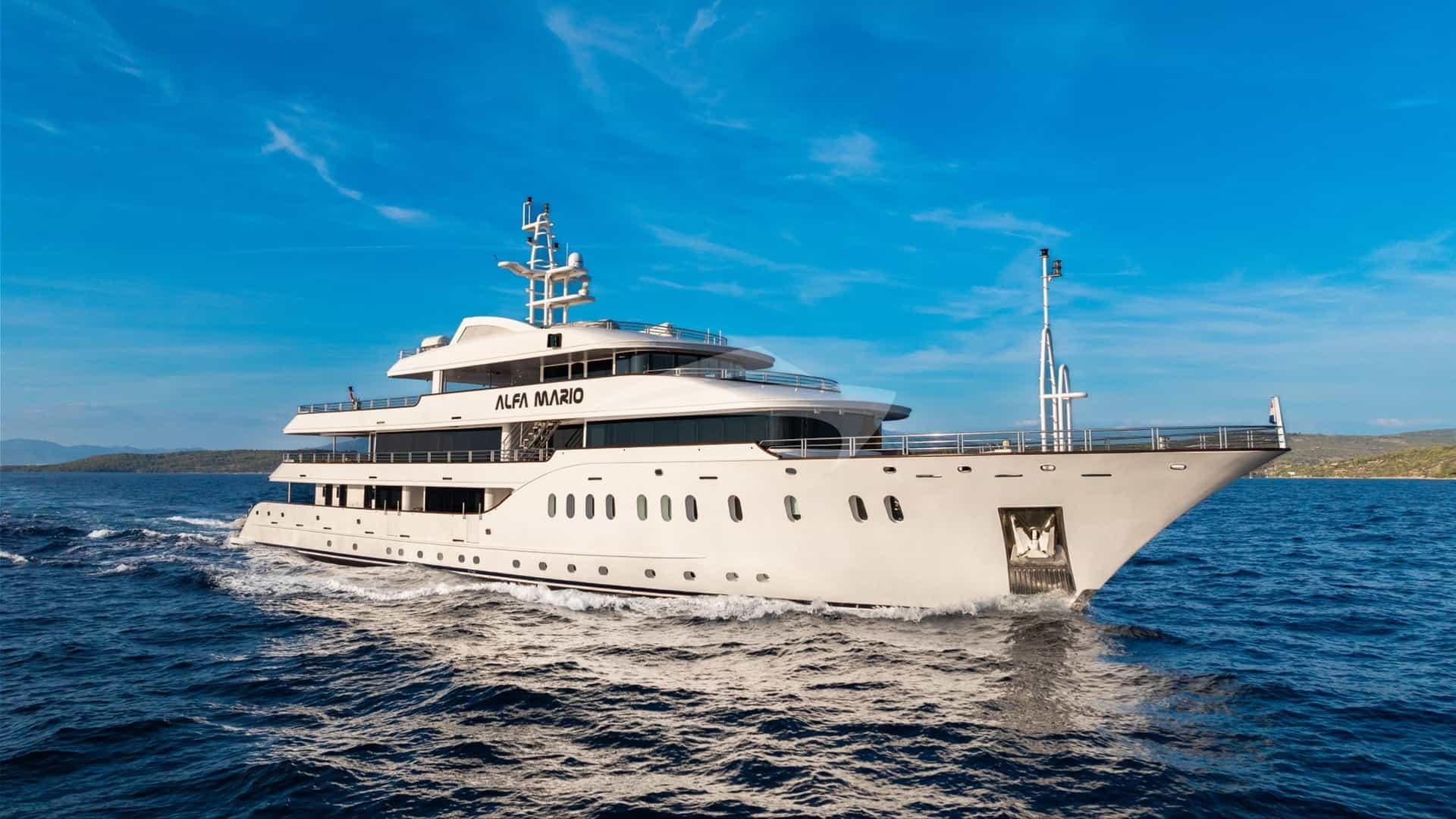
Portoferraio sits as the indisputable maritime gateway to Elba and the wider Tuscan Archipelago. Built into a natural amphitheatre enclosed by the sixteenth-century fortifications of Cosimo I de’ Medici—Forte Stella and Forte Falcone—the harbour offers exceptional shelter within the deep recess of the Rada di Portoferraio. For discerning charterers, selecting the precise window for a Portoferraio Yacht Charter yacht charter requires understanding how the Tyrrhenian Sea transforms between May and October. The island’s high central spine, dominated by the granite massif of Monte Capanne rising 1,019 metres above sea level, exerts a profound influence on local microclimates, dividing weather patterns between the rugged coastlines of the west and the gentler, iron-rich hills of the eastern peninsula.
Choosing when to cruise these waters dictates not only the sea conditions and berth availability in the historic Darsena Medicea, but also the fundamental character of your itinerary. Whether your objective is blue-water sailing across the Corsica Channel, quiet anchorages beneath the white limestone cliffs of Capo Bianco, or securing prime moorings during peak summer festivals, timing is the ultimate luxury lever.
Marine Microclimates and Wind Dynamics
Cruising the Tuscan Archipelago demands a precise appreciation of Tyrrhenian weather systems. Portoferraio’s northern orientation provides immediate protection from south-easterly Sirocco and south-westerly Libeccio winds, which can generate significant swell along the southern coast near Cavoli and Fetovaia. Conversely, when the Maestrale (Mistral) blows out of the north-west down the Corsica Channel, the bay of Portoferraio remains protected from wind waves, though open anchorages such as Capo Bianco and Spiaggia della Padulella become uncomfortable due to refracted swell rounding Capo Enfola.
During mid-summer, synoptic pressure gradients often slacken, giving way to reliable thermal sea breezes. By midday, a predictable westerly or north-westerly airflow builds to 12–16 knots, offering ideal conditions for under-sail passages west toward Marciana Marina (10 nautical miles) or north-west to the island of Capraia (26 nautical miles). As evening approaches, the land cools and winds decay into gentle offshores, making nocturnal anchorage in the roadstead off Ensenada di Schiopparello calm and stable.
Water temperatures across the region follow a steady curve, lagging behind air temperatures by several weeks. The Tyrrhenian Sea retains winter cool late into spring, warming rapidly through June to peak in August, before holding its heat well into October. Understanding these thermal transitions is essential when planning water sports, diving within the marine reserves, or selecting tender drop-off sites along Elba’s 147 kilometres of coast.
May and June: The Early Season
May opens the charter season across the Tuscan Archipelago. Air temperatures range between 20°C and 23°C, while sea temperatures hover around 18°C to 19°C. While water temperatures require a crisp plunge rather than a lazy soak, the atmospheric conditions for sailing are often the finest of the year.
Cruising in May offers quiet anchorages that are nearly impossible to secure undisturbed later in the summer. The stark white pebble beaches of Padulella and Sottobomba, located just a mile north-west of Portoferraio’s harbour entrance, are completely deserted. Vessels can drop anchor in 6 to 8 metres of clear water over white sand and posidonia beds with zero competition for swinging room. Onshore, the island is green and ablaze with wild broom and rockrose, and the air carries the scent of the Mediterranean macchia.
May is also a month of cultural resonance. Portoferraio celebrates its Napoleonic heritage around 5 May, marking the anniversary of the Emperor’s death with historical re-enactments across the town, centred on Villa dei Mulini and the Forte Falcone. The local Maggio Musicale Elbano brings classical recitals to historic venues, offering classical music performances within steps of the pontoon.
By June, conditions shift into optimal early-season territory. Air temperatures climb to a comfortable 25°C to 28°C, and the Tyrrhenian Sea warms to 22°C. June offers long daylight hours—sunset occurs after 21:00—allowing for extended evening legs from Portoferraio to Marciana Marina or around the wild Capanne peninsula to Marina di Campo (22 nautical miles).
June Regattas and Maritime Traffic
June hosts key events on the Tyrrhenian regatta calendar. The Rolex Giraglia, which typically runs mid-June from Saint-Tropez to Genoa via the Giraglia rock off northern Corsica, brings a fleet of maxi yachts through the Corsica Channel. While the race route passes west of Elba, the surrounding waters experience an influx of support vessels, spectator yachts, and high-performance craft.
Berthing in Portoferraio’s Darsena Medicea remains manageable in June, though advance reservations are strongly advised for Thursday through Sunday nights. Commercial ferry traffic from Piombino (12 nautical miles east across the Elba Channel) increases its schedule to hourly arrivals, requiring attentive watch-keeping when entering or exiting the channel between Palmaiola Island and Capo Vite.
July and August: Peak Summer
July introduces midsummer conditions. Air temperatures consistently hover between 28°C and 32°C, accompanied by light sea breezes and surface water temperatures of 24°C to 25°C. The crowd dynamics shift noticeably by the second week of July as domestic Italian and international yachts arrive in force.
During this period, popular anchorages along Elba’s southern crescent—such as Golfo Stella, Golfo di Mola, and the red cliffs of Punta della Calamita—fill by mid-morning. Strategically, a charter originating in Portoferraio in July should leverage early-morning departures. Leaving the berth at 08:30 allows yachts to secure prime positions in narrow coves like Cala dei Frati or the translucent waters of Ensenada della Biodola before the daily migration of day-boats arrives from the mainland.
August represents the high point of the Mediterranean summer, anchored by Ferragosto on 15 August. Sea temperatures peak at 26°C to 27°C, transforming the sea into an inviting pool for water sports, sea bobs, and foil-boarding. However, maritime congestion reaches its highest intensity.
Strategic Cruising and Peak-Week Logistics
Operating a luxury yacht out of Portoferraio in August requires tight planning and an adaptable itinerary coordinated closely with your captain:
- Berthing Constraints: Darsena Medicea and Marina di Portoferraio (Esse Port) operate at absolute capacity. Berth requests for vessels over 30 metres must be submitted 8 to 12 months in advance to guarantee a stern-to slot along the quay beneath Piazza Cavour.
- Anchorage Management: The deep roadstead of Rada di Portoferraio provides an alternative when inner harbour berths are unavailable. Holding in 10 to 12 metres of mud and sand off Schiopparello is excellent, offering protection from all winds except strong north-easterlies (Greco).
- Dining and Onshore Access: High-end venues, such as the seafood restaurants along the Medici ramparts or fine-dining establishments in Capoliveri and Marciana Marina, require reservations weeks ahead. Tender transfers from outer anchorages into Portoferraio’s municipal pontoon require careful timing to navigate local traffic laws.
- Island Escapes: August is the moment to cross the Corsica Channel to Capraia or take advantage of special access permits for the protected waters of the Parco Nazionale Arcipelago Toscano.
Dining onboard during August allows guests to sample peak-season local produce. Chefs source fresh-caught local bonito (palamita), red mullet, and sea bass from the Portoferraio fish market, paired with chilled Vermentino dell'Elba or the rare, native Aleatico Passito DOCG dessert wine.
September and October: The Late Season
September is widely considered by experienced charter brokers and captains to be the single best month for a Portoferraio Yacht Charter yacht charter. The intense midsummer heat gives way to pleasant ambient temperatures averaging 25°C to 27°C. Crucially, the sea retains its summer warmth, sitting around 24°C throughout the month.
The dramatic drop in domestic tourist numbers after the first week of September changes the environment completely. Anchorages that were crowded in August suddenly offer plenty of space. The iconic white beaches of North Elba—Capo Bianco, Padulella, and Sansone—return to a quiet state, allowing yachts to drop anchor close to shore within the regulatory 200-metre swim-zone limit, which is strictly enforced during summer.
Wine Harvest and Autumn Winds
September coincides with the vendemmia (grape harvest) across Elba’s hillside vineyards. In Capoliveri and the valley of Mola, the air carries the scent of fermenting grapes. The town of Capoliveri hosts its historic Festa dell'Uva in late September or early October, where four ancient neighbourhoods (rioni) compete in elaborate theatrical displays depicting historical Elban winemaking culture.
Sailing conditions in September are exceptional. The synoptic weather patterns reassert themselves, bringing steady 15-to-20-knot westerly winds across the northern coast. It is an ideal time for extended passages to Bastia in Corsica (40 nautical miles) or south toward Giglio (38 nautical miles) and Giannutri.
October marks the transition to the late autumn season. Air temperatures average 20°C to 22°C, and sea temperatures cool slowly to 21°C. While many local seasonal restaurants begin closing after the second week of October, the harbour at Portoferraio remains operational year-round as a working island capital.
The primary consideration for an October charter is weather volatility. Low-pressure systems moving off the Gulf of Lion can generate powerful Libeccio (south-westerly) or Maestrale (north-westerly) gales. Captains must monitor synoptic charts closely, as passage through the Corsica Channel can become rough. However, when an October high-pressure system settles, it offers warm days, empty seas, clear visibility, and significantly reduced seasonal charter rates.
Booking Lead Times and Charter Planning
Securing the right yacht and itinerary for a Tuscan Archipelago charter depends heavily on understanding market lead times, which vary by vessel type and target month.
| Period | Target Season | Recommended Lead Time | Operational Focus |
|---|---|---|---|
| Peak High | Mid-July to Late August | 8 to 12 months | Darsena Medicea berths, Ferragosto logistics, fine dining bookings |
| Mid Season | June & September | 4 to 6 months | Open sailing itineraries, Capraia/Corsica crossings, wine tours |
| Early/Late | May & October | 2 to 3 months | Weather flexibility, thermal sailing, quiet coastal anchorages |
For superyachts exceeding 40 metres, lead times extend further due to the limited number of deep-draft berths capable of accommodating large vessels in Portoferraio’s historical inner harbour. Larger yachts often anchor out in the Rada di Portoferraio, utilizing performance tenders for guest transfers to the Medici quayside.
Marine Park Regulations and Excursions
A crucial element of timing your charter out of Portoferraio involves navigating the regulations of the Parco Nazionale Arcipelago Toscano (PNAT), Europe’s largest marine protected area. The park encompasses varying levels of protection across the seven islands of the archipelago: Elba, Capraia, Pianosa, Montecristo, Giglio, Giannutri, and Gorgona.
Pianosa, located 13 nautical miles south-southwest of Marina di Campo, was historically a maximum-security prison island. Today, its marine ecosystem is strictly controlled. Access to designated mooring buoys requires advance permits managed through authorized charter brokers or local maritime authorities. Visiting in May, June, or September guarantees a smoother permitting process than peak August, when daily visitor quotas fill rapidly.
Montecristo is a strict nature reserve (Zone A). Anchoring, fishing, and diving are completely prohibited within 3 nautical miles of its coast, and access to the island itself requires specialized permits issued months in advance by the Carabinieri Forestali. Passing at a respectful distance under sail while en route from Portoferraio to Giglio provides views of its granite peaks.
Capraia offers a balance between nature conservation and yachting access. Its dramatic volcanic cliffs and the deep turquoise waters of Cala Rossa are accessible to yachts. The small harbour of Capraia Isola fills rapidly in July and August; utilizing the organized mooring field outside the harbour entrance provides a secure alternative during midsummer.
Navigational Summary Across the Months
To maximize your experience in Portoferraio, match your preferences with the seasonal characteristics of the region:
- For Performance Sailing: Choose late May, June, or September, when thermal winds are reliable, synoptic systems are stable, and the Corsica Channel offers ideal open-water conditions without extreme summer heat.
- For Swimming and Water Sports: Target late July through August to experience peak sea temperatures reaching 27°C, clear visibility over granite reefs, and long daylight hours.
- For Gastronomy, Culture, and Solitude: Target September. The combination of warm waters, quiet anchorages like Padulella, harvest-season local cuisine, and easy access to berths makes it the premiere choice for an editorial-grade charter.
By aligning your charter dates with the distinct microclimates, wind shifts, and seasonal rhythms of the Tuscan Archipelago, a voyage originating in Portoferraio delivers an exceptional Mediterranean experience.