
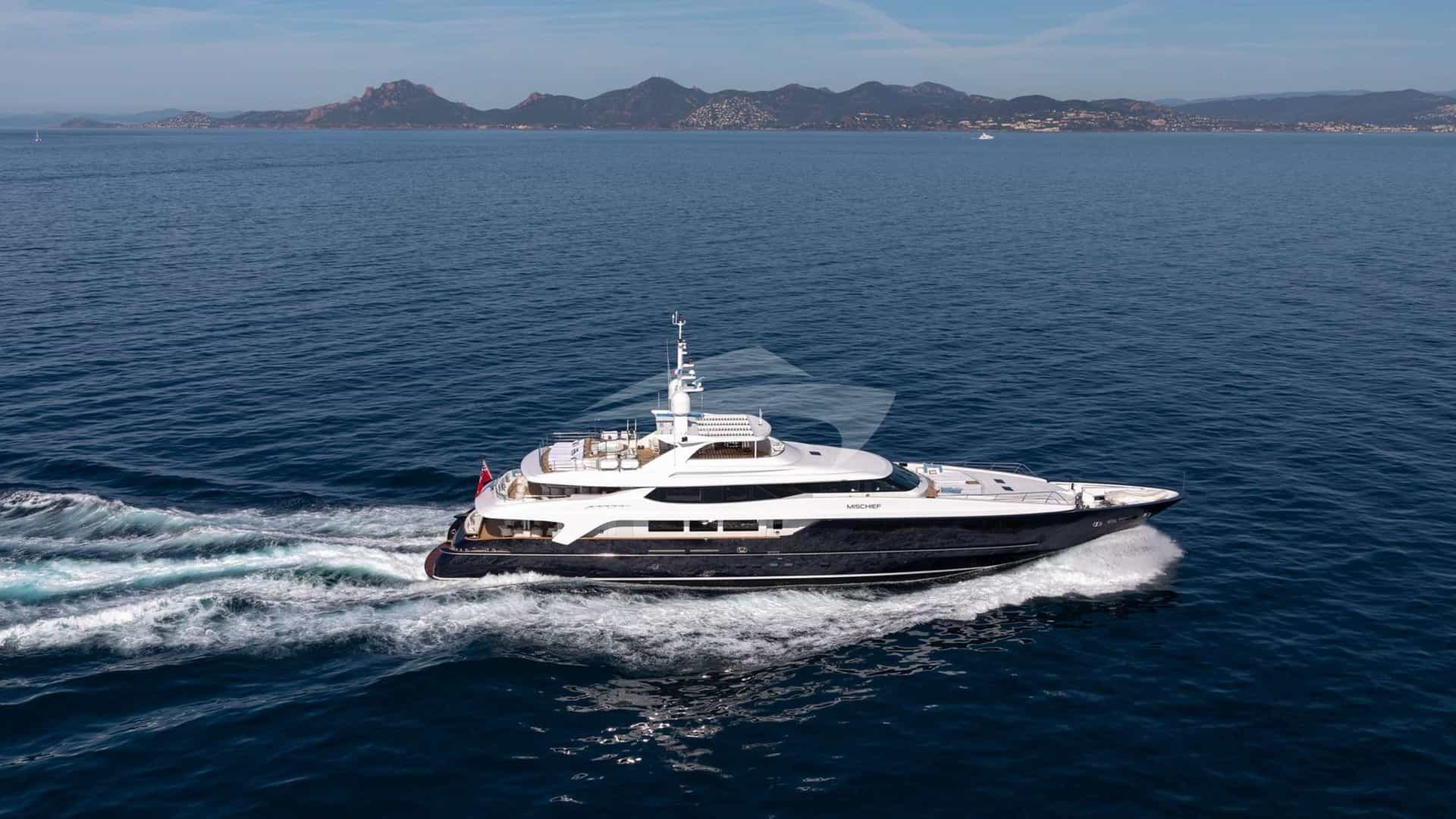
Puglia’s coastline stretches for over 800 kilometres, bounding the southeastern rim of Italy from the limestone promontory of Gargano down to the convergence of the Adriatic and Ionian Seas at Capo Santa Maria di Leuca, before sweeping north-west into the Gulf of Taranto. For captains and charter brokers organizing a Puglia & Salento Yacht Charter yacht charter, this region presents two distinct cruising environments. The Adriatic eastern seaboard features open, low-lying shores punctuated by historic walled ports and exposed roadsteads, while the southern Salento peninsula and Ionian coast offer sheltered bays, turquoise basins, and deeper natural harbours. Navigating the logistics of this region requires a clear understanding of draught limitations, localized swell, berth booking timelines, and the operational differences between commercial working ports and modern leisure marinas.
Navigational Context and Regional Marine Dynamics
Cruising in Puglia is governed by the regional wind systems of the lower Adriatic and upper Ionian basins. During the summer months, from June through September, the predominant wind along the eastern Adriatic shore is the Maestrale (north-westerly). It typically builds in the late morning, peaks at 15 to 20 knots by mid-afternoon, and dies away at sunset. While the Maestrale brings clear skies, it can generate a short, uncomfortable chop along the coast between Bari and Otranto, making open roadsteads untenable for tender transfers or overnight anchoring.
Conversely, the Scirocco (south-easterly) brings warm, humid air, reduced visibility, and a heavy swell that builds quickly across the open waters of the Ionian and southern Adriatic. When the Scirocco blows, eastern harbours such as Otranto experience significant surge, prompting captains to shift itineraries around Capo Santa Maria di Leuca to the protected Ionian bays of Gallipoli or Porto Cesareo.
Distances between primary ports are manageable, allowing for structured, progressive itineraries without excessive passages: * Manfredonia (Gargano) to Bari: 50 nautical miles * Bari to Monopoli: 22 nautical miles * Monopoli to Brindisi: 38 nautical miles * Brindisi to Otranto: 36 nautical miles * Otranto to Capo Santa Maria di Leuca: 26 nautical miles * Capo Santa Maria di Leuca to Gallipoli: 24 nautical miles * Gallipoli to Taranto: 45 nautical miles
Captains crossing from international waters—such as Corfu (52 nautical miles east of Otranto) or Porto Montenegro (160 nautical miles north-east)—must factor in the open sea conditions of the Strait of Otranto, where funnelled winds can double in strength compared to inland coastal forecasts.
Principal Marinas and Berthing Infrastructure
Berthing infrastructure in Puglia has developed significantly over the past decade, but the distribution of superyacht-capable berths remains uneven across the province. Marinas range from fully serviced, purpose-built mega-yacht facilities to historic municipal quays operated by local maritime authorities (Capitaneria di Porto).
Northern Puglia: Manfredonia and Bari
At the base of the Gargano Peninsula, Marina del Gargano in Manfredonia provides one of the safest deep-water havens in the southern Adriatic. The marina features 700 berths and can accommodate superyachts up to 60 metres in length with draughts up to 6.0 metres. Protected by a massive outer breakwater, it offers full shelter from all quarters, high-capacity shore power (up to 250A), and direct fuel bunkering.
Further south, Porto di Bari serves primarily as a commercial and ferry hub, but offers dedicated berths for large yachts. The Darsena Acton and berths managed by the Yacht Club Bari cater to vessels up to 30 metres with draughts of 3.5 metres. Superyachts over 50 metres generally berth stern-to or alongside the commercial quay in the inner harbour under arrangement with shipping agents and the port authority. While sheltered, the environment is industrial, making Bari more suited to guest embarkations or logistical stops than extended leisure stays.
Central Adriatic Coast: Monopoli and Brindisi
Monopoli offers an evocative setting with its historic castle wall backdrop, but harbour logistics are constrained. The inner Porto Vecchio is shallow and reserved for local fishing craft. Larger charter yachts up to 40 metres LOA with draughts under 3.2 metres can berth alongside the main commercial mole (Banchina Solfatara). This quay is exposed to north-easterly winds (Grecale), which can introduce a severe swell into the harbour, requiring vessels to keep engines on standby or put to sea.
Brindisi is the principal technical and logistical hub for luxury yacht charter operations in Puglia. The port is divided into the outer harbour, the middle harbour, and the inner harbour (Seno di Ponente and Seno di Levante).
- Marina di Brindisi: Located in the outer harbour, this modern facility offers 638 berths for yachts up to 50 metres LOA, with draughts ranging from 3.0 to 4.5 metres. It provides comprehensive shipyard services, 24-hour security, heliport access, and high-flow fuel lines.
- Inner Harbour Commercial Quays: Superyachts exceeding 50 metres to 100+ metres LOA can be accommodated alongside the inner town quays (Banchina Regina Margherita) or commercial berths, offering draughts up to 9.5 metres and excellent shelter from all wind directions.
Southern Salento: Otranto, Leuca, and Gallipoli
Otranto is the easternmost port in Italy and the primary port of call for yachts entering Italian waters from Greece or Albania. The harbour is enclosed by an eastern breakwater, with floating pontoons operated by private clubs (Lega Navale and Otranto Yacht Club). Berthing is restricted to vessels up to 30 to 35 metres LOA with maximum draughts of 3.5 metres near the mole head. Harbour space is tight during peak summer, and strong Scirocco or Grecale winds create severe surge, making outer anchorage at Baia dei Turchi necessary when conditions deteriorate.
Porto Turistico Marina di Leuca sits at the southernmost tip of Salento. It is an essential strategic stop for vessels transitioning between the Adriatic and Ionian Seas. The marina accommodates vessels up to 40 metres LOA on its main quay, with draughts up to 4.8 metres at the outer mole. The facility is well-equipped with water, electricity, and fuel facilities, though the outer berths can feel a roll during persistent southerly winds.
Gallipoli on the Ionian coast provides two distinct berthing options: 1. Banchina San Bartolomeo (Town Quay): Located directly below the old town walls, offering stern-to berthing for yachts up to 45 metres with draughts up to 4.5 metres. Vessels berth directly off the stone quay, placing guests steps away from the historic centre. 2. Darsena Fontanelle and Marina Blu: Private marina basins offering pontoons for yachts up to 30 metres. Protection is excellent from all quarters except strong westerly gales.
Berth Availability, Lead Times, and Booking Protocols
Berth space along the Puglia coastline operates under two distinct demand phases. During the shoulder months of May, June, September, and October, berth availability is high, and transient yachts can generally secure quayside space with 24 to 48 hours’ notice.
During the peak period—specifically from 10 July through 25 August—demand from domestic Italian yachts and transiting international vessels saturates key ports such as Otranto, Santa Maria di Leuca, and Gallipoli. For these locations, berth requests for vessels over 30 metres should be submitted through a charter broker or local port agent 3 to 6 months in advance.
Unscheduled arrivals during August risk being turned away by harbour masters, forcing vessels to anchor offshore. Brindisi and Manfredonia remain exceptions, consistently maintaining sufficient deep-water quay capacity to accommodate unscheduled superyacht arrivals even during peak weeks.
Superyacht Anchoring, Draught Limits, and Marine Protected Areas
Yachts drawing over 4.0 metres or measuring above 50 metres LOA will spend a significant portion of a Salento charter at anchor due to harbour depth limitations in smaller historic ports. Understanding seabed composition, holding quality, and environmental restrictions is critical for safe operational planning.
Recommended Key Anchorages
- Baia dei Turchi (North of Otranto): Fine sand seabed providing excellent holding in 6 to 10 metres of water. Excellent shelter from south-westerly to north-westerly winds. Open to eastern swells.
- Porto Badisco: A narrow, fjord-like inlet south of Otranto. Deep water at the entrance (12 to 18 metres) over sand and rock. Large yachts must anchor outside the inlet and launch tenders to bring guests into the cove.
- San Foca: Offers a wide sandy roadstead with good holding in 5 to 8 metres, ideal for day stops between Brindisi and Otranto.
- Baia Verde (Gallipoli): Expansive anchorage south of Gallipoli old town. Sandy bottom with exceptional holding in 7 to 12 metres depth. Protected from north, east, and south-easterly winds.
- Porto Selvaggio: A pine-backed cove north of Gallipoli. Anchorage is on a mix of sand and rock patches in 10 to 15 metres. Strictly a daytime anchorage due to exposed westerly aspects.
Marine Protected Areas (MPAs) and Environmental Regulations
Italy enforces strict environmental controls within designated Marine Protected Areas (Aree Marine Protette - AMP). Anchoring without a permit or within prohibited zones carries severe fines enforced by the Guardia Costiera.
- AMP Torre Guaceto (Adriatic): Located north of Brindisi. Divided into Zone A (No Entry), Zone B (No Anchoring/No Navigation), and Zone C (Buffer Zone). Anchoring is strictly prohibited throughout the park boundaries to protect Posidonia oceanica seagrass meadows. Superyachts must pass at least 1.5 nautical miles off the coast or use authorized mooring buoys if granted prior permission by the park authority.
- AMP Porto Cesareo (Ionian): Encompasses 32 kilometres of coastline on the western Salento peninsula. Extends from Punta Prosciutto down to Torre Inserraglio. Zone A is off-limits. In Zone C, anchoring is permitted only on sandy seabeds away from Posidonia beds, and vessels over 10 metres LOA must register via the park's online portal prior to dropping anchor.
- Isole Tremiti (Gargano): An island archipelago north of Gargano with strict marine park zoning regulating engine use, anchoring, and tender operations.
Fuel, Power, Water, and Technical Bunkering
Logistical planning for high-volume diesel bunkering, shore power connections, and fresh water supply requires advance coordination along the Pugliese coast.
Duty-Free and Automotive Diesel Bunkering
Duty-free fuel (Gasolio Motopesca / Commercial Duty-Free) is available to commercially registered charter yachts carrying an active charter agreement, valid logbook, and official registry certificate.
- Bunkering Locations: High-flow bunkering docks capable of delivering fuel at rates above 300 litres per minute exist at Manfredonia (Marina del Gargano), Bari (Commercial Port), Brindisi (Marina and Inner Harbour), and Gallipoli (Commercial Mole).
- Tanker Delivery (Autobotte): In ports like Otranto and Santa Maria di Leuca, where fuel docks are designed for smaller craft, bunkering is conducted via road tankers arranged by local shipping agents. This requires a 24- to 48-hour advance notification to obtain clearance from the local Capitaneria di Porto and customs (Agenzia delle Dogane). Tanker access can be restricted by narrow historic streets, particularly in Gallipoli old town or Otranto's inner harbour.
Shore Power and Potable Water
Shore power infrastructure varies across the region: Marina di Brindisi & Manfredonia*: Provide 3-phase power up to 125A and 250A / 400V sockets suitable for modern superyacht electrical loads. Otranto, Leuca, and Gallipoli*: Standard berths typically supply single-phase 32A or 3-phase 63A connections. Vessels requiring 125A or higher must run onboard generators continuously while at anchor or when berthed alongside municipal walls.
Fresh water is supplied via the municipal network (Acquedotto Pugliese). While the water is safe and potable, it carries a high mineral and calcium content. Captains are advised to use onboard water softening filters during dockside filling to avoid scaling in fresh-water pumps and air-conditioning chillers, or rely on onboard reverse-osmosis watermakers when offshore in clean marine waters.
Provisioning Infrastructure and Local Supply Chains
Puglia is one of Europe’s primary agricultural regions, making local culinary provisioning exceptionally high in quality, provided chief stewardesses and chefs understand local supply timing.
Regional Produce and Seafood Specialities
Charter menus along this coast rely heavily on fresh local ingredients: Seafood: The fish market at Gallipoli (Mercato del Pesce di Gallipoli) is famous for Gambero Rosso di Gallipoli (sweet red prawns), local swordfish, sea bass, and octopus. In Bari, early morning landings at the Molo San Nicola yield fresh sea urchins (ricci di mare*) and cuttlefish. Dairy: The Valle d'Itria region produces world-class fresh cheeses daily, including Burrata di Andria DOP, Stracciatella, and fresh Mozzarella di Bufala*. These have a shelf life of 24 to 48 hours and should be delivered directly to the yacht on the day of consumption. Produce & Bakery: Pane di Altamura DOP (sourdough durum wheat bread), Taralli*, and local vegetables (chicory, broad beans, green figs, San Marzano tomatoes) are sourced through regional agricultural markets. Wines: Wine cellars can be stocked with high-end regional vintages such as Primitivo di Manduria, Salice Salentino, Negroamaro, and crisp white Susumaniello or Fiano Minutolo*.
Provisioning Logistics and Access Restrictions
While basic items can be sourced directly from local markets, comprehensive superyacht orders require specialist marine provisioners operating out of Bari or Brindisi. Provisioners deliver in temperature-controlled vehicles directly to the quay.
Captains must account for ZTL zones (Zona a Traffico Limitato) in historic ports like Monopoli, Otranto, and Gallipoli. Vehicle access to quaysides inside historic town walls is prohibited during afternoon and evening hours. Provisioning truck deliveries must be scheduled between 06:00 and 09:00 to ensure delivery vehicles can enter the port area before pedestrian zones activate.
Customs, Immigration, and Cruising Formalities
Puglia constitutes an external Schengen boundary facing non-EU nations across the Adriatic and Ionian Seas, specifically Albania and Montenegro.
Schengen Entry and Exit Protocols
Yachts arriving from non-Schengen ports (e.g., Tivat, Bar, Durrës, Sarandë) must clear immigration and customs at an official Italian Port of Entry (Porto di Confine). In Puglia, designated ports of entry equipped with Polizia di Frontiera and Dogana stations are: Bari* Brindisi* Otranto* Gallipoli* Taranto*
Upon arrival, the captain must present: 1. Ship’s Certificate of Registration 2. Master’s Certificate of Competency (STCW) and Commercial Endorsement 3. Third-Party Liability Insurance Certificate (minimum €7 million coverage, explicitly specifying coverage for Italian territorial waters) 4. Official Crew List and Passenger Manifest 5. Passports for all crew and guests onboard 6. Logbook showing last port of call clearance
Local Coast Guard Inspections (*Guardia Costiera*)
The Italian Coast Guard is active throughout Puglia and routinely conducts maritime safety and compliance checks (Controllo Formale). Boarding officers will verify safety equipment, life raft servicing certificates, charter contract validity, crew employment contracts, and compliance with local speed limits (generally 3 knots within harbour basins and 300 metres off beach areas). A official visit record (Verbale di Controllo) is issued upon completion of a check; retaining this document on the bridge prevents redundant boardings by other patrol vessels during the same cruising week.
Airports, Private FBOs, and VIP Transfers
Air connectivity in Puglia is streamlined through two primary international airports managed by Aeroporti di Puglia. Both facilities feature private aviation capabilities and general aviation terminals (FBOs) capable of handling private jet arrivals.
+-----------------------------------------------------------------------------------+
|                        PUGLIA YACHT CHARTER LOGISTICS HUB                         |
+-----------------------------------------------------------------------------------+
|                                                                                   |
|  [ Bari Airport - BRI ]                                                           |
|       |                                                                           |
|       +---> 45 min drive ---> [ Monopoli ]                                        |
|       +---> 70 min drive ---> [ Manfredonia ]                                     |
|                                                                                   |
|  [ Brindisi Airport - BDS ]                                                       |
|       |                                                                           |
|       +---> 10 min drive ---> [ Brindisi Marina ]                                 |
|       +---> 50 min drive ---> [ Otranto ]                                         |
|       +---> 50 min drive ---> [ Gallipoli ]                                       |
|       +---> 75 min drive ---> [ Santa Maria di Leuca ]                            |
|                                                                                   |
+-----------------------------------------------------------------------------------+
Bari Karol Wojtyła Airport (BRI)
Located in northern Puglia, Bari Airport is the optimal arrival point for charters embarking in Manfredonia, Bari town, or Monopoli. FBO Services*: Dedicated general aviation terminal with VIP passenger lounges, private customs clearance, and direct tarmac vehicle transfers. Transfer Times*: * Bari Port: 20 minutes (15 km) * Monopoli Harbour: 45 minutes (60 km via SS16 highway) * Manfredonia (Marina del Gargano): 1 hour 10 minutes (100 km via SS89)
Brindisi Salento Airport (BDS)
Situated centrally, Brindisi Airport is the primary gateway for Salento charters. The airport lies directly adjacent to the coast, just north of Brindisi city harbour. FBO Services*: Efficient general aviation handling managed by local ground handlers, offering fast-track customs clearance, private car access, and helicopter transfer staging. Transfer Times*: * Marina di Brindisi: 10 minutes (6 km) * Monopoli: 40 minutes (70 km via SS16) * Otranto: 50 minutes (95 km via SS16/SS613) * Gallipoli: 50 minutes (85 km via SS613/SS101) * Capo Santa Maria di Leuca: 1 hour 15 minutes (125 km via SS274)
Helipads and Air Transfers
Helicopter transfers can be arranged directly from both airports to private land sites, select luxury estates (masserie), or designated helipads near major port areas. Key operational helipads in Salento include: Marina di Brindisi Helipad*: Located within the marina perimeter, allowing direct transfer from aircraft to yacht gangway. Lecce Lepore Airport*: General aviation airfield near Lecce town, ideal for transfers to central Salento properties. Santa Maria di Leuca Private Helipads*: Select private estates near Capo di Leuca offer certified landing pads for charter guest transfers.
Shipyard Infrastructure, Maintenance, and Crew Logistics
For winter lay-up, mid-season repairs, or technical support, Puglia provides substantial shipyard capabilities, concentrated primarily in Brindisi and Bari.
Technical Shipyards and Support
- Brindisi Marine Complex: Home to long-standing shipyards equipped with travel lifts up to 300 tonnes, floating dry docks, and extensive undercover sheds. Local contractors specialize in marine engineering, MTU/Caterpillar/Volvo engine servicing, teak deck repair, and stainless-steel fabrication.
- Bari Technical Docks: Offers heavy commercial marine engineering support, ideal for large displaced steel yachts requiring structural work, hydraulic repairs, or specialized class surveys (RINA/Lloyd's Register).
Crew Rotation and Operations
Crew logistics are simple to manage along the Pugliese coast. Both Bari and Brindisi airports offer frequent daily domestic flights to Rome, Milan, and major European transport hubs (London, Frankfurt, Paris, Munich), allowing for smooth crew rotations. Accommodation for off-duty crew or relief officers during shipyard periods is widely available in Lecce, Brindisi, or Bari, offering high-standard apartments and business hotels with year-round access.
By understanding the operational parameters of Puglia’s ports, draught limits, wind behaviors, and local administrative requirements, captains and charter brokers can construct seamless itineraries that highlight the finest coastal aspects of the Adriatic and Ionian Seas while maintaining safety, compliance, and guest comfort.