
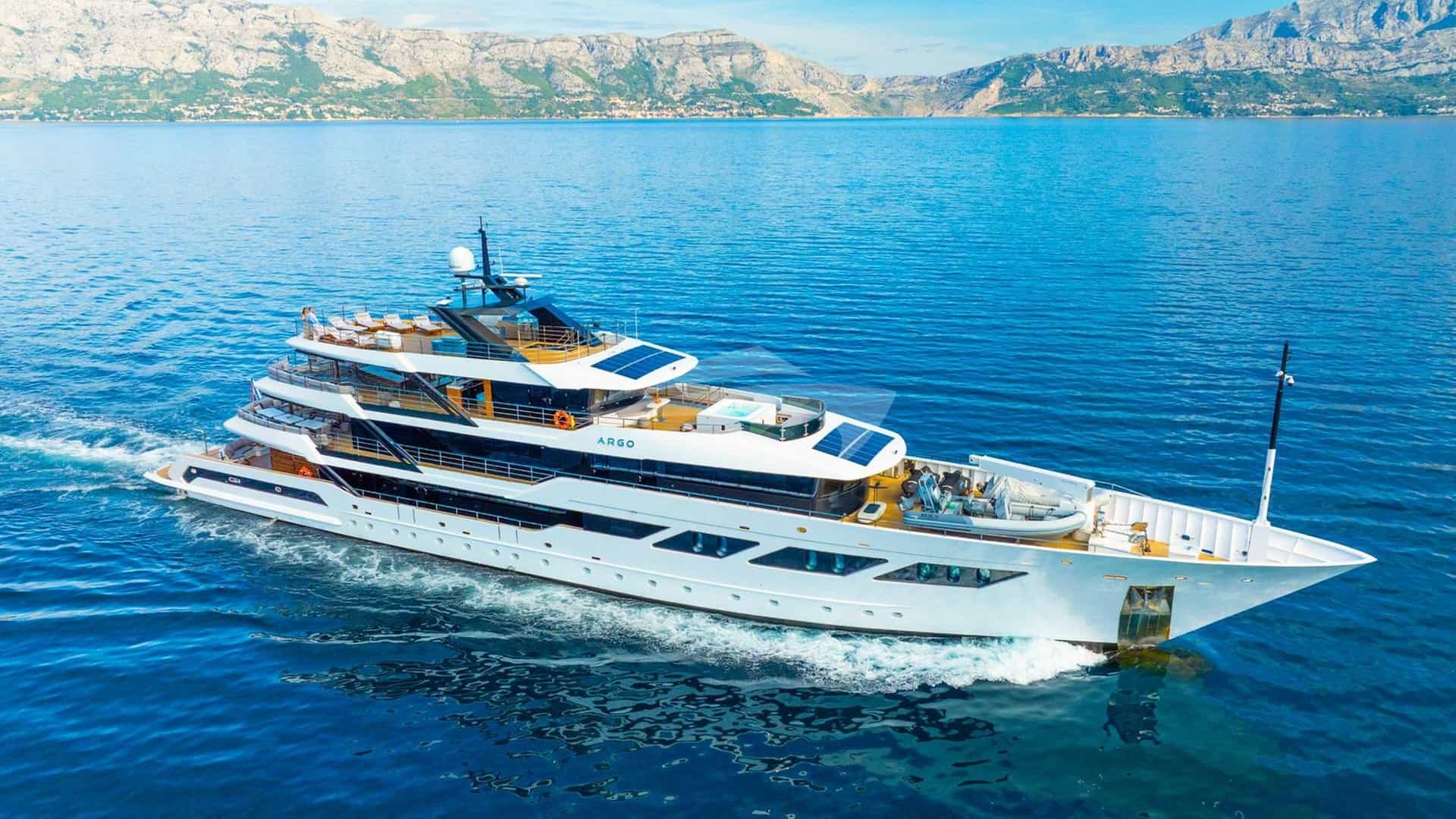
Positioned on the southern stretch of Spain’s Costa Blanca, Torrevieja occupies a strategic nautical position between Alicante and Cabo de Palos. Once a historic fishing village defined by its ancient salt pans—the Salinas de Torrevieja—the port has evolved into one of the western Mediterranean’s most efficient and well-equipped departure points for private yacht charters. Flanked by the salt lakes to the west and the open Mediterranean to the east, the town benefits from a distinct microclimate recognized for its high annual sunshine hours and exceptionally mild year-round temperatures.
Selecting the precise timing for a charter itinerary in this region requires an understanding of localized weather patterns, coastal topography, and seasonal maritime activity. Cruising south towards the sheltered waters of the Mar Menor or north towards the marine reserves of Isla Tabarca offers vastly different experiences depending on the month chosen. Whether seeking high-summer energy and lively onshore cultural festivals or clear early-autumn anchorages with warm waters and reduced lead times, understanding the nuances of the Costa Blanca cruising calendar is key to tailoring an itinerary.
Microclimates and Local Wind Systems of the Costa Blanca South
The marine environment surrounding Torrevieja is governed by the interaction between the Iberian interior landmass, the high coastal mountains further north, and the low-lying coastal plain of the Vega Baja del Segura. Unlike the northern Costa Blanca around Javea and Denia, where dramatic cliffs face the open sea, the coast around Torrevieja features gently sloping sandy coves, rocky shelves, and open bays. This geography creates predictable, manageable weather systems for much of the charter season.
When booking a Torrevieja Yacht Charter yacht charter, understanding the regional wind patterns helps in planning daily passages and selecting overnight anchorages:
- The Garbí (Thermal Sea Breeze): Predominant throughout late spring and summer, this onshore wind builds reliably around midday from the south-southeast. Starting at a gentle 8 to 10 knots, it typically peaks at 14 to 16 knots by mid-afternoon, providing excellent conditions for sail-powered passages down to Cabo Roig or Isla Tabarca, before dropping cleanly off at sunset to leave calm anchorages.
- The Levante: Arriving from the east or north-east, the Levante brings humid air and can generate a short, irritating sea chop along exposed lee shores such as La Mata beach. While rarely dangerous during the main charter season, a strong Levante prompts captains to seek shelter in the lee of Cabo Roig or within the deep basins of Real Club Náutico de Torrevieja or Marina Salinas.
- The Poniente: Flowing from the west off the hot Spanish interior, the Poniente is warm, dry, and produces glass-flat water close to the shore. Under a Poniente breeze, the anchorages at Playa Flamenca and Punta Prima offer exceptionally smooth conditions for swimming and water sports.
- The Lebeche: A south-westerly wind originating from the North African coast, the Lebeche occasionally sweeps across the Gulf of Mazarrón. It brings warm air and, on rare occasions, fine Saharan dust (calima). It generally signals stable weather but requires crew to rinse deck surfaces upon returning to berth.
The twin salt lakes immediately inland—the Rosa and Verde lagoons—act as a thermal regulator for the immediate coastline. They absorb heat during the summer and release it during cooler months, mitigating extreme temperature spikes and keeping sea breezes stable along the immediate 10-nautical-mile coastal strip.
Spring (March to May): Cruising Silence and Early Season Value
Spring along the southern Costa Blanca represents a period of awakening for local maritime infrastructure. The months of March, April, and May offer crisp, clear atmospheric conditions, making this an appealing window for sailors focused on active passages rather than pure beach-and-swim itineraries.
### March and April: Passage-Making and Regattas In early spring, daytime air temperatures range from 18°C to 21°C, though evening temperatures drop to around 11°C, requiring light outerwear once moored. The sea temperature remains cool, averaging 15°C to 16°C, which generally limits extended swimming to those with wetsuits. However, atmospheric visibility is at its annual peak. Passages from Torrevieja north to Santa Pola or south to the historic port of Cartagena (32 nautical miles to the south-west) present clear horizons and clean wind.
Spring is also a key period for regional yacht club events. The Real Club Náutico de Torrevieja hosts local handicap racing, and the marina basins are busy with seasonal yacht preparations. Charter fleets are freshly launched from winter maintenance, and availability across crewed catamarans and motor yachts is high. Booking lead times for spring charters are relatively relaxed, often requiring only four to eight weeks' notice.
### May: The Early Warmth May brings a noticeable shift in ambient temperature, with daily highs frequently topping 24°C and sea temperatures climbing to 18°C. The thermal sea breeze establishes its summer routine, providing reliable afternoons under sail. May is considered by experienced brokers to be one of the best months for value. Charter rates remain in the low-season band, yet the daylight stretches past 20:30, allowing long, unhurried lunches at anchor off Cabo Roig or along the clear shelving waters of Isla Tabarca (14 nautical miles north-northeast).
During May, Isla Tabarca—Spain's first protected marine reserve—is virtually empty of day-trippers. Charter yachts can easily drop anchor in the turquoise waters off the island's southern beach in 5 to 7 metres of water over sand, enjoying clear snorkeling over protected Posidonia oceanica seagrass beds without competing for space.
Early Summer (June): The Mediterranean Sweet Spot
June is widely regarded by charter captains as the optimal month to cruise the waters between Torrevieja, the Mar Menor, and the northern Costa Blanca. Ambient air temperatures average an ideal 26°C to 28°C, and the Mediterranean warms rapidly to 21°C–23°C, comfortably permitting all water sports and swimming.
Crowd levels remain moderate across both land and sea. The coastal restaurants and chiringuitos along Campoamor and Mil Palmeras are fully operational but readily accessible without advance reservations. Water clarity is exceptional in June, as summer plankton blooms recede and heavy seasonal boat traffic has not yet stirred up shallow bays.
A classic June itinerary taking advantage of these conditions involves departing Marina Salinas in the morning, making an 8-nautical-mile run south to anchor off the red sandstone cliffs of Cabo Roig for a swim, followed by a afternoon passage down to Cabo de Palos (18 nautical miles from Torrevieja). The rocky headland at Cabo de Palos marks the entrance to the Marine Reserve of Cabo de Palos and Islas Hormigas—one of the premier scuba diving destinations in Western Europe. Anchoring in the lee of the headland offers protection from north-easterly swells, allowing charter guests to dine ashore on caldero del Mar Menor—a rich, traditional rice dish cooked with local rockfish and sweet ñora peppers.
Peak Summer (July and August): High Energy and Warm Waters
July and August mark the absolute peak of the Mediterranean charter calendar. Torrevieja transforms into a vibrant hub, driven by long, sun-drenched days, sea temperatures reaching 26°C to 27°C, and a calendar filled with maritime culture.
### July: Festivals and Ideal Marine Conditions July sees air temperatures average 29°C to 31°C, tempered along the coast by the predictable Garbí afternoon sea breeze. Sea conditions are generally smooth, making this an excellent time for family charters and guests who prefer calm passages.
Culturally, July is defined by two major events in Torrevieja. The first is the Fiesta de la Virgen del Carmen around July 16th, the patron saint of mariners. A traditional maritime procession takes place, where local fishing boats and pleasure craft adorn themselves with flags and escort the statue of the Virgin out to sea from the port. Cruising alongside this local flotilla offers charter guests a authentic look into Spanish maritime heritage.
Late July also sees the arrival of the Certamen Internacional de Habaneras y Polifonía. Held in the historic open-air setting of the Eras de la Sal (the old salt-loading yards), this international choral competition celebrates the habanera—19th-century sailors' songs brought back to Torrevieja by trade ships returning from Cuba. Listening to the distant choral melodies carried across the harbour water while moored in the marina provides a memorable evening experience.
### August: Peak Demand and Coastal Life August brings peak heat, with temperatures regularly hitting 32°C and warm, balmy nights where temperatures rarely drop below 23°C. The sea is bath-warm, inviting continuous use of the yacht’s water toys, Seabobs, and paddleboards.
Anchorages such as Cala Capitán, La Zenia, and the sheltered bays behind the Tomas Maestre canal entry to the Mar Menor see high vessel density during peak day hours. Captains operating out of Torrevieja in August use local tactical knowledge to keep guests away from overcrowded spots:
- Early Departures: Setting sail by 08:30 ensures prime anchoring positions at Isla Tabarca or Calblanque Regional Park before the day-boat fleet arrives from regional ports.
- Offshore Swimming: Taking advantage of deep-water moorings 2 to 3 nautical miles offshore, where water transparency is exceptional and ocean breezes keep temperatures comfortable.
- Late Anchoring: Moving into popular coves like Cala Ferri late in the afternoon as local day boats return to their berths, leaving charter guests with tranquil golden-hour views.
Due to intense demand for crewed yachts and prime berths in Torrevieja’s two principal facilities—the modern, lifestyle-focused Marina Salinas and the prestigious Real Club Náutico de Torrevieja—August bookings require the longest lead times.
Late Summer & Autumn (September and October): The Connoisseur’s Season
As August transitions into September, the high-summer holidaymakers depart, yet the Mediterranean retains its accumulated summer warmth. September and early October represent what many charter brokers consider the finest cruising window of the year along the southern Spanish coast.
### September: Warm Seas and Quiet Bays In September, air temperatures cool to an agreeable 27°C, while sea temperatures remain around 25°C. The stable summer weather patterns hold, but the intensity of the mid-summer heat dissipates. Anchorages that were busy in August, such as the coastline off Guardamar del Segura or the coves south of Torrevieja, return to a quiet pace.
The calm conditions permit extended coastal exploration. A day passage south towards the wild, undeveloped beaches of Calblanque Regional Park (24 nautical miles south-southwest) becomes effortless. Here, dark golden sand dunes run down to clear water, backed by the dramatic coastal ridges of the Sierra de la Peña del Águila. Without the summer crowds, anchoring off these beaches offers complete tranquility.
### October: Indian Summer and Shoulder-Season Value October maintains an Indian summer atmosphere across the Costa Blanca south. Ambient air temperatures average 23°C to 25°C, and sea temperatures linger around 22°C until late in the month. The autumn light is crisp, casting clear illumination over the salt flats and coastal mountain backdrops.
Charter pricing steps down into mid- and low-season rates during October, offering exceptional value for high-specification motor yachts and catamarans. While the risk of an occasional autumnal rain shower or brief passage of a low-pressure system increases towards the end of the month, the majority of October days feature clear blue skies and light winds.
Winter (November to February): Off-Season Cruising and Technical Refit
During the winter months, Torrevieja shifts focus from high-volume tourism to active winter sailing, professional maritime training, and vessel maintenance. Day temperatures remain remarkably mild, averaging 16°C to 18°C, supported by the protective local microclimate. Nighttime temperatures drop to 7°C–9°C, and water temperatures cool to 15°C.
While long-distance swimming and sunbathing are set aside, the winter months are far from dormant in Torrevieja's waters. The Real Club Náutico de Torrevieja becomes a focal point for international sailing teams who relocate to the port to train in the reliable winter sunshine.
Key events during this period include: Trofeo Ciudad de Torrevieja:* Held annually in January or February, this international regatta attracts hundreds of elite young sailors from over 30 countries, filling the roadstead outside the breakwater with sails and bringing energy to the port. Winter Passage Charters:* For experienced sailors seeking miles-building charters or technical instruction, winter provides crisp winds, empty sea lanes, and challenging, educational passage planning around Cabo de Palos towards Cartagena or San Pedro del Pinatar.
For yacht owners and charter operators, winter in Torrevieja offers access to extensive marine services, haul-out yards, and protected berthage that remains well-sheltered from prevailing winter westerlies and northern storms.
Month-by-Month Cruising Conditions Matrix
| Month | Avg Air Temp (°C) | Avg Sea Temp (°C) | Wind Conditions | Crowd Level | Recommended Activity |
|---|---|---|---|---|---|
| January | 16 | 15 | Moderate W/NW | Low | Winter regattas & technical sailing |
| February | 17 | 14 | Variable, crisp | Low | Coastal passage making to Cartagena |
| March | 18 | 15 | Building thermal breezes | Low | Early-season sailing & city visits |
| April | 20 | 16 | Light to moderate Levante | Moderate (Easter) | Exploring Tabarca Marine Reserve |
| May | 24 | 18 | Steady afternoon Garbí | Low-Moderate | Early summer swimming & long days |
| June | 27 | 22 | Stable thermal pattern | Moderate | Prime month for full coastal itineraries |
| July | 30 | 25 | Reliable afternoon breeze | High | Maritime festivals & night anchoring |
| August | 32 | 27 | Light morning, afternoon Garbí | Peak | Water sports & deep-water swimming |
| September | 28 | 25 | Gentle breezes, clear skies | Moderate | Connoisseur cruising & quiet coves |
| October | 24 | 22 | Occasional autumn shifts | Low-Moderate | Indian summer value charters |
| November | 19 | 19 | Moderate W/SW | Low | Winter passage training |
| December | 16 | 16 | Cool W/NW breezes | Low | Holiday harbor stays & coastal walks |
Charter Lead Times, Fleet Selection, and Booking Logistics
Planning a successful charter out of Torrevieja requires matching your preferences for vessel type, itinerary goals, and budget with the appropriate booking window. Supply and demand metrics vary considerably across the season along the Costa Blanca.
### Peak Season Lead Times (July & August) The regional fleet based permanently in Torrevieja—supplemented by yachts relocating temporarily from Alicante or the Balearics—is smaller than the massive charter concentrations found in Ibiza or Palma. Consequently, high-demand inventory, particularly modern crewed catamarans (which offer low draft ideal for shallow bays like the Mar Menor) and luxury performance motor yachts, sells out well in advance. Recommended Lead Time:* 8 to 12 months prior to departure. Berthing Planning:* In-demand overnight berths in key destination ports like Marina de las Dunas (Guardamar) or the marinas within the Mar Menor must be secured alongside the yacht reservation. APA Guidance:* Advanced Provisioning Allowance (APA) allocations during peak summer should factor in continuous air conditioning use, generator hours at anchor, and higher fuel burn associated with moving between open-water swim stops.
### Shoulder Season Lead Times (May, June, September, October) The shoulder seasons offer greater flexibility for spontaneous travel or shorter lead-time bookings. Fleet options are generally complete, and securing preferred departure dates is straightforward. Recommended Lead Time:* 2 to 4 months prior to departure. Flexibility:* Captains have greater freedom to adapt itineraries day-by-day based on real-time weather forecasts, as securing unexpected berths at short notice in local ports is rarely an issue.
### Fleet Suitability for the Costa Blanca South When selecting a yacht for a Torrevieja-based itinerary, consider how design features match the local terrain: Catamarans:* Their shallow draft (often under 1.5 metres) allows safe navigation into the delicate, shallow shelving waters around the entrances to the Mar Menor and closer access to the beaches of Campoamor and Calblanque. Large outdoor living spaces maximize comfort during warm July and August evenings. Motor Yachts:* High cruising speeds (20–25 knots) allow charterers to expand their range dramatically during short charters. A motor yacht can easily undertake a morning run from Torrevieja to Tabarca Island, spend the midday at anchor, proceed south to Cabo de Palos for afternoon diving, and return to Marina Salinas in Torrevieja for dinner ashore within a single day. Sailing Yachts:* Ideal during the spring and autumn months when thermal breezes are supplemented by gradient winds. The deep hull designs handle the light open-water ocean swells off Cabo Roig with stability, offering an authentic, quiet sailing experience.
By tailoring departure dates to match seasonal wind patterns, local festival calendars, and crowd movements, charterers can experience the coastline around Torrevieja at its absolute best.