
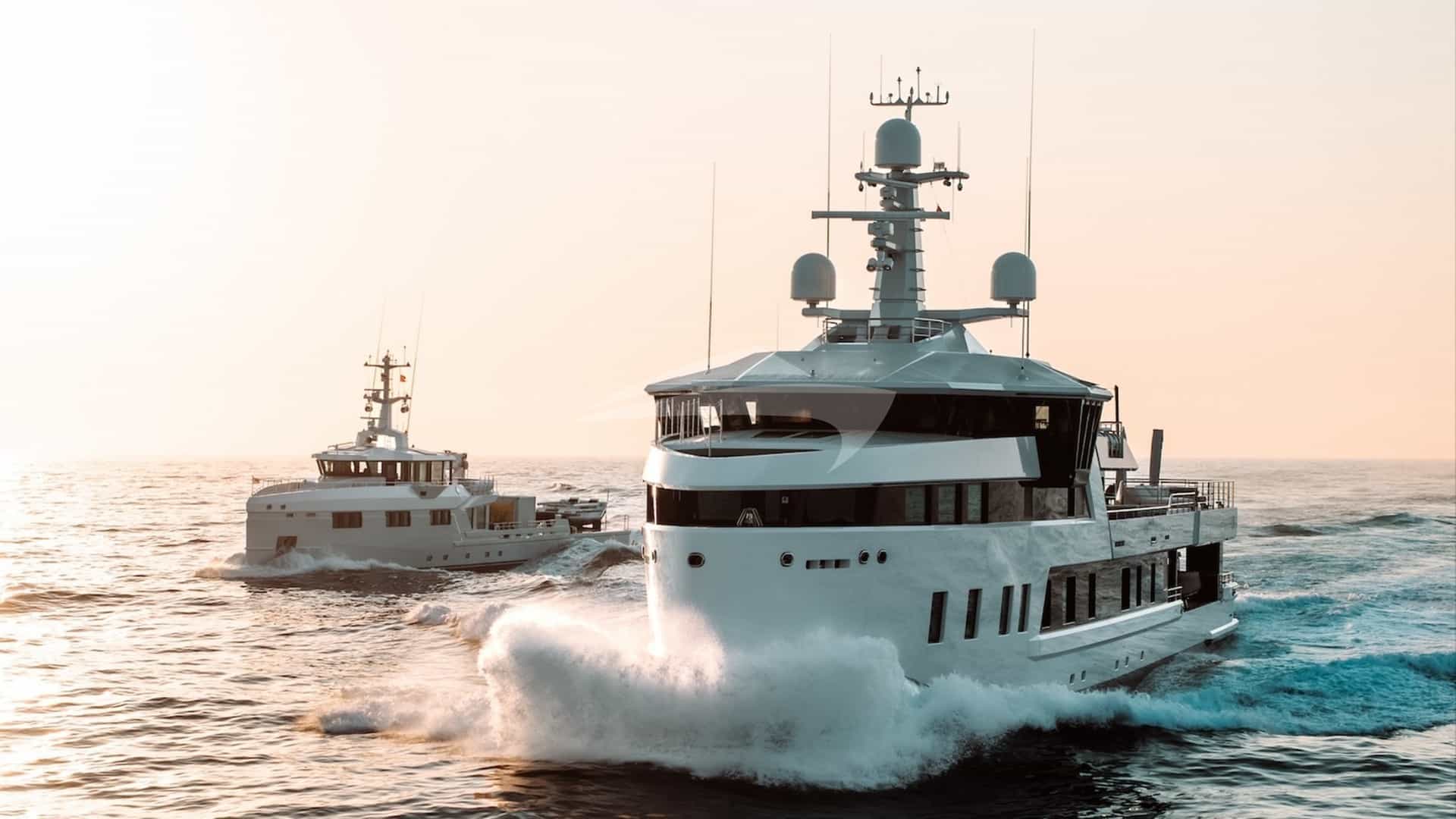
Situated at 37°58’N, 0°41’W on Spain’s southern Costa Blanca, Torrevieja occupies a strategic position along the maritime transit route between the Strait of Gibraltar and the Balearic Islands. Historically defined by its industrial salt production—fed by the hypersaline pink lagoons of the Parque Natural de las Lagunas de La Mata y Torrevieja—the port has evolved into one of the Iberian peninsula’s most substantial maritime infrastructure hubs. For superyachts and large crewed charter vessels navigating the Levante coast, Torrevieja provides a crucial staging point. Unlike smaller, purely recreational harbours along this coast, Torrevieja offers high-capacity breakwater protection, deep-water approaches, and a robust commercial port authority capable of handling complex shore logistics.
Understanding the operational matrix of Torrevieja is essential for charter brokers, captains, and management companies. From navigate-in-all-weather maritime access to precise fuel bunkering protocols and VIP transfers, this guide details the shore logistics required to execute seamless charter operations in this sector of the Spanish Mediterranean.
Harbour Topology and Principal Marinas
Torrevieja’s harbour is enclosed by a massive breakwater system dominated by the 1.4-kilometre Dique de Levante to the east and the Dique de Poniente to the west. This substantial engineering creates an exceptionally sheltered outer basin, shielding vessels from the prevailing easterly (Levante) and south-easterly (Siroco) swells that can render lesser Costa Blanca anchorages untenable. Within this expansive outer port, three primary marina developments offer distinct berthing options, service levels, and technical capabilities.
Marina Salinas de Torrevieja
Located in the eastern sector of the harbour basin, directly adjacent to the commercial salt-loading quays, Marina Salinas is the primary facility for modern, high-tonnage charter yachts. Constructed to accommodate larger drafts and beams, the marina features concrete pontoons and dedicated quay space designed for vessels requiring significant power supply and shore support.
- Maximum LOA: 35 metres on standard finger berths; larger motor yachts up to 50 metres can be accommodated along the main outer pontoon or commercial quay by prior arrangement with the port authority.
- Draft Limits: Controlling depth in the main channel is 5.0 metres, with inner berth depths ranging between 3.5 and 4.5 metres.
- Beam Limits: Up to 10 metres on specialized multihull and mega-yacht berths.
Marina Salinas operates a 24-hour marineria service, equipped with workboats to assist during high-wind berthing maneuvers. The marina’s layout allows for wide turning basins, making it the preferred entry point for displacement motor yachts and large cruising catamarans.
Real Club Náutico de Torrevieja (RCNT)
Founded in 1966, the Real Club Náutico occupies the central and northern section of the port. It combines traditional yacht club hospitality with comprehensive shore logistics. RCNT is particularly favoured by crewed sailing yachts and mid-sized motor yachts whose guests appreciate immediate access to the club’s private dining rooms, swimming pool, and concierge facilities.
- Maximum LOA: 30 metres.
- Draft Limits: 3.2 to 3.8 metres throughout the inner basin.
- Services: High-security access, direct greywater extraction points on select quays, private parking adjacent to the berths, and elevated security protocols during peak summer months.
Because the club hosts an active schedule of regattas and local maritime events, berth space along its outer quay requires precise, early coordination during the summer season.
Puerto Deportivo Marina Internacional
Positioned in the western sector of the harbour, Marina Internacional is primarily geared toward small-to-mid-sized leisure craft, tenders, and chase boats. While it lacks the deep water required for fully displacement superyachts, it offers vital auxiliary infrastructure for charter operations.
- Maximum LOA: 18 metres (with limited capacity for up to 22 metres at the T-head pontoons).
- Draft Limits: 2.5 to 3.0 metres, requiring careful depth monitoring at low astronomical tides.
- Operational Utility: Ideal as a secure, long-term staging location for chase tenders, jet skis, and support equipment that cannot be stored on board the primary vessel.
Berth Availability, Seasonal Timing, and Reservation Protocols
Berth availability in Torrevieja follows a distinct seasonal pattern tied to the broader Mediterranean charter calendar. The primary charter season runs from late May through late September, with peak demand occurring between July 15 and August 31.
During July and August, transit berths for vessels over 24 metres LOA operate at near-capacity. Unlike the Balearics, where berth prices scale exponentially, Torrevieja maintains competitive tariff structures governed partly by regional port regulations. Consequently, many foreign-flagged charter yachts utilize Torrevieja as a cost-effective operational base for crew changes or mid-charter downtime between Balearic legs.
To secure guaranteed berthing for vessels exceeding 30 metres during high season, formal berth applications should be submitted three to four months in advance. Emergency or short-notice transit berthing is generally feasible due to the length of the Dique de Levante outer quay, provided the vessel can operate safely alongside without dedicated finger pontoons. In shoulder months (May, June, and September), reservation lead times drop to seven to ten days, though booking remains advisable during regional holidays or coastal regattas.
Winter lay-up and long-term berthing (October through April) are widely available. Marina Salinas and RCNT offer discounted seasonal rates, making the port an attractive wintering site for vessels undergoing minor refits, safety surveys, or crew rotations.
Bunkering, Utilities, and Technical Infrastructure
The operational viability of any charter hub depends on the efficiency of its shore side utilities and fuel supply chains. Torrevieja is well-equipped to support the high power consumption and fast turnover requirements of luxury charter yachts.
Fuel Bunkering Protocols
Automotive-grade Marine Gas Oil (MGO) and commercial diesel are accessible via two primary delivery methods:
1. Fixed Fuel Docks: Both Marina Salinas and RCNT operate dedicated fuel stations capable of dispensing standard diesel and unleaded gasoline at rates up to 100 litres per minute. These docks are suitable for vessels up to 24 metres LOA with modest tank capacities. 2. Road Tanker Delivery (High-Flow): For superyachts requiring high volumes of MGO (exceeding 5,000 litres), bunkering is conducted via certified road tankers arranged by local shipping agents. Tankers access the outer quay at Marina Salinas or the commercial dock. High-flow pumps permit delivery speeds of up to 500 litres per minute, significantly reducing turnaround times. Prior clearance from the Capitanía Marítima and the placement of containment booms during fueling are mandatory safety requirements.
Duty-free fuel (petróleo libre de impuestos) is available for eligible commercially registered charter vessels possessing a valid Spanish charter licence and commercial registration documentation. Requesting duty-free fuel requires a minimum of 48 hours’ notice to clear custom paperwork through the Agencia Tributaria (Spanish Customs).
Shore Power and Fresh Water Supply
Electrical infrastructure across Torrevieja's primary marinas has been systematically updated to accommodate high-draw appliances and modern vessel systems:
- Power Supply: Standard berths offer 16A, 32A, and 63A single-phase connections (230V). Superyacht berths at Marina Salinas provide 125A three-phase (400V) service. Vessels requiring higher amperages must coordinate with the marina engineering team to deploy portable step-up transformers or shore-power converters.
- Water Supply: Potable water is plumbed directly to all berths. Torrevieja’s municipal supply is heavily supplemented by sea-water desalination plants. While the water is chemically safe and meets all health standards, its mineral profile can be hard on internal plumbing and glass surfaces. It is standard practice for charter yachts to run shore water through onboard softeners or reverse-osmosis filtration systems before filling structural fresh-water tanks.
Waste Management and Environmental Services
Torrevieja strictly enforces MARPOL annex regulations. Fixed pump-out stations for black and grey water are accessible at the main fuel pontoons, while mobile suction units can be brought alongside at Marina Salinas for larger yachts. The disposal of hazardous waste—including used engine oils, coolant, contaminated bilge water, and lead-acid batteries—is managed through certified local contractors (Marpol I and II services). Certificates of disposal are issued upon request, which is crucial for maintaining commercial survey compliance.
Provisioning Logistics and Local Supply Chains
Executing top-tier culinary service onboard a charter vessel requires access to fresh, high-grade ingredients and specialized marine suppliers. Torrevieja benefits from its location in the Vega Baja del Segura, one of Europe’s primary agricultural regions, combined with a vibrant local fishing fleet.
Local Fresh Produce and Seafood Markets
The local fishing guild (Cofradía de Pescadores de Torrevieja) operates daily coastal trawlers. Fresh landings arrive every weekday afternoon at the Lonja de Pescadores (fish auction house) within the commercial harbour. Chefs can source exceptional regional marine life directly or through verified local purveyors, including:
- *Red Prawns (Gamba Roja):* Highly prized deep-water prawns caught off the local continental shelf.
- Wild Finfish: Sea bass (lubina), sea bream (dorada), red mullet (mullus barbatus), and squid (calamar de potera).
- Vega Baja Agriculture: Artichokes (alcachofa de la Vega Baja), citrus fruits, local tomatoes, and organic herbs sourced directly from orchards within a 20-kilometre radius.
The Mercado Central de Abastos (municipal market) serves as an immediate source for artisanal cheeses, cured Spanish hams (Jamón Ibérico de Bellota), and prime meats.
Specialized Yacht Provisioning
For international luxury items—such as dry-aged USDA beef, sashimi-grade tuna, French cheeses, or specific vintages of champagne—yachts rely on dedicated marine provisioning agents operating out of Alicante or Valencia. Refrigerated transport vehicles can access the dockside directly at Marina Salinas and RCNT with advance gate clearance, delivering orders within 12 to 24 hours of placement. Wine cellars can be stocked locally with top-tier Denominación de Origen (DO) Alicante wines, including historic Fondillón fortified wines and high-end Monastrell reds, alongside established Rioja and Ribera del Duero labels.
Customs, Port Formalities, and Regulatory Compliance
Operating a commercial yacht charter in Spanish waters requires strict adherence to national and regional maritime regulations. Torrevieja falls under the jurisdiction of the Capitanía Marítima de Torrevieja, a branch of the Spanish Ministry of Transport, Mobility and Urban Agenda (DGMM).
Spanish Charter Licence and Matrix Compliance
Any vessel offering a Torrevieja Yacht Charter yacht charter experience must be fully cleared to operate commercially in Spain. The Spanish legal framework requires:
- Declaración Responsable: A formal declaration submitted to the regional maritime authorities confirming that the vessel complies with all safety, crew qualification, and insurance regulations.
- Charter Licence: Non-Spanish flagged commercial vessels (e.g., Marshall Islands, Cayman Islands, Malta, UK) must hold a valid Spanish Charter Licence. Operating without this document can result in severe financial penalties and potential vessel arrest by the Servicio Marítimo de la Guardia Civil.
- VAT (IVA) Regulations: Commercial charter fees originating in Spanish ports are subject to standard Spanish Value Added Tax (IVA), currently set at 21%. Proof of IVA compliance and registration with the Spanish tax authority (Agencia Tributaria) must be maintained on board.
Immigration and Schengen Formalities
Torrevieja is an official Border Inspection Point (Puesto de Control Fronterizo). Vessels arriving directly from non-Schengen territory (such as Gibraltar, the United Kingdom, or North Africa) must clear immigration and customs upon arrival.
1. Notice of Arrival: The vessel’s agent or captain must submit a formal notification of arrival to the Capitanía Marítima and the Policía Nacional (Immigration) at least 24 hours prior to entering the harbour. 2. Crew and Guest Passports: Non-EU crew members operating on non-EU flagged vessels must present physical passports for stamping to manage their Schengen 90/180-day limits. 3. Clearance Protocols: The Guardia Civil (Fiscal and Borders unit) reserves the right to board and inspect ship papers, safety equipment, and registry documents prior to granting shore clearance for guests.
Aviation Access, Crew Logistics, and Land Transfers
Torrevieja’s proximity to two major international airports makes it an exceptionally functional port for passenger embarkation, disembarkation, and crew rotations.
+--------------------------------------------------------------------------------+
|                           REGIONAL LOGISTICS HUB                               |
+------------------------------------+-------------------------------------------+
| Alicante-Elche Airport (ALC)       | 45 km North | 35-40 mins | GAT / Private  |
| Murcia-Corvera Airport (RMU)       | 60 km SW    | 45-50 mins | Commercial    |
| Cartagena Heavy Shipyard           | 35 NM South | Travelift  | >300 T Capacity|
+------------------------------------+-------------------------------------------+
Airport Connectivity
- Alicante-Elche Miguel Hernández Airport (ALC): Located 45 kilometres north of Torrevieja. Driving time via the N-332 coastal road or the AP-7 toll highway is approximately 35 to 40 minutes. ALC is Spain’s fifth-largest airport, offering extensive direct commercial flights across Europe and the Middle East. It features a fully equipped General Aviation Terminal (GAT) operated by major FBOs, providing handling, customs clearance, and VIP lounges for private jet arrivals.
- Región de Murcia International Airport (RMU / Corvera): Located 60 kilometres south-west. Driving time via the RM-19 and AP-7 is roughly 45 to 50 minutes. RMU serves as a secondary alternative for private flights and regional European connections.
VIP Transfers and Shore Transport
Private vehicle access directly to the vessel berth is permitted across all three marinas, subject to advance vehicle registration with harbour security. Chauffeured luxury V-Class vans, executive sedans, and refrigerated supply vehicles can park adjacent to the gangway at Marina Salinas and RCNT, streamlining guest arrivals and luggage handling.
Crew Accommodations and Amenities
During major maintenance periods or extended stays, housing crew off-vessel is straightforward. Torrevieja offers an abundance of short-term rental apartments, coastal villas, and modern business hotels within walking distance of the main harbour. The town center features full urban infrastructure, including international medical clinics, banks, fitness centers, and laundromats.
Shipyard Services and Technical Maintenance
While Torrevieja is primarily a charter and recreational port, it possesses significant local technical capability for routine maintenance, emergency repairs, and mid-season troubleshooting.
In-Port Technical Support
- RCNT Slipway: Features a 70-tonne travelift capable of hoisting vessels up to 24 metres LOA for hull cleaning, antifouling, zinc anode replacement, and running gear inspections.
- Local Trades: Independent marine contractors based in Torrevieja provide certified services in marine electronics, engine mechanics (Volvo Penta, Caterpillar, MAN specialists), hydraulic repairs, stainless steel fabrication, and custom teak joinery.
Heavy Refit Infrastructure Nearby
For larger superyachts requiring substantial structural repairs, dry-docking, or lifts exceeding 70 tonnes, two major technical centers operate in close proximity:
- Varadero Alicante (23 NM North): Equipped with a 220-tonne travelift, extensive hardstand area, specialized paint sheds, and full superyacht refit services.
- Cartagena Shipyards (35 NM South-Southwest): A major industrial and naval port featuring heavy lifting infrastructure, including Syncrolifts and dry docks capable of lifting mega-yachts and commercial vessels over 100 metres LOA.
Navigational Context and Regional Itinerary Integration
Torrevieja’s geographical coordinates offer clear strategic advantages when building coastal or offshore cruising itineraries. It acts as the natural gateway between the northern Costa Blanca (Calpe, Denia, Jávea) and the rugged coastlines of Murcia and Andalusia.
+--------------------------------------------------------------------------------+
|                         NAUTICAL DISTANCES FROM TORREVIEJA                     |
+------------------------------------+-------------------------------------------+
| Isla de Tabarca                    | 14 Nautical Miles | Heading ~020°         |
| Cabo de Palos / Marine Reserve     | 22 Nautical Miles | Heading ~205°         |
| Mar Menor (Tomas Maestre Canal)    | 18 Nautical Miles | Heading ~195°         |
| Ibiza (Cala Jondal)                | 112 Nautical Miles| Heading ~078°         |
| Alicante Port                      | 23 Nautical Miles | Heading ~010°         |
+------------------------------------+-------------------------------------------+
Local Coastal Cruising Highlights
1. Isla de Tabarca (14 NM North-Northeast): Spain’s first designated Marine Reserve. A prime day-anchorage featuring crystal-clear waters, protected snorkeling zones, and iconic shore dining where guests can sample authentic caldero tabarquino (a traditional fisherman’s saffron rice and fish dish). 2. Cabo de Palos and the Islas Hormigas Reserve (22 NM South-Southwest): A dramatic headland marking the southern boundary of the Gulf of Alicante. The surrounding marine reserve offers world-class diving on underwater pinnacles and historic shipwrecks. 3. Mar Menor (18 NM South): Europe’s largest saltwater lagoon, accessible to yachts with drafts under 1.8 metres via the controlled bascule bridge at the Tomás Maestre canal. It provides completely landlocked, flat-water cruising ideal for watersports during heavy offshore weather.
The Balearic Transit Window
For yachts positioning between the Spanish mainland and the Balearic Islands, Torrevieja serves as an optimal departure point. The passage from Torrevieja to southern Ibiza (Cala Jondal or Porroig) is approximately 112 to 118 nautical miles on a heading of 078°.
At a standard 12-knot displacement cruise, the crossing takes under 10 hours; fast planing motor yachts can complete the transit in less than four hours. Captains can monitor weather windows from the security of Torrevieja’s breakwater, departing on ideal sea states to drop anchor off Espalmador or Formentera by early afternoon.
By integrating deep-water berthing, streamlined fuel delivery, straightforward customs processing, and rapid airport connectivity, Torrevieja stands out as a highly functional, highly reliable operational base for luxury yacht charter operations along Spain’s southeastern coast.