
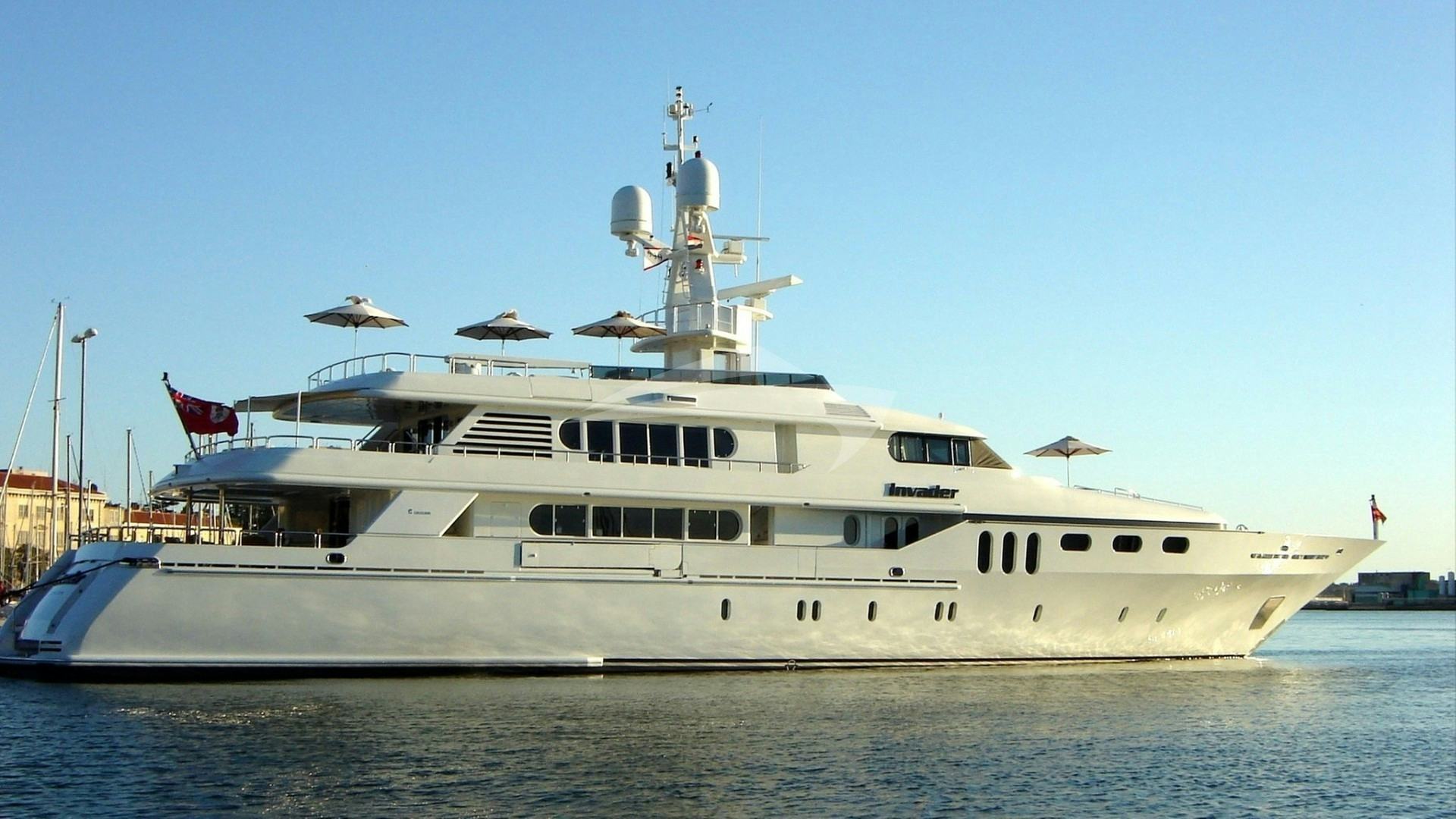
Cruising the seven islands of the Tuscan Archipelago—Elba, Capraia, Giglio, Giannutri, Pianosa, Montecristo, and Gorgona—presents one of the Tyrrhenian Sea's most compelling charter experiences. Positioned between the Tuscan mainland and the northern tip of Corsica, this marine park combines dramatic volcanic geology, rich Etruscan and Napoleonic history, and world-class anchorages. However, the character of a Tuscan cruising itinerary shifts fundamentally depending on the time of year.
To plan an exceptional journey, timing must be calibrated against seasonal wind patterns, sea temperatures, marine park regulations, and the rhythms of Italian domestic tourism. Securing the ideal Tuscan Archipelago Yacht Charter yacht charter involves understanding these environmental and cultural variables to select the precise week that matches your cruising ambitions.
Synoptic Meteorology and Tyrrhenian Microclimates
The Tuscan Archipelago sits at the junction of the Ligurian and Tyrrhenian Seas, creating a distinct microclimate governed by surrounding landmasses. The island chain is dominated by three main wind systems: the Maestrale (North-Westerly), the Libeccio (South-Westerly), and the Scirocco (South-Easterly).
The Maestrale funnelled down the Corsica Channel is the prevailing summer wind. It typically builds late morning, peaks at 12 to 18 knots by mid-afternoon, and dies down rapidly before sunset. This thermal pattern offers ideal sailing conditions without building uncomfortable seas, particularly in the waters between Elba’s northern coast and Capraia.
Conversely, the Libeccio brings heavier swells from the open Mediterranean. When strong South-Westerlies blow, anchorages on Elba’s southern face—such as Marina di Campo and Golfo di Lacona—become exposed, requiring captains to seek shelter along the northern lee, such as the deep natural harbour of Portoferraio or the protective bay of Marciana Marina.
Elba’s dominant topographical feature, Monte Capanne, rises 1,019 metres above sea level. This high elevation creates a pronounced weather divide. It is common for the northern coastline between Cavo and Sant'Andrea to experience clear skies and a steady thermal breeze, while the southern gulfs experience cloud build-up and localized sea breezes.
Further south, around Giglio and Giannutri, weather patterns are influenced more directly by the Tuscan mainland and the Promontory of Monte Argentario. The channel between Giglio Porto and Porto Santo Stefano (14 nautical miles) can funnel South-Easterly Scirocco winds, which bring warmer air, higher humidity, and occasional seas that alter anchorage comfort along Giannutri’s exposed limestone cliffs.
May and June: The Early Season Awakening
Early season cruising across the archipelago offers solitude, vibrant landscapes, and flexible routing, though water temperatures dictate a different style of itinerary compared to high summer.
### May: Wild Flora and Quiet Harbours In May, average daytime air temperatures range between 20°C and 23°C, while sea temperatures remain crisp at 17°C to 19°C. Wetsuits are recommended for extended snorkeling or tender-assisted diving around the underwater walls of Giannutri or the wreck of the Elviscot at Pomonte.
May is defined by the blossoming of Mediterranean maquis across Capraia and Elba. Capraia, a volcanic island 23 nautical miles north-west of Marciana Marina, is particularly striking during this month. The hiking trails leading to Monte Argani are lined with blooming rockrose and broom, making onshore excursions exceptionally pleasant before the summer heat sets in.
From a nautical perspective, May offers absolute freedom. Berth availability in historic ports like Portoferraio’s Darsena Medicea is effortless, allowing captains to pull directly alongside without weeks of advance negotiation. Anchorages like Cala Rossa in Capraia or Golfo della Biodola on Elba are virtually empty. However, charterers should note that some seasonal shore-side restaurants and beach clubs do not fully open until mid-to-late May.
### June: The Ideal Sailing Window June marks the true commencement of the summer charter season. Air temperatures rise to 24°C–28°C, and sea temperatures warm significantly to 21°C–23°C, making swimming comfortably viable. Daylight hours reach their maximum length, allowing for extended afternoon runs between islands—such as the 32-nautical-mile passage from Porto Azzurro on Elba down to Giglio Porto.
Crowd levels remain moderate. Italian schools break in mid-June, but the peak swell of domestic tourists has not yet arrived. June provides a reliable thermal wind profile, making it the premier month for sailing yachts and high-performance catamarans.
Local events also begin to fill the calendar. Regattas and classic yacht rallies often take place in the waters off Porto Santo Stefano and the Gulf of Procchio. Securing high-profile berths requires moderate forward planning, but flexibility remains high across the entire archipelago.
July and August: Peak Summer Dynamics
Peak summer brings vibrant shorefront energy, hot days, and elevated sea temperatures, accompanied by maximum vessel density and stringent operational requirements.
### July: The High-Season Balance By July, air temperatures average 28°C to 32°C, and the Tyrrhenian Sea reaches a balmy 24°C to 25°C. Water sports, deep-water swimming off Giannutri’s Cala Spalmatoio, and late-night alfresco dining are at their peak.
During July, the archipelago shifts into high gear. Shore-side towns like Porto Azzurro, with its broad central piazza and seafood restaurants, and Marciana Marina come alive in the evenings. The anchorage of Fetovaia on Elba’s south-western tip becomes a prime spot for day-boaters seeking clear turquoise waters over white sandy seabed.
To navigate July successfully, itineraries must be structured with precision. While anchorages are busy, experienced captains manage space by establishing night anchorages early in the afternoon or utilizing mooring buoys where available. Marina berths in prime hubs must be secured months in advance.
### August: Ferragosto and Peak Intensity August represents the absolute peak of the Mediterranean season, anchored around Ferragosto (15 August). Air temperatures routinely top 32°C, and water temperatures peak at 26°C or higher. The entire Italian coast targets the sea, resulting in maximum boat traffic across every island in the chain.
In August, popular spots like Cavoli, Marina di Campo, and Giglio Campese fill with local day-boats and yachts. Anchoring requires careful attention to swinging circles and seabed holding. Sandy bays with good holding power, such as Golfo Stella, are heavily utilized.
Strategic cruising tactics are essential during August: Early Mornings:* Transition between islands early in the morning before thermal breezes build and anchorages fill up. Restricted Reserves:* Take advantage of regulated marine zones where boat numbers are strictly capped, such as the perimeter waters of Giannutri or permitted access points on Pianosa. Mainland Base Operations:* Utilize mainland embarkation points like Marina di Scarlino or Puntone to avoid ferry congestion at Piombino when joining the yacht.
Despite the crowds, August delivers an undeniable atmosphere. Shore-side nightlife in Portoferraio and Marciana Marina is vibrant, local seafood production—including fresh catch cooked alla riese or served alongside local Aleatico passito wines—is operating at full capacity, and night anchorages beneath clear Tyrrhenian skies are comfortably warm.
September and October: The Broker's Recommendation
For discerning clients, the late season offers arguably the finest cruising conditions in the Northern Tyrrhenian, balancing warm waters with serene anchorages.
### September: The Golden Month September is widely regarded by charter brokers and experienced captains as the single best month for a Tuscan Archipelago itinerary. The sea retains its summer heat, holding at 23°C to 25°C, while average air temperatures cool slightly to a comfortable 25°C–28°C.
The intense crowds of August vanish almost overnight during the first week of September as domestic visitors return to the mainland. Anchorages that were densely populated three weeks prior—such as Cala del Gesso on the Argentario coast or Golfo di Mola on Elba—return to a peaceful state.
Wind conditions in September remain stable, dominated by gentle light-to-moderate breeze regimes that favor easy motor-yacht cruising and relaxed short-tack sailing. Shore-side infrastructure remains fully operational. September coincides with the regional grape harvest (Vendemmia). On Elba, towns like Capoliveri celebrate with historical festivals, including the famous Festa dell'Uva in late September, providing rich cultural experiences onshore.
### October: Late-Season Solitude October brings a transition to autumn. Sea temperatures remain surprisingly pleasant early in the month, hovering around 20°C to 22°C, though air temperatures cool to 19°C–24°C and evenings become crisp.
The primary consideration in October is synoptic variability. The atmospheric stability of summer gives way to low-pressure systems moving down from the Atlantic or Ligurian Sea. The Libeccio and Scirocco blow with greater frequency and force, generating rougher sea states that require a flexible itinerary.
Cruising in October relies heavily on Elba’s deep, protective ports. Portoferraio offers absolute shelter from almost all directions, surrounded by historical sites such as the Medicean Fortresses and Villa dei Mulini. October suits charterers focused on quiet anchorages, coastal trekking, high-end gastronomy, and authentic interaction with island communities after the tourist season closes.
Marine Park Governance and Island-Specific Rules
The Tuscan Archipelago National Park (Parco Nazionale Arcipelago Toscano) enforces strict environmental zoning to protect delicate ecosystems, including Posidonia oceanica seagrass meadows and coral formations. These rules dictate where yachts can navigate, anchor, or dive across the season.
### Pianosa, Giannutri, and Montecristo Pianosa:* The former prison island features a highly protected marine reserve divided into Zones A, B, and C. Anchoring is strictly prohibited without authorization. Designated guided tours and controlled access berths near the old harbour are managed tightly, particularly from May to September. Giannutri:* Famous for its Roman villa ruins and limestone sea caves, Giannutri enforces Zone A (no entry) off its southern tip (Punta Scaletta and Punta del Capel Rosso). Anchoring is restricted to designated areas within Cala Spalmatoio and Cala Maestra, where holding ground consists of rock and sand pockets. Montecristo:* As a strict nature reserve, Montecristo is largely closed to general yachting. Vessels may not navigate or anchor within 1.6 nautical miles (3 kilometres) of the island without specialized research permits issued by the park authority well in advance. Gorgona:* Operating as a functioning correctional facility, Gorgona requires advance clearance for approach. Navigation is restricted within a 2-nautical-mile radius around the island.
Understanding these legal frameworks ensures smooth navigation and avoids heavy fines, reinforcing the necessity of working with an experienced captain and broker team.
Lead Times, APA Planning, and Fleet Logistics
Planning a seamless charter in the Tuscan Archipelago requires aligning vessel availability, harbour berths, and provisioning schedules far ahead of the departure date.
### Booking Lead Times by Season Peak Season (July & August):* Secure your chosen yacht 8 to 12 months in advance. Prime motor yachts and broad-beam catamarans are locked in by late autumn of the preceding year. Marina berth reservations for key ports (Marciana Marina, Porto Azzurro, Portoferraio) must be submitted as soon as marina booking windows open in early spring. Shoulder Season (June & September):* Book 4 to 6 months in advance. While fleet selection is generally broader, top-tier crewed sailing yachts and performance motor yachts still fill their calendars early for September. Low Season (May & October):* Book 2 to 3 months in advance. High flexibility allows for last-minute weather-dependent routing adjustments.
### Advanced Provisioning Allowance (APA) and Berthing Costs Berth costs in the Tuscan Archipelago fluctuate dramatically across the calendar. A 30-metre motor yacht can expect to pay significantly higher nightly berth fees in Marciana Marina or Darsena Medicea during mid-August compared to June or September.
In peak summer, clients should factor a slightly higher APA percentage (typically 35% to 40% of the base charter fee) to cover increased fuel burn from running generators continuously for air conditioning, alongside higher berth rates and shore-side logistics. In shoulder months, fuel consumption for climate control drops, and berth costs normalize, making the APA go substantially further.
Overview of the Charter Calendar
The following summary outlines the seasonal attributes across the Tuscan Archipelago cruising year:
- May: Low crowd density; air temp ~22°C; water temp ~18°C; high berth availability; ideal for trekking, island hopping, and peaceful nature itineraries.
- June: Moderate crowd density; air temp ~26°C; water temp ~22°C; strong sailing breezes; excellent overall balance of weather and space.
- July: High crowd density; air temp ~30°C; water temp ~24°C; advance berth booking mandatory; ideal for water sports and vibrant shore-side nightlife.
- August: Maximum crowd density; air temp ~32°C; water temp ~26°C; peak Italian holiday season; requires tactical anchoring and early morning transits.
- September: Low-to-moderate crowd density; air temp ~26°C; water temp ~24°C; exceptional swimming conditions; prime month for gastronomy and wine harvest events.
- October: Minimal crowd density; air temp ~21°C; water temp ~21°C; volatile weather requiring flexible routing; maximum solitude in historic ports.
Matching the Season to Your Cruising Profile
Selecting the ideal calendar window ultimately comes down to matching your group's priorities with the distinct physical characteristics of each month.
If your group prioritises warm-water swimming, water-skiing, high-energy beach clubs, and vibrant dining scenes on the piazzas of Porto Azzurro and Giglio Porto, July and August provide the definitive Mediterranean summer atmosphere. Success during these peak months relies on early vessel locking, secured berth reservations, and a captain who understands the nuanced anchorages along Elba's irregular 147-kilometre coastline.
If your priorities lean toward active sailing, exploring archaeological sites like Giannutri’s Roman villa, uncrowded anchorages, and authentic local culture, June and September are unbeatable. During these months, the wind conditions are consistent, the Tyrrhenian Sea is welcoming, and the spatial freedom allowed by reduced vessel traffic shows the Tuscan Archipelago at its absolute finest.