
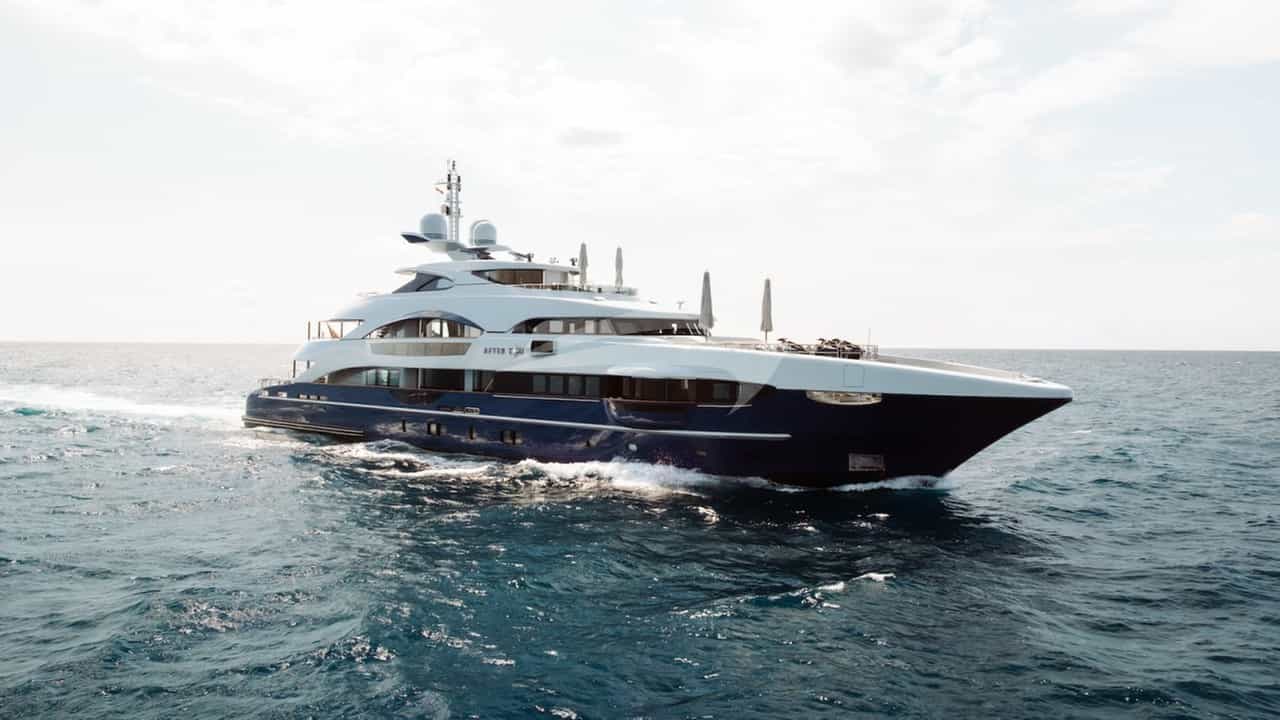
Valencia occupies a singular geographical position on Spain’s eastern seaboard. Positioned at 39°28'N, facing the Balearic Sea across the Gulf of Valencia, the city offers a rare duality: a world-class maritime metropolis with deep-water berths capable of housing superyachts over 100 metres, alongside immediate access to pristine marine reserves, rugged headlands, and the open-water passage to the Balearic Archipelago. Unlike purely seasonal island destinations that shutter completely from October to April, Valencia functions on a complex, twelve-month maritime cycle.
Choosing when to embark on a Valencia Yacht Charter yacht charter requires understanding how thermal winds, sea temperatures, local cultural calendars, and regional migration patterns interact. Whether your objective is an early-summer offshore passage to Formentera, a late-season gastronomic cruise along the Costa Blanca, or a spring exploration of the remote Columbretes Islands, timing governs every aspect of the itinerary.
The Meteorology of the Gulf of Valencia: Wind, Sea, and Microclimates
The cruising grounds surrounding Valencia are governed by three primary wind systems, each dictating the comfort and feasibility of specific coastal anchorages. Understanding these atmospheric dynamics is essential for captain and charterer alike when planning daily runs out of Marina Port Valencia or the Real Club Náutico de Valencia.
The dominant summer phenomenon is the Garbí, a local thermal sea breeze generated by the intense heating of the Iberian interior. Building reliably around mid-morning, the Garbí fills from the south-southwest, peaking between 12 and 18 knots by mid-afternoon before fading gently at sunset. This wind provides predictable, ideal sailing conditions throughout the summer months, creating flat-water power-sailing in the lee of Cabo de San Antonio and Cabo de la Nao.
Conversely, the Levante brings winds from the east and northeast. Pushed by pressure systems over the Western Mediterranean, a sustained Levante drives damp air and a rolling sea state into the Gulf of Valencia. While rare during peak summer, a strong Levante can render open roadsteads along the coast uncomfortable, requiring charter captains to seek shelter inside protected harbours like Dénia or behind the massive breakwaters of Valencia itself.
The third force is the Poniente, a dry, hot wind sweeping off the central plains of La Mancha from the west. When the Poniente takes hold, land temperatures in Valencia rapidly spike past 35°C, while coastal waters remain remarkably flat near the shore. However, the wind pushes the surface warm water offshore, temporarily lowering sea temperatures along the beaches of El Saler and Cullera through localized upwelling.
Hydrographic Profile and Thermal Evolution
- Spring (April–May): Sea temperatures range from 15°C to 18°C. Air temperatures average 20°C to 24°C. Sea conditions are generally calm, though sporadic spring depressions can bring brief periods of easterly swell.
- Early Summer (June): Sea temperatures climb rapidly to 21°C–23°C. Air temperatures comfortably hover around 26°C–28°C. Consistent thermal breezes make this the most stable period for coastal navigation.
- Peak Summer (July–August): Sea temperatures peak at 25°C–27°C. Air temperatures routinely hit 30°C–34°C. Water clarity reaches its maximum, though afternoon sea breezes can chop up open roadsteads.
- Autumn Transition (September–October): Sea temperatures linger at a balmy 23°C–25°C in September before dropping to 20°C in late October. Air temperatures average 24°C–28°C. Excellent surface conditions interspersed with occasional early-autumn thermal shifts.
Month-by-Month Cruising Guide
April and May: The Spring Awakening and Offshore Expeditions
April marks the start of the Mediterranean charter calendar, but in Valencia, the season opens with a distinct character. Air temperatures are comfortably warm, making conditions ideal for active itineraries, yet the water remains brisk. Cruising during these early months is defined by quiet anchorages, crisp light, and high availability across the local charter fleet.
This is the optimal window for environmental charters and offshore nature explorations. The Reserva Marina de las Islas Columbretes—an archipelago of volcanic islets located 30 nautical miles east-northeast of Oropesa del Mar and roughly 50 nautical miles from Valencia—is at its most serene. Strict visitor quotas apply to these protected waters, where charter yachts can secure mooring buoys inside the submerged caldera of Illa Grossa. In April and May, marine life activity is intense: yellow-legged gulls nest on the basalt cliffs, while bottlenose dolphins and loggerhead sea turtles are frequently sighted along the passage from Valencia.
On land, the city is settling back into its rhythm following the chaotic, explosive celebrations of Las Fallas in late March. A spring charter allows guests to combine urban culture, private gallery visits, and dining in the Carmen district with quiet coastal runs south toward Cullera and the mouth of the Júcar River. For clients eyeing long-distance passage-making, May offers stable winds for the 75-nautical-mile offshore leg to Ibiza’s western shore.
June: The Early Summer Sweet Spot
For discerning yacht owners and seasoned charterers, June is widely considered the finest month of the year to execute a Valencia Yacht Charter yacht charter. Day length reaches its maximum, providing over fifteen hours of daylight to cover distance between coastal stopovers.
The water temperature climbs to a comfortable 22°C, warm enough for swimming, paddleboarding, and jet-skiing without wet suits. The thermal Garbí breeze sets in with mechanical predictability, offering pristine afternoon sailing across the Gulf. Anchorages that become crowded later in the summer—such as the sheltered turquoise cove of Cala Portitxol in Jávea, 50 nautical miles south of Valencia—remain relatively uncrowded.
June is also culturally significant. On the night of 23 June, the coast celebrates the Noche de San Juan (St John’s Eve). From the flybridge of a yacht anchored off the long beaches of La Malvarrosa or El Saler, guests can watch thousands of bonfires lit along miles of coastline, illuminated by informal fireworks displays stretching from Valencia south to Cabo de San Antonio.
July and August: Peak Season Intensity and Balearic Passages
July and August represent the peak of the Mediterranean charter season. In Valencia, the atmosphere inside Marina Port Valencia transforms into a buzzing hive of international yachting activity. High-capacity berths are occupied by cruising megayachts, and charter operations run at full capacity.
Air temperatures regularly surpass 30°C, and water temperatures reach a tropical 27°C, making the sea the primary focal point of daily life. Anchoring off the white sand spit of El Saler, just four nautical miles south of the port entry, offers immediate respite from the urban heat. Here, guests can launch water toys into warm, shallow water or take the tender ashore to the edge of the Albufera Natural Park for an authentic lunch of Paella Valenciana—prepared over open orange-wood fires with local Senia rice, rabbit, chicken, and garrofó beans at long-standing rustic barracas.
Cruising strategies during peak season require careful planning around harbor space and anchorage capacity. The popular anchorages along the Costa Blanca—such as Granadella, the bay of Moraira, and the limestone cliffs of Peñón de Ifach in Calpe—drawn heavy day-boat traffic. A skilled skipper will leverage Valencia’s strategic position to execute night passages. Departing Valencia at midnight allows a motor yacht cruising at 15 knots to drop anchor by daybreak in the crystalline, gin-clear waters of Espalmador or Cala Saona in Formentera, bypassing the congested ports of the mainland entirely.
The primary operational challenge during July and August is heat management and secured berth reservations. Vessels operating in the region rely heavily on continuous air conditioning, making reliable shore power in marina berths essential during overnight port stops.
September: The Golden Month
If June is the skipper's choice for wind, September is the broker's absolute recommendation for overall quality of experience. As school terms resume across Europe, family crowds dissipate, leaving the waters between Valencia and the northern Costa Blanca quiet once again.
Crucially, the sea retains all the heat accumulated over the summer, holding steady at 24°C to 26°C. The intense atmospheric heat of August breaks, replaced by warm, dry days averaging 27°C and cool, comfortable nights that often allow for sleeping at anchor under natural sea breezes.
September is also a pivotal month for local gastronomy and culture. In the agricultural lowlands surrounding the Albufera lagoon, the late-summer rice harvest (la siega del arroz) begins. The local markets in Valencia, particularly the historic Mercado Central, are filled with seasonal produce, wild sea bass, bluefin tuna, and red prawns from Dénia. Charter guests can design itineraries focused on culinary excursions, cruising south to Dénia (45 nautical miles) to dine at three-star Michelin establishments, before dropping anchor in the lee of the Montgó Natural Park.
From a sailing perspective, early autumn brings stable atmospheric conditions with light to moderate breeze profiles, making September ideal for relaxed, low-stress coastal hopping.
October: Late-Season Serenity and Regatta Dynamics
October brings the formal close of the prime Mediterranean cruising season, but in Valencia, the light remains luminous and the climate exceptionally mild. Air temperatures hover around 24°C, and sea temperatures remain comfortable at 21°C through the first half of the month.
This month is characterized by exceptional value and operational flexibility. Marina berths are readily available, shoulder-season charter rates apply across much of the fleet, and coastal towns like Jávea, Altea, and Peñíscola revert to their authentic, unhurried pace.
October is also an active month for competitive sailing in the region. The waters off Marina Port Valencia, which famously hosted the 32nd and 33rd America's Cup matches, offer ideal natural conditions for grand prix racing. The autumn regatta calendar fills with local and regional fixtures organized by the Real Club Náutico de Valencia. Chartering a performance sailing yacht during this period provides an exhilarating vantage point to watch fleet racing against the dramatic backdrop of the City of Arts and Sciences skyline.
By late October, the atmospheric pattern begins to shift. The likelihood of short, intense rainfall events increases as the first cold fronts interact with the warm sea—a phenomenon known locally as the Gota Fría (cold drop). Captains monitor regional weather forecasts closely, choosing short coastal runs over open-water crossings.
November to March: Winter Operations, Berthing, and Refit
While traditional charter activity declines significantly from November to March, Valencia remains a critical hub on the Mediterranean yachting map. The city's winter climate is among the mildest in continental Europe, with daytime temperatures routinely reaching 16°C to 18°C under clear, sunny skies.
During these months, Valencia becomes a primary base for crewed yacht maintenance, winter berthing, and static charters. Marina Port Valencia and the adjacent shipyards offer comprehensive refit, repair, and survey facilities. Superyachts frequently select Valencia as a wintering port due to its sheltered deep-water basins, secure infrastructure, and the immediate proximity of an international airport with direct connections across Europe.
Static charters—where the yacht remains moored in port as a luxury venue for corporate events, product launches, or trade summits—are popular during the late autumn and winter. The annual Valencia Boat Show, typically staged in late autumn around the docks of the marina, showcases new models, charter fleets, and marine technology, attracting brokers, owners, and industry professionals from across the globe.
For experienced sailors seeking winter training or endurance passages, the winter months offer crisp, strong winds—predominantly western Poniente blasts or crisp northern Tramuntana shifts blowing down from the Gulf of Lion—requiring advanced seamanship and meticulous route planning.
Strategic Timing, Lead Times, and Commercial Considerations
Executing a flawless charter out of Valencia requires aligning client expectations with commercial realities. Booking lead times vary dramatically depending on the targeted window, yacht category, and chosen itinerary.
- High Season (July–August): Premier crewed motor yachts and large sailing catamarans based in or around Valencia require a booking lead time of 8 to 12 months. Peak weeks—particularly those aligning with mid-August bank holidays (Asunción de la Virgen)—sell out furthest in advance.
- Shoulder Season (June & September): To secure top-tier yachts at preferential shoulder rates, charterers should look to lock in contracts 4 to 6 months ahead of time. Flexible itinerary planning in these months often yields the best balance of yacht selection and berth choice.
- Off-Peak & Events (October–May): Static charters, short-duration weekend bookings, and winter cruising can typically be arranged with 1 to 3 months of lead time, subject to vessel location and crew availability.
Selecting the Right Window for Your Itinerary
When structuring a Valencia crewed yacht charter, matching the month to the desired cruising profile is paramount:
1. The Island-Crosser (June – August): Best for clients wanting to combine Valencia's urban sophistication with open-water runs to Ibiza and Formentera. Requires stable summer weather, warm waters, and advance planning for Balearic buoy reservations. 2. The Coastal Explorer & Epicurean (September – October): Designed for guests focused on gastronomy, heritage, and relaxed coastal navigation south toward Dénia, Jávea, and Altea. Offers warm seas, quiet anchorages, and direct access to seasonal regional cuisine. 3. The Seamanship & Nature Enthusiast (April – May): Ideal for active guests, naturalists, and avid sailors targeting the Columbretes Islands Marine Reserve. Delivers brisk winds, empty sea lanes, and peak marine wildlife encounters.
By aligning your charter schedule with the natural micro-seasons of the Balearic Sea, a Valencia charter transforms from a simple coastal vacation into a precisely executed maritime voyage. Understanding the subtle transitions between the Garbí thermals of mid-summer and the quiet, warm waters of early autumn allows charterers to experience this historic stretch of the Spanish coast at its absolute best.