
Spanning over 40,000 square kilometres of the Coral Triangle off the north-western tip of Papua’s Bird’s Head Peninsula, Raja Ampat is an equatorial wilderness of over 1,500 limestone karst islands, steep passages, and marine ecosystems containing more than 75 percent of the world’s known coral species. Navigating this vast archipelago requires a nuanced understanding of oceanic microclimates, seasonal wind shifts, and complex tidal currents. Unlike conventional Mediterranean or Caribbean cruising grounds defined by simple summer and winter seasons, the operational calendar in West Papua is dictated by the monsoonal atmospheric engine of the Indo-Pacific.
Choosing when to embark on an Explorer Yacht Charter Raja Ampat yacht charter depends entirely on your expedition priorities. Whether your goal is swimming alongside oceanic manta rays in the Dampier Strait, trekking into the dense canopy of Waigeo for endemic birds-of-paradise, or diving the sheer walls of Misool in glass-calm seas, timing is the ultimate arbiter of success.
The Monsoonal Mechanics of West Papua
Raja Ampat lies directly on the Equator, experiencing a tropical rainforest climate characterized by high humidity, warm sea temperatures averaging 28°C to 30°C year-round, and localised rainfall. However, sea conditions, underwater visibility, and regional accessibility are governed by two distinct monsoonal shifts: the Musim Barat (North-West Monsoon) and the Musim Timur (South-East Monsoon), separated by two tranquil inter-monsoonal transition windows.
Understanding how these atmospheric patterns interact with the geography of the Four Kings—the main islands of Waigeo, Batanta, Salawati, and Misool—is essential for route design. Northern Raja Ampat, which includes the Dampier Strait, Gam, Penemu, and the remote karst labyrinths of Wayag, features a different microclimate from Southern Raja Ampat, dominated by the oceanic reefs and uplifted islands of Misool.
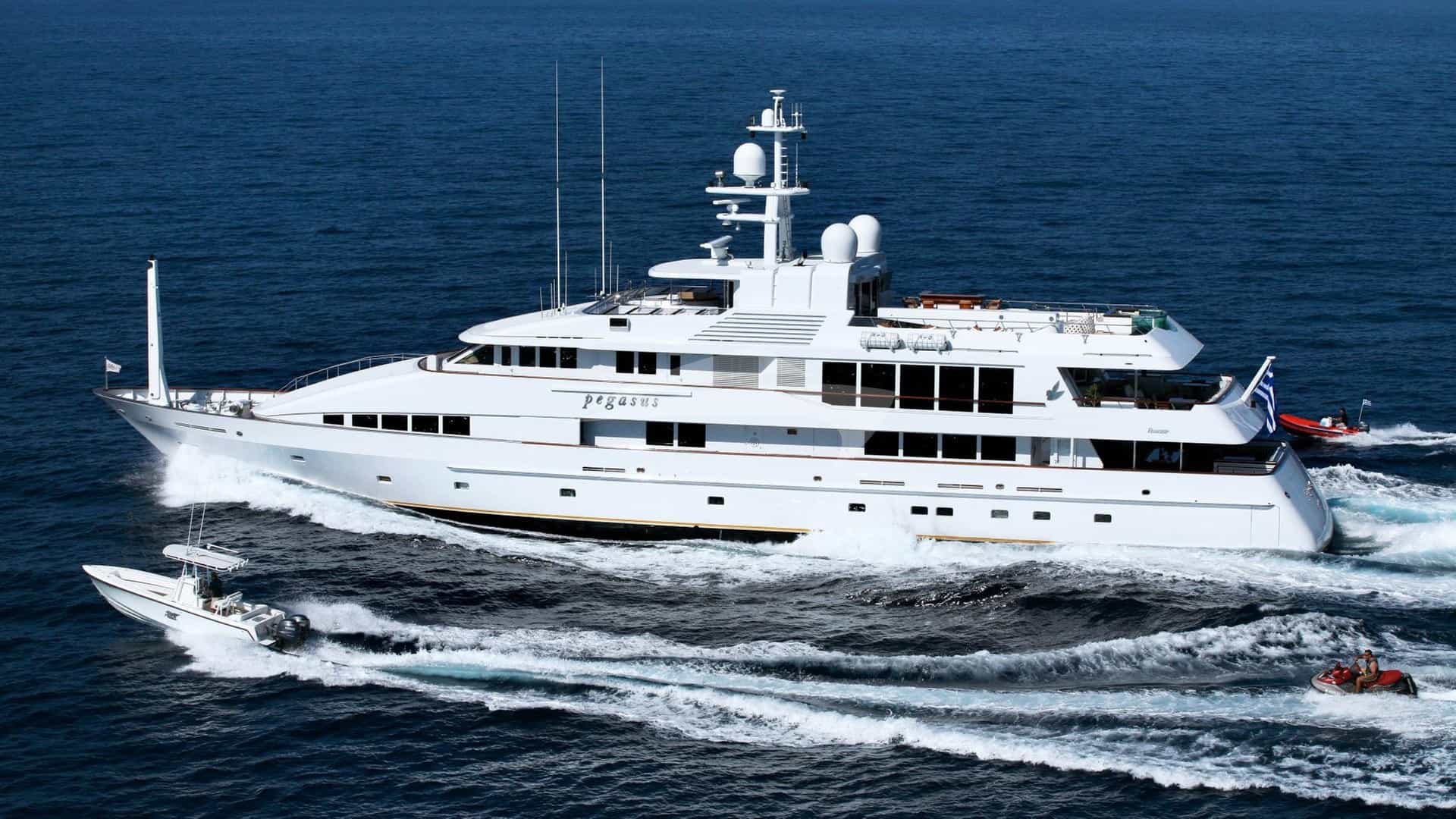
Traditional Indonesian phinisi schooners often relocate away from the region during periods of elevated wind. In contrast, modern ice-strengthened or displacement-hull explorer yachts equipped with zero-speed stabilisers and dynamic positioning systems expand the operational cruising envelope, allowing access to sheltered pockets of the archipelago even during shoulder periods.
Month-by-Month Guide to Cruising Raja Ampat
October to November: The Inter-Monsoonal Opening Window
The charter season begins in earnest in October as the South-East Monsoon dissipates, ushering in the first inter-monsoonal lull. Seas across the entire region flatten to mirror-like calm, making this one of the most advantageous periods for long-distance passages between the northern and southern island clusters.
- Weather and Sea Conditions: Winds are light and variable, generally under 10 knots. Air temperatures average 31°C, with brief afternoon rain showers that clear quickly. Sea temperatures hover around 29°C.
- Visibility and Diving: Underwater visibility begins to surge, often exceeding 25 metres in open water. Plankton blooms are moderate, creating a favorable balance between clear water for wide-angle reef photography and sufficient nutrient density to attract megafauna.
- Navigational Highlights: This is the prime window to execute a complete north-to-south itinerary. An expedition vessel can comfortably cover the 120 nautical miles from Sorong down to the Misool archipelago before heading 180 nautical miles north to Wayag without encountering open-ocean swell.
- Wildlife: The early arrivals of oceanic manta rays (Mobula birostris) begin to filter into the cleaning stations of the Dampier Strait, particularly around Manta Ridge and Blue Magic. Inland, male Wilson’s birds-of-paradise (Cicinnurus respublica) begin their court-clearing displays on the jungle floor of Waigeo.
December to February: The Peak North-West Monsoon
The North-West Monsoon (Musim Barat) brings steady, gentle winds from the north and west. Counter-intuitively for those accustomed to northern hemisphere winters, this is widely considered the prime charter period for Raja Ampat. Northern winds create minimal swell within the inner island chains, while deep ocean upwellings draw exceptional marine life to the surface.
- Weather and Sea Conditions: Predominantly calm, sheltered seas throughout the inner passages of the Dampier Strait, Mansuar, and the Fam Islands. Short tropical rain squalls occur periodically, typically late in the afternoon, maintaining the lush green appearance of the karst islands.
- Visibility and Diving: Plankton density surges in the Dampier Strait and Central Raja Ampat. While this can reduce water visibility down to 12–18 metres in specific channels, it triggers extraordinary feeding events. Sea temperatures remain stable at 28°C–29°C.
- Navigational Highlights: Deep drafts can easily navigate the narrow fjord of Kabui Bay or anchor in the deep lagoon of Wayag, 90 nautical miles north-west of Sorong. Explorer yachts can cross the Equator near the island of Kawe, where long ocean swells break gently against the northern islets.
- Wildlife: Peak manta ray season. Mass aggregations of both reef mantas (Mobula alfredi) and oceanic mantas congregate at shallow cleaning stations such as Arborek Village, Manta Sandy, and Magic Mountain in Misool. Pods of sperm whales and Fraser's dolphins are frequently sighted migrating through the deep waters of the Pitt Strait between Batanta and Salawati.
March to April: The Autumn Transition Sweet Spot
As the North-West Monsoon winds fade, April delivers a second calm inter-monsoonal window. This period is favoured by experienced charterers seeking maximum underwater clarity, minimal wind, and lighter boat traffic across key anchorages.
- Weather and Sea Conditions: Exceptionally calm seas across both northern and southern sectors. High ambient temperatures (32°C) are tempered by smooth night-time sea breezes. Sea temperatures warm slightly to 30°C.
- Visibility and Diving: Water clarity reaches its annual peak, often exceeding 30 metres in Misool and the Kawe group. Plankton levels drop slightly, concentrating marine life on outer reef pinnacles like Cape Kri—where Dr Gerald Allen recorded a record-breaking 374 fish species on a single dive—and the seamounts of Boo Windows.
- Navigational Highlights: Flawless conditions for tendering, kayaking, and paddleboarding through the intricate marine lakes and karst arches of Balbulol and Farondi in Misool. Cruising speeds can be maximized across open stretches without adverse sea states.
- Wildlife: Manta presence remains high, but shifting currents push larger pelagic species, including grey reef sharks, hammerheads, and schoolings of giant trevally, closer to the outer reef drop-offs.
May to June: The Early South-East Monsoon
By late May, the wind vector shifts to the south-east (Musim Timur), signaling the start of the regional shoulder season. Wind speeds pick up to 15–20 knots in the southern ocean corridors, building swell against the outer barrier reefs of Misool.
- Weather and Sea Conditions: Southern regions experience rising swell and periodic squalls. However, the complex topography of Northern Raja Ampat provides extensive shelter. Air temperatures drop slightly to a comfortable 28°C.
- Visibility and Diving: Northern sites in the Dampier Strait and Alyui Bay maintain clear waters and excellent conditions. Southern Misool sites become challenging for tender operations due to surface chop on exposed reefs.
- Navigational Highlights: Shift focus entirely to the sheltered waters of Waigeo, Gam, and Alyui Bay. The deep, fjord-like inlet of Alyui Bay extends 20 nautical miles inland, offering complete protection from all wind directions and access to one of the world's premier macro-diving environments and cultured pearl farms.
- Value and Crowds: Charter demand drops, offering greater flexibility with anchorage selection and permitting. Luxury expedition yachts with high displacement hulls operate in total comfort in the northern sectors while traditional wooden vessels vacate the region.
July to September: The South-East Monsoon Peak
July and August represent the height of the South-East Monsoon. During this period, open-water passages across the Ceram Sea to Misool can experience significant wind-drawn waves and swell up to 2.5 metres. Many boutique charter vessels haul out for annual shipyard maintenance in Bitung or Surabaya, or relocate north to Cenderawasih Bay or east to the Banda Islands.
- Weather and Sea Conditions: Sustained south-easterly trade winds (18–25 knots) affect exposed waters. Overcast skies and sustained rainfall are more common, particularly in the south. Sea temperatures dip to their annual low of 27°C.
- Visibility and Diving: Northern protected zones remain diveable, but underwater visibility drops across open soundings. Stronger tidal currents require precise dive timing around slack water.
- Navigational Highlights: Cruising is restricted to the northern leeward sides of Waigeo and Batanta. The sheltered channels of Gam—such as Kabui Passage, a narrow river-like salt corridor winding between sheer limestone walls—remain calm and navigable by tender.
- Expedition Advantage: For charterers aboard heavy-displacement, ocean-rated explorer yachts, this period offers absolute solitude. The iconic sights of Wayag and the Dampier Strait are devoid of other vessels, allowing for an exclusive interaction with the landscape.
Seasonal Wildlife and Cultural Events
Planning a charter around ecological occurrences provides unique opportunities to witness rare natural phenomena.
Marine Megafauna Aggregations
- Manta Ray Cleaning and Feeding: November to April. Driven by nutrient-rich currents, mantas gather in high numbers at Dampier Strait, Arborek, and Misool's Magic Mountain.
- Whale Shark Encounters: Year-round in Cenderawasih Bay (accessible on extended explorer itineraries east of Raja Ampat), but best combined with a Raja Ampat charter between October and April when sea conditions in the Nabire region are flat calm.
- Cetacean Migration: November and April. Sperm whales, Bryde's whales, short-finned pilot whales, and spinner dolphins pass through the deep ocean trenches of the Dampier and Bougainville Straits during monsoonal transitions.
Avifauna and Terrestrial Expeditions
The dense rainforests covering Raja Ampat's interior host some of the world's most impressive avian life. Early morning land excursions require departing the yacht at 04:30 to reach forest blinds before sunrise.
- *Red Bird-of-Paradise (Paradisaea rubra):* Active year-round in the high canopy behind Sawinggrai and Saporkren villages on Waigeo, with peak display behavior occurring during the drier months of October to March.
- *Wilson’s Bird-of-Paradise (Cicinnurus respublica):* Best observed from October to April on Waigeo and Gam, when low rainfall keeps jungle trail footing secure.
Local Cultural Encounters and Traditional Practices
The indigenous Papuan communities of Raja Ampat maintain a deeply spiritual relationship with the ocean, managed through the Sasi system—a customary marine conservation framework where village elders temporarily close specific reefs to fishing to allow marine stocks to regenerate.
- Opening of the Sasi: Occurs periodically in villages such as Arborek, Yensawai, and Misool (typically between October and December). Charter guests may be invited to witness traditional ceremonies, dance performances, and community feasts featuring papeda (a sago-starch staple) served with ikan kuah kuning (turmeric fish broth) and fresh charcoal-grilled jack trevally (ikan bakar).
Booking Lead Times, Logistics, and Fleet Dynamics
Given the restricted number of high-grade expedition vessels operating in West Papua and the strict environmental limits set by the West Papua Marine Park Authority, forward planning is essential.
Recommended Lead Times
- Peak Season (December to February): 12 to 18 months advance booking is critical to secure premier motor yachts and large displacement vessels for Christmas and New Year charters.
- Shoulder Seasons (October–November & March–April): 6 to 9 months lead time is generally sufficient for flexible dates.
- Specialised Extended Itineraries: Charters combining Raja Ampat with the Banda Islands (Spice Islands) or the Triton Bay region require 12 to 15 months to align seasonal weather windows and clear regional marine park permits.
Logistics and Embarkation Hubs
Sorong (Dominique Edward Osok Airport - SOQ) serves as the primary gateway for all Raja Ampat yacht charters. Direct domestic flights connect Sorong with Jakarta (CGK), Makassar (UPG), and Denpasar, Bali (DPS).
- Embarkation Logistics: Vessels typically load provisions, fuel, and guest luggage at the port of Sorong. A short 35-nautical-mile passage west brings guests directly into the Dampier Strait by nightfall.
- Alternative Ports: Extended routes may disembark in Kaimana (for Triton Bay itineraries) or Biak (for Cenderawasih Bay itineraries), requiring coordinated private aviation transfers.
Yacht Characteristics for Raja Ampat Cruising
Selecting the appropriate vessel platform shapes the charter experience significantly depending on the month chosen:
1. Displacement Explorer Motor Yachts: Feature steel or aluminum hulls, long-range endurance (4,000+ NM), high fuel storage, onboard desalination plants, and advanced dynamic positioning. Essential for navigating open water during shoulder months and anchoring precisely off sensitive coral walls without deploying traditional anchors. 2. Custom Indonesian Phinisis: Hand-built wooden vessels offering immense volume, expansive deck spaces, and an authentic aesthetic. Best scheduled during the peak calm months (November to April) when their broader beam displacement provides smooth, comfortable passage through protected sounds.
Operational Considerations and Seasonal Value
Cruising in West Papua requires remote area self-sufficiency. Unlike the Mediterranean, there are no fully serviced marinas, superyacht bunkering facilities, or shore-side supply hubs once you depart Sorong. Fresh produce, high-end meats, fine wines, and fuel must be imported and staged meticulously by your charter broker and local port agent prior to guest arrival.
Shoulder Season Advantages
Chartering in October or April/May provides notable strategic advantages for guests prioritising privacy and extended cruising routes:
- Exclusivity at Key Anchorages: Iconic, high-demand sites such as the Wayag lagoon or the viewpoint at Piaynemo can be experienced without the presence of other vessels.
- Iterative Route Adjustments: Captains have greater flexibility to adjust itineraries on short notice based on real-time weather reports and localized wildlife sightings without competing for marine park moorings.
- Enhanced Water Clarity: The transitional inter-monsoonal lulls deliver the year's best conditions for underwater photography, open-water hydrofoiling, and deep-wall diving along the outer edges of the Bougainville Strait.
By matching your expedition objectives—whether focused on high-density megafauna encounters, deep jungle exploration, or absolute secluded luxury—with the seasonal vectors of the Indo-Pacific monsoon, an Explorer Yacht Charter Raja Ampat yacht charter delivers an unrivaled journey through the world’s richest marine wilderness.