
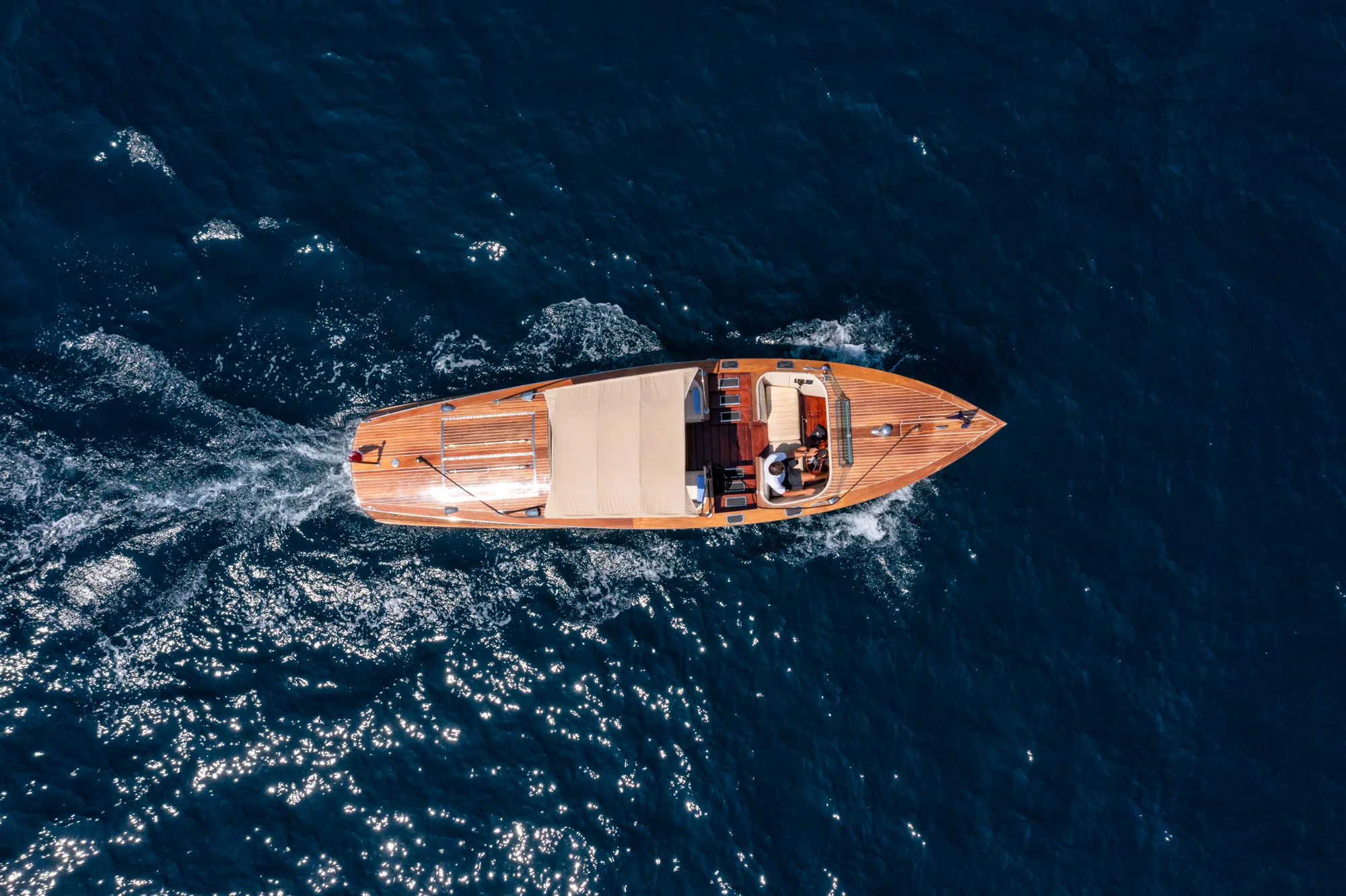
The island of Hvar sits at the epicenter of central Dalmatian cruising. Stretching nearly 37 nautical miles from its western tip at Cape Pelegrin to the eastern shallows off Sućuraj, Hvar presents a unique blend of Venetian heritage, crystal-clear anchorages, and high-octane social scenes. For a family yacht charter in Hvar, the island offers an ideal balance of short, sheltered passages, calm bays for water sports, and historic harbour towns. However, navigating the logistical realities of Hvar requires precise planning. High summer demand, variable coastal microclimates, strict marine park restrictions, and finite quayside infrastructure mean that captain and charter broker must coordinate closely long before the first mooring line is passed ashore.
Securing primary berths, managing bunkering protocols, and arranging fast-track transfers across the Brač Channel dictate the rhythm of a successful itinerary. Whether handling a 24-metre sailing catamaran or a 60-metre motor yacht, understanding the island’s operational landscape ensures a relaxed, uninterrupted experience for guests onboard.
Navigating Hvar’s Primary Harbours and Quays
Berthing on Hvar Island is defined by a sharp contrast between exposed historic quaysides and deep, landlocked inlets. The choice of where to tie up depends entirely on the yacht’s draft, length overall (LOA), and prevailing weather patterns—specifically the regional Maestral (northwesterly thermal breeze), the Jugo (warm, damp southeasterly), and the unpredictable, violent Bura (cold catabatic wind from the coastal mountains).
Hvar Town Riva (Town Waterfront)
Hvar Town’s Riva is one of the Mediterranean’s most prestigious harbour fronts, positioning guests directly beneath the 16th-century Spanish Fortress and alongside the town’s bustling marble plazas. However, from a navigational and operational perspective, it is a high-demand, high-exposure berth.
The town quay offers fewer than 20 commercial berths equipped with lazy lines, managed by the Port Authority of Split-Dalmatia County (Lučka Uprava). Depth along the inner wall ranges from 2.0 metres near the Franciscan Monastery up to 4.5 metres towards the outer extremity near the Arsenal. Yachts over 45 metres LOA generally cannot dock stern-to along the main quay without occupying multiple berth allocations, which requires advance approval and significant fee surcharges.
The principal challenge at Hvar Riva is physical exposure. The harbour is open to the south and southwest. When the Jugo blows or a heavy southwesterly swell rolls through the Pakleni Channel, the harbour becomes uncomfortably surge-prone. In these conditions, large motor yachts must slip their moorings and retreat to the lee of the Pakleni Islands or anchor off in the roadstead south of Galešnik Island.
ACI Marina Palmižana (Sveta Klement)
Situated on the northern shore of Sveta Klement—the largest of the offshore Pakleni Islands—ACI Marina Palmižana serves as the primary operational sanctuary for yachts visiting Hvar Town. Located just 2.4 nautical miles across the Pakleni Channel from Hvar Riva, Palmižana provides 211 berths equipped with power and water connections.
The marina can accommodate vessels up to 30 metres LOA within its inner basins, with draft clearances ranging from 3.0 to 8.0 metres. For larger superyachts exceeding 30 metres, berthing inside the pontoon grid is restricted by channel fairway widths and turning basins. These larger vessels often elect to drop anchor in the outer approaches of Vinogradišće Bay on the southern side of Sveta Klement or tie stern-to lines to the rocks in protected coves, utilizing high-speed tenders for guest runs into Hvar Town.
Palmižana provides exceptional shelter from the Maestral and the Bura. However, strong northerly winds can create a chop in the outer marina basin, requiring heavy double-braided dock lines and adequate fender protection.
Stari Grad Town Quay and Deep Bay
Located on the island’s northern coast, Stari Grad sits at the head of a 5-nautical-mile-long fjord-like bay. Founded by ancient Greeks as Pharos in 384 BC, it offers a starkly different experience to Hvar Town: quiet, spacious, and exceptionally well-sheltered.
The main town quay (Riva) in Stari Grad underwent major infrastructure modernisations, creating a dedicated deep-water waterfront for luxury charter yachts. The southern quayside provides lazy-line berthing for up to 40 vessels, accommodating motor yachts up to 50 metres LOA with drafts up to 4.5 metres.
Stari Grad Bay is entirely protected from all wind directions except strong, sustained westerly gales, which can force a swell down the inlet. For a Family Yacht Charter Hvar yacht charter, Stari Grad represents an ideal overnight berth, offering peaceful sleeping conditions, direct access to authentic Konoba dining, and smooth shore side logistics for young children and elder family members.
Key Mooring Characteristics across Hvar Destinations:
• Hvar Town Riva: High prestige, 15-20 berths, max draft ~4.5m, exposed to S/SW swell.
• ACI Palmižana: Excellent shelter, 211 berths, max LOA ~30m inside, tender access to town.
• Stari Grad Quay: Deep-water protection, max LOA 50m+, max draft ~4.5m, calmest night berth.
• Vrboska ACI: Narrow channel, max LOA 20m, max draft 5.0m, absolute protection.
Secondary Harbours: Vrboska and Jelsa
Further east along the north coast lie Vrboska and Jelsa. Vrboska is home to another ACI Marina, situated at the end of a winding, tree-lined fjord. The channel leading into Vrboska has shallow patches; while draft in the outer channel reaches 5.0 metres, inner pontoon berths restrict vessels to 20 metres LOA and drafts under 3.0 metres. It is best suited for mid-sized sailing yachts and express cruisers.
Jelsa, situated in a open bay 2 nautical miles east of Vrboska, features a newly extended town quay with mooring lines, electricity, and fresh water. It can accommodate vessels up to 30 metres LOA with drafts up to 3.5 metres, though it remains exposed to strong Bura winds blowing off the mainland mountains.
Berth Availability, Reservations, and Booking Windows
The demand for berths along Hvar’s coast during the peak summer season (late June through late August) significantly exceeds available space. Successfully securing quayside space requires an understanding of local reservation systems and harbor master protocols.
For ACI Marina Palmižana and ACI Marina Vrboska, berths can be reserved digitally via the ACI online booking system or the MySea platform. High-season reservations open months in advance, and weekend berths (Friday and Saturday nights) often sell out early in the season. For unreserved arrivals, berths are allocated on a first-come, first-served basis, typically requiring yachts to present themselves at the marina entrance by 11:00 AM as departing vessels drop their lines.
Hvar Town Riva operates under a strict, hybrid booking regime controlled by the Port Authority. While a portion of the quayside is allocated to commercial excursion vessels during daylight hours, luxury charter yachts can secure evening berths (typically from 16:00 PM to 09:00 AM the following morning) through accredited local port agents. Agents submit vessel registration details, LOA, beam, and draft days in advance. Unreserved yachts attempting to dock at Hvar Riva in July or August without agent representation face long wait times at anchor off Galešnik and are rarely accommodated before late evening.
Stari Grad Town Quay operates a more flexible reservation system via its local port authority office, but pre-booking through a broker or local agent is strongly recommended for vessels over 35 metres requiring specific power amperage or side-to berthing.
Superyacht Operational Limits and Deep-Water Anchorages
When vessel dimensions exceed the physical capacity of Hvar’s quays, captains must transition to anchorages. Superyachts over 50 metres LOA or drawing more than 4.5 metres will spend the majority of their time off Hvar at anchor, deploying tenders for guest transfers.
Recommended Anchorages for Vessels >50m LOA:
• Galešnik Roadstead: South of Hvar Town entrance, 15-25m depth, mud/sand, exposed to S wind.
• Vinogradišće Bay: South Sveta Klement, 10-20m depth, sandy bottom, excellent holding, stern line to shore permitted.
• Tiha Bay (Stari Grad): Deep north coast inlet, 12-18m depth, total protection from S/SE winds.
• Luka Šćedro: Island of Šćedro south of Hvar, 8-15m depth, ideal southern retreat during Bura conditions.
Galešnik and the Hvar Roadstead
The roadstead positioned directly south of Galešnik Islet (guarding the entrance to Hvar Town harbour) offers deep-water anchoring in 15 to 25 metres over sand and mud, offering good holding power. However, this anchorage is busy with commercial traffic, water taxis, and day cruisers. Dynamic positioning (DP) or standard twin-anchor set-ups are required. During heavy Jugo conditions, this roadstead becomes uncomfortable due to persistent wave action rolling through the channel.
Vinogradišće Bay (Sveta Klement)
Located on the southern coast of Sveta Klement, Vinogradišće Bay is the premier superyacht anchorage serving the Hvar cluster. The bay features a broad sandy seabed with depths ranging from 8 to 20 metres. Yachts routinely drop anchor in the middle of the cove and run stern lines to shore cleating points or rocks on the western shore.
Vinogradišće offers access to shore side dining options via tender docks, and a short 5-minute foot path across the narrow spine of the island connects guests directly to ACI Marina Palmižana on the northern side. The bay is fully protected from northwesterly Maestral breezes but must be evacuated immediately if a strong southerly Jugo develops.
Šćedro Island Anchorages
Located 1.5 nautical miles off Hvar’s southern coast, the uninhabited island of Šćedro offers exceptional deep-water protection. Luka Lovišće, a deep bay on the northern side of Šćedro, features four distinct arms with depths of 8 to 15 metres over thick weed and mud. It is one of the safest natural anchorages in the Central Adriatic, offering calm water for family swimming, paddleboarding, and water-skiing away from main commercial channels.
Bunkering, Utilities, and Onboard Logistics
Logistical support on Hvar Island requires careful management of fuel, shore power, and fresh water, as local island infrastructure experiences heavy strain during high summer.
Fuel Delivery and Bunkering Constraints
The only retail marine fuel station on Hvar Island is located directly on the quay in Hvar Town, near the Crižni Rat headland. However, this fuel berth presents severe physical constraints: 1. Depth alongside the fuel dock drops to just 2.2 metres at the inner corner. 2. The maneuver basin is tight and constantly crossed by high-speed ferry traffic and local tenders. 3. Queue times during July and August can exceed three hours.
Consequently, superyachts and large crewed charter vessels rarely bunker at the Hvar Town fuel station. Instead, primary bunkering must be conducted prior to crossing to Hvar, or planned around specific mainland stops.
The primary bunkering hubs for yachts operating around Hvar are: Split Northern Port (Sjeverna Luka Split):* Dedicated commercial fuel docks providing duty-free and duty-paid ultra-low sulfur diesel via high-capacity pumps for large superyachts. Bol (Brač Island):* Located 10 nautical miles north of Hvar, featuring a fuel quay accessible to vessels up to 35 metres LOA with maximum drafts of 3.5 metres. Makarska:* Located on the mainland coast 18 nautical miles east, offering fuel for mid-sized vessels.
For large superyachts requiring duty-free bunkering or multi-thousand-litre fills, arrangements are typically made via fuel tankers meeting the vessel at designated commercial quays in Split or Trogir prior to charter embarkation.
Shore Power and Water Supplies
Shore power across Hvar Island varies significantly by location: Hvar Town Riva:* Supplies standard 32-Amp and 63-Amp three-phase electrical connections. Connections for 125-Amp requirements are extremely limited and must be pre-arranged with the port engineer. ACI Marina Palmižana:* Pontoons provide 16-Amp, 32-Amp, and 63-Amp connections. High-draw motor yachts running full air-conditioning systems during heatwaves may need to run onboard generators during peak load times if local voltage drops. Stari Grad Riva:* Equipped with modern utility pillars providing reliable 32-Amp and 63-Amp connections, with select 125-Amp power outlets available on the new quay extension.
Fresh water supply on the islands of Dalmatia is a precious resource. ACI Marina Palmižana receives water via a submarine pipeline from the mainland, but during drought conditions in July and August, the marina may implement water rationing, restricting wash-downs to early morning hours (07:00 to 09:00 AM) or limiting connection times. Captains are advised to run onboard desalination plants (watermakers) while underway in open water between islands to maintain full tanks, reserving shore connections strictly for tank top-ups.
Provisioning Strategy for Family Charters
While Hvar Town and Stari Grad feature local markets (Pjaca) offering fresh Mediterranean produce, wild-caught fish, octopus, and locally produced olive oil, fine-dining provisioning for high-end luxury charters requires a structured supply line from Split.
Leading maritime provisioning companies based in Split deliver orders directly to Hvar via daily private water taxi runs or early morning ferry services to Stari Grad. Specialty items—such as prime dry-aged meats, specific champagne vintages, imported cheeses, and niche dietary goods—must be ordered with 24 to 48 hours' lead time.
For local delicacies, crew can source directly from Hvar suppliers: Wine: High-grade Plavac Mali red wines from the steep southern vineyards of Sveta Nedjelja and Ivan Dolac, alongside crisp white Bogdanuša* from the Stari Grad Plain. Seafood:* Direct purchases from local fishing boats docking at Stari Grad quay between 06:00 and 07:00 AM for fresh sea bass, dentex, and scampi.
Formalities, Transfers, and Crew Logistics
Smooth logistics extend beyond berthing to encompass guest arrivals, border formalities, and crew changes.
Airport Connections and Guest Transfers
The primary international gateway for a Family Yacht Charter Hvar yacht charter is Split Airport (SPU), located on the mainland coast near Kaštela. Transfer options from the airport to the yacht on Hvar are well-established:
1. Direct High-Speed Tender Transfer: Guests clear customs at Split Airport, take a 3-minute private road transfer to the nearby Resnik dock or Divulje helipad, and board a high-speed enclosed chase boat or water taxi (e.g., Triple-engine Ribcraft or luxury Riviera launch). The sea passage across the Brač Channel directly to Hvar Town harbour or Palmižana takes between 45 and 55 minutes, covering approximately 23 nautical miles, weather permitting. 2. Brač Airport (BWK) Option: Private jets can land at Brač Airport, located on the island plateau above Bol. The runway (1,760 metres) accommodates mid-sized business jets such as the Citation XLS or Gulfstream G280. From Brač Airport, a 20-minute vehicle transfer brings guests down to Bol harbour, followed by a brief 15-minute tender crossing to Hvar’s north coast or Pakleni Islands. 3. Helicopter Transfers: Private helicopter transfers operate between Split Airport and certified helipads on Hvar (located near Hvar Town above Stari Grad road) or directly onto larger helideck-equipped superyachts anchored in the roadstead.
Entry Formalities and Customs Ports
Croatia’s entry into the Schengen Area streamlined maritime border protocols for European cruising. However, for yachts arriving from non-Schengen territory (such as Montenegro or Albania) or non-EU flagged vessels, formal border control clearance must be completed at an official Port of Entry (Luka Otvorena za Međunarodni Promet).
The seasonal Ports of Entry on and around Hvar operate as follows: Hvar Town Harbour:* Functions as an official seasonal customs port of entry from April 15 to October 31. The customs quay is located near the main Riva. Vessels arriving from foreign waters must hoist the Q flag, proceed directly to the customs pier, and present vessel documentation, crew lists, and guest passports before dropping anchor or disembarking passengers. Split Harbour:* The primary year-round Port of Entry on the mainland, ideal for yachts conducting clearance prior to entering the island archipelago. Vis Town (Vis Island):* Located 18 nautical miles southwest of Hvar, operating as a seasonal customs port, ideal for yachts arriving from southern Italy or Montenegro.
Marine Park Regulations and Environmental Compliance
The waters surrounding Hvar—particularly the Pakleni Islands archipelago and the Šćedro protected area—are governed by environmental protection laws designed to preserve seagrass meadows (Posidonia oceanica) and underwater marine ecosystems.
Key compliance parameters for yacht crews include: Black and Grey Water Discharge:* Strict zero-discharge zones apply within all bays, coves, and within 3 nautical miles of the coastline. Holding tanks must remain sealed while in the Pakleni Islands, ACI Palmižana, and Stari Grad Bay. Pump-out facilities are available at major marinas by appointment. Anchoring Controls: In designated marine protection zones, anchoring in Posidonia* beds is strictly prohibited. Yachts are required to use sandy seabeds or utilize environmental mooring buoys where provided (such as in Vinogradišće, Vlaka, and Šćedro coves). Waste Management:* Refuse separation (glass, plastic, paper, organic) is enforced at ACI Palmižana and Stari Grad quayside facilities. Crew must drop sorted waste at dedicated collection points rather than handing general bags to dock personnel.
By combining advance berthing reservations with sound seamanship, captains can effortlessly manage Hvar's logistical demands. The result is a smooth, luxurious charter itinerary that allows family guests to focus entirely on the island's rich history, fine cuisine, and pristine waters.