
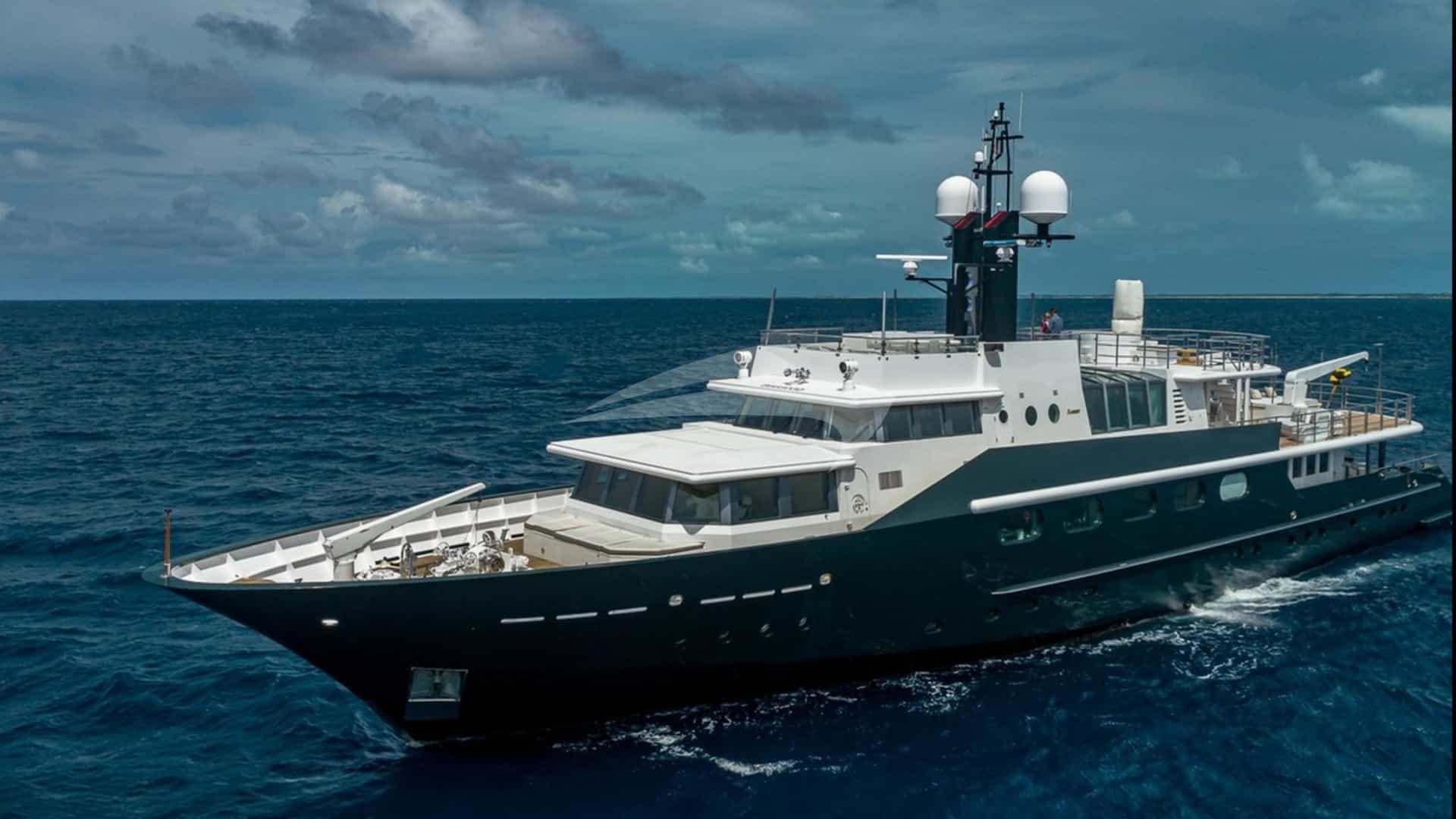
When planning a Luxury Yacht Charter Hvar yacht charter, timing dictates every aspect of the offshore experience. Located in the Central Dalmatian archipelago, Hvar claims the title of the sunniest island in the Adriatic, boasting over 2,700 hours of annual sunshine. Yet behind its reputation for Mediterranean light, clear waters, and vibrant nightlife lies a nuanced marine landscape shaped by seasonal wind systems, fluctuating sea temperatures, and dramatic shifts in harbor congestion.
The character of Hvar transforms radically between May and October. In late spring, the island is a quiet haven of wild herbs, cool breezes, and peaceful anchorages in the Pakleni Islands. By mid-summer, the waters surrounding Hvar Town host some of the world's finest superyachts, while beach clubs along the coast echo with daytime energy. As autumn arrives, the pace slows once more, offering warm seas, wine harvest celebrations, and steady winds ideal for sailing. Understanding these seasonal nuances allows charterers to align their itinerary with their exact preferences for weather, water conditions, culture, and coastal privacy.
The Meteorological Canvas: Winds, Microclimates, and Sea Conditions
To understand Hvar’s charter season, one must first understand the wind patterns that govern the Central Dalmatian coast. The Adriatic marine environment around Hvar is shaped by three primary winds: the Maestral, the Jugo, and the Bora (locally termed Bura).
The Maestral is the benevolent summer thermal wind. Driven by the heating of the mainland, it rises around mid-morning, peaks between 14:00 and 16:00 at a comfortable 12 to 20 knots from the north-west, and dies down before sunset. For charterers cruising between Hvar, Brač, and Vis, the Maestral provides ideal sailing conditions, keeping summer humidity low and creating a predictable afternoon breeze across the Hvar Channel (Hvarski Kanal).
Conversely, the Jugo is a warm, humid south-easterly wind that pushes up from the Mediterranean. Common in spring and late autumn, but occasional in summer, the Jugo builds seas gradually, bringing cloud cover and long rolling swells to southern bays like Vinogradišće and Sveta Nedjelja. The Bora, a cold, dry katabatic wind descending from the coastal Biokovo and Velebit mountain ranges, blows from the north-east. While less frequent during high summer, a summer Bora can clear the air to extraordinary visual clarity, though its fierce gusts require secure anchoring in sheltered northern coves like Uvala Tiha near Stari Grad.
Sea surface temperatures around Hvar climb from a crisp 17°C in mid-May to a bath-like 26°C by early August, remaining near 23°C well into late September due to thermal inertia. The microclimate around the western tip of the island, near Cape Pelegrin, often acts as a weather divide between the sheltered Pakleni Channel (Pakleni Kanal) and the open waters of the Vis Channel (Viški Kanal).
May and Early June: Solitude, Wild Spring Blooms, and Crisp Sailing
May marks the awakening of the charter season across Dalmatia. For charterers prioritizing privacy, quiet anchorages, and active sailing over high-energy nightlife, this early window is exceptional.
During May and early June, daytime air temperatures average 20°C to 24°C. Sea temperatures linger between 18°C and 20°C, which may feel fresh for casual swimming but is ideal for water sports, sea kayaking, and paddleboarding around the rocky coves of Sveti Klement. The island is blanketed in wild sage, broom, and early lavender, filling the coastal air with botanical scents carried on the evening Burin (land breeze).
Navigational conditions in May are dynamic. The seasonal thermal patterns are establishing themselves, offering brisk morning and afternoon breezes that reward performance sailing yachts and large crewed catamarans. Anchorages that become crowded in July—such as Uvala Ždrilca, Carpe Diem Beach at Stipanska on Jerolim, and the shallow turquoise waters of Palmižana—are virtually empty.
Cruising south-east along Hvar's sheer southern coastline toward Sveta Nedjelja, yachts can drop anchor beneath the towering limestone cliffs. The water clarity in spring is remarkable, often exceeding 30 metres of vertical depth visibility. Visually, the contrast between the snow-white karst, deep blue water, and brilliant spring greenery is at its peak.
From a logistics perspective, early-season charters offer substantial benefits. Charter rates for many vessels remain in low-season brackets, providing savings of 15% to 30% compared to peak August weeks. Furthermore, securing a berth on the coveted Hvar Town quay (Riva) or inside ACI Marina Palmižana requires minimal advance coordination, allowing captains flexibility to adjust itineraries based on daily weather patterns rather than rigid marina bookings.
Late June to Mid-July: The Midsummer Transition
By late June, the Adriatic enters its prime summer state. Ambient air temperatures rise to 28°C–31°C, and the sea warms to an inviting 22°C–24°C. Daylight stretches past 20:30 around the summer solstice, giving charter guests long afternoons to anchor in quiet coves before heading ashore.
This period marks the start of Hvar’s cultural and social season. In late June, the village of Velo Grablje—located inland in the hills behind Hvar Town—hosts the annual Lavender Festival. The air across the island's interior plateau is filled with the scent of blooming fields, and local producers gather to showcase essential oils, honey, and traditional crafts.
For yacht charters, late June and early July hit a sweet spot between weather stability and volume. The Maestral blows with predictable regularity, filling in around 11:00 each morning to provide relief from the midday sun and push sailing vessels comfortably across the 12 nautical miles from Hvar to Bol on the southern shore of Brač.
By early July, the social scene in Hvar Town comes alive. Superyachts line the main quay, their stern lines secured to the polished stone rings beneath the 16th-century Spanish Fortress (Fortica). The high-end beach establishments across the Pakleni Islands open fully, offering fine dining, day clubs, and secluded tender access for arriving yacht guests.
During this mid-season phase, booking lead times begin to contract availability. Premium crewed catamarans and motor yachts in the 30-to-50-metre class are routinely secured six to nine months in advance for early July dates.
Mid-July to August: High-Season Energy and Mediterranean Glamour
Mid-July through August represents the peak of Hvar's charter calendar. Ambient temperatures peak between 30°C and 35°C, while sea surface temperatures reach 25°C to 26°C. The water is warm, calm, and ideal for long days spent swimming, using sea bobs, and dining on aft decks anchored in transparent bays.
During these six weeks, Hvar becomes one of the premier gathering points for the international luxury yachting community. The harbor of Hvar Town is a spectacle of world-class motor yachts, sleek displacement hulls, and classic sailing vessels. The atmosphere ashore is lively, with world-class dining, bustling champagne bars, and historic stone alleys filled with night-time energy.
However, navigating Hvar in high summer requires clear tactical planning by charter brokers and captains. The main quay in Hvar Town offers limited berths for large yachts, and space must be secured early through local port authorities or maritime agents. Vessels unable or undesirous of mooring directly on the quay typically anchor off Galešnik islet or in the lee of Sveta Klement, using high-speed tenders to ferry guests to town in under ten minutes.
To balance the high energy of Hvar Town, experienced captains craft itineraries that seek out quieter anchorages during peak midday hours:
- Uvala Tiha and Soline (Stari Grad Bay): Located on the northern side of Hvar, these deep, sheltered inlets offer total protection from south and west swells, surrounded by pine forests and quiet waters ideal for overnight anchorages.
- Šćedro Island: Situated 2.5 nautical miles off Hvar’s southern coast, the uninhabited island of Šćedro offers deep, sheltered coves like Lovišće and Mostir, where classic konobas serve fresh octopus and lobster directly to visiting yachts.
- The Vis Archipelago: Located 18 nautical miles south-west of Hvar Town, Vis provides a dramatic, lower-density alternative during peak August weeks, featuring the iconic Blue Cave (Modra Špilja) on Biševo and the hidden inlet of Stiniva.
Gastronomy during peak summer revolves around fresh seafood and cold local wines. Onboard chefs and local taverns focus on Hvarska gregada—a traditional fishermen’s stew made with scorpio fish, white fish, potatoes, olive oil, and white wine—paired with chilled Bogdanuša or Pošip, indigenous white grape varieties grown on the sun-baked plains of the island.
September: The Connoisseur’s Month
Among seasoned charterers, luxury brokers, and local captains, September is widely regarded as the ultimate month for a charter around Hvar. The intense midsummer heat softens into comfortable daytime temperatures of 25°C to 28°C, while sea temperatures remain at a warm 23°C to 25°C thanks to months of stored solar heat.
By early September, European school holidays end, and overall visitor volume drops by more than half. The waters around the Pakleni Islands revert to a peaceful state, allowing yachts to drop anchor in prized spots like Vinogradišće or Uvala Ždrilca without competing for space.
The meteorological pattern in September remains stable, dominated by gentle afternoon thermal breezes and clear skies. It is an exceptional month for cruising between Hvar, Korčula (22 nautical miles south-east), and the Lastovo Archipelago Nature Park.
September coincides with the agricultural harvest across Hvar. Inland, the UNESCO-listed Stari Grad Plain (Ager)—a cultural landscape preserved continuously since ancient Greek colonization in the 4th century BC—comes alive with the grape harvest (Berba). Vineyards produce renowned red wines from the Plavac Mali grape, grown on the sheer, sun-drenched southern slopes of Ivan Dolac and Sveta Nedjelja. Charter guests can take a private helicopter or vehicle tour into the island’s interior for private vineyard tastings before returning to their yacht for a sunset cruise.
Logistically, September offers flexible berth access, lower charter rates starting after the first week of the month, and effortless access to Hvar's top dining establishments without multi-week advance reservations.
October: Deep Tranquility, Cultural Heritage, and Dynamic Sailing
October brings the quiet close of the Adriatic charter season. While many large superyachts begin their Mediterranean transit or head into shipyards for maintenance by mid-month, early to mid-October offers rewarding conditions for sailors, cultural enthusiasts, and travelers looking for total privacy.
Daytime temperatures range from 20°C to 23°C, while sea temperatures average 21°C—still comfortable for swimming on sunny afternoons. The lighting in October is exceptionally clear, casting dramatic gold and bronze hues across the limestone town facades and olive groves.
Wind conditions in October become more dynamic. The summer Maestral fades, replaced by autumn fronts that bring sharper north-easterly breezes or rolling south-easterlies. For active sailing enthusiasts aboard performance catamarans or monohulls, October offers some of the most thrilling sailing conditions of the year, with open channels and empty sea lanes.
Ashore, Hvar Town returns to its authentic local rhythm. Historic sites such as the Franciscan Monastery, the Arsenal, and Europe’s oldest public theater (built in 1612) can be explored without crowds. While some seasonal beach clubs close by late September, authentic local konobas and waterfront bistros remain open, serving autumn specialties like wild game, truffles, black risotto, and slow-roasted meats prepared under an iron bell (peka).
October also brings excellent shoulder-value pricing, making it an ideal time for extended two-week itineraries exploring the full length of the Dalmatian coast from Split down to Dubrovnik.
Key Seasonal Comparison for Hvar Yacht Charters
- May to Early June
- Air Temperature: 20°C – 24°C
- Sea Temperature: 18°C – 20°C
- Crowd Level: Low
- Sailing Conditions: Moderate to fresh winds; excellent for active sailing
- Highlights: Wild flora in bloom, empty anchorages, maximum rate flexibility
- Late June to Mid-July
- Air Temperature: 27°C – 31°C
- Sea Temperature: 22°C – 24°C
- Crowd Level: Moderate to high
- Sailing Conditions: Reliable afternoon Maestral (12–18 knots)
- Highlights: Lavender harvest in Velo Grablje, long daylight hours, vibrant dining
- Late July to August
- Air Temperature: 30°C – 35°C
- Sea Temperature: 25°C – 26°C
- Crowd Level: Peak
- Sailing Conditions: Calm to gentle thermals; hot days
- Highlights: High-energy social scene, warm sea swimming, luxury beach clubs
- September
- Air Temperature: 25°C – 28°C
- Sea Temperature: 23°C – 25°C
- Crowd Level: Moderate to low
- Sailing Conditions: Steady, warm winds; reliable cruising weather
- Highlights: Wine harvest in Stari Grad Plain, warm seas, quiet anchorages
- October
- Air Temperature: 19°C – 23°C
- Sea Temperature: 20°C – 22°C
- Crowd Level: Very low
- Sailing Conditions: Dynamic autumn fronts; rewarding performance sailing
- Highlights: Cultural heritage exploration, autumn gastronomy, peaceful waters
Festivals, Regattas, and Cultural Events
Timing a charter around Hvar’s regional events adds depth and local flavor to an itinerary. The island hosts several distinct cultural and maritime traditions throughout the year:
- Za Križen (Procession Following the Cross): Held annually on Maundy Thursday (early spring) across six villages including Jelsa and Vrboska. Recognized by UNESCO, this night-time torchlit pilgrimage has continued unbroken for over 500 years.
- Velo Grablje Lavender Festival (Late June): Celebrates Hvar's lavender heritage with exhibitions, workshops, culinary tastings, and traditional music in the restored stone village of Velo Grablje.
- Hvar Summer Festival (July through September): A season-long cultural festival featuring classical concerts, opera performances, and theatrical productions hosted inside historic venues like the Franciscan Monastery Cloister and St. Stephen’s Square.
- Faros Marathon & Stari Grad Sailing Week (September): An international open-water swimming marathon held in the sheltered waters of Stari Grad Bay, accompanied by local sailing regattas celebrating traditional wooden boats (gajeta and pasara).
Planning Lead Times and Fleet Strategy
Given Hvar's popularity, securing the ideal vessel and securing preferred dates requires a clear booking timeline. Fleet availability in Dalmatia follows structured patterns based on vessel size and category.
For peak summer weeks (July and August), top-tier crewed catamarans and motor yachts between 24 and 45 metres typically book out 8 to 12 months in advance. Key calendar slots—such as mid-July through mid-August—are often retained by repeat charter guests long before the winter season begins.
For shoulder-season dates in June or September, booking lead times of 4 to 6 months generally offer excellent yacht availability and greater choice regarding embarkation ports ( Split, Trogir, or Dubrovnik).
When planning an itinerary around Hvar, fleet selection should align directly with your timing and cruising style:
- Sailing Yachts & Performance Catamarans: Best suited for May, June, and September, when steady thermal breezes allow true under-sail cruising across the Hvar and Korčula channels without reliance on engines.
- Large Motor Yachts & Displacement Vessels: Ideal for July and August, offering air-conditioned comfort, extensive indoor/outdoor entertainment spaces, stabilization systems for open-water anchorages, and high-speed tenders to navigate busy harbor logistics easily.
Whether your goal is to experience the high-energy social pulse of August, sail along quiet coastlines in May, or savor the wine harvest in September, timing your Hvar yacht charter ensures an exceptional journey through one of the Mediterranean’s finest island destinations.
Tactical Advice for Hvar Yacht Charters
- Reserve Town Berths Early: If mooring directly on the main quay in Hvar Town is a priority during July or August, confirm berth reservations through your broker or agent several weeks in advance.
- Leverage Dual Anchorages: Use sheltered northern coves like Uvala Tiha during periods of strong south-easterly Jugo winds, and switch to southern bays like Vinogradišće during northern Bora conditions.
- Plan Around Tender Distance: When anchoring off the Pakleni Islands, ensure your chosen charter vessel carries a fast, high-capacity tender for comfortable night transfers to Hvar Town's restaurants.
- Combine Island Microclimates: Take advantage of Hvar’s central position to pivot your itinerary easily—cruise 18 nautical miles south-west to Vis for open-sea tranquility or head 12 nautical miles north-east to Brač for sheltered water sports.