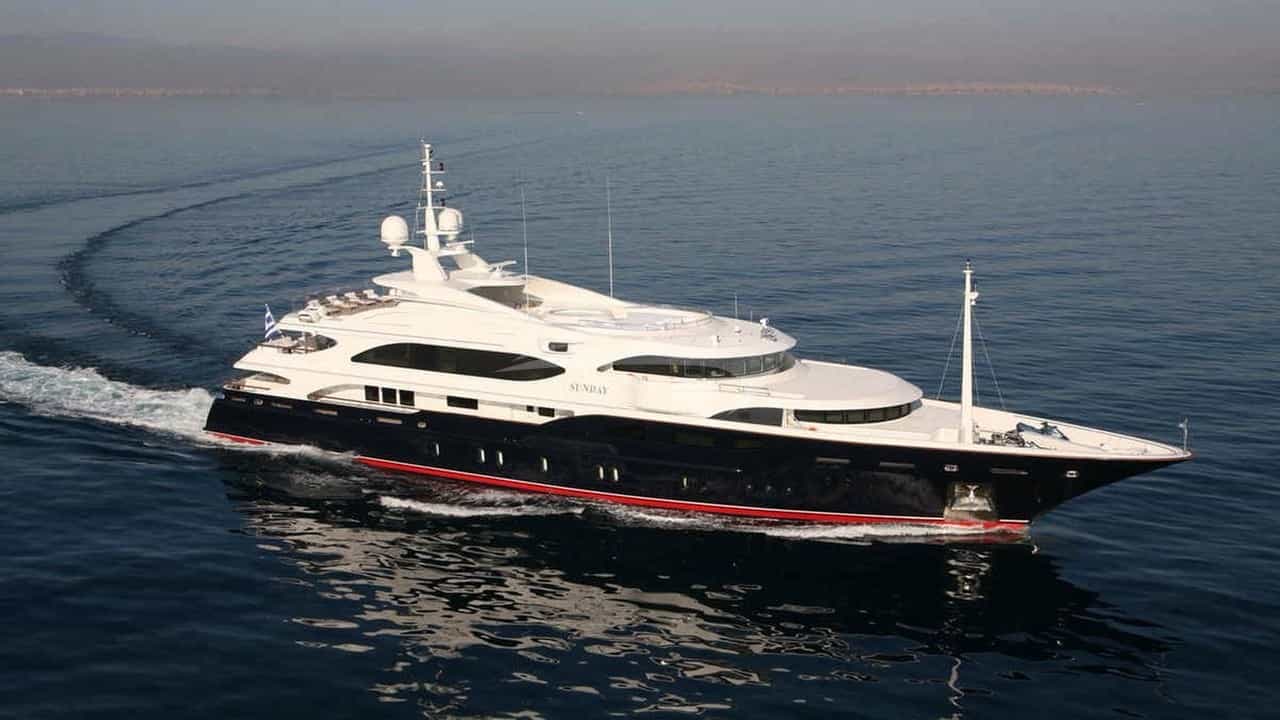
Standing at the geographic pivot where the Atlantic Ocean surges into the Mediterranean Sea, the northern coast of Morocco presents one of the most compelling cruising grounds in luxury yachting. Tanja Marina Bay, situated in the heart of Tangier’s historic harbour, serves as the primary hub for this region. Designated as the Morocco Atlantic Gate, this modern facility features 40 dedicated superyacht berths capable of accommodating vessels up to 50 metres LOA.
Cruising these waters demands a nuanced understanding of local weather systems, tidal dynamics, and seasonal shifts. Unlike the predictable summer rhythms of the French Riviera or the Balearics, a Morocco Atlantic Gate Yacht Charter yacht charter operates at the intersection of two distinct oceanic personalities. To the west lies the open Atlantic, characterized by deep oceanic swells, cooler water, and dramatic headlands such as Cap Spartel. To the east, beyond the narrow choke point of the Strait of Gibraltar, lie the warmer, sheltered waters of the Moroccan Mediterranean Riviera, stretching past Marina Smir toward the pristine marine park of Al Hoceima.
Timing a charter in this region is not merely about chasing sunshine; it requires balancing wind patterns, sea conditions, cultural events, and regional clearance logistics. This guide provides an authoritative, month-by-month breakdown to help charterers and captains select the optimal window for their itinerary.
Meteorological Overview: The Battle of the Winds
To understand the seasons along Morocco’s northern coast, one must first understand the two dominant winds that govern the Strait of Gibraltar: the Levanter and the Ponente.
The Levanter is a prevailing easterly wind born in the central Mediterranean. As it funnels through the narrow gap between the Moroccan Rif mountains and the Spanish Sierra Nevada, it accelerates sharply. During peak summer months, a strong Levanter can blow at 25 to 35 knots for three to five consecutive days, building a short, steep chop in the Strait and creating iconic cloud formations over the Rock of Gibraltar and Mount Hicham.
Conversely, the Ponente brings cool, westerly air off the Atlantic. It clears the atmosphere, dropping humidity and bringing longer, rolling Atlantic swells that break against Cap Spartel and the Caves of Hercules. In late spring and autumn, a third, localized wind known as the Chergui can blow off the Sahara from the south-east, bringing warm temperatures and dusty skies.
Understanding these wind dynamics allows experienced captains to tailor daily itineraries. When the Levanter blows hard, yachts can find calm anchorage on the leeward side of Cap Spartel or tuck into the modern basins of Tanja Marina Bay. When the Ponente dominates, the Mediterranean coastline east of Ceuta—including the sandy bays of Tamuda Bay and Marina Smir—offers glassy, protected waters.
Spring: April to June
Spring marks the transition from Atlantic winter depressions to stable Mediterranean summer weather. Sea conditions settle rapidly during May, making early season charters particularly rewarding for guests seeking lower crowd levels and mild land temperatures.
### April: The Transitional Month April is characterized by variable weather, with daytime air temperatures averaging 19°C to 21°C. Water temperatures remain crisp at roughly 16°C, making swimming a brisk affair. While Atlantic swells can still affect the exposed western coast, the hills surrounding Tangier and Tetouan are lush and green. April is best suited for itineraries that combine brief coastal passages between Tanja Marina Bay and Marina Smir with extensive shore excursions to the imperial cities of Fez or the blue-washed alleyways of Chefchaouen, situated two hours inland in the Rif Mountains.
### May: The Opening Window May sees a significant stabilization of weather patterns. Air temperatures comfortably reach 23°C, while sea temperatures edge up to 18°C. The flow of Atlantic water into the Mediterranean creates rich feeding grounds in the Strait, attracting migratory pod species. May is the premier month for sighting pods of long-finned pilot whales and striped dolphins off Cap Malabata.
Charters departing Tanja Marina Bay during May enjoy quiet anchorages along Plage Dalia, a pristine crescent of sand located 18 nautical miles east of Tangier near the entrance to the Strait. Berth availability in Tanja Marina Bay is flexible, allowing last-minute itinerary adjustments without the pressures of high-season congestion.
### June: Pre-Peak Perfection June is arguably one of the finest months for a Morocco Atlantic Gate itinerary. Air temperatures average 26°C, ocean swells diminish, and sea temperatures reach a comfortable 20°C. Long daylight hours allow for extended day runs across the Strait to Tarifa (15 nautical miles) or east to Ceuta and Marina Smir (35 nautical miles).
During June, the local tuna fishing season (Almadraba) reaches its height off the Atlantic coast. This ancient, sustainable trap-netting technique yields exceptional bluefin tuna, which is delivered directly to top restaurants in Tangier and aboard chartered vessels by local fishmongers.
Summer: July and August
July and August represent the absolute peak of the charter season across northern Morocco. The region becomes a summer retreat for high society, international visitors, and the Moroccan royal family, whose summer presence in Tetouan and Tangier brings a sophisticated, vibrant atmosphere to the coastal resorts.
### July: High Summer and Royal Celebrations July delivers ideal beach weather, with daytime air temperatures averaging 28°C to 30°C along the coast, mitigated by afternoon sea breezes. Sea temperatures rise to 22°C on the Atlantic side and up to 23°C east of Cap Malabata.
Navigational conditions are generally excellent, though charterers must account for occasional strong Levanters. Anchorages such as Belyounech, located directly opposite the island of Isla de Perejil at the base of Jebel Musa, offer deep, clear water for swimming, paddleboarding, and snorkeling in stable summer weather.
Cruising during late July coincides with Throne Day on July 30th, a major national holiday marked by official celebrations, light displays, and festivities throughout Tangier. Due to high demand for superyacht berths, securing space at Tanja Marina Bay during July requires advance planning.
### August: Warm Waters and Bustling Ports August brings the highest water temperatures of the year, peaking at 24°C in the Mediterranean sector around Marina Smir and Tamuda Bay. Air temperatures frequently reach 31°C, though coastal humidity is lower than in the Balearics or Southern Italy.
The waters of the Strait see heavy maritime traffic in August, including commercial shipping, fast ferries between Tangier Ville and Tarifa, and local pleasure craft. Captains navigate the Traffic Separation Scheme (TSS) in the Strait with precision, utilizing the counter-currents along the Moroccan shoreline to maintain comfortable transit speeds.
Key highlights of an August charter include: * Day anchorages off the red cliffs of Cap Spartel, enjoying afternoon watersports in Atlantic waters before retreating to the shelter of Tanja Marina Bay. * Cruising east to the remote beaches of Cala Iris and Badis within the Al Hoceima National Park, where dramatic limestone cliffs drop straight into turquoise waters. * Dining ashore in Tangier’s Kasbah at converted palaces serving modern Moroccan gastronomy, including pastilla, sea bass cooked in coarse salt, and delicate almond pastries.
Due to peak demand, securing a 50-metre berth in Tanja Marina Bay or arranging cross-strait transits to Gibraltar or Puerto Banús during August requires a minimum lead time of six to eight months.
Autumn: September and October
As summer crowds disperse in late August, the region enters what many professional captains consider the "Golden Season." Autumn brings gentle weather, warm seas, and stable atmospheric conditions across northern Morocco.
### September: The Captain’s Choice September provides an extraordinary cruising environment. Sea temperatures remain at their summer high of 23°C to 24°C, while air temperatures settle into a pleasant 26°C. The strong summer Levanters diminish, replaced by light morning breezes and calm sea states.
During September, the berth turnover at Tanja Marina Bay eases, allowing charterers maximum flexibility to alternate between nights spent at urban berths and nights spent at anchor under the stars off Plage Dalia or Belyounech. Shore excursions are particularly pleasant, as temperatures in inland Tetouan (celebrated for its UNESCO-listed Andalusian Medina) drop to comfortable walking levels.
### October: Soft Light and Quiet Anchorages October offers mild, lingering warmth with daytime air temperatures averaging 23°C and water temperatures hovering around 20°C. Sunlight takes on a soft, golden quality over the Strait, making this an exceptional month for photography and leisurely coastal exploration.
While late October can bring the first autumn rains and occasional Atlantic swells, the Mediterranean coast down to Al Hoceima remains largely protected. October charters offer exceptional value for clients seeking a relaxed pace, clear cruising routes, and immediate berth availability without peak-season surcharge structure.
Winter: November to March
The winter months represent the off-season for active luxury yacht charters in northern Morocco. Between November and March, Atlantic low-pressure systems bring higher swells, increased rainfall, and cooler air temperatures ranging from 14°C to 17°C. Water temperatures drop to 15°C.
During this period, Tanja Marina Bay operates primarily as a secure wintering port and transit stopover for yachts migrating between the Western Mediterranean and the Canary Islands or the Caribbean. The marina’s modern breakwaters provide total protection from Atlantic swells, while its state-of-the-art fueling, security, and crew facilities make it an ideal base for maintenance, crew changes, and berth holds.
For visitors during winter, the region's focus shifts entirely ashore. Tangier’s cultural revival—highlighted by the restored Villa de France, the American Legation Museum, and the vibrant cafes of the Petit Socco—offers rich cultural experiences that operate independent of maritime weather.
Month-by-Month Cruising Conditions
| Month | Avg Air Temp (°C) | Avg Water Temp (°C) | Wind Profile | Crowd Density | Recommended Focus |
|---|---|---|---|---|---|
| April | 20 | 16 | Variable / Atlantic Swells | Low | Cultural Land Tours & Short Coastal Runs |
| May | 23 | 18 | Light Easterly / Ponente | Low-Moderate | Marine Life Spotting & Spring Sightseeing |
| June | 26 | 20 | Gentle Levanter / Clear | Moderate | Atlantic Coast & Gastronomy Itineraries |
| July | 29 | 22 | Moderate-Strong Levanter | High | Tangier Nightlife & Tamuda Bay Anchorages |
| August | 31 | 24 | Strong Levanter / Thermal | Peak | Swimming, Water Sports & Al Hoceima Runs |
| September | 27 | 23 | Calm / Light Breezes | Moderate | Full Regional Cruising & Island Crossings |
| October | 23 | 20 | Soft Breezes / Early Rains | Low | Relaxed Coastal Passageing & Culture |
Multi-Destination Crossings and Strategic Extensions
A principal advantage of booking a Morocco Atlantic Gate Yacht Charter yacht charter is Tangier’s strategic location relative to major European yachting centers. The proximity of southern Spain and Gibraltar allows captains to construct multi-country itineraries within a single charter week.
### Tangier to Gibraltar (33 Nautical Miles) Crossing the Strait northeast to Gibraltar takes approximately two to three hours at standard displacement cruising speeds. Guests can experience the dramatic contrast between Tangier's North African energy and the British enclave of Gibraltar. Gibraltar offers tax-free bunkering, high-end shopping, and historic tours of the Upper Rock before returning to Moroccan waters.
### Tangier to Puerto Banús / Marbella (68 Nautical Miles) Heading east-northeast along the Costa del Sol, a run to Puerto Banús allows charterers to combine the exotic allure of Morocco with the glitz of Marbella’s beach clubs and Michelin-starred dining. This route crosses the convergence zone where Atlantic water flows over deeper Mediterranean layers, often producing remarkable oceanographic phenomena and marine bird sightings.
### Tangier to Marina Smir and Tamuda Bay (38 Nautical Miles via Ceuta) Rounding Cap Malabata and passing east through the Strait brings yachts along the mountainous northern coastline of Morocco. Passing the Spanish enclave of Ceuta, yachts enter the calm, warm waters of Tamuda Bay. Marina Smir provides an excellent secondary base with full superyacht services, ideal for accessing the luxury resorts, golf courses, and private beach clubs stretching toward Tetouan.
Planning Lead Times, APAs, and Logistics
Executing a seamless charter in northern Morocco involves specific logistical considerations that differ slightly from standard EU itineraries.
### Booking Horizons and Berth Holds To secure prime mid-summer dates (July through August), charterers should initiate bookings six to nine months in advance. While Tanja Marina Bay features 40 superyacht berths for vessels up to 50 metres LOA, demand spikes during peak royal visits and national holidays. For May, June, and September charters, a lead time of three to four months is generally sufficient to secure desired dates and vessel preferences.
### Advanced Provisioning Allowance (APA) The typical Advanced Provisioning Allowance (APA) for a Moroccan itinerary ranges from 30% to 35% of the base charter fee. This covers: * Bunkering and fuel consumption (significantly lower tax rates apply for fuel purchased in Morocco compared to mainland Europe). * Custom clearance fees for international transits between Morocco, Spain, and Gibraltar. * Specialized provisioning of imported fine wines, spirits, and specific international ingredients, which require advance customs clearances through local ship chandlers. * Dockage fees at Tanja Marina Bay, Marina Smir, or European ports of call.
### Formalities and Clearances Morocco is outside the Schengen Zone. Cruising between Moroccan ports and European destinations like Tarifa, Gibraltar, or Puerto Banús requires formal passport control and customs clearances at every entry and exit. Experienced yacht crews handle these formalities efficiently at Tanja Marina Bay’s dedicated maritime border terminal, minimizing disruption to guest schedules.
Whether embarking on a high-summer expedition through the Strait of Gibraltar or soaking in the tranquil golden light of a September passage to Al Hoceima, the Morocco Atlantic Gate represents one of the Mediterranean’s most captivating maritime frontiers. By aligning your itinerary with the seasonal rhythms of the winds and tides, you ensure a voyage of unmatched comfort, culture, and nautical discovery.