French Riviera Charter: An Operational Briefing
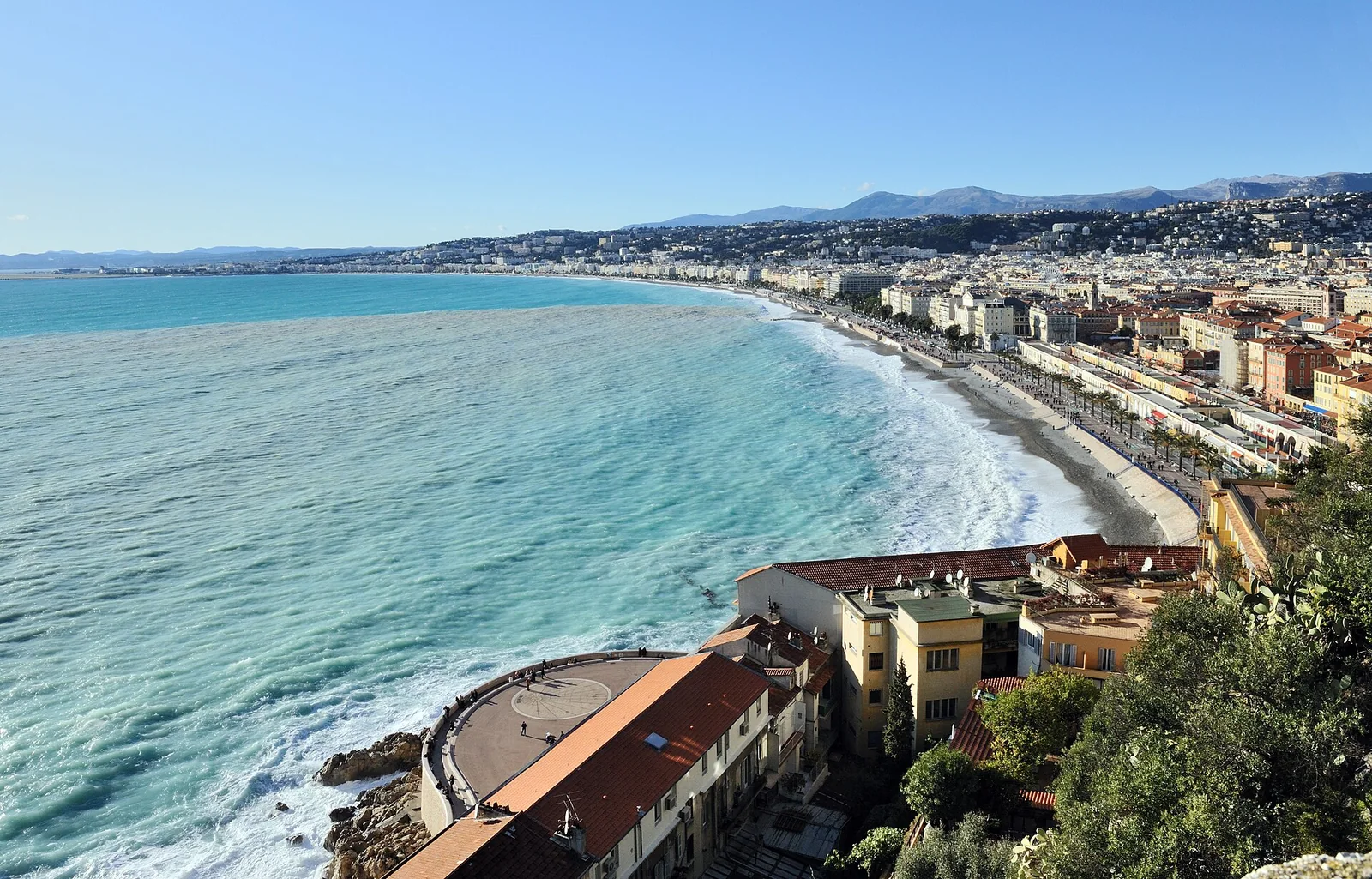
The Côte d'Azur is not a discovery; it is a benchmark. For the principal considering a Mediterranean season, it remains the blue-chip asset in the charter portfolio—liquid, predictable, and delivering high-impact returns when executed correctly. The challenge is not finding the beauty, but navigating the density. Demand for prime-time berths, anchorages, and restaurant tables has rendered the casual approach obsolete. A successful Riviera charter is now a logistical operation, planned with the precision of a corporate acquisition. This is the broker's-seat view for the 2026 season.
The Golden Triangle Itinerary: Monaco to Saint-Tropez
This 7-to-10-day route is the quintessential Riviera experience. It balances high-energy hubs with protected anchorages, providing a framework that can be tailored for privacy or visibility.
Day 1-2: Monaco & The Eastern Edge
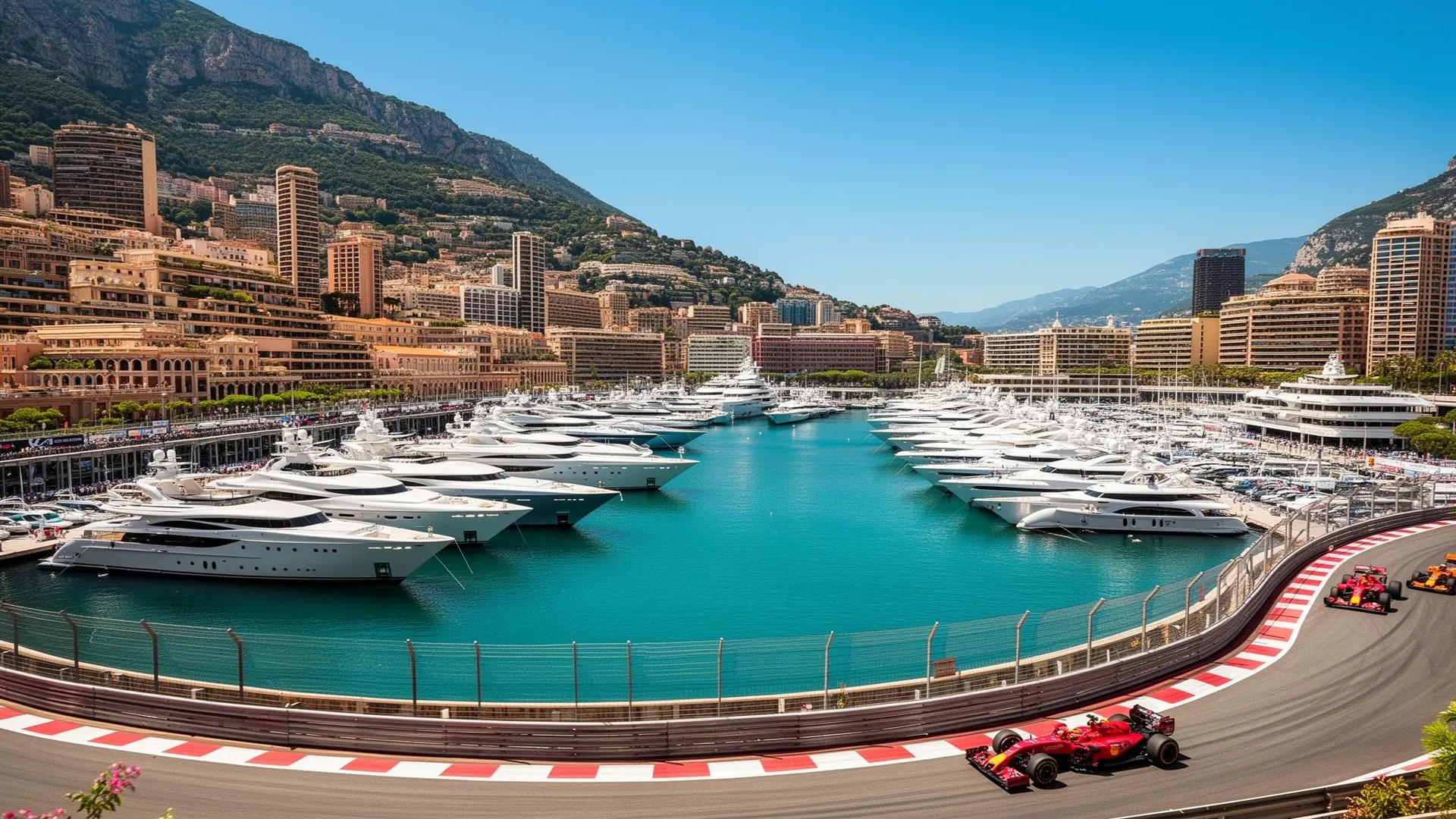
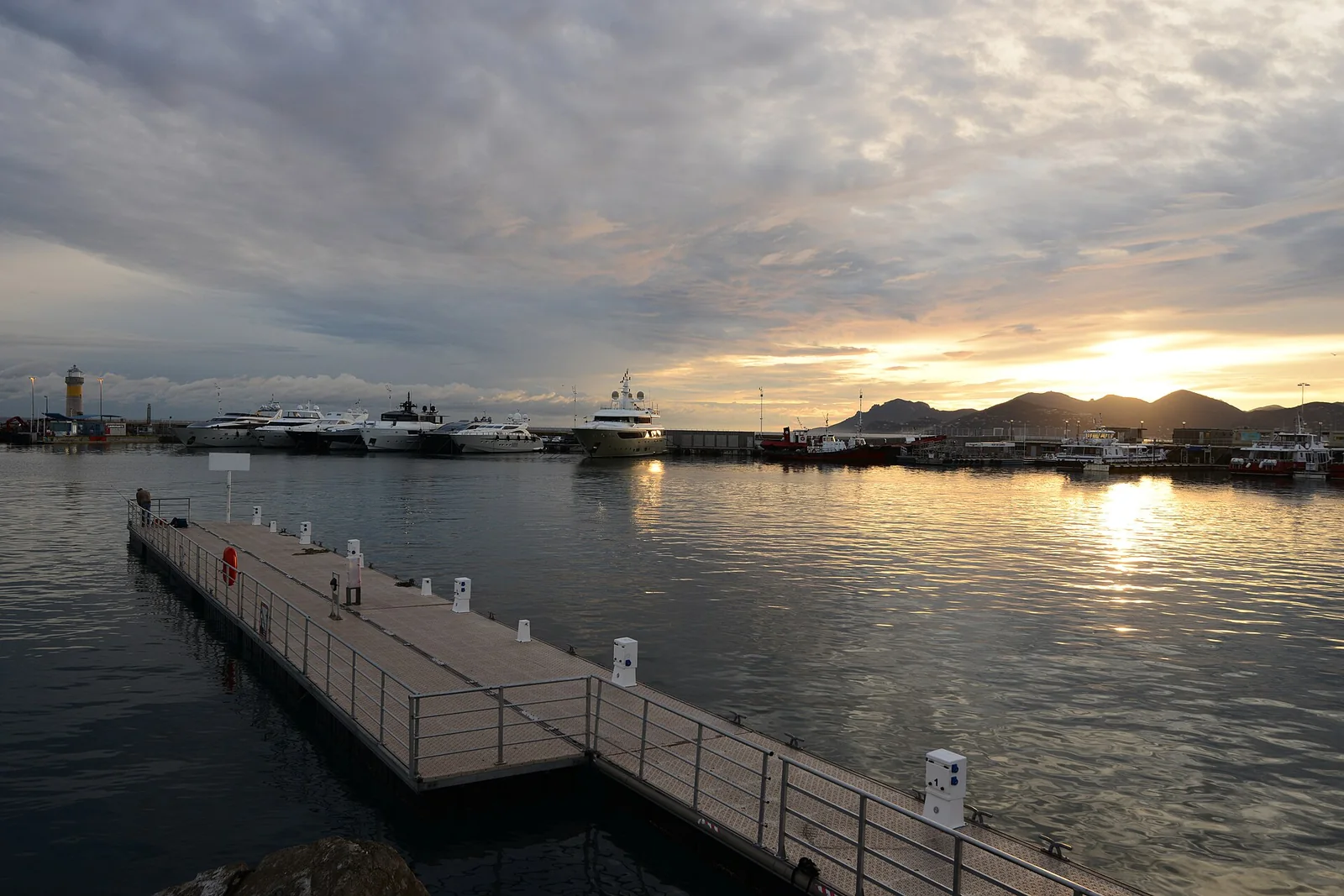
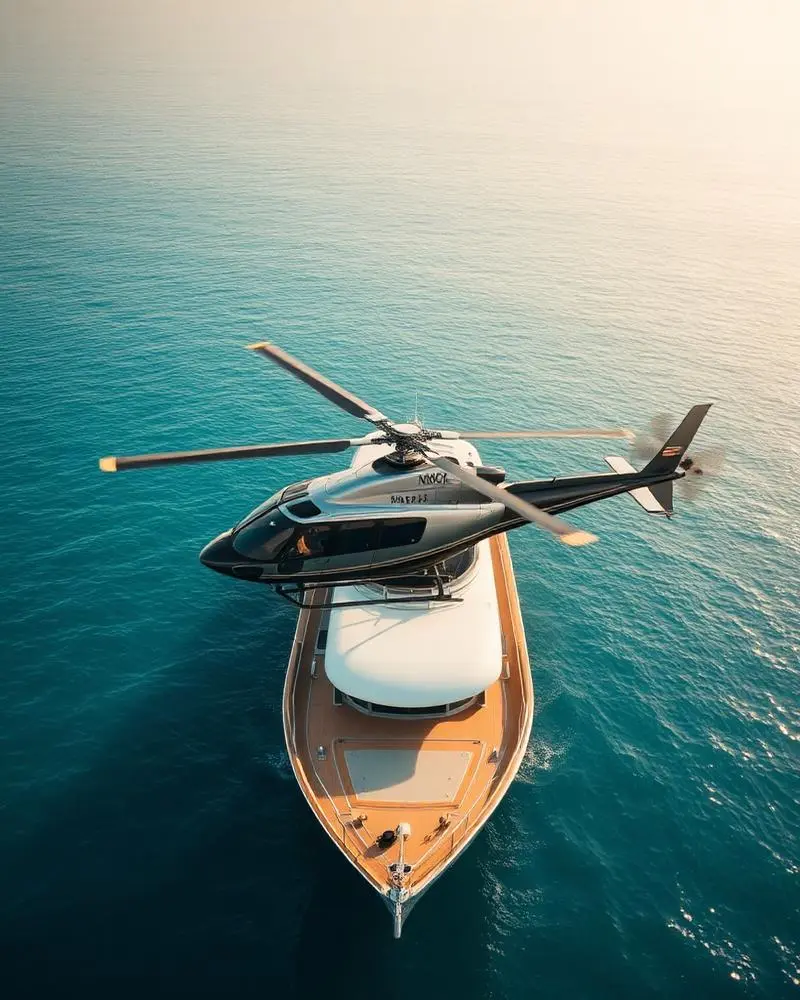
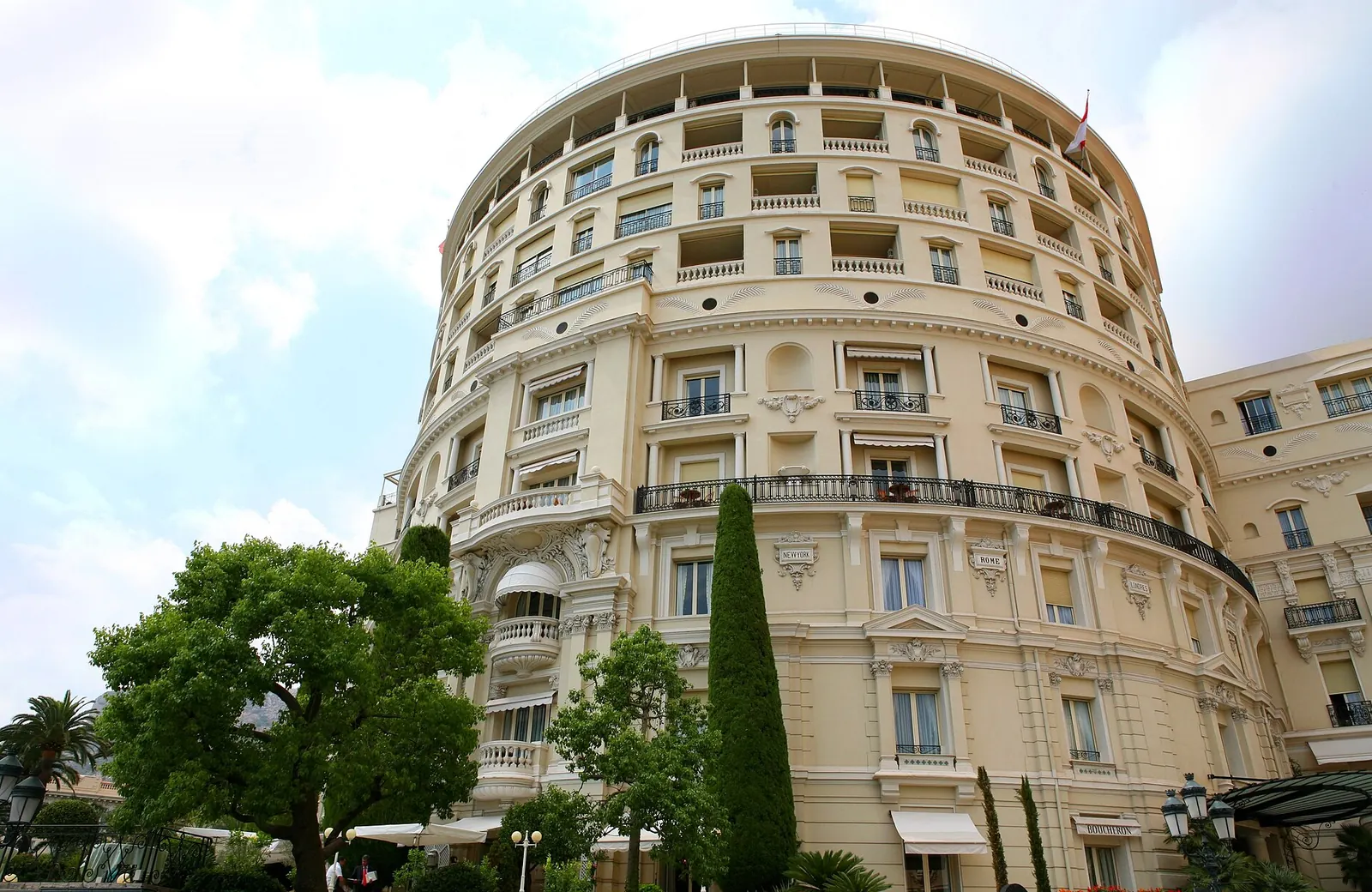
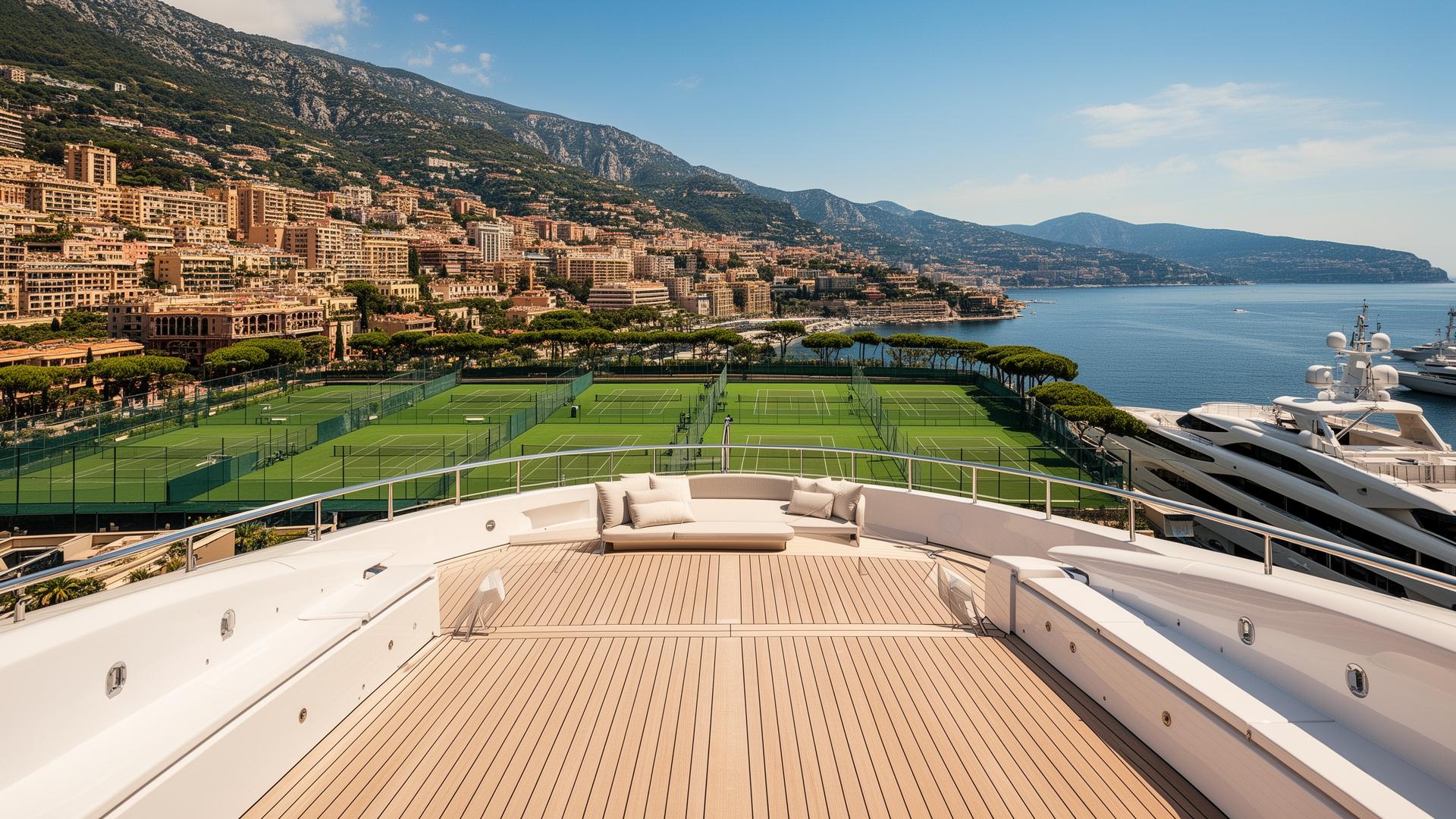
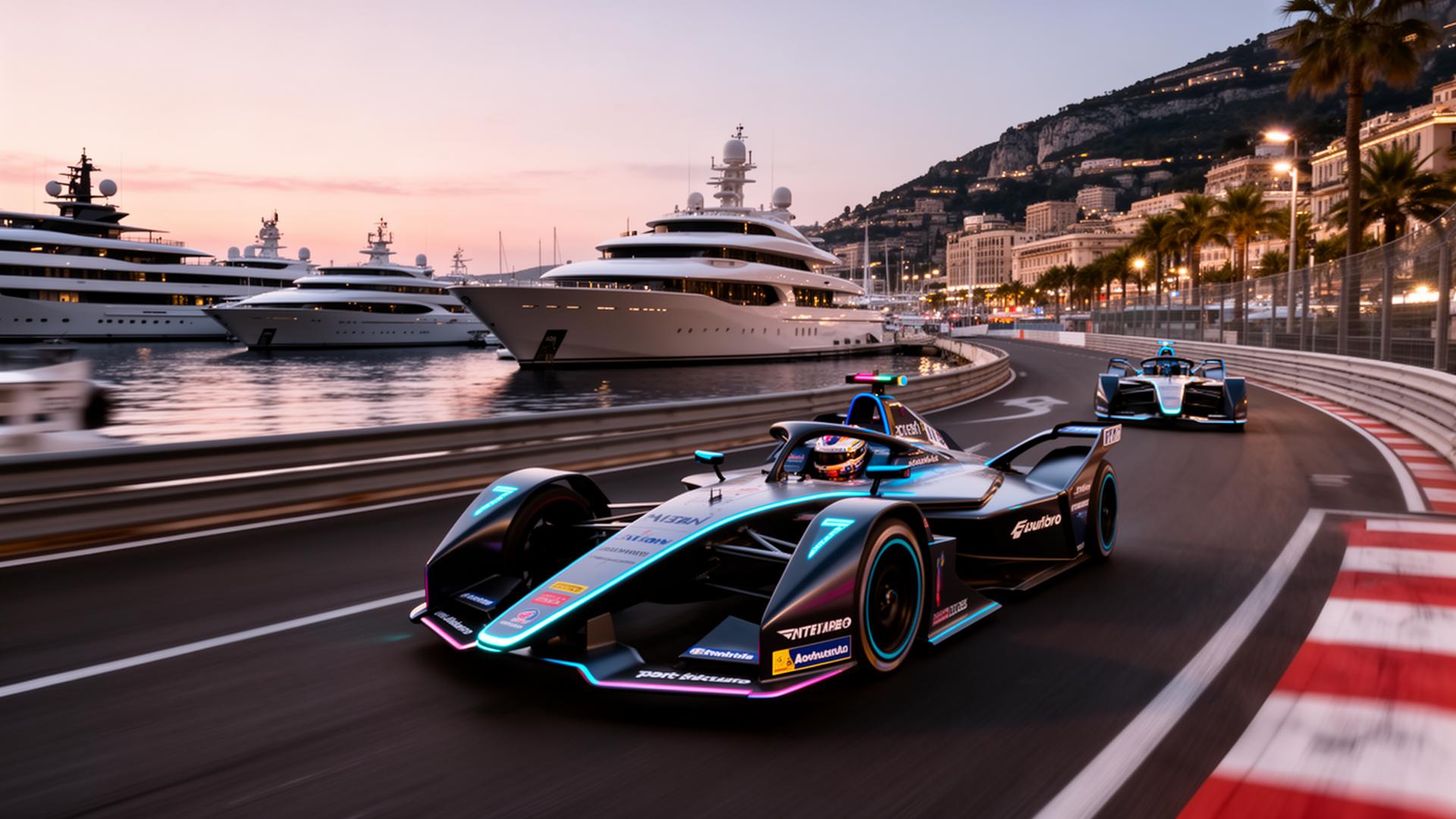
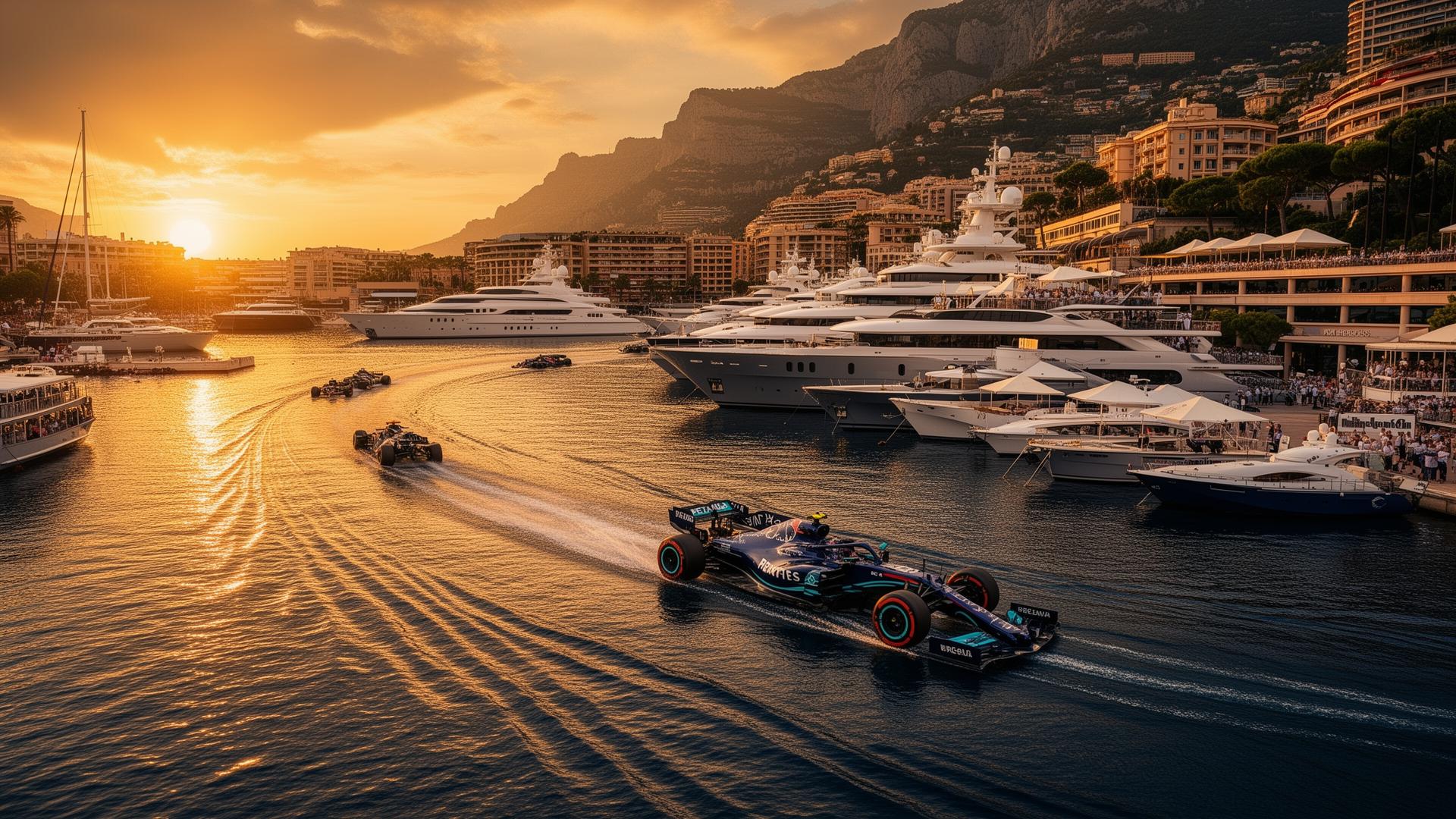
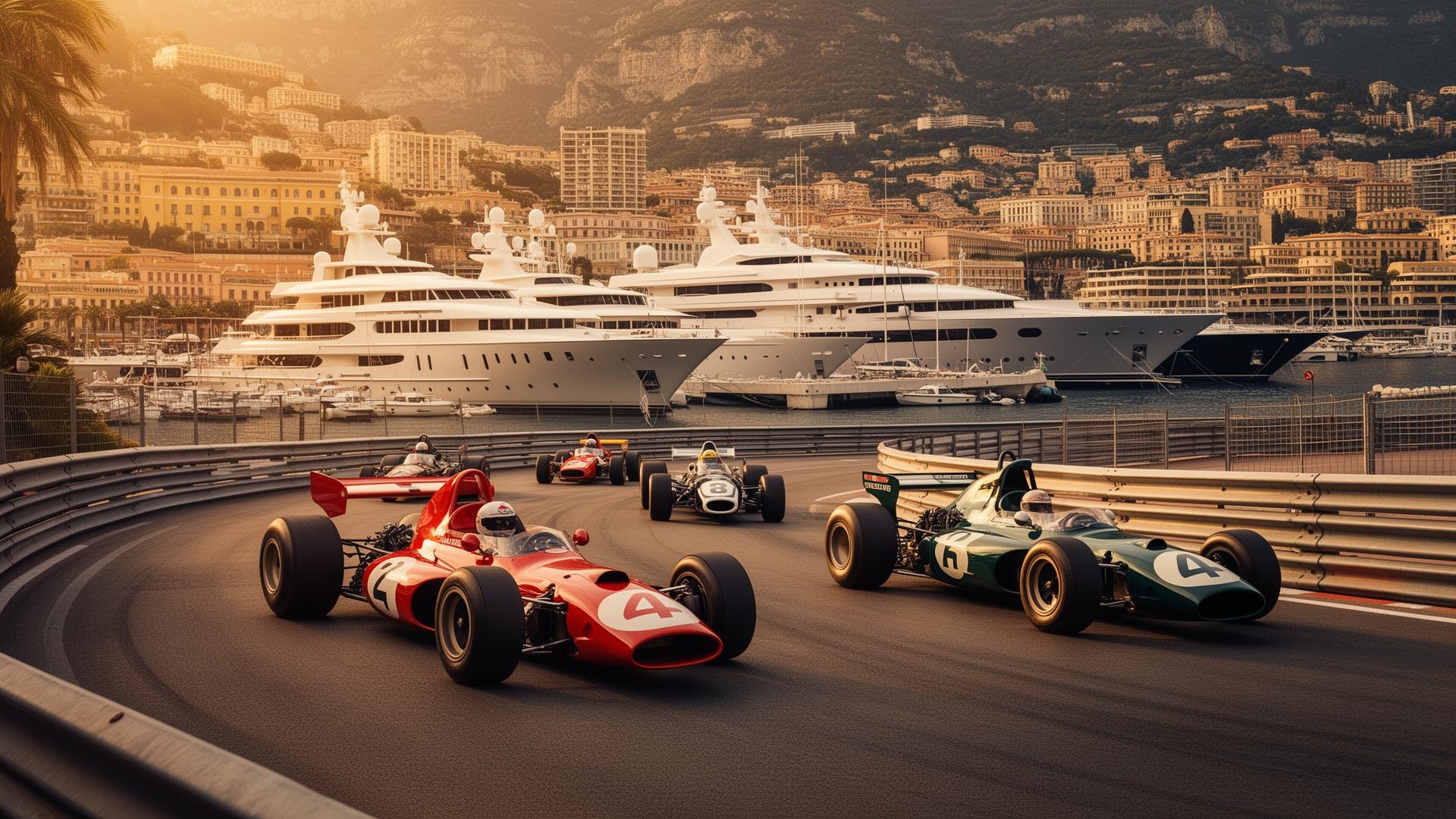
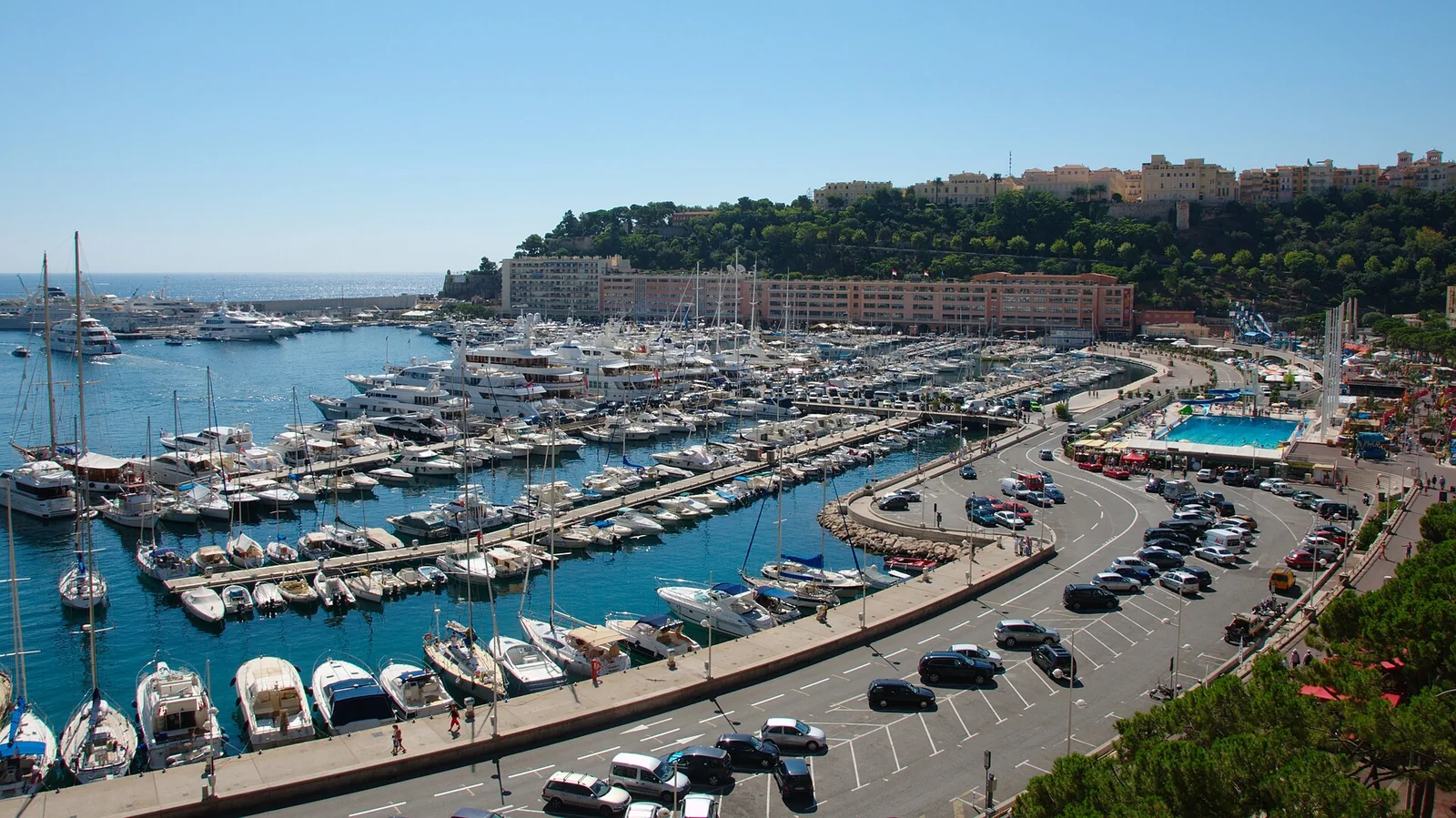
The logical starting point is Nice Côte d'Azur Airport (NCE), with a 10-minute helicopter transfer to the Monaco Heliport. The yacht is waiting in Port Hercule. Securing a berth here, particularly for yachts over 60m, is the first hurdle. Bookings are made a year in advance; expect to pay a premium. A prime slip during a non-event week for a 60m yacht can run €2,500-€3,500 per night. During the Grand Prix, this figure can easily surpass €15,000 per night, if a berth is available at all.
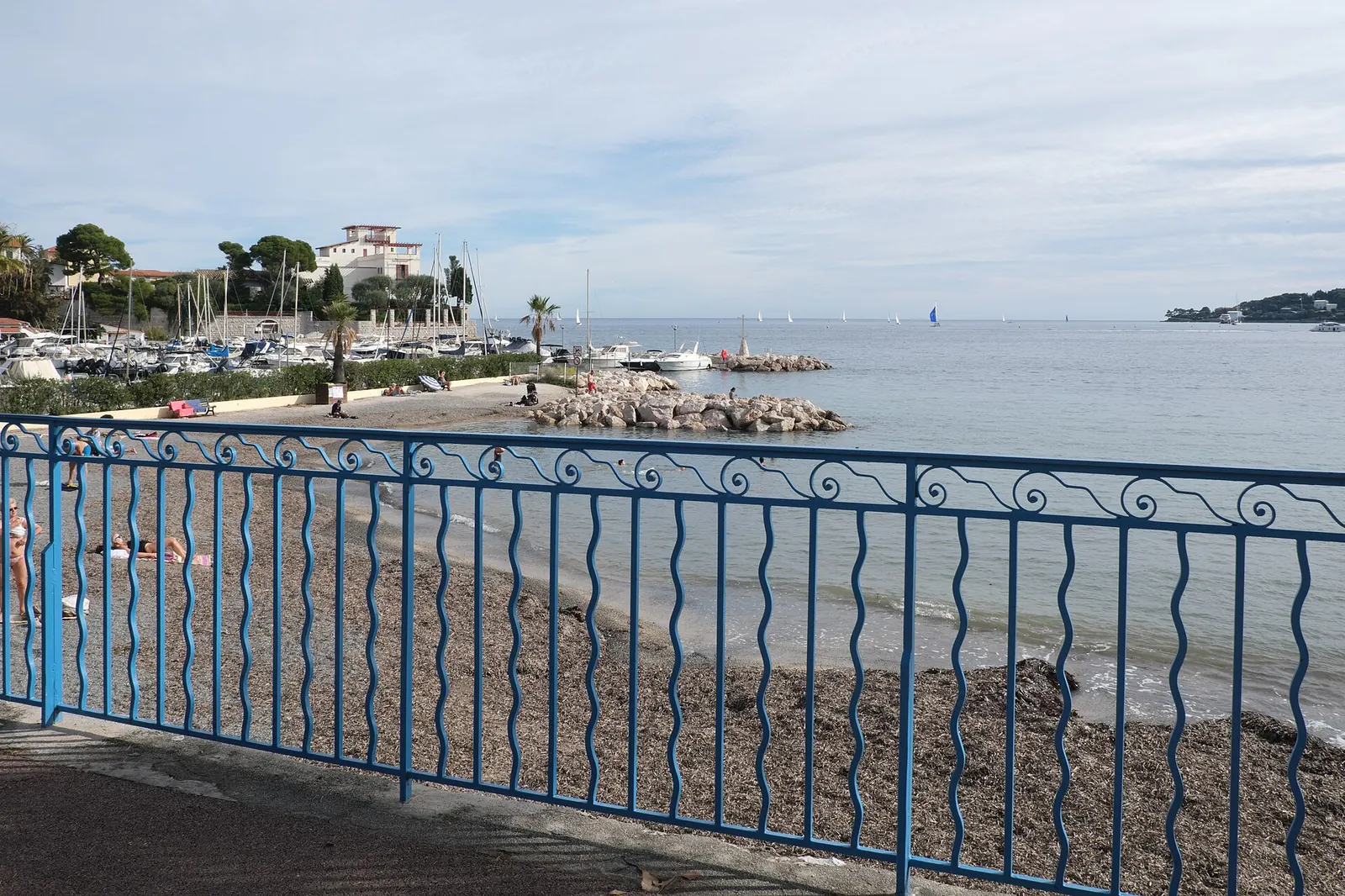
For principals prioritizing privacy over the Monaco scene, an alternative is to board at anchor off Beaulieu-sur-Mer or in the protected bay of Villefranche-sur-Mer. The tender can collect guests from the port at Beaulieu or the Welcome Hotel in Villefranche.
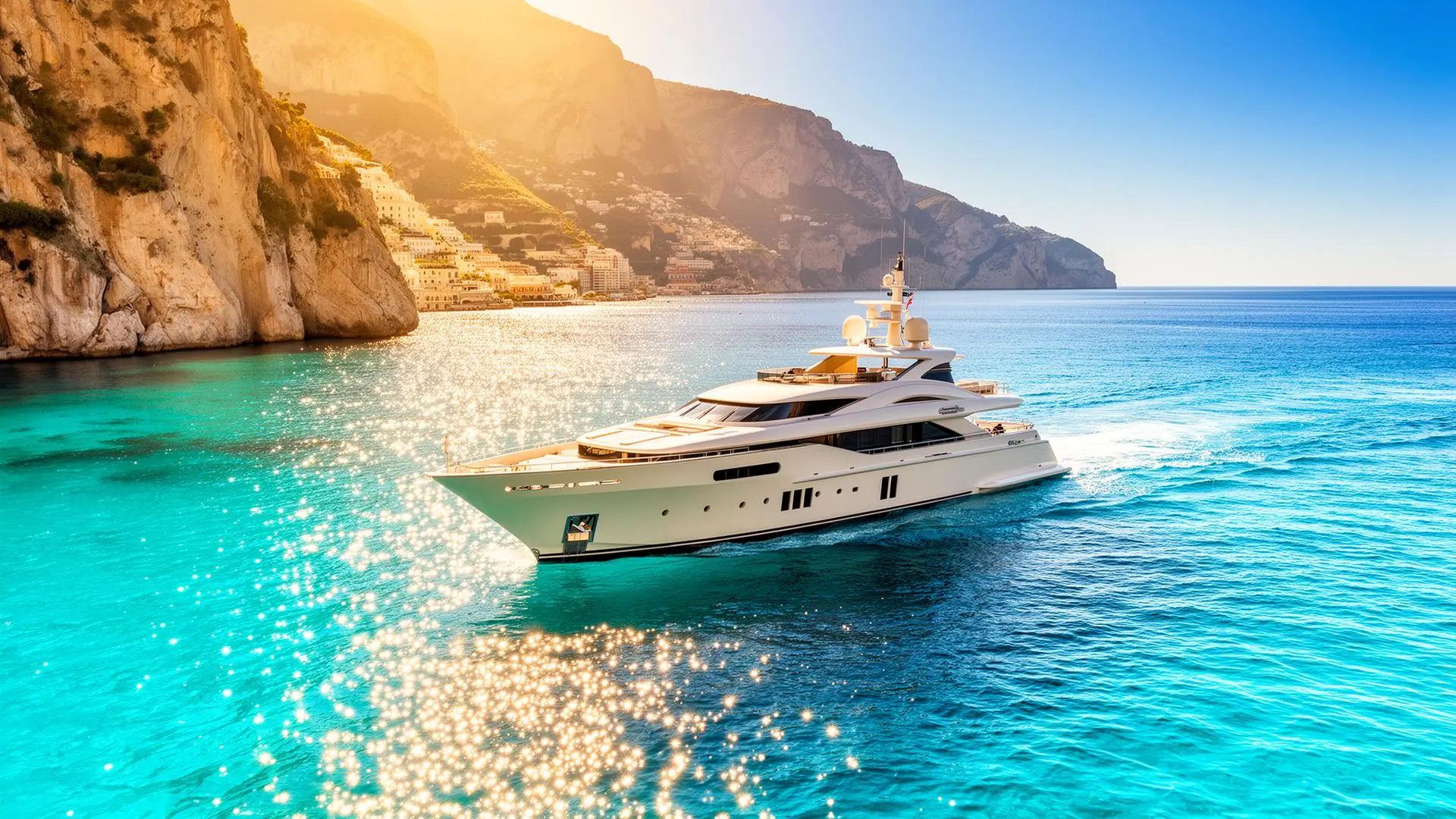
- Anchorage: Between Cap-d'Ail and Monaco, Plage de la Mala offers a stunning backdrop beneath dramatic cliffs. It’s an ideal spot for the first afternoon of water sports.
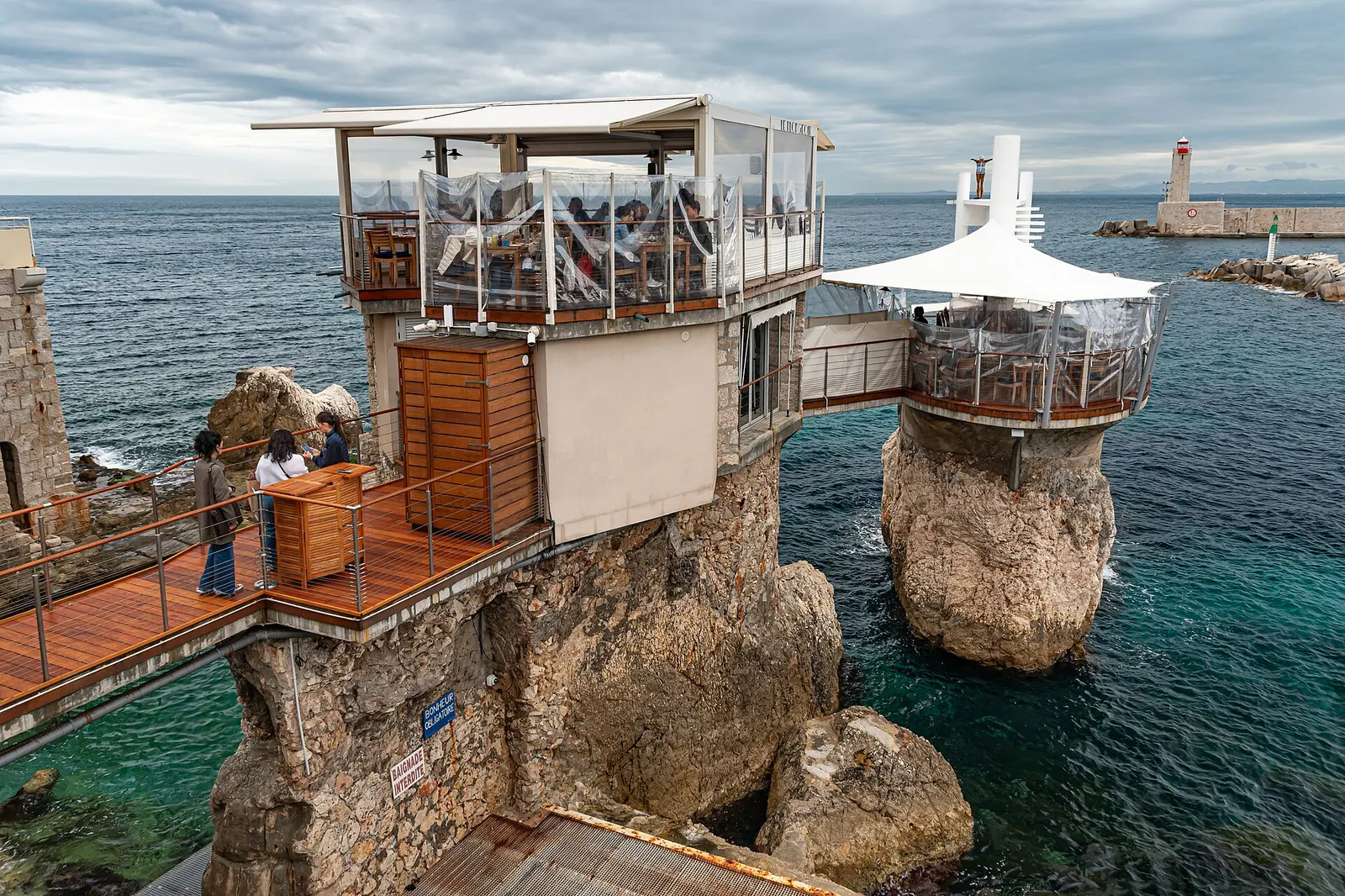
- Dining: Evening tender to La Réserve de Beaulieu for classic two-Michelin-star dining or to the African Queen in the port of Beaulieu for a more relaxed, but equally iconic, atmosphere. For a truly unique experience, Le Plongeoir in Nice is built on a rock pillar in the sea.
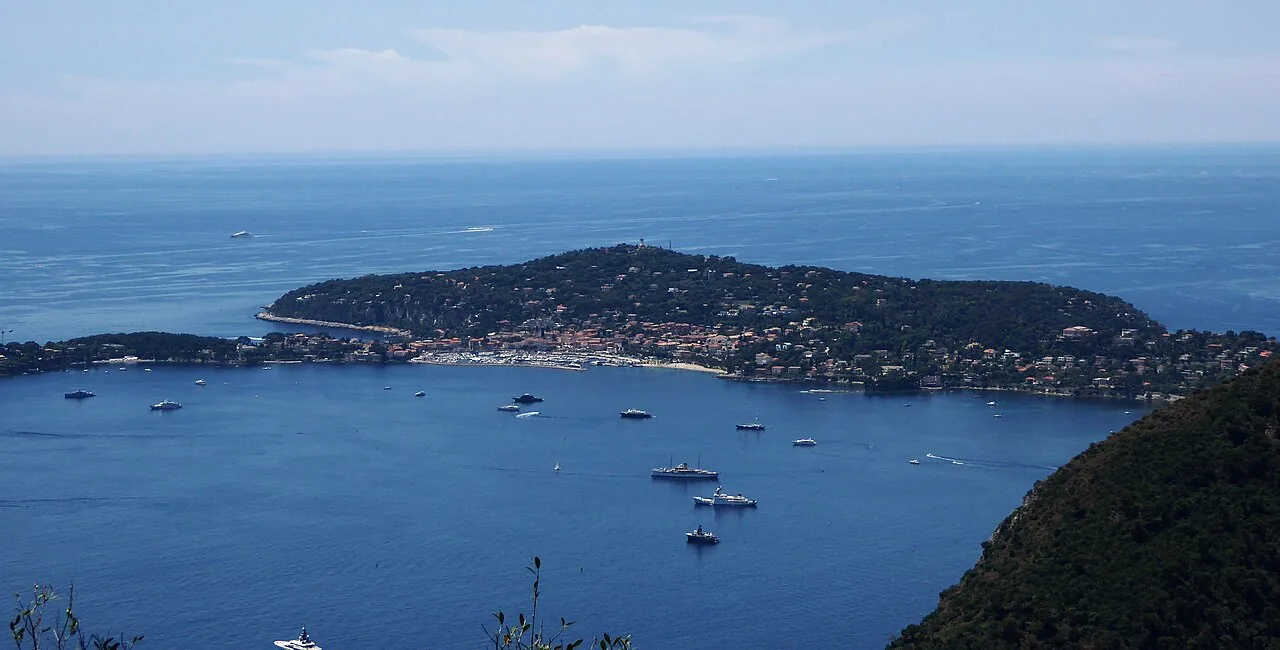
Day 3: The Saint-Jean-Cap-Ferrat Peninsula
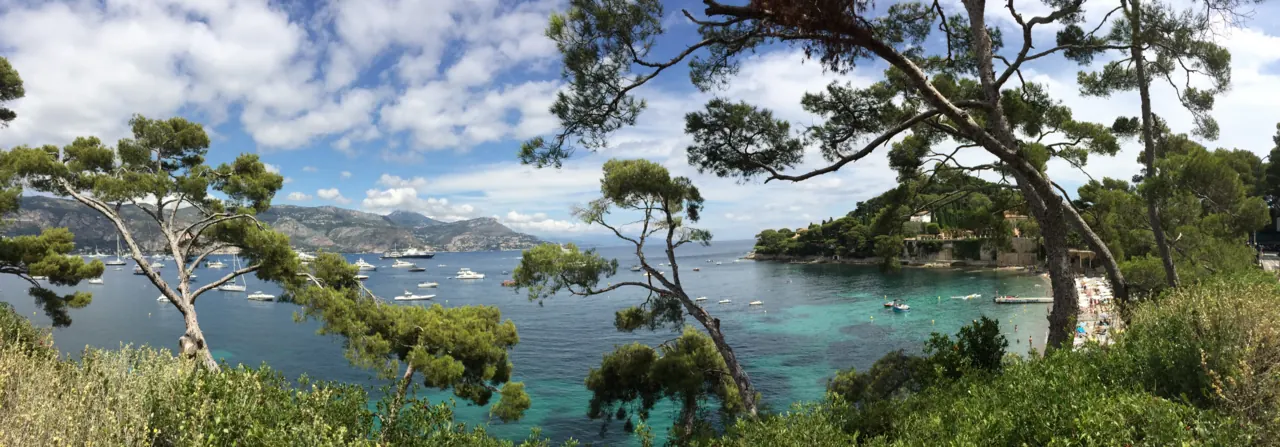
A short cruise west brings you to the most exclusive real estate on the coast. This is a day for slow cruising and anchoring. The bay of Plage de Passable on the west side of the Cap offers calm waters and views of Villefranche.
- Anchorage: The Baie de l'Espalmador, between the Cap and Beaulieu, provides excellent holding and protection. It’s a base for tenders to explore the coastline or visit the Villa Ephrussi de Rothschild.
- Beach Club: Paloma Beach. A family-run institution since 1948. Book lunch well in advance. It offers a more understated, old-money alternative to the scene in St. Tropez.
Day 4-5: Antibes & the Îles de Lérins
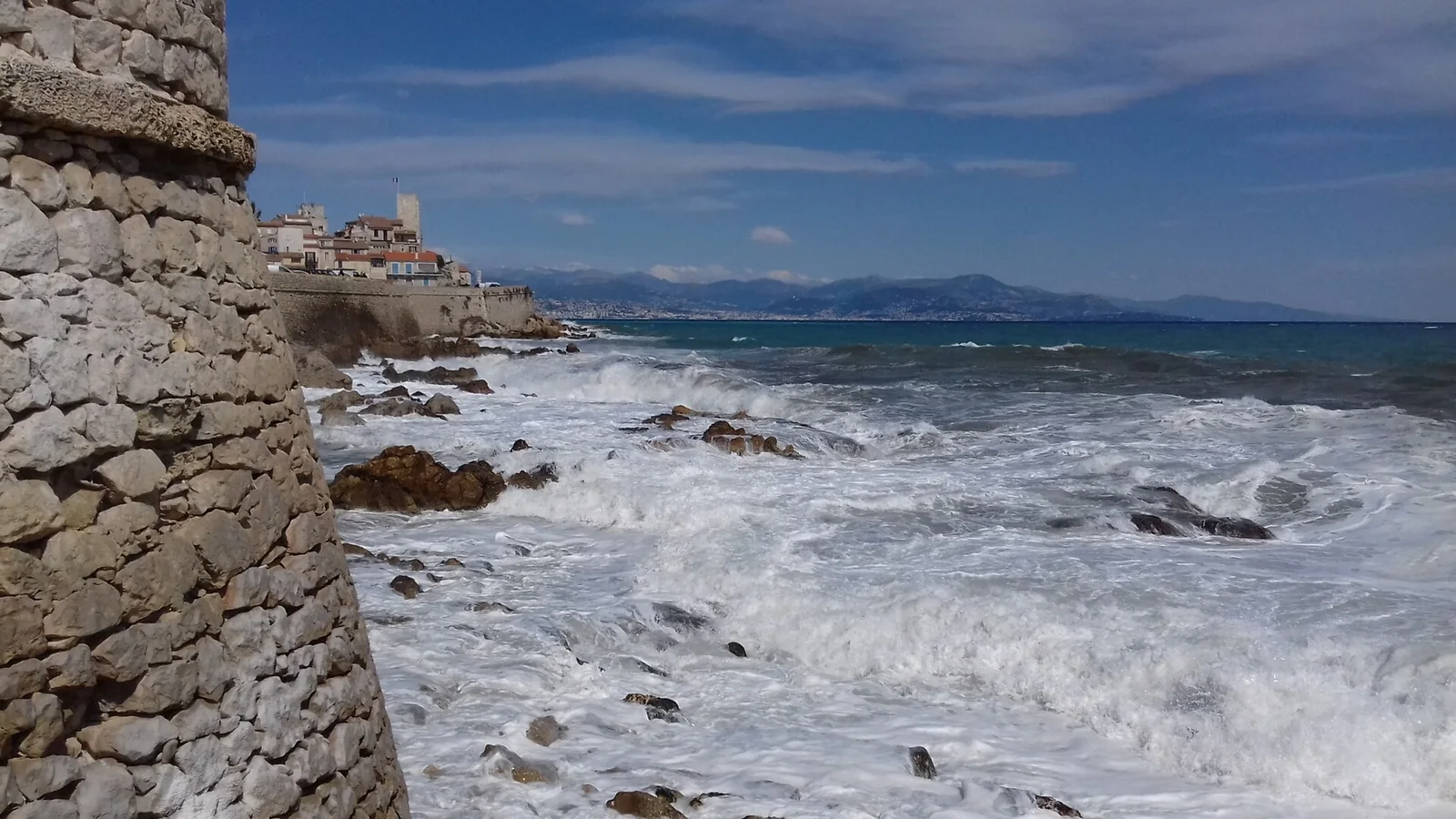
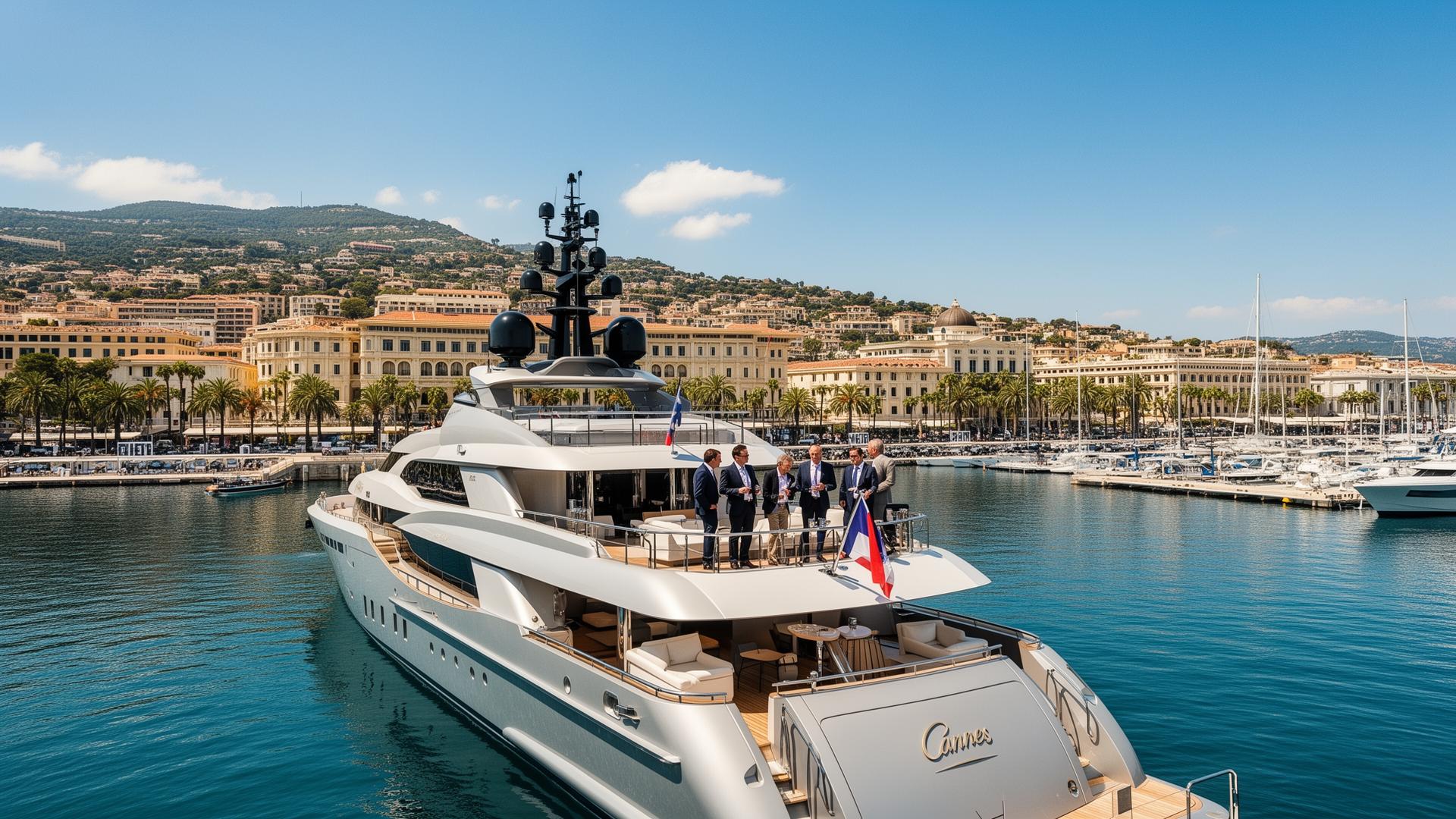
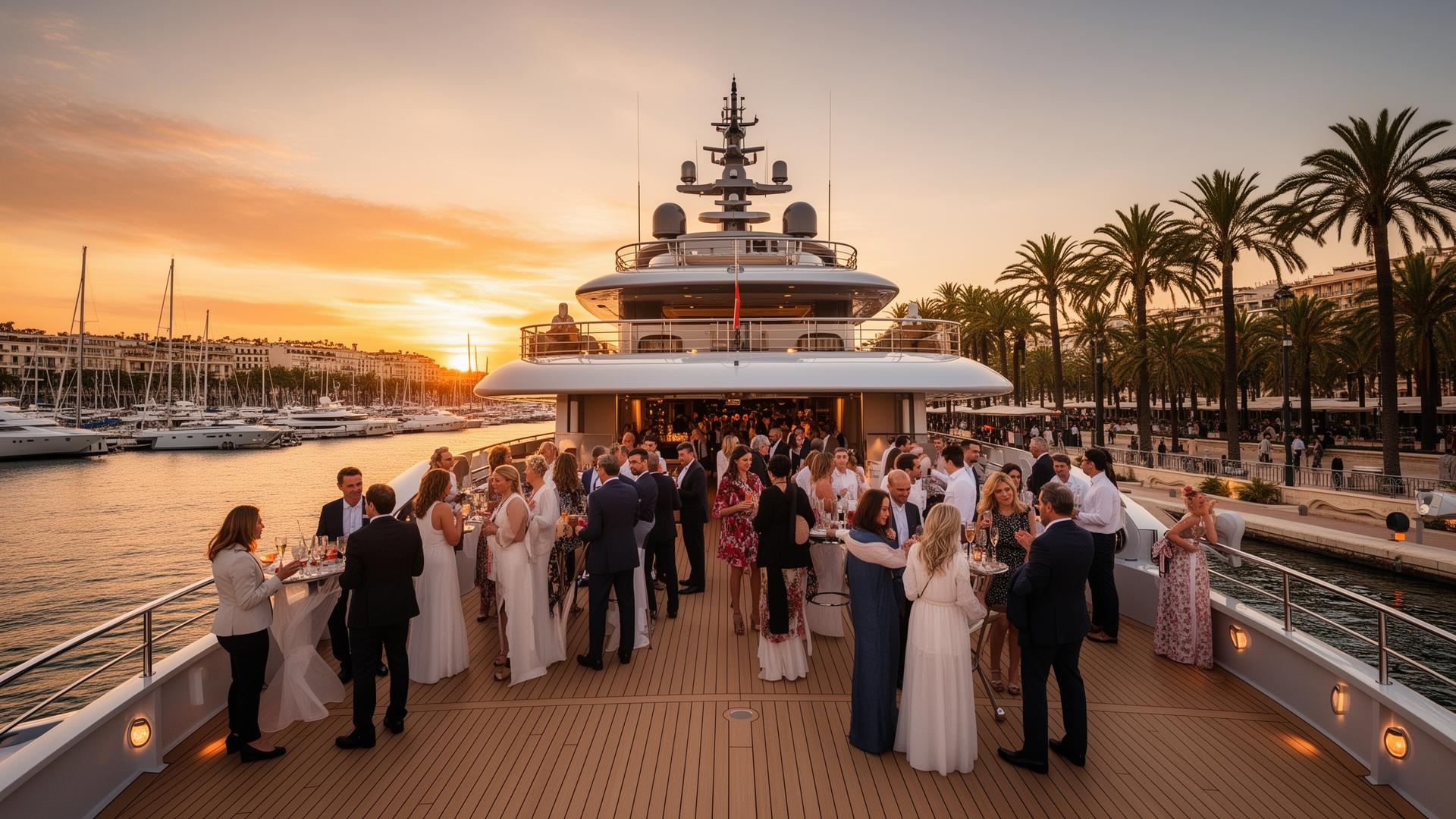
Cruise past the Baie des Anges to Antibes. Port Vauban’s IYCA, the "Billionaires' Quay," is a destination in itself. Again, berthing for larger yachts (+70m) is a strategic play requiring established broker relationships. Port Vauban is also a critical logistical hub for provisioning and any minor technical support. The Marché Forville in nearby Cannes is where the best chefs will source produce.
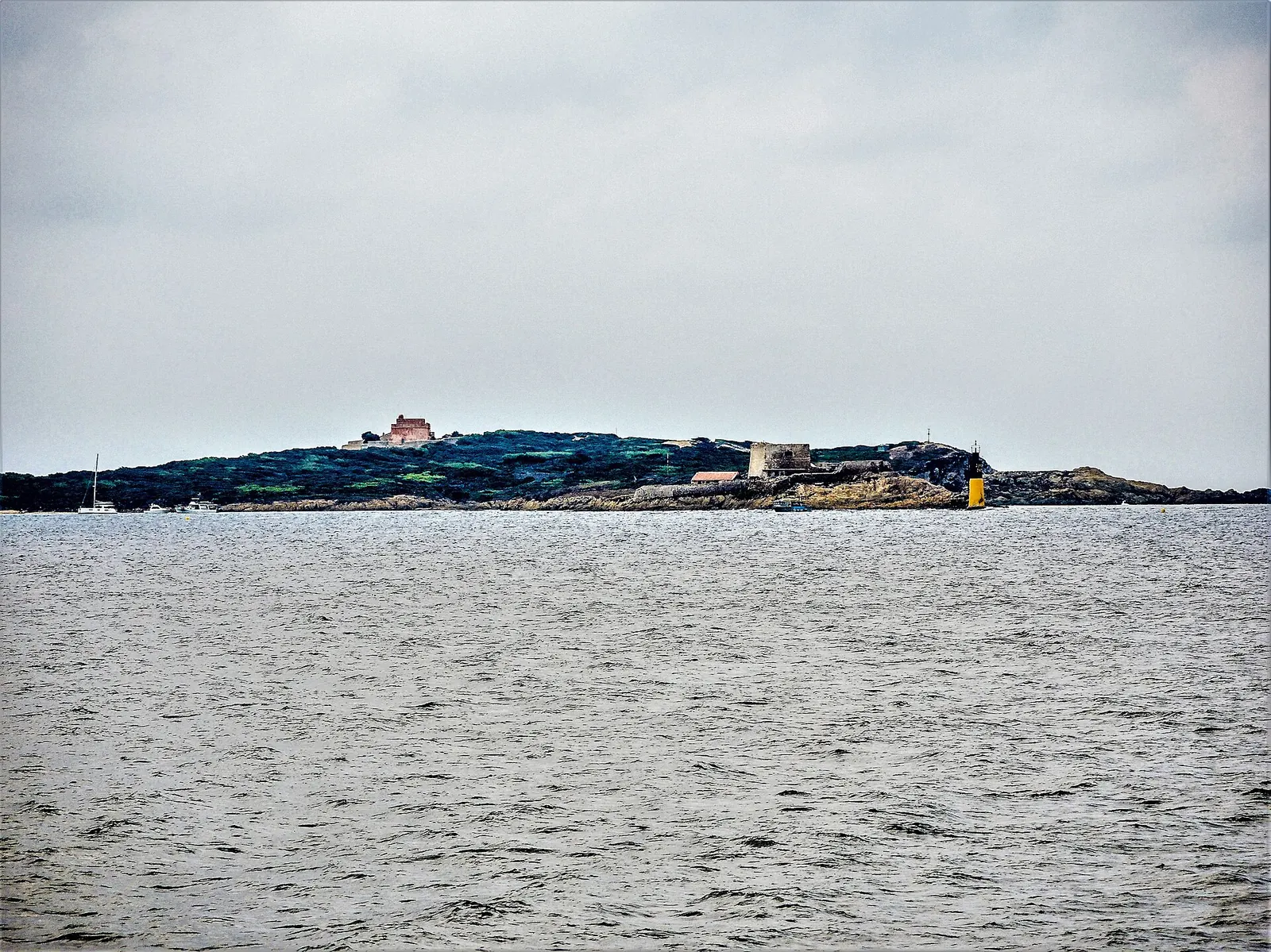
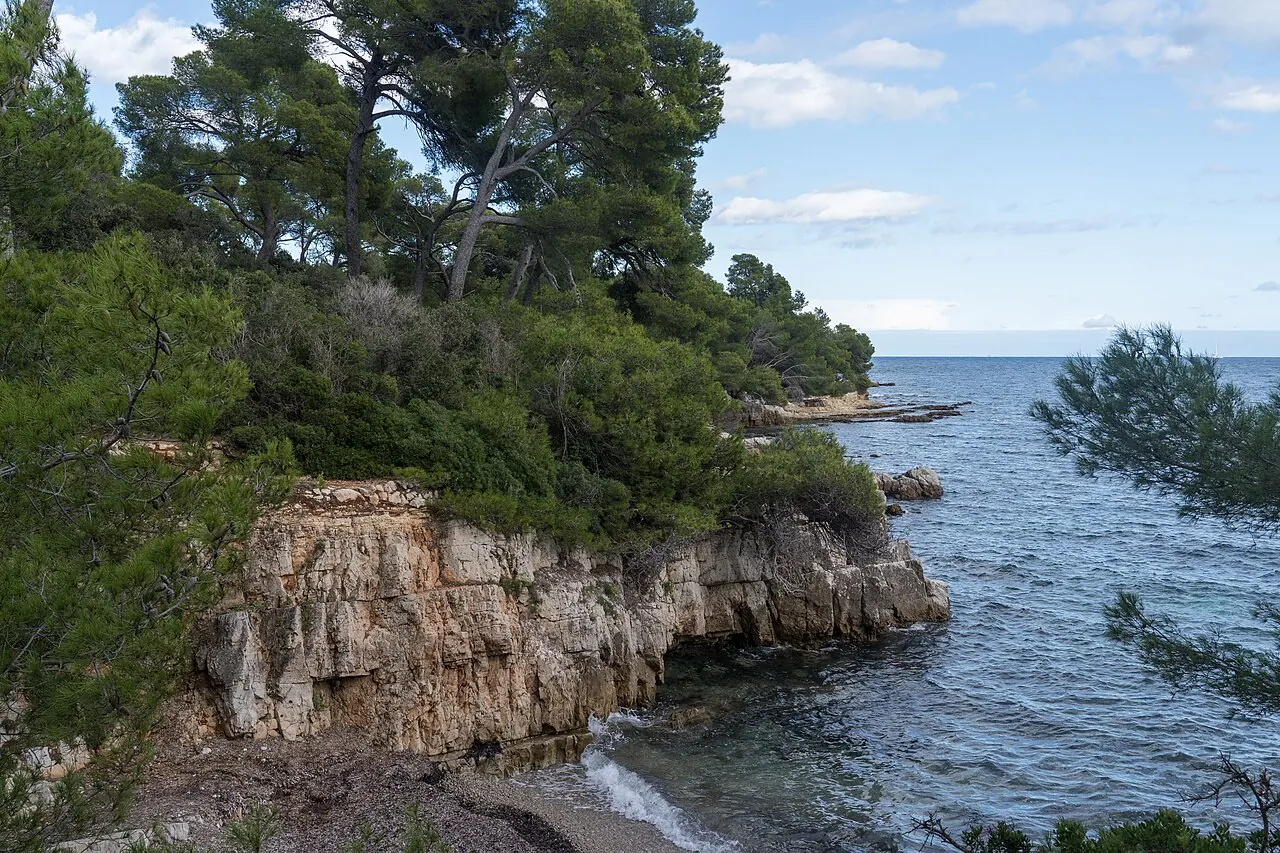
The real jewel here is the island sanctuary of the Îles de Lérins, a 15-minute cruise from the bustle of Cannes.
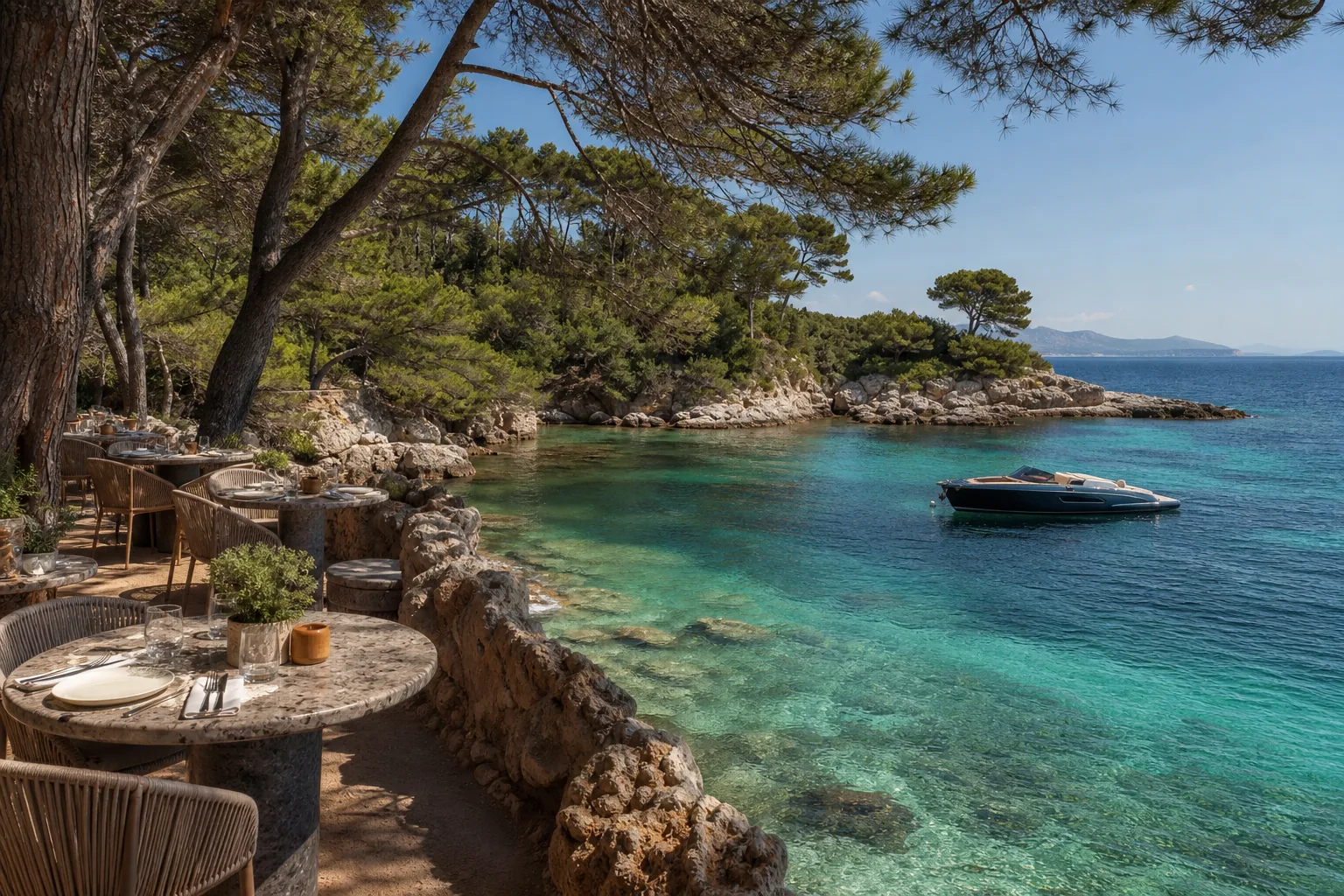
- Anchorage: The "Plateau du Milieu," the channel between Île Sainte-Marguerite and Île Saint-Honorat. The turquoise water and protection from most winds make it one of the most sought-after anchorages on the coast. Strict regulations are now in place to protect the posidonia seagrass beds; captains must use designated mooring zones or have dynamic positioning systems.
- Dining: A tender ride to La Guérite on Sainte-Marguerite is non-negotiable. It’s a high-energy, rosé-fueled lunch scene. Bookings are mandatory and are often tied to minimum spends. For a spiritual contrast, visit the monastery on Saint-Honorat, where monks have produced wine for centuries.
Day 6-7: The Bay of Saint-Tropez
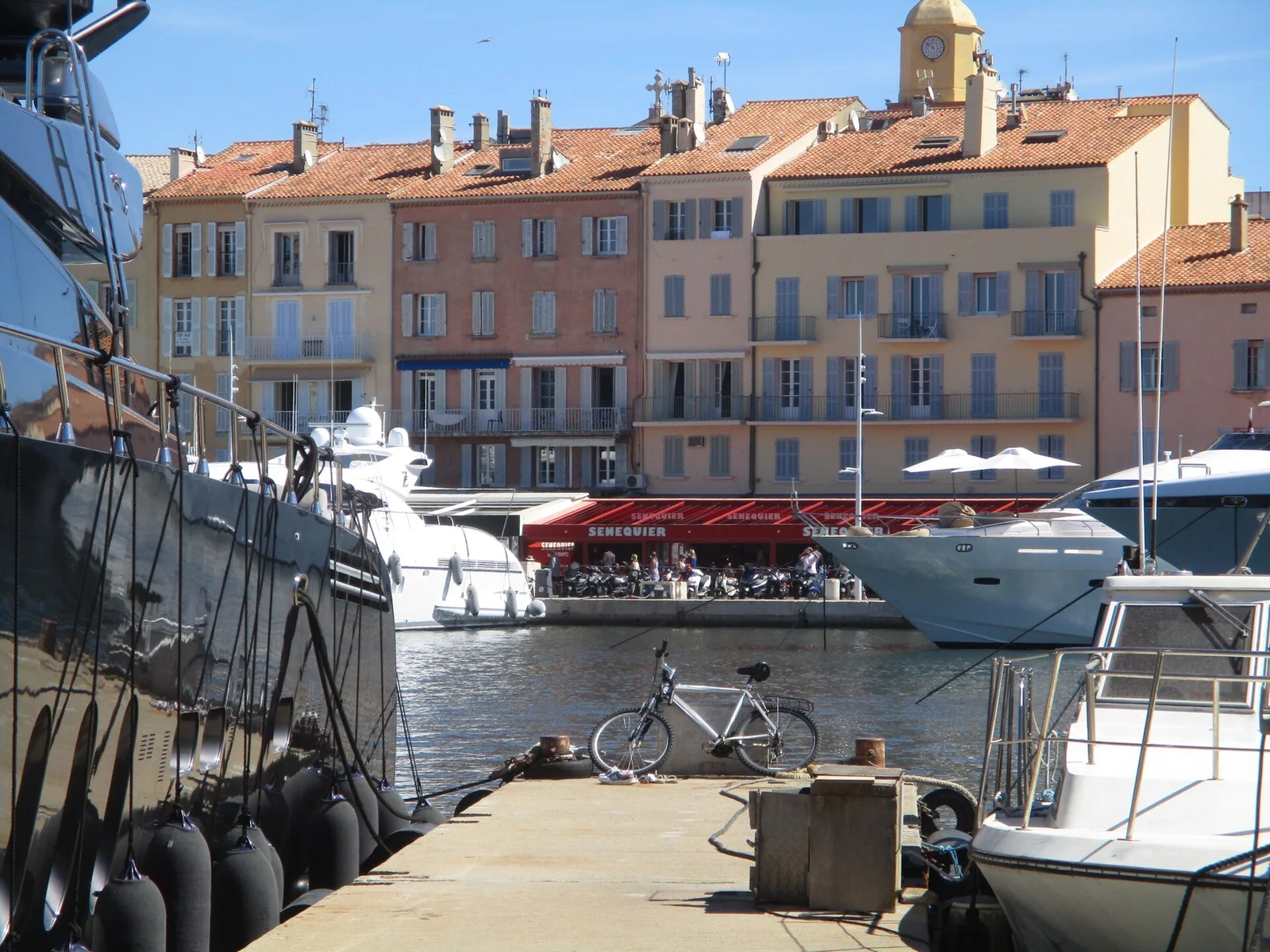
The final leg is the cruise to Saint-Tropez. The entrance to the bay, past the red rocks of the Estérel Massif, is one of the Med's great arrivals. Berthing in the Vieux Port, directly in front of Sénéquier, is the ultimate display. It is also nearly impossible to secure for a week in high season without significant prior planning and a touch of luck.
The operational reality for most yachts over 40m is to anchor in the Baie des Canebiers or off the Pampelonne beaches and use a high-spec tender as a constant shuttle. This offers more privacy and flexibility.
- Anchorages: Pampelonne Bay for access to the beach clubs. Baie des Canebiers is quieter, known as "Billionaires' Bay," and closer to the town for evening tenders.
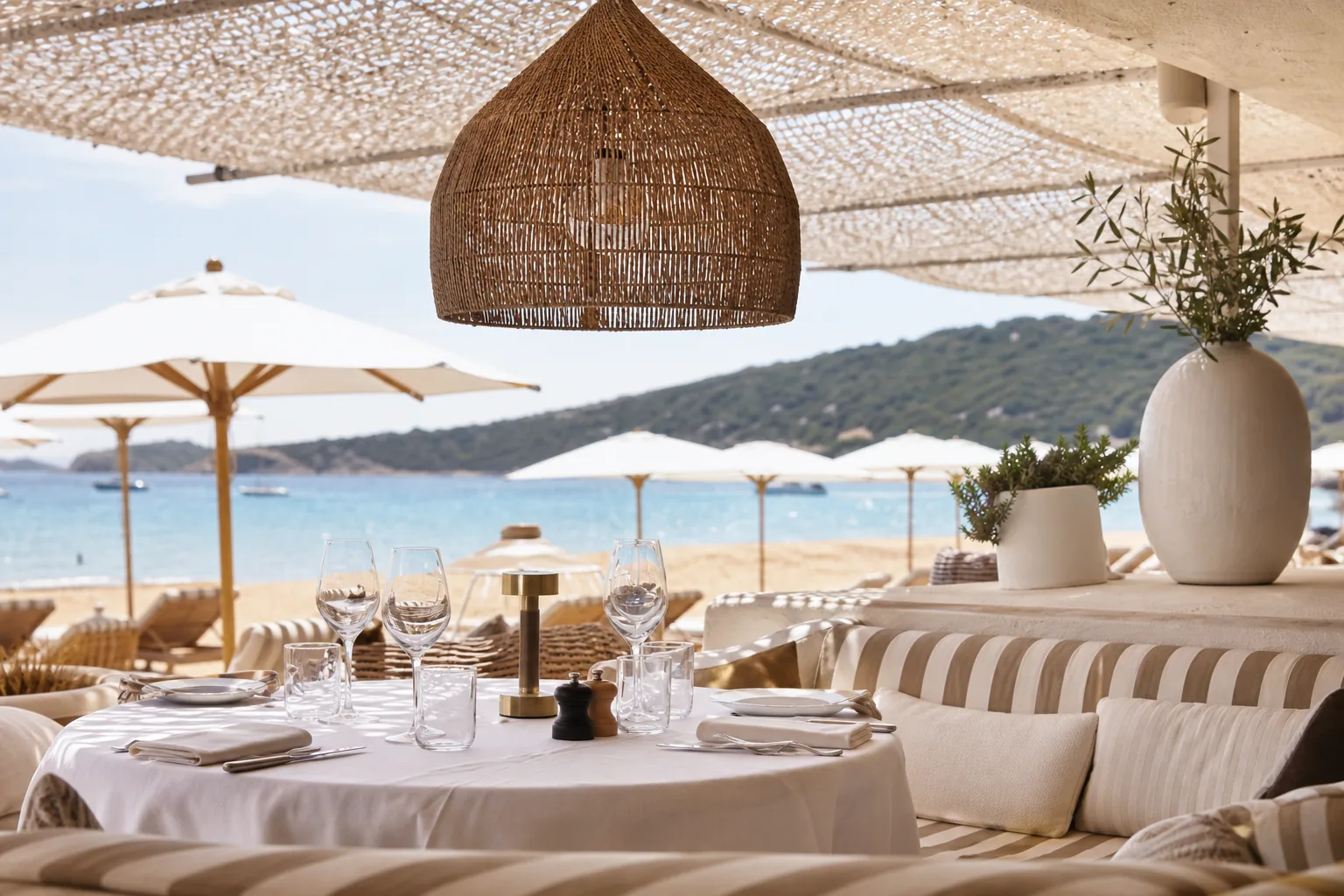
- Beach Clubs: The Pampelonne coastline is a curated ecosystem. Club 55 remains the icon for its "no-fuss" (but incredibly hard to book) charm. Verde Beach and Gigi cater to a younger, more music-focused crowd. Loulou is a staple. Book everything a month out.
- Evening: Tender into the Vieux Port. An aperitif at Sénéquier, followed by dinner at L'Opéra for a full-throttle table-dancing spectacle, or La Vague d'Or at Cheval Blanc for the pinnacle of fine dining (three Michelin stars).
Operational & Financial Framework
Charter Rates & APA (2026 Estimates)
The hardware is only the beginning. The All-Inclusive Price (AIP) is a fiction here. Plan for a significant APA (Advance Provisioning Allowance).
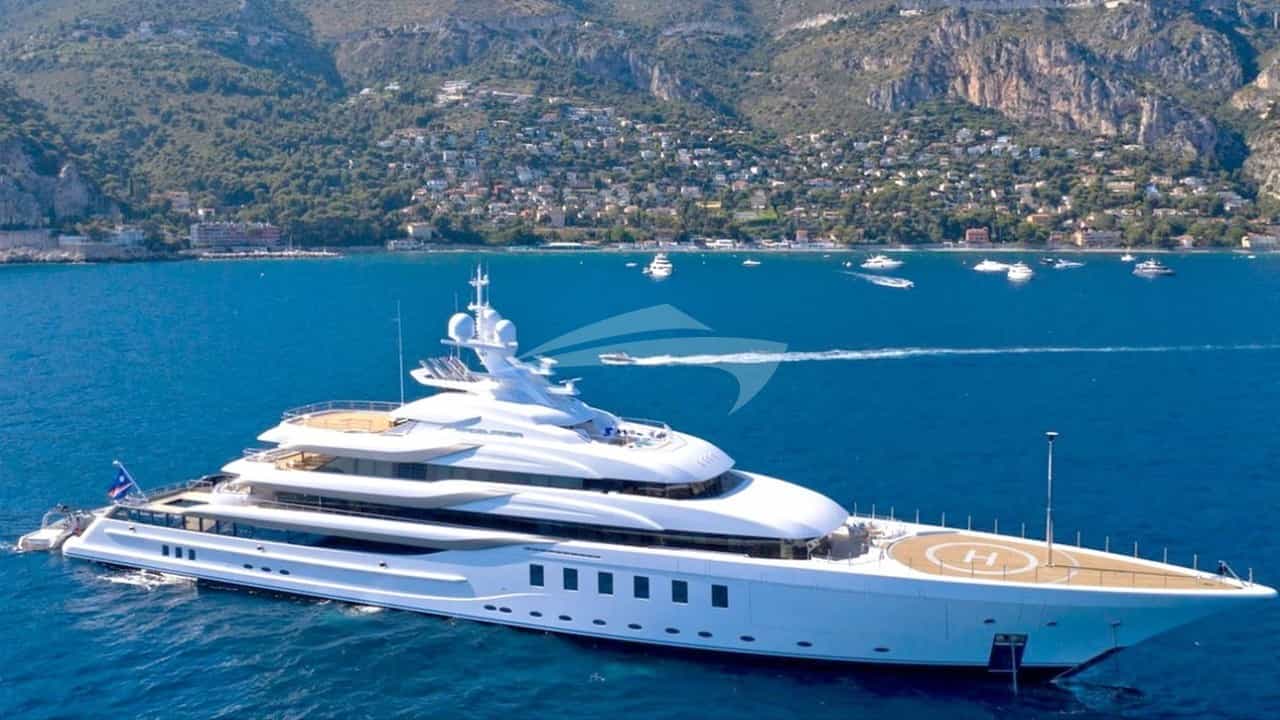
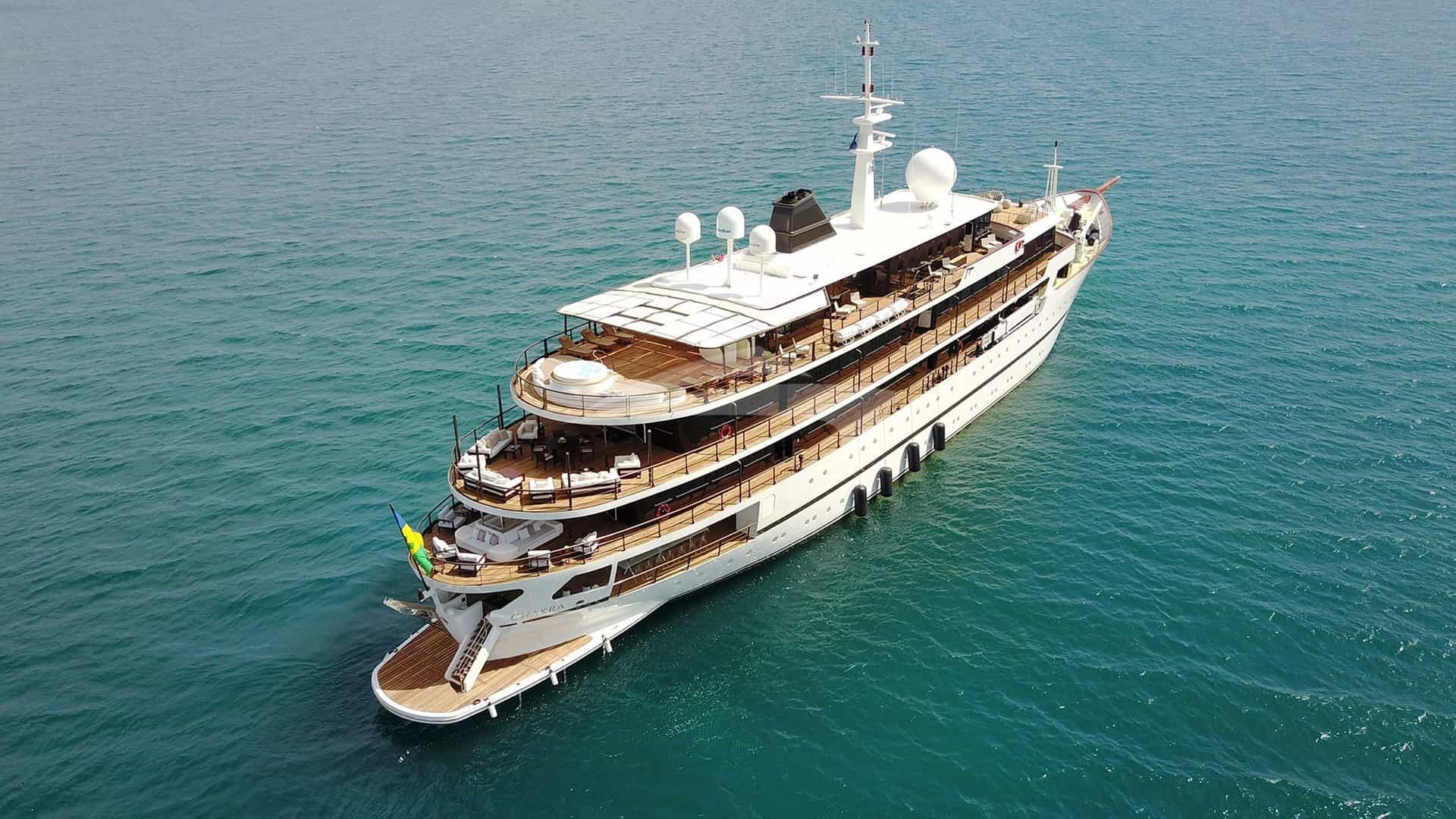
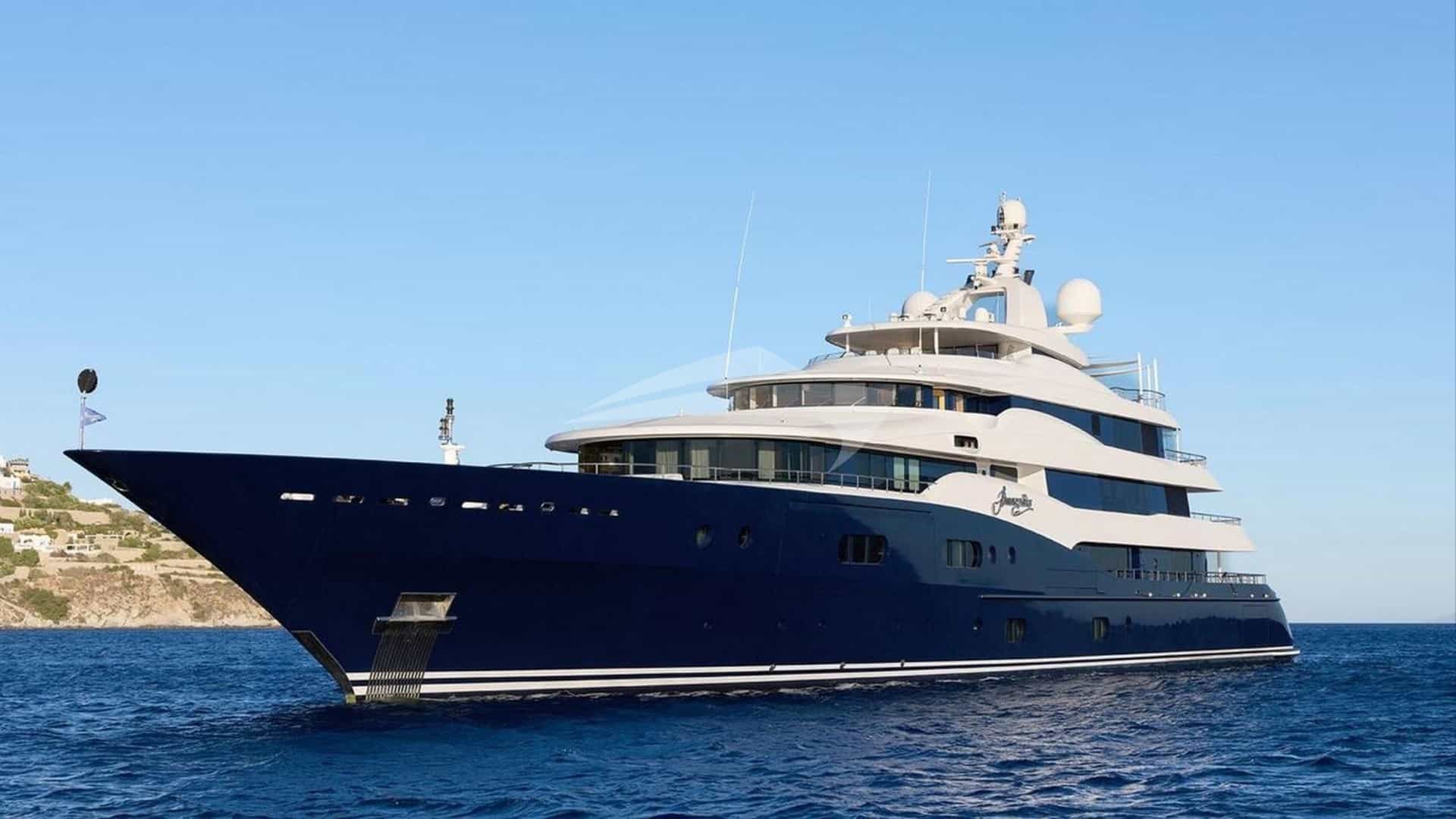
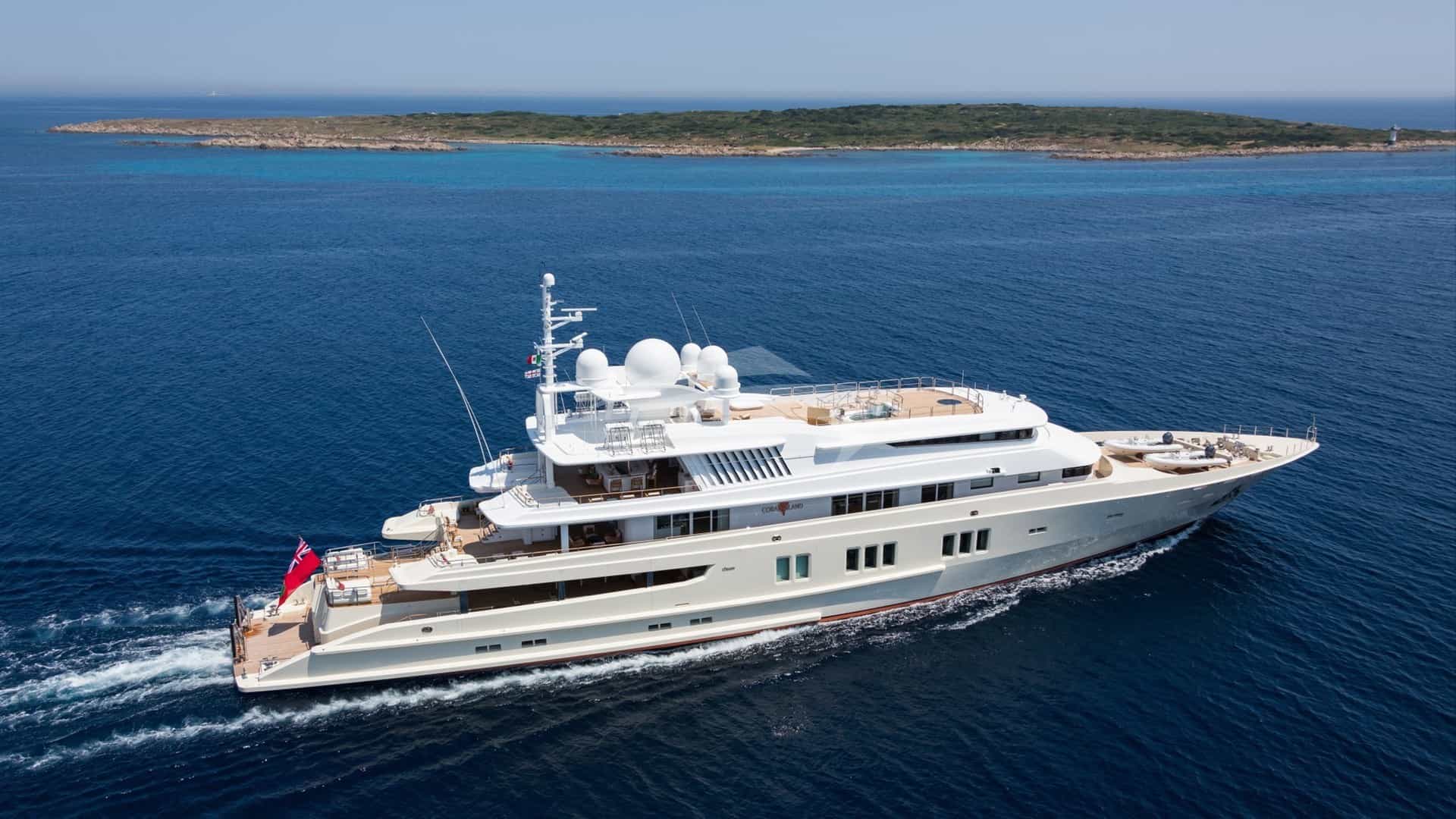
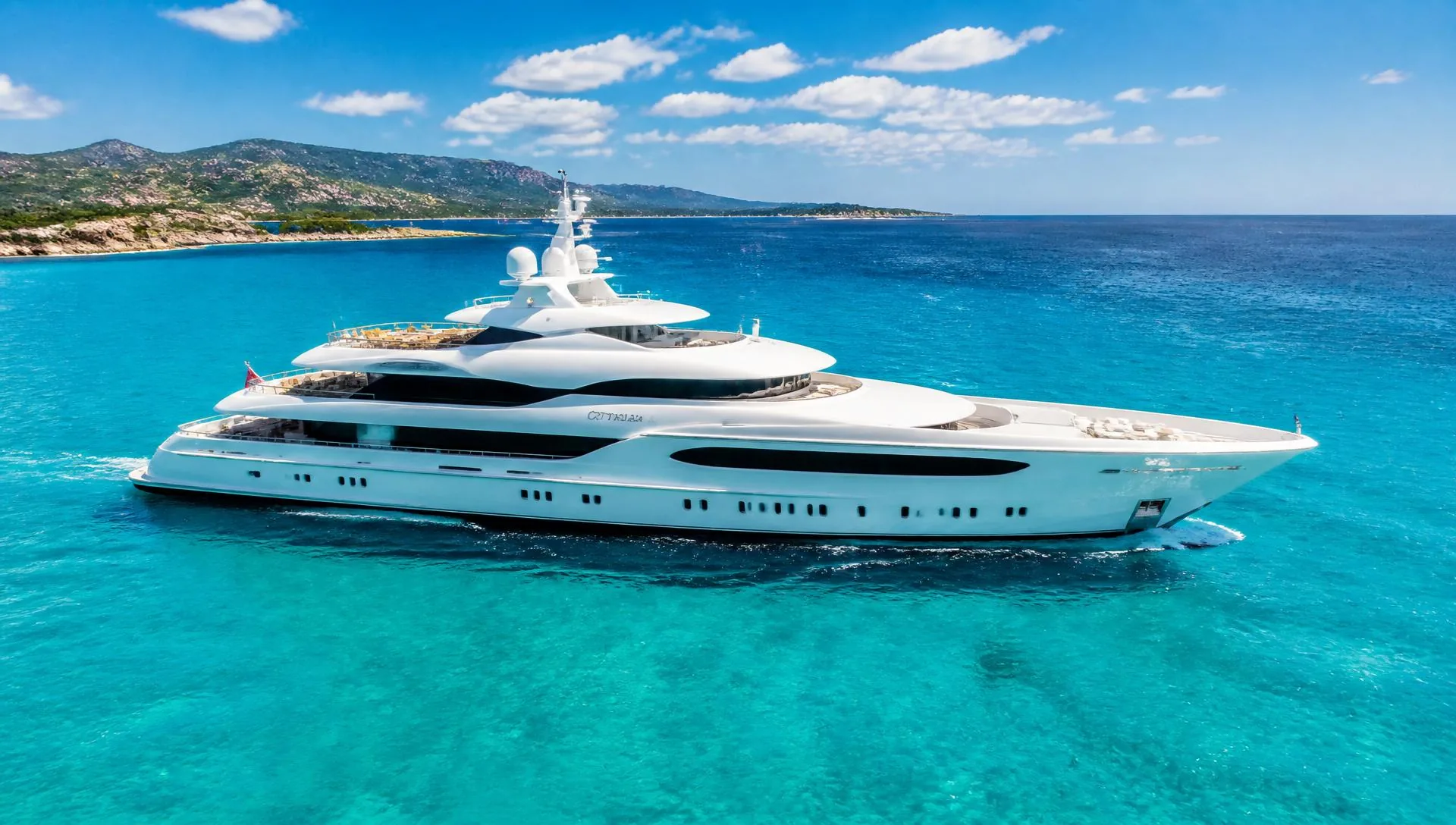
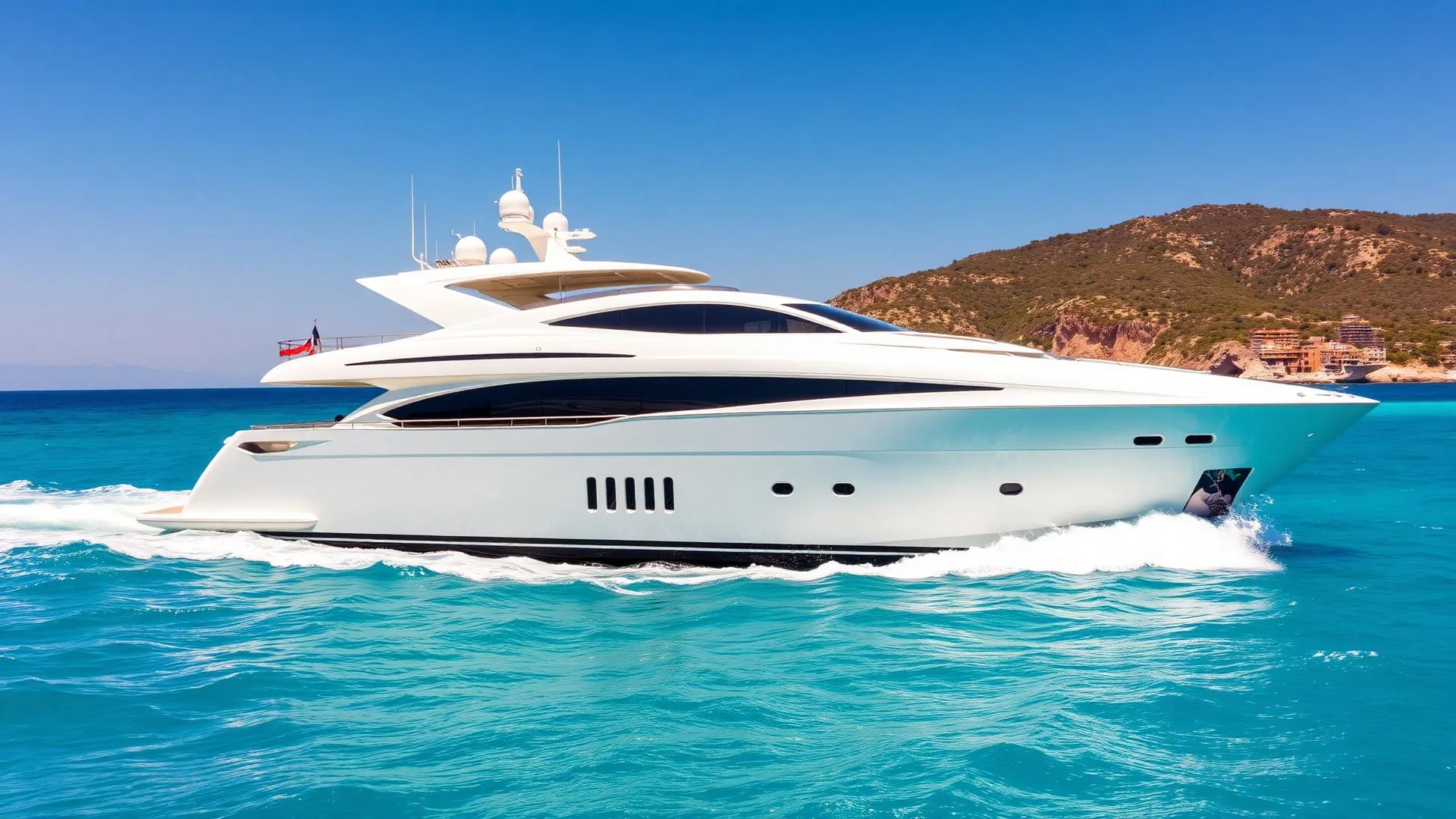
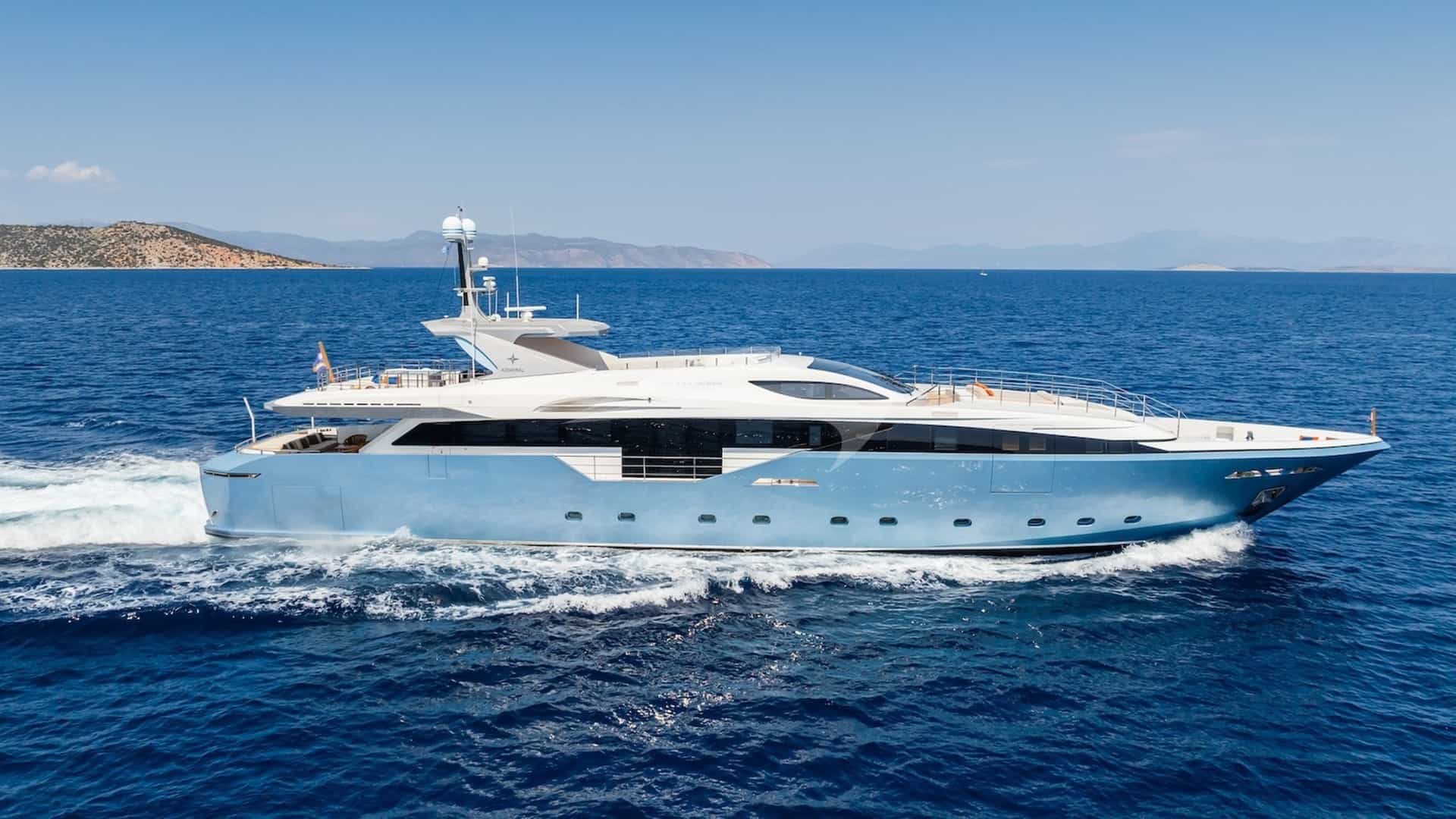
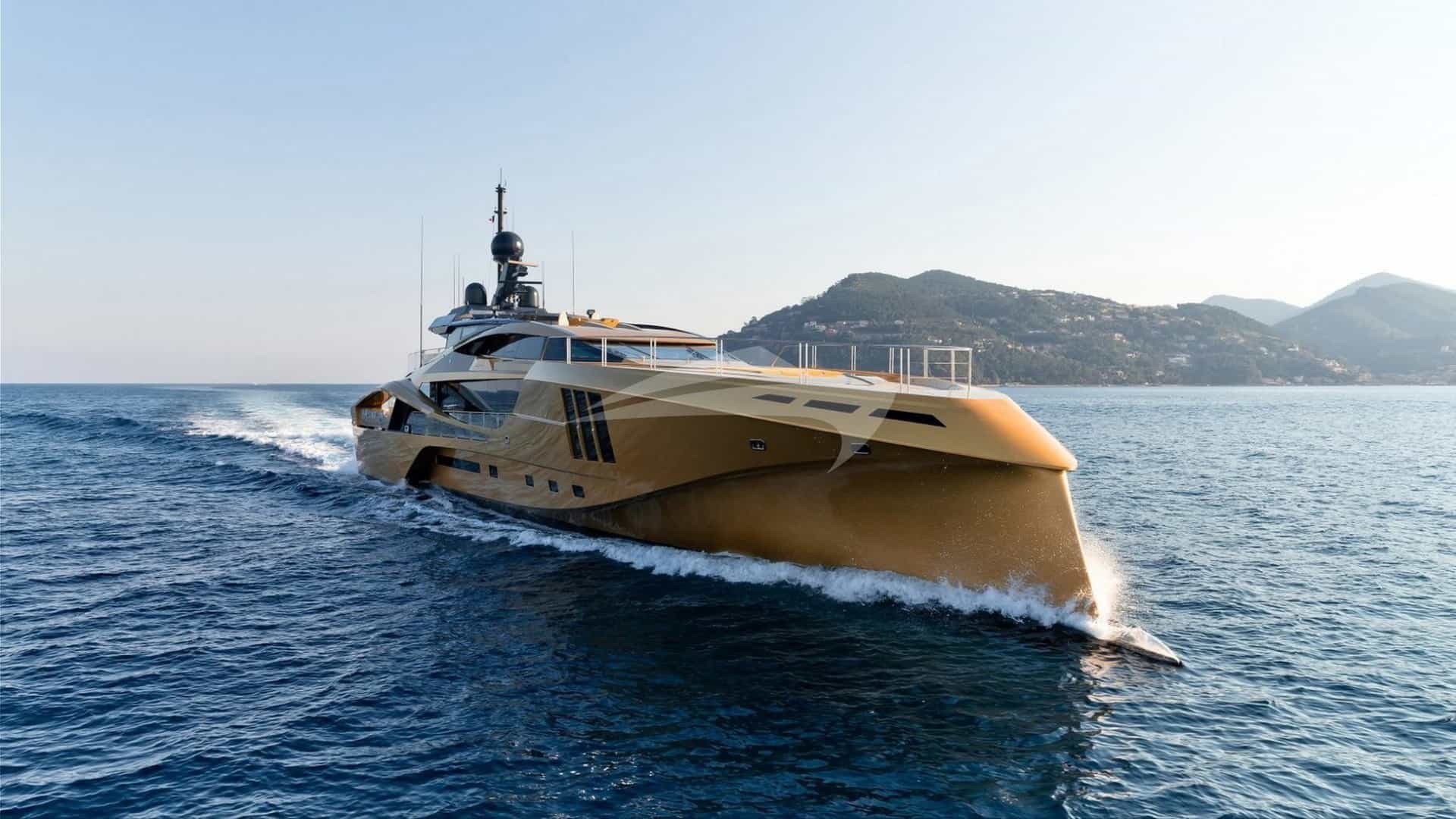
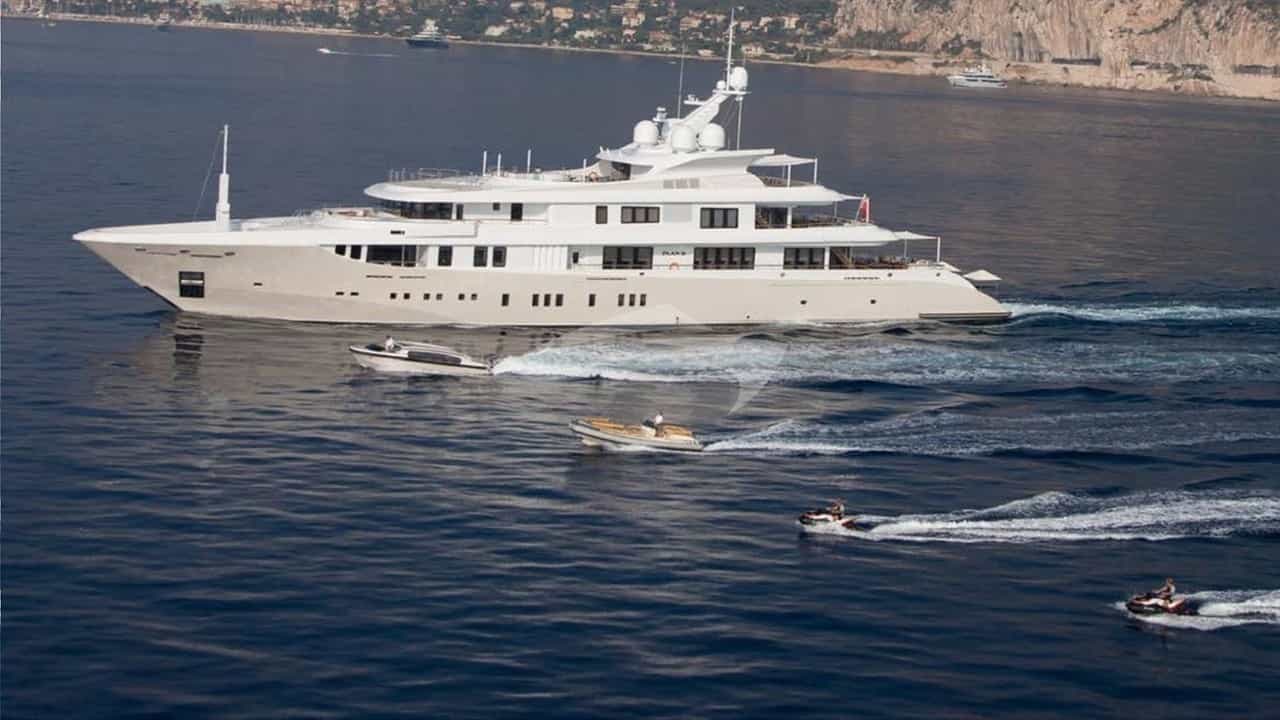
- 45-60m Motor Yacht (e.g., modern Benetti, Sanlorenzo, Feadship): This is the sweet spot for the Riviera, offering volume and amenities while still able to access key ports.
- Weekly Rate: €250,000 - €450,000 + expenses.
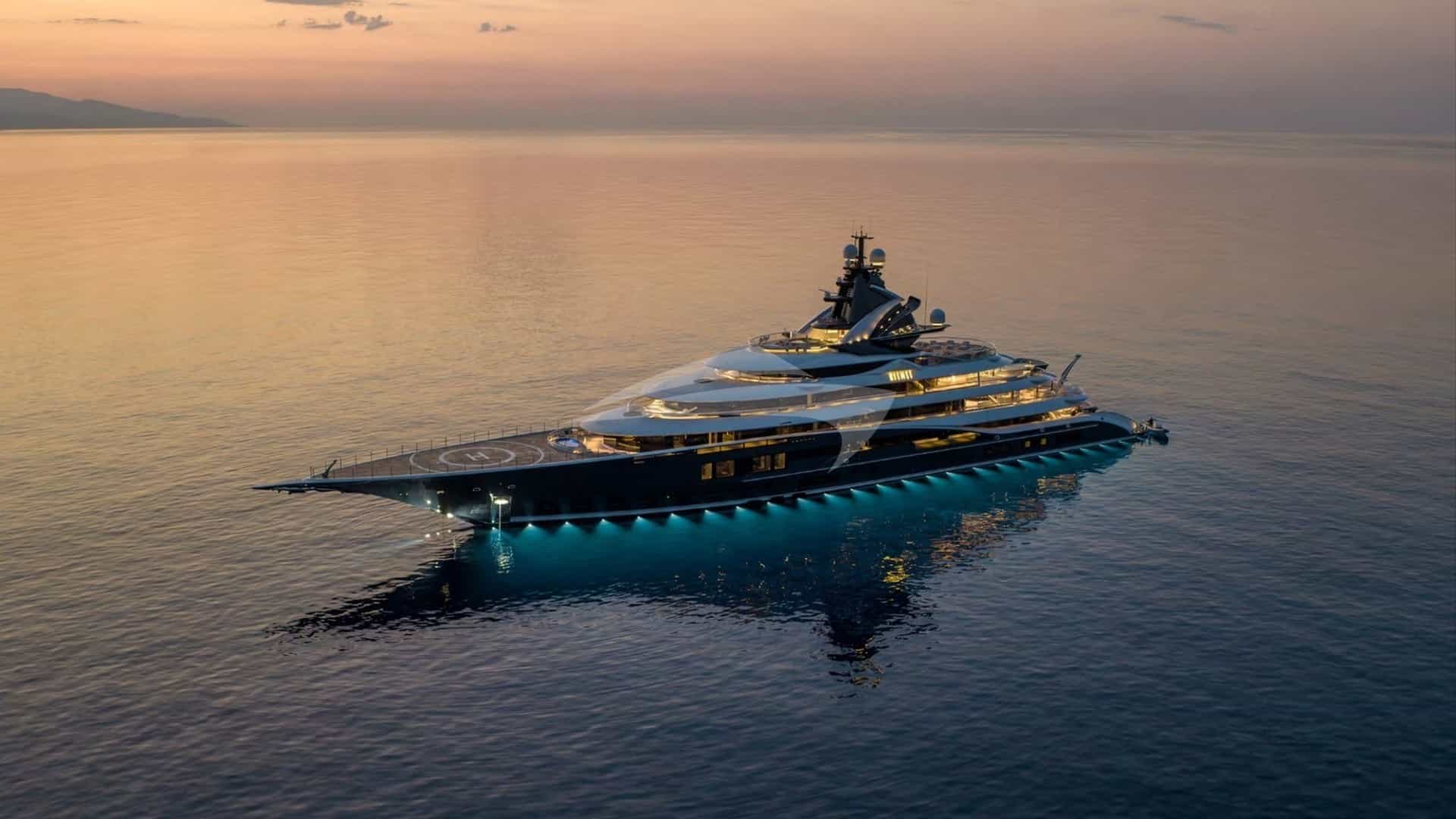
- 75m+ Motor Yacht: Offers unparalleled luxury but faces significant berthing limitations. Primarily an at-anchor platform.
- Weekly Rate: €700,000 - €1,500,000+ + expenses.
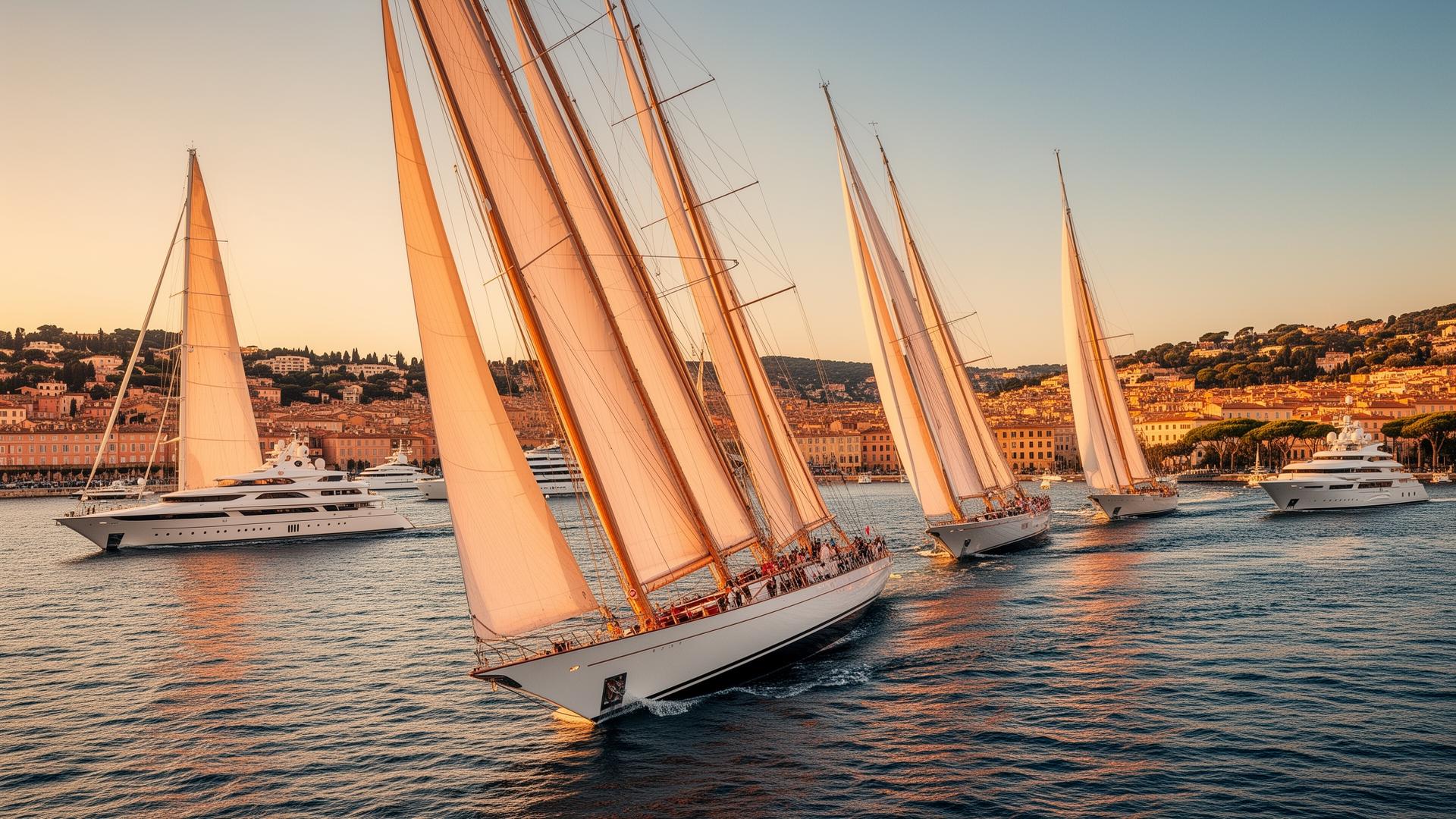
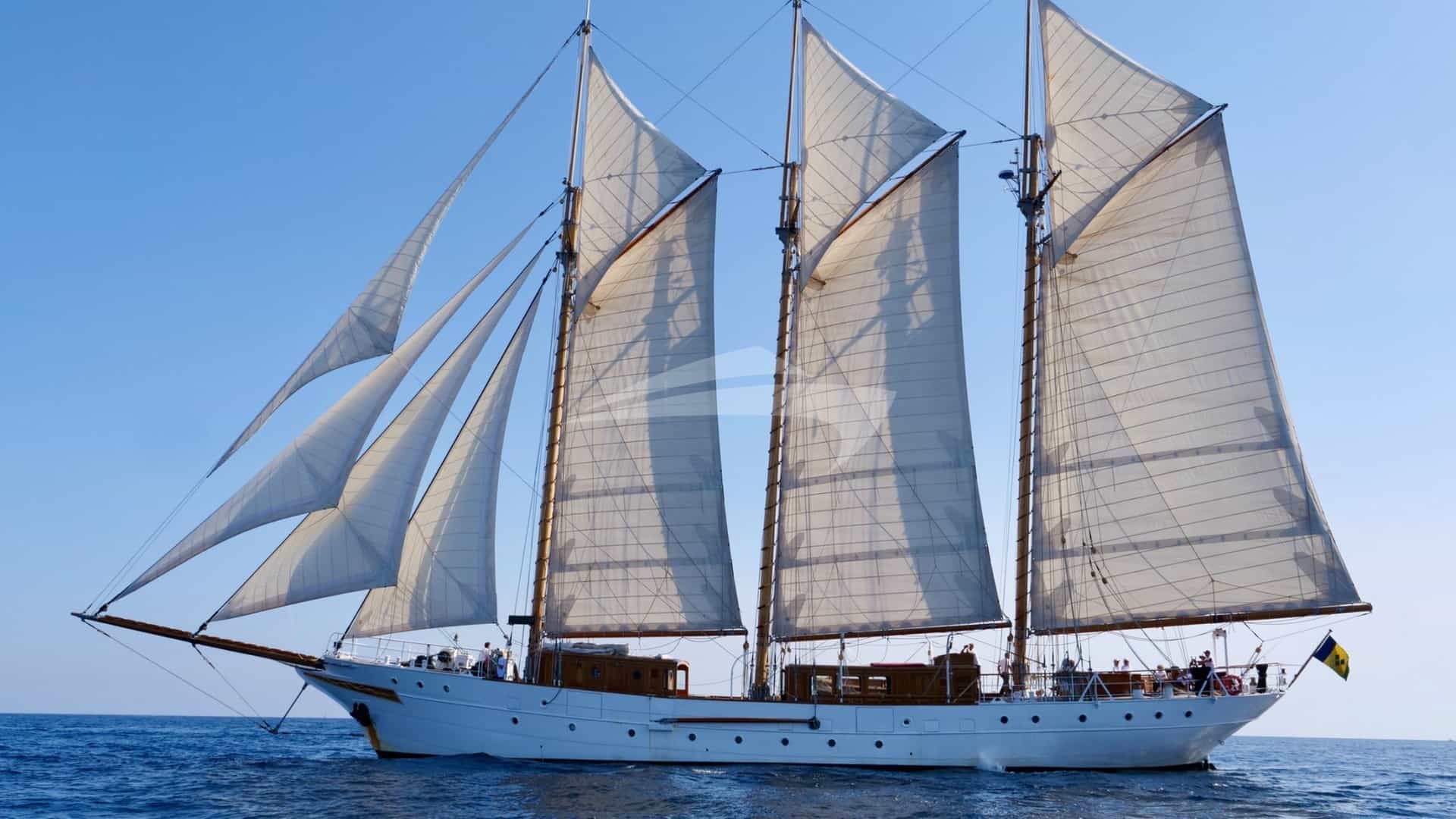
- 35-45m High-Performance Sailing Yacht (e.g., Swan, Baltic): A different kind of experience, ideal for the shoulder seasons and events like Les Voiles de Saint-Tropez. Less volume, more engagement with the elements.
- Weekly Rate: €100,000 - €200,000 + expenses.
APA Budgeting: The standard is 30% of the charter fee. For the French Riviera in high season, budget for 40%. High fuel consumption (for tenders and generators at anchor), premium berthing fees (€5,000+ for a single night is not uncommon), fine wine/champagne provisioning, and guest demand for last-minute restaurant bookings all drive the cost up. A transparent, real-time APA report from the captain is essential.
Weather & Timing:
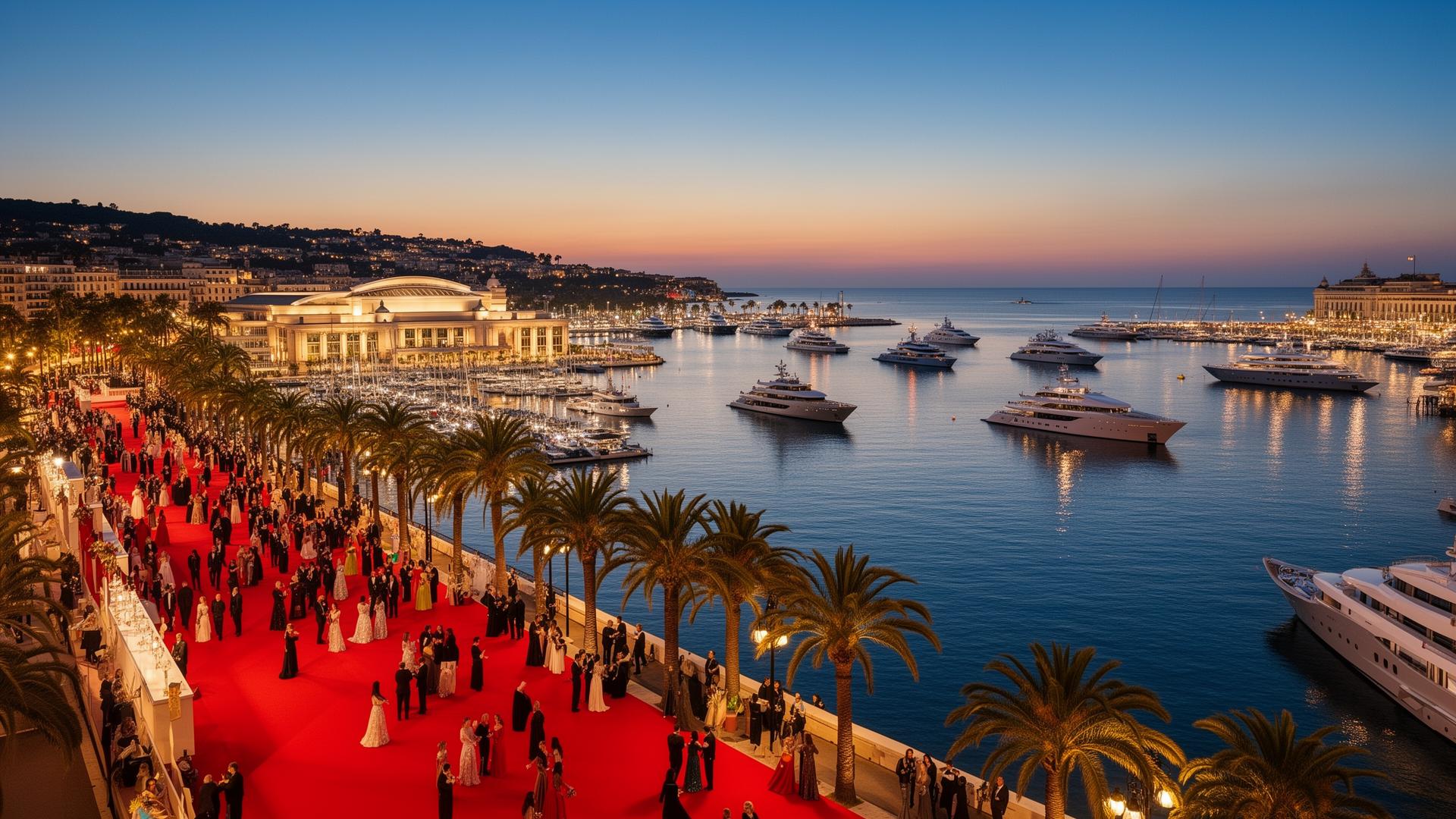
The season runs from the Cannes Film Festival in May to Les Voiles in early October.
- May/June & September: The best combination of pleasant weather, warm water, and (relatively) thinner crowds. More flexibility with anchorages. This is the connoisseur's choice.
- July/August: Peak season. Expect high heat, high humidity, and high density on the water and ashore. The "scene" is at its most vibrant. Anchorages will be crowded by mid-morning. The Mistral wind can arise quickly, particularly west of St. Tropez, requiring a rapid change of plans. A good captain will have contingency anchorages and itineraries ready.
Advanced Plays & Itinerary Extensions
The Western Escape: Port-Cros & Porquerolles
For the principal who has done the Golden Triangle, the Îles d'Hyères offer a different Riviera. A two-hour cruise west from St. Tropez, these islands are a national park. Port-Cros is almost entirely wild, with no cars and only mooring buoys available (booking required). Porquerolles has a small village and world-class beaches like Plage Notre Dame. It’s an antidote to the glamour, best suited for those who prioritize nature over nightlife. Regulations are strict; tender speeds are limited, and discharge is forbidden.
The Eastern Push: Italian Riviera
From Monaco, it is a simple and rewarding extension to push east into Italy. Clearance is straightforward for EU VAT-paid yachts. Sanremo offers a large, well-equipped marina. A day cruise further gets you to Portofino. Anchoring in the bay and tendering into the famous Piazzetta for dinner at one of the waterfront restaurants is an unforgettable experience, but be warned: the anchorage is small and deep, and the port itself has room for only a handful of yachts. This is a quick strike, best done for a night or two before returning to the Côte d'Azur.
A charter on the French Riviera is a high-stakes, high-reward endeavor. Success is measured not just by the sun on the deck, but by the seamless execution of a thousand logistical details. With the right planning, the right team, and a clear understanding of the operational realities, it remains one of the most potent experiences the yachting world has to offer.