
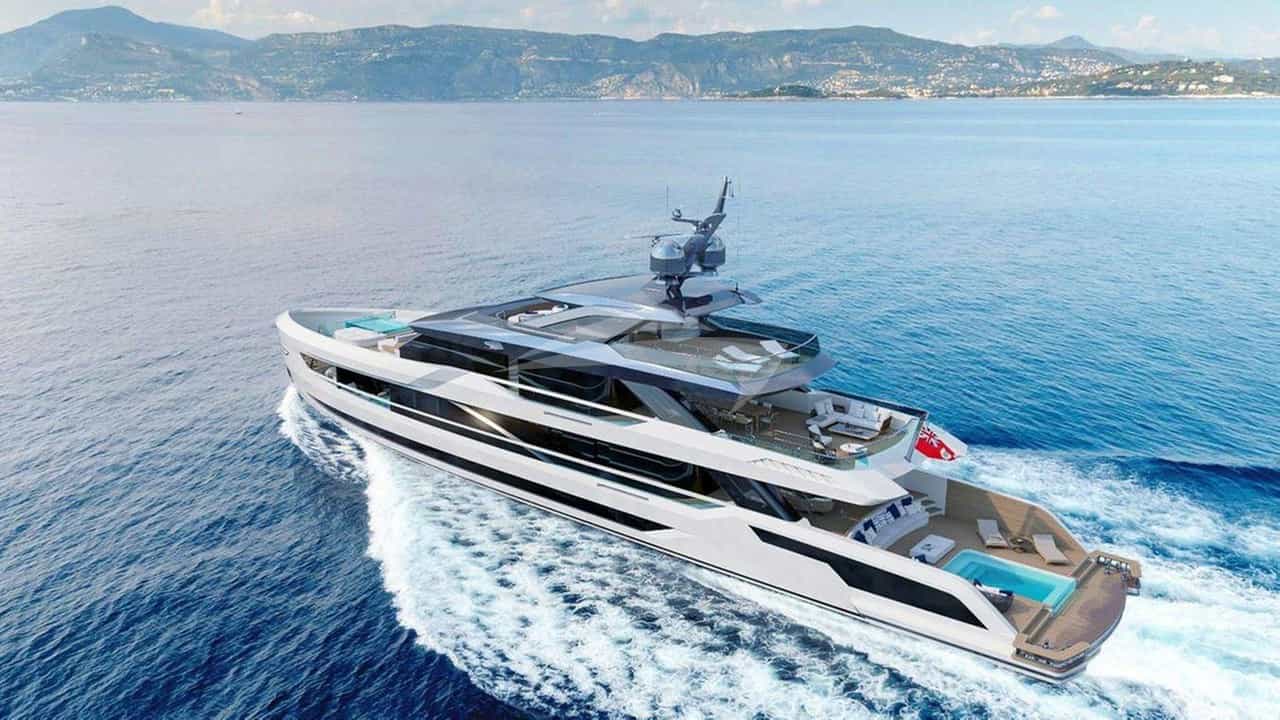
Isolated in the far northern reaches of the Kingdom of Tonga, Niuatoputapu sits at approximately 15°57’S latitude, nearly equidistant between the island group of Vavaʻu to the south and the Samoan archipelago to the north. For those undertaking a Niuatoputapu Yacht Charter yacht charter, this remote volcanic outpost represents one of the most untouched cruising grounds in the South Pacific. Its geographical isolation—160 nautical miles north of Neiafu in Vavaʻu and 160 nautical miles south-southwest of Apia, Samoa—dictates a charter experience governed strictly by oceanic weather patterns, seasonal trade winds, and deep-water passage logistics.
Cruising here is fundamentally different from navigating the sheltered, island-dense waters of central Tonga. Niuatoputapu is surrounded by deep oceanic troughs, including the nearby Tonga Trench, and is fringed by an intricate outer barrier reef broken only by narrow, swell-sensitive passages. Understanding the interplay between the South East Trade Winds, seasonal rainfall shifts, and regional ocean currents is critical when planning an itinerary. Whether staging a voyage from Samoa down to the Tongan island chain or executing an extended expedition north from Tongatapu and Haʻapai, timing determines not only comfort on board but also the viability of anchoring, tender operations, and shore landings.
The Microclimate of the Niuas: Weather and Sea Dynamics
Niuatoputapu and its high volcanic neighbour, Tafahi, lie in a tropical maritime zone dominated by two distinct meteorological phases: the dry, trade-wind-driven winter season and the hot, humid summer season. Because the island lacks the massive landmass of the southern Tongan groups, its microclimate is almost purely oceanic. Temperatures remain stable throughout the year, but wind velocity, sea state, and precipitation fluctuate significantly.
The dry season, running from May to October, brings consistent south-easterly trade winds averaging 15 to 22 knots. Air temperatures during these months range between 24°C and 28°C, while sea surface temperatures settle around a comfortable 25°C to 27°C. The atmosphere is clear, humidity is manageable, and atmospheric pressure remains relatively high and stable. This period provides the optimal conditions for long-distance passages across the open ocean stretches separating Niuatoputapu from Vavaʻu.
Conversely, the wet season spans from November to April. During this window, the South Pacific Convergence Zone shifts southward over the Niuas group, bringing elevated humidity, daytime air temperatures exceeding 31°C, light and variable winds interspersed with heavy squalls, and an increased probability of tropical cyclogenesis. Water temperatures rise to 28°C or 29°C. While the ocean is warm, the meteorological risk profile during these months generally halts commercial yacht charter activity across the region, as vessels migrate south towards New Zealand or east towards French Polynesia.
Key Oceanographic Factors for Niuatoputapu Cruising:
• Primary Wind Regime: South-East Trade Winds (May–October, 15–22 knots)
• Sea Surface Temperature Range: 25°C (July/August) to 29°C (January/February)
• Underwater Visibility: 25–40 metres along outer barrier reef drop-offs
• Average Swell Height: 1.5–2.5 metres south-easterly ocean swell during trade season
Month-by-Month Cruising Guide
### May: The Transition into the Trade Season May marks the official opening of the cruising window in the far north of Tonga. As the cyclone season dissipates, atmospheric pressure stabilizes, and the prevailing winds settle into a reliable east-south-easterly pattern. Air temperatures average 27°C, while water temperatures linger at 27°C. Rain fall decreases significantly compared to April, though occasional early-season squalls still pass through.
For charterers, May offers immaculate, uncrowded conditions. Ocean swells begin to build from the south-east, making the approach into Falehau Bay—the primary anchorage on the north-east side of Niuatoputapu—relatively well-protected. The sea water clarity around the barrier reef improves rapidly, often reaching 30 metres of depth visibility. However, passage-making from Vavaʻu in May can occasionally present a head-wind component if the trades lean strictly south-easterly, making a northern approach from Samoa an attractive alternative for motor yachts or performance sailing vessels.
### June: Settled Trades and Pristine Water Visibility By June, the trade-wind pattern is firmly established. Winds blow consistently from the east-south-east at 15 to 20 knots, creating crisp daytime sailing conditions and cooler nights, with temperatures dropping to around 23°C after sunset. Sea temperatures average 26°C. Rain is minimal, typically restricted to brief, localized morning showers that clear rapidly.
June is an exceptional month for diving and water sports along Niuatoputapu’s outer reef walls and the surrounding waters of Tafahi Island, located 5 nautical miles north-north-east. The ocean visibility often exceeds 35 metres. Vessel movement inside the lagoon off Falehau is minimal, provided the wind remains south of east. Cruising dynamics this month favour active itineraries involving long tender excursions to the uninhabited islets of Hungana and Tafahi, where deep-water drop-offs offer encounters with pelagic fish, grey reef sharks, and eagle rays.
### July: High Season, Whales, and Cultural Vibrancy July sits in the heart of the dry season and is widely considered one of the premier months for a Niuatoputapu Yacht Charter yacht charter. Air temperatures are at their coolest, averaging 25°C during the day, accompanied by low humidity and steady trade winds of 18 to 22 knots. Water temperatures settle at 25°C, requiring a thin shorty wetsuit for extended diving or snorkeling sessions.
July coincides with the arrival of humpback whales (Megaptera novaeangliae) migrating north from Antarctic feeding grounds into the warm, deep waters of the Tongan archipelago. While the highest concentrations are found in Vavaʻu and Haʻapai, pods regularly pass through the deep channel between Niuatoputapu and Tafahi. In addition, July features regional cultural highlights across Tonga, including celebrations around the Heilala Festival. In the villages of Hihifo, Vaipoa, and Falehau, locals often host traditional fakafeangai (community gatherings) where guests can experience authentic Tongan hospitality, sample lu pulu (corned beef wrapped in taro leaves and cooked in an ʻumu earth oven), and drink fresh ʻotai.
### August: Peak Trade Winds and Ocean Exploration August brings the strongest trade winds of the season, frequently blowing 20 to 25 knots from the south-east for days at a time. The air is dry and warm (24°C–26°C), and water temperatures hit their annual low of 25°C. The ocean swell outside the reef can reach 2.5 to 3 metres, requiring experienced seamanship for open-water passages between island groups.
Inside the sheltered lee of Niuatoputapu’s northern reef, conditions remain peaceful. Falehau Bay provides reliable holding in sandy mud and broken coral at depths of 6 to 12 metres. August is ideal for guests focused on wind-driven water sports such as kitesurfing and wing-foiling, particularly in the broad, shallow lagoon stretches near Hihifo. It is also an active month for observing mother humpback whales with newborn calves resting in the lee of the island's high ground.
### September: The Golden Window for Calm Seas As winter wanes in the Southern Hemisphere, the intensity of the trade winds begins to moderate during September. Wind speeds drop to an agreeable 12 to 17 knots, shifting slightly more towards the east. Air temperatures warm to 26°C–28°C, and sea temperatures rise back to 26°C.
September is frequently rated by yacht captains as the finest operational month in Niuatoputapu. The combination of lighter winds and diminished ocean swell makes entering the Ava Lahi passage through the northern barrier reef smoother and less reliant on high-tide slack water. Tender trips to Tafahi—which has no protected harbour and requires a calm day to drop anchor or land on its rocky western shore—are far easier to execute in September. Underwater visibility remains exceptionally high, and whale sightings are still frequent.
### October: Late Season Tranquility October represents the final month of the reliable charter window. Winds become lighter and more variable, occasionally dropping below 10 knots or swinging round to the north-east. Temperatures warm to 28°C during the day, with water temperatures rising to 27°C. The swell drops significantly, resulting in glass-like surface conditions across the open ocean stretches.
For charterers seeking maximum solitude, October offers an extraordinary atmosphere. Marine life activity along the reef crest is high, and water clarity is exceptional. However, captains must keep a vigilant eye on long-range forecasts toward late October, as early thermal low-pressure systems can begin to form further north near the equator.
### November to April: The Off-Season and Cyclone Period From November through April, Niuatoputapu is largely closed to commercial luxury yacht charters. November acts as an erratic shoulder month where temperatures soar to 30°C and humidity rises sharply. By December, the South Pacific cyclone season is under way, bringing heavy, prolonged tropical rains, high sea temperatures (29°C), and unpredictable gale-force squalls. Charter operations across Tonga shift to maintenance modes or relocate to non-cyclonic regions until the return of the trade winds in May.
Monthly Operational Overview for Niuatoputapu:
• May: Shoulder season start; light-to-moderate trades; zero crowds; excellent passage conditions.
• June–August: Peak trade season; strong winds (18–25 knots); cooler air/water; humpback whale season; active water sports.
• September–October: Prime charter window; moderate trades (10–17 knots); calmest seas; superb diving and tender landings.
• November–April: Off-season; high heat and humidity; heavy rainfall; cyclonic risk; commercial charter operations suspended.
Navigation, Anchorage, and Infrastructure Reality
Cruising Niuatoputapu requires realistic expectations regarding infrastructure. Unlike major South Pacific yachting hubs such as Tahiti or Port Denarau, Niuatoputapu has no dedicated marina facilities, fuel docks, or commercial ship Chandleries. It is a true wilderness destination where self-sufficiency is paramount.
The island features five primary recorded berth and anchorage positions capable of accommodating superyachts up to approximately 30 metres in length overall (LOA) within the inner lagoon structures. Vessels with drafts exceeding 2.5 to 3 metres must exercise extreme caution when transiting the main passage, Ava Lahi, situated on the north-western side of the reef ring.
Niuatoputapu Berth & Anchorage Specifications:
• Falehau Wharf Area: Depths 5–8m; sand/coral bottom; protected from S–SE; primary tender access point.
• Falehau Outer Bay: Depths 10–15m; excellent holding in sand/mud; safe anchorage for vessels up to 30m LOA.
• Western Lagoon Anchorage (off Hihifo): Depths 4–7m; sand patches between coral heads; requires clear overhead light to navigate.
• Tafahi Lee Shore (Fair Weather Only): Depths 12–20m; steep drop-off, rock/sand; suitable only in calm conditions or easterly trades.
For vessels over 30 metres LOA or those drawing deep draft, the preferred strategy is to anchor in the deeper water just outside the outer reef margin off Falehau or remain under dynamic positioning during daytime excursions, utilizing high-powered tenders to ferry guests through the reef cut into the lagoon.
Because Niuatoputapu is an official port of entry for the Kingdom of Tonga, international yachts coming south from Apia, Samoa, can complete customs and immigration clearance at Hihifo, provided advance notice is given to Tongan authorities. However, officials must travel out to the vessel via local boat or meet the yacht's tender at Falehau Wharf.
Logistics, APA, and Provisioning Strategy
Executing a seamless charter in the Niuas requires advanced logistical coordination. Due to the extreme remoteness of the island group, local stores in Hihifo carry basic dry goods, local root vegetables (taro, cassava, yams), fresh coconuts, and locally caught fish, but cannot supply high-end luxury charter provisions.
All primary provisions—including imported wines, specialty meats, artisanal cheeses, and fine produce—must be loaded at the charter’s port of origin, typically Neiafu (Vavaʻu), Nukuʻalofa (Tongatapu), or Apia (Samoa). Alternatively, provisions can be air-freighted via domestic air charter to Niuatoputapu’s small airstrip near Mataʻaho, though flight schedules are subject to weather delays and strict weight limits.
Consequently, the Advance Provisioning Allowance (APA) calculation for a Niuatoputapu itinerary must account for extended fuel burn during long open-water transits, potential air-freight logistics for fresh mid-charter re-supplies, and higher transit costs for crew repositioning. Brokers generally recommend budgeting an APA of 35% to 40% for itineraries including the Niuas, compared to the standard 30% to 35% applied in more centralized cruising grounds.
Itinerary Design and Route Extensions
Given the distance involved in reaching Niuatoputapu, charters rarely stay confined solely to the island's immediate waters. Instead, Niuatoputapu serves as the crown jewel of an extended linear or open-ocean passage itinerary.
### Option 1: The Southbound Transit (Samoa to Tonga) Starting in Apia, Samoa, the yacht sets a south-south-westerly course for 160 nautical miles across the Samoan Passage to Niuatoputapu. This option offers a comfortable beam reach in prevailing south-easterly trades. After spending three to four days exploring Niuatoputapu and Tafahi, the yacht continues south for another 160 nautical miles to the Vavaʻu archipelago, finishing with island-hopping among the sheltered bays of Kapa, Hunga, and Mafana, before disembarking in Neiafu.
### Option 2: The Northern Kingdom Circuit (Vavaʻu – Niuatoputapu Return) Departing from Neiafu, Vavaʻu, the vessel completes an overnight passage north to Niuatoputapu. Guests spend four days diving the barrier reef, visiting the freshwater spring at Secret Pool (Tafamutu) near Vaipoa, hiking the slopes of Mount Elunuʻu, and taking a tender expedition to the dramatic volcanic cone of Tafahi. The return passage south to Vavaʻu or down into the low-lying coral atolls of Haʻapai allows guests to experience the complete geographical diversity of Tonga.
Lead Times and Booking Considerations
Because the fleet of luxury expedition yachts and high-end crewed charter vessels operating in Tonga is small, availability in the far north is exceptionally tight. Vessels operating in these waters require specialized permits, experienced crew with blue-water South Pacific command experience, and meticulously planned maintenance schedules.
For peak-season charters running between July and September, clients should secure vessel holds and finalize contract terms 9 to 12 months in advance. This lead time allows charter brokers, captains, and regional agents to secure berth holds where applicable, arrange custom provisioning supply chains from main islands, organize clearance protocols with Tongan customs officers, and build contingency windows for ocean transits.
By timing a charter to align with the sweet spot of the trade winds in late winter or early spring, guests aboard a Niuatoputapu Yacht Charter yacht charter will experience one of the planet's final maritime frontiers at its absolute finest: a place of volcanic peaks, rich Polynesian heritage, crystal-clear ocean waters, and absolute solitude.