
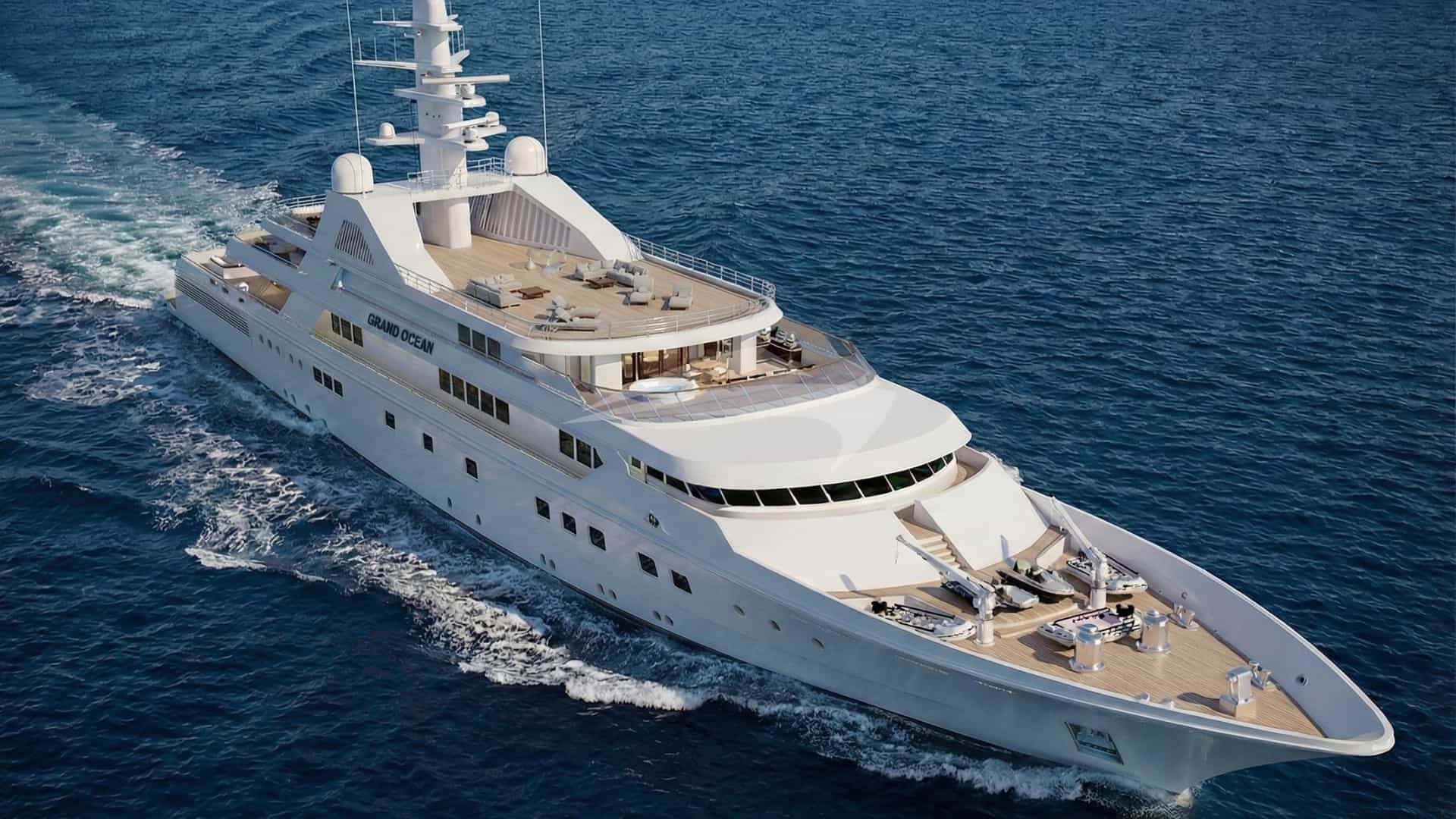
Cruising the Venetian Lagoon presents a marine operational landscape unlike any other in the Mediterranean. Rather than facing the deep-water drop-offs and open anchorages typical of the French Riviera or the Balearics, a captain navigating these waters works within a intricate network of tidal channels, shallow mudflats (barene), protected maritime reserves, and centuries-old architectural heritage. Executing a seamless itinerary requires precise planning regarding draught clearance, tidal windows, municipal traffic restrictions, and berth reservations.
When arranging a bespoke Venice Yacht Charter yacht charter, understanding the operational mechanics of the lagoon is paramount. The destination offers unparalleled cultural access and iconic backdrop moorings, but it demands strict compliance with local maritime law, active tidal management, and early securing of high-demand quay space. From the deep-water commercial inlets to the restricted channels of the historic centre, this guide outlines the practical realities of berthing, fueling, provisioning, and shore support across the Venetian maritime zone.
Navigating the Lagoon: Inlets, Draughts, and Waterways
The Venetian Lagoon is separated from the Adriatic Sea by a chain of barrier islands—primarily Pellestrina and the Lido—and is accessible via three primary sea inlets (bocche di porto): Lido Inlet to the north, Malamocco in the centre, and Chioggia to the south. Each inlet dictates entry options based on yacht size, draught, and prevailing tidal conditions.
Marine Access Points and Tidal Dynamics
The Lido Inlet (Bocca di Lido) is the primary entrance for yachts bound directly for the historic centre of Venice, Marina Sant'Elena, and the lagoons of Murano and Burano. The inlet is divided into two navigable channels: the San Nicolò channel to the south (serving vessels heading toward the Bacino di San Marco) and the Treporti channel to the north. Depths within the main fairway are maintained at approximately 6.0 to 8.0 metres, though siltation near channel margins can reduce depth significantly.
The Malamocco Inlet (Bocca di Malamocco) provides a deeper fairway, maintained up to 14.0 metres to accommodate commercial traffic accessing the industrial port of Porto Marghera. Superyachts exceeding 5.0 metres in draught or those entering during adverse weather conditions often elect to enter via Malamocco, utilizing the deep-water Canale di San Pietro and Canale Petroli before connecting to the inner lagoon channels.
Tidal ranges in the Venetian Lagoon normally vary between 0.5 metres at neap tides and 1.0 metre at spring tides. However, high-water events (acqua alta), predominantly occurring between October and April, can raise water levels by more than 1.4 metres above chart datum. The MOSE mobile barrier system (Modulo Sperimentale Elettromeccanico) now raises yellow pontoon dams across the three inlets when water levels are forecast to exceed 1.10 metres. When MOSE is raised, navigation through the inlets is completely closed for periods lasting between three and eight hours, requiring captains to monitor local tide forecasts (Centro Maree) meticulously to avoid lock-outs.
Speed Regulations and Wave Wash (*Moto Ondoso*)
Wave wash, or moto ondoso, is one of the most strictly regulated marine issues in Venice due to the structural erosion it causes to historic building foundations and lagoon ecosystems. The Capitaneria di Porto di Venezia (Coast Guard) and the local municipality enforce strict speed restrictions across all waterways:
- Bacino di San Marco and San Giorgio Channel: 11 km/h (approx. 5.9 knots) to 12 km/h depending on vessel classification.
- Inner Venice Lagoons and Navigation Canals: 7 km/h to 11 km/h (approx. 3.7 to 5.9 knots).
- *Open Lagoon Channels (marked by wooden dolphins or briccole):* 20 km/h (approx. 10.8 knots) for pleasure craft, subject to specific channel designations.
Private tenders launched from charter yachts are subject to rigorous operational limitations. Tenders are strictly prohibited from entering the small internal canals (rii) of Venice's historic city centre, which are reserved exclusively for public transport (vaporetti), licensed water taxis, and authorized commercial craft. Guests must disembark at designated yacht quays or approved public pontoons, transferring to private wooden water taxis (motoscafi) for transit through the inner canal system.
Principal Marinas and Superyacht Berthing
Berthing in Venice falls into two categories: modern marina facilities offering full utility hookups and secure perimeter access, and urban high-profile quays located steps from Piazza San Marco.
Riva dei Sette Martiri and San Biagio
Situated along the Castello waterfront between the Giardini della Biennale and the Arsenale, Riva dei Sette Martiri represents the most prestigious superyacht berth in Venice. This public quay, managed via municipal concessions and maritime agencies, accommodates vessels from 50 metres up to 100 metres LOA or larger stern-to or alongside.
- Draught: Depth along the quay ranges from 6.0 to 8.0 metres.
- Logistics: The quay puts guests within a ten-minute walk of Piazza San Marco. However, as an open urban promenade, security requires dedicated gangway watches and temporary safety barriers.
- Utilities: High-capacity shore power (up to 400A / 400V) and potable water connections are available via pre-arranged municipal utility points. Bunkering by road tanker can be arranged during permitted early-morning hours.
Marina Sant'Elena
Located at the south-eastern tip of the island of Castello, Marina Sant'Elena offers a purpose-built superyacht environment away from the heavy traffic of the central basin while retaining immediate access to central Venice.
- Capacity: Over 150 berths, with dedicated superyacht quays capable of accommodating vessels up to 140 metres LOA.
- Draught: 4.5 to 6.0 metres alongside the main berths.
- Facilities: 24/7 security, 400V power connections up to 250A, high-flow water supplies, waste pump-out services, and dedicated crew facilities. Its location allows yachts to dock without entering restricted shallow inner channels.
Venezia Certosa Marina
Positioned on the eco-island of La Certosa, just northeast of San Marco, Venezia Certosa Marina provides a peaceful, secluded setting surrounded by parkland.
- Capacity: Accommodates craft up to 60 metres LOA, with specific deep-water berths on its outer floating pontoons.
- Draught: Up to 3.5 to 4.5 metres along outer berths; inner berths are limited to vessels drawing under 2.5 metres.
- Logistics: A private marina water-taxi service links Certosa to San Marco in under eight minutes. On-site facilities include shipyard technical services, a crane, hardstanding, and a boutique hotel-restaurant complex.
Compagnia della Vela (San Giorgio Maggiore)
Located on the island of San Giorgio Maggiore directly opposite Piazza San Marco, the historic Compagnia della Vela yacht club offers one of the most iconic views in global yachting.
- Capacity: Primarily designed for sailing yachts and motor yachts up to 30–35 metres LOA due to space and turning constraints inside the basin.
- Draught: Controlled at approximately 2.5 to 3.5 metres inside the inner harbor basin.
- Access: High demand and limited availability mean berths here are generally reserved for club members or visiting yachts secured through high-level agent intervention.
Alternative Regional Infrastructure
For staging, maintenance, or vessels requiring deep-water shelter outside the central lagoon, two mainland options serve as valuable logistical hubs:
- Porto Turistico di Jesolo: Located at the mouth of the Sile river, suitable for vessels up to 30 metres with draughts up to 2.5 metres.
- Darsena Le Saline (Chioggia): Located at the southern entrance of the lagoon, offering deep draught berths (up to 5.0 metres) and comprehensive technical refit services for yachts up to 50 metres.
Berth Availability, Event Timelines, and Advance Planning
Securing prime berthing space in Venice requires long advance booking timelines, particularly when aligned with major cultural events that draw global superyacht traffic.
Peak Seasons and Key Events
The primary charter season runs from May through October, with peak demand concentrated during specific calendar events:
- The Venice Art/Architecture Biennale (May to November): Alternating annually between Art and Architecture, the preview week in mid-May generates extreme demand for berths along Riva dei Sette Martiri and Marina Sant'Elena due to their proximity to the main venue sites at the Giardini and Arsenale.
- The Redentore Festival (Third Sunday of July): A major local celebration featuring a massive fireworks display over the Bacino di San Marco. Yachts secure berths or anchored positions in the Bacino weeks in advance; maritime authorities enforce strict exclusion zones during the event.
- Venice International Film Festival (Late August to Early September): Hosted at the Venice Lido, this event shifts focus toward berths at Marina Sant'Elena, the Lido docks, and Riva dei Sette Martiri. Berths during this fortnight command premium tariffs and require reservations up to twelve months prior.
- Vogalonga (May/June): A rowing regatta covering a 30-kilometre course across the lagoon. Lagoon navigation for motorized craft is strictly restricted or completely halted during the morning of the race.
Lead Times and Tariff Considerations
For high-season charter dates (June through August), standard marina berths at Sant'Elena or Certosa should be requested 3 to 6 months in advance. For prime waterfront locations such as Riva dei Sette Martiri during event periods, applications for municipal permits and berthing space must be initiated 6 to 12 months ahead through a local port agent.
Mooring tariffs in Venice reflect the scarcity of superyacht-capable quays. Nightly fees along central quays during major events can easily exceed standard Mediterranean rates, often forming a significant line item within the Advanced Provisioning Allowance (APA).
Fuel, Water, and Provisioning Logistics
The unique physical layout of Venice requires specialized approaches to yacht maintenance, refueling, and culinary provisioning. Traditional land-based trucking delivery methods are rarely feasible without waterborne transfers.
Refueling Logistics
Marine diesel (both duty-paid and duty-free for commercially registered charter yachts) is supplied primarily via two methods:
- Bunker Barges: For superyachts berthed along Riva dei Sette Martiri, Marina Sant'Elena, or anchored in permitted lagoon zones, bunkering is conducted via specialized double-hulled bunker barges. Delivery rates range from 30 to 100 cubic metres per hour. Barges must be ordered through a local agent at least 48 to 72 hours in advance to secure maritime authority clearance and customs oversight.
- Fuel Docks: Fuel stations equipped for smaller superyachts (up to 30–35 metres) exist near San Giorgio and Tronchetto, though physical berth space at these fuel docks limits access for displacement hulls drawing over 3.0 metres.
Fresh Water and Power Infrastructure
Potable water across Venetian marinas is sourced from the municipal water network. At high-capacity quays like Sant'Elena and Riva dei Sette Martiri, direct high-flow connections are available. For yachts at anchor or extended quay locations, freshwater delivery barges can be arranged.
Shore power capabilities vary significantly:
- Marina Sant'Elena: Offers 63A, 125A, and 250A three-phase connections (400V, 50Hz).
- Riva dei Sette Martiri: Requires temporary power distribution boxes connected directly to municipal high-voltage points, arranged in advance by your port agent.
- Certosa Marina: Provides 16A up to 125A connections. Vessels requiring higher amperage must run generators onboard, subject to local noise and emissions regulations.
Provisioning Sourcing and Transport
Venice offers world-class culinary resources, but getting provisions from market to galley requires careful coordination:
- Fresh Produce and Seafood: Chef sourcing is heavily centred on the historic Mercato di Rialto for fresh Adriatic seafood, including branzino (sea bass), orata (sea bream), canocchie (mantis shrimp), and schie (lagoon shrimp). Specialty vegetables, such as the prized castraure (young purple artichokes) from the island of Sant'Erasmo, are procured directly from local lagoon growers.
- Delivery Logistics: Provisioning suppliers deliver goods using traditional flat-bottomed wooden cargo boats (topole) equipped with refrigeration units. Provisions are loaded directly from the water boat onto the yacht's aft deck or side boarding ladder. Dry goods and imported luxury products are typically trucked to mainland logistics hubs (like Fusina or Tessera) before being shuttled across the lagoon.
Clearance, Formalities, and Maritime Regulations
Operating a commercial charter vessel within Italian territorial waters and specifically within the Venetian Lagoon involves strict compliance with maritime authorities.
Port Clearance and Customs
Upon entering Venetian waters, commercial superyachts must declare their arrival to the Capitaneria di Porto di Venezia.
- Schengen and Non-Schengen Clearance: Yachts entering Italy from non-Schengen ports (e.g., Montenegro, Albania, Croatia) must conduct formal border control and customs clearance. Official entry formalities are handled via the commercial port facilities at Marittima / Stazione Marittima or through Chioggia. Local port agents handle immigration clearance for non-EU crew and guests onboard.
- VTS and Radio Communications: Venice Vessel Traffic Service (VTS) monitors all commercial and large pleasure craft movements within the lagoon approaches. Captains must maintain continuous listening watch on VHF Channel 12 (Venice VTS) and VHF Channel 16 when operating between the sea inlets and inner moorings.
Pilotage Requirements
Under current Italian maritime regulations (Decree of the Maritime Authority):
- Vessels exceeding 500 Gross Tons (GT) navigating certain commercial channels or entering via Malamocco to access industrial ports or deep inner berths may be subject to mandatory pilotage services provided by the Corporazione Piloti del Estuario Veneto.
- For pleasure craft navigating the main tourist waterways, local knowledge is critical due to fast-setting tidal currents (up to 3–4 knots in the inlets) and dense traffic consisting of ferries, water taxis, and rowing vessels.
Airport Connections and Crew Logistics
Smooth logistics for guest arrivals, crew rotations, and technical support rely on the lagoon's direct transport connections to regional transit hubs.
Airport Transfers
- Venice Marco Polo Airport (VCE): Located on the mainland shoreline of the lagoon, Marco Polo Airport offers an ideal transfer environment for yacht guests. The airport features a dedicated water-taxi dock directly connected to the main passenger terminal via a covered moving walkway (Tessera Water Terminal). Guests step off their flight and board a private luxury wooden water taxi directly to the yacht. Transfer times by water taxi are approximately 15 to 20 minutes to Venezia Certosa Marina, 20 minutes to Marina Sant'Elena, and 25 to 30 minutes to Riva dei Sette Martiri or San Marco.
- Treviso Airport (TSF): Located approximately 40 kilometres inland, Treviso handles regional charter flights and private aviation overflow. Road transfers to the Tessera water-taxi dock take roughly 35 to 45 minutes.
- Venice Lido Airport (Aeroporto Nicelli): Situated on the northern tip of the Lido, this historic airfield features a 1,000-metre grass runway suitable for turboprop private aircraft and helicopter operations. It offers the closest fixed-wing landing option for guests berthing at Lido or Sant'Elena.
Crew Logistics and Support Operations
Managing crew operations in Venice requires adjustments compared to standard Mediterranean ports:
- Crew Turnarounds: Crew members arriving via public transport can access central marinas via the ACTV Vaporetto waterbus network. Marina Sant'Elena is served directly by Vaporetto Lines 1, 4.1, 4.2, 5.1, and 5.2. Certosa is served on-demand by Line 4.1/4.2.
- Parts and Technical Deliveries: Freight deliveries for spare parts or engineering equipment must be routed to a mainland freight forwarder or agent dock in Mestre/Fusina. From there, items are transferred to licensed commercial water transports (transporti marittimi) for delivery alongside the yacht. Direct courier delivery (e.g., DHL, FedEx) to marina docks is limited by weight and access restrictions.
- Waste Disposal: Discharging black or grey water inside the Venetian Lagoon is illegal and strictly penalized under Italian environmental law. Marinas provide direct suction pump-out facilities, or certified waste barges must be commissioned to empty holding tanks prior to departure into open sea waters.
By mastering the hydrographic conditions, advance reservation protocols, and unique waterborne logistics of the Venetian Lagoon, brokers, captains, and charterers can execute an effortless luxury experience. A Venice Yacht Charter yacht charter stands out as one of maritime Europe's most captivating voyages, where flawless operational planning turns complex lagoon navigation into an unforgettable arrival on the world's most iconic stage.