
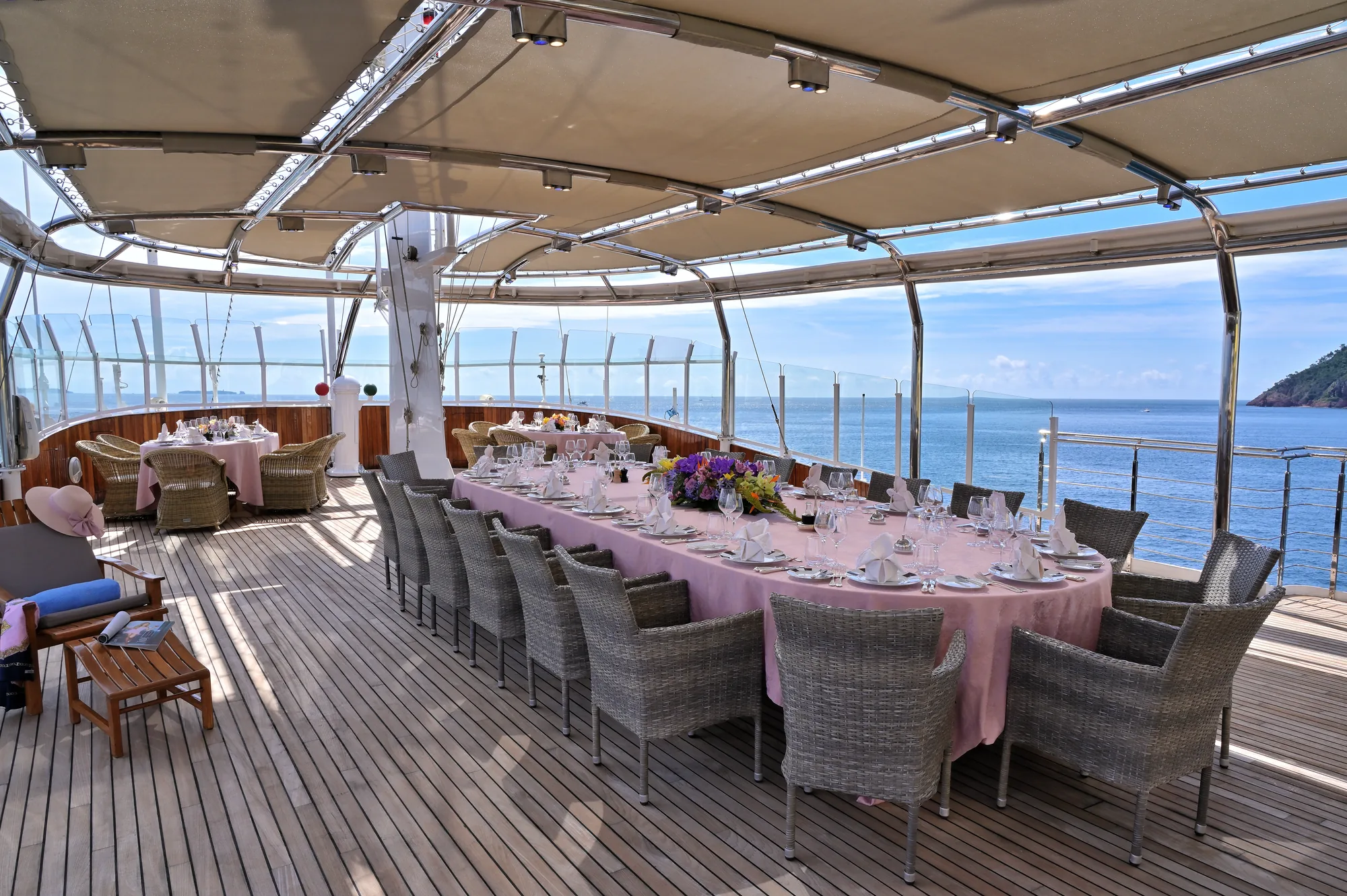
Understanding when to book a Yacht Charter St Martin yacht charter requires a nuanced appreciation of Caribbean meteorology, local marine calendars, and regional geography. St Martin sits at the center of a premier cruising triad alongside Anguilla and St Barth. Operating from this dual-nation island—split between French Saint-Martin in the north and Dutch Sint Maarten in the south—gives yacht charter guests immediate access to short cross-channel passages, protected lagoon berthing, and some of the finest culinary anchorages in the West Indies.
Timing dictates every aspect of your voyage. The trade winds shift in velocity and direction throughout the year, ground swells alter the security of exposed north-coast anchorages, and local events shift the balance between high-octane social calendars and tranquil, uncrowded cruising. Whether your priority is spectating world-class superyacht regattas, securing prime berthing in Gustavia, or slipping into quiet anchorages off Scrub Island without another hull in sight, strategic calendar selection is essential.
The Dynamics of the St Martin Cruising Season
The Leeward Islands experience a tropical maritime climate regulated by the North Atlantic high-pressure system. This atmospheric engine drives the easterly trade winds, locally known as the Alizés. While temperatures remain comfortably warm year-round—hovering between 25°C and 31°C—the sea state, wind consistency, and rainfall patterns evolve significantly across the calendar.
Sea water temperatures remain exceptionally inviting year-round, dipping to a crisp 26°C in January and rising to a balmy 29°C by late August. For swimming, seabobbing, and diving off the outer reefs of Île Tintamarre or the Prickly Pear Cays, water clarity is highest when the wind settles between April and June, minimizing surface disruption and sand displacement.
Ocean swell patterns require careful monitoring by your captain. Between December and February, heavy depressions far to the north in the Atlantic push long-period northern swells down into the Caribbean basin. While these swells rarely compromise vessel safety, they make exposed, north-facing anchorages like Anse Marcel, Friar’s Bay, or Anguilla’s Shoal Bay East uncomfortably roly for overnight stays. A skilled captain will counter this by shifting focus to the sheltered southern and western lee of the islands, such as Grand Case, Baie Longue, or Rendezvous Bay.
Peak Winter Cruising (December to February)
The winter peak represents the quintessential Caribbean charter window. High-net-worth charterers, transatlantic yachts fresh from their ocean crossings, and the global sailing elite converge on St Martin and its neighbors to escape Northern Hemisphere winters.
### The Christmas and New Year Festive Fortnight The period from 20th December through 5th January is the single busiest fortnight of the year in the Leeward Islands. Superyachts and large motor yachts stack up inside Simpson Bay Lagoon and line the docks at Port de Plaisance, Yacht Club at Isle de Sol, and Palapa Marina. Meanwhile, Gustavia Harbour in St Barth turns into a dense forest of masts and polished transoms.
Booking lead times for the festive fortnight are long. To secure a high-specification crewed catamaran or motor yacht for Christmas or New Year, inquiries must be initiated 10 to 12 months in advance. Many top-tier yachts impose a ten-night minimum charter duration for this period, alongside a premium charter rate surcharge of 10 to 20 percent.
During these weeks, the trade winds are at their strongest, bringing the notorious "Christmas Winds" (Vents de Noël). These persistent easterlies blow consistently between 20 and 28 knots for days at a time, creating exhilarating sailing conditions in the open channels between St Martin and St Barth. Passages across the 15-nautical-mile St Barth Channel can be brisk and lively, making stabilized motor yachts or large, robust multi-hulls the vessel of choice for guests prone to motion sickness.
### January and February Conditions Once the New Year crowds disperse in early January, a brief, highly desirable lull occurs before the mid-winter peak resumes in February. Air temperatures average 27°C, humidity remains low, and rainfall is limited to brief, passing morning squalls that clear within minutes.
February brings peak winter demand, driven by school holidays in Europe and North America. Anchorages such as Grand Case on the French side offer calm, glassy conditions, ideal for dining ashore at local lolos—traditional open-air beach shacks serving grilled spiny lobster, johnnycakes, and ribs—or high-end French bistros.
The Regatta & Spring High Season (March to April)
Spring brings some of the most dynamic sailing conditions and vibrant shore-side atmospheres of the entire season. The trade winds soften to a reliable 15 to 20 knots, air temperatures warm slightly, and the ocean swell settles, opening up more adventurous anchoring options.
### The St Maarten Heineken Regatta Held annually in early March, the Heineken Regatta brings hundreds of racing craft, performance charter yachts, and spectator vessels to Simpson Bay. The ocean off the south coast of Sint Maarten becomes a canvas of spinnakers, while the shore side hosts legendary evening parties and live music events.
Cruising during regatta week requires advance planning for berthing and anchorages. Simpson Bay Bridge openings become busy with race-committee traffic and competing yachts entering the lagoon. If your charter itinerary centers on relaxation rather than racing, your broker will structure your route to start in Marigot or Anse Marcel, heading north immediately toward Anguilla to bypass the regatta crowds.
### The St Barths Bucket and Les Voiles de St Barth Mid-to-late March sees the focus shift to neighboring St Barth for the St Barths Bucket Regatta, an exclusive gathering of superyachts over 100 feet in length. Viewing these magnificent vessels racing around the perimeter of St Barth from the deck of your own yacht is an exceptional maritime experience.
In April, Les Voiles de St Barth continues the competitive calendar. Because of these events, Gustavia Harbour and the anchorage at Anse de Colombier remain in high demand. Lead times for March and April charters should be six to eight months out, particularly if you wish to secure a berth inside the harbor rather than taking an outer anchorage.
### April Cruising Dynamics April is considered by many experienced charter brokers to be one of the finest months of the year. The wind remains reliable yet comfortable, rainfall is at its annual low, and water temperatures reach 27°C. The Easter week holiday brings a secondary spike in demand, but late April offers excellent availability, relaxed dockage options, and uncrowded anchorages across St Martin, Anguilla, and Saba.
The Shoulder Season Sweet Spot (May to June)
For charterers seeking maximum value, peaceful anchorages, and gentle sea conditions, May and June represent the ultimate sweet spot. As the primary winter charter fleet begins its transatlantic movements toward the Mediterranean, the yachts that remain in the Caribbean offer exceptional experiences.
### Why May and June excel: Reduced Charter Rates:* Many yachts shift to low-season pricing, offering savings of 10 to 20 percent compared to peak winter rates. Calmer Seas:* The trade winds drop to a comfortable 10 to 15 knots, reducing channel chop and making open-water passages between islands exceptionally smooth. Empty Anchorages:* Iconic spots like Île Tintamarre, Pinel Island, and Anguilla’s Little Bay can be enjoyed with only a handful of other vessels present. Warm, Clear Water:* Water temperatures average 28°C, and reduced wind stress creates crystal-clear underwater visibility for snorkeling and diving. Flexible Itineraries:* With reduced pressure on marina berths and anchorages, captains can alter itineraries on short notice to suit guest preferences without worrying about pre-booked dockage constraints.
Cruising to Île Tintamarre—an uninhabited island reserve four nautical miles off St Martin’s northeast coast—is particularly rewarding in May. Free from the heavy winter swells, yachts can comfortably anchor off the western beach, allowing guests to swim alongside hawksbill sea turtles in calm, clear water before enjoying a beach barbecue.
Saba, located 26 nautical miles south-southwest of St Martin, also becomes far more accessible in late spring. Rising precipitously from the sea, Saba lacks natural harbors, and its mooring fields off Ladder Bay can be untenable during winter swells. In May and June, stable conditions allow yachts to moor safely, giving guests the opportunity to tender ashore to Fort Bay and hike up through the cloud forest of Mount Scenery.
The Low Season & Hurricane Watch (July to November)
The summer and autumn months bring a marked shift in the Caribbean cruising landscape, defined by rising temperatures, increased humidity, and the Atlantic hurricane season.
### July: Summer Cruising and Local Culture July remains a viable and enjoyable month for chartering, particularly for families bound by school summer holidays. Air temperatures peak around 31°C, requiring air-conditioned accommodations, but the prevailing winds keep offshore conditions comfortable.
Local life takes center stage in July. Saint-Martin celebrates Bastille Day on 14th July in Marigot with waterfront parades, traditional boat races, and fireworks over the bay. The waters around Grand Case and Orient Bay are warm and calm, making water-sports-focused charters exceptionally successful.
### August to October: The Peak Storm Window The official Atlantic hurricane season runs from 1st June through 30th November, but the statistical peak occurs between mid-August and late October. During this period, atmospheric tropical waves move off the coast of Africa and cross the Atlantic, occasionally developing into tropical storms or hurricanes.
The vast majority of luxury crewed yachts haul out for seasonal maintenance, enter protected hurricane holes, or relocate to the Mediterranean or New England during these months. Restaurants in Grand Case, shore-side boutiques in Marigot, and luxury resorts in Anguilla close down for annual maintenance and staff leave. Chartering during September and October is generally not recommended, and insurance policies often restrict yacht operations in the region during this time.
### November: The Seasonal Awakening November marks the transition back to high-season operations. As the risk of tropical activity declines, yachts complete their transatlantic crossings or return south from the US Eastern Seaboard.
Early-to-mid November offers quiet cruising, as shore-side businesses reopen and staff prepare for the coming winter rush. The trade winds begin to re-establish themselves, air temperatures drop to a comfortable 28°C, and the water remains warm from the summer heat. November charters offer strong value and excellent availability prior to the holiday rush, though guests should remain aware that brief rain showers are more frequent as the atmosphere shifts into winter patterns.
Month-by-Month Quick Reference
To assist in planning your Yacht Charter St Martin yacht charter, this month-by-month summary outlines what to expect throughout the year:
- January: Excellent trade winds (18–25 knots); cool nights (23°C); warm seas (26°C); high demand post-New Year; periodic northern swells affecting exposed anchorages.
- February: Strong, consistent winds; peak winter season demand; optimal conditions for sailing; reservation lead times of 6–8 months required.
- March: Regatta season (Heineken Regatta & St Barths Bucket); lively atmosphere; superb sailing conditions; high demand for marina berths in Simpson Bay and Gustavia.
- April: Trade winds soften (12–18 knots); lowest annual rainfall; comfortable sea states; ideal for mixed motor and sail charters; Easter week demand spike.
- May: Insider’s choice; lower charter rates; flat seas; sea temperature rising to 28°C; uncrowded anchorages across St Martin, Anguilla, and St Barth.
- June: Calm ocean conditions; warm waters; excellent underwater visibility; short passage times; ideal for families with young children.
- July: Warm summer weather (31°C); calm seas; vibrant local culture (Bastille Day); lower fleet availability as yachts depart for maintenance.
- August: High heat and humidity; light winds punctuated by tropical squalls; fleet begins winter prep; early hurricane risk.
- September: Peak hurricane season; primary charter fleet inactive or relocated; shore-side establishments closed; chartering not advised.
- October: Hurricane season continues; fleet preparing for winter season; extensive maintenance period in local yards; chartering not advised.
- November: Fleet returns; reopening of shore-side venues; building trade winds; excellent value ahead of the festive period.
- December: Early December offers tranquil cruising; festive fortnight (20th Dec–5th Jan) requires maximum lead time (10–12 months); high demand, peak rates, and strong Christmas Winds.
Strategic Passage Planning & Microclimates
A well-executed St Martin itinerary takes full advantage of the geographical proximity between islands, adapting to daily weather conditions. The distance from Marigot on St Martin’s west coast to Road Bay in Anguilla is just 12 nautical miles across the Anguilla Channel. This shallow stretch of water offers relatively flat seas even when the trade winds are blowing hard, making it a comfortable run in almost any weather.
Conversely, the 15-nautical-mile passage from Simpson Bay or Philipsburg to Gustavia in St Barth crosses open water that catches the full force of the Atlantic swell and easterly trade winds. When the Christmas Winds blow hard in January, a captain may choose to run up the lee shore of St Martin to Anse Marcel or Grand Case first, shortening the open-water angle across the St Barth Channel to minimize rolling.
Cruising the offshore cays of Anguilla—such as Sandy Island, Prickly Pear Cays, or Scrub Island—requires stable spring or summer weather. These low-lying coral cays offer limited wind protection, meaning they are best enjoyed when trade winds dip below 15 knots. Anchoring off Scrub Island, at the extreme eastern tip of Anguilla, places you in a pristine natural reserve where spiny lobsters can be spotted off the reef and desolate white sand beaches stretch for miles.
By matching your expectations with the seasonal rhythm of the Leeward Islands, you can tailor an itinerary that maximizes comfort, performance, and destination experiences. Whether you seek the adrenaline of March regattas, the high-society glamour of New Year in Gustavia, or the serene, sun-drenched solitude of May in the offshore cays, timing your charter correctly ensures the ultimate Caribbean voyage.