
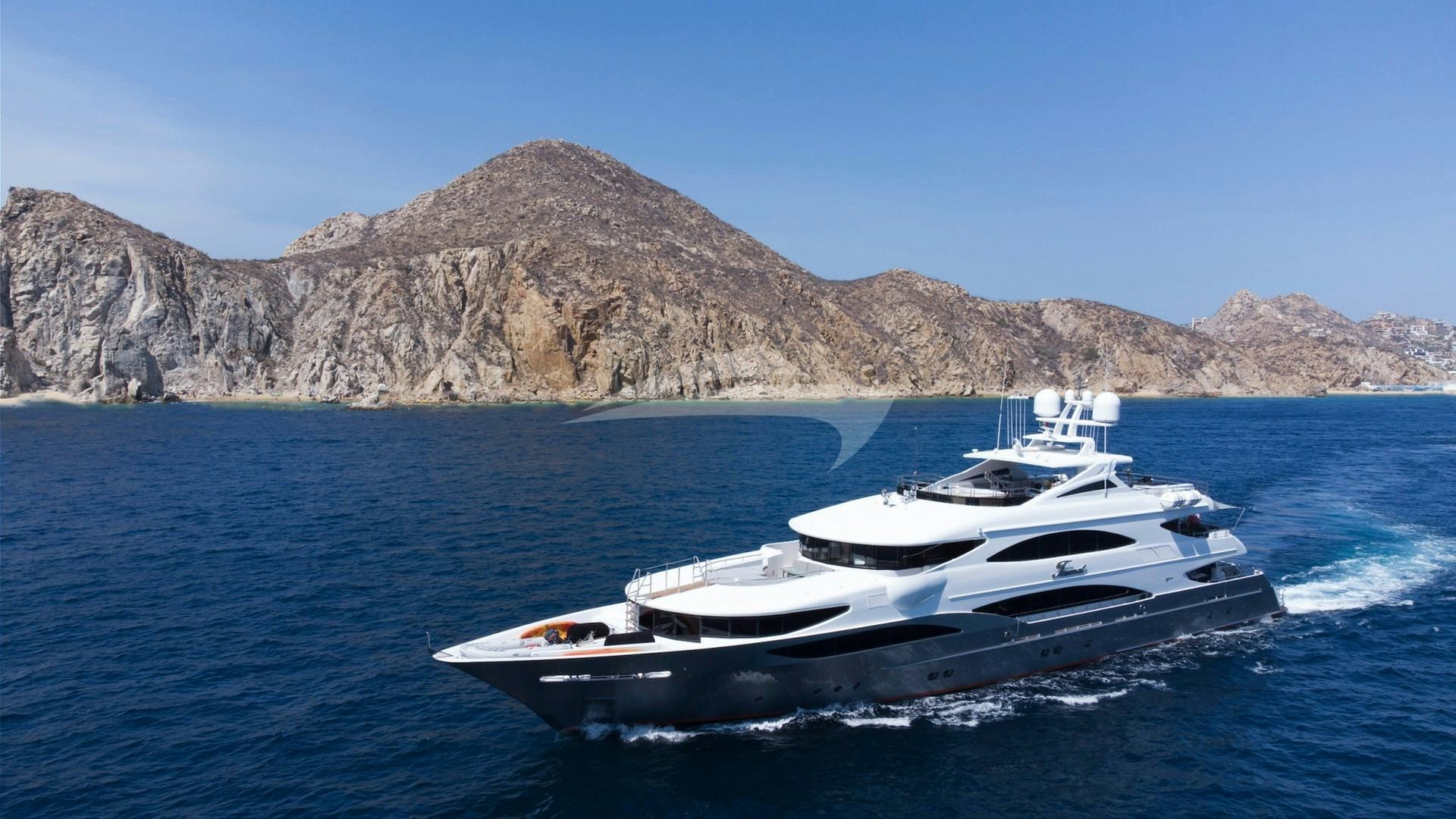
The British Virgin Islands occupy a privileged position in global yachting. Frame-shaped by Tortola, Virgin Gorda, Peter Island, and Jost Van Dyke, the sheltered expanse of the Sir Francis Drake Channel offers some of the most reliable, line-of-sight navigation on earth. Here, island landmasses are rarely separated by more than five to ten nautical miles, deep oceanic swells are broken by outer reefs, and steady easterly trade winds provide effortless sailing conditions.
Yet, despite this year-round geographic advantage, the character of a British Virgin Islands Yacht Charter yacht charter transforms markedly from month to month. Atmospheric pressure shifts in the North Atlantic alter wind speeds and bring heavy ocean swells to northern coastlines; local festival calendars dictate crowd densities in iconic anchorages; and sea temperatures vary enough to change the nature of water sports and diving along Horseshoe Reef.
For the discerning charterer, timing is not merely a question of avoiding rain—it is the primary leverage point for tailoring the onboard experience. Whether your priority is high-energy regatta sailing in 25-knot breezes, quiet anchorages shared with no other vessels, or securing a specific multi-hull or motor yacht during peak holiday weeks, understanding the archipelago’s seasonal nuances is essential.
       BRITISH VIRGIN ISLANDS: CRUISE CALENDAR AT A GLANCE
┌───────────┬───────────────┬───────────────────────────────┬────────────────┐
│ MONTHS    │ WIND & WEATHER│ CRUISING CHARACTER            │ BOOKING LEAD   │
├───────────┼───────────────┼───────────────────────────────┼────────────────┤
│ Dec - Feb │ 20-25kt NE    │ Peak Festive & Winter Winds   │ 10-14 Months   │
│ Mar - May │ 15-20kt ENE   │ Prime Sailing & Regattas      │ 6-9 Months     │
│ Jun - Jul │ 10-15kt ESE   │ Calmer Seas, Warm Water       │ 3-6 Months     │
│ Aug - Oct │ Variable/Calm │ Low Season / Tropical Watch   │ Refit Period   │
│ Nov       │ 15-20kt E     │ Fleet Re-opening & Festivals  │ 4-6 Months     │
└───────────┴───────────────┴───────────────────────────────┴────────────────┘
The High Winter Season: December to February
The arrival of mid-December marks the start of the traditional Caribbean peak season. Driven by high-pressure systems building off the North American coast, the famous "Christmas Winds" sweep across the region. During this period, easterly and north-easterly trade winds consistently blow between 20 and 25 knots, occasionally gusting higher during brief tropical squalls.
December: Festive Peak and the Christmas Winds
December is defined by two distinct phases. The first fortnight offers quiet waters and moderate rates, but by 20 December, the islands enter the most competitive charter period of the calendar year. Yachts are booked up to fourteen months in advance for the Festive Fortnight, which encompasses Christmas and New Year’s Eve.
Cruising conditions in late December are exhilarating for sailors, with active trade winds providing fast reaches across the Sir Francis Drake Channel. However, charterers should be aware of the Atlantic groundswells that develop during this month. Low-pressure systems moving off the US Eastern Seaboard generate long-period north swells that roll into north-facing bays. Anchorages such as Cane Garden Bay on Tortola, White Bay on Jost Van Dyke, and the north shore of Guana Island can experience significant surge, making them uncomfortable or unsafe for overnight mooring. Captains will instead direct yachts to protected southern bays like The Bight on Norman Island, Manchioneel Bay on Cooper Island, or the sound at Virgin Gorda.
New Year’s Eve centres on two main gathering points: the harbour-wide celebrations in Great Harbour on Jost Van Dyke, anchored by Foxy’s Tamarind Bar, and the full-moon gatherings in Trellis Bay on Beef Island. For those seeking quietude, dropping anchor off Great Camanoe or in the secluded coves of Peter Island offers total isolation from the festivities.
January: Settled Winds and Ocean Swells
As the holiday fleets depart in early January, a brief lull occurs in crowd density, making it an exceptional month for late-availability bookings. Air temperatures hover around a comfortable 26°C, while sea temperatures average 26°C—crisp enough to be refreshing during morning swims off the bathing platform.
The trade winds remain firm, blowing from the east-north-east at 18 to 22 knots. January is ideal for those who prioritize active sailing over long stationary periods at anchor. The main operational factor remains the winter swell, which can make tender transfers onto open beaches—such as those at The Baths on Virgin Gorda—challenging. Captains often time visits to The Baths for low-tide windows early in the morning before the day-boat arrivals and before afternoon sea swells build.
February: The Sweet Spot of Winter
February is arguably the finest winter month for a charter. The Christmas Winds soften slightly into a reliable 15 to 20 knots, air temperatures rise to 27°C, and rainfall is minimal. The region sees an influx of charterers during the mid-month US Presidents' Day holiday, requiring lead times of eight to ten months for prime yachts.
During February, water clarity around the outer reefs reaches its winter peak. Snorkelling at The Indians—a cluster of four sharp rock formations rising from deep water south of Pelikan Island—and the dive sites along Salt Island, including the wreck of the RMS Rhone, offer visibility often exceeding 30 metres.
The Prime Sailing Window: March to May
As winter transitions to spring, the weather in the British Virgin Islands reaches an ideal balance. The north swells subside, trade winds shift slightly south of east, and rainfall remains low. This period represents the absolute peak of overall cruising performance, combining comfortable anchorages with steady sailing breezes.
March: Regatta Atmosphere and Perfect Trades
March brings optimal sailing conditions. Winds blow consistently at 15 to 18 knots from the east, and daytime temperatures average 28°C. The ocean swell moderates significantly, opening up the exposed northern anchorages that are off-limits during mid-winter.
The late-March calendar is dominated by the BVI Spring Regatta and Sailing Festival, centered at Nanny Cay Resort & Marina on Tortola. This event attracts world-class racing yachts, performance catamarans, and bareboat fleets from across the globe. While the regatta brings an energetic atmosphere to the Sir Francis Drake Channel, non-participating charter yachts can easily avoid the race courses by cruising the outer islands, such as Jost Van Dyke or the North Sound of Virgin Gorda.
April: The Anegada Crossing Window
April is the premier month for visiting Anegada, the low-lying coral atoll situated roughly 13 nautical miles north-north-east of Virgin Gorda. Unlike the volcanic islands of the main archipelago, Anegada rises just nearly 8 metres above sea level at its highest point and is surrounded by the treacherous Horseshoe Reef.
Crossing the Anegada Passage in winter can involve punchy seas and heavy spray. By April, calmer sea states and steady 15-knot easterly breezes make the 13-mile beam reach from North Sound to Setting Point one of the most enjoyable passages in the Caribbean. At setting point, yachts anchor in shallow turquoise water over fine white sand.
Onshore, guests can explore Loblolly Bay and Cow Wreck Bay on the north coast, where the Atlantic barrier reef creates clear, calm lagoon waters. Dinners on the beach feature locally caught Anegada spiny lobster, grilled over open hardwood fires right at the water's edge.
May: The Insider’s Shoulder Month
For experienced charterers, May is widely considered the best-kept secret in the British Virgin Islands. The transition toward summer brings several advantages:
- Shoulder Pricing: Many fleet operators transition from high-season to mid-season rate cards, offering savings of 10 to 20 percent on base charter fees.
- Quiet Anchorages: Cruising traffic drops noticeably following the Easter holidays, allowing yachts to secure prime moorings at Manchioneel Bay or the Bight at Norman Island late into the afternoon.
- Warm Water: Sea temperatures rise to 27.5°C, creating ideal conditions for extended swimming, sea-bobbing, and paddleboarding.
- Gentle Breezes: Trade winds ease to 12–16 knots, providing comfortable cruising for families with young children or guests susceptible to seasickness.
The Early Summer Season: June to August
Early summer in the BVI offers warm waters, uncrowded line-of-sight navigation, and exceptional value for family charters. While atmospheric humidity increases, constant ocean breezes keep conditions comfortable on board, particularly on yachts equipped with modern air-conditioning and generator systems.
June: Family Charters and Calm Seas
June is defined by light-to-moderate breezes of 10 to 14 knots from the east-south-east, long daylight hours, and flat sea states. The absence of ocean swells makes this an exceptional time for motor yacht charters and family groups prioritizing water-sports.
With ocean temperatures reaching 28°C, underwater visibility is superb. Anchoring off Sandy Cay or Sandy Spit—tiny sand islands east of Jost Van Dyke—feels like visiting a private wilderness, in stark contrast to the busy winter months. The calm seas also allow comfortable overnight stays in open roadsteads like Great Harbour on Peter Island or Savannah Bay on Virgin Gorda.
July: Summer Value and Warm Waters
July brings an increase in air temperature to 30°C and a slight rise in humidity, with occasional afternoon convective showers that clear quickly. The wind pattern is dominated by gentle trades averaging 10 to 12 knots, occasionally punctuated by tropical waves that bring brief periods of higher winds and rain.
July is a popular window for family charters synchronized with school holidays. Fleet availability is generally good, though top-tier luxury crewed catamarans still require four to six months of advance booking. Charter rates remain in the shoulder-season tier, offering excellent value.
Water clarity in July makes it the best month for exploring the shallow coral gardens surrounding Guana Island’s Monkey Point or the underwater caves at the southern tip of Norman Island, where green sea turtles and spotted eagle rays are frequently sighted.
August: The Late-Summer Transition
August marks the transition into the quietest period of the Caribbean year. The atmosphere becomes increasingly warm and humid, with sea temperatures reaching their annual peak of 29°C. Winds become lighter and variable, frequently dropping below 10 knots, making motor-cruising or light-wind sailing the norm.
By mid-August, the Atlantic tropical season enters its most active phase. While modern satellite tracking provides ample warning of developing weather systems, charterers booking in August must remain flexible. Many restaurants, boutique resorts, and beach bars—including high-profile establishments in North Sound and on Jost Van Dyke—begin closing for annual maintenance and staff holidays by late August.
The Low Season and Recommissioning: September to November
The late summer and early autumn months represent the low season across the northern Caribbean. Understanding this period is crucial for managing expectations regarding yacht availability, island infrastructure, and weather risks.
September and October: Fleet Refit and Annual Closure
September and October mark the height of the Atlantic hurricane season. During these two months, the vast majority of the crewed charter fleet hauls out of the water for annual refits, hull painting, and major maintenance at shipyards in Tortola, Saint Martin, or North America.
Most shore-side businesses, from upscale marina complexes like Virgin Gorda Yacht Harbour and Nanny Cay to informal beach shacks, shut down completely. Cruising during these months is generally not recommended for luxury charters, as the risk of tropical storms is at its highest, humidity is elevated, and shore-side infrastructure is largely non-operational.
November: The Grand Reopening
In early November, the British Virgin Islands reawaken. Maintenance teams complete their work, charter yachts return to their berths in Road Town, Nanny Cay, and Hodges Creek, and shore-side venues reopen their doors.
November is an outstanding choice for an early-season charter. The trade winds re-establish themselves at a reliable 15 to 20 knots from the east, air temperatures drop back to a comfortable 28°C, and the landscape is lush and green following autumn rains.
The highlight of the month is the annual Anegada Lobster Festival, held in late November. This event celebrates the opening of the spiny lobster season, drawing yachts to Setting Point for two days of culinary events, live music, and beach gatherings across the island. Booking a charter to coincide with this festival requires a lead time of six to eight months due to the high demand for moorings off Anegada.
Cruise Planning: Booking Windows and Fleet Dynamics
Selecting the right charter window requires matching your preferred yacht type and cruising itinerary with the operational reality of the BVI fleet.
                  MONTH-BY-MONTH CRUISING MATRIX
┌───────────┬──────────────┬───────────────┬─────────────────┬──────────────┐
│ MONTH     │ AIR TEMP (°C)│ WATER TEMP(°C)│ WIND SPEED (KT) │ SWELL RISK   │
├───────────┼──────────────┼───────────────┼─────────────────┼──────────────┤
│ January   │ 26           │ 26            │ 18 - 22 NE      │ Moderate-High│
│ February  │ 27           │ 26            │ 15 - 20 ENE     │ Moderate     │
│ March     │ 28           │ 27            │ 15 - 18 E       │ Low-Moderate │
│ April     │ 28           │ 27            │ 12 - 16 E       │ Low          │
│ May       │ 29           │ 28            │ 12 - 16 ESE     │ Low          │
│ June      │ 30           │ 28            │ 10 - 14 ESE     │ None         │
│ July      │ 31           │ 29            │ 10 - 12 E       │ None         │
│ August    │ 31           │ 29            │ 8 - 12 Var      │ None         │
│ September │ 30           │ 29            │ Variable        │ Storm Risk   │
│ October   │ 29           │ 28            │ Variable        │ Storm Risk   │
│ November  │ 28           │ 27            │ 15 - 20 E       │ Low          │
│ December  │ 27           │ 26            │ 20 - 25 NE      │ High         │
└───────────┴──────────────┴───────────────┴─────────────────┴──────────────┘
Lead Times and Availability
Due to the BVI's enduring popularity, high-specification yachts—particularly broad-beam luxury sailing catamarans between 60 and 80 feet, and high-performance motor yachts—are secured well in advance of the sailing date.
- Festive Fortnight (Christmas & New Year): Secure 10 to 14 months in advance. Premium surcharges of 10 to 25 percent apply.
- Winter Peak (February to April): Secure 6 to 9 months in advance, particularly for charters falling on school spring breaks or Easter.
- Shoulder Months (May, June, November): Secure 3 to 6 months in advance. These months offer the best flexibility for specific yacht preferences and late modifications.
Selecting the Right Vessel for the Season
The seasonal variations in wind strength and sea state should directly inform your selection of vessel:
- December to February: The strong Christmas winds and Atlantic swells favour large, stable sailing catamarans or heavy displacement motor yachts. Multi-hulls excel in these conditions, providing vast deck space, exceptional initial stability at anchor, and low draft for accessing shallow mooring fields inside outer reefs.
- March to May: The ultimate window for true sailing enthusiasts. Both high-performance sailing catamarans and modern monohulls can maximize the stable 15-knot trade winds, allowing for fast, comfortable passages throughout the Sir Francis Drake Channel without excessive heel or engine use.
- June to August: As winds drop, power catamarans and luxury motor yachts become increasingly appealing. Fast cruising speeds allow guests to effortlessly hop between island stops during warm afternoons, while powerful air conditioning systems ensure low indoor humidity during overnight stays at anchor.
Navigating a British Virgin Islands Yacht Charter yacht charter is a exercise in seasonal selection. By matching your party's priorities—whether high-octane regatta sailing, solitary anchorages, or water-sports focus—to the natural rhythms of the trade winds and sea states, you can experience this famed Caribbean archipelago at its absolute best.