
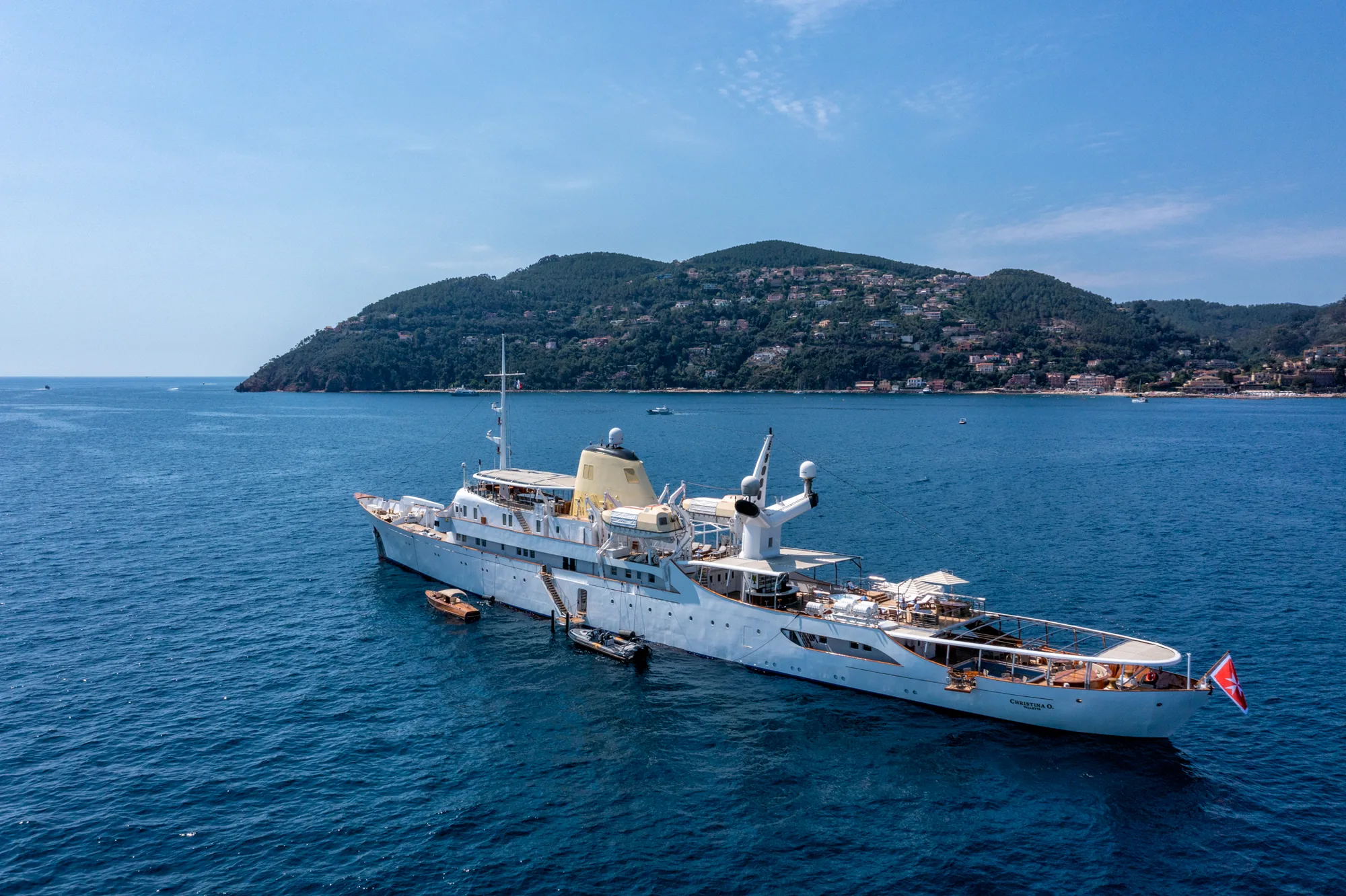
The Caribbean is not a singular, static cruising ground. Spanning over 1,000 nautical miles from the low-lying limestone cays of the Bahamas down to the volcanic peaks of Grenada, this vast archipelago experiences distinct microclimates, changing wind regimes, and shifting seasonal rhythms. To plan an exceptional Caribbean yacht charter, one must understand that timing dictates far more than just the weather; it governs sea conditions, anchorage availability, social energy, and contract values.
While the traditional winter migration draws the global fleet across the Atlantic every November, the timing of your voyage should align precisely with your priorities afloat. Whether you seek the high-octane atmosphere of New Year’s Eve in Gustavia, the undisturbed anchorages of the Grenadines in late spring, or the glass-flat, gin-clear waters of the Exumas in June, navigating the Caribbean calendar requires an insider’s perspective.
Navigating the Elements: Winds, Swell, and Water Temperatures
To understand Caribbean seasonal timing, one must first master the mechanics of the North East Trade Winds. From November through April, these reliable winds blow steadily from the east-northeast, driven by the subtropical high-pressure system known as the Bermuda-Azores High.
Between mid-December and late January, this system intensifies, producing the infamous 'Christmas Winds'. During this window, trade winds frequently gust between 22 and 28 knots for days at a time. While these conditions offer exhilarating blue-water sailing for performance catamarans and sailing superyachts, they require displacement motor yachts to carefully select protected lees. An experienced captain will adjust itineraries accordingly, trading exposed roadsteads for sheltered anchorages like Anse de Colombier in St. Barths or Great Harbour on Peter Island in the British Virgin Islands.
Equally important to the yachting calendar are North Swells. Originating from low-pressure winter storms deep in the North Atlantic, these long-period groundswells travel thousands of miles south, breaking across north-facing reefs and passages from December through March. They can create challenging conditions at exposed mooring sites, such as the northern cut into North Sound, Virgin Gorda, or the outer anchorage off Sandy Ground in Anguilla.
Sea surface temperatures across the region remain remarkably comfortable year-round, ranging from a crisp 26°C (79°F) in January to a balmy 29°C (84°F) in August. Air temperatures follow a similar narrow band, averaging daytime highs of 28°C in winter and 31°C in peak summer.
High Season Strategy: December to February
The Caribbean high season kicks off in mid-December as the international fleet finishes its transatlantic crossings or arrives south from New England. This period represents the pinnacle of high-society chartering, defined by vibrant shore-side scenes, impeccably dressed anchorages, and maximum demand.
The Festive Fortnight (Mid-December to Early January)
The period encompassing Christmas and New Year’s Eve is the most competitive fortnight in global yachting. Anchorages around St. Barths, Sint Maarten, and Antigua fill to capacity months in advance. Gustavia Harbour becomes an international catwalk of headline superyachts, where securing a berth stern-to at the quay requires long-standing industry relationships and advance planning.
Cruising during the festive peak offers an unmatched social atmosphere. Guests can spend Christmas morning paddleboarding over the pristine reefs of Tintamarre before making a short 15-nautical-mile passage south to St. Barths for dinner ashore. New Year’s Eve culminates in a spectacular fireworks display over Shell Beach, with late-night celebrations hosted at exclusive beach clubs and onboard private yachts.
However, festive charters demand specific contractual considerations. Most yachts enforce a 10 to 14-night minimum booking period and apply a 15 to 25 percent premium over standard high-season base rates.
January and February: The Winter Circuit
As the festive holidaymakers depart in early January, the Caribbean settles into a sublime cruising rhythm. January and February offer consistent trade-wind sailing and clear skies. While the Christmas Winds may still blow, the initial holiday congestion dissipates, making it far easier to secure preferred anchorages and table reservations at premier waterfront restaurants.
This is the ideal window for multi-island Leeward itineraries. A classic seven-day route might begin in Sint Maarten, clearing out from Simpson Bay Marina for an early morning beam reach to Anguilla’s Rendezvous Bay. After two days spent swimming in turquoise shoals and dining on fresh spiny lobster ashore, the yacht can head south-southeast toward St. Kitts, calling at the state-of-the-art Marina at Christophe Harbour before finishing in the quiet, palm-fringed cays of Nevis.
The Golden Window: March to May
For seasoned charterers, the spring months of March, April, and May represent the absolute sweet spot of the Caribbean cruising calendar. As the Bermuda High weakens slightly, the trade winds ease to a gentle 12 to 16 knots, and the Atlantic groundswells subside. Sea temperatures warm up to 27°C, water clarity reaches its peak, and the winter crowds return home.
The Spring Regatta Season
March and April are dominated by world-class regattas that draw competitive sailors and spectacular yachts from every corner of the globe. Key fixtures on the calendar include:
- The St. Barths Bucket (March): A legendary three-day invitational regatta featuring forty or more superyachts racing around the rocky outcrops of St. Barths. The atmosphere in Gustavia is electric yet relaxed, combining high-stakes racing with legendary evening parties.
- The BVI Spring Regatta (Late March/Early April): Centred around Nanny Cay on Tortola, this event showcases fast-paced racing through the sheltered waters of the Sir Francis Drake Channel, surrounded by stunning granite formations and calm bays.
- Antigua Sailing Week (Late April): Hosted in the historic surroundings of Nelson’s Dockyard and Falmouth Harbour, this is one of the world's premier sailing events, marking the traditional finale of the Caribbean winter sailing season.
Chartering during a regatta week offers a unique front-row seat to world-class racing. Guests can watch the fleet round marks from the sun deck of their yacht before dropping anchor in a secluded bay for a late afternoon swim.
May: The Insider’s Secret
May is arguably the single best month for a Caribbean yacht charter. With the regattas concluded and many large yachts beginning their repositioning legs toward the Mediterranean, the islands become tranquil once again. Anchorages that are tightly packed in January—such as The Baths on Virgin Gorda or Salt Whistle Bay in Mayreau—are blissfully quiet.
Weather conditions in May are exceptional: low rainfall, calm seas, clear water for scuba diving and snorkeling, and gentle breezes. Furthermore, charter rates transition from high-season to low-season pricing, offering substantial value for guests seeking longer itineraries or larger yachts.
Summer & Shoulder Season: June to November
While conventional yachting wisdom once dictated that the Caribbean shuts down entirely during the summer, modern charter patterns tell a different story. Regional variations mean that specific areas offer world-class cruising throughout the summer months.
June and July: The Bahamas and the Far South
The summer months belong to two distinct geographic zones: the Bahamas in the north and the Windward Islands in the far south.
The Bahamas, technically situated in the Atlantic Ocean just north of the Caribbean proper, experiences warm, settled weather in June and July. The Exuma Cays—a 120-mile stretch of low-lying cays and sandbanks—are at their absolute finest. Winds average less than 10 knots, turning the shallow waters around Warderick Wells and Big Major Spot into glass-like pools of vibrant turquoise. Shallow-draft motor yachts and luxury power catamarans thrive here, able to cross shallow banks to reach completely empty cays.
Concurrently, in the far southern Caribbean, the islands of Grenada and the Grenadines remain an outstanding summer choice. Positioned at 12° North latitude, Grenada sits right on the southern edge of the traditional hurricane belt. Islands like Bequia, Mustique, Canouan, and the uninhabited islets of the Tobago Cays Marine Park enjoy sunny skies, light trade winds, and calm waters protected by outer horseshoe reefs.
August to October: The Peak Hurricane Season
August through October marks the height of the Atlantic hurricane season, driven by tropical waves rolling off the west coast of Africa. The vast majority of the luxury charter fleet exits the northern and central Caribbean during this period, either undertaking transatlantic runs to Western Europe, migrating to the US East Coast, or entering shipyards in Florida and Freeport for annual maintenance.
Commercial charter operations in the Virgin Islands, Leeward Islands, and Northern Bahamas largely pause between mid-August and late October. Many high-end restaurants, boutiques, and shore-side resorts close down for annual staff holidays and seasonal refurbishments.
However, southern sanctuaries remain viable. Grenada, Trinidad, and the ABC Islands (Aruba, Bonaire, and Curaçao) sit below the track of most tropical storms, offering secure cruising grounds for guests looking for quiet, warm-weather escapes away from the mainstream charter circuit.
November: The New Season Begins
November brings the grand reset. Transatlantic yachts complete their ocean crossings, arriving in traditional entry ports like Port Louis Marina in Grenada, English Harbour in Antigua, or IGY Rodney Bay in St. Lucia.
Early to mid-November offers great potential for spontaneous, flexible charterers. While some shore-side businesses are still putting the finishing touches on their preparations, the ocean is warm, the islands are freshly green following autumn rains, and anchorages are practically empty.
By early December, the industry turns its focus to the Antigua Charter Yacht Show, where brokers inspect fleets, sample chef menus, and evaluate crew teams ahead of the impending festive rush.
Regional Variations: Choosing the Right Zone for the Right Month
To choose the optimal time for your charter, it helps to match your preferred regional destination with its ideal calendar window:
Month-by-Month Regional Suitability:
- December to February: British Virgin Islands, St. Barths, St. Martin, Anguilla, Antigua.
- March to May: All regions (Peak conditions across Leewards, Windwards, BVIs, and Bahamas).
- June to July: Exumas (Bahamas), Abacos, Grenada, and the Grenadines.
- August to October: Southernmost Caribbean (Grenada, ABC Islands) or alternative global regions.
- November: Early-season Bahamas, British Virgin Islands, Antigua.
### British Virgin Islands (BVIs) The BVIs offer exceptionally safe, calm cruising due to the protective outer islands framing the Sir Francis Drake Channel. Navigational distances between islands are short—often less than 8 nautical miles—making it a perfect destination for families and first-time charterers. The season runs strong from November through June, with March and April offering the flattest water and most reliable weather.
### Leeward Islands (St. Barths, St. Martin, Anguilla, St. Kitts, Antigua) This region is defined by its sophisticated mix of European culture, fine dining ashore, and world-class marinas. It operates on a strict winter high season from December through April. Passages between islands—such as the 22-nautical-mile stretch across the Anguilla Channel or the open-ocean run from Antigua down to Guadeloupe—require clear weather windows, making the settled spring months of March and April particularly appealing.
### Windward Islands (St. Lucia, St. Vincent, Grenadines, Grenada) The Windwards feature dramatic, lush volcanic topography and iconic anchorages like the Pitons of St. Lucia or the blue lagoons of the Tobago Cays. Cruising here involves longer, open-ocean passages between islands, where trade winds can build deep ocean swells. The best cruising window stretches from January through July, with May and June providing exceptionally calm seas and uncrowded anchorages.
### The Bahamas & Exumas Unlike the deep-water volcanic Caribbean, the Bahamas is defined by shallow banks, tidal channels, and clear, pale-blue water. Because it sits further north, the Bahamas can experience cooler air temperatures (20–23°C) and brief cold fronts ("northers") during January and February. The premier window for a Bahamas yacht charter is March through July, when conditions are warm, sunny, and consistently calm.
Strategic Booking Windows and Lead Times
Securing the ideal yacht, captain, and itinerary requires aligning your booking timeline with regional demand cycles. High-demand periods sell out up to a year in advance, whereas off-peak periods offer greater flexibility.
Recommended Lead Times for Booking:
- Festive Fortnight (Christmas & New Year): 10 to 14 months in advance.
- Peak Winter (January to March) & Regattas: 6 to 9 months in advance.
- Spring & Early Summer (April to July): 3 to 6 months in advance.
- Late Autumn (November & Early December): 2 to 4 months in advance.
When contracting a Caribbean yacht charter, charters typically operate under standard MYBA (Worldwide Yachting Association) terms or CYBA (Charter Yacht Brokers Association) terms depending on the vessel size and location. Under MYBA terms, the base charter rate covers the yacht, crew wages, and insurance. All operational expenses—including fuel, food, fine wines, dockage, local cruising permits, and taxes—are covered by the Advance Provisioning Allowance (APA), typically calculated at 30 to 35 percent of the base charter rate.
Cruising taxes and local VAT vary across the region. For example, charters starting in the Bahamas carry a 14 percent combined tax and VAT levy, while the British Virgin Islands charges environmental and cruising permits per head. Your charter broker will ensure all regulatory fees and seasonal line-items are clearly accounted for well before you step foot on the dock.
Master the Calendar for the Perfect Voyage
Understanding the subtle shifts of the Caribbean calendar transforms a good holiday into an extraordinary maritime experience. By matching your personal preferences—whether for high-society glamorous events, competitive regattas, pristine sailing, or total seclusion—with the optimal month and geographic zone, you ensure that every day spent at sea unfolds seamlessly.
Whether dropping anchor off the white sands of Anegada in April or skimming across the translucent banks of the Exumas in June, the Caribbean rewards those who time their passage with care.