
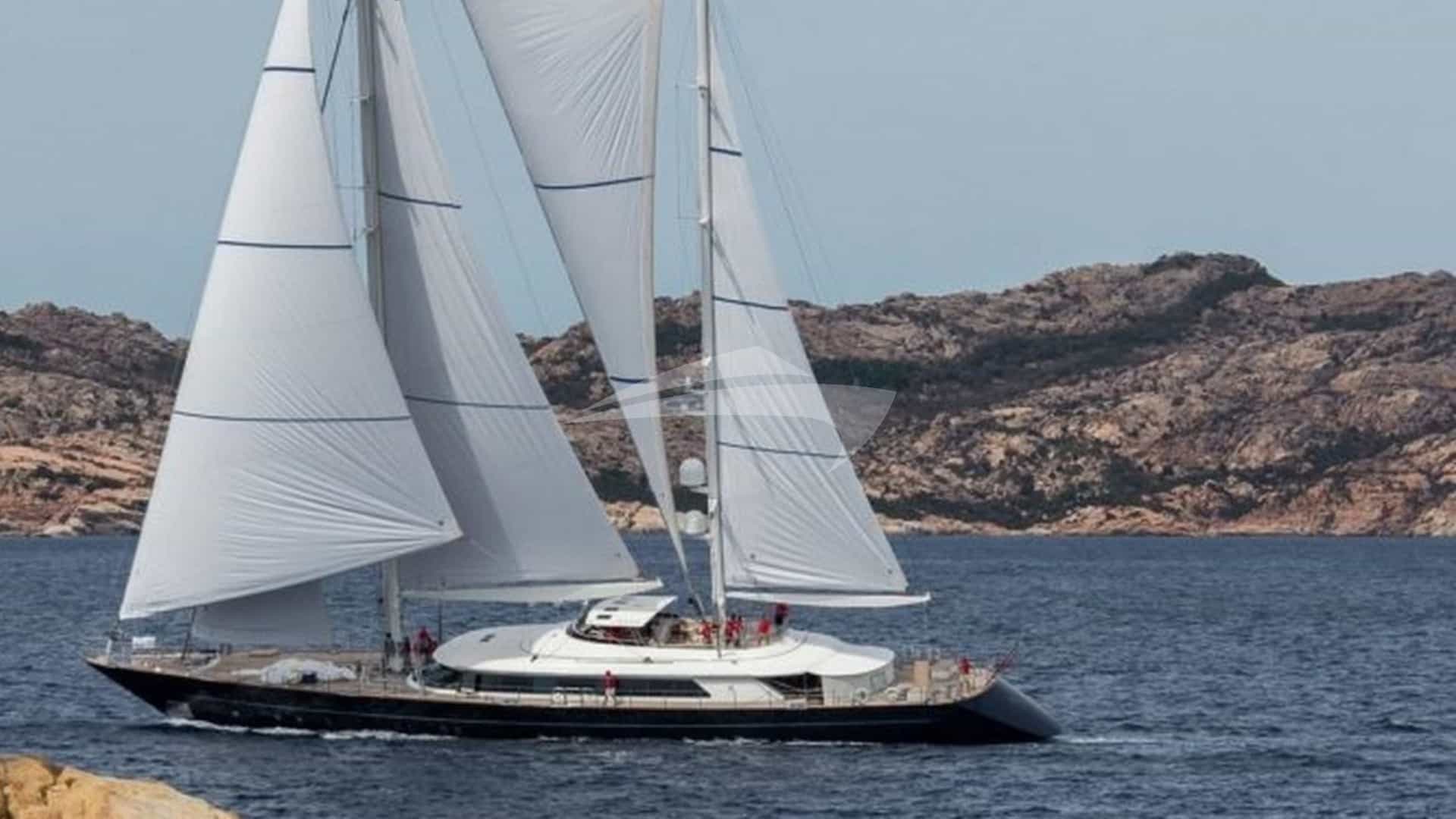
Cruising the Dalmatian archipelago requires a sophisticated understanding of timing. Spanning over 1,000 islands along the eastern coast of the Adriatic Sea, Croatia offers one of the most versatile cruising grounds in western maritime geography. However, the experience aboard a luxury vessel in late May differs radically from the operational landscape of mid-August or the mellowed light of late September.
To plan an exceptional itinerary, charterers must look beyond mere air temperatures. Microclimates dictated by coastal mountain ranges, sea temperature delays, regional wind phenomena, and local harbor capacity all dictate the character of a voyage. Whether you seek the high-octane social scene of Hvar Town during the height of summer or the solitary anchorages of the Kornati National Park under stable autumn thermals, matching your charter timing to your onboard priorities is the single most critical decision in the planning process.
Understanding the Adriatic Microclimate and Wind Systems
To understand the timing of a Croatia yacht charter, one must first master the three dominant winds that govern the Adriatic Sea: the Maestral, the Bura, and the Jugo. These weather patterns shape sea states, determine anchorage protection, and influence daily temperatures throughout the navigation season.
The Maestral is the summer sailor’s ideal companion. Generated by the temperature differential between land and sea, this north-westerly thermal breeze reliably builds around mid-morning, peaks between 14:00 and 16:00 at a comfortable 12 to 22 knots, and dies away before sunset. It provides crisp, clear days with minimal sea state, creating optimum conditions for sailing between the central islands of Brač, Hvar, and Vis.
The Bura is a cold, dry katabatic wind blowing from the north-east, descending over the Velebit and Biokovo mountain ranges. When a high-pressure system sits over mainland Europe, the Bura can strike with little warning, creating intense gusts and white-capped squalls, particularly in the channels around Kvarner, the Velebit Channel, and the northern side of Hvar. While less frequent in mid-summer, early spring and autumn Buras require captains to seek secure berthing or deep, lee-side anchorages like the southern bays of Šipan or the sheltered nooks of Laganini on Palmižana.
The Jugo is a warm, humid south-easterly wind that originates over North Africa. It brings low cloud, rising atmospheric pressure, and heavy, rolling seas. Unlike the sudden Bura, the Jugo announces itself days in advance, allowing your captain to adjust the itinerary, moving the vessel toward well-protected northern or western facing harbours such as Skradin or the deep fjord of Pučišća on Brač.
Month-by-Month Cruising Analysis
May: Early Season Solitude and Crisp Landscapes
May marks the official opening of the Adriatic charter season. The mainland snowmelt has passed, and the coastal vegetation is at its most vibrant. For experienced sailors who prioritize peaceful navigation over swimming in balmy waters, May presents an extraordinary window.
Air temperatures average a pleasant 20°C to 23°C, though evenings aboard require cashmere or light outerwear as temperatures drop to 13°C. The surface water temperature remains invigorating, hovering between 17°C and 19°C. While swimming is brief for most guests, water sports enthusiasts equipped with wetsuits will find empty bays across the Elafiti archipelago.
The primary benefit of May lies in empty harbours and uncrowded historical sites. Secure town quay berths in Dubrovnik, Korčula Town, and Trogir—which require months of advance coordination in high summer—are readily available. Captains can pull directly up to the ancient stone piers without competing with commercial excursion craft.
From a tactical standpoint, May is susceptible to residual spring weather systems, including occasional strong Bura occurrences. It suits guests interested in cultural exploration, coastal hiking, cycling through the olive groves of Šolta, and sampling early-crop local produce without the summer heat.
June: The Prime Balance of Sunlight and Sea
June is widely regarded by seasoned maritime brokers as one of the finest months to secure a Croatia yacht charter. The solstice delivers up to 15 hours of daylight, allowing for extended afternoon passages between distant anchorages, such as the 22-nautical-mile leg from Hvar’s Pakleni archipelago to the isolated island of Biševo.
The sea temperature rises rapidly, settling around 22°C to 24°C, making daily swimming and water-toy deployment thoroughly enjoyable. Daytime air temperatures average 26°C to 28°C, accompanied by reliable Maestral thermals that create consistent, comfortable sailing conditions daily.
- Crowd Dynamics: Summer crowds have not yet peaked. Marinas and town quays possess good availability, though popular spots like Hvar Town and Komiža begin to fill by mid-afternoon.
- Cruising Vibe: Vibrant yet manageable. Restaurants along the Dalmatian coast, such as the shorefront konobas in the Kornati islands, are fully open, fully staffed, and offering their freshest seasonal menus.
- Sailing Conditions: Thermal predictability is high, with minimal threat of heavy autumn storms or oppressive mid-summer humidity.
For family charters, June provides the ultimate middle ground: long daylight hours for children to enjoy sea bobs and paddleboards, comfortable sleeping temperatures at anchor, and easy access to coastal heritage sites before the intense peak-summer heat sets in.
July: High Summer Energy and Social Glitz
By July, the Croatian coastline reaches its peak operational tempo. The Adriatic surface water warms to an inviting 25°C to 27°C, and air temperatures consistently exceed 30°C. This is the month for guests seeking sea-based luxury, active beach clubs, and high-end nightlife.
The social focus centers on the central Dalmatian islands. Hvar Town transforms into a global hub for mega-yachts, with vessels anchoring off the Pakleni Islands and tenders shuttling guests to oceanfront venues in Vinogradišće Bay. Further south, the ancient city walls of Dubrovnik buzz with international visitors, and the coast off Cavtat sees steady superyacht traffic.
Cruising logistically changes in July. Spontaneous town quay berthing is rare; berths at ACI Marina Palmižana or ACI Marina Dubrovnik must be reserved well in advance via electronic booking systems or handled through your broker's port agent. Captains often recommend dropping anchor early in deep, protected bays—such as Lučice on Brač or Uvala Polače on Mljet—and utilizing the vessel’s tender for shore trips.
During July, the Adriatic experiences minimal rainfall, though occasional afternoon convection storms (known locally as neverini) can sweep across the northern Adriatic and Istria, bringing brief, intense wind shifts before clearing back to blue skies within an hour.
August: Peak Mediterranean Cruising and Tropical Waters
August represents the height of the Mediterranean summer holiday season, coinciding with the Italian Ferragosto. Sea temperatures reach their annual peak, often exceeding 27°C, transforming the sea into a tranquil swimming pool. The air is warm day and night, making alfresco dining on the bridge deck an effortless evening ritual.
The pressure on popular ports reaches its absolute maximum during the first three weeks of August. Towns like Korčula, Vis, and Trogir experience heavy maritime traffic. To execute a successful August charter, an experienced captain will steer the vessel toward more secluded cruising grounds.
Instead of navigating the congested corridor between Split and Hvar, a well-planned August itinerary might explore the southern reach of the Elafiti Islands—Šipan, Lopud, and Koločep—or head far offshore to the Lastovo Archipelago Nature Park. Lastovo, situated 20 nautical miles south of Korčula, offers profound tranquility, dark nocturnal skies perfect for stargazing from the flybridge, and uncrowded, crystal-clear anchorages surrounded by dense pine forests.
For dining ashore in August, reservations at sought-after coastal establishments—such as the rustic fish taverns in the bay of Zaklopatica or private estate dining on the Pelješac peninsula—must be arranged weeks prior to embarkation.
September: The Connoisseur’s Month
September is preferred by seasoned yacht owners and charter clients who value peaceful sea passages paired with warm waters. As the school holidays end, the sheer volume of charter craft and private day-boats drops dramatically, restoring tranquility to the historic harbours.
The sea retains its summer heat, holding at a comfortable 23°C to 25°C throughout most of the month. Air temperatures cool to a pleasant 24°C to 26°C, eliminating the dry, heavy heat of August and creating ideal conditions for shore excursions, such as walking the defensive walls of Ston or hiking up to the fortress above Hvar Town.
September is also the month of the Dalmatian harvest. The vineyards along the steep, sun-drenched slopes of the Pelješac peninsula begin harvesting Plavac Mali grapes for the iconic Dingač and Postup red wines. On Korčula, the indigenous Grk grape is harvested in the sandy soils of Lumbarda. Charterers cruising in September can combine maritime itineraries with exclusive, private wine-tasting experiences right at the water’s edge.
The weather in September remains predominantly stable, governed by late-summer high-pressure systems. However, toward the final week of the month, the first autumnal fronts may usher in a brief Jugo wind, bringing rolling seas that signal the transition into late season.
October: Late-Season Serenity and Coastal Character
October transitions the Adriatic into late autumn. While many seasonal beach clubs and seasonal waterfront konobas close by mid-month, October offers exceptional value, absolute solitude, and atmospheric coastal cruising for those who prioritize quiet navigation over vibrant nightlife.
Air temperatures range from 18°C to 21°C, while water temperatures hover around 20°C—cool, but still pleasant for a mid-day swim on sunny afternoons. The daylight window shortens noticeably, with the sun setting by 18:30, shifting the onboard rhythm toward relaxed late-afternoon anchorages, cozy salon gatherings, and gourmet dining prepared by your onboard chef.
October is also the month of classic Adriatic regattas. The iconic Mrduja Regatta, one of the oldest sailing races in Europe, sees hundreds of vessels race between Split and the islet of Mrduja (positioned between Brač and Šolta). Watching this fleet from the deck of a luxury yacht provides a unique cultural immersion into Croatia's deep maritime tradition.
Cruising in October requires tactical flexibility. Weather systems move faster, and Bura winds can blow with greater intensity. A capable captain will build an itinerary that balances short open-water leaps with protected inland navigation, such as the tranquil passage up the Krka River estuary past Šibenik to the waterfalls of Skradin.
Summary of Seasonal Cruising Conditions
To quickly contrast the core months of the Adriatic charter calendar, consider the operational trade-offs across the core season:
- May & October (Shoulder Season): Expect sea temperatures between 17°C and 20°C, low harbor density, maximum availability at town quays, lower vessel charter rates, and variable wind patterns requiring flexible itineraries.
- June & September (Ideal Cruising Window): Sea temperatures range from 22°C to 25°C, weather systems are highly stable, thermals are reliable for sailing, port availability is moderate, and all ashore infrastructure operates smoothly without peak crowd congestion.
- July & August (Peak Season): Sea temperatures reach 25°C to 27°C+, coastal social scenes peak, ambient heat is high, water sport conditions are perfect, and port infrastructure faces maximum capacity, requiring advance planning and agent support.
Booking Lead Times and Strategic Planning
Securing the ideal vessel for a Croatia yacht charter requires an understanding of fleet mechanics and regional booking cycles. The Croatian charter fleet—comprising high-end crewed motor yachts, spacious catamarans, and bespoke sailing vessels—operates largely on rigid Saturday-to-Saturday charter cycles dictated by regional port authorities and marina turnaround schedules.
Lead Times for Peak Season (July and August)
If your voyage must take place during the peak weeks of July or August, booking should ideally begin 8 to 12 months in advance. The Mediterranean fleet sees high demand for top-tier crewed catamarans and modern motor yachts with specialized shallow-draft capabilities suited for navigating smaller Dalmatian ports. By November or December of the preceding year, prime mid-summer weeks on top-rated vessels are frequently fully committed.
Lead Times for Shoulder Months (June and September)
For charters planned during the prime windows of June or September, a lead time of 5 to 8 months is generally sufficient to secure an exceptional vessel. However, if you require specific onboard amenities—such as an on-deck jacuzzi, a specific array of water toys (including Fliteboards and jet skis), or a particular cabin layout to accommodate extended family—earlier booking remains advantageous.
Cruising Routes and Distances
When planning your timing, align your proposed itinerary with the sea conditions typical of your chosen month. The distance from Split to Dubrovnik via the outer islands (Vis, Korčula, Lastovo, Mljet) covers approximately 140 to 160 nautical miles.
- In June or September, this passage can easily be executed over a 7-day charter, averaging 20 to 25 nautical miles per day—roughly two to three hours of comfortable cruising each morning.
- In July or August, when midday heat is intense, guests often prefer shorter hops (10 to 15 nautical miles daily), spending longer periods anchored in sheltered coves like Cape Kamenjak or the bays of Šćedro, breaking up passages with frequent water-sports stops.
- In May or October, passages may be structured around coastal city ports and mainland historic centers, minimizing long open-sea crossings if an early-season Bura or late-season Jugo wind system develops.
Dining, Culture, and Onshore Logistics by Season
The timing of your charter also dictates the gastronomic experience along the coast. Croatian coastal cuisine relies heavily on fresh, hyper-local ingredients sourced directly from coastal fishermen and island agricultural plots.
During early spring and June, menus highlight wild asparagus, fresh island lamb from Brač, and young cheeses from Pag. The summer months of July and August bring an abundance of fresh Adriatic seafood—scampi from the Kvarner Gulf, dentex, John Dory, and bluefin tuna—alongside sun-ripened tomatoes and figs. September brings the grape and olive harvests; it is the ideal time to sample fresh cold-pressed olive oils in the small villages of Šolta or visit the oyster beds of Mali Ston, where European flat oysters (Ostrea edulis) reach peak condition as the water temperatures begin their autumn drop.
Reservations for signature shore dining experiences vary significantly by month. In May and October, your chef or stewardess can often call ahead a few hours in advance to secure a prime table at an island konoba. In July and August, iconic establishments—such as those serving traditional peka (meat or octopus slow-cooked under a heavy iron bell buried in live coals, which requires three hours of advance preparation)—must be booked days or weeks ahead through your broker or port agent to ensure supply and seating.
Selecting Your Optimal Window
Ultimately, selecting the timing for your Croatian voyage comes down to matching your personal tastes with the rhythms of the Adriatic.
Choose June or September if your objective is refined, unhurried cruising. These months offer warm waters, excellent wind conditions for sailing, uncrowded historic towns, and light, pleasant evenings. This is the choice of maritime purists, keen sailors, and charterers seeking an authentic connection with Dalmatian culture.
Choose July or August if you thrive on high-summer energy, want warm sea temperatures for water sports, and enjoy an active social calendar ashore. It is the definitive time for vibrant family holidays and high-end entertaining aboard.
Choose May or October if you prioritize total tranquility, cultural depth, magnificent hiking, and exceptional vessel availability, taking advantage of shoulder-season value while experiencing the raw natural beauty of the coastline without the crowds.
By aligning your preferences with the seasonal nuances of the Adriatic Sea, your Croatian charter will unfold with seamless precision, delivering an extraordinary journey through one of the world's most compelling cruising grounds.