
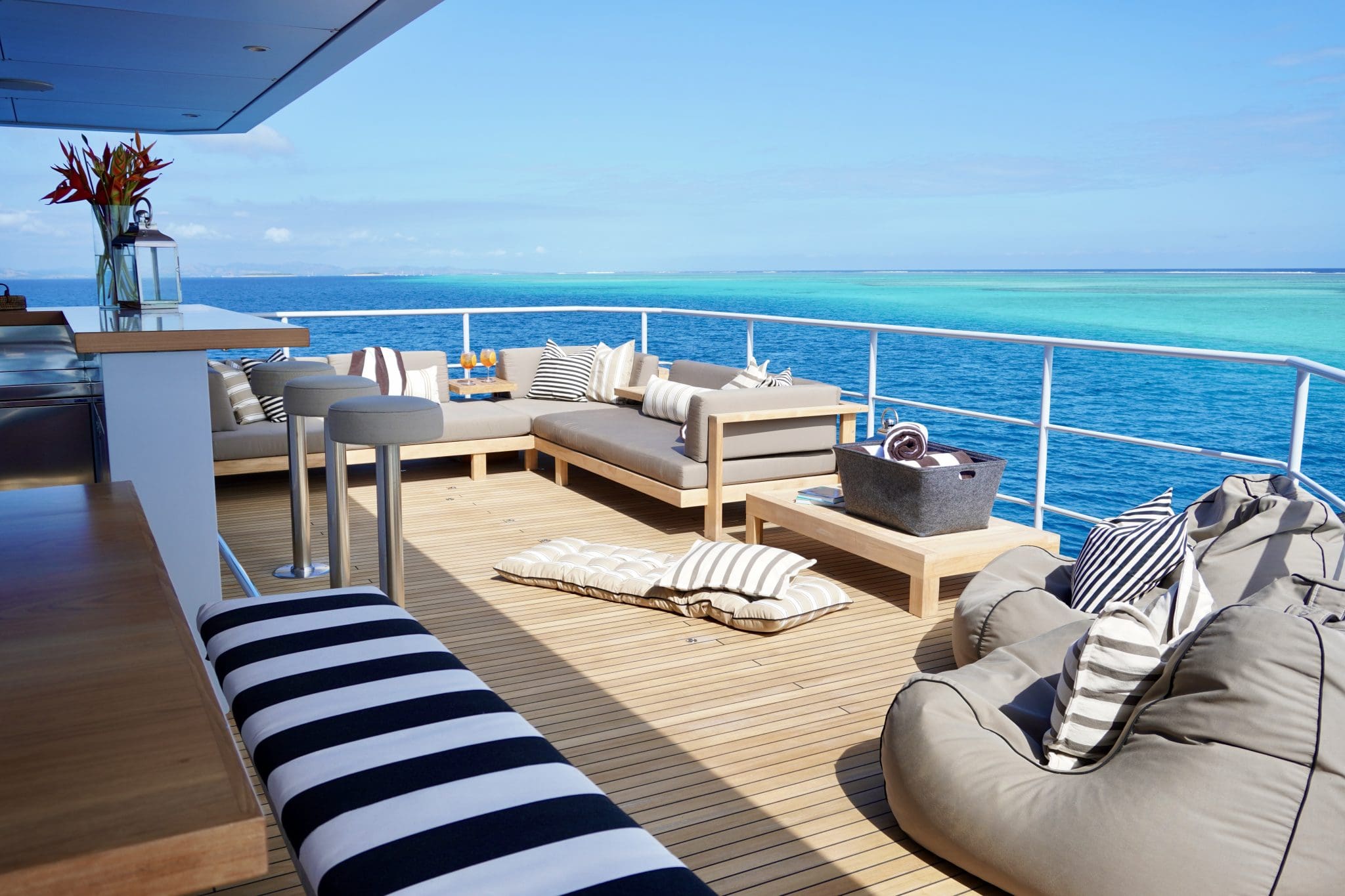
Navigating the waters surrounding Hvar on a private vessel requires an understanding of how Central Dalmatian microclimates, seasonal swell, and regional tourism patterns intersect. Stretching nearly 37 nautical miles from its eastern tip at Sućuraj to the western reaches of the Pelegrin peninsula, Hvar is the longest island in the Croatian archipelago. Its spine of high limestone ridges forms a natural barrier between the Korčula Channel to the south and the Hvar Channel to the north. For parents coordinating a Family Yacht Charter Hvar yacht charter, selecting the precise calendar window alters every parameter of the voyage: water temperatures, tender safety in open roadsteads, harbour berth availability along the historic Riva, and the presence of regional wind systems.
The cruising ecosystem of Hvar is not uniform throughout the year. The island transitions from a quiet, wind-molded landscape in early spring to a vibrant international yachting hub in midsummer, before settling into a mellow, warm autumn marked by the grape and olive harvests. Understanding the nuances of each month allows charterers to align their family's expectations—whether focused on active water sports, historical shore excursions, or seamless berthing—with the natural rhythms of the Adriatic.
Understanding the Dalmatian Wind Systems
Cruising safely and comfortably with children in the waters around Hvar relies on understanding three dominant regional wind patterns. The Adriatic summer climate is generally benign, but localized wind shifts can alter sea conditions within hours.
The Thermal Rhythm: The Maestral
From late May through early September, the prevailing summer wind is the Maestral (or Mistral). Generated by the day-night temperature differential between the coastal mountains and the open sea, the Maestral is a steady north-westerly thermal breeze. It typically rises around 10:00, reaches its peak strength of 15 to 22 knots by mid-afternoon, and dies down completely before sunset.
For sailing yachts and performance catamarans, the Maestral provides predictable afternoon sailing across the Pakleni Channel. For motor yachts, it creates a light chop on exposed north- and west-facing coastlines. Families should plan longer passages across open stretches—such as the 14-nautical-mile run from Split to the northern coast of Hvar—during the calm morning hours, reserving afternoons for anchored water sports in protected coves.
The Regional Winds: Bura and Jugo
Two non-thermal winds can disrupt summer cruising routines. The Bura is a cold, dry wind that descends from the coastal Dinaric Alps, striking the northern shores of Hvar from the north-northeast. While Bura events are less frequent and shorter in summer (often lasting 12 to 24 hours), they bring powerful katabatic gusts and clear skies. Under a Bura warning, captains move vessels to south-facing anchorages, such as Vinogradišće on Sveti Klement, or seek secure quay berthing inside Stari Grad Bay.
Conversely, the Jugo is a warm, humid south-southeasterly wind that builds slowly over several days, pushing a long, rolling swell up the Korčula Channel. It brings cloud cover, occasional rain, and increased wave height along south-facing beaches like Dubovica and Lučišće. A skilled crew monitors these pressure shifts continuously, adjusting the daily itinerary to keep the vessel in the lee of Hvar’s dominant landmass.
May to Early June: Solitude, Spring Blooms, and Cultural Traditions
May and early June mark the onset of the Dalmatian charter season. The landscape is intensely green, carpeted in wild rosemary, sage, and early lavender buds across the ridge line above Velo Grablje. For families with pre-school children or those traveling with older teenagers free from examination schedules, this shoulder period offers calm, uncrowded sea lanes and maximum flexibility.
Cruising Conditions and Water Temperatures
In May, air temperatures average a comfortable 21°C to 24°C, rising to 26°C by mid-June. Sea surface temperatures linger around 18°C in mid-May, warming to 21°C by early June. While slightly cool for extended swimming without wetsuits, water conditions are crystal clear due to minimal boat traffic and low algae levels.
Mornings are usually glass-calm, creating ideal conditions for paddleboarding and kayaking along the dramatic cliffs of Sveta Nedjelja.
Anchorage Access and Harbour Dynamics
The key advantage of a late-spring charter is open access to prime infrastructure. Hvar Town's public quay—which holds fewer than 15 large yacht berths directly along the Riva—is vastly easier to secure without months of advance pressure. Tying up stern-to beneath the 16th-century Spanish Fortress (Tvrđava Fortica) allows seamless step-off access to the town square.
In the Pakleni Islands, the buoy fields at Palmižana (Vinogradišće Bay) and Ždrilca are sparsely populated. Tender drivers can easily run children ashore to explore the botanic gardens established by the Meneghello family on Sveti Klement without negotiating congested water-taxi lanes.
Cultural Highlights and Onshore Exploration
- Za Križen (Following the Cross): If Easter falls in late spring, families cruising Jelsa or Vrboska can witness this UNESCO-listed night procession, a 500-year-old tradition connecting six island villages.
- Stari Grad Plain Cycling: The mild May temperatures make it pleasant to hire bicycles or e-bikes to explore the UNESCO-protected Stari Grad Plain (Ager), an intact ancient Greek agricultural landscape laid out in the 4th century BC.
- Lavender Season Kick-off: By early June, the fields near Velo Grablje begin to bloom, filling the interior valleys with scent before the heat of high summer sets in.
Late June to July: Midsummer Energy, Long Days, and Warm Seas
By late June, the summer season is in full operation. Air temperatures average 28°C to 32°C, and the sea temperature rises rapidly to 24°C–25°C, providing perfect conditions for all-day swimming, e-foiling, and Seabob diving.
Thermal Stability and Family Water Sports
July delivers long daylight hours—sunset occurs after 20:30—maximizing time spent at anchor. The afternoon Maestral settles into its predictable routine, allowing sailing itineraries to flourish. A typical family passage might involve a morning motor-cruising leg from Hvar Town to the southern bay of Šćedro, anchored in 6 metres of sand over clear water, followed by an afternoon sail under canvas back toward the Pakleni archipelago.
With water temperatures now warm enough for hours of swimming, the yacht’s crew can deploy inflatable sea pools, jet skis, and slide equipment. The sheltered, fjord-like indentations along the Kabal Peninsula on Hvar’s northwest coast offer natural protection from wind and swell, creating natural arenas for towed water sports.
Navigating the Peak Crowds in Hvar Town and the Pakleni Archipelago
July brings high vessel densities to the Central Dalmatian coast. The narrow channel separating Hvar Town from Jerolim and Galešnik experiences heavy traffic from tenders, commercial catamarans, and day-cruisers between 11:00 and 17:00.
To ensure a relaxed experience for young guests, an experienced yacht captain will employ specific tactical manoeuvres during peak weeks:
- Morning Anchorage Transfers: Securing a mooring buoy in Vinogradišće or Soline Bay by 10:30 before the influx of dayboats from Split.
- Alternative Port Calls: Utilizing Stari Grad Port as a serene primary base. Stari Grad offers modern quay facilities with lazy lines, power, and water, set within a deep, protected bay that remains quiet even in high summer.
- Križna Luka Anchorage: Dropping anchor in the Križna Luka bay just south of Hvar Town's main harbour, allowing short tender transfers to the town center while avoiding the movement inside the main port basin.
August: The Height of Summer and Offshore Escape Strategies
August is the peak of the Mediterranean charter calendar. High atmospheric stability brings consistent sunshine, air temperatures frequently topping 33°C, and sea temperatures peaking at a bath-like 26°C to 27°C. While this period offers the quintessential summer climate, it demands strategic itinerary planning to escape localized crowds.
Temperature Realities and On-Board Comfort
Onboard, air conditioning systems run continuously. For families with children, stabilizing systems (both zero-speed and underway) become invaluable during August, as high vessel traffic in narrow passages produces persistent wake chop.
Shaded deck dining is essential. Crews routinely rig aft-deck awnings and mesh screens during mid-day anchorages to shield guests while dining on local specialties like Hvarska gregada—a traditional fisherman’s stew of white fish, potatoes, garlic, and local olive oil cooked gently in a flat copper pan.
Finding Quiet Anchorage: Beyond the Main Channels
While the main strip of Hvar Town and Palmižana operate at maximum capacity in August, Hvar’s extended coastline offers numerous peaceful sanctuaries for families willing to venture beyond the primary hotspots:
1. Island of Šćedro: Located 1.5 nautical miles off Hvar's southern coast, this nature park features deep coves like Lovišće and Mostir. Free from large commercial developments, it provides quiet anchoring, dark night skies for stargazing, and simple, family-run waterfront konobas serving line-caught fish and lamb peka. 2. The Kabal Peninsula: The northern finger of Hvar contains dozens of unpopulated, pine-fringed coves (such as Tiha, Zavala, and Arkandel) that remain tranquil even in mid-August. 3. Pelješac Channel and Lučice (Brač): Short passages of 10 to 12 nautical miles north toward Brač or south-east toward Šćedro allow families to stay away from peak day-boat transit routes.
September: The Master’s Month for Dalmatian Family Cruising
Among seasoned yacht brokers and veteran captains, September is widely considered the finest month for a family yacht charter around Hvar. As school terms resume across Europe, coastal crowds drop significantly, yet the marine environment retains all the thermal energy accumulated over the summer.
Sea Temperatures and Optimal Swimming Conditions
In September, air temperatures fall to a pleasant 25°C to 28°C, while sea temperatures remain exceptionally warm at 24°C to 25°C. The water is often at its clearest, and the afternoon winds weaken slightly, resulting in calmer overall sea conditions throughout the Pakleni Channel and the Vis Channel.
Families traveling with preschool-aged children or those taking advantage of early-autumn school breaks will find the sea conditions ideal for long snorkelling sessions around the islet of Pokonji Dol or the red rocks (Crvene Stijene) near Sveta Nedjelja.
The Wine Harvest and Local Gastronomy
September coincides with the agricultural heart of the island’s calendar: the grape harvest (berba). Hvar has a wine-making history dating back to 384 BC.
- Indigenous Varieties: Offshore breezes carry the scent of crushed grapes from vineyards producing Plavac Mali on the steep southern slopes and Bogdanuša (an indigenous white grape whose name translates to "gift from God") on the central plains.
- Shore Excursions: Private wine tastings at historic cellars in Jelsa or modern cliffside facilities in Sveta Nedjelja are easily arranged without the long waitlists of July and August.
- Culinary Peak: Local restaurants feature fresh seasonal produce, fig harvests, and prime cuts of seafood as local fishermen return to regular routines after the high-summer rush.
October: End-of-Season Sailing and Coastal Tranquility
For families seeking a pure sailing holiday focused on nature, maritime navigation, and cool-weather exploration, October presents a unique option.
By October, air temperatures range between 18°C and 22°C, and the sea cools to 20°C–21°C. While water sports shift from casual lounging to active swimming in wetsuits, sailing conditions are often excellent, driven by stronger autumn weather systems and crisp air.
Most seasonal beach clubs and pop-up venues in the Pakleni Islands close by the first week of October. However, the core historic towns of Hvar, Stari Grad, and Jelsa revert to their authentic, year-round rhythms. Dockage fees drop significantly, marina berths are readily available, and crewed yachts can drop anchor in major bays with complete privacy.
Strategic Logistics: Lead Times, Berthing, and Itinerary Planning
To secure the ideal vessel and seamless logistics for a Family Yacht Charter Hvar yacht charter, timing the booking process is as crucial as selecting the cruising dates themselves.
Peak-Week Advance Booking Requirements
The Dalmatian fleet of high-specification crewed motor yachts, large catamarans, and modern sailing yachts is limited compared to the Western Mediterranean. Demand for multi-cabin configurations suitable for family groups (featuring twin cabins, convertible berths, and dedicated nanny quarters) far exceeds supply during the prime summer weeks.
- July and August Charters: Should be contracted 9 to 12 months in advance (ideally between September and November of the preceding year) to secure preferred dates and prime yachts with experienced, child-friendly crews.
- June and September Charters: Can typically be organized 4 to 7 months in advance, though specific high-demand catamarans often book out earlier.
- Last-Minute Windows: Booking within 60 days of departure limits vessel options and severely restricts the ability to secure advance berth reservations in high-demand ports like Hvar Town.
Anchorage Strategy versus Port Reservations
In Croatia, town quays and public ports (managed by local port authorities) operate on combination systems of advance online booking and first-come, first-served policies.
May–June:       Flexible berthing; low town quay pressure; easy anchorages.
July–August:    Pre-reserved town quays required; arrive early for buoy fields.
September:      Moderate quay availability; warm seas; optimal dining access.
October:        Open berthing; maximum privacy; weather-dependent itineraries.
When planning a high-summer itinerary around Hvar, captains typically balance nights spent at anchor with scheduled marina stops to replenish fresh water tanks and afford guests easy shore access.
By aligning your charter dates with your family's preferences—whether that means the vibrant energy and warm waters of July, the tactical solitude and fine gastronomy of September, or the spring blossoms of May—a custom yacht charter around Hvar delivers an incredible, tailor-made experience across one of the Mediterranean's most versatile island destinations.