
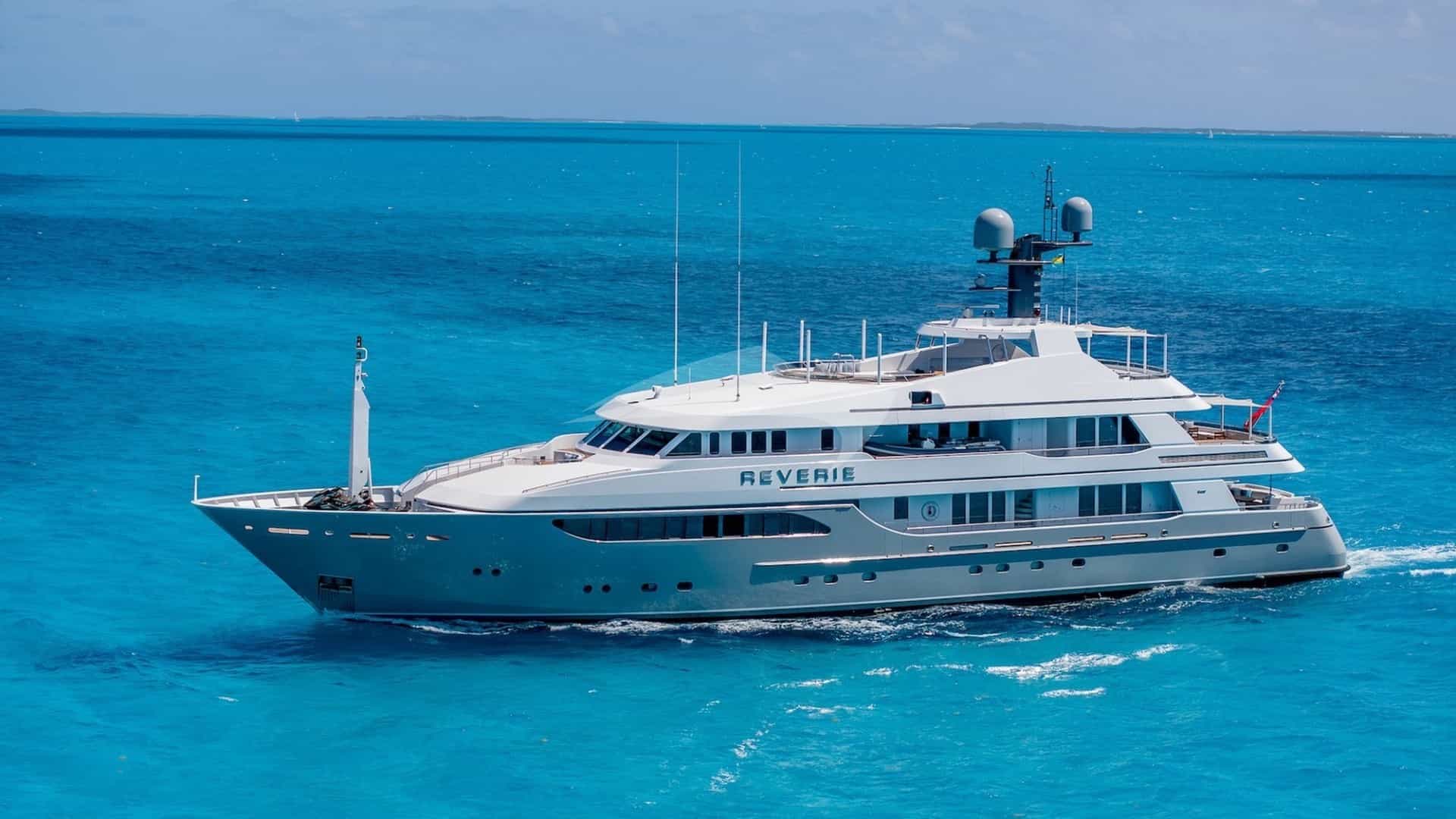
Cruising the Kvarner Gulf requires a clear understanding of regional geography, microclimates, and maritime infrastructure. Situated between Krk, Pag, and Cres, the island of Rab occupies a pivotal position in northern Croatia’s coastal network. The island presents two distinct topographies: a barren, storm-swept eastern flank facing the Velebit mountain range, and a densely forested, sheltered western side cut with deep coves and historic inlets. For captains and charter brokers arranging a Rab Yacht Charter yacht charter, navigating Rab demands precise knowledge of local depth profiles, seasonal wind patterns, and harbour management protocols. This operational guide provides the essential intelligence required to manage shore logistics, secure prime berths, and execute seamless guest turnarounds on Rab.
Navigational Approaches and Regional Microclimates
Approaching Rab from the north or west involves crossing the Kvarnerić, an open stretch of water between the Cres-Lošinj archipelago and Rab. Vessels making the passage from Mali Lošinj (22 nautical miles southwest) or Punat on Krk (18 nautical miles north) generally experience manageable summer sea states, but regional wind phenomena require constant monitoring.
The dominant summer wind is the Maestral, a northwesterly breeze that develops by mid-morning, peaks between Force 4 and Force 5 in the afternoon, and dies away at sunset. The Maestral creates ideal sailing conditions through the Kvarnerić but generates a moderate chop in exposed anchorages on Rab’s western headlands, such as Cape Sorinj and Cape Frkanj.
The primary meteorological hazard in the northern Adriatic is the Bura (Bora), a cold, dry katabatic wind that accelerates down the slopes of the Velebit mountains and blasts through the Senj Gap (Senjska vrata). When a Bura event hits, gusts exceeding 50 knots can sweep across the Velebit Channel and strike the unpopulated, moonlike eastern coast of Rab, including the surrounding islets of Goli Otok and Prvić.
During a strong Bura, the Barbat Channel (Barbatski Kanal)—the narrow body of water separating Rab from the long, thin shield island of Dolin—provides vital shelter. Entering the Barbat Channel from the south requires staying central within the marked fairways, where depths range between 10 and 18 metres.
The southern entrance near the Mišnjak ferry terminal is straightforward, but captains must monitor the movement of local ro-ro ferries operating continuously between Mišnjak and Stinica on the mainland.
When approaching Rab Town Harbour (Luka Rab) from the west, vessels round Cape Frkanj, keeping the red port-hand marker clear. The approach channel maintains depths of 6 to 12 metres, but large motor yachts must exercise caution around the shoals extending from the Saint Eufemija monastery headland.
Rab Town Harbour and Superyacht Berthing
Rab Town is the historic and administrative heart of the island, recognizable by its four iconic Romanesque bell towers rising above the medieval stone sea walls. Berthing directly below these walls is one of the premier harbour experiences in the northern Adriatic, but infrastructure constraints require careful logistical planning.
The Town Quay (Obala kralja Petra Krešimira IV)
The main waterfront quay, managed by the Port Authority of Rab (Lučka uprava Rab), stretches along the western edge of the town peninsula. The outer face of the quay provides stern-to berthing with lazy lines for larger yachts.
- Draft and Depth Profile: Depths along the main town quay vary from 4.8 metres at the southern outer pier to 2.8 metres as you move further north toward the inner harbour basin.
- Length Restrictions: Vessels up to 45 metres LOA can be accommodated stern-to at the outer head of the quay, provided draft requirements are met. Yachts exceeding 50 metres LOA cannot berth alongside and must drop anchor in the outer roadstead.
- Infrastructure: Power connections along the town quay support 32A and 63A three-phase supplies. Water connections are available at dedicated pedestals, though flow rates can drop during peak afternoon hours when multiple yachts wash down simultaneously.
ACI Marina Rab
Located at the bottom of Rab Harbour, ACI Marina Rab offers 142 pontoon berths equipped with lazy lines, water, and electricity.
- Capacity and Draft: The marina accommodates vessels up to 20 metres LOA, with a maximum draft of 5 metres near the harbour entrance, shallowing to 2 metres in the inner pontoons. It is primarily suited to sailing yachts, mid-sized motor yachts, and chase boats.
- Protection: The marina is well protected from the Maestral and Jugo (southeasterly wind) by a substantial concrete breakwater. However, strong Bura gusts can blow directly over the town ridge, causing cross-winds across the pontoons that require bow thrusters and assertive boat handling during stern-to docking.
Outer Anchorages for Superyachts
When town quay berths are occupied, or for vessels with drafts exceeding 4.5 metres, two primary anchorages serve Rab Town:
1. Luka Rab Outer Roadstead: Situated south of Cape Frkanj, this anchorage offers holding in 15 to 22 metres over mud and sand. It provides rapid tender access to the town slipway (3 minutes), but it is exposed to southwesterly swells generated by the Jugo. 2. Saint Eufemija Bay (Uvala Sveta Eufemija): Tucked into the deep inlet west of Rab Town, this bay provides exceptional shelter from the Bura and Maestral. Holding is secure in 6 to 10 metres of sticky mud. The inner end of the bay shallow quickly, so vessels over 30 metres should anchor in the outer third of the inlet. Tender transfers to the town quay take approximately 5 minutes.
Auxiliary Marinas and Northern Anchorages
Beyond Rab Town, the island offers several strategic bays and secondary marinas that serve as alternative overnight berths or daytime swimming stops.
ACI Marina Supetarska Draga
Located on the northwest coast of the island (44°48.2'N, 14°43.8'E), Supetarska Draga is a deep, natural bay sheltered by the islets of Maman, Srednjak, and Sailovac.
- Berth Capacity: The marina provides 270 sea berths for vessels up to 18 metres LOA with a maximum draft of 3 metres.
- Shelter: Supetarska Draga is arguably the best-protected bay on the island during a heavy Bura, as the high ground of the Kamenjak ridge breaks the force of the wind before it hits the water. It serves as an excellent operational fall-back when southern quays become uncomfortable.
Kampor Bay (Uvala Kampor)
Directly south of Supetarska Draga lies Kampor Bay, a wide, sandy-bottomed inlet fringed by pine forests.
- Anchorage Dynamics: The bay offers wide open anchoring in 4 to 8 metres of water over fine sand with excellent holding. It is entirely open to the northwest, making it a daytime-only anchorage if a strong Maestral or wind-driven swell is running. At night, when the sea breeze falls away, it provides a quiet, low-density alternative to Rab Town.
Lopar Peninsula and the Northern Bays
The northern tip of Rab is defined by the sandy beaches of the Lopar peninsula. While the main port of Lopar hosts the commercial car ferry from Valbiska (Krk), the surrounding bays offer scenic stopovers for charter itineraries.
- Sahara Beach and Ciganka Bay: These unblemished bays feature shallow, turquoise waters over sandy beds. Vessels should anchor off in 5 to 8 metres, as depths shoal rapidly within 100 metres of the shore. These anchorages must be evacuated immediately if a Bura warning is issued, as they are fully exposed to the north and northeast.
Reservation Strategies and Seasonal Lead Times
Berth availability on Rab varies dramatically between the quiet shoulder months and the midsummer peak. Charter brokers and captains must adjust their booking strategies accordingly.
- July and August (Peak Season): The town quay and ACI Marina Rab operate at maximum capacity. Town quay berths under the control of the Port Authority cannot always be reserved months in advance through automated apps; they are often managed day-to-day by the port warden (lučki redar). Captains should make contact via VHF Channel 09 or telephone by 10:00 on the day of arrival to secure a space. For ACI Marina berths, digital reservations via the ACI online portal should be finalized at least 4 to 6 weeks in advance.
- May, June, and September (Shoulder Months): Advance reservations are generally straightforward. Pontoons and quay berths can often be secured 24 to 48 hours in advance, allowing for flexible cruising itineraries based on real-time weather forecasts.
- October (Off-Peak): Most marina facilities remain open until late October, though services (such as water taxi transfers and waterfront restaurants) begin scaling back. Berthing is readily available on arrival without prior booking.
To optimize operational planning during the high season, observe the following lead times:
- Town Quay Main Berths (30m+ LOA): Reserve 30 to 60 days ahead through local port agents.
- ACI Marina Pontoons (up to 20m LOA): Reserve 14 to 30 days ahead via the ACI online application.
- Private Bunkering (High-Volume Diesel): Request 48 hours ahead to secure delivery truck scheduling if bunkering at the commercial quay.
- Helicopter Transfers / Water Taxis: Arrange 72 hours ahead during July and August peak arrival days.
Bunkering, Utilities, and Technical Support
Executing smooth logistics requires precise management of fuel, water, and engineering services. Rab offers reliable basic infrastructure, but high-volume superyacht requirements demand advance coordination.
Bunkering Infrastructure
The primary marine fuel station is the INA bunkering dock located at the entrance to Rab Town Harbour (44°45.4'N, 14°46.0'E).
- Dock Depths and Limits: The depth alongside the INA fuel pontoon is 3.2 metres. The dock can handle vessels up to 35 metres LOA, but larger vessels will extend beyond the piling structure, requiring careful mooring lines during fueling.
- Operational Constraints: The fuel station features standard commercial high-speed diesel nozzles. During July and August, commercial fishing boats, excursion craft, and private yachts queue for fuel, causing severe congestion between 08:30 and 11:30, and again from 17:00 to 19:30. Captains are advised to fuel early in the morning (06:00–07:30) to avoid lost charter time.
- Tanker Truck Delivery: For superyachts taking large volumes of diesel (>5,000 litres) or requiring high-flow rates that exceed the INA pump capacity, fuel can be delivered by road tanker. The tanker travels from the mainland via the Stinica-Mišnjak ferry line. Tanker bunkering must be coordinated through a licensed Croatian maritime agent and cleared with the Rab Port Authority to access the commercial quay at Mišnjak or the outer town pier.
Shore Power and Potable Water
- Electrical Supply: Electricity on the town quay is delivered via standard 32A single-phase and 63A three-phase CEE industrial sockets. Supply voltage can fluctuate slightly during peak evening hours when shore power demand surges across the island's grid. Yachts requiring 125A or higher three-phase power will need to run onboard generators, as local shore infrastructure cannot support these loads.
- Water Supply: Fresh water on Rab is piped from the Velebit mountain springs on the mainland via a submarine pipeline. The water quality is exceptional and safe for drinking tanks. Water connections on the quay are metered. During dry August spells, local authorities may institute minor water-use restrictions, so crew should avoid excessive deck washing during midday hours.
Marine Engineering and Yard Services
For unexpected mechanical issues, minor repairs, or haul-outs, Rab possesses strong local maritime support.
- Pičuljan Pro-line Shipyard (Barbat): Located in the Barbat Channel, Pičuljan is a renowned family-run shipyard specializing in high-end boat building, GRP repair, engine servicing (official Volvo Penta and Yanmar dealers), and marine electronics. The yard features travel lifts capable of hauling vessels up to 30 tonnes, making it an invaluable resource for chase-boat maintenance, prop repairs, or emergency mechanical troubleshooting during a charter.
Provisioning and Culinary Logistics
Provisioning on Rab allows charter chefs to incorporate high-quality local Croatian ingredients alongside international luxury products.
Local Sourcing in Rab Town
The historical centre of Rab Town hosts a compact, high-quality central market (Gradska tržnica) located just behind the town walls, a 3-minute walk from the town quay.
- Fresh Produce: Daily vendors supply locally grown Mediterranean vegetables, sun-ripened tomatoes, wild figs, and fresh herbs grown in the fertile valleys of Supetarska Draga and Kampor.
- Fish Market (Ribarnica): Located within the main market complex, the fish market opens at 07:00. Local fishermen deliver daily catches from the Kvarner Gulf. Key offerings include Kvarner scampi (Nephrops norvegicus)—prized globally for their sweet flavor due to the cold, deep waters of the Kvarner basin—as well as wild sea bass, John Dory, scorpionfish, and squid. To secure the top tier of the daily catch, charter chefs should arrive or send crew by 07:15.
- Specialty Delicacies: Rab is famous for Rabska torta (Rab Cake), a traditional medieval spiral pastry made with almonds, lemon zest, and Maraschino liqueur, originally served to Pope Alexander III in 1177. The pastry maker Kuća Rabske Torte in the old town can supply handcrafted cakes for guest presentation. Nearby Pag Island produces Paški sir, a famous hard sheep's milk cheese aged in olive oil, which is readily stocked in local artisanal shops.
Wholesale and Imported Luxury Provisioning
For specialized international provisions—such as Wagyu beef, specific champagne vintages, caviar, or imported Asian ingredients—charter yachts should rely on superyacht provisioning agents based in Rijeka or Split. Provisions are dispatched in refrigerated transport vehicles and delivered directly to the yacht's gangway on the Rab Town quay within 24 hours of ordering.
Wines from the nearby island of Krk, specifically Vrbnička Žlahtina (a crisp, dry white wine ideal for seafood pairings), can be ordered in bulk through local distributors and delivered directly to the deck.
Formalities, Maritime Authorities, and Environmental Regulations
Operating commercially or privately in Croatian waters requires compliance with national maritime legislation enforced by the local harbour master.
Lučka Kapetanija (Harbour Master's Office)
The main branch of the Lučka Kapetanija Rab is situated directly on the Rab Town waterfront (Obala kralja Petra Krešimira IV).
- Customs and Border Control: Croatia’s integration into the Schengen Area on 1 January 2023 eliminated routine border checks for vessels arriving from other Schengen ports (such as Italy or Slovenia). However, non-EU flagged yachts or vessels carrying non-Schengen crew members must complete formal entry clearances if Rab is their first port of call after crossing international waters.
- Vignettes and Maritime Fees: All foreign-flagged yachts over 2.5 metres LOA operating in Croatian waters must pay a navigation safety fee (vignette). This can be paid online via the Croatian Ministry of Sea, Transport and Infrastructure portal or directly at the Lučka Kapetanija office in Rab Town. The harbor master will inspect vessel registration, proof of insurance, skipper licenses, and the official crew/guest list.
Environmental Regulations and Anchoring Zones
- Posidonia Protection: The sandy sea floor around the Lopar peninsula and Kampor Bay contains significant beds of Posidonia oceanica (seagrass). Anchoring in designated seagrass conservation areas is restricted to prevent habitat destruction. Yachts must deploy anchors exclusively in clear sandy patches.
- Discharge Restrictions: The Kvarner Gulf is a strictly enforced zero-discharge zone. Blackwater holding tanks must remain closed within 3 nautical miles of the coastline or any island shore. Pump-out facilities are available at major regional marinas, and greywater management must comply with Croatian environmental protection standards.
Airports, Transfers, and Crew Logistics
Managing guest arrivals, departures, and crew rotations requires an understanding of the regional transport infrastructure connecting Rab to the mainland and international aviation hubs.
Regional Airports
1. Rijeka Airport (RJK): Located on the neighboring island of Krk near Omišalj, Rijeka Airport is the closest commercial airport to Rab. Distance to Rab Town:* 25 nautical miles by sea. Transfer Logistics:* Guests landing at RJK can board a pre-arranged fast chase boat or commercial water taxi directly from the nearby Dunat/Punat pier on Krk, reaching Rab Town Quay in approximately 45 to 60 minutes. Alternatively, a road transfer via the Krk Bridge, down the mainland coast to Stinica, followed by the 20-minute car ferry to Mišnjak, takes roughly 2 hours and 15 minutes. 2. Zadar Airport (ZAD): Situated 110 kilometres south, Zadar Airport handles a high volume of international flights and private jet traffic. Transfer Logistics:* A road transfer from ZAD to the Stinica ferry port takes 1 hour and 30 minutes, followed by the 20-minute ferry crossing to Rab. Fast water taxi transfers directly from Zadar harbour to Rab Town take roughly 1 hour and 15 minutes in calm weather. 3. Pula Airport (PUY): Located on the Istrian peninsula, Pula is situated 40 nautical miles west across the Kvarner Gulf. Transfer Logistics:* Pula is best utilized when guests are transferred via a fast motor yacht or chase boat across the Kvarnerić (1.5 to 2 hours sea passage).
Helicopter Transfers and Crew Rotations
For high-net-worth charter guests requiring fast turnarounds, helicopter transfers can be organized directly to Rab. While the island lacks a commercial heliport, landing permissions can be secured through local authorities for designated helipads near Rab Town and select private estates in Kampor.
For crew shifts, transit via the Stinica-Mišnjak ferry line operates 24 hours a day during peak summer, with departures every 30 to 45 minutes. Taxis and private minivans meet crew members at the Mišnjak terminal for the short 15-minute drive into Rab Town, making crew rotations straightforward and cost-effective.
- Rijeka Airport (RJK): 45–60 min fast tender transfer from Krk / 2.25 hours via road & ferry.
- Zadar Airport (ZAD): 1.25 hours fast water taxi transfer / 2 hours via road & ferry.
- Pula Airport (PUY): 1.5–2 hours high-speed sea passage across the Kvarnerić.
- Stinica to Mišnjak Ferry: 20 min sea crossing, running continuously throughout the day.
By understanding these logistical parameters, charter brokers can craft flawless itineraries and captains can execute precise maritime operations across Rab and the surrounding waters of the Kvarner Gulf.