
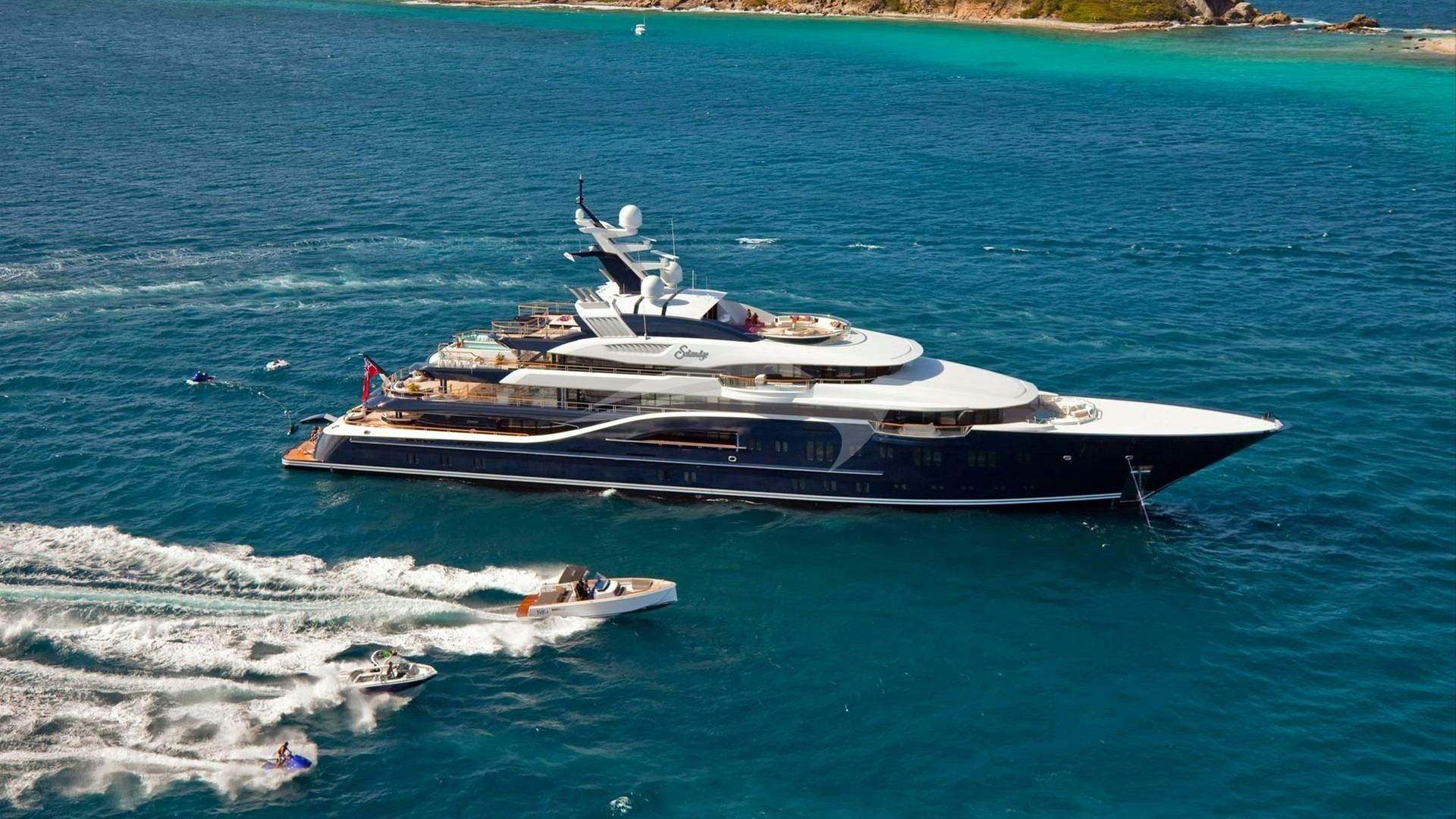
The Gulf of Trieste occupies a singular position in the Mediterranean cruising landscape. Positioned at the extreme northern apex of the Adriatic Sea, where the limestone plateau of the Karst drops into deep indigo waters, this basin offers a microclimate and maritime environment distinctly different from the southern archipelagos of Central Dalmatia or the Tyrrhenian Sea. A Trieste Yacht Charter provides immediate access to a complex cross-border cruising ground encompassing the Italian coast of Friuli Venezia Giulia, the short but densely historic Slovenian Riviera, and the northern peninsula of Croatian Istria.
Understanding the temporal nuances of this region is critical when planning a private yacht charter. The season here is defined not merely by ambient air temperatures, but by the complex interplay of continental air masses, thermal wind patterns, regional regattas, and seasonal maritime migration. Whether your preference is for quiet anchorages beneath the white cliffs of Duino or the electric energy of the world’s largest sailing race, choosing the correct calendar window governs the entire onboard experience.
Wind Systems and Microclimates of the Gulf
Cruising the Gulf of Trieste requires a nuanced understanding of local meteorological phenomena. Unlike open-water Mediterranean passages, the Northern Adriatic is bounded by high topography—the Julian Alps to the north and the Karst edge to the east—which exerts a dramatic influence on wind vector and sea state.
The most famous of these winds is the Bora (or Bura in Croatian), a katabatic wind caused by high-pressure systems sitting over the cold inland plains of Central Europe, forcing cold, dense air through the low passes of the Karst plateau. When the Bora strikes the Gulf, it descends rapidly, blowing from the east-northeast. In winter and late autumn, a "Dark Bora" (Bora Scura) can bring heavy cloud and gale-force gusts exceeding 50 knots. However, during the summer charter season, the "Clear Bora" (Bora Chiara) presents as a bright, crisp breeze that clears the air, cools the ambient temperature, and creates short, steep chop close to the coast while leaving the lee of high headlands relatively calm.
Conversely, the Jugo (Sirocco) is a southerly to south-easterly wind driven by low-pressure systems over the Western Mediterranean. It accumulates moisture as it travels the entire length of the Adriatic, bringing warm, humid air, overcast skies, and a long, rolling sea swell. In the Gulf of Trieste, a sustained Jugo causes sea levels to rise in the harbours of Trieste city centre and along the shallow lagoons of Grado.
During the peak summer months of July and August, these systemic winds frequently yield to classic thermal activity. The Maestrale (a north-westerly sea breeze) develops reliably by late morning as the Karst landmass heats up, building to a comfortable 12 to 16 knots by mid-afternoon before dying away at sunset. This creates benign, predictable conditions for day passages between Trieste’s Darsena San Giusto and the Slovenian ports of Izola and Piran.
Month-by-Month Cruising Guide
### May: Crisp Light and Open Anchorages May heralds the opening of the Northern Adriatic charter calendar, characterised by exceptional atmosphere clarity, lush green coastal vegetation, and empty waters.
- Average Air Temperature: 19°C – 22°C
- Average Water Temperature: 17°C – 18°C
- Crowd Index: Low
- Cruising Dynamic: Spring in the Gulf of Trieste is crisp and energetic. While sea temperatures remain too cool for prolonged swimming without a wetsuit, May offers superb conditions for sailing purists who prioritize crisp breezes and uncrowded berthage.
The coastline between Sistiana and Miramare Castle is particularly striking in May, as the coastal foliage is in full bloom against the white Karst limestone. Anchorages off the headland of Punta Sottile or beneath the steep ramparts of Duino Castle are completely vacant, allowing charterers to drop anchor in prime positions that are inaccessible during peak midsummer.
Marinas such as Marina San Giusto in the heart of Trieste or Porto Piccolo in Sistiana operate at early-season rates with abundant availability. Charterers should prepare for cooler evenings requiring light outerwear and maintain a flexible itinerary in case a late-spring Bora event brings a two-day spell of lively conditions.
### June: The Ideal Balance June is widely regarded by experienced brokers as one of the optimal months for a Trieste Yacht Charter. Daylight hours reach their annual maximum, weather systems settle into stable patterns, and regional water temperatures rise rapidly to comfortable swimming levels.
- Average Air Temperature: 24°C – 27°C
- Average Water Temperature: 21°C – 23°C
- Crowd Index: Moderate
- Cruising Dynamic: The thermal Maestrale establishes its midsummer routine, filling in by 11:00 and providing smooth, flat-water sailing across the 12-nautical-mile span from Trieste to the Slovenian border.
Water temperatures in June are inviting enough for sea bobs, paddleboards, and tender trips into the shallow lagoons surrounding Grado, roughly 16 nautical miles west of Trieste harbour. Town quays in Piran, Izola, and Muggia are vibrant but retain a calm, unhurried atmosphere. Reservations at high-end waterfront restaurants serving regional delicacies—such as Scampi alla Busara or local Sardoni in Savor—can be secured with minimal advance notice. June strikes an exceptional balance between warm, predictable weather, moderate marina traffic, and high operational value.
### July: High Summer Energy By July, the Gulf of Trieste enters its full midsummer phase. Ambient temperatures consistently top 30°C, and the sea reaches an inviting temperature that makes extended anchorage stays and water sports the primary focus of the daily itinerary.
- Average Air Temperature: 28°C – 31°C
- Average Water Temperature: 24°C – 25°C
- Crowd Index: High
- Cruising Dynamic: High summer brings long, warm days and balmy nights. Systemic winds are rare, replaced by gentle afternoon sea breezes that die down completely by late afternoon, leaving the sea glassy and calm for overnight anchorages.
A typical July itinerary often expands southwards from the Gulf of Trieste, taking advantage of the long daylight hours to cross into Croatian Istria. A run from Trieste to Rovinj (approximately 45 nautical miles) is easily accomplished in a morning steam aboard a performance motor yacht or a leisurely day’s passage on a large sailing catamaran.
In Trieste itself, the grand Piazza Unità d'Italia comes alive in the evenings, with outdoor cafes and fine dining establishments spilling onto the waterfront. Berth space at premier berths like Darsena San Giusto becomes competitive; advance reservations secured through your charter broker are mandatory.
### August: Peak Mediterranean Season August represents the apex of the regional holiday season, marked by the Italian Ferragosto holidays. Water temperatures reach their annual peak, making this the prime month for families seeking an active, water-focused yacht charter.
- Average Air Temperature: 29°C – 32°C
- Average Water Temperature: 26°C – 27°C
- Crowd Index: Peak
- Cruising Dynamic: The sea is at its warmest and calmest. The air is warm both day and night, requiring continuous air conditioning when inside the vessel and making evening dining on the aft deck a highlight of the experience.
Because coastal hotspots and public quays experience their highest occupancy of the year, strategic itinerary planning becomes essential. Experienced captains will direct the yacht towards quieter, sheltered coves along the Karst coast or navigate the protected, shallow waters of the Grado Lagoon, where larger commercial vessels cannot follow.
It is advisable to secure berths in luxury developments like Porto Piccolo well in advance, or to spend alternate nights at anchor off Punta Salvore (Savudrija) at the northern tip of Istria. August delivers the classic, sun-drenched Mediterranean charter experience, provided logistics are carefully managed.
### September: The Insider's Choice September is arguably the finest month for an editorial-grade cruising itinerary in the Northern Adriatic. As the peak summer crowds recede and regional schools reopen, a serene, sophisticated calm returns to the waters of Friuli and the Istrian peninsula.
- Average Air Temperature: 23°C – 26°C
- Average Water Temperature: 23°C – 24°C
- Crowd Index: Low to Moderate
- Cruising Dynamic: The sea retains the heat accumulated over July and August, remaining exceptionally pleasant for swimming, while air temperatures drop to a comfortable, non-oppressive range. Weather patterns remain largely stable, dominated by lingering late-summer high-pressure systems.
September coincides with the Vendemmia (gravel and wine harvest) in the nearby Collio and Karst wine regions. This adds a rich culinary dimension to a charter, as local estate-bottled wines like Vitovska, Malvasia Istriana, and Terrano are featured at their peak alongside seasonal autumn truffles and seafood.
Sailing conditions are superb, with crisp morning air giving way to reliable afternoon breezes. Berth availability opens up substantially, allowing captains to adjust itineraries spontaneously without the rigid booking constraints of August.
### October: Regatta Atmosphere and Season Finale October brings a dramatic shift in the character of the Gulf. While ambient and water temperatures begin to cool, the month is defined by one of the most famous events in global yachting: the Barcolana.
- Average Air Temperature: 16°C – 19°C
- Average Water Temperature: 18°C – 20°C
- Crowd Index: High (centred around Trieste city)
- Cruising Dynamic: Early October in Trieste is dominated entirely by the Barcolana regatta, held annually on the second Sunday of the month. The Gulf transforms into a sweeping field of canvas, hosting over 2,000 vessels ranging from maxi racing yachts to historic wooden craft on a single start line.
Chartering a luxury vessel during Barcolana week offers an unrivaled spectating experience. Clients can view the race from the water with a prime position off Miramare Castle before berthing directly alongside the Molo Audace in Trieste, where the entire city becomes an open-air celebration of maritime culture.
Following the Barcolana, the region transitions rapidly into late autumn. Winds become more variable, with an increased probability of early-season Bora events, and most local charter fleets begin their winter maintenance cycles.
Season Overview at a Glance:

May–June: Crisp weather, empty anchorages, high sailing performance, excellent value.
July–August: Warmest sea temperatures, vibrant nightlife, calm conditions, maximum advance planning required.
September–October: Insider window; warm water, wine harvest culture, settled weather, and the world-famous Barcolana.
Cross-Border Navigation and Regional Itineraries
A distinct advantage of embarking on a Trieste Yacht Charter is the ease with which one can execute a multi-country itinerary in a single week. The geographical layout of the Northern Adriatic allows for seamless transitions between Italian, Slovenian, and Croatian territorial waters.
Starting from Trieste's Marina San Giusto, a yacht can head south-west along the high limestone coast past the castles of Duino and Miramare, before steering south across the border into Slovenia. Within 12 nautical miles, the Venetian-Gothic town of Piran offers a picturesque port of entry, with its soaring bell tower modelled on Venice's St Mark's.
Continuing another 10 to 15 nautical miles south leads across the Croatian maritime boundary to the Istrian coast. Here, key ports such as Umag, Novigrad, and the Venetian island-town of Rovinj offer exceptional historic exploration, Michelin-starred dining, and sheltered anchorages behind the Brijuni Islands.
When planning these passages across the season, brokers and captains must factor in entry and border procedures. Although Italy, Slovenia, and Croatia are all within the Schengen zone, vessel customs declarations and crew list clearances must be managed smoothly when entering non-Italian ports, particularly during peak summer months when harbor offices face heavy traffic.
Seasonal Culinary Patterns
The culinary landscape around the Gulf of Trieste changes distinctly throughout the charter season, providing a rich narrative for charterers interested in regional gastronomy.
In May and June, menus along the coast focus heavily on fresh wild herbs harvested from the Karst edge, paired with delicate spring seafood. Asparagus, wild fennel, and young cheeses from the interior plateau are featured alongside raw langoustines and local turbot.
During the height of summer (July and August), dining leans toward light, refreshing seafood preparations served on open terraces. Classic dishes like Brodetto (a rich fish stew cooked with white wine and vinegar) and Frico (a crisp pancake made of Montasio cheese and potatoes) are pared with chilled, crisp white wines like Friulano or Malvasia.
By September and October, as the air cools, the region’s Austro-Hungarian heritage comes to the fore. Hearty, aromatic dishes appear, including Jota (a traditional soup of sauerkraut, beans, potatoes, and smoked pork), wild boar ragù, and dishes laced with fresh black and white truffles sourced from the Mirna River Valley in nearby Istria.
Seasonal Regional Highlights:

• Spring (May–June): Karst wild herbs, raw langoustines, crisp Vitovska wines.
• Midsummer (July–Aug): Fresh seafood crudo, Brodetto, chilled Malvasia on the water.
• Autumn (Sept–Oct): Istrian truffles, Jota, game meats, robust Terrano red wines.
Booking Horizons and Charter Logistics
Securing the ideal vessel for a Trieste Yacht Charter requires strategic timing aligned with the regional calendar. Due to the boutique nature of the Northern Adriatic charter fleet compared to larger hubs like the Côte d'Azur or the Amalfi Coast, high-specification crewed motor yachts and large catamarans based in or near Trieste have limited availability.
For peak-season weeks in July and August, booking lead times of 8 to 10 months are recommended to guarantee your choice of yacht and to secure prime berths in high-demand marinas like Porto Piccolo or Marina San Giusto.
For charters tailored specifically around the Barcolana regatta in October, planning should begin up to 12 months in advance. During this week, berth space along the main Trieste waterfront is at an absolute premium, and yachts operating under commercial charter licenses require specific event permits to enter the spectator boundaries.
Shoulder-season charters in June and September offer considerably more flexibility. Booking horizons for these months can often be compressed to 3 to 5 months prior to departure. Furthermore, charter fees and marina mooring costs during these shoulder months frequently reflect off-peak rates, providing exceptional value alongside superior weather conditions and uncrowded cruising grounds.
The Advance Provisioning Allowance (APA)—typically calculated at 30% to 40% of the base charter fee—must also account for seasonal variables. In peak summer, higher fuel consumption due to continuous generator and air-conditioning operation, combined with elevated midseason berthage rates in premium marinas, may require a slightly higher APA allocation than a quieter shoulder-season itinerary focused on sailing and anchored overnights.