
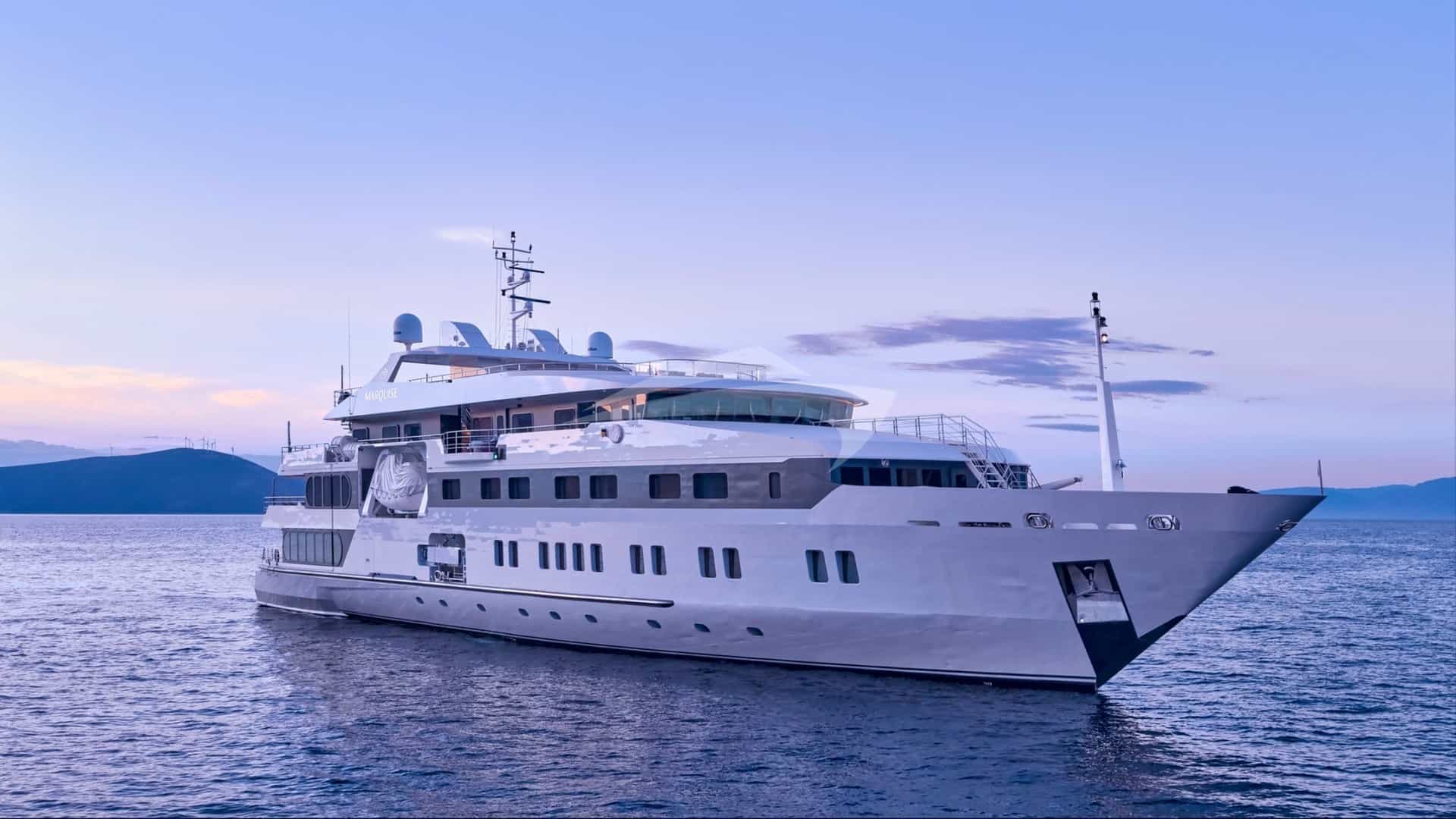
The Venetian Lagoon and the wider basin of the Northern Adriatic present one of the Mediterranean’s most nuanced cruising environments. Stretching from the marshlands of the Po Delta past the historic maritime Republic of Venice, along the lagunar coastlines of Friuli-Venezia Giulia, and across the Gulf of Trieste to the limestone coast of Istria, this regional basin does not strictly follow the standard West Mediterranean seasonal playbook. Here, navigation is shaped as much by tidal fluctuations, shallow lagoon channels, and localized wind systems as it is by the rising and falling temperatures of summer.
Choosing the right calendar window for a Venice & Northern Adriatic Yacht Charter yacht charter requires balancing several competing factors: the atmospheric intensity of high summer in the city of canals, the delicate wind windows required to cross the open Gulf of Venice, the cultural calendar of world-class regattas and art exhibitions, and the availability of precious superyacht berths along Riva dei Sette Martiri and Marina Sant'Elena. Understanding how the cruising experience evolves month by month allows charterers to align their preferences—whether for quiet, cultural lagoon exploration or high-summer island-hopping across to Istria—with the precise conditions on the water.
       NORTHERN ADRIATIC CRUISING ARC
       ==============================

       [Venice Lagoon] -------- 45 nm --------> [Grado / Marano]
             |                                        |
             |                                      22 nm
           60 nm                                      |
         (Cross-Gulf)                                 v
             |                                 [Trieste / Duino]
             v                                        |
      [Istrian Coast] <------- 12 nm ---------- [Piran, Slovenia]
      (Rovinj / Brijuni)
Navigating the Wind Systems and Microclimates of the Upper Adriatic
Cruising the Northern Adriatic demands respect for its distinct meteorological personality. Unlike the predictable meltemi of the Aegean or the steady mistral of the Western Mediterranean, the Gulf of Venice is dominated by two primary winds: the Bora and the Sirocco (known locally as the Jugo), complemented in high summer by regular thermal sea breezes.
The Bora is a katabatic wind, born over the cold interior of the Karst plateau and rushing down through the mountain gaps around Trieste. It blows from the north-northeast and can descend with alarming suddenness. While more prevalent from late autumn through early spring, summer Boras do occur, clearing the air of humidity, dropping temperatures, and creating short, steep waves in the open gulf. When cruising near the cliffs of Duino or crossing from Venice to Piran, a eye must be kept on the barometric pressure for signs of a Bora onset.
Conversely, the Sirocco blows from the south-southeast, drawing warm, moisture-laden air up the length of the Adriatic basin. In late spring and autumn, strong Sirocco winds push open-sea waters into the narrow inlets (porti) of Lido, Malamocco, and Chioggia, raising water levels within the Venetian Lagoon and occasionally triggering acqua alta (high water) events. During high summer, a gentle Sirocco simply brings higher humidity and warm evenings.
Within the Venetian Lagoon itself, deep-draft yachts are restricted to marked channels demarcated by wooden pilings known as briccole. Tidal currents through the lagoon's main arteries—such as the Lido Channel and the Canale della Giudecca—can reach speeds of two to three knots during spring tides. Skippers must factor these currents into docking maneuvers, particularly when securing alongside at Venice Yacht Pier or navigating the narrow entrance to Vento di Venezia on Isola della Certosa.
---
Spring (May to Early June): Vernal Light, Culture, and Clear Passages
Spring in the Northern Adriatic is a period of transition, characterized by crisp visual clarity, lingering cool atmospheric currents off the Alps, and an awakening cultural calendar. For guests prioritized on art, history, and tranquil lagoon navigation, this window offers distinct advantages over the congested peak months.
MAY & EARLY JUNE
--------------------------------------------------
Air Temperature:        18°C – 24°C
Water Temperature:      17°C – 20°C
Predominant Wind:       Variable; light onshore breezes / occasional late Bora
Crowd Factor:           Moderate in Venice center; low in wider lagoon
Primary Attraction:     Vogalonga, Venice Biennale, peaceful passages
May: The Cultural Awakener
May sees average daytime air temperatures hovering between 18°C and 22°C, while sea temperatures remain a fresh 17°C to 18°C—generally too cool for extended swimming without a wetsuit, but pleasant for water sports utilizing tenders and jet skis. The atmosphere is clear, offering views across the lagoon to the snow-capped peaks of the Dolomites in the far distance.
This is the premier month for cultural charters centered around Venice itself. The La Biennale di Venezia (alternating annually between the Art and Architecture exhibitions) opens its pavilions in the Giardini and the Arsenale. Berthing a motor yacht along the Riva dei Sette Martiri places guests within short walking distance of the exhibition grounds.
Cruising conditions in May are generally light, though periodic frontal systems can bring rain and brief squalls. The lagoon is quiet; island stops at Torcello, Burano, and San Francesco del Deserto can be enjoyed in relative solitude before the day-tripper boats arrive from the mainland. Shoreline dining at legendary establishments like Locanda Cipriani on Torcello is effortlessly secured.
Early June: The Maritime Spectacle
By early June, air temperatures rise to an average high of 24°C, and the sea warms to 20°C. Sunlight hours expand, and the lagoon comes alive with historical maritime pageantry.
The highlight of late spring is the Vogalonga, a non-competitive 30-kilometer rowing regatta created in 1974 as a protest against motorboat wakes in the canals. Thousands of rowed craft—from traditional Venetian gondole and pupparini to international kayaks and dragon boats—gather in the San Marco Basin before paddling through the northern lagoon to Burano and returning down the Cannaregio Canal. During the event, engine power in key city channels is halted, creating an atmosphere of historic serenity across the waters.
For yachts preparing to cross the Gulf of Venice toward the Istrian peninsula (a passage of roughly 55 to 60 nautical miles from Venice to Rovinj or Piran), early June offers stable weather windows before the intense haze and heat of July settle over the basin.
---
High Summer (July to August): Heat, Regattas, and Offshore Escapes
High summer shifts the focus of a Northern Adriatic charter. While the historic center of Venice experiences high heat and heavy tourist traffic, the surrounding maritime territory—from the outer barrier islands of Pellestrina to the crystal-clear waters of the Istrian coast—becomes the primary sanctuary for charter guests.
JULY & AUGUST
--------------------------------------------------
Air Temperature:        28°C – 34°C
Water Temperature:      24°C – 27°C
Predominant Wind:       Thermal Maestral (NW afternoon sea breeze, 10–15 knots)
Crowd Factor:           Peak in city centers; busy anchorages
Primary Attraction:     Festa del Redentore, island jumping, warm-water swimming
July: Festa del Redentore and Long Offshore Days
July introduces classic Mediterranean summer conditions. Daytime temperatures frequently range between 28°C and 33°C, accompanied by high humidity (afa). Sea temperatures climb rapidly to 24°C or 25°C, transforming the outer Adriatic into an ideal venue for swimming, sea-bobbing, and foil-boarding.
The defining event of the summer season occurs on the third weekend of July: the Festa del Redentore. Rooted in a 16th-century thanksgiving for the end of a devastating plague, the festival centers on the Basilica del Redentore on the island of Giudecca. On Redentore Saturday, the Giudecca Canal is closed to commercial traffic and filled with hundreds of decorated boats.
Yachts holding prime mooring allocations along the Giudecca or opposite the San Marco Basin enjoy a front-row seat to one of Europe’s most spectacular pyrotechnic displays. The fireworks illuminate the domes of Santa Maria della Salute and the Campanile of San Marco for over an hour. Booking lead times for berths during Redentore weekend are demanding; prime positions must be secured at least eight to twelve months in advance through specialized brokers.
Following Redentore, itineraries typically move away from the inner lagoon. A overnight passage or early-morning sprint across the gulf brings yachts to the western coast of Istria. Here, the deep, clear waters around the Brijuni Islands National Park and the narrow fjord of Limski Kanal offer pristine swimming, cool sea breezes, and relief from the lagunar heat.
August: Escaping to the Outer Islands and Istria
August brings peak temperatures (often exceeding 32°C) and maximum sea temperatures of 26°C to 27°C. The inner canals of Venice can feel stagnant during the heat of the afternoon, making smart itinerary design essential.
A successful August charter relies on a dual-phase rhythm: Mornings:* Early cultural excursions or private gallery visits in Venice while air temperatures remain comfortable. Afternoons:* Steaming outward to the breeze-swept barrier islands of Lido, Pellestrina, or Chioggia, or making the 45-nautical-mile passage north to the Marano Lagoon and Grado. Evenings: Anchoring off the sandy dunes of Alberoni or dining at quiet beachfront trattorias in San Piero in Volta, sampling local summer delicacies such as peoci alla scottadata* (peppery mussels) and chilled Friulano white wine.
Alternatively, many charterers choose an itinerary starting in Venice and ending in Pula or Rovinj (or vice versa). This strategy minimizes time spent in high-traffic urban canals and maximizes time along the cliff-lined bays of Slovenia and Croatia, where deep water allows for easy anchoring and unrestricted use of the yacht’s water toys.
---
Early Autumn (September): The Golden Window
Ask an experienced Adriatic broker or local captain for their preferred cruising month, and the answer is almost universally September. As the peak summer heat breaks, the sea retains its warmth, crowd levels in the historical centers diminish significantly, and the regional wind patterns stabilize into predictable, gentle patterns.
SEPTEMBER
--------------------------------------------------
Air Temperature:        22°C – 27°C
Water Temperature:      23°C – 25°C
Predominant Wind:       Gentle thermals; light north-easterlies
Crowd Factor:           Moderate and declining; comfortable ashore
Primary Attraction:     Regata Storica, Venetian Film Festival, culinary peak
The Culinary and Cultural Confluence
September daytime temperatures are comfortably warm, averaging 24°C to 26°C, while evening temperatures drop to a pleasant 18°C, making al fresco dining on the aft deck delightful without the need for exterior air cooling systems. The water remains warm (around 24°C), ideal for swimming off the swimming platform or diving along the Istrian reefs.
The month opens with two major cultural events: 1. The Venice International Film Festival: Held at the Lido di Venezia in early September, drawing global cinema figures, luxury yachts, and private tenders to the moorings around the Hotel Excelsior and the historic Lido channels. 2. The Regata Storica: Held on the first Sunday of September, this is the grandest celebration of Venetian rowing history. The event begins with a water parade of 16th-century style boats (bisse and gondolini), navigated by rowers in period costume carrying the Doge and his court down the Grand Canal, followed by high-intensity competitive races.
Beyond the events, September marks the opening of the autumn gastronomic season in the Northern Adriatic. As water temperatures begin their slow decline, local fishermen harvest moeche—the soft-shell crabs of the lagoon that are caught during their brief molting phase. Paired with white polenta and dishes featuring fresh artichokes from the island of Sant'Erasmo, September offers an extraordinary culinary experience both onboard and at waterfront osterias.
Cruising conditions across the Gulf of Venice in September are typically benign, with long stretches of calm sea and excellent visibility, making it effortless to plan multi-country itineraries encompassing Italy, Slovenia, and Croatia within a seven-day charter.
---
Late Autumn (October): The Festival of Sails and Seasonal Wind Shifts
October brings a dramatic visual and atmospheric shift to the Northern Adriatic. High-altitude sunlight casts a golden hue over the lagunar marshes, foliage changes across the mainland hinterlands, and the maritime focus shifts east toward the Gulf of Trieste.
OCTOBER
--------------------------------------------------
Air Temperature:        15°C – 20°C
Water Temperature:      18°C – 21°C
Predominant Wind:       Increasing Bora risk; freshening southerlies
Crowd Factor:           Low in Venice; extremely high in Trieste (Barcolana week)
Primary Attraction:     Barcolana Regatta, tranquil lagoon exploration
October Logistics and the Barcolana
By mid-October, average air temperatures range from 15°C to 20°C, and sea temperatures drop below 20°C. While casual swimming becomes less appealing, October is an exceptional month for active sailing charters and maritime enthusiasts.
The centerpiece of the month is the world-renowned Barcolana regatta, held annually on the second Sunday of October in the Gulf of Trieste. Recognized by the Guinness World Records as the largest sailing race in the world, the Barcolana sees over 2,000 sailing vessels—ranging from Maxi yachts and carbon-fiber racers to classic wooden sloops—competing on a 16-nautical-mile triangular course set between the Castello di Miramare and the city front of Trieste.
For charterers, securing a vessel during Barcolana week provides a unique vantage point. Motor yachts can position themselves outside the race boundary line near the cliffs of Duino to watch the fleet round the first mark, before securing a berth along Trieste's historic Stazione Marittima or Riva del Mandracchio to join the festivities in Piazza Unità d'Italia.
Charterers should note that late October introduces a higher probability of strong wind events. The autumn Bora begins to assert itself off the Karst plateau, delivering gusty conditions that require experienced seamanship and careful anchor selection. Furthermore, late October marks the traditional start of the acqua alta season in Venice, when high atmospheric pressure shifts combined with strong Sirocco winds can submerge low-lying areas of the city like Piazza San Marco for several hours during high tide.
---
Strategic Booking Lead Times and Fleet Dynamics
Given the operational parameters of the Northern Adriatic—particularly regarding berth allocations in Venice itself—advance planning is paramount. Unlike regions with extensive, purpose-built mega-marinas like the Côte d'Azur or South Florida, Venice offers a limited number of high-capacity berths capable of accommodating vessels over 30 meters.
RECOMMENDED BOOKING LEAD TIMES
--------------------------------------------------
Peak Summer (Redentore / July & Aug):   8 to 12 months advance notice
Shoulder Season (May, June & Sept):     5 to 8 months advance notice
Barcolana Week (October):               6 to 9 months advance notice
Berthing Infrastructure and Allocation Priorities
Understanding the distinction between berths in the Northern Adriatic is critical to planning your logbook:
- Riva dei Sette Martiri & Riva degli Schiavoni (Venice Pier): These are the ultimate prestige berths, placing superyachts alongside the promenade just minutes from Piazza San Marco. Managed by dedicated Venetian pier authorities, these berths require clear advance notice, port agent coordination, and command high daily rates. They are exposed to boat wakes (moto ondoso) during daytime commercial hours.
- Marina Sant'Elena: Located at the eastern tip of Venice proper, Sant'Elena offers protected, modern concrete docks with reliable power and water infrastructure. It can accommodate yachts up to 50 meters with drafts up to 6 meters, providing a quieter night’s sleep while remaining connected to the city center via private tender or water taxi.
- Vento di Venezia (Isola della Certosa): Situated on the green island of Certosa, directly opposite Lido. Ideal for vessels seeking a quiet setting with quick access to the open lagoon and barrier islands. Draft restrictions apply at the harbor entrance; careful tidal planning is required for vessels drawing over 2.5 meters.
- Porto San Rocco (Muggia/Trieste): A major modern marina facility near the Slovenian border, offering exceptional shelter, full technical support, and deep-water berths for superyachts attending the Barcolana or cruising the upper Gulf.
Advanced Provisioning Allowance (APA) Considerations
The logistical realities of the Northern Adriatic influence how a charter’s Advanced Provisioning Allowance (APA) is utilized. Fuel consumption varies substantially depending on your itinerary profile:
- Lagoon-Centric Itineraries: Fuel expenditure is comparatively low due to strict lagoon speed limits (ranging from 5 km/h in urban canals to 11 km/h or 20 km/h in major marked channels). However, pilotage fees, port agent charges, and berth fees in central Venice represent a higher proportion of the budget.
- Cross-Gulf Itineraries: High-speed displacements or long cruising legs between Venice, Grado, and Istria increase fuel consumption. Cruising at 15 to 20 knots across the 60-nautical-mile open stretch consumes significant fuel, but reduces transit time to under three hours in calm conditions.
- Local Produce Sourcing: Provisioning in the Northern Adriatic is an asset of the region. Chefs routinely source fresh seafood directly from the Rialto Fish Market or the wholesale markets in Chioggia, paired with produce from the agricultural islands of Sant'Erasmo and Vignole. APA allocations for food and wine often yield exceptional value here compared to West Mediterranean hotspots.
---
Seasonal Synthesis: Matching Your Priorities to the Calendar
To select the ideal timing for a Venice & Northern Adriatic Yacht Charter yacht charter, align your charter party's priorities with the distinct character of each month:
- For Art Collectors and Culture Enthusiasts: Target May or late September. Air temperatures are mild, pedestrian traffic in Venice is manageable, and the galleries, pavilions, and historical sites can be toured with ease.
- For High-Energy Families and Water Sports Lovers: Select late July or August. Warm waters along the Istrian coast, long sunny days, and vibrant coastal resort atmospheres provide the backdrop for swimming and water sports activities.
- For Regatta Aficionados and Maritime Historians: Aim for the third weekend of July (Festa del Redentore), early September (Regata Storica), or early October (Barcolana). These periods offer front-row access to centuries of maritime tradition.
- For Gastronomes and Wine Connoisseurs: Choose September. The combination of peak seafood harvests, the soft-shell crab (moeche) season, and the grape harvest in the nearby Collio and Friuli Isonzo wine regions creates an exceptional culinary landscape onboard and ashore.
By tailoring your charter dates to these regional nuances, a journey through Venice and the Northern Adriatic unveils a sophisticated blend of world-class culture, history, and diverse cruising waters.