
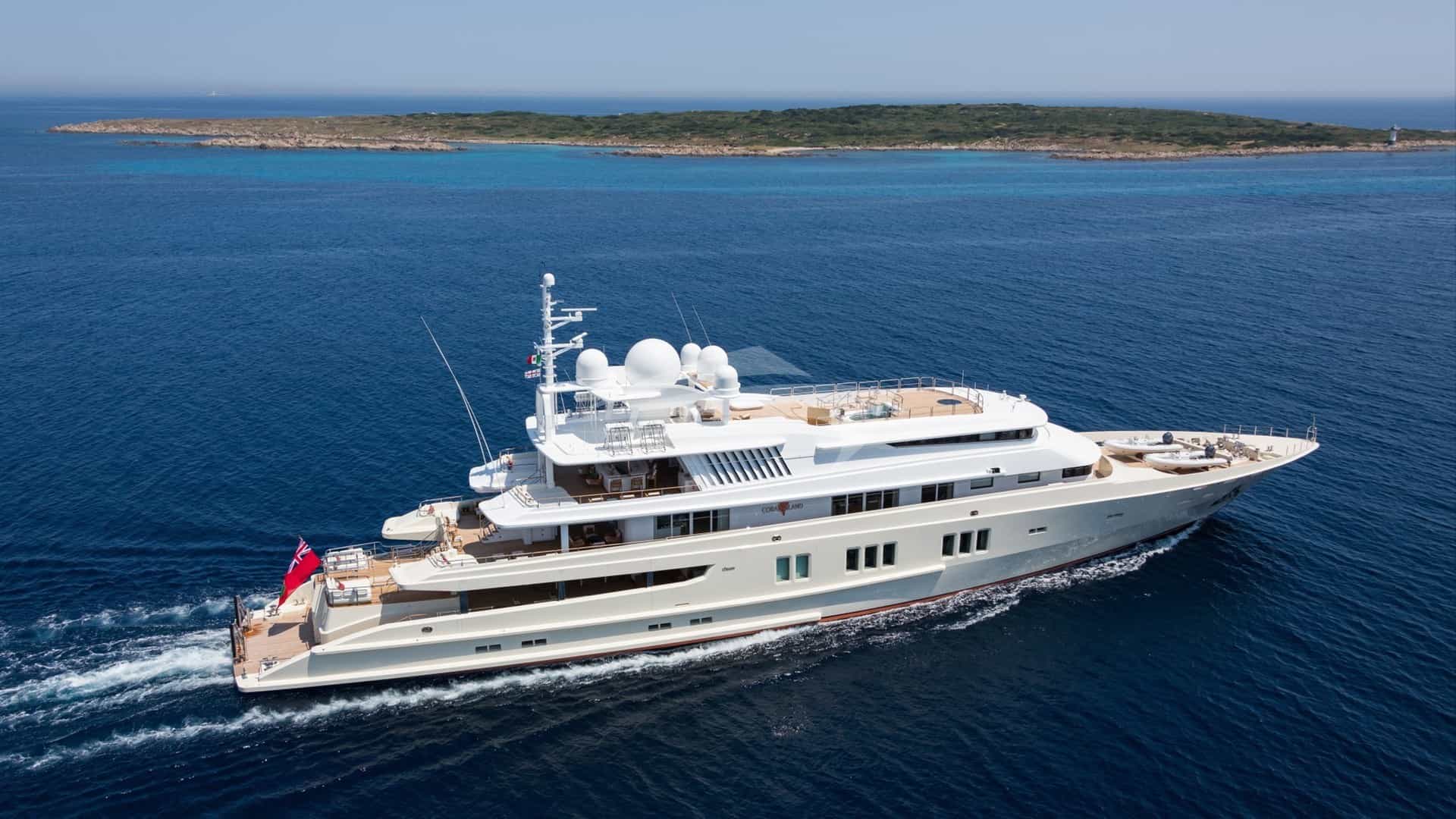
The Venetian Lagoon and the northern reach of the Adriatic Sea represent one of the Mediterranean’s most distinctive maritime environments. Extending across 550 square kilometres of sheltered mudflats, barrier islands, and deep-water channels, this delicate ecosystem requires a nuanced approach to timing. Unlike the open coastal waters of the Western Mediterranean, where seasonal planning revolves almost entirely around summer air temperatures and sea breezes, a private voyage in Venice is governed by a complex intersection of tidal fluctuations, regional wind systems, high-altitude alpine weather influences, and a densely packed calendar of historic pageantry.
Selecting the ideal window for a Venice Yacht Charter yacht charter depends on how you wish to experience the region: whether navigating the quiet, reed-fringed canals of the northern lagoon in spring, anchoring off the sandbars of Pellestrina during the midsummer heat, or securing a front-row quay berth along the Riva degli Schiavoni for world-renowned festivals. Understanding the subtle shifts from month to month allows charterers to align their itinerary with optimal weather conditions, exceptional regional gastronomy, and the true rhythm of Venetian life.
Understanding the Lagoon Microclimate: Tides, Winds, and Waters
Cruising the upper Adriatic and the Venetian Lagoon requires respect for local nautical dynamics. The body of water contained within the barrier islands of Lido, Pellestrina, and Sottomarina is connected to the open sea via three main inlets (bocche di porto): Lido-Sabbioni, Malamocco, and Chioggia. Through these gaps, the tide cycles every six hours, creating distinct currents inside the marked channels.
Navigating these waters is dictated by the briccole—the iconic clusters of oak poles driven into the mudbed that delineate navigable passages from treacherous shallows. A deep-draft motor yacht or large sailing vessel must stick strictly to these deeper arteries, while tenders and low-draft motor launches can explore the shallower outer reaches.
Prevailing Wind Systems
The upper Adriatic is influenced by two primary prevailing winds that fundamentally alter cruising conditions depending on the month:
- *The Bora (Bora): A cold, dry katabatic wind originating over the Karst plateau in Slovenia. Blowing from the north-east, it can drop down into the Gulf of Venice rapidly, producing short, sharp chop on the open water. While most severe between late autumn and early spring, sudden spring or late-autumn Bora* bursts bring exceptionally crisp, clear skies and unobstructed views of the snow-capped Dolomites across the water.
- *The Sirocco (Scirocco): A warm, humid wind blowing from the south-east across the Mediterranean. The Sirocco pushes water up the length of the Adriatic, compressing it into the northern gulf. In autumn and late winter, a strong Sirocco coincides with spring tides to trigger acqua alta* (high water) in the historic centre of Venice. In early summer, however, a light Sirocco brings balmy evenings and gentle, rolling seas ideal for coastal transits.
During the height of summer, these regional systems generally yield to predictable thermal land-and-sea breezes (Maestrale), which build from the south-west in the early afternoon, offering pleasant sailing conditions across the Gulf of Venice before settling at sunset.
Sea Temperatures and Tidal Patterns
Water temperatures in the northern Adriatic experience a far wider annual range than the south-western Mediterranean due to shallow waters and cold alpine river runoff. In April, sea temperatures hover around 14°C to 15°C, rising steadily to 20°C in May. By July and August, the shallow lagoon waters warm to 26°C or 27°C, transforming the sandy anchorages outside the barrier islands into warm swimming spots.
Tidal ranges in Venice are the highest in the Mediterranean, often exceeding 1 to 1.2 metres during spring tides. This movement continuously flushes the lagoon, refreshing the water quality twice daily. Modern sea-defence barriers (the MOSE project) now raise automated yellow gates at the three lagoon inlets whenever tides are forecast to exceed 110 centimetres, protecting the historic urban core from floodwaters while keeping inner lagoon navigation predictable during the shoulder months.
Spring (April and May): Cultural Awakening and Island Harvests
Spring is the month when Venice reclaims its maritime heritage. As the winter mists clear, daytime air temperatures rise from a crisp 16°C in mid-April to a comfortable 22°C by late May. Rain showers are occasionally brought in by passing low-pressure systems, but these are typically brief, leaving behind clear skies and warm afternoon sunshine.
Cruising the Northern Lagoon in Spring
April and May offer optimal conditions for exploring the quiet, rural islands of the northern lagoon—Torcello, Burano, Mazzorbo, and San Francesco del Deserto. During these months, crowd levels in central Venice remain moderate compared to the summer peak, and the atmospheric silence of the outer islands is entirely unbroken.
Cruising north-east from the yacht berths at Marina Sant’Elena or Certosa Island, a vessel can comfortably thread the channels toward Torcello. Disembark by tender to visit the 7th-century Basilica of Santa Maria Assunta, followed by a long, unhurried lunch in the gardens of Locanda Cipriani. From Torcello, it is a short 1.5-nautical-mile transit to San Francesco del Deserto, where a small community of Franciscan friars maintains a 13th-century monastery wrapped in cypress groves. Anchoring off this peaceful islet in early May, surrounded by spring blooms and absolute quiet, is a privilege reserved almost exclusively for private yachts.
Spring Culinary Highlights and Maritime Traditions
Spring marks the arrival of prized local culinary specialties available for only a few fleeting weeks. On the agricultural island of Sant’Erasmo—known historically as the garden of Venice—farmers harvest the castraure, the tender, slightly bitter first buds of the violet artichoke. Simultaneously, local fishermen in the shallow salt marshes gather moeche—native green crabs that shed their hard shells for just a few days in spring. Deep-fried and served with soft white polenta, moeche are one of the region’s greatest delicacies.
May also introduces key events on the Venetian maritime calendar:
- Festa della Sensa (Ascension Day): Held in mid-to-late May, this historic pageant re-enacts the marriage of Venice to the sea (Sposalizio del Mare). The Doge’s traditional procession of historic wooden rowing craft moves from San Marco out through the Lido inlet, culminating in a ceremonial ring tossed into the sea. Charter guests can view this procession directly from the aft deck of a yacht berthed along the San Marco waterfront.
- Vogalonga: Typically taking place in late May or early June, this non-competitive 30-kilometre rowing marathon sees thousands of human-powered craft—from traditional gondolas and Venetian sandoli to international kayaks—fill the canals. The lagoon is closed to motorized traffic for the morning, creating a tranquil atmosphere across the water.
Early Summer (June): The Sweet Spot for North Adriatic Voyages
For many experienced brokers and captains, June is the absolute prime month for a luxury charter in Venice and the wider Northern Adriatic. Air temperatures average a pleasant 26°C, daylight stretches until past nine in the evening, and water temperatures reach 22°C to 24°C—warm enough for comfortable swimming off the beaches of the Lido and Pellestrina.
Expanding the Itinerary: Offshore Transits and Coastal Ports
With stable atmospheric pressure and low probabilities of strong Bora winds, June provides the perfect weather window to combine a lagoon itinerary with open-water cruising across the Gulf of Venice or along the Friuli and Venetian coasts.
A popular route leads north-east along the Venetian coastline toward Grado and Marano Lagunare, a distance of approximately 42 nautical miles from the Lido inlet. The lagoon of Grado offers a wilder landscape of thatched fishermen’s huts (casoni) and secluded anchorages. Alternatively, a passage of 60 nautical miles directly east-north-east across the gulf brings you to the historic port of Trieste, beneath the dramatic karst cliffs of Duino and Miramare Castle.
For yachts holding international cruising permits, crossing the Adriatic from Venice to the coast of Istria in Croatia (such as the picturesque Venetian-built town of Rovinj, located 55 nautical miles east-south-east) is easily accomplished in a single morning transit under June’s calm sea conditions.
Summer Anchoring in the Barrier Island Lee
Inside the lagoon barrier, the long, narrow spit of Pellestrina stretches for 11 kilometres between the inlets of Malamocco and Chioggia. The sea side features broad, golden sand beaches, while the lagoon side is lined with colourful pastel fishing villages like San Pietro in Volta.
In June, anchoring on the sheltered inner side of Pellestrina or off the southern tip of the Lido near Alberoni allows guests to spend warm afternoons paddleboarding, seabobbing, or dining on fresh seafood ashore at unpretentious beachside trattorie. Order sarde in saor (sweet-and-sour marinated sardines), baccalà mantecato (creamed salt cod on grilled polenta), and a glass of chilled, crisp Friulano wine.
Peak Summer (July and August): High Pageantry, Warm Seas, and Strategic Navigation
July and August represent the peak of the summer holiday season in southern Europe. In Venice, temperatures regularly exceed 30°C, accompanied by high humidity (afa). While the narrow walking alleys of central Venice around Piazza San Marco and the Rialto Bridge can feel congested during the middle of the day, a luxury charter yacht offers an private retreat from the shore-bound crowds.
The Spectacle of Festa del Redentore
The absolute highlight of the Venetian summer calendar takes place on the third weekend of July: the Festa del Redentore. Originating as a votive thanksgiving for the end of the plague of 1575–1577, Redentore has evolved into one of the most spectacular boat-based celebrations in the world.
On the Saturday evening of the festival, the Giudecca Canal is transformed into an aquatic amphitheatre. Hundreds of decorated boats gather between the Zattere, the island of Giudecca, and San Giorgio Maggiore. At midnight, a 45-minute display of fireworks illuminates the domes, campaniles, and water of the city.
Securing a front-row stern-to berth along the Riva dei Sette Martiri or a prime anchoring position in the Bacino di San Marco for Redentore requires meticulous forward planning. Brokers typically secure berthing reservations 6 to 12 months in advance for this specific week. Viewing the fireworks from the upper deck of a superyacht, with bespoke dining served by your crew against the backdrop of the illuminated Church of the Redentore, is an iconic Venetian experience.
Escaping the Heat: Life on the Barrier Reefs and Outer Waters
During July and August, daily charter schedules are best structured to mirror local Mediterranean habits:
1. Morning: Explore central cultural sites or historic palaces early, returning to the yacht by late morning before peak heat set in. 2. Afternoon: Cruise out through the Malamocco or Lido inlets into the open Adriatic to catch the sea breezes. Anchor off the long sand dunes of the Lido or the quiet beaches of Cortellazzo near the mouth of the Piave River for swimming, water sports, and alfresco dining cooled by the wind. 3. Evening: Return to the inner lagoon as the sun dips low, anchoring off the serene island of San Clemente or docking at private marina berths on Certosa Island to enjoy cooler evening breezes away from the urban stone surfaces.
Venice International Film Festival
In late August and early September, the cultural spotlight shifts to the Venice Lido for the Venice International Film Festival (Mostra Internazionale d'Arte Cinematografica). The historic Palazzo del Cinema and the legendary Hotel Excelsior become the epicentre of global cinema. Luxury yachts often berth at Marina del Lido or along the quay near the Venice Yacht Pier, serving as private entertainment venues for attendees, production houses, and international guests.
Early Autumn (September): The Connoisseur’s Window
September rivals June as the finest month for a Venice yacht charter. As the high heat of midsummer dissipates, daytime temperatures settle into an idyllic range of 23°C to 26°C. Sea temperatures remain warm at 23°C, making ocean swimming thoroughly enjoyable, while the summer humidity gives way to crisp autumnal light that painters have celebrated for centuries.
Regata Storica
On the first Sunday of September, Venice hosts the Regata Storica, the grandest celebration of Venetian rowing history. The event begins with a procession of historic 16th-century style vessels (Bissone), with ceremonial crews dressed in period costumes carrying the Doge and his court up the Grand Canal.
This is followed by competitive races featuring various classes of traditional craft, culminating in the high-speed race of two-oared gondolini. Guests aboard yachts berthed near the entrance of the Grand Canal or along the Riva degli Schiavoni enjoy an vantage point as these sleek wooden craft race toward the finish line at the Machina (a floating wooden stage erected outside Ca' Foscari).
Autumnal Gastronomy
Gastronomically, September heralds the return of the autumn moeche harvest as green crabs shed their shells for a second time before winter. The salt marshes yield a rich array of wild sea bass (spigola), sea bream (orata), and small lagoon shrimp known as schie, traditional served over creamy white polenta. In town, autumn menus at Michelin-starred establishments like Ristorante Glam or Quadri incorporate wild mushrooms, autumn truffles, and seasonal game from the inland plains of Veneto.
Late Autumn and Winter (October to March): The Atmospheric Off-Season
While the traditional luxury charter fleet moves south or toward the Caribbean by mid-October, late autumn and winter offer a fascinating experience for charterers interested in atmosphere, private art access, and quiet exploration.
The Barcolana Regatta (October)
In early October, the maritime focus shifts east toward Trieste for the famous Barcolana—the largest sailing regatta in the world by number of participants. Over 2,000 sailing yachts, ranging from classic wooden craft to modern 100-foot maxi racers, crowd the Gulf of Trieste. A charter itinerary in early October can easily combine quiet days in the Venetian lagoon with a cruise across to Trieste to experience the energy of this historic sailing festival.
Winter Mists and Carnevale (February)
From November to February, the lagoon is occasionally swept by sea mists (neveghèra), wrapping the bell towers and palazzi in a quiet veil. Temperatures drop to between 5°C and 10°C, and sea swimming is off the table. However, staying aboard a heated motor yacht tied up directly at the Riva degli Schiavoni or San Marco pier offers an atmospheric base for winter visits.
In February, Carnevale transforms the city into an 18th-century masquerade. Attending grand private balls in historic palazzi along the Grand Canal—arriving by private tender under cover of midnight fog—is a dramatic way to experience winter in Venice.
Charter Logistics, Booking Lead Times, and APA Planning
To ensure a seamless charter experience in the Venetian region, several operational parameters must be factored into your timing and preparation:
Recommended Lead Times
Due to strict capacity limits on superyacht berthing within the Venetian Lagoon, booking lead times vary dramatically depending on the chosen month and event calendar:
- Festa del Redentore (July): Reserve 8 to 12 months in advance to guarantee prime berths along Riva Sette Martiri or San Marco quays.
- Venice Film Festival (August/September): Reserve 6 to 9 months in advance for Lido berths and access permits.
- High Summer (June to August): Reserve 4 to 6 months in advance for preferred vessel selection and flexible itineraries.
- Shoulder Months (May & September): Reserve 2 to 4 months in advance.
Advance Provisioning Allowance (APA) and Marina Fees
Berthing fees in Venice proper are among the highest in the Northern Mediterranean during peak festival weeks. The primary options for large yachts include:
- Venice Yacht Pier (VYP): Spanning Riva degli Schiavoni, San Biagio, and Sette Martiri. These quays accommodate vessels up to 100 metres or more, offering direct, walking access to Piazza San Marco. Daily berth costs here reflect their prime urban position.
- Marina Sant’Elena: Located at the eastern tip of Venice’s main island, offering secure berths for yachts up to 50 metres in a quiet, residential neighborhood setting.
- Vento di Venezia (Certosa Island): A green, spacious island marina accommodating yachts up to 60 metres, located just a five-minute tender ride from central Venice.
- Darsena Le Saline (Chioggia): Located at the southern entrance of the lagoon, offering an ideal base for cruising the southern channels and the Po Delta.
When calculating your Advance Provisioning Allowance (APA)—typically 30% to 40% of the base charter fee—factor in higher dockage expenses for central city quays during key festival dates, as well as pilotage fees where local regulations require pilot assistance for large yachts navigating specific commercial lagoon channels.
By matching your expectations with the nuanced seasonal flow of the Venetian Lagoon, a luxury yacht charter delivers an unhurried, highly personalized way to encounter one of the world's most enduring maritime civilizations.