
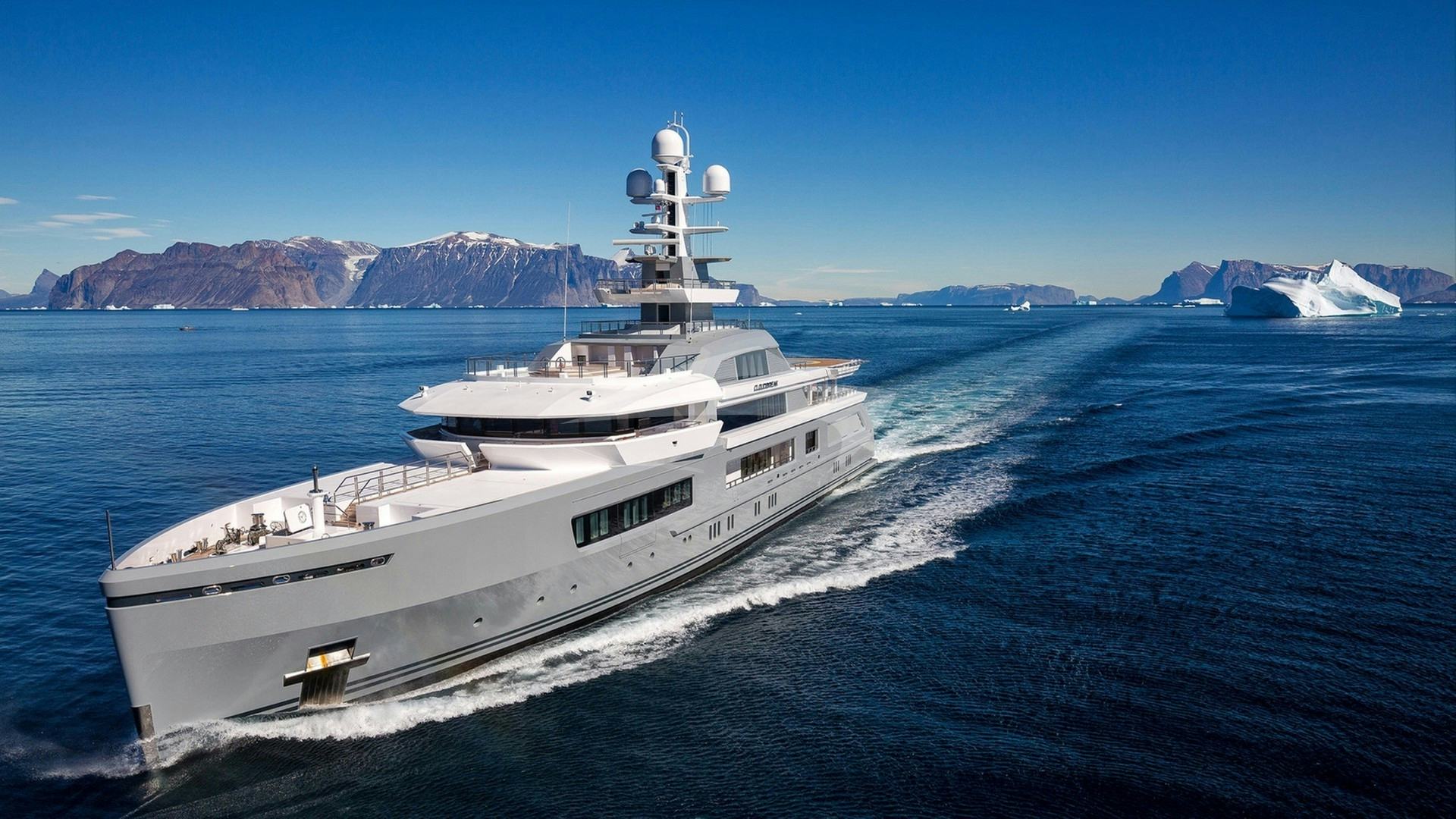
Navigating the waters surrounding Formentera demands an operational approach distinct from almost any other destination in the Western Mediterranean. Situated a mere 11 nautical miles south of Ibiza, across the treacherous, shoaled passage of Es Freus, Formentera presents a striking contrast to its larger neighbour. Where Ibiza relies on sprawling commercial marinas and deep-water commercial quays, Formentera offers a low-lying, ecologically fragile marine environment backed by highly restrictive infrastructure. Executing a seamless Yacht Charter Formentera yacht charter requires captains, brokers, and charterers to understand the island’s stringent berth allocations, environmental protocols, draught limits, and maritime supply lines.
The island measures just 12 nautical miles from its eastern extremity at Far de la Mola to its westernmost point at Cap de Barbaria. Despite this compact footprint, its waters attract some of the world’s largest displacement motor yachts and high-performance sailing yachts throughout July and August. Because the island possesses only one commercial port, mastering Formentera’s shore logistics, anchorage zones, and marine service capabilities is essential for smooth execution on water.
Port de La Savina: Infrastructure and Technical Specifications
Puerto de La Savina stands as the sole entry point for commercial ferries, tender transfers, and visiting yachts arriving on Formentera. Managed under the overarching jurisdiction of the Autoridad Portuaria de Baleares (APB), La Savina is a compact, high-density harbour subject to intense swell caused by constant fast-ferry traffic operating between Ibiza Town and Formentera.
Marina Concessions Within La Savina
The visiting yacht infrastructure within La Savina is split primarily between two distinct private concessions:
- Marina de Formentera: Positioned on the northern side of the basin, this marina accommodates roughly 64 vessels with a maximum Length Overall (LOA) of 38 metres. Depths alongside range from 2.5 metres near the inner quays to 4.5 metres along the outer pontoon berths.
- Formentera Mar: Located on the eastern side of the harbour basin, Formentera Mar offers approximately 80 berths suited to vessels up to 30 metres in length, with maximum draughts generally restricted to 3.0 metres.
For vessels exceeding 38 metres LOA, options within the harbour basin are severely constrained. The outer commercial quays, controlled directly by the APB, can occasionally accommodate visiting superyachts up to 60 metres LOA by special dispensation from the harbour master (Capitanía Marítima). However, these quays offer minimal privacy, lack dedicated luxury shore facilities, and remain vulnerable to the severe wash generated by cross-sound passenger ferries. Consequently, the vast majority of superyachts over 35 metres choose to anchor off the coast rather than secure a berth inside La Savina.
Vessels entering La Savina must establish radio contact via VHF Channel 9 with their respective marina pontoon master. Operating speeds within the outer breakwater are strictly capped at 3 knots, and stern-to berthing using lazy lines is standard practice across all quays.
Berth Availability, Booking Windows, and Pricing Dynamics
Berths in La Savina during the peak summer months of July and August represent some of the most sought-after real estate in Mediterranean yachting. Demand outstrips supply by a wide margin, making spontaneous berthing virtually impossible during high season.
Reservation Timelines
To secure a prime berth inside La Savina during July or August, charter brokers must submit formal applications between January and March. Marina concessions prioritise long-term seasonal leases, leaving a narrow percentage of inventory available for transient daily bookings.
By late April, remaining berth allocations for peak dates are typically exhausted. Outside the peak window—specifically during May, June, September, and October—berth availability improves, and short-notice bookings can occasionally be arranged with 48 to 72 hours’ notice.
Commercial Conditions and Transient Stays
Berth pricing in Formentera operates on a dynamic seasonal scale. High-season daily rates for a 30-metre motor yacht can exceed €2,500 to €4,000 per night, excluding electricity and water consumption fees.
Marinas frequently institute strict minimum-stay rules during July and August, requiring a minimum reservation of three to five consecutive nights. For yachts seeking short stays merely to disembark guests for dining or to replenish fresh water stores, "touch-and-go" technical berthing must be requested days in advance and is strictly limited to off-peak ferry hours, typically between 06:00 and 08:30 or after 21:00.
Superyacht Anchorages and Deep-Water Logistics
Given the physical constraints of La Savina, superyacht itineraries around Formentera rely heavily on strategic, high-holding anchorages. The island’s topography offers excellent protection depending on prevailing wind directions, provided captains monitor shifting sea states and swell patterns across the Balearic Sea.
Western Anchorages: Ses Illetes and Cala Saona
The western side of Formentera provides the island's most famous and frequented anchorages, protected from the easterly and south-easterly summer winds (Levante).
Platja de Ses Illetes, stretching along the narrow Trucadors peninsula, offers expansive sandy bottoms with depths ranging from 5 to 12 metres. It is the premier anchorage for vessels visiting daytime beach establishments. However, because it sits open to the west, a sudden shift to a Poniente (westerly) or Mestral (north-westerly) wind makes this lee shore untenable, requiring captains to weigh anchor immediately.
Further south lies Cala Saona (38°42'N, 001°23'E), a striking bay flanked by high red sandstone cliffs. The bay features fine white sand holding ground in depths between 6 and 14 metres. Cala Saona offers superb shelter against east-north-east to south-easterly winds, though heavy westerly swells can roll into the bay, creating uncomfortable conditions for non-stabilised vessels.
Eastern and Southern Anchorages: Platja de Migjorn and Es Pujols
When strong westerly or northerly winds (Tramuntana) blow across the sea, charter vessels relocate to the southern or eastern coastlines.
Platja de Migjorn extends over 4 nautical miles along the southern coastline. This long stretch features a mosaic of sand patches and rocky ledges, with depth contours dropping gradually from 5 metres near the reefs to 15 metres further offshore. Migjorn provides shelter against northerly winds due to the high landmass of the island shielding the coast. However, it is fully exposed to southerly weather systems.
Es Pujols, located on the north-eastern coast, is protected by a natural barrier of rocky islets including Illa de l'Aigua and Illa des Pujols. Large displacement yachts anchor well outside the outer reef in depths of 10 to 18 metres, utilizing sandy seabed patches situated clear of protected marine vegetation.
Posidonia Oceanica Legislation and Environmental Compliance
The defining operational factor when anchoring anywhere off Formentera is the strict enforcement of environmental laws designed to protect Posidonia oceanica—an ancient, slow-growing marine seagrass that blankets the sea floor around Formentera and Ibiza. Listed as a UNESCO World Heritage site, these seagrass meadows generate oxygen, clear the water, and support the local marine ecosystem.
The Balearic Posidonia Decree
Under Balearic Regional Decree 25/2018, dropping an anchor or dragging a chain over Posidonia oceanica is strictly illegal. The Department of Environment (Conselleria de Medi Ambient) deploys dedicated patrol boats (Vigilancia Posidonia) equipped with underwater cameras, drones, and acoustic sensors to monitor anchorages off Ses Illetes, Cala Saona, S'Espalmador, and Migjorn.
Fines for non-compliance are severe, ranging from €100 for minor technical oversights to over €30,000 for deliberate or severe damage caused by large-displacement anchors and heavy chains. Captains are legally required to verify that their anchor is set purely in sand (arena). In conditions where seabed visual confirmation is impossible from the bridge, crew must deploy a tender with a glass-bottom scope or mask to inspect anchor placement visually.
Regulated Buoy Fields (Campos de Boyas)
To protect fragile marine areas while still allowing vessels to stop, the Balearic Government operates regulated mooring buoy fields (Campos de Boyas).
The primary buoy field serving Formentera is located in the marine park of S'Espalmador, the small island lying immediately off Formentera’s northern tip. The S'Espalmador buoy field consists of 50 low-impact mooring buoys categorized by vessel length:
- White Buoys: For vessels up to 8 metres LOA.
- Yellow Buoys: For vessels between 8 and 15 metres LOA.
- Orange Buoys: For vessels between 15 and 25 metres LOA.
- Red Buoys: For vessels between 25 and 35 metres LOA.
Vessels over 35 metres LOA are not permitted to use the buoy field and must anchor further offshore in deeper water beyond the boundary of the seagrass meadows. Buoys must be reserved well in advance via the official Ports de les Illes Balears online portal. During peak summer, reservations open 30 days prior and often fill within minutes.
Fuel, Water, and Technical Shore Logistics
Operating a luxury yacht off Formentera requires careful management of consumables. The island’s limited infrastructure means bunkering and technical support require advance planning.
Fuel Operations
La Savina hosts a single marine fuel station (Gasolinera del Puerto), positioned near the main commercial ferry docks. The fuel dock supplies standard automotive-grade diesel, marine gas oil (MGO), and unleaded petrol.
Key operational constraints for bunkering in Formentera include:
- Size Limits: The physical approach to the fuel dock limits access to vessels under 30 metres LOA with draughts of less than 3.2 metres.
- Flow Rates: Standard pumping infrastructure delivers roughly 100 to 150 litres per minute, making full refuelling for large yachts time-consuming.
- Congestion: Queue times during peak morning hours (08:30 to 11:00) and late afternoons (17:30 to 20:00) can exceed two hours.
Superyachts requiring commercial volumes of MGO (exceeding 10,000 litres) rarely bunker in Formentera. Instead, captains coordinate fuel takes at deep-water commercial berths in Ibiza Town (Marina Botafoch or Sovereign Crags) prior to crossing Es Freus, or arrange road-tanker deliveries transported via commercial cargo barge to La Savina by prior approval from Capitanía Marítima.
Fresh Water and Waste Management
Fresh water is a scarce commodity on Formentera. The island relies entirely on Reverse Osmosis (RO) desalination plants. Consequently, municipal water supplies delivered via marina quays are priced at a premium rate—frequently between €15 and €30 per cubic metre.
Yachts berthing in La Savina are urged to rely on their onboard watermakers (desalination units) while offshore, using shore connections only when essential. Vessels operating at anchor must ensure their watermakers function efficiently clear of harbour mouths and busy ferry channels where water turbidity and oil film can foul RO membranes.
Regarding waste management, MARPOL regulations are enforced strictly. Vessels must retain all blackwater and greywater tanks closed while within 3 nautical miles of Formentera’s coastline, unless using an IMO-certified Type II Marine Sanitation Device. Direct discharge of greywater or blackwater inside anchorages like Ses Illetes or Cala Saona carries heavy financial penalties. Refuse collection points are situated along the commercial quay at La Savina, and larger yachts must arrange private waste removal services for significant volumes of galley or engine room waste.
High-End Provisioning and Culinary Supply Chains
While Formentera features fine dining, high-end shore-side provisioning requires strategic coordination due to the island's limited commercial wholesale footprint.
Local Island Sourcing
Formentera produces exceptional local artisanal ingredients that can be sourced directly on the island:
- Seafood: Line-caught red spiny lobster (Langosta Roja), wild dentex, john dory, and local dried fish (Peix Sec), a traditional delicacy cured in the Mediterranean sun and preserved in olive oil.
- Produce and Cheese: Island-grown figs, wild thyme honey, and small-batch goat and sheep cheeses produced in the agricultural interior around Sant Francesc Xavier and El Pilar de la Mola.
- Sweets and Wine: Traditional pastries including Flaó (a mint and fresh cheese tart) and Ensaimada, alongside limited-production dry white and red wines from local boutique bodegas (such as Terramoll and Cap de Barbaria).
Superyacht Supply Lines from Ibiza
For specialized luxury provisions—such as prime cuts of dry-aged Wagyu beef, sushi-grade bluefin tuna, French caviar, imported tropical fruits, and rare Grand Cru wines—chefs rely on established logistics routes from Ibiza.
Dedicated marine provisioning companies based in Ibiza Town organize daily shipments across Es Freus. Supplies are dispatched early in the morning via fast commercial ferries or direct custom RIB transfers to La Savina, where the yacht’s crew collects them at the service quay. Alternatively, charter yachts equipped with large high-speed chase boats frequently run the 7-nautical-mile gap to Marina Botafoch to collect provisions directly.
Entry Formalities, Airport Transfers, and Crew Logistics
Because Formentera lacks a commercial airport or landing strip, all guest arrivals and crew movements are routed through Ibiza before transferring across the water.
Aviation Logistics and Transfers
Guests arriving via private aviation land at Ibiza Airport (IBZ), which operates dedicated 24-hour Fixed Base Operator (FBO) terminals managed by providers such as Gestair and Universal Aviation.
From Ibiza Airport, charterers have three main routes to reach their yacht in Formentera:
[Ibiza Airport (IBZ)]
       │
       ├─► Option A: Private Vehicle (15 mins) ──► Marina Botafoch / Ibiza Town ──► Private Chase Tender (25–35 mins) ──► Yacht at Anchor
       │
       ├─► Option B: VIP Transport (15 mins) ────► Port of Ibiza Commercial Quay ──► Fast Passenger Ferry (30 mins) ───► La Savina Port
       │
       └─► Option C: Helicopter Transfer (10 mins) ──► IBZ Helipad ──────────────────► Superyacht Helideck (Outside Park Limits)
Direct helicopter landings on Formentera’s mainland are strictly prohibited due to natural park environmental protections. Touch-and-go landings are permitted only on helideck-equipped superyachts positioned at anchor outside restricted marine park zones and clear of designated flight paths.
Customs and Clearance Formalities
For non-EU flagged vessels or charters embarking guests from non-Schengen points of origin, official customs clearance (Despacho) cannot be executed in Formentera. Capitanía Marítima in La Savina operates as a secondary branch office under the jurisdiction of the main Port Authority in Ibiza.
Therefore, non-EU yachts entering Balearic waters from international locations (such as Gibraltar, Montenegro, or North Africa) must clear customs and immigration at a primary port of entry—typically Palma de Mallorca or Ibiza Town—before proceeding to Formentera waters.
Tender Corridors and Crew Operations
Tender operations along Formentera’s beach zones are strictly regulated to protect bathers. The local maritime authority marks official tender channels (Calados de Tender) using yellow spherical buoys that extend perpendicular to the shore at major beach spots including Ses Illetes, Es Pujols, and Cala Saona.
Tenders entering these marked corridors must strictly maintain a maximum speed of 5 knots and keep their engine trim lowered. Landing directly on beaches outside marked channels is forbidden. Guests heading to shore restaurants (such as Beso Beach, Juan y Andrea, or Molí de Sal) are met at the head of the channel by specialized restaurant water-taxi services or must drop off guests at designated timber pontoon ramps.
For the yacht crew, operational discipline is paramount in Formentera. High summer temperature variations, sudden shifts in wind direction across the narrow landmass, heavy swell from ferry corridors, and constant environmental surveillance demand continuous attention. By understanding the island’s operational constraints, respecting its marine laws, and coordinating logistics ahead of time, a charter off Formentera offers an exceptionally smooth, high-level luxury yachting experience.