
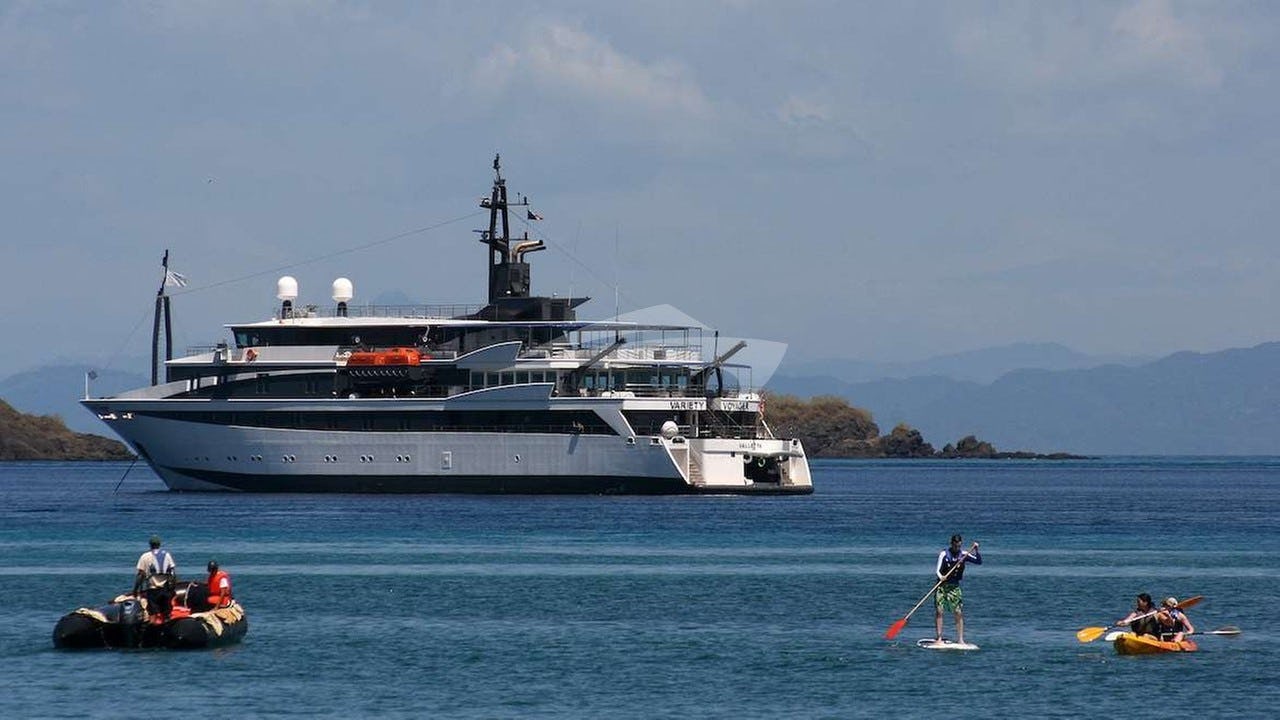
Navigating the waters of the Central Dalmatian archipelago aboard a luxury multihull offers an unparalleled vantage point on Croatia’s most celebrated coast. The island of Hvar, anchored between Brač, Vis, and Korčula, serves as the epicentre of this cruising ground. Defining the optimal window for a Yacht Charter Hvar Catamaran yacht charter requires an understanding of microclimates, prevailing wind systems, marina infrastructure, and seasonal social shifts.
Catamarans are uniquely suited to the Dalmatian archipelago. The shallow draught of modern sailing and power multihulls—typically between 1.2 and 1.5 metres—allows skippered and crewed vessels to drop anchor in the shallow, turquoise shelves of the Pakleni Islands, such as Ždrilca or the inner reaches of Vinogradišće, where deep-draught monohulls are forced to remain further offshore. Furthermore, the expansive beam of a catamaran provides exceptional stability during afternoon thermal winds and offers generous deck space for outdoor living, al fresco dining, and water sports access.
Determining when to book depends on your priorities: whether you seek the energetic, cosmopolitan atmosphere of Hvar Town in high summer, the crisp sailing conditions and solitary anchorages of late spring, or the warm waters and epicurean harvests of early autumn.
Wind Systems and Marine Microclimates of the Hvar Archipelago
To understand the Hvar charter calendar, one must first master the three dominant wind patterns that dictate navigation along the Dalmatian coast. The Adriatic microclimate is remarkably consistent year-on-year, but subtle shifts between May and October transform the operational parameters for yacht charterers.
### The Maestral: Summer’s Predictable Engine The Maestral (or Maestrale) is a thermal wind driven by temperature differentials between the landmass and the sea. Arriving reliably in mid-morning around 10:00, it builds to a steady 12 to 20 knots from the north-west by mid-afternoon before dying away cleanly at sunset. For a catamaran charter, the Maestral provides ideal, flat-water sailing conditions across the Hvar Channel and the Vis Channel. It allows captains to make swift, comfortable passages under sail alone, typically logging 15 to 25 nautical miles per day without severe heel angles or uncomfortable pitching.
### The Bura: Cold, Dry Continental Offshore Winds Originating over the coastal Dinaric Alps, the Bura is a katabatic wind blowing from the north-east. Characterised by sudden, powerful gusts and clear blue skies, it is most intense in winter but can manifest as a late-spring or early-autumn weather event lasting 12 to 36 hours. The high coastal ridge of mainland Croatia, particularly around the Biokovo range opposite Hvar, amplifies these gusts. When a Bura is forecasted, experienced captains seek shelter on the southern side of Hvar or within the deeply indented, pine-fringed coves of Stari Grad Bay and ACI Marina Palmižana.
### The Jugo: Warm, Humid Southerly Dynamics The Jugo blows from the south-south-east, carrying warm, moisture-laden air from North Africa across the Mediterranean. It develops gradually over several days, creating long-period sea swells that hit the south-facing beaches and exposed anchorages of Hvar, including Sveta Nedjelja, Dubovica, and Jagodna. While uncommon in July and August, the Jugo appears more frequently in May, late September, and October. On these days, multihulls pivot to the northern coast of the island, utilising the protective geometry of the Kabal Peninsula or the well-protected port of Vrboska.
May and June: Early Season Clarity and Open Horizons
May and early June mark the awakening of the Dalmatian charter season. For sailors who prioritize tranquil anchorages, open berths on town quays, and crisp, clear air over warm swimming temperatures, this shoulder period represents exceptional value.
During May, daytime air temperatures average 21°C to 24°C, while sea temperatures sit around 18°C to 20°C. Swimming requires a brief acclimatisation, but water clarity is at its annual peak due to minimal boat traffic stirring up sediment. By June, ambient temperatures rise comfortably to 26°C–29°C, and sea temperatures cross the 22°C mark, making water sports and prolonged swimming thoroughly enjoyable.
Seasonal Operational Snapshot:
- May: Low traffic, open quays, 18°C–20°C sea temp, moderate Jugo/Bura potential.
- June: Rising temperatures (22°C sea), steady Maestral, shoulder-rate pricing.
- July–August: Peak energy, 26°C sea temp, crowded anchorages, 10-12 month lead times.
- September: Warm sea (24°C), harvest season, settled thermal winds, optimal conditions.
The logistical advantages of chartering a catamaran during this window are substantial. The town quays at Hvar, Stari Grad, and Jelsa are uncrowded. Securing a stern-to lazy-line mooring along the Riva in Hvar Town—a feat almost impossible after 11:00 AM in peak July—can often be accomplished late in the afternoon without advance reservation stress. ACI Marina Palmižana, situated in the Pakleni archipelago directly across the Hvar Channel, offers ample berth availability and serene walking paths through its botanical gardens before the high-summer crowds arrive.
On land, Hvar’s countryside is vibrant. Inland, near the historic villages of Velo Grablje and Zastražišće, lavender fields begin to bloom in June, scenting the air off the land during evening anchorages. Restaurants and waterfront taverns (konobas) open their doors with refreshed staff and full availability. Dining at iconic spots like Tori in Palmižana or classic fish taverns along the Stari Grad promenade is relaxed and unhurried.
Sailing conditions in May and June are active and engaging. The Maestral is consistent, and long-range visibility is often extraordinary, providing views extending to the distant outer island of Sušac and the high peaks of Vis.
July and August: Peak Summer, Social Energy, and Offshore Escapes
July and August represent the zenith of the Mediterranean summer. During these two months, Hvar transformed into one of the world's premier superyacht hubs, attracting an international contingent seeking vibrant nightlife, Michelin-recommended dining, and sun-drenched days anchored in turquoise bays.
Daytime air temperatures consistently reach 30°C to 35°C, cushioned by sea breezes, while water temperatures hover at an inviting 25°C to 27°C. The sea is calm, with the thermal Maestral rising almost like clockwork every afternoon at 11:30 and fading by 18:00, creating reliable conditions for cruising under sail or motor.
### Managing the High-Summer Demand The high demand during July and August creates specific operational realities for yacht charterers. Hvar Town Harbour operates at maximum capacity. Stern-to moorings on the main Riva are dominated by mega yachts and high-profile charter vessels, with berths frequently reserved months or even years in advance. For catamarans, whose wide beams consume the equivalent space of two monohulls, securing space on town quays requires precise timing, advance coordination by your broker, or a preference for overnight buoy moorings.
The Pakleni Islands—an archipelago of 21 islets stretching westward from Hvar Town—become the epicentre of daytime activity. Popular coves like Vinogradišće, Jerolim, and Marinkovac (home to Stipanska) fill early with day-cruisers and private yachts. A crewed catamaran shines in this environment: your captain can navigate into smaller, secondary coves such as Taršće, Stari Stani, or the small inlets of Šćedro island (12 nautical miles south of Hvar) where peace and privacy remain intact.
### High-Summer Dining and Nightlife Onshore, the island operates at full capacity. Hvar Town’s historic Venetian core thrives late into the night. Charter guests can tender ashore from anchorage to dine on local delicacies such as Hvarska gregada—a traditional fishermen’s stew composed of fresh white fish, potatoes, garlic, top-grade local olive oil, and white wine—at fine-dining establishments set within 15th-century stone palaces.
For guests desiring world-class entertainment, beach clubs like Carpe Diem Beach in Stipanska Bay and Laganini in Vinogradišće offer direct tender access, allowing guests to step seamlessly from the aft deck of their catamaran to premier seaside loungers.
### Lead Times and Strategy To secure a high-specification catamaran (such as a modern crewed Lagoon 55, Sunreef 60, or Fountaine Pajot Alegria 67) for peak July or August, charterers must plan far in advance. Lead times for mid-summer charters in Dalmatia range from 9 to 12 months. Prime weeks—specifically the middle fortnight of July and the first three weeks of August—are usually fully committed by the preceding November.
September and October: The Connoisseur’s Window
For experienced yacht owners and seasoned charterers, September is widely considered the absolute pinnacle of the Dalmatian cruising calendar. October, too, holds immense charm for those who value quiet waters, autumn light, and authentic local culture.
### September: The Golden Month In September, the intense atmospheric heat of high summer yields to pleasant daytime temperatures averaging 25°C to 28°C. Crucially, the Adriatic Sea retains the heat accumulated over July and August, maintaining a warm, comfortable water temperature of 23°C to 25°C. The sea is often as smooth as glass in the mornings, followed by a soft, manageable 10 to 15-knot Maestral in the afternoons.
The social pace of the island shifts noticeably. The dense summer crowds disperse as European school holidays conclude, yet all top-tier restaurants, beach clubs, and marina facilities remain fully operational through the end of the month. Mooring on the Hvar Town Riva becomes dramatically easier, allowing for spontaneous itinerary changes that are impossible in July.
September also marks the start of the grape harvest (berba) on Hvar, an island with a winemaking tradition dating back to the Ancient Greeks in 384 BC. The UNESCO-protected Stari Grad Plain and the dramatically steep, south-facing vineyards of Sveta Nedjelja are bustling with activity. Charter guests can anchor off Sveta Nedjelja—where the cliffs plunge directly into deep blue water—and go ashore to sample world-class Plavac Mali red wines and indigenous white varieties like Bogdanuša and Prč directly from cellar doors.
### October: Late-Season Serenity and Regattas October brings crisp mornings, daytime temperatures around 20°C to 22°C, and sea temperatures holding at 20°C to 21°C. While evening air temperatures drop, requiring a light sweater on deck, the sailing conditions are often superb.
The shoulder pricing in October offers exceptional value for luxury catamarans, with weekly charter rates reduced by up to 30% to 40% compared to peak August rates. This period aligns with regional sailing events, including the famous Vis Regatta in early October, which brings a parade of classic and modern sailing yachts through the Hvar Channel.
Charterers in October should note that smaller seasonal establishments on outer islets may begin closing by mid-month. However, primary ports like Hvar Town, Stari Grad, and Vis Town remain vibrant, authentic communities operating year-round.
Geographic Focus: Structuring Your Hvar Catamaran Itinerary
A standard seven-day catamaran charter originating from mainland hubs such as Split, Trogir, or Marina Kaštela typically allocates three to four days specifically to the micro-regions surrounding Hvar. The catamaran’s speed and stability allow for effortless hopping between distinct coastal zones.
### The Pakleni Archipelago (Sveti Klement, Marinkovac, Jerolim) Located less than 2 nautical miles off Hvar Town, this chain of wooded islets forms a natural barrier against southerly seas. - Palmižana (Vinogradišće Bay): Offers a deeply indented, sandy-bottom anchorage with secure mooring buoys and access to fine dining through pine forests. - Ždrilca Channel: A clear, turquoise passage between Marinkovac and Plančić, perfect for lunch stops, paddleboarding, and water-skiing due to shallow draught accessibility. - Taršće Bay: A quiet, secluded bay on the southern side of Sveti Klement, sheltered from the Maestral, ideal for overnight anchoring under the stars.
### The South Coast and Offshore Islets The southern flank of Hvar is defined by sheer limestone cliffs, sea caves, and tiny pebble coves accessible almost exclusively by boat. - Sveta Nedjelja: Famous for its underwater cave, seaside vineyards, and cliff-jumping spots. The small marina built by the local winemaking family provides berthage for catamarans in calm conditions. - Lučišće and Dubovica: Striking, high-walled coves with white pebble beaches and crystal-clear water, ideal for morning swim stops before the wind rises. - Isle of Šćedro: Located 2.5 nautical miles off Hvar’s south coast, this protected nature park features Lovišće Bay, where calm waters and family-run konobas serving slow-cooked octopus peka await anchored charterers.
### The Historic North Coast and Bays The northern shore is softer, indented by deep fjord-like bays that offer bulletproof shelter from southerly winds. - Stari Grad Bay: A deep inlet extending 4 nautical miles inland to Stari Grad, one of Europe's oldest towns. The bay is filled with deep arms like Tiha and Gracisce, offering excellent buoy fields and anchorage in pristine pine forests. - Vrboska: Known as the "Little Venice" of Hvar due to its narrow stone bridges and long, winding canal inlet. A modern ACI Marina provides secure berths for multihulls, surrounded by dense olive groves and vineyards.
Cruising Experience Across the Season: A Summary Guide
To help align your preferences with the appropriate calendar window, consider how the core aspects of a charter evolve across the months:
- Sailing Performance & Wind: May, June, and September offer the most reliable, comfortable sailing breezes (12–20 knots). July and August feature lighter thermals (8–15 knots), ideal for relaxed motoring or easy afternoon sails. Late October sees variable weather requiring adaptable itineraries.
- Water Sports & Swimming: July through September offer optimal sea temperatures (24°C–27°C) for seabobs, paddleboards, and snorkeling. June is refreshing (22°C), while May and October appeal to keen swimmers comfortable in 18°C–20°C waters.
- Crowd Levels & Mooring Availability: High season (July–August) requires strict morning planning or pre-booked berths for town quays. Shoulder seasons (May–June, September–October) offer total spontaneous freedom, with open buoys and prime town quay moorings available throughout the afternoon.
- Gastronomy & Local Life: Peak summer presents world-class energy and buzzing beach clubs. Spring showcases lush landscape flora and quiet taverns. Autumn provides epicurean depth with grape and olive harvests, paired with intimate service from relaxed local proprietors.
Booking Lead Times and Fleet Selection for 2026
The global demand for crewed multihulls in Croatia has escalated significantly. Because a luxury catamaran provides substantially more living space, stability, and shallow-water accessibility than a monohull of equivalent length, the high-specification fleet (50 feet and above) is in limited supply relative to market demand.
For clients planning a 2026 charter along Hvar’s coast:
- Peak Weeks (July & August 2026): Should be secured between September and November 2025. This ensures priority selection of top-tier crewed catamarans with custom water toys, experienced local captains, and dedicated onboard chefs.
- Shoulder Season (June & September 2026): Optimal booking windows fall between November 2025 and January 2026. Good inventory remains during this time, allowing for tailored vessel choices.
- Early/Late Season (May & October 2026): Offers the greatest flexibility, with high-quality vessels often available 3 to 5 months prior to departure.
By selecting the seasonal window that aligns with your party’s preferences—whether that means high-summer glamour, early-season athletic sailing, or autumn epicurean exploration—a catamaran charter around Hvar stands out as one of the world's most compelling maritime journeys.