
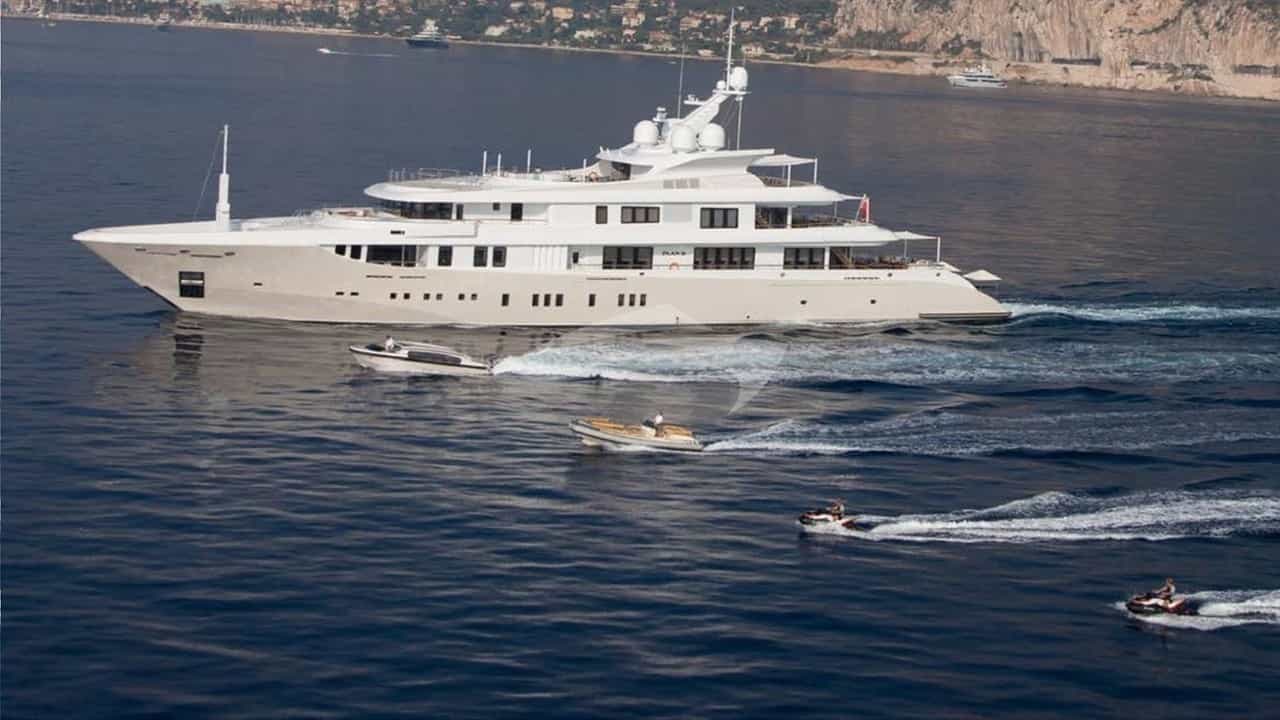
Cruising the Dalmatian archipelago aboard a luxury catamaran offers an unrivalled combination of expansive living space, shallow draught accessibility, and structural stability. However, navigating the logistical framework of Hvar Island—one of the Eastern Mediterranean's most sought-after summer destinations—requires rigorous advance planning. The unique physical footprint of a multi-hull vessel introduces specific operational variables, from beam-restricted berth allocations on municipal quays to water bunkering schedules and high-season fuel bay congestion.
When executing a bespoke Yacht Charter Hvar Catamaran yacht charter, understanding the tactical realities of berthing, shore support, and regional transit corridors is what separates a seamless itinerary from an administrative burden. Hvar’s nautical infrastructure is divided between the historic, high-demand ports on the island’s main body and the surrounding archipelago of the Pakleni Islands. Each zone presents distinct draught tolerances, mooring protocols, and exposure profiles that dictate how a crewed or bareboat multi-hull must be managed throughout the season.
Harbour Infrastructure and Primary Berthing Zones
The focal point of central Dalmatian yachting is Hvar Town harbour. Situated on the south-western coast of the island, this ancient Venetian port provides immediate access to the cultural heart of Hvar. However, for catamarans, it represents one of the most logistically constrained environments in the Adriatic.
Hvar Town Quay and Riva
Hvar Town quay (Riva) operates under severe physical limitations. The harbour is relatively compact, exposed to the south-westerly Libeccio and southerly Jugo winds, and heavily trafficked by commercial passenger catamarans and tender movements.
- Beam and Draft Constraints: The main quay offers depths ranging from 2.0 to 4.5 metres along the inner sections, rising to over 7.0 metres at the outer pier head. While draught is rarely an issue for modern sailing or power catamarans (which typically draw between 1.2 and 2.2 metres), beam is the primary bottleneck. A standard 50-to-60-foot luxury catamaran carries a beam of 8.5 to 10 metres, taking up the quay space of two standard monohulls.
- Berth Allocation: Municipal port authorities strictly manage the eastern and northern quays. Multi-hulls are rarely granted stern-to quay berths on the inner Riva during July and August unless reserved far in advance or paying a surcharge of 150% to 200% of the standard daily mooring fee. Large power catamarans over 60 feet (such as a Sunreef 60 or Lagoon 630) may be required to berth alongside the outer breakwater if space permits, where swell from passing traffic can be significant.
- Lazy Lines: Berthing is stern-to using municipal lazy lines (moringzi) attached to sunken ground tackle. Crew must exercise caution regarding line angles, as twin-hull configurations can easily foul lazy lines on adjacent stern-drives or rudders in crosswinds.
ACI Marina Palmižana
Located on the northern coast of Sv. Klement—the largest of the offshore Pakleni Islands—ACI Marina Palmižana acts as the primary secure sanctuary for vessels visiting Hvar. Situated approximately 2.4 nautical miles south-west of Hvar Town, it offers a sheltered haven when Hvar Town harbour is untenable or full.
The marina features 211 sea berths equipped with water and electricity connections. It accommodates vessels up to 30 metres in length, though draught varies throughout the basin from 1.5 metres near the inner shore to 8 metres near the pontoon heads.
Palmižana’s entrance faces north-east and requires careful navigation during a strong Bura (north-easterly wind), which can create a heavy sea state across the mouth of the bay. Multi-hulls benefit from Palmižana’s wide pontoon spacing, but berths must be secured months in advance through the ACI online reservation system for peak July–August dates. A reliable 24-hour water-taxi service operates between Palmižana and Hvar Town quay, taking approximately 15 minutes each way and enabling guests to enjoy the nightlife of Hvar while keeping the vessel safely moored across the channel.
Vinogradišće Bay
Directly across the narrow isthmus of Sv. Klement to the south lies Vinogradišće Bay (often referred to as South Palmižana). This deep, natural cove is one of the premier anchorage and buoy fields serving Hvar.
- Mooring Facilities: Vinogradišće features a concession-operated mooring field with heavy-duty buoys capable of holding catamarans up to 80 feet in length.
- Protection: The bay offers exceptional shelter from the Bura and Maestral (north-westerly summer thermal sea breeze). However, it is fully exposed to the south and south-east; a southerly Jugo generates dangerous swell, making an immediate exit to the north side of the island necessary.
- Draught Advantage: Because catamarans draw very little water relative to their overall displacement, they can comfortably utilize the shallower, inner margins of Vinogradišće Bay (in 3 to 5 metres of water) over a sandy, weed-covered bottom where deep-draught monohulls cannot safely swing.
Secondary Harbours of North Hvar and Šćedro
While the south-western nexus of Hvar Town and the Pakleni Islands dominates charter itineraries, the northern coast of the island contains sheltered inlets and historical deep-water harbours that offer far superior berthing conditions for catamarans seeking security and quiet shore access.
Stari Grad
Stari Grad, situated at the head of a 5-nautical-mile deep bay on the north-west coast of Hvar, is the oldest settlement on the island and offers the most structurally sound municipal berthing for wide-beam vessels.
The newly extended town quay along the southern shore of the bay provides high-capacity berthing equipped with modern power pedestals (32A and 63A) and high-flow fresh water supply. Depths along the quay range from 3.0 to 6.0 metres. Because the bay is deeply indented, it provides complete shelter from almost all wind directions, although a strong Bura can cause minor turbulence.
Stari Grad is increasingly favoured by luxury catamaran captains because the local port authority is significantly more accommodating of wide beams than Hvar Town. Furthermore, the eastern end of the bay features dedicated buoy fields, allowing catamarans to anchor in pristine water while remaining a short tender ride from the town’s historic core.
Vrboska and Jelsa
Further east along the northern shoreline lie the fjord-like inlets of Vrboska and Jelsa.
Vrboska features ACI Marina Vrboska, nestled deep within a winding inlet that offers absolute protection from all winds. The marina provides 85 berths with depths of 2.0 to 5.0 metres. The narrow entrance channel requires careful centreline navigation, particularly for wide power catamarans, but once inside, the waters are completely flat. Beam restrictions apply on the inner pontoons, making advance confirmation of hull dimensions essential.
Jelsa, situated two nautical miles east of Vrboska, features a revamped municipal quay. Depths range from 2.5 to 4.0 metres. While exposed to the northern Bura, Jelsa is an excellent stopover for catamarans cruising between Hvar and the island of Brač, providing immediate access to local wineries and agricultural estates in the UNESCO-protected Stari Grad Plain.
Šćedro Island
Positioned off Hvar’s southern coast, separated by the 1.5-nautical-mile Šćedro Channel, the uninhabited island of Šćedro provides two natural anchorages: Lovišće Bay and Mostir Bay. These deep coves offer concession mooring buoys and clear anchorage over mud and sand. Catamarans can anchor comfortably in 4 to 8 metres of water. Šćedro offers no shore power, commercial water, or fuel facilities, but serves as a crucial natural staging point when navigating along Hvar's exposed southern cliffs.
Shore Logistics: Fuel, Water, and Bunkering
Executing a seamless Yacht Charter Hvar Catamaran yacht charter requires meticulous management of consumables. The central Adriatic experiences extreme demand for fuel and fresh water between late June and early September, making timing and operational awareness critical for yacht crews.
HVAR REGION NAVIGATIONAL & BERTHING DIRECTORY
┌────────────────────┬─────────────┬────────────────┬────────────────────────┐
│ Location           │ Max Draught │ Max Beam       │ Shelter & Exposure     │
├────────────────────┼─────────────┼────────────────┼────────────────────────┤
│ Hvar Town Riva     │ 4.5m - 7.0m │ Very Restricted│ Exposed to S / SW      │
│ ACI Palmižana      │ 1.5m - 8.0m │ Moderate       │ Exposed to NE (Bura)   │
│ Stari Grad Quay    │ 3.0m - 6.0m │ Accommodating  │ High (Deep fjord)      │
│ ACI Vrboska        │ 2.0m - 5.0m │ Narrow Channel │ Fully Sheltered        │
│ Križna Luka (Fuel) │ 2.0m - 3.5m │ Extremely Tight│ Exposed to S           │
└────────────────────┴─────────────┴────────────────┴────────────────────────┘
Fuel Infrastructure
Fuel logistics around Hvar Island present significant operational challenges during peak season:
- Križna Luka Fuel Station: Located just south-east of Hvar Town harbour, Križna Luka is the primary marine fuel station on the island's south side. Depth at the fuel quay is shallow—ranging from 2.0 to 3.5 metres—which suits catamarans well, but the physical maneuvering room is extremely tight. On Friday mornings and afternoons (when charter fleets return to base), queue times at Križna Luka can exceed three hours. The approach is open to southerly winds, making holding position in a wide-beam vessel difficult during unstable weather.
- Alternative Fueling Locations: Captains are strongly advised to fuel at alternative stations along the charter route to avoid delays. The fuel station in Milna on the neighboring island of Brač (13 nautical miles north-west) offers deeper water and better maneuvering room. Alternatively, the fuel docks in Vrboska or Jelsa provide lower wait times, while larger luxury catamarans terminating charters near Split or Trogir should consider bunkering at the INA station in Split (Gat Sv. Duje) or Trogir (Soline).
Water and Shore Power
Water conservation and management vary significantly depending on where the vessel is berthed:
- Palmižana Water Protocols: ACI Marina Palmižana relies on water delivered via island pipelines and tanker ships. Consequently, water supply to berths is frequently restricted to specific morning and evening hours during July and August. Captains must schedule tank topping around these windows.
- Municipal Supplies: Stari Grad and Jelsa offer continuous municipal water pressure, making them ideal locations for flushing systems and refilling tanks.
- Electrical Infrastructure: Shore power across the Hvar region typically delivers standard European 220V/50Hz supply via 16A, 32A, or 63A single-phase connections. Large power catamarans equipped with high-load HVAC systems, multiple refrigeration units, and watermakers must confirm 63A three-phase availability, which is primarily restricted to Stari Grad quay and major mainland marinas like ACI Split or Marina Kaštela.
High-End Provisioning and On-Deck Catering Supply
A high-spec catamaran charter demands a sophisticated culinary supply chain. While Hvar Town contains local markets, high-end yacht provisioning requires coordination with dedicated marine suppliers or pre-ordering before departure from the mainland launch bases.
Local Shore Markets
For fresh local ingredients, crews utilize the early-morning markets in Hvar Town and Stari Grad:
- Hvar Town Market (Pjaca): Located near the Cathedral of St. Stephen, the open-air green market operates daily from 07:00. It offers locally grown organic produce, figs, honey, and olive oil from the island's interior.
- Fish Market (Ribarnica): Positioned near the harbour edge in Hvar Town, the fish market receives fresh catches daily from local longliners and trawlers. Key local species include European sea bass (lubin), sea bream (orada), John Dory (šampjer), and Dalmatian squid (lignje). High-demand seafood, such as Norway lobsters (škampi) and wild bluefin tuna, must be claimed by 07:30.
Advanced Yacht Provisioning
To supply luxury catamarans with premium international provisions—such as dry-aged beef, specific vintage wines, French cheeses, and niche dietary staples—captains rely on specialised yacht provisioning agencies operating out of Split.
Provisions are ordered prior to charter embarkation and delivered directly to the vessel's base marina (e.g., Marina Baotić in Seget Donji, ACI Split, or Marina Kaštela). For mid-charter re-provisioning while stationed at Hvar or Palmižana, provisioning agents dispatch cold-storage vans via the Split-Stari Grad ferry, transferring goods via tender or local water taxi directly to the catamaran’s galley at Palmižana or Vinogradišće.
Fine wine sourcing can be executed locally. Hvar is home to world-class vineyards producing indigenous varietals such as Plavac Mali (a robust red closely related to Zinfandel) and Bogdanuša (a crisp, mineral-forward white unique to the island). Estates near Sveta Nedjelja and Jelsa can arrange direct cellared shipments to the vessel via local port agents.
Formalities, Transfers, and Crew Logistics
Smooth logistics for a Yacht Charter Hvar Catamaran yacht charter extend to passenger transfers, maritime clearance, and crew operations.
Airport Connections and Speedboat Transfers
The primary international gateway for charters visiting Hvar is Split Airport (SPU), situated near Resnik on the mainland coast.
TYPICAL TRANSIT TIMES & DISTANCES TO HVAR TOWN HARBOUR
┌───────────────────────────┬───────────────────┬────────────────────────┐
│ Origin Point              │ Mode of Transit   │ Approximate Transit    │
├───────────────────────────┼───────────────────┼────────────────────────┤
│ Split Airport (SPU Dock)  │ Private Speedboat │ 45 - 55 Minutes        │
│ Split Harbour (City)      │ Commercial Ferry  │ 60 - 65 Minutes        │
│ Brač Airport (BWK)        │ Taxi + Speedboat  │ 30 - 40 Minutes        │
│ Dubrovnik Airport (DBV)   │ Road + Tender     │ 3.5 - 4.0 Hours        │
└───────────────────────────┴───────────────────┴────────────────────────┘- Direct Speedboat Transfer: The most efficient route for incoming charter guests is a direct tender transfer from the Resnik dock, located just 500 metres from the Split Airport terminal. High-speed luxury chase boats or enclosed Cabin RIBs (such as an Axopar 37 or Fjord 40) transport guests across the Brač Channel directly to Hvar Town quay or ACI Marina Palmižana in 45 to 55 minutes, completely bypassing mainland traffic and public ferry lines.
- Brač Airport (BWK): For guests arriving via private aviation, Brač Airport offers a 1,760-metre runway capable of handling regional jets and turboprops. From the airport, a 15-minute road transfer reaches the port of Bol, followed by a 20-minute speedboat crossing to Hvar’s north-eastern coves or Hvar Town.
- Helicopter Transfers: Private helicopter charters operate between Split Airport, Dubrovnik, and private helipads located on mainland estates and select private properties near Stari Grad.
Maritime Formalities and Regulations
Croatia’s integration into the Schengen Area has streamlined border control, but maritime enforcement by the Ministry of the Sea, Transport and Infrastructure remains strict across the Hvar precinct.
- Cruising Vignette and e-Nautika: All commercial charter vessels operating in Croatian waters must carry a valid Croatian cruising permit (vignette) and be registered within the e-Nautika system. Crew lists (popis posade) must be logged digitally prior to departure from the home base. Any mid-charter guest modifications must be updated in the portal immediately.
- Anchoring and Concession Rules: Anchoring is strictly prohibited within 150 metres of designated concession buoy fields or established marina perimeters. In natural coves around the Pakleni Islands, vessels anchoring on their own tackle must ensure their swing radius does not encroach on environmental protection zones or Posidonia seagrass meadows.
- Waste Management and Environmental Directives: Discharge of untreated blackwater within 3 nautical miles of the mainland or island shores is illegal in Croatia. Modern luxury catamarans must keep blackwater holding tanks sealed while operating in Hvar's internal waters and pump out at designated marina facilities or offshore beyond the 3-mile limit. Greywater containment is similarly regulated within tight natural bays like Vinogradišće or Soline.
Crew Rotations and Turnarounds
For crewed catamarans executing back-to-back charters, managing crew logistics in the Hvar region requires strategic planning:
- Turnaround Bases: While Hvar Town is a prime guest disembarkation location, it is poorly suited for rapid vessel turnarounds due to space limitations and lack of direct road access to the quay. Captains prefer conducting turnarounds at mainland superyacht hubs (Trogir, Kaštela, or Split), where wash-down services, commercial laundries, fuel trucks, and engineering technicians are immediately accessible.
- Crew Rest and Amenities: When stationed in the Pakleni Islands for extended periods, crew rest and shore leave must be factored into operations. ACI Palmižana provides dedicated crew facilities, showers, and staff transportation to the mainland if crew rotations occur mid-charter.
Mastering the berthing, fuel, and spatial dynamics of Hvar ensures that the inherent comfort and capabilities of a luxury catamaran are fully realized. By pairing the vessel's shallow draught advantages in the Pakleni coves with advance berth bookings at Palmižana or Stari Grad, charter guests experience the very best of Dalmatia with complete peace of mind.