
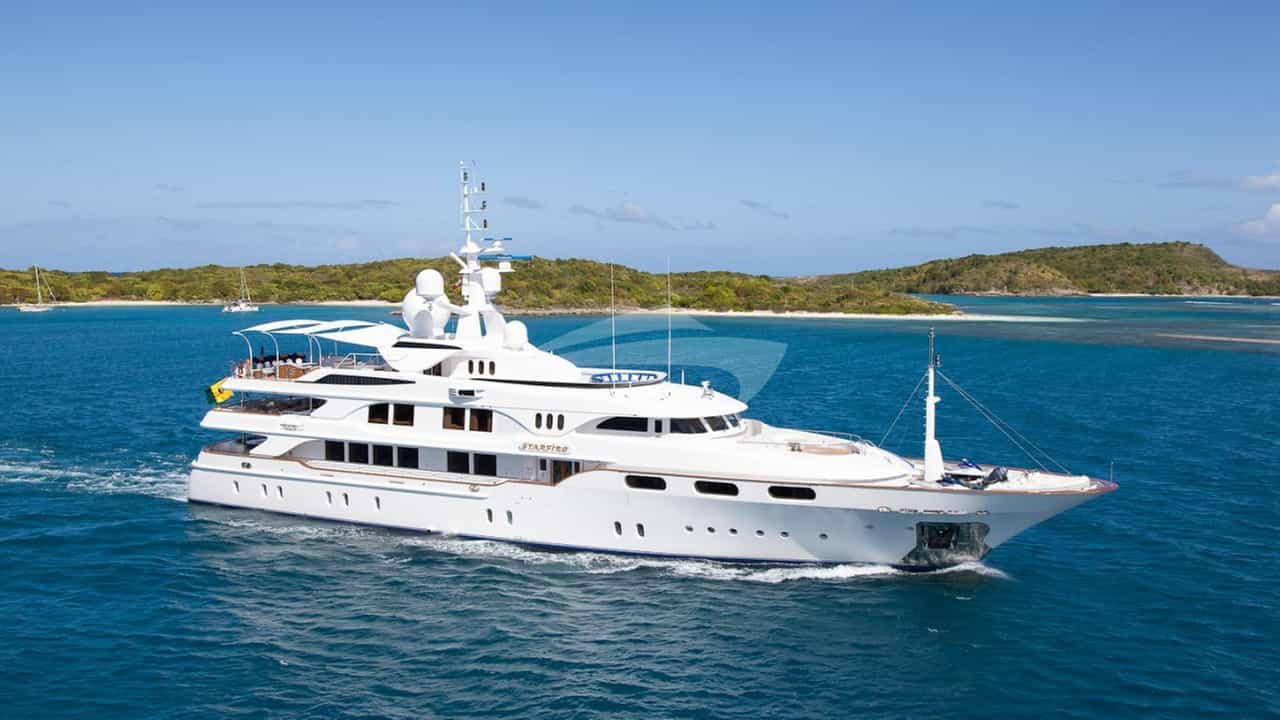
Positioned at the geographical heart of the Croatian coastline, Zadar serves as the primary operational gateway for yachts cruising the Northern Dalmatian archipelago, the Kornati National Park, and the outer islands of Dugi Otok, Molat, and Silba. Unlike the high-density maritime corridors of Split and Dubrovnik further south, the Zadar sector offers immediate access to over 300 islands, islets, and reefs within a 30-nautical-mile radius. This dense concentration of sheltered waterways creates exceptional cruising conditions, but it also requires precise operational planning regarding draught limitations, power and water rationing in island outposts, and advance berthing reservations during the summer peak. For captains and charter brokers organizing a Zadar Yacht Charter yacht charter, understanding the regional shore infrastructure—from large-scale mainland marina facilities to remote island quays—is essential for seamless itinerary execution.
Principal Mainland Marinas and Town Harbours
The mainland coast surrounding Zadar features several key facilities capable of handling vessels ranging from mid-sized sailing catamarans to displacement superyachts. The choice of base depends heavily on vessel LOA, draught, required shore services, and proximity to international transfer links.
D-Marin Dalmacija (Sukošan / Bibinje)
Located seven nautical miles south of Zadar city centre in the protected Bay of Zlatna Luka, D-Marin Dalmacija is the largest marina complex in Croatia. Spanning over 125 hectares, it offers 1,200 wet berths and 500 dry berths, serving as the chief logistical hub for commercial charter fleets and private mega-yachts cruising Northern Dalmatia.
The marina accommodates vessels up to 80 metres LOA alongside its designated outer breakwaters and superyacht piers. Draughts at the entrance range from 5.0 to 8.0 metres, while depths inside the inner basins range between 3.0 and 7.0 metres. The facility is protected by substantial stone breakwaters, rendering it secure under all prevailing wind conditions, including the violent north-easterly Bora (Bura) descending from the Velebit mountain range and the southerly Jugo rolling up the Pašman Channel.
Logistically, D-Marin Dalmacija operates as a full-service technical base. It features high-capacity fuel bays delivering standard and premium diesel, shore power connections up to 400 amps (3-phase), high-speed Wi-Fi, waste oil disposal, grey/blackwater pump-out services, and an ICAO-compliant helipad on the outer pier. Technical support includes an 80-tonne and a 100-tonne travel lift, alongside certified marine engineering, electrical, and rig repair workshops. The complex also houses upscale dining venues, guest lounges, and private beach facilities, making it ideal for embarkation and guest turnarounds.
Marina Tankerkomerc and the Zadar Town Quay (Poluotok)
In the centre of Zadar, Marina Tankerkomerc lies within the sheltered natural harbour on the north-east side of the historic Old Town peninsula (Poluotok). Positioned at 44°07.0'N, 15°13.8'E, this facility offers 300 wet berths for yachts up to 50 metres LOA, with a maximum draught of 5.5 metres. The marina provides excellent protection from open sea swells, though severe Bora conditions generate significant down-drafts across the Zadar Channel, necessitating heavy spring lines and proper fender placement.
For larger superyachts exceeding 50 metres LOA, berthing is managed directly along the historic Zadar Town Quay (Istarska Obala and Liburnska Obala). Vessels berth alongside or stern-to near the famous Sea Organ (Morske Orgulje) installation at the western tip of the peninsula. Depths along the main town quay range from 6.0 to 7.5 metres. Berthing here places guests within steps of the city’s Roman Forum and St. Donatus Church. However, the town quay is exposed to afternoon Maestral thermals and southerly swells. Captains must coordinate with the Zadar Port Authority (Lučka Kapetanija Zadar) well in advance, particularly when organizing customs clearance or high-volume fuel deliveries by road tanker.
D-Marin Borik and Marina Preko
Situated three nautical miles north of Zadar’s Old Town peninsula, D-Marin Borik offers a quieter alternative. With 177 berths, it accommodates vessels up to 40 metres LOA with a maximum draught of 3.5 metres. Borik is heavily favoured by luxury motor yachts seeking a boutique setting away from commercial traffic, though its entrance channel requires careful navigation due to shallow shoals extending from the Puntamika headland.
Directly across the Zadar Channel on the eastern shore of Ugljan Island lies Marina Preko (3 nautical miles from Zadar harbour). Offering 87 berths for yachts up to 30 metres with draughts up to 5.0 metres, Preko serves as an effective overflow harbour during peak summer weekends when mainland berths are fully committed. Regular 20-minute passenger ferry links between Preko and Zadar enable straightforward crew logistics and guest transfers across the channel.
Offshore Marinas and Remote Island Berthing
Once clear of the mainland, charter itineraries inevitably transit the outer islands and national parks. Here, berthing infrastructure shifts from large technical marinas to environmental management outposts and island town quays where utility availability is tightly regulated.
ACI Marina Žut and ACI Marina Piškera
The outer island chain relies heavily on two seasonal ACI (Adriatic Croatia International) marinas located within the Kornati Archipelago.
- ACI Marina Žut: Positioned on the western coast of Žut Island, outside the strict boundary of the national park, this marina provides 120 berths for yachts up to 40 metres LOA, with draughts up to 4.5 metres. The island has no connection to the mainland electrical grid or water network. Power is supplied by local generators during restricted hours (typically 08:00–12:00 and 18:00–24:00), and freshwater delivery is strictly metered and rationed.
- ACI Marina Piškera: Located on the small island of Panitula inside the boundaries of Kornati National Park (43°45.6'N, 15°20.4'E), Piškera provides 118 berths fitted with lazy lines. It accommodates vessels up to 30 metres LOA with draughts ranging from 2.5 to 3.5 metres. Like Žut, power and water are supplied strictly between 08:00 and 10:00. Navigating into Piškera requires extreme vigilance due to shallow reefs between Panitula and Piškera islands; entrance must be made through the northern passage between Panitula and Vela Panitula.
Island Town Quays: Sali, Božava, and Veli Iž
For vessels seeking authentic island landings, the town quays on Dugi Otok and Iž provide municipal berthing with basic services:
- Sali (Dugi Otok): Located 12 nautical miles south-west of Zadar, Sali is the principal settlement on Dugi Otok and the main gateway to Telašćica Nature Park. The town quay offers stern-to berthing for around 30 vessels up to 30 metres LOA, with lazy lines, power, and water connections. Depths alongside reach 4.0 metres. The quay is open to the south-east; a heavy Jugo creates dangerous chop inside the harbour, requiring yachts to maintain maximum distance from the stone wall.
- Božava (Northern Dugi Otok): Situated near the northern entrance of Dugi Otok, Božava provides sheltered berthing for vessels up to 25 metres with draughts up to 3.5 metres. It offers electrical hookups, water, and immediate access to the sand beaches of Sakarun Bay (4 nautical miles west).
- Veli Iž (Iž Island): Positioned in the channel between Ugljan and Dugi Otok, Marina Veli Iž features 45 wet berths for vessels up to 20 metres LOA, complemented by a stone town quay equipped with lazy lines.
Technical Navigation, Passages, and Draught Constraints
Navigating the waters around Zadar requires precise route selection based on vessel draught, beam, and mast height (air draught). The passage between the mainland and the outer islands is bisected by several narrow channels and bridges.
Key Navigation & Channel Specifications:
- Mali Ždrelac Passage: Max Air Draught 15.5m | Dredged Depth 5.0m | One-way light signals
- Veliki Ždrelac Passage: Unlimited Air Draught | Min Depth 12.0m | Deep-water superyacht route
- Zadar Channel (Zadarski Kanal): Depths 40m–60m | Heavy ferry traffic near Gaženica
- Pašman Channel: Depths 15m–25m | Strong tidal currents up to 2.5 knots
The Mali Ždrelac passage, connecting Ugljan and Pašman islands, is a critical shortcut between the Zadar Channel and the outer archipelago. However, it is restricted by a fixed concrete bridge with a vertical clearance of precisely 15.5 metres and a dredged channel depth of 5.0 metres. Sailing yachts, large catamarans, and motor yachts exceeding this air draught must navigate around the southern tip of Pašman or proceed north around Ugljan through the Middle Channel (Srednji Kanal).
For deep-draught displacement superyachts (draughts over 4.5 metres), the preferred deep-water route into the Kornati Archipelago is via the Veliki Ždrelac passage or via the open waters west of Dugi Otok, entering the park through the Vela Proversa or Mala Proversa passages. Vela Proversa has been dredged to a depth of 4.2 metres, but large vessels with draughts exceeding 3.8 metres should execute extreme caution and use the wider, deeper channel south of Samograd Reef.
Berth Reservations, Lead Times, and Seasonality
Demand for berths across Northern Dalmatia varies dramatically between the high summer season (July and August) and the shoulder months (May, June, September, and October).
To guarantee berthing at key locations, captains and charter brokers must strictly observe advance booking windows:
- D-Marin Dalmacija (Superyacht Piers >40m LOA): Reserve 6 to 9 months in advance for peak July/August dates.
- Zadar Town Quay (Poluotok Alongside Berths): Direct application to the Port Authority should be submitted 3 to 6 months prior through a local shipping agent.
- ACI Marinas (Žut, Piškera): Bookings open in early spring via the ACI online application. During July and August, berths sell out weeks ahead; unreserved yachts must arrive before 14:00 to secure open space.
- National Park Permits: Entry to Kornati National Park and Telašćica Nature Park requires valid entry tickets. Buying entry permits online via the official national park web portal (MyParkVisits) at least 24 hours prior to entering park waters provides up to a 50% discount compared to purchasing directly from ranger patrol boats.
Fuel Bunkering, Utilities, and Technical Support
Fuel logistics in the Zadar region are well established, though commercial bunkering for large volumes requires advance notice.
Fuel Stations and Commercial Bunkering
The main marine fuel station in the region is located inside D-Marin Dalmacija. It features dedicated fuel quays with depth alongside of 4.5 metres, delivering standard automotive diesel, Eurosuper 95, and low-sulphur marine gasoil at high pump speeds.
For large superyachts requiring high-speed bunkering of 20,000 litres or more, arrangements are typically made at the commercial port of Gaženica, located 3 nautical miles south of Zadar city centre. Bunkering is conducted alongside the commercial piers via road tankers arranged by a local maritime agent. Duty-free fuel is available for commercially registered yachts possessing valid charter licences and departing Croatian territorial waters directly for a non-EU destination (e.g., Montenegro or Albania), subject to customs clearance.
Water and Electrical Shore Power
While mainland marinas offer continuous 220V/380V shore power (16A up to 400A) and unlimited potable city water, island outposts face inherent environmental constraints. Water pumps in the Kornati islands operate on limited schedules, and water delivery to tanks is charged per litre at elevated rates. Superyachts operating extensive air-conditioning systems and high-consumption watermakers should ensure reverse-osmosis desalination units are fully serviced and operational before departing the mainland.
Provisioning and Shore Supply Chains
Zadar possesses excellent agricultural and maritime supply chains, blending high-end luxury imports with world-class local ingredients.
Key Operational Checklist for Port Entry & Border Formalities:
- Proceed directly to Port of Entry (Zadar Gaženica or Sali) before dropping anchor
- Valid Vessel Registration & Official Crew/Passenger Manifest
- Proof of Third-Party Liability Insurance (minimum €1.3M standard)
- Valid Skipper & Radio Operator Certification (STCW / ICC)
- Payment of Navigation Safety Fee & Sojourn Tax via eNautika portal
Local Fresh Markets and Specialty Supplies
The central market in Zadar (Gradska Tržnica) and the adjoining fish market (Peskarija), located on the eastern side of the Old Town peninsula, are among the finest in the Adriatic. Chefs can source daily landings of wild Adriatic sea bass (brancin), sea bream (orada), John Dory (kovač), langoustines/Dublin Bay prawns (škampi), and local squid.
For regional specialities, local suppliers provide: Pag Island Cheese (Paški sir):* A hard, sheep’s milk cheese aged with olive oil, produced on the neighboring island of Pag. Maraschino Liqueur:* A clear, cherry liqueur distilled in Zadar since the 16th century from indigenous Marasca cherries. Northern Dalmatian Wines:* Crisp whites such as Pošip and Debit, alongside full-bodied reds like Babić and Crljenak Kaštelanski (the ancestral genetic twin of Zinfandel).
Commercial Provisioning Delivery
For luxury yacht charter operations requiring specific international delicacies, fine wines, Wagyu beef, or champagne, specialized marine provisioning companies operate directly out of Zadar and Split. Provisions are delivered via refrigerated vehicles directly to the gangway at D-Marin Dalmacija, Marina Tankerkomerc, or the Gaženica passenger terminal. Metro Cash & Carry, located near Gaženica Port, provides an extensive bulk provisioning option for crew and interior teams.
Customs, Port Authorities, and Regulations
Since Croatia’s entry into the Schengen Area on 1 January 2023, cross-border maritime logistics have been significantly simplified for vessels arriving from Italy, Slovenia, or Greece.
Ports of Entry and Formalities
Zadar (Gaženica commercial port) serves as a year-round official Port of Entry (Luka Otvorena za Međunarodni Promet). During the summer cruising season (May through October), Sali on Dugi Otok also functions as an international port of entry for vessels arriving directly across the Adriatic from Italian ports such as Ancona, Rimini, or Pesaro.
Vessels entering Croatian territorial waters from non-Schengen destinations must proceed directly to the nearest Port of Entry to clear immigration and customs with the Maritime Police (Policija) and Harbour Master (Lučka Kapetanija).
Navigation Fees and eNautika
All foreign-flagged private and commercial yachts over 2.5 metres LOA operating in Croatian waters must pay the Croatian Navigation Safety and Light Fee (Vignette). In addition, guests staying onboard must pay the Croatian Tourist Sojourn Tax. Both payments must be processed online through the official Croatian ministry portal eNautika prior to embarking guests or departing the initial port of entry. The vessel’s captain must maintain physical or digital receipts onboard for inspection by the maritime police or coast guard patrol craft (Obalna Straža).
Aviation Links, Transfers, and Crew Logistics
Logistical efficiency for guest turnarounds and crew changes is one of Zadar’s greatest strengths as a yachting hub.
Zadar Airport (ZAD / Zemunik)
Located 12 kilometres east of D-Marin Dalmacija and 15 kilometres from Zadar Old Town, Zadar Airport (ZAD) provides exceptionally short transfer times. A private VIP vehicle transfer from ZAD to D-Marin Dalmacija via the Kalmetina four-lane expressway takes approximately 12 to 15 minutes.
Zadar Airport features a dedicated General Aviation Terminal (GAT) capable of handling private jets up to Gulfstream G650 and Bombardier Global 7500 operations. Customs and immigration clearance for private aviation passengers at the GAT is swift, allowing charter guests to transition from aircraft to yacht gangway in under 30 minutes.
Secondary Airport Access
If private aviation slots or commercial connections at Zadar are unavailable, Split Airport (SPU) serves as the primary secondary gateway. Split Airport is located 130 kilometres south of Zadar. Access via the A1 Motorway (Dalmatina) takes approximately 1 hour and 15 minutes by private road transfer, offering seamless access for guests and joining crew members.
Crew Change Infrastructure
For commercial crew rotations, Zadar provides excellent support infrastructure. The proximity of ZAD airport, combined with extensive dry-dock facilities at Sukošan and high-density marine accommodation options in Bibinje, Sukošan, and central Zadar, makes it a highly efficient location for crew swaps, survey works, and seasonal yard maintenance. Local marine agencies handle crew endorsement paperwork, medical assistance, and transportation seamlessly.