
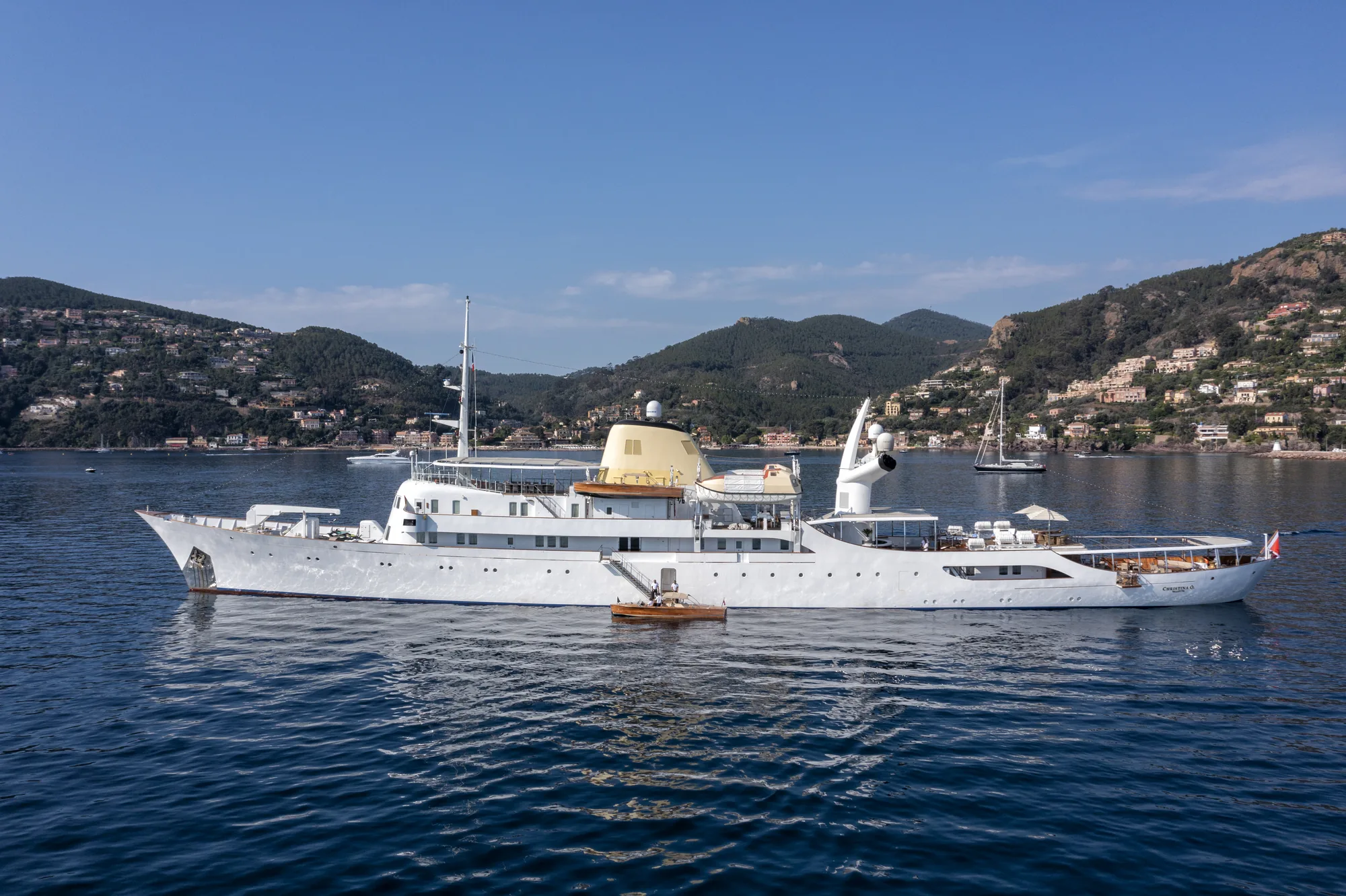
The Principality of Monaco occupies less than two square kilometres of the Riviera coastline, yet its impact on luxury yachting is disproportionate to its size. Framed by the dramatic limestone cliff of the Tête de Chien and flanked by the Ligurian Sea, this sovereign city-state serves as both a primary embarkation hub and an international stage for superyachts. Navigating a charter here successfully demands far more than choosing a vessel; it requires an acute understanding of the region’s distinct operational seasons, micro-climates, and event-driven calendar.
A Yacht Charter Monaco yacht charter shifts dramatically depending on the month chosen. The coastline transitions from the quiet, clear-water days of late spring to the high-octane theatricality of the Formula 1 Grand Prix in May, followed by the intense heat and social calendar of peak July and August, and concluding with the industry-focused prestige of the Monaco Yacht Show in late September. Each window brings unique weather patterns, varied water temperatures, distinct berthing dynamics, and specific lead-time requirements for securing prime vessels and harbour slots.
Monaco’s Maritime Climate and Micro-Geography
Understanding the geography of the Principality is essential for any charterer. Monaco features two primary harbours: Port Hercule, a deep-water natural bay enhanced by a massive semi-floating seawall, and Port de Fontvieille, positioned beneath the western shadow of the Rocher (the Rock of Monaco). Port Hercule is capable of accommodating superyachts well over 100 metres in length on its outer pontoons and along Quai Rainier III, while Fontvieille offers a more sheltered, intimate setting for motor yachts and catamarans up to 30 metres.
The surrounding waters are governed by the Ligurian Current, which flows westward along the coast from Italy toward the Baie des Anges. The towering Maritime Alps rise directly behind the coast, creating a micro-climate that frequently shields Monaco from the severe northern Mistral winds that batter the Gulf of Saint-Tropez and the Rhône valley further west. However, the region is susceptible to the Libeccio—a south-westerly wind that can build significant sea states across the open water between Corsica and the mainland—and the East Wind (Levante), which sends a heavy swell directly into the mouth of Port Hercule if the breakwater gates are not navigated with care.
Sea temperatures along this stretch of the Riviera range from a crisp 15°C in April to a peak of 26°C or 27°C in August, before settling into a pleasant 22°C through late September. The underwater topography drops off rapidly just offshore, meaning that while deep-water anchoring is required close to the coast, the water clarity around nearby headlands like Cap Martin and Cap Ferrat remains exceptionally high when coastal runoff is low.
April and May: Grand Prix Fever and Early Spring Cruising
Spring along the Riviera marks the awakening of the charter fleet after winter maintenance programs in yards across Genoa, La Ciotat, and Marseille. April brings mild daytime temperatures averaging 17°C to 19°C, though evening temperatures on deck remain cool, necessitating heated flybridges or enclosed main saloons for exterior dining. Water temperatures hover around 15°C, making tender excursions and seabob riding best suited to guests equipped with light wetsuits.
April is defined culturally by the Monte-Carlo Rolex Masters at the Monte-Carlo Country Club, perched on the border of Roquebrune-Cap-Martin. This event draws a refined international crowd, and securing a berth in Port Hercule or Fontvieille during tournament week allows seamless tender transfers directly to the club’s coastal pontoon.
May, however, is the indisputable catalyst of the early season. The Principality transforms for two major motorsport fixtures: the Historic Grand Prix (held biennially in early May) and the Formula 1 Grand Prix de Monaco in late May. During these weeks, Port Hercule becomes the most sought-after piece of real estate in global maritime transit.
### Navigating the Formula 1 Grand Prix Securing a berth along Zone 1 (Quai Antoine 1er) or the outer Jetée Lucciana during the Grand Prix requires planning that often begins 10 to 12 months in advance. Berths are awarded via a strict application process managed by the Société d’Exploitation des Ports de Monaco (SEPM), with priority given to larger vessels and those with established history with the port authorities.
- Atmosphere: Intense, high-energy, and loud. Trackside berths offer direct views of the circuit near the Nouvelle Chicane and Tabac corner.
- Logistics: Port access is heavily restricted. Tenders must possess specific navigational permits to operate within the harbour basin, and guest transfers are strictly timed around track closures.
- Cruising Dynamic: Nighttime anchoring is often required outside the harbour in the Monaco Roads (La Rade) if static entertaining is taking place on board while at anchor.
Weather in May is generally warm, with daytime air temperatures reaching 22°C, though spring rain showers can occasionally sweep down from the mountains. Sea temperatures rise to roughly 18°C by late May, allowing for the first comfortable swimming sessions of the year in sheltered coves such as Mala Beach at Cap d'Ail, located just 1.5 nautical miles west of Port Hercule.
June: The Sweet Spot of the Riviera Season
For experienced charterers seeking the optimal balance of settled weather, pristine water conditions, and manageable shore-side crowds, June represents the undisputed highlight of the Mediterranean calendar.
Air temperatures in June comfortably average 24°C to 26°C, with long, clear days offering up to 15 hours of daylight. The sea warms rapidly to 21°C–23°C, rendering water sports, foil boarding, and diving extremely pleasant. Cruising conditions are remarkably stable, as the thermal sea breezes set up predictably in the afternoon and drop at sunset, leaving calm, glassy waters overnight in the surrounding bays.
Cruising west from Port Hercule, a short 4.5-nautical-mile passage brings yachts to Saint-Jean-Cap-Ferrat. In June, the famous anchorage at Paloma Beach and the sheltered cove of Anse de la Scaletta are relatively uncrowded compared to mid-summer. Guests can anchor in five to eight metres of turquoise water over sand, enjoying clear views of the limestone cliffs of Eze and the medieval village perched above.
Onboard dining in June highlights the best of early-summer Mediterranean produce. A private chef on a Monaco charter can source fresh, line-caught loup de mer (sea bass) from the local markets, paired with Monegasque culinary staples such as barbajuan—a crispy baked pastry stuffed with Swiss chard, ricotta, and parmesan—or authentic pissaladière, the caramelized onion tart native to this coast.
From a commercial perspective, June offers better fleet availability than July or August, though high-demand motor yachts between 40 and 60 metres still require booking six to eight months in advance. Berthing in Port Hercule outside of specific event dates is far simpler, allowing seamless access to the Casino Square, the private dining rooms at Le Louis XV - Alain Ducasse at the Hôtel de Paris, or evening drinks on the terrace of the Yacht Club de Monaco.
July and August: Peak Summer, Anchors, and Offshore Escapes
July and August represent the zenith of the social season along the Côte d’Azur. The weather is consistently hot, with daytime air temperatures frequently exceeding 30°C, and water temperatures reaching a bath-like 25°C to 27°C. The sea is consistently warm enough for extended swimming, snorkeling, and full use of the yacht’s water-toy garage.
However, high summer also brings maximum congestion both at sea and on shore. The popular anchorages around Monaco—including the Plage Mala cove at Cap d'Ail, the Baie de Villefranche (6 nautical miles west), and the waters off Cap Martin (3 nautical miles east)—see dense concentrations of yachts. To secure a prime position in a shallow anchorage like Paloma Beach or the passage between the Îles de Lérins off Cannes (26 nautical miles west), captains must weigh anchor early in the morning.
### Managing Peak-Season Dynamics Harbour Berthing:* Port Hercule and Port de Fontvieille operate at full capacity. Stern-to berthing along the main quays requires precise timing and pre-booked allocations. Spontaneous port entries are virtually impossible. Offshore Cruising:* To escape the crowded coastal bays, many captains advise taking advantage of stable summer weather to execute overnight passages. Monaco serves as an ideal jumping-off point for an 85-nautical-mile run across the Ligurian Sea to Calvi or Saint-Florent in Northern Corsica, or a short 18-nautical-mile coastal run east to the Italian Riviera towns of Sanremo and Bordighera. Tender Operations:* High summer swell caused by heavy commercial ferry traffic and hundreds of passing recreational craft can make outer anchorages rollier during the day. Modern superyachts equipped with zero-speed gyro or fin stabilizers are essential for maintaining onboard comfort while anchored in the Monaco Roads.
Dining during these months naturally shifts toward lighter, refreshing ocean-side fare. Onboard lunches feature raw seafood platters, Mediterranean spiny lobster, and light salads infused with lemon from nearby Menton. Evenings are long and warm, with guests staying on deck well past midnight, taking advantage of the illuminated cityscape of Monaco as a backdrop.
Securing a high-spec vessel for July or August demands long planning cycles. The most sought-after yachts—particularly those with large sundecks, beach clubs, and established charter crews—are typically fully booked by January or February for the summer ahead.
September: The Connoisseur’s Month and the Monaco Yacht Show
As the European school holidays end in late August, the tone of the Riviera alters markedly. September is widely regarded by professional yacht captains and brokers as one of the finest months for actual cruising along the Ligurian coast.
The intense heat of July and August gives way to comfortable daytime temperatures hovering around 25°C. Crucially, the sea retains its heat, remaining at a warm 23°C to 24°C throughout the month. The summer haze clears, revealing sharp blue skies and crisp views of the Alpine foothills meeting the ocean. Coastal crowds diminish significantly, making spontaneous lunch reservations at shore-side beach clubs far more accessible.
However, late September brings one of the most critical dates in the global superyacht calendar: the Monaco Yacht Show (MYS).
### The Mechanics of the Monaco Yacht Show Held annually over the final four days of September, the Monaco Yacht Show turns Port Hercule into an international display of the world's finest large yachts. Hundreds of superyachts gather inside the port and across the expansive outer anchorage.
For charter guests, September must be approached with a clear division of purpose:
If the objective is pure cruising, the ideal window is the first two weeks of September. Yachts can navigate between Monaco, Villefranche, Cannes, and Saint-Tropez in exceptionally peaceful conditions, with reliable weather and low traffic in prime anchorages.
If the objective is to attend the Monaco Yacht Show or preview potential vessels for purchase or future charter, booking must be executed months in advance. During show week, Port Hercule is entirely closed to standard transit traffic; only participating exhibition yachts and approved tender services are permitted within the basin. Hotels, private transport services, and top-tier restaurant bookings across the Principality operate at absolute capacity.
October to March: The Winter Horizon and Off-Season Dynamics
By mid-October, the Mediterranean charter season effectively draws to a close. Weather patterns become increasingly volatile as Atlantic low-pressure systems push across Western Europe, bringing increased rainfall, cooler air temperatures (15°C to 18°C in October, dropping to 10°C–13°C by January), and unpredictable sea conditions driven by prevailing southerly and easterly winds. Sea temperatures decline to 18°C in October and fall toward 13°C by mid-winter.
While active coastal cruising charters are rare between November and March, Monaco remains operational due to its year-round infrastructure and high density of resident yachting businesses.
### Winter Charter Utility in Monaco Static Charters:* During winter months, large motor yachts berthed along Quai Rainier III or Quai Antoine 1er in Port Hercule are frequently chartered for static corporate events, photo shoots, or private summits linked to events like the Monte-Carlo Jazz Festival in November or the Monaco Energy Transition summits. Yard and Berth Relocation:* Many vessels use Monaco as a temporary home port between yard periods in Genoa or Toulon, taking advantage of the high security and deep-water berthing offered by the semi-floating breakwater. Holiday Period Charters:* Over the Christmas and New Year period, Monaco experiences a brief surge in activity. Casino Square is decorated with elaborate illuminations, and high-end venues like the Hôtel de Paris host gala events. A small selection of heated, high-volume superyachts offer static or short-run festive charters within the sheltered waters between Monaco and Menton.
Booking Lead Times, Berthing Logistics, and Contractual Planning
Executing a flawless charter in Monaco requires navigating strict administrative schedules, particularly when high-profile events or specific embarkation slots are required.
To secure a prime yacht and optimal itinerary, charterers should align their planning with the following industry benchmarks:
- Monaco Grand Prix (May): 10 to 12 months lead time. Formal berth applications for Port Hercule close early in the calendar year, and vessel contracts must include specific event-addendum clauses governing guest capacity and commercial access while alongside.
- Peak High Summer (July & August): 6 to 9 months lead time. Prime family-focused motor yachts with stabilization systems and extensive water-toy inventories fill their schedules rapidly between December and February.
- Shoulder Seasons (June & September): 4 to 6 months lead time. While flexibility is greater, top-tier captains and highly reviewed vessels remain in demand.
- Monaco Yacht Show (Late September): 6 to 8 months lead time for static entertainment vessels or berths within the surrounding marinas like Port Cap d'Ail or Port de Fontvieille.
All charters embarking or disembarking in Monaco operate under standard MYBA (Worldwide Yachting Association) contract terms. Under these agreements, the base charter fee includes the yacht, crew, and vessel insurance, while an additional Advance Provisioning Allowance (APA)—typically calculated at 30% to 40% of the base charter fee—covers variable operating expenses.
In Monaco, charterers should account for higher-than-average port fees, particularly during key event weeks when berthing tariffs at Port Hercule scale dramatically. Additionally, fuel consumption must be considered when planning fast runs between Monaco, the Lérins Islands, or Corsica. A modern 45-metre displacement motor yacht cruising at 12 to 14 knots will consume roughly 250 to 350 litres of fuel per hour, whereas planning high-speed day trips on a performance vessel will increase APA utilization accordingly.
By matching your expectations for weather, sea temperature, social atmosphere, and geographical range with the distinct operational windows of the Riviera calendar, a charter originating from the Principality delivers an unparalleled maritime experience—anchored precisely at the intersection of technological performance, deep-water seamanship, and Mediterranean sophistication.