

Patagonia Yacht Charter
Patagonia in South America offers expedition-grade crewed yacht charters through the Chilean fjords, the Beagle Channel and the approaches to Cape Horn. Options include the 7-Day Patagonia Yacht Charter Itinerary: Glaciers & Wildlife Expedition and the 7-Day Patagonia Yacht Charter Itinerary: Chilean Fjords Exploration. Shorter itineraries include the 5-Day Patagonia Yacht Charter: Fjords & Remote Wilderness and the 5-Day Patagonia Yacht Charter Itinerary: Wildlife & Culture of Tierra del Fuego.
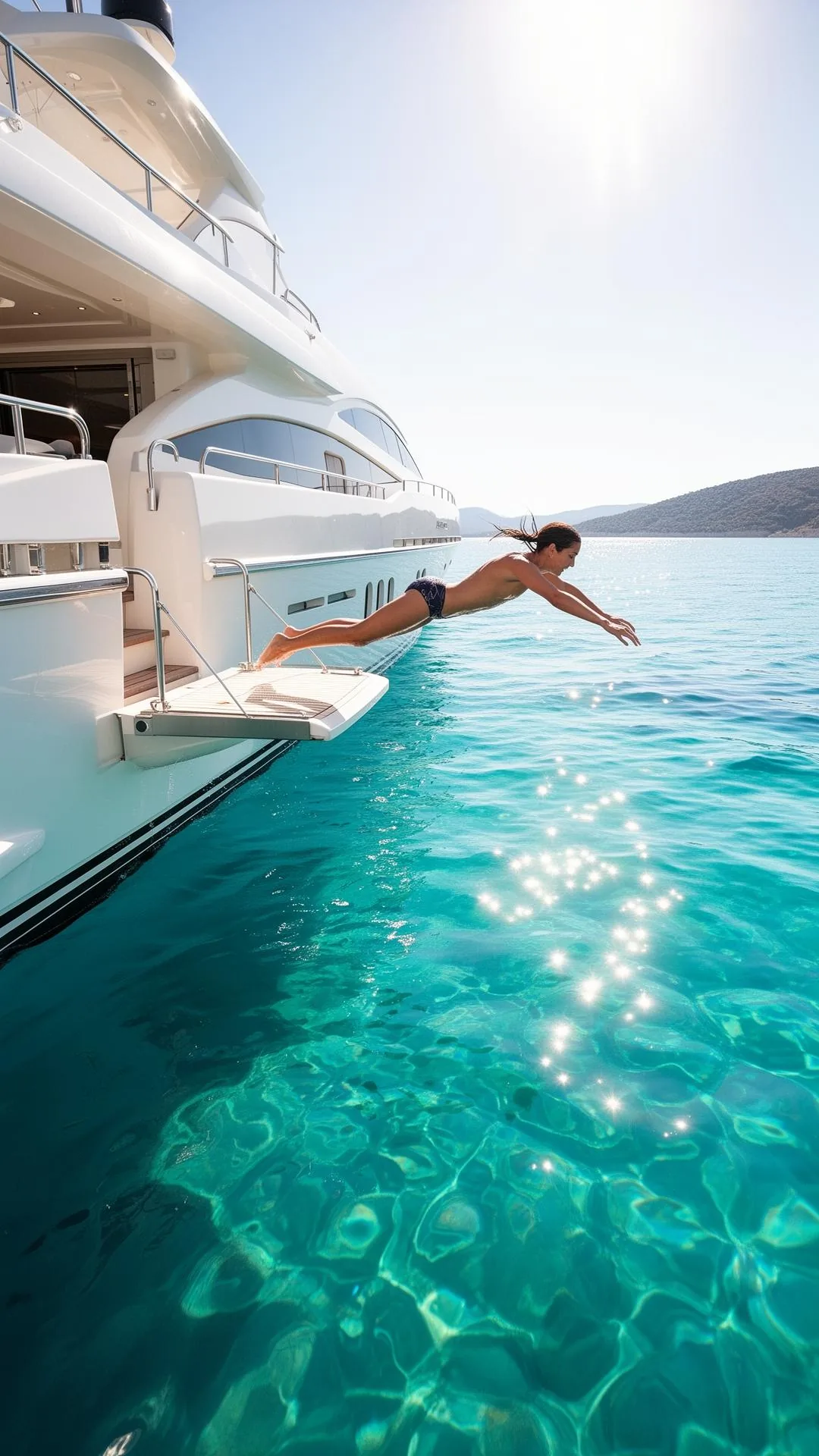
Privacy, pace, and places you cannot reach by road.
Why charter a yacht in Patagonia.
A luxury yacht charter Patagonia rewards guests with a combination you cannot replicate from a hotel: total privacy, an itinerary that flexes around your party, and access to coves, restaurants and reefs that road-bound travellers simply never see. Blue Ocean Club curates Patagonia cruises across motor yachts, sailing yachts, catamarans and superyachts — every option live-priced against the global live availability feed and presented with our 100% best-price guarantee.
Patagonia sits at the heart of one of the world's great cruising grounds. Days unfold at the pace of the sea: long swims off the platform, lunch at a beach club where your concierge has held the best table, an afternoon cruise to a quieter anchorage, cocktails on the bow as the light softens. The captain rewrites tomorrow's plan based on tonight's weather and your party's mood.
Blue Ocean Club matches each crewed yacht charter Patagonia enquiry to yachts whose published operating area, specifications and current availability fit the requested dates. The final shortlist is checked against the yacht's authorised charter information before contract, and route details remain subject to operating conditions and the captain's final approval.
Patagonia charter, in depth.
Patagonia isn't a charter destination; it's an expedition. This is the last frontier for private yachting, a place where the vessel's capability is as critical as the captain's experience, and the rewards are landscapes that defy description. From the broker's seat, this is the pinnacle charter we plan for clients who have seen the Med and the Caribbean and are now looking for true, unscripted adventure at the end of the world.
The cruising ground
Forget the single-country charter model. Patagonia is a bi-national playground spanning the southern cone of Chile and Argentina, and we treat it as two distinct operational zones. The choice between them dictates the entire logistical framework of the charter.
First, there's Northern Patagonia. The gateway is Puerto Montt in Chile's Lake District. From here, you enter a labyrinth of sheltered channels, fjords, and temperate rainforests. The route south takes you past the dramatic Reloncaví Sound, around the mythical island of Chiloé with its unique culture and wooden churches, and down the Moraleda Channel. The primary objective in this region is often Laguna San Rafael National Park to witness the San Rafael Glacier, a massive tidewater glacier calving into a saltwater lagoon. This area is greener, slightly milder, and more accessible than the deep south.
Then there is the Deep South—the Patagonia of legend. This is the realm of true expedition yachts, based out of Puerto Natales, Punta Arenas, or Ushuaia. From Puerto Natales, you have direct access to the channels leading to Torres del Paine and Bernardo O'Higgins National Parks. The latter is home to the Pío XI Glacier, the largest in the Southern Hemisphere outside of Antarctica, with a calving face nearly three miles wide. Further south, Punta Arenas is the hub for exploring the Strait of Magellan and the formidable Cordillera Darwin range. Crossing into Argentina, Ushuaia—the world's southernmost city—is the base for the Beagle Channel. This is where you find the iconic "Glacier Alley," a stunning parade of tidewater glaciers tumbling down from the Darwin Icefield, each named after a European nation.
Bases and clearance
Logistics here are complex and unforgiving of last-minute changes. Your starting point is everything. For Northern Patagonia, clients fly into Puerto Montt (PMC), where yachts provision and board at Marina del Sur. For the Deep South, the primary airports are Punta Arenas (PUQ) in Chile or Ushuaia (USH) in Argentina. Puerto Natales is another Chilean option, particularly for itineraries focused on Torres del Paine.
Clearance is a serious, multi-agency affair. In Chile, the maritime authority is Directemar; in Argentina, it's the Prefectura Naval. We handle all permit applications through our trusted local agents, but the process requires a 30 to 60-day lead time, minimum. There is no flexibility on this.
The single most important operational factor for foreign-flagged yachts over 50 meters in Chilean waters is mandatory pilotage. This is non-negotiable. An official pilot from the Armada de Chile (Chilean Navy) must be on board for the entire duration of your cruise through the Patagonian channels. These are highly experienced mariners who know these waters intimately, and their presence is a safety requirement. The cost runs between USD $800 and $1,200 per day, plus their travel, food, and accommodation on board. We factor this into the APA from day one. Rounding or even approaching Cape Horn requires a separate, specific authorization from the Chilean Navy, granted only with a favorable weather window.
Where to drop the hook
Anchoring in Patagonia is less about finding a placid bay for the jet skis and more about positioning the yacht for extraordinary off-vessel experiences. The water is deep, the holding ground variable, and the captain will often use dynamic positioning to hold station in front of a glacier. The focus is on exploration.
Key anchorages and experiences we build itineraries around include:
- Laguna San Rafael: After navigating the Témpanos River, the yacht enters the lagoon. The tenders, often heated Zodiacs, are launched to navigate the brash ice for an up-close view of the San Rafael Glacier's face. The sound of the ice calving is unforgettable.
- Pío XI Glacier: Reaching this behemoth in Bernardo O'Higgins National Park is a multi-day journey through remote fjords. The sheer scale is difficult to comprehend. The yacht will anchor in a nearby sheltered fjord, and exploration is done via tender or helicopter for yachts equipped for it.
- Glacier Alley, Beagle Channel: This is a highlight reel of glaciology. Cruising west from Ushuaia, you'll pass the Francia, Italia, Holanda, and Alemania glaciers in a single day. The yacht can cruise slowly, allowing for incredible photographic opportunities from the deck.
- Wulaia Bay: Located on Navarino Island in the Beagle Channel, this historic bay was once a major settlement of the Yámana people. A shore excursion involves a hike through a Magellanic forest to a viewpoint overlooking the bay and the surrounding channels, a poignant connection to the region's human history.
- Cape Horn (Cabo de Hornos): For the truly adventurous, conditions permitting, a landing on Hornos Island is possible. After anchoring in a sheltered cove, a tender can take you ashore to climb the wooden walkway to the monument and the small chapel, officially marking your visit to the legendary Cape. This is entirely at the discretion of the captain and the Chilean Navy, based on the notoriously volatile weather.
- Private Estancias: We can arrange for the yacht to anchor near a remote Patagonian ranch (estancia). Guests can go ashore for horseback riding with local gauchos, followed by a traditional asado (barbecue) of Patagonian lamb cooked over an open fire.
- Fly-Fishing: For anglers, the rivers of Tierra del Fuego offer some of the best sea-run brown trout fishing in the world. We can coordinate with specialist guides and use the yacht's helicopter or tenders to access remote, unfished river systems.
Weather and season
The charter season is short and sharp, running during the austral summer from November through March. December and January offer the best balance of stable weather and long daylight hours—up to 18 hours a day. Even in high summer, conditions are highly variable. You can experience all four seasons in a single afternoon.
The primary weather phenomenon to be aware of are williwaws. These are violent, unpredictable katabatic winds that roar down from the high icefields and coastal mountains, with gusts exceeding 60 knots. A skilled captain knows the signs and will always have a sheltered anchorage as a backup. Sea temperatures hover between 4-8°C (39-46°F), and air temperatures can range from 5-15°C (41-59°F). Swells, particularly in waters exposed to the Drake Passage like the Beagle Channel or near Cape Horn, can easily reach 4-5 meters. This is why the right vessel is not a preference; it's a prerequisite. Guests should pack layers: base layers, fleece, and fully waterproof/windproof outer shells are essential.
The right yacht
Your choice of yacht is the most critical decision. This is not the place for a typical white boat. We only book proven expedition and explorer yachts for this region. The non-negotiable features include:
- Hull: An ice-strengthened or ice-class hull (ideally Polar Code Cat B) is vital for navigating waters with growlers and brash ice.
- Propulsion & Systems: Twin engines, redundant navigation and communication systems (including high-bandwidth satcom beyond a basic Iridium setup), and robust stabilizers are mandatory for safety and comfort. Dynamic Positioning (DP) systems are a significant advantage for holding station near glaciers without anchoring.
- Endurance: Long-range capability is key. Distances are vast, and bunkering opportunities are few and far between.
- Tenders & Toys: The tender garage must house rugged, reliable tenders suitable for cold-water operations. Heated, covered tenders are a huge plus. Drysuits for all guests are standard issue on these charters. Kayaks are essential for silent exploration of fjords and ice fields.
- Crew & Equipment: An experienced expedition crew, including a certified ice pilot or a captain with extensive high-latitude experience, is paramount. The yacht must have a comprehensive medical facility and, ideally, a helicopter and certified helipad for access to inland wonders like Torres del Paine or for heli-skiing the Darwin range.
Yachts in the category of the Damen SeaXplorer series, Nansen Explorer, or Hanse Explorer are the platforms we work with here. They are built for this environment.
Money, APA and the small print
Patagonian charters are at the top end of the market. Weekly rates for a capable expedition yacht start around €350,000 and can exceed €1,200,000 for the largest and most equipped vessels.
The Advance Provisioning Allowance (APA) is significantly higher than a standard charter, typically running 35-40% of the charter fee. This often comes as a surprise, but the operational costs are substantial. The APA covers:
- Fuel: The yacht will be running engines and generators nearly 24/7 for propulsion, heat, and stability. Distances are significant, and consumption is high.
- Pilotage: The mandatory Chilean pilot fee is a direct and significant daily cost.
- Agent & Permit Fees: Complex clearances in both Chile and Argentina, national park entry permits (e.g., for Laguna San Rafael or Cabo de Hornos National Park), and logistical coordination require a dedicated shore agent whose fees are covered by the APA.
- Provisions: Sourcing high-quality provisions in these remote ports is costly and requires advance planning.
- Specialist Guides: Fees for fly-fishing guides, gauchos for horseback riding, or heli-ski operators are additional costs.
There is no charter VAT in Chile or Argentina, which is a significant advantage. However, all transactions are structured in USD or EUR through the central charter agent to avoid currency fluctuation and complexity with CLP and ARS. All costs are transparent and accounted for at the end of the charter.
How we'd plan a week
While we strongly recommend 10 to 14 days to do justice to the region, a high-impact, seven-night charter is possible if focused exclusively on the Beagle Channel. This itinerary maximizes time in the most iconic part of the Deep South.
A 7-Night Beagle Channel Expedition (Ushuaia to Ushuaia):
- Day 1: Arrive at Ushuaia (USH). Board the yacht, clear Argentinian customs, and cruise west into the Beagle Channel as the sun sets over the Andes.
- Day 2: Glacier Alley. A full day spent cruising past the spectacular chain of tidewater glaciers: España, Romanche, Alemania, Francia, Italia, and Holanda. Launch tenders for a closer look at the ice faces and waterfalls.
- Day 3: Pia Fjord & Glacier. Navigate into the deep Pia Fjord. Anchor and take the tenders ashore for a challenging but rewarding hike to a viewpoint overlooking the entire Pia Glacier tongue as it spills into the sea.
- Day 4: Garibaldi Fjord & Glacier. For yachts with the capability, enter the narrow Garibaldi Fjord to witness its two glaciers. Kayak in the inner bay amidst stunning scenery and watch for sea lions.
- Day 5: Wulaia Bay & Yamana History. Anchor in historic Wulaia Bay. Hike to the hilltop viewpoint and spend the afternoon learning about the area's indigenous Yámana history from your onboard expedition guide.
- Day 6: Puerto Williams & Cape Horn Fly-By. Cross into Chilean waters (with pilot aboard), clearing into Puerto Williams, the southernmost town in the world. Depending on the forecast, the Captain may attempt a fly-by of the legendary Cape Horn for an unforgettable photo opportunity.
- Day 7: Return to Ushuaia. A final morning cruising the Beagle Channel, spotting marine life. Arrive back in Ushuaia for an evening farewell dinner, perhaps at a local restaurant known for its king crab. Disembark the following morning.
Yacht charter in Patagonia — what to expect.
Season, route, hull and investment — the four things every guest asks before we lock a yacht.
Seasonal conditions in Patagonia vary by exact cruising area and dates. Blue Ocean Club does not apply a generic Mediterranean or tropical weather assumption here; current operating conditions are confirmed for the requested itinerary before charter.
The strongest Patagonia itinerary is built from destination-specific marinas, anchorages and places that are actually available for the requested dates. The route remains flexible around weather, berth availability, local restrictions and the yacht's operating limits.
The most suitable yacht for Patagonia depends on guest count, layout preference, draft, range, speed and the intended itinerary. Compare the verified specifications on the individual yacht listings rather than relying on a generic destination-wide yacht type.
Charter pricing in Patagonia depends on the yacht, dates, operating area and the final charter terms. Verified yacht rates are shown on individual listings when available; taxes, operating expenses, provisioning and any other booking-specific charges are confirmed before contract rather than estimated from a global template. Minimum charter duration is yacht- and date-specific.

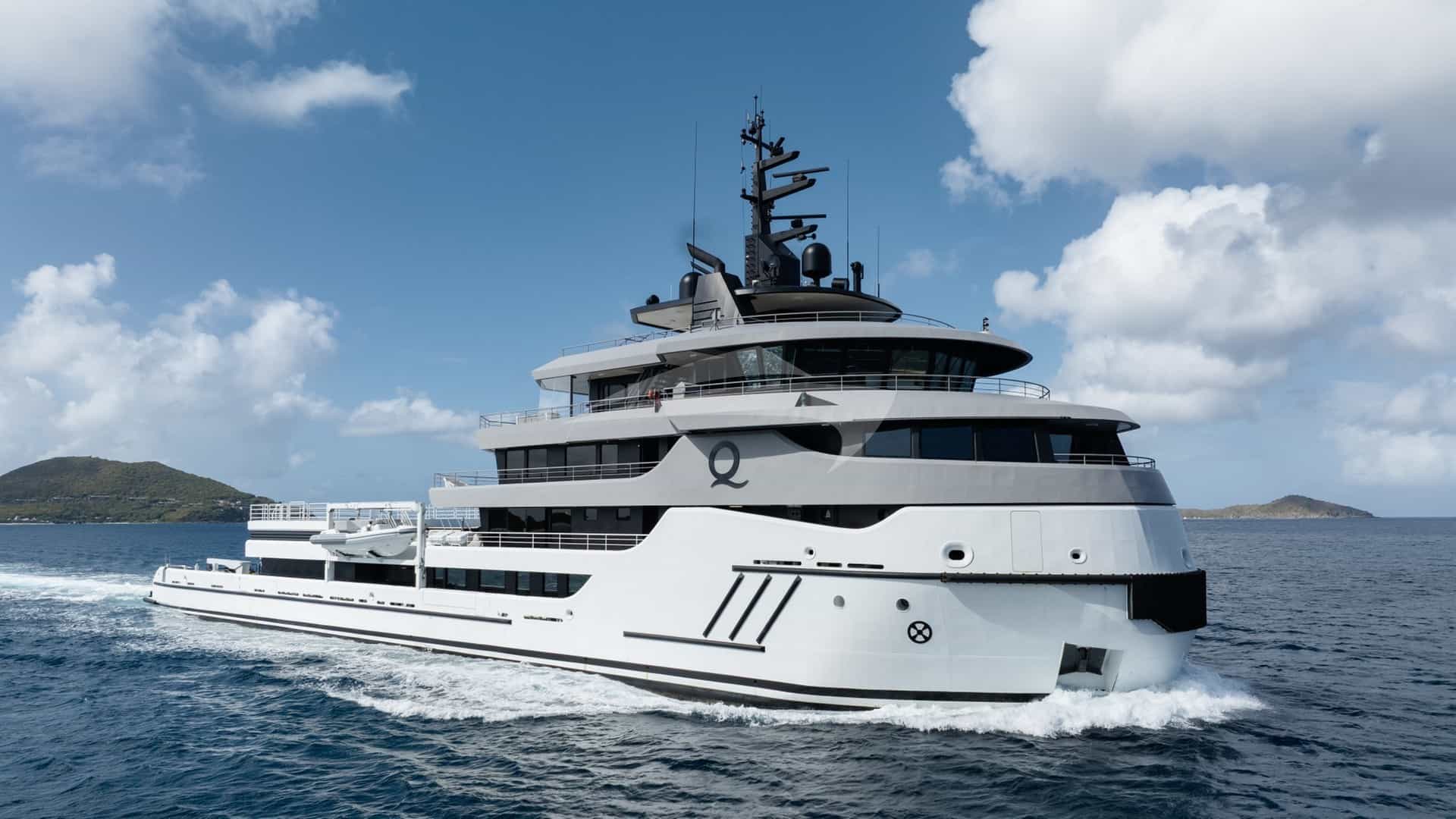
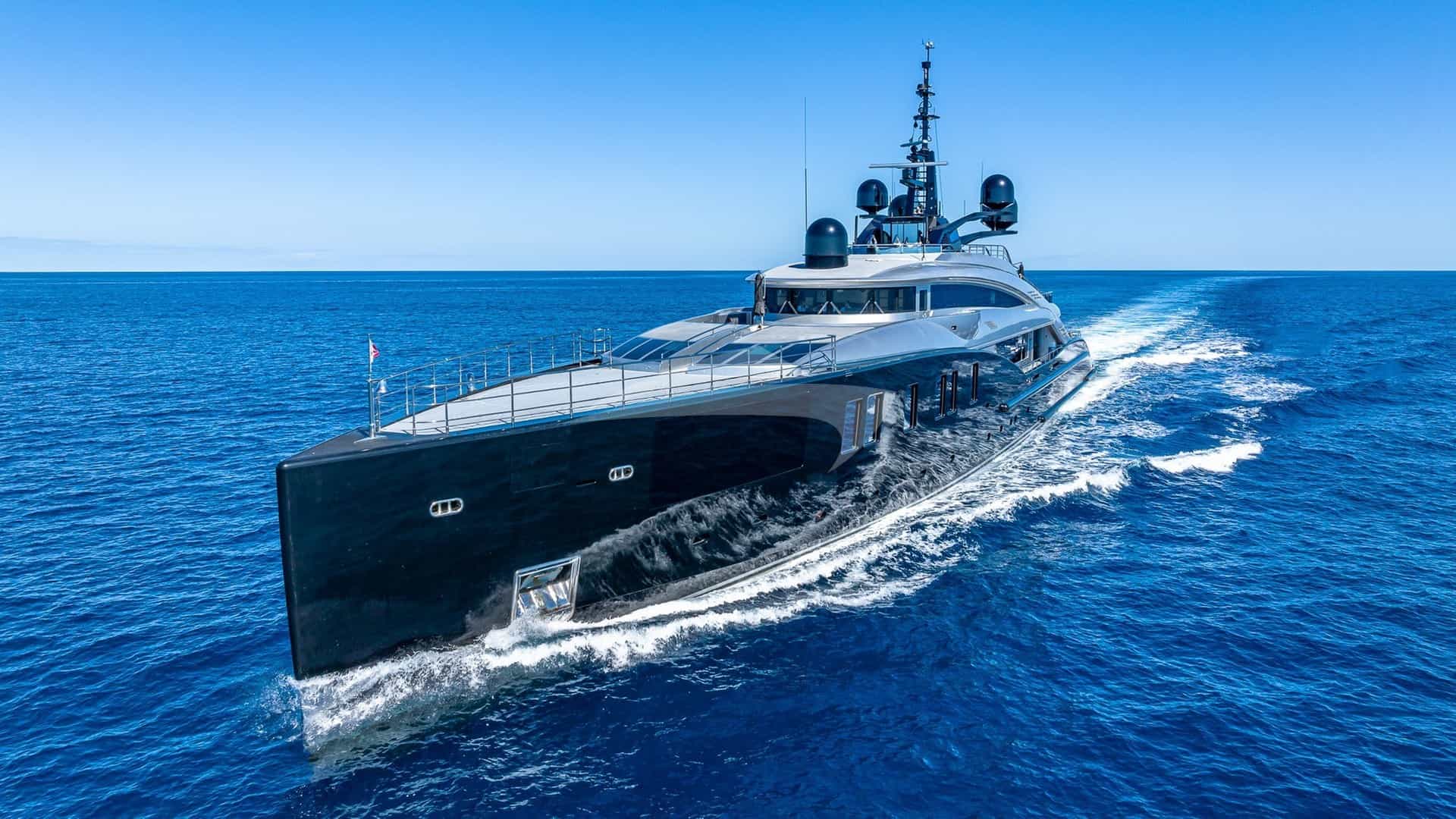
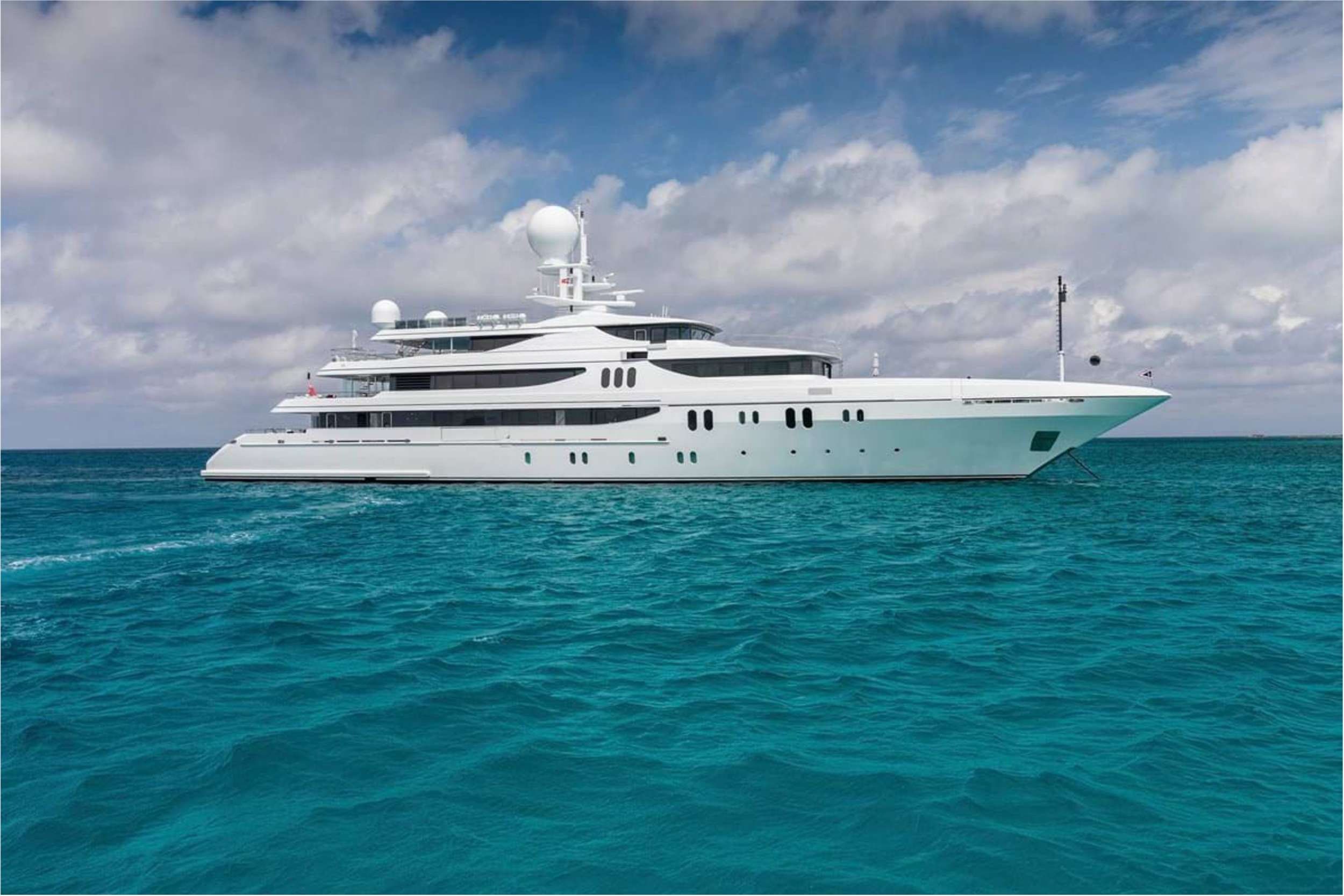
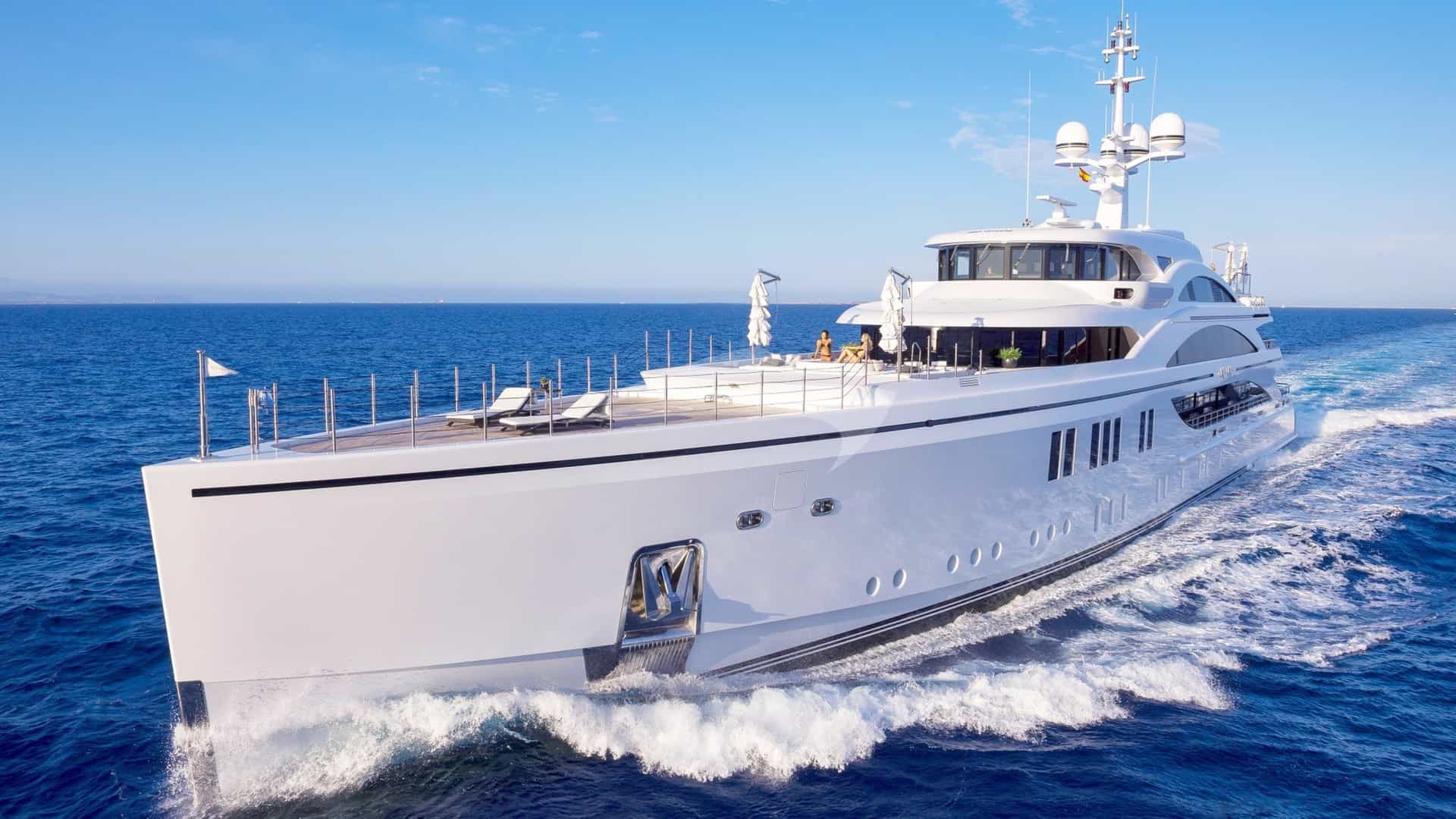
Yachts chartering in this region.
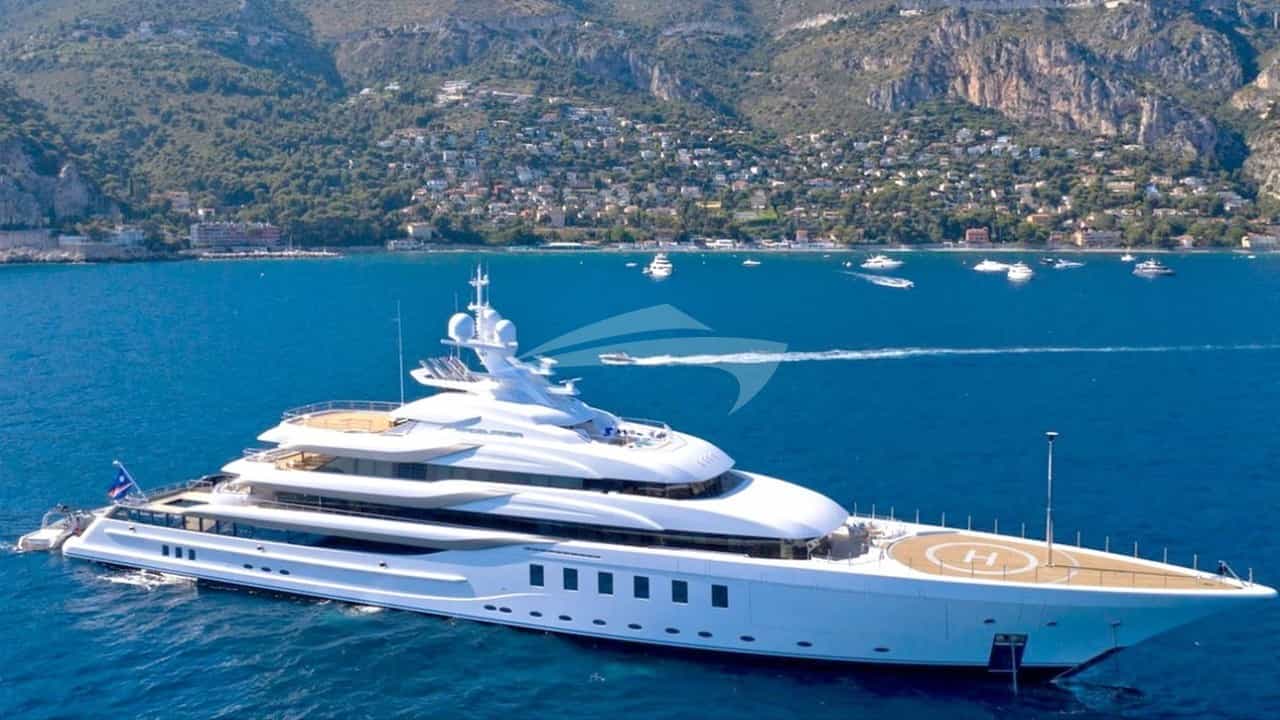
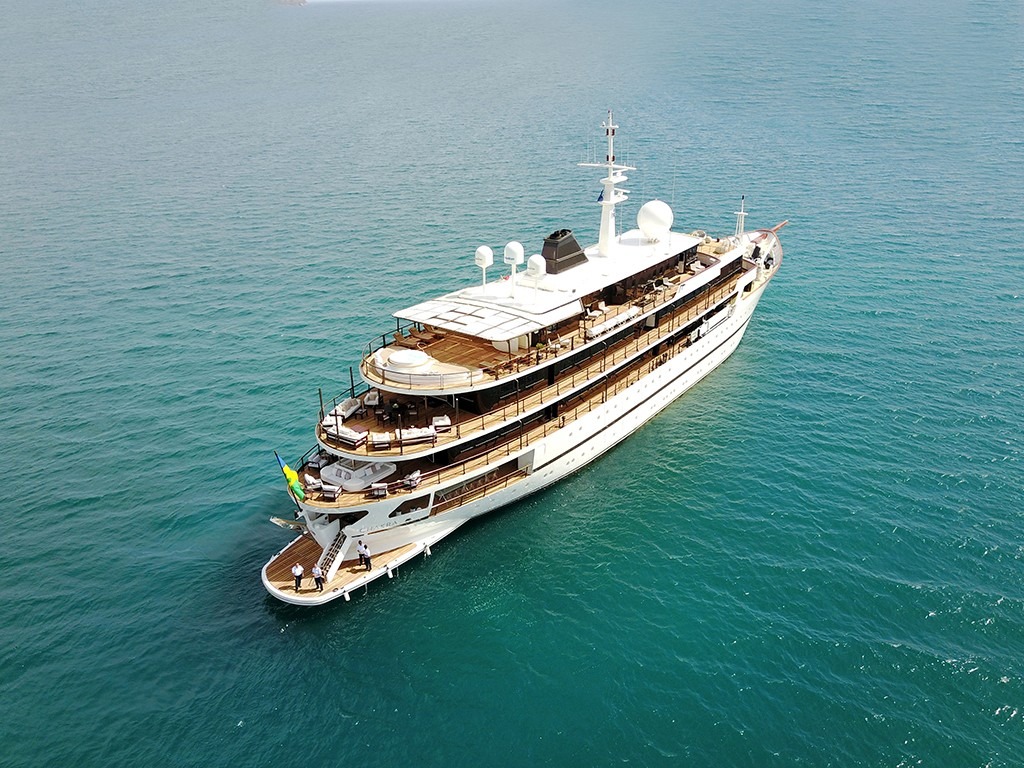
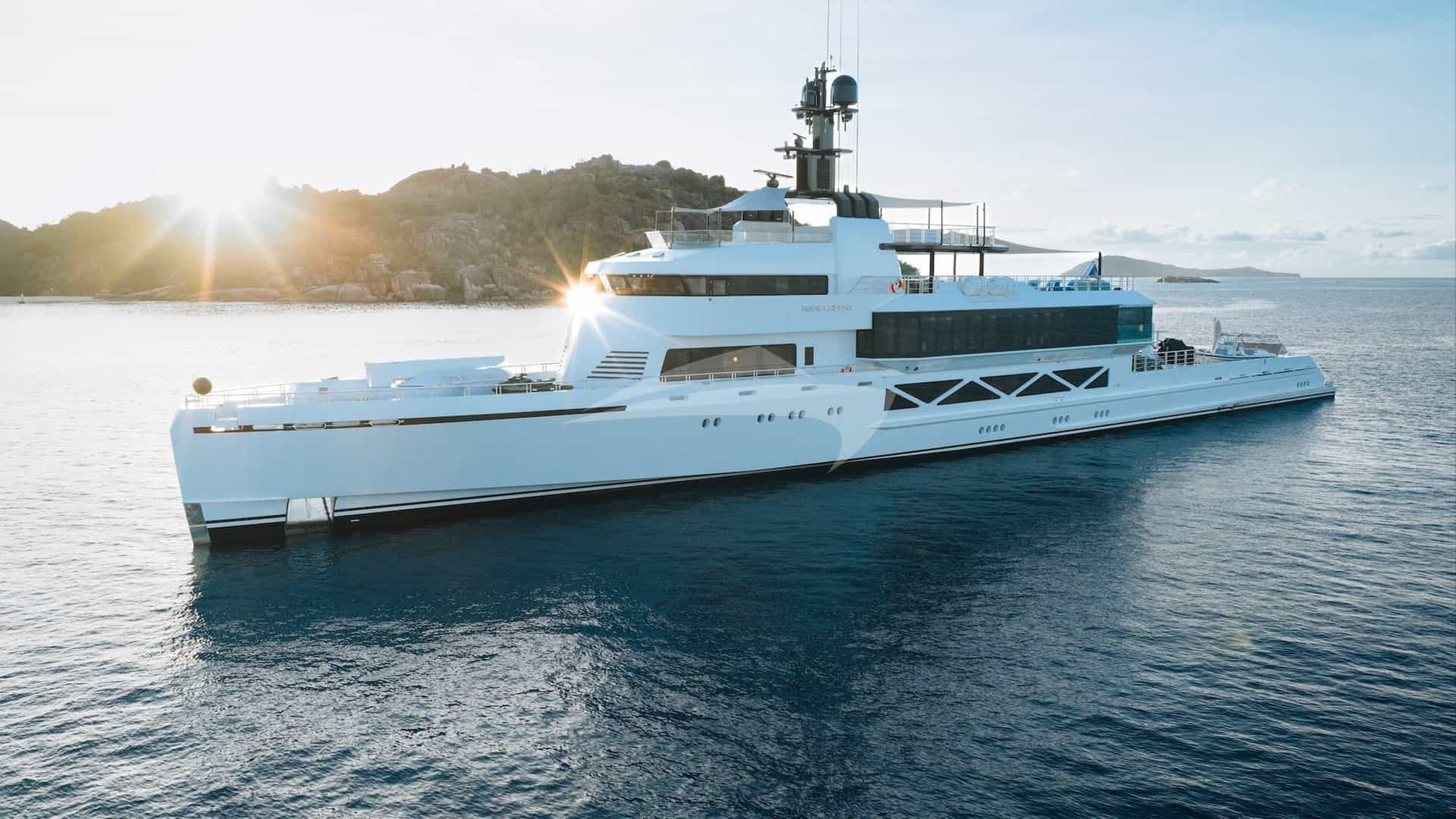
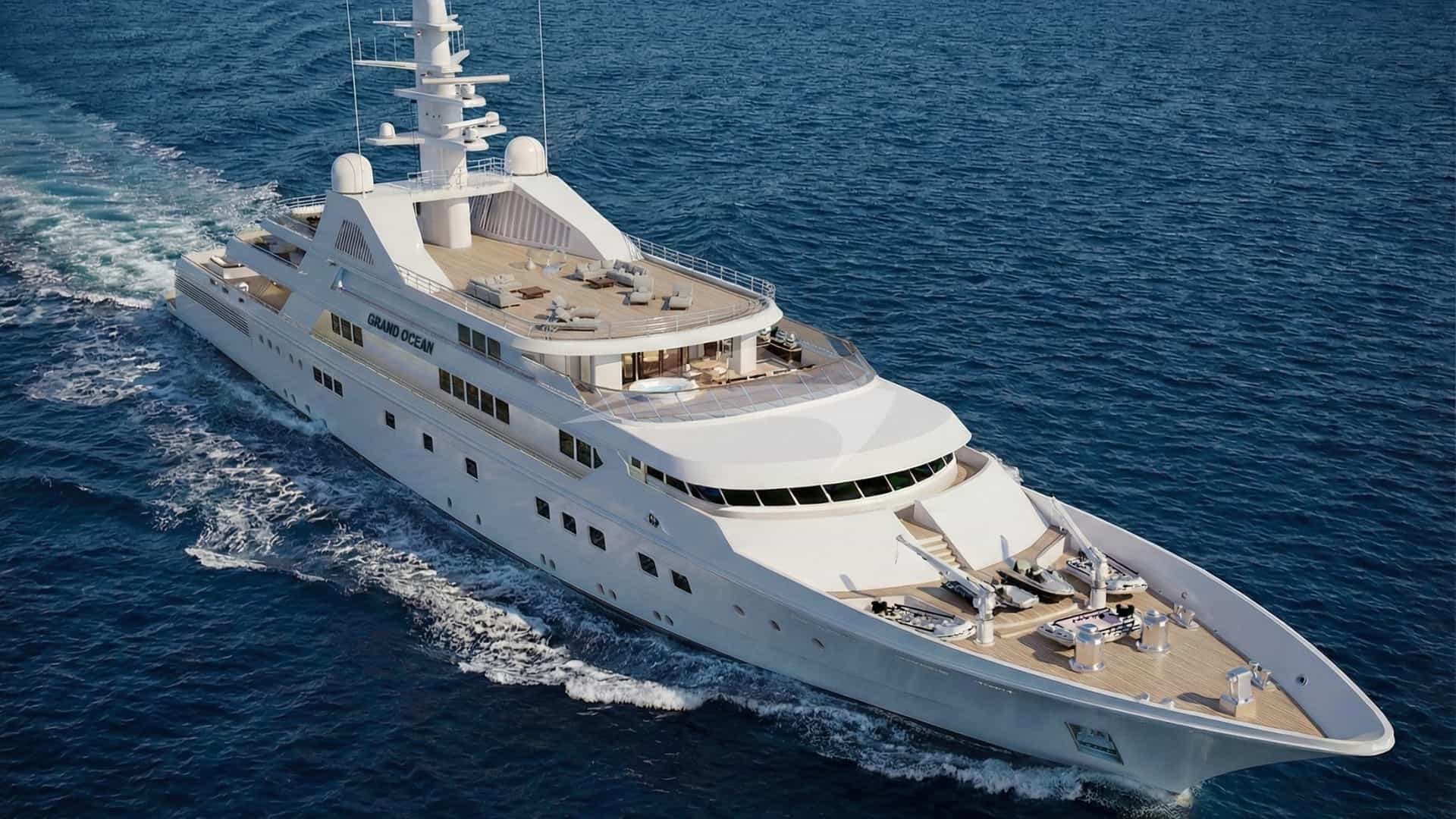
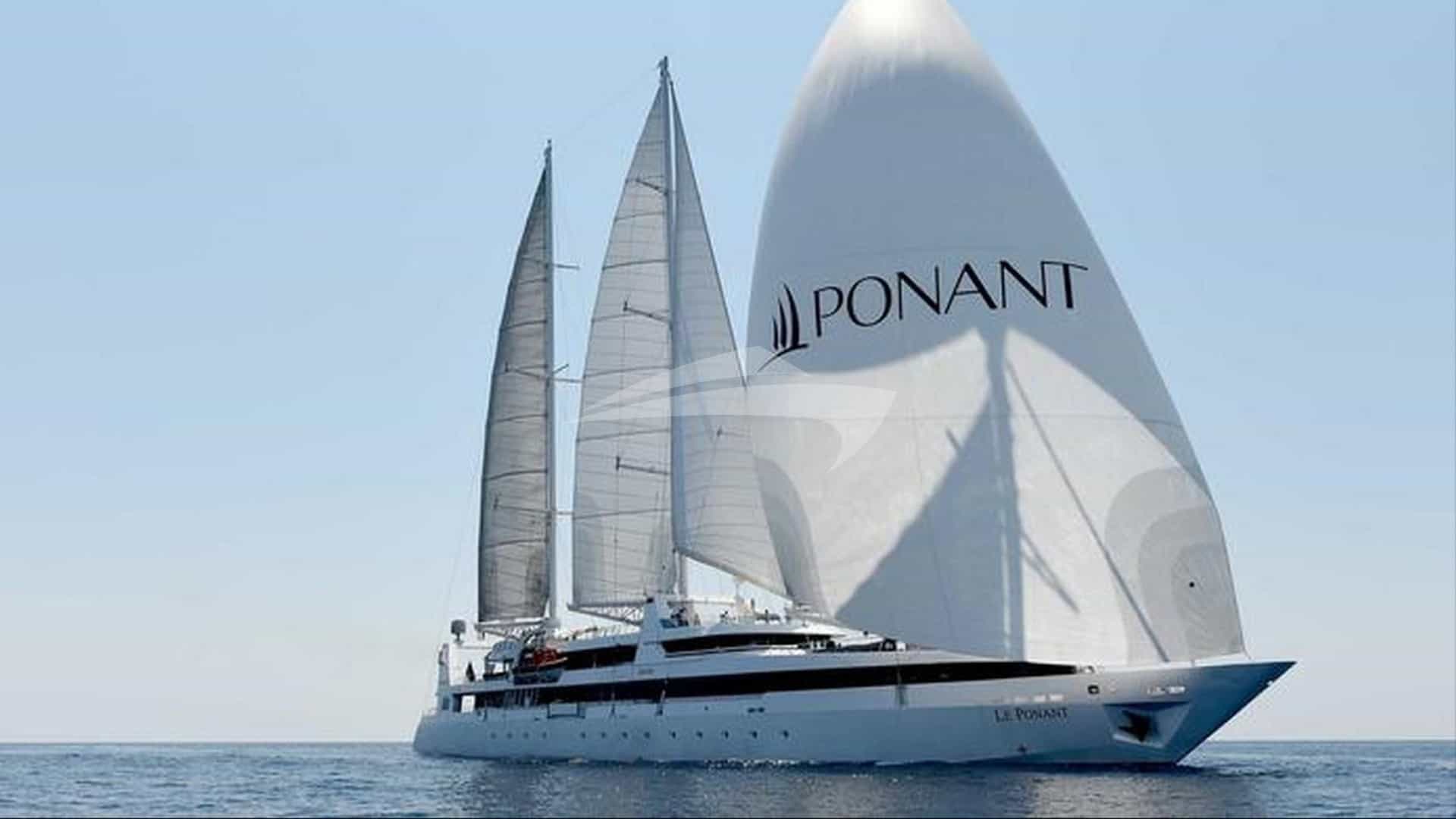
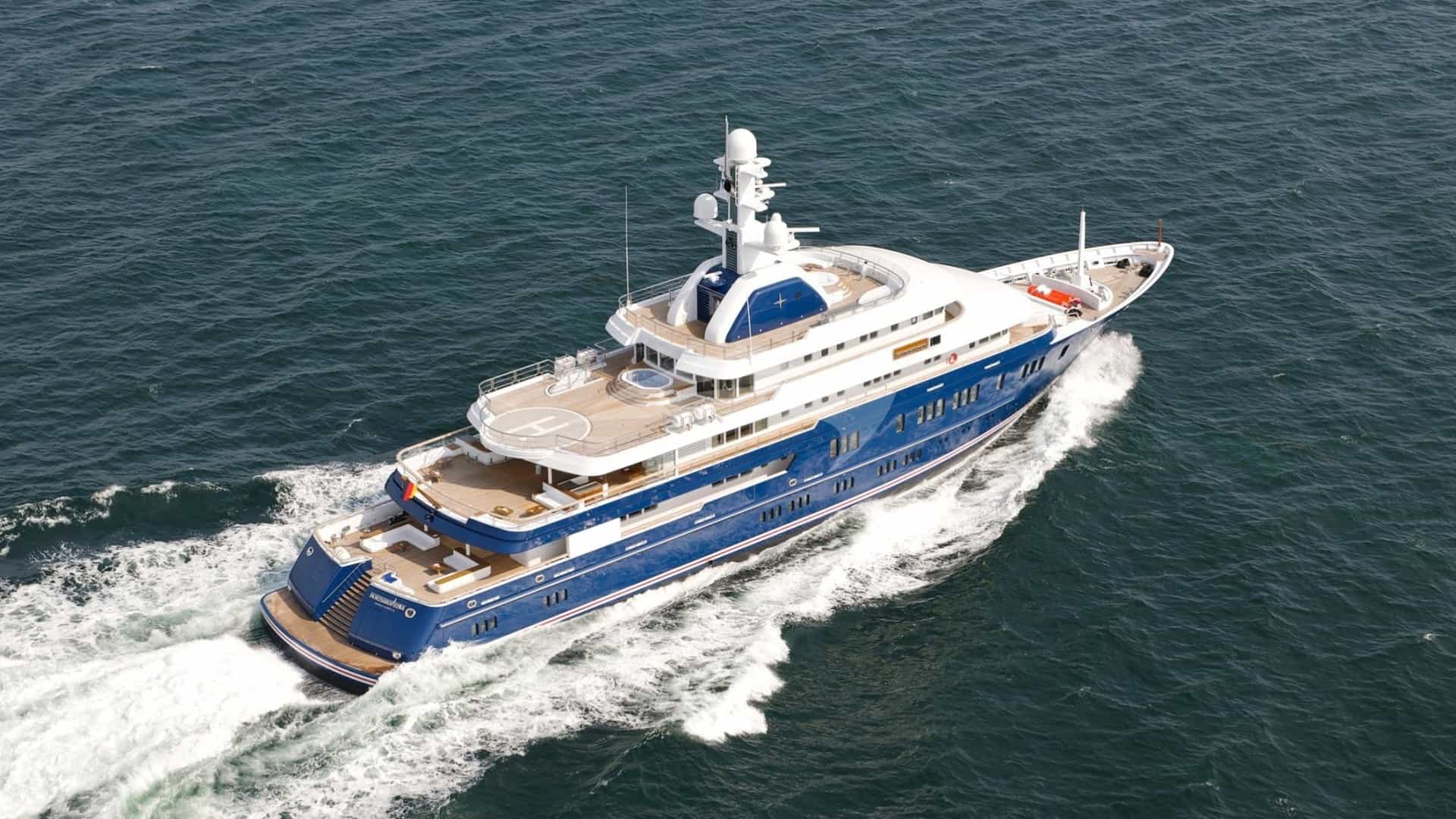
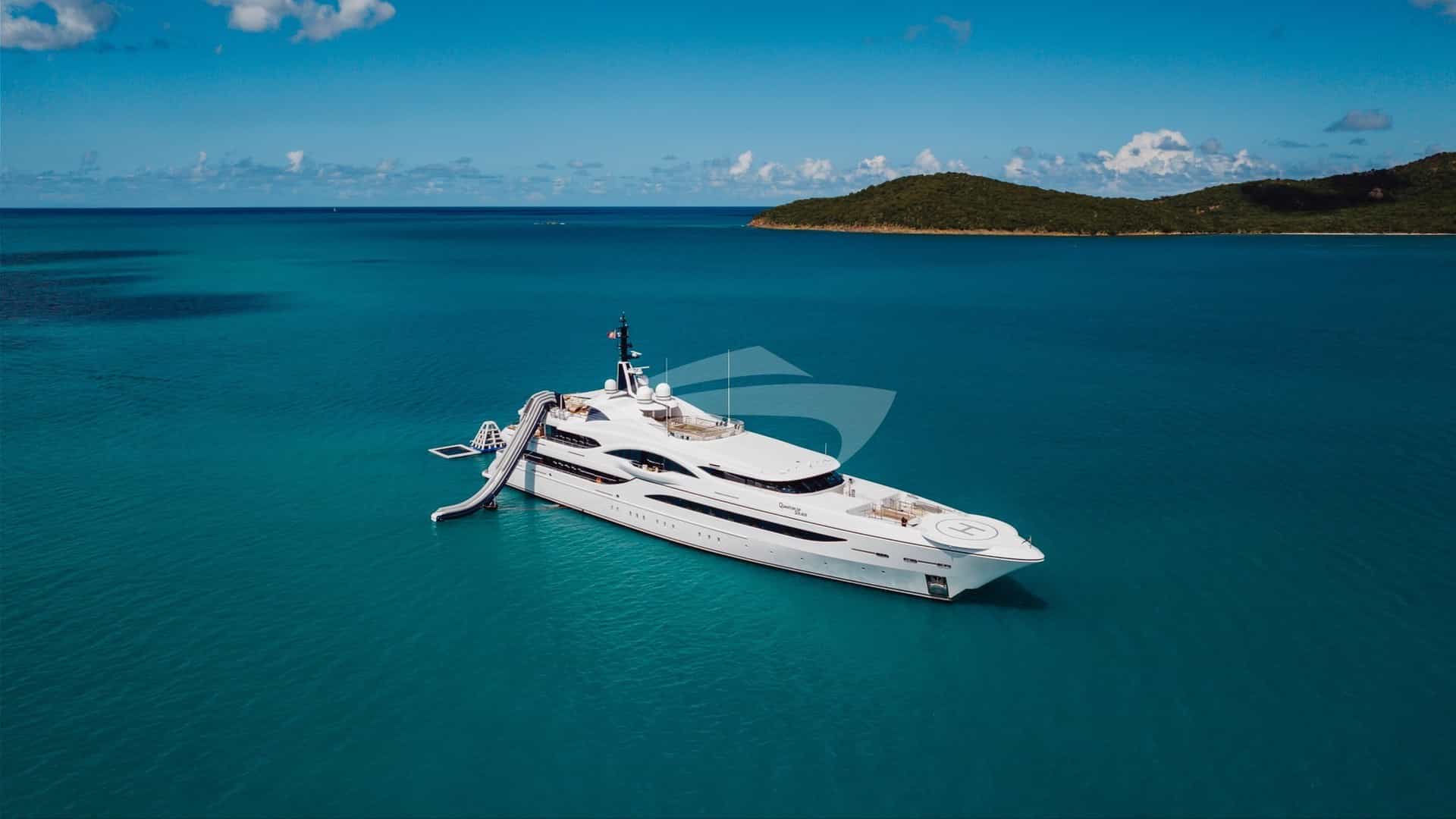
Selected from the wider Americas fleet.
Live pricing — charters from €38,500 / week

Things to do on your Patagonia charter.
From quiet anchorages to time ashore — a planning sample to adapt around the yacht, local conditions and verified availability.
- 01Onboard time
Swimming, dining and relaxation shaped around the facilities of the yacht selected
- 02Water activities
Use the water toys and sports equipment actually carried by the yacht, where local rules allow
- 03Shore visits
Add towns, beaches, restaurants or cultural stops when verified locally and available for your dates
- 04Private dining
Plan menus with the yacht's confirmed crew and the provisions available for the charter
- 05Flexible days
Keep the route responsive to weather, berth availability and the captain's operating decisions

Plan your week in Patagonia.
Share a few details and we will return a private yacht shortlist — availability, APA guidance and a clear next step — within one working day.
Enquire
Enquire for Patagonia
Tell us dates, party size and yacht style — we shortlist live availability with APA and door-to-deck before you fly.
Patagonia yacht charter FAQs.
How much does a yacht charter in Patagonia cost?+
What yacht type is suitable for Patagonia?+
When is the best time to charter in Patagonia?+
What is included in a crewed yacht charter in Patagonia?+
Can the Patagonia itinerary be customised?+
What entry or cruising requirements apply in Patagonia?+
Continue from here.
Why charter Patagonia with us.
Independent brokerage with live inventory, transparent pricing, and a concierge that works the coast before you step aboard.
- 01Speed
Real-time availability
Live availability feed across 2,000+ yachts — hold and confirm in hours, not weeks.
- 02Trust
100% best-price guarantee
We do not mark up the charter fee. The price you see is the operator's price.
- 03Integrity
Independent advice
Our recommendations follow the boat, not a commission — owners pay us, not introducing brokers.
- 04Craft
Concierge depth
Restaurants, transfers, private guides, helicopters and beach clubs handled long before you board.
Tell us your dates and party — we return three live options within the day.
Ready to charter in Patagonia?
Tell us your dates, party size and what makes a perfect day on the water. We reply within one working day with a curated shortlist and a transparent quote.
How our Patagonia guide is compiled.
Prepared by the Blue Ocean Club editorial team from the cited destination and charter sources available for this page. This page is maintained by the Blue Ocean Club charter desk — editorial content, not an independent certification.
- Experience
Destination intelligence coverage
This guide currently connects 59 charter yachts on record. Counts describe records available to the page, not first-hand visits or live availability.
- Expertise
Editorial provenance
Prepared by the Blue Ocean Club editorial team from the cited destination and charter sources available for this page.
- Authoritativeness
Where the facts come from
No curated citation set is attached to this destination yet. Unsupported source claims are not added as a fallback.
- Trust
Last data refresh
The underlying destination record was last refreshed 14 September 2026. A data refresh is not presented as a human verification event.
- Limitation
What we never state
We do not treat database inventory as live availability and do not present unverified operator pricing or operator terms as confirmed facts. Availability, rates, taxes, berth suitability and charter terms are confirmed for the specific enquiry.