The Nassau Turnaround: More Than Just a Fly-In
For years, the broker community has treated Nassau as little more than a logistical necessity—a convenient fly-in point with a deep-water harbor. Principals land at LPIA’s FBOs, step into a waiting transfer, and are whisked to their vessel, eager to clear the harbor and make for the "real" Bahamas. This is a strategic miscalculation.
Viewing Nassau merely as a transit point is like valuing a blue-chip stock only for its dividend. You miss the growth potential, the strategic assets, and the embedded optionality. A well-planned charter based from Nassau leverages its world-class infrastructure to create a more efficient, luxurious, and dynamic itinerary. It's time to re-evaluate the asset. The play isn't to get away from Nassau, but to pivot from it with maximum efficiency.
The Strategic Hub: Why Base Out of Nassau?
Three factors make Nassau the premier charter hub in the Bahamas: Airlift, Provisioning, and Berthing Infrastructure.
-
Airlift: Lynden Pindling International Airport (NAS) is the only game in town for reliable, all-weather, wide-body private aviation access. Daily direct flights from New York, London, Toronto, and Miami mean principals and guests can arrive and be onboard within 90 minutes. Trying to land a G650 on a small Out Island airstrip in a crosswind is a non-starter. The FBOs here—led by Odyssey Aviation and Jet Nassau—operate at a global standard. Guest changeovers are seamless.
-
Provisioning: The belief that you must pre-load every last bottle of Solaia from Florida is outdated. Nassau's top-tier provisioners (think BWC, The Larder) can source almost anything on 48 hours' notice. Fresh stone crabs, USDA Prime beef, specific vintage Champagne—it's all available. This allows for a more dynamic charter. Mid-week guest preference changes? A new shipment can be flown to an Out Island or met by a fast tender. This isn't possible when you're 100 nautical miles deep in the Exumas with provisions dwindling.
-
Technical & Medical Support: If a stabilizer fin acts up or a guest needs a physician, you want to be within a two-hour cruise of Nassau, not a two-day one. The proximity provides a critical safety and operational net that sophisticated charterers value.
Marina Tiers: From Sovereign Berths to Boutique Slips
Where you tie up in Nassau speaks volumes. The options partition clearly by objective.
The 7-Day Playbook: An Itinerary Framework
This is a proven, flexible framework. It balances proximity to the Nassau hub with the seclusion clients demand. It assumes a motor yacht in the 120-180ft range, cruising at 14 knots.
-
Day 1: Arrival & Local Decompression
- 15:00: Principal and guests arrive at Odyssey Aviation, are cleared, and transferred to the yacht at Albany or Hurricane Hole.
- 16:00: Welcome cocktails onboard. Unpack. Settle in. The crew manages luggage.
- 18:00: Short sunset cruise west of the harbor. Anchor off a quiet, unnamed beach for privacy.
- 20:00: First night dinner onboard. A meticulously planned meal allows for a relaxed entry into the charter experience without the pressure of a shore-side reservation.
-
Day 2: The Rose Island Shakedown
- AM: A short 4 NM cruise to Rose Island. This is the perfect first anchorage. Anchor on the western side. The water is a predictable, dazzling turquoise.
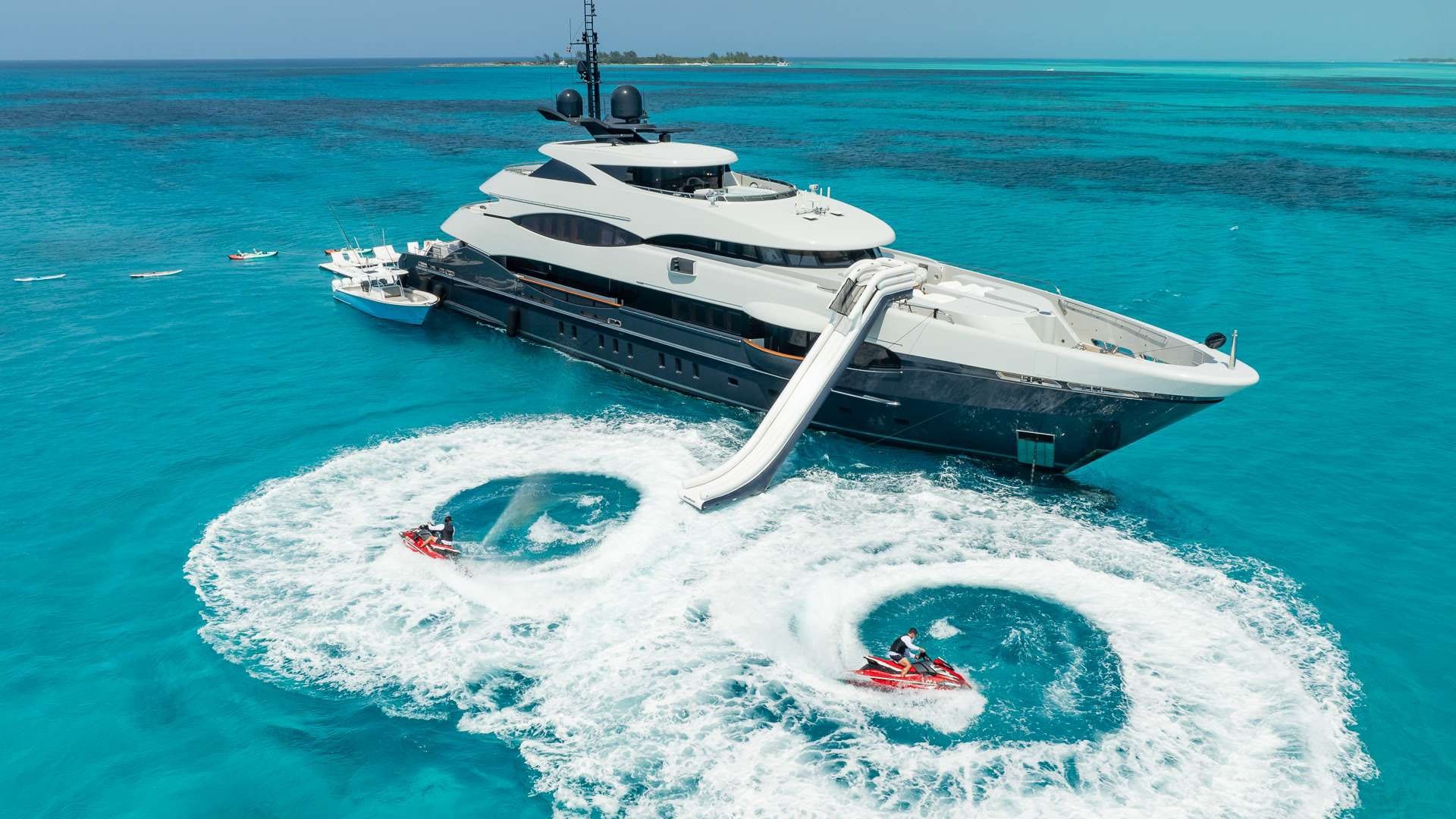
- PM: Tender and jet ski operations commence. The crew sets up a private beach club experience on a deserted stretch of sand—umbrellas, chairs, bar, music. This is the "wow" moment. Lunch is served on the beach.
- Evening: Casual dinner onboard. The city lights of Nassau provide a distant, glittering backdrop. It feels remote, but support is minutes away.
-
Day 3: The Leap to the Exumas
- AM: Pre-dawn departure. While guests sleep, the yacht makes the 35 NM run to the top of the Exuma chain.
- 09:00: Arrive at Highbourne Cay. The contrast is immediate—the water clarity intensifies. Anchor off the western beach.
- PM: Visit the famous Allen's Cay to see the rock iguanas (from the tender—don't go ashore unless you want a fine). Later, a high-speed tender run to the "washing machine" drift dive/snorkel at Stromatolite Reef.
- Evening: Dinner reservations at Highbourne Cay Marina's Xuma restaurant. It’s a sophisticated, elevated experience in a barefoot setting.
-
Day 4: Norman's Cay & The Sunken DC-3
- AM: A short hop south to Norman's Cay. Anchor near the infamous sunken drug plane, a phenomenal snorkeling site.
- PM: Take the tenders to explore the shallow interior waterways. Find a sandbar appearing on the falling tide and set up for cocktails. This is quintessential Bahamas.
- Evening: Quiet anchorage. The stars here, free from light pollution, are staggering. It’s a prime opportunity for an astronomy-themed dinner on the sundeck.
-
Day 5: Eleuthera Pivot
- AM: Instead of pushing deeper and burning fuel, pivot northeast to Eleuthera. Cruise to the chic, understated Harbour Island.
- PM: Anchor off and take the tender into the bay. Guests can rent golf carts to explore the clapboard cottages of Dunmore Town. Lunch at Sip Sip or The Dunmore's beach club. Walk the famous Pink Sands Beach.
- Evening: Return to the yacht for dinner, or for principals wanting the full experience, a reservation at The Landing.
-
Day 6: Return & Refinement
- AM: A leisurely cruise back towards Nassau. Anchor off the eastern, uninhabited side of Athol Island. One last swim in pristine water.
- PM: A final afternoon of water sports. The crew can stage a "beach olympics" or a more relaxed floating bar setup.
- Evening: Cruise back to the marina (Albany or Hurricane Hole). A final, spectacular dinner onboard. This allows guests to pack and prepare for departure without feeling rushed. A shore-side option: Dune at The Ocean Club, A Four Seasons Resort, for its unbeatable clifftop views.
-
Day 7: Departure
- AM: A relaxed final breakfast onboard.
- 10:00: Seamless transfer to LPIA for departure. The crew has already handled the luggage. The turnaround is frictionless.
Asset Selection: The Right Tool for the Job
-
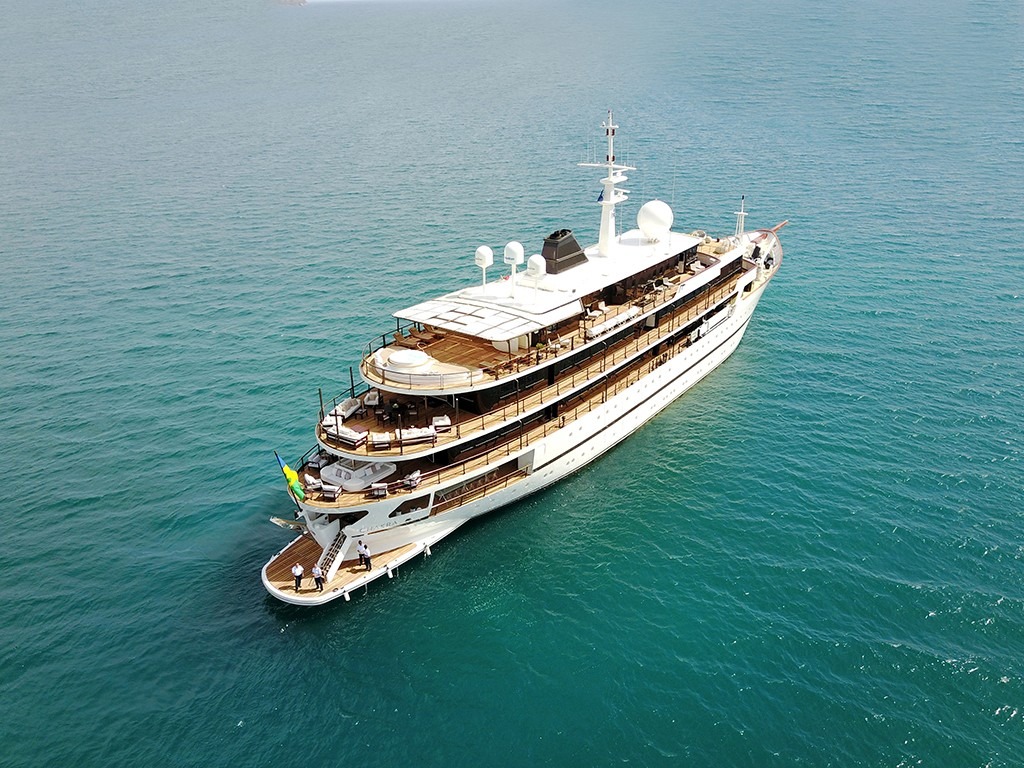
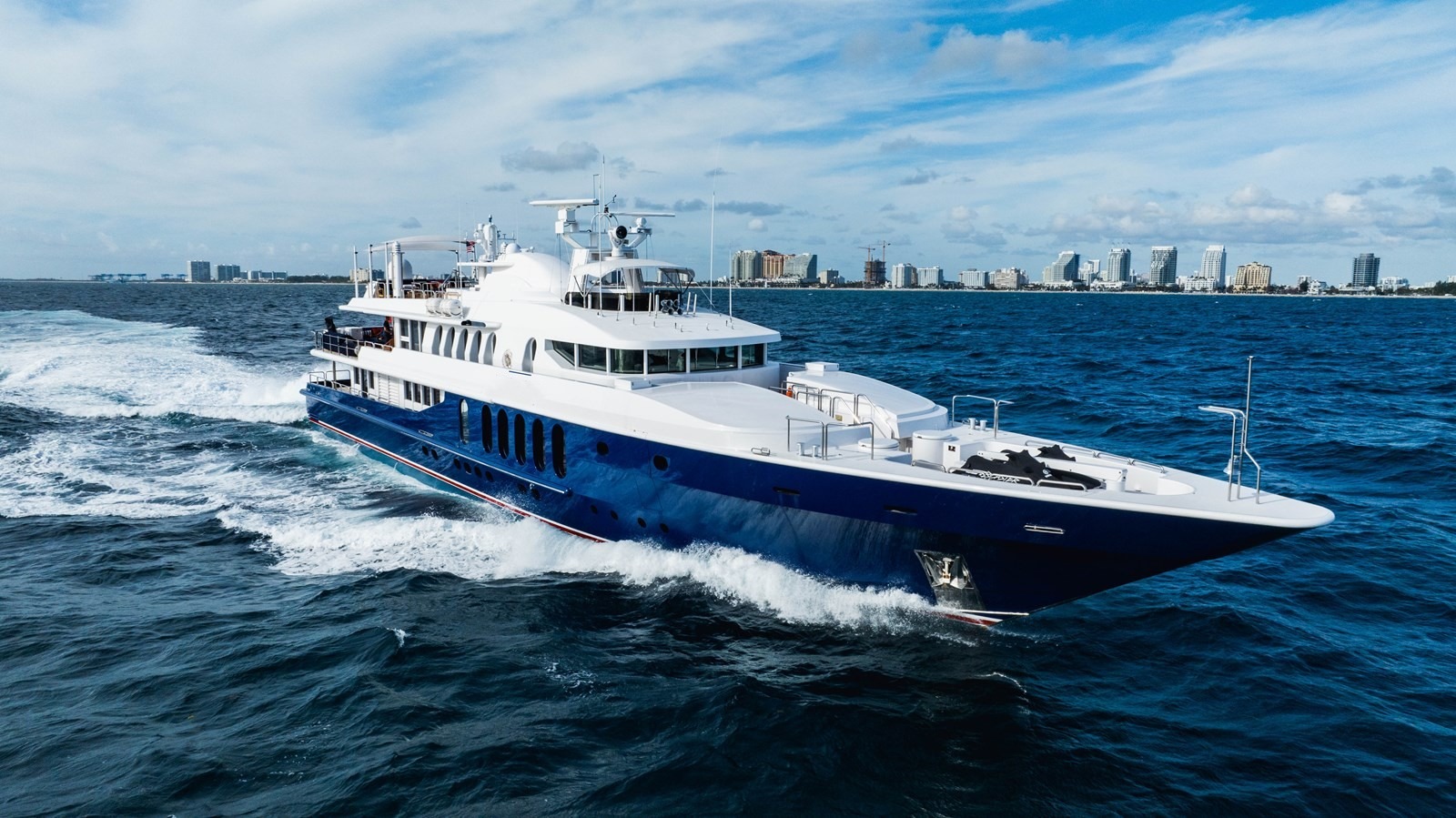
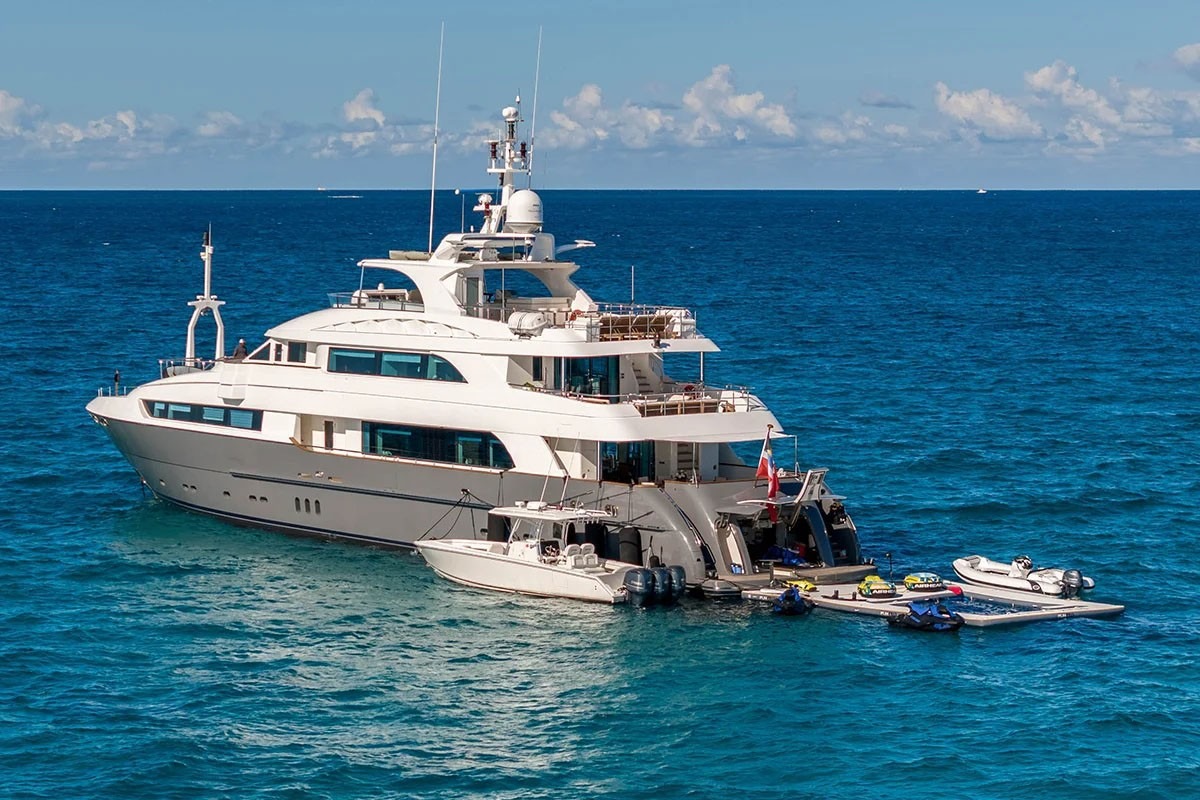
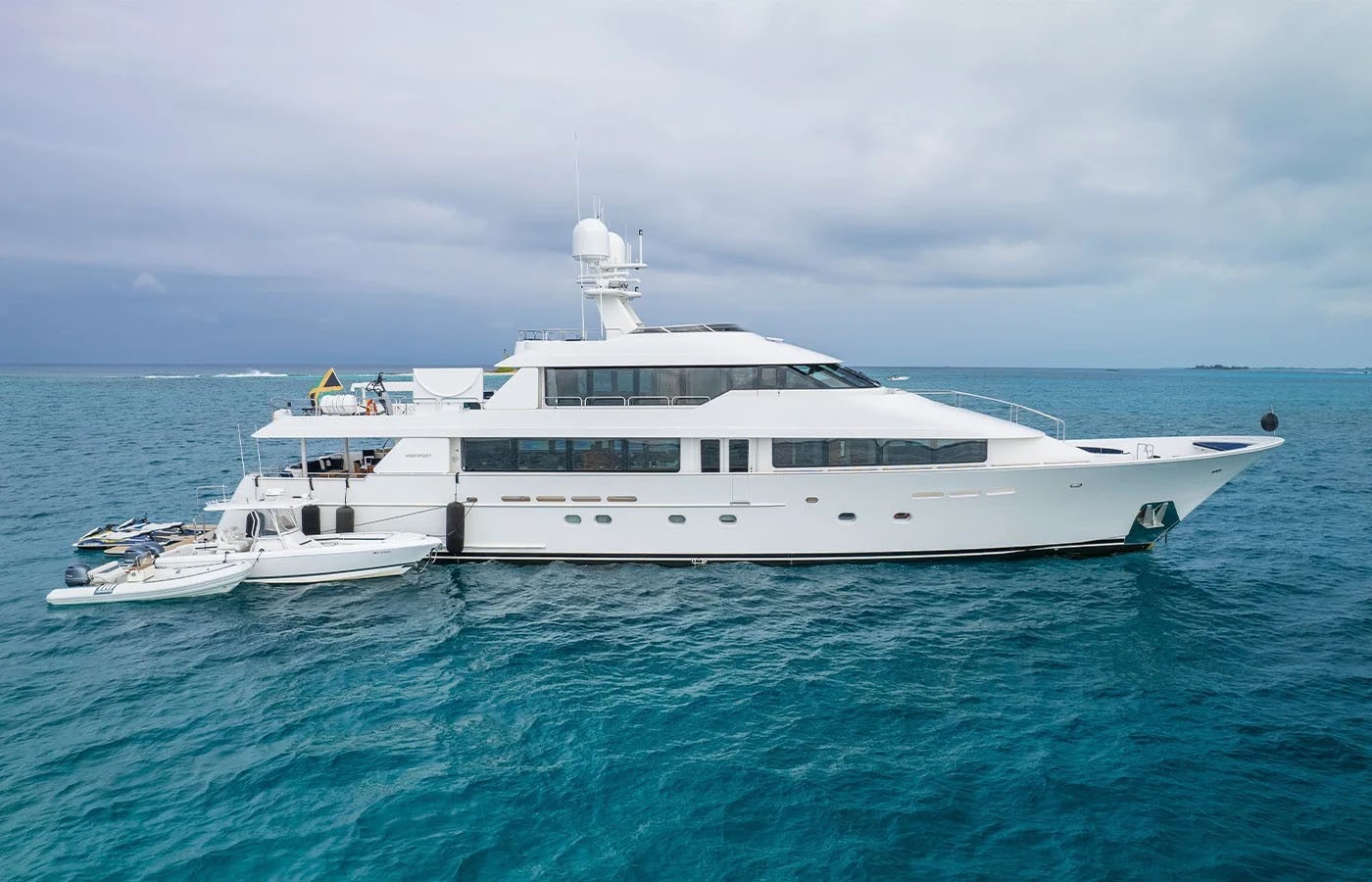
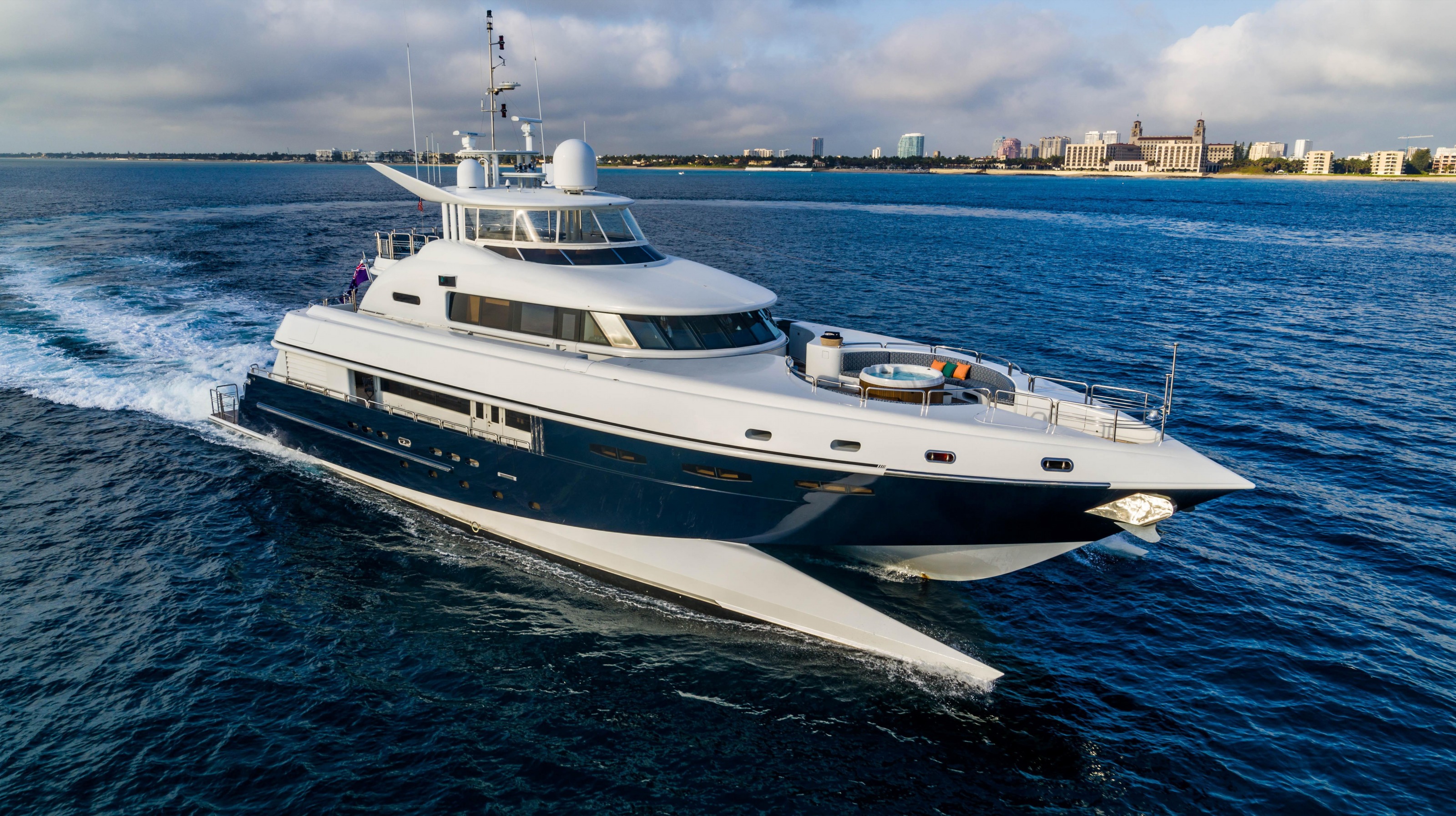
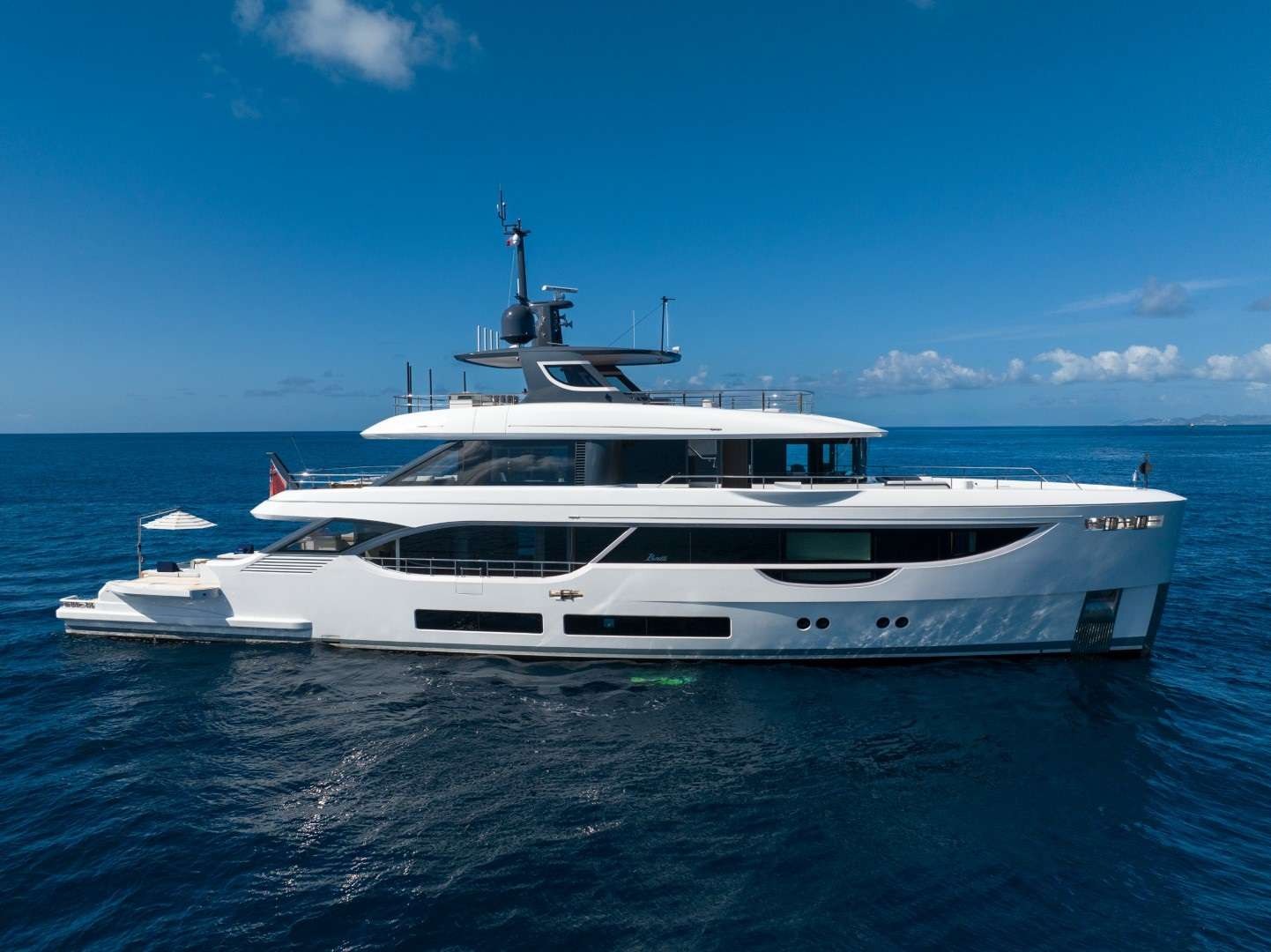
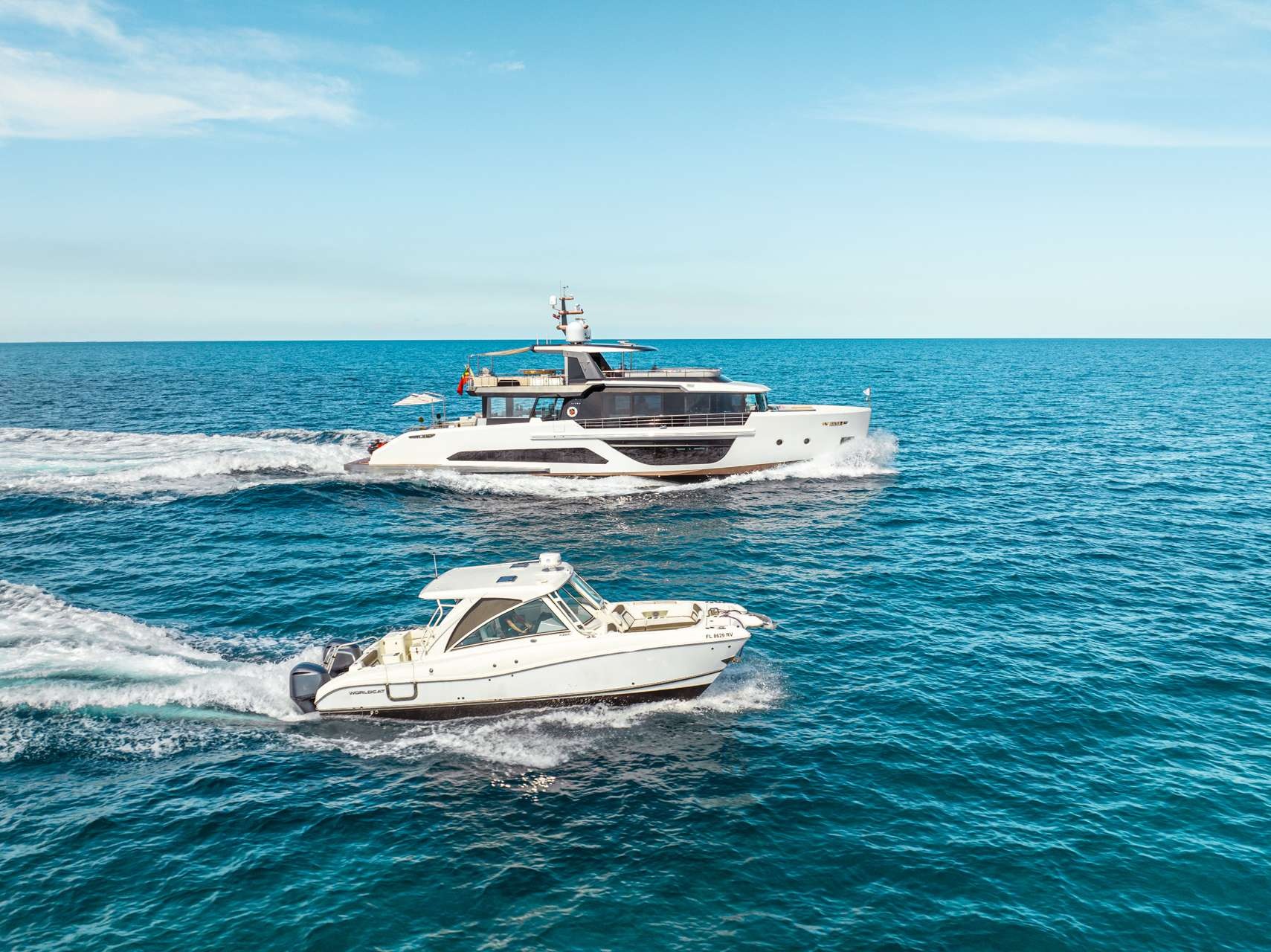
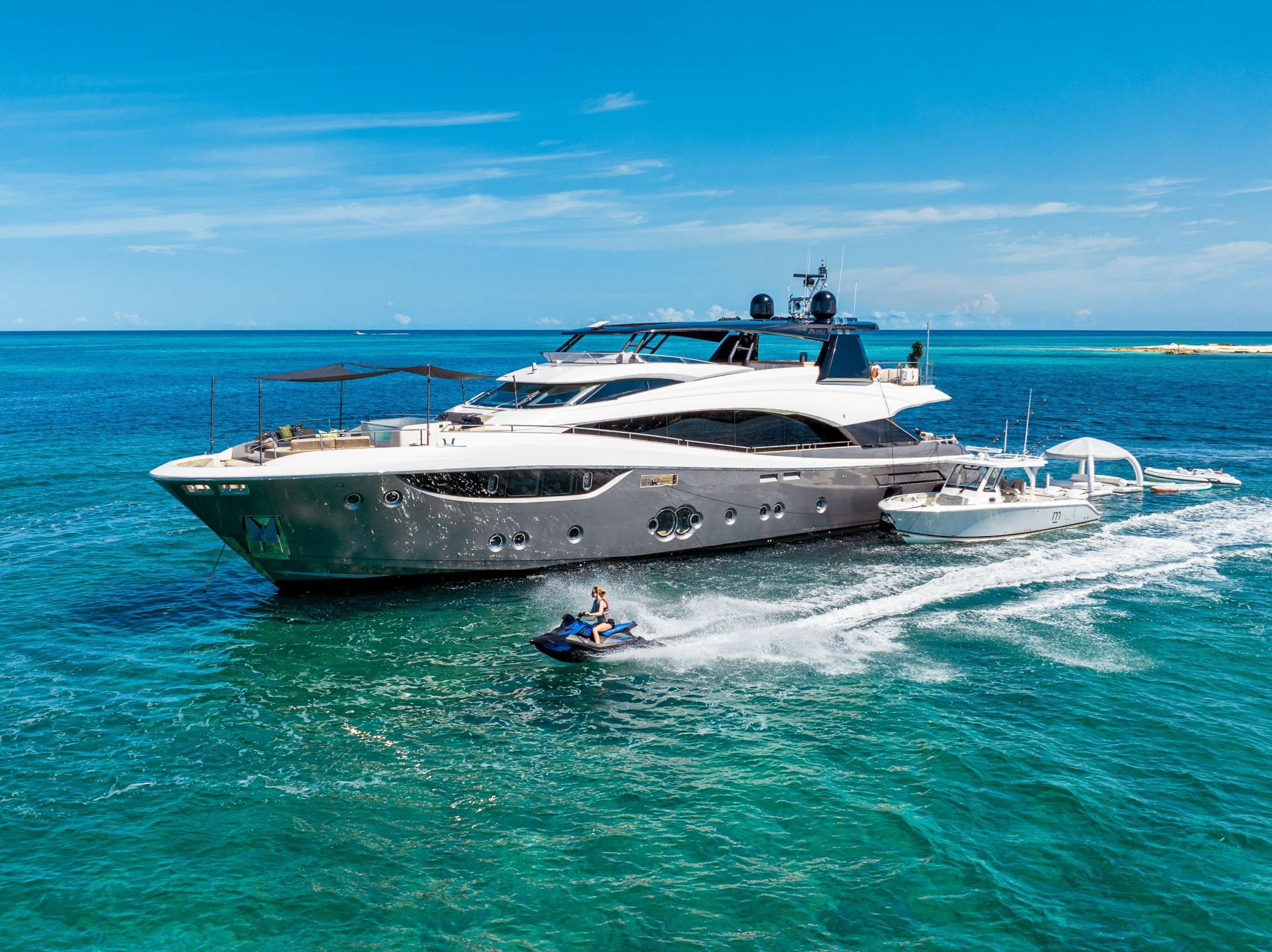
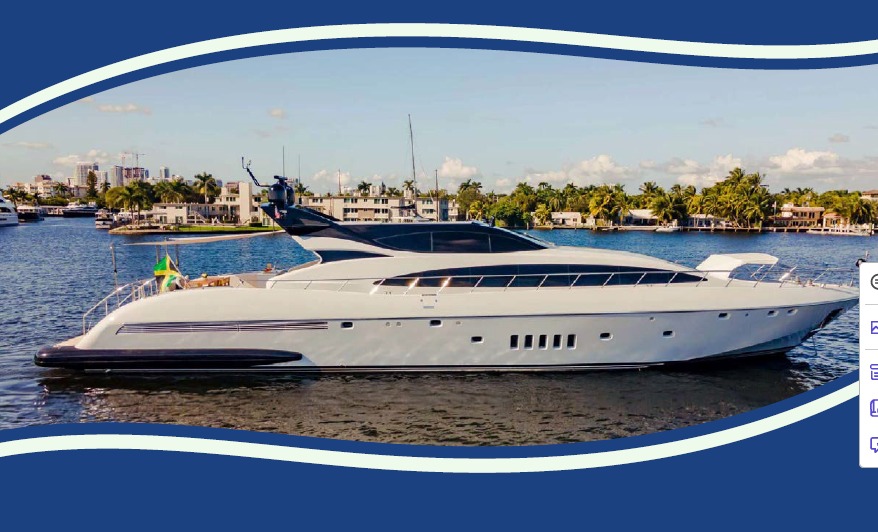
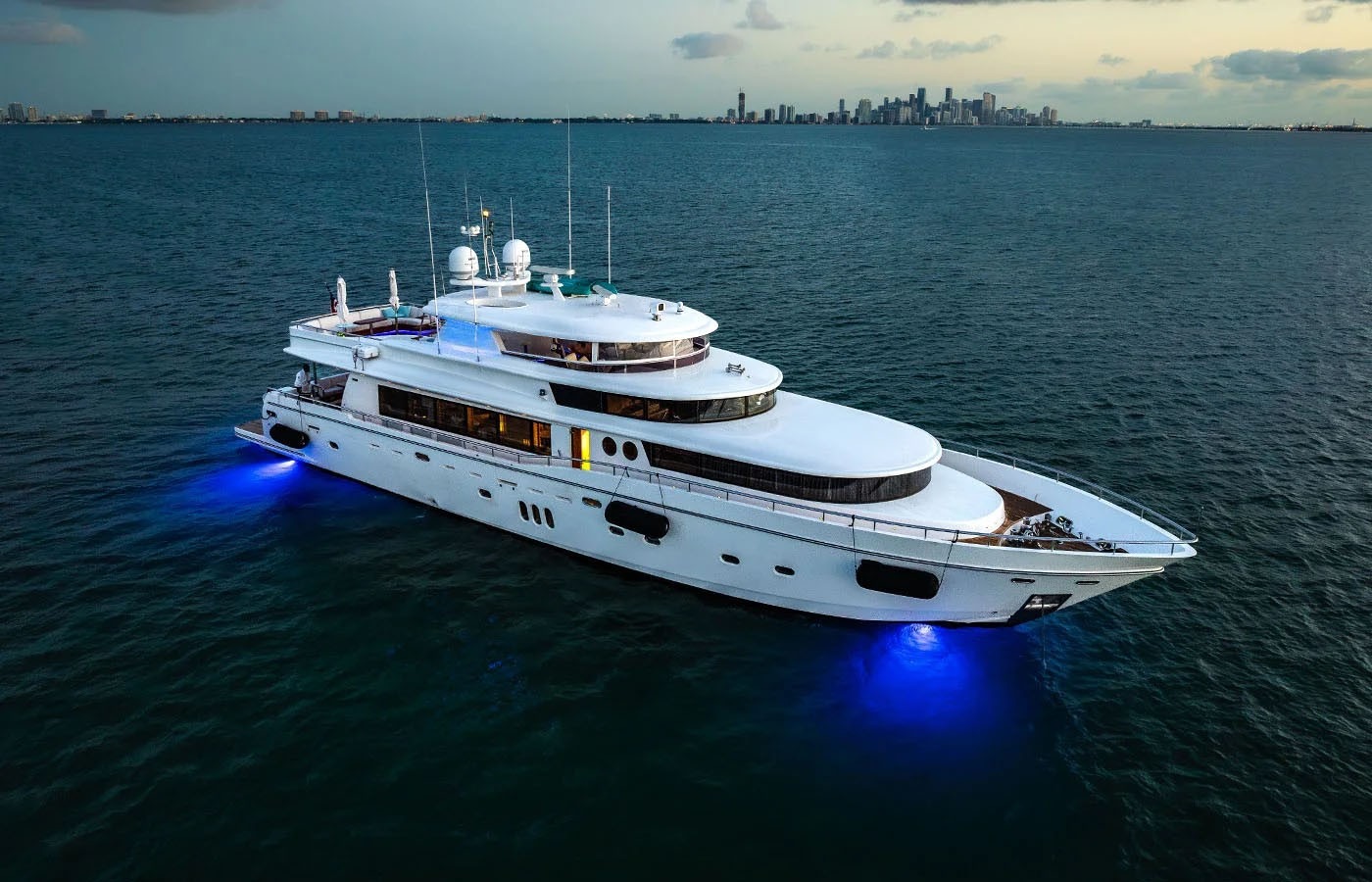
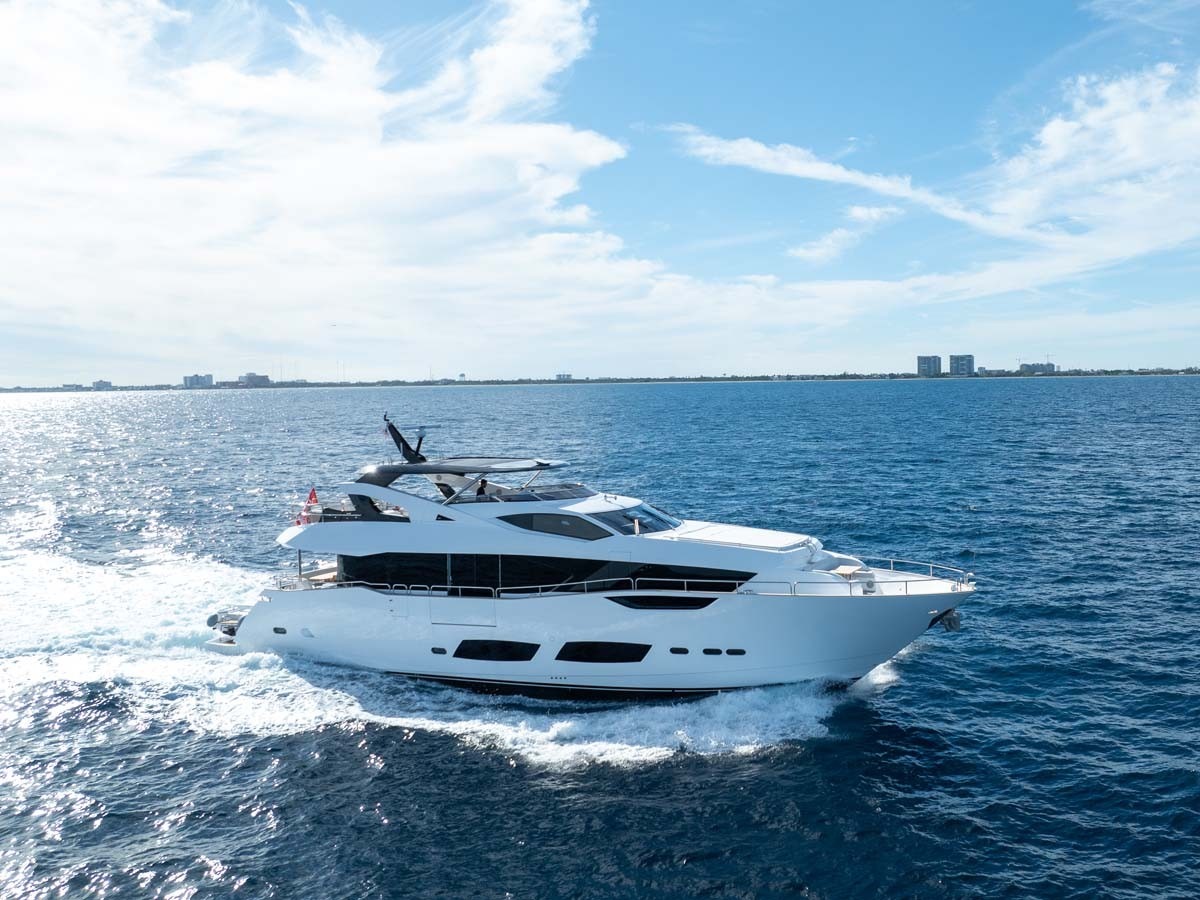
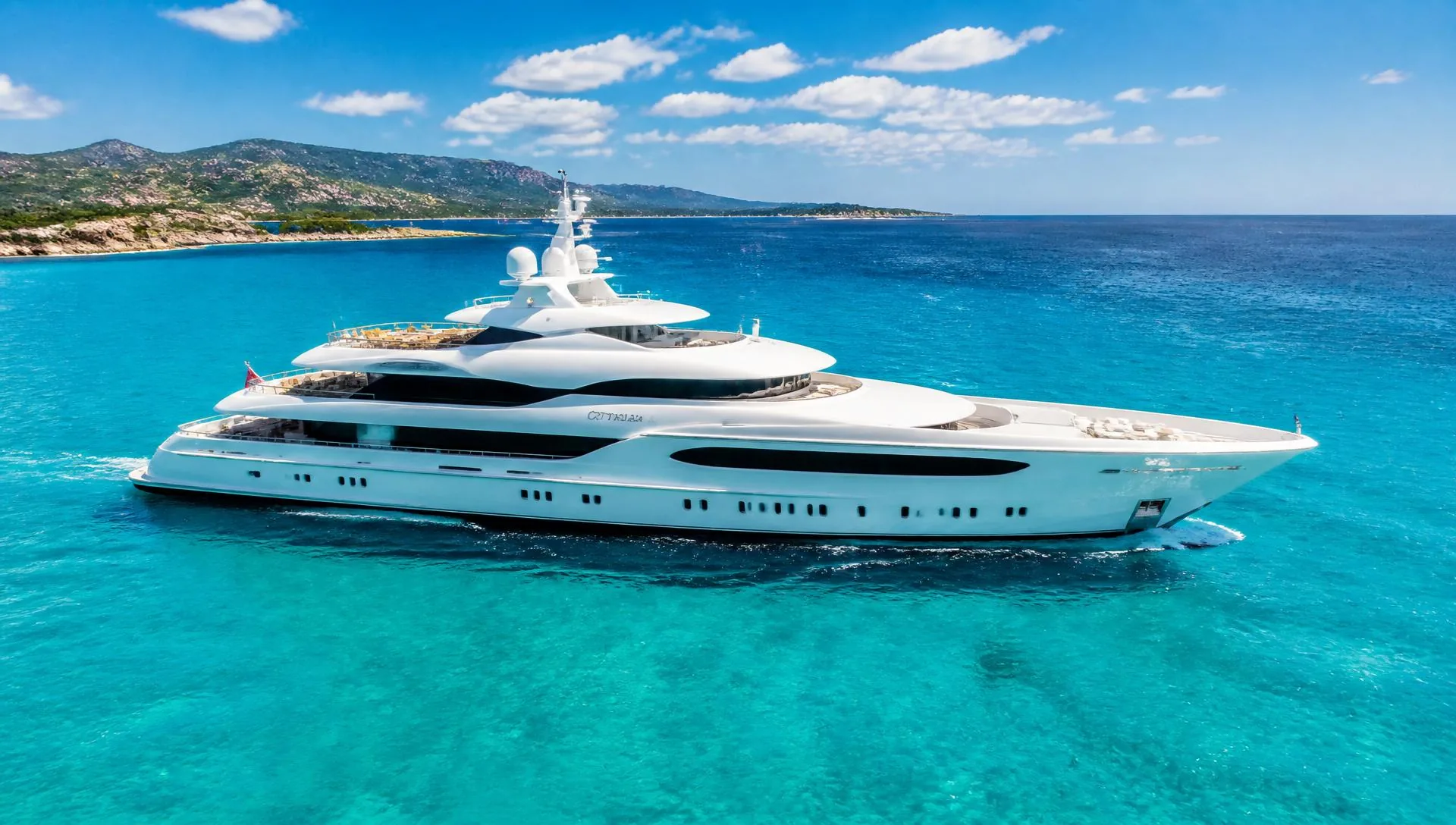
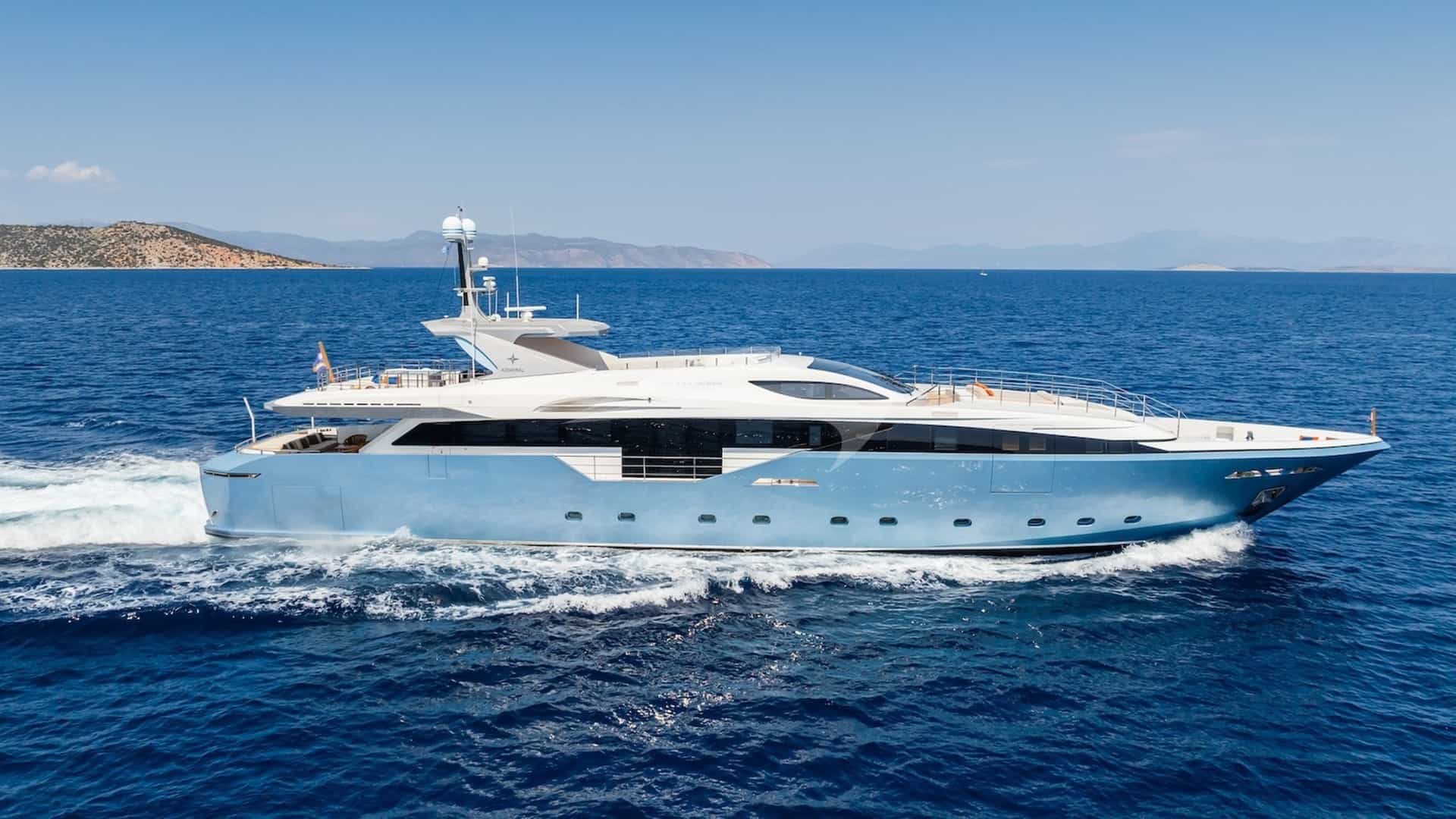
Motor Yachts (120-180ft / 35-55m): This is the sweet spot. They offer the speed to make the Exuma run comfortable, the deck space for entertaining, a significant tender and toy garage, and a draft (usually under 8ft/2.5m) that can still access prime anchorages. A yacht with a robust, high-speed tender (30ft+ center console) is a massive force multiplier here.
-
Sailing Yachts (100ft+): While romantic, the realities of a 7-day charter make them less practical for this itinerary. The time spent under sail eats into time at anchor. However, for a principal whose primary joy is the journey, a large modern sloop (think a Baltic or a Swan) can be a magnificent platform, particularly for Eleuthera-focused trips.
-
Catamarans (60-80ft): Excellent for their shallow draft and stability at anchor. They can access places many monohulls cannot. The trade-off is often in overall luxury finishes and crew service standards compared to a larger motor yacht, but for families and more casual groups, they are an outstanding option.
The Numbers: 2026 Budgeting & Operational Realities
-
Charter Rates (Weekly, approx. for 2026):
- 80-100ft Motor Yacht: $90,000 - $150,000 + APA
- 120-150ft Motor Yacht: $180,000 - $350,000 + APA
- 160-200ft Motor Yacht: $350,000 - $600,000+ + APA
-
APA (Advanced Provisioning Allowance): Budget for 35-40%. The Bahamas is not the Med. Distances are greater, and fuel burn on passages to/from the Exumas is significant. This higher percentage is standard and necessary. Do not let a broker quote 30% unless the itinerary is strictly local.
-
Taxes & Fees: The Bahamas imposes a 10% VAT on the charter fee. There is also a 4% Port Department fee. This is a non-negotiable 14% on top of the base rate.
-
Weather Window: The prime season is November through May. June to October is hurricane season. While charters can happen, the insurance, risk profile, and unpredictable weather make it inadvisable for a principal's primary vacation. The "Christmas Winds" in December/January can be strong; a capable, stabilized yacht is essential.
Crew & Provisioning: The Human Element
The value of Nassau's provisioning infrastructure cannot be overstated. A great crew can leverage it for "just-in-time" delivery of hyper-fresh ingredients. A charter starting in a remote location is stuck with what they started with. A charter starting in Nassau has a flexible supply chain. Instruct the captain to favor local catches like snapper, grouper, and especially lobster (in season, Aug 1 - Mar 31) and stone crab (Oct 15 - May 31). Tapping into this local bounty, supplemented by top-tier global imports, is the hallmark of a five-star culinary program. The best crews have a network of local fishermen they can call directly. That is the kind of detail that elevates a charter from great to unforgettable.