
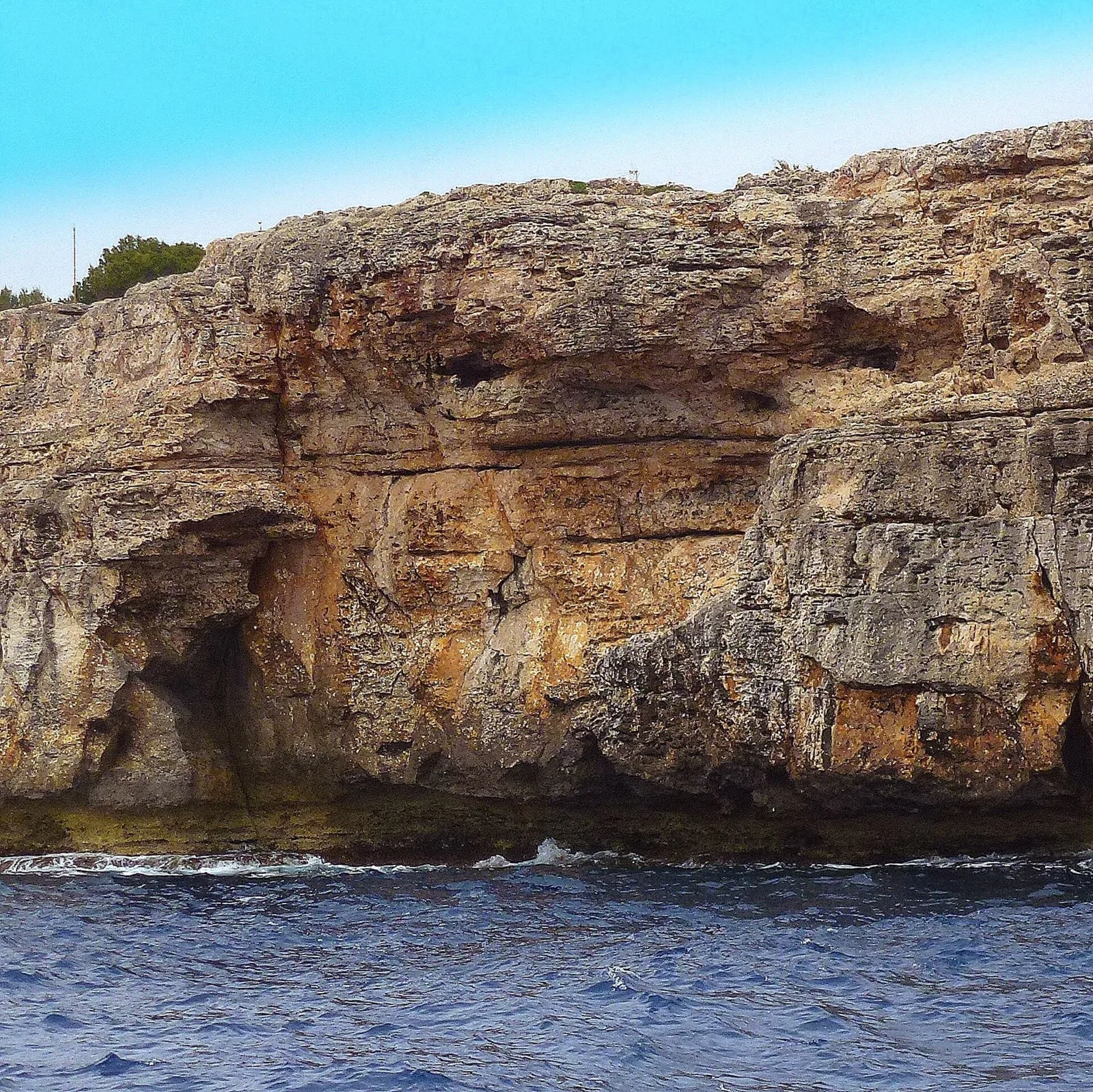
Tahiti Yacht Charter
Part of French Polynesia Yacht Charter.
Tahiti is a focused French Polynesia charter stop — Marina Taina, Tahiti nights, day-anchors like Punaauia lagoon, and shore tables held before you fly. The operational win is sequencing a short, high-quality loop rather than forcing the whole French Polynesia circuit.
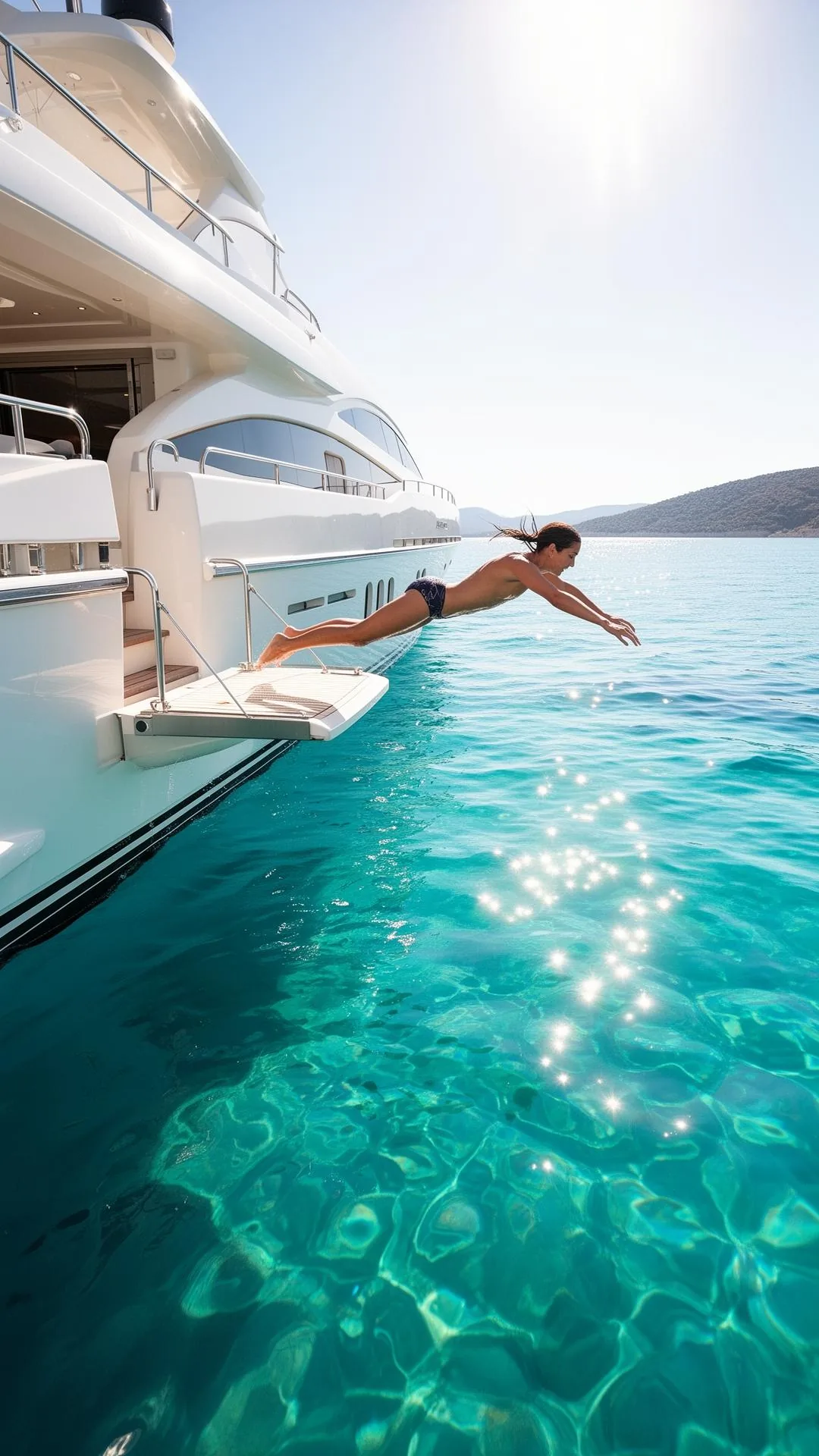
Privacy, pace, and places you cannot reach by road.
Why charter a yacht in Tahiti.
A luxury yacht charter Tahiti rewards guests with a combination you cannot replicate from a hotel: total privacy, an itinerary that flexes around your party, and access to coves, restaurants and reefs that road-bound travellers simply never see. Blue Ocean Club curates Tahiti cruises across motor yachts, sailing yachts, catamarans and superyachts — every option live-priced against the global live availability feed and presented with our 100% best-price guarantee.
Tahiti sits at the heart of one of the world's great cruising grounds. Days unfold at the pace of the sea: long swims off the platform, lunch at a beach club where your concierge has held the best table, an afternoon cruise to a quieter anchorage, cocktails on the bow as the light softens. The captain rewrites tomorrow's plan based on tonight's weather and your party's mood.
Blue Ocean Club matches each crewed yacht charter Tahiti enquiry to yachts whose published operating area, specifications and current availability fit the requested dates. The final shortlist is checked against the yacht's authorised charter information before contract, and route details remain subject to operating conditions and the captain's final approval.
Tahiti charter, in depth.
Tahiti is the strategic entry point to French Polynesia, not the final destination. Most Society Islands charters begin with a short flight from Papeete to Raiatea, but for those with limited time or as a decompression leg of a longer itinerary, a 3-4 night cruise from Tahiti to its sister island, Moorea, is a concentrated dose of everything that makes this region legendary. Think of Tahiti as the operational hub and Moorea as the immediate, breathtaking reward.
The cruising ground
Tahiti is the largest and most populous island, a dramatic volcanic landscape of cloud-wreathed peaks and black-sand beaches. While the island itself has a fringing reef, it’s not a cruising loop in the way Raiatea or Bora Bora are. The capital, Papeete, is a bustling port city—the logistical heart of the nation where provisioning is unmatched and where international flights land at Faa'a Airport (PPT). The real magic for a short charter begins with the 17-nautical-mile crossing to Moorea.
Moorea is what you see in the brochures: a jagged, emerald crown of volcanic mountains plunging into a turquoise lagoon. It’s a much more intimate and accessible cruising experience than Tahiti. The two iconic anchorages, Cook’s Bay and Opunohu Bay, are deep, fjord-like indentations that offer spectacular scenery and secure holding. The north shore of Moorea is protected by a barrier reef dotted with small islets, or motus, creating a perfect playground for watersports, snorkeling, and the famous stingray encounters.
While Tahiti has world-class surf, particularly the formidable Teahupoo on the south coast of the peninsula (Tahiti Iti), this is an expert-level shore excursion, not a casual anchorage. For an authentic cultural immersion, timing a charter with the Heiva i Tahiti festival in July is unbeatable. It’s a month-long celebration of Polynesian dance, music, and sport, but be warned: yachts, flights, and top crews are booked more than a year in advance.
Bases and clearance
Papeete is the only port of entry in the Society Islands and the logistical nerve center for any charter operation in French Polynesia. Your international flight will land at Faa'a (PPT), just west of the city. From there, the main charter base is Marina Taina, a well-appointed marina in the Puna'auia district south of the city center. This is where the majority of the crewed catamaran fleet is based. Downtown, Papeete Marina caters more to transient superyachts and vessels completing Pacific crossings.
For clients chartering in the main cruising grounds, the standard procedure is to connect from PPT to a 45-minute Air Tahiti flight to Raiatea (RFP), where you'll board your yacht. However, for a Tahiti-Moorea itinerary, you’ll board directly in Papeete.
Clearance for foreign-flagged yachts is a formal process best handled by a local agent. They will manage customs, immigration, and the complex paperwork required for chartering in French waters. Provisioning is a major advantage of starting in Papeete. The crew will stock up at the large Carrefour supermarkets for high-quality French imports and visit the vibrant Marché de Papeete for the best local fish, fruit, and vegetables. This is where your chef gets the raw materials for the exceptional meals you’ll have on board.
Where to drop the hook
A Tahiti-based charter is really a Moorea charter with a convenient start and end point.
Tahiti: Anchorages around Tahiti itself are limited and more functional than scenic. The most common spot is just outside Marina Taina in the Puna'auia lagoon. It offers a great view of Moorea at sunset and is convenient for airport transfers, but it’s not the secluded paradise you’ve come for.
Moorea: This is where you’ll spend your time.
- Opunohu Bay: Arguably one of the most beautiful anchorages in the world. It’s less developed and more dramatic than its neighbor, Cook’s Bay. You’ll anchor in deep, calm water surrounded by impossibly steep, jungle-clad mountains. It’s the perfect base for waterskiing, paddleboarding, or taking the tender to the trailhead for the hike to the Belvedere Lookout, which offers stunning views over both Opunohu and Cook's bays.
- Cook's Bay (Baie de Pao Pao): The more famous of the two, named for Captain Cook (though he actually anchored in Opunohu). It's slightly more developed with a small village, a few waterfront restaurants, and the Moorea Juice Factory. The scenery is still spectacular, offering a different but equally impressive perspective on Moorea's peaks.
- The Shark & Ray Sandbank: Located in the lagoon off the northwest corner of the island, between the motus Tiahura and Fareone. This is a must-do. Your crew will anchor the yacht nearby and take you by tender to a shallow, sandy-bottomed area where you can stand in waist-deep water as dozens of friendly black-tip reef sharks and gentle stingrays glide around you.
- The Motus: The small islets on the barrier reef are perfect for a private beach day. Your crew can set up a premium beach club experience with umbrellas, loungers, and a cooler full of cold Hinano beer and champagne while they prepare a barbecue lunch.
Weather and season
French Polynesia has a tropical climate, making it a viable year-round destination, but there's a definite high and low season.
The prime charter season runs through the drier, cooler winter months from May to October. Expect average temperatures around 27°C (81°F), lower humidity, and consistent southeast trade winds known as the mara'amu, which are perfect for sailing. This is peak season, so book well in advance.
The wet season, or summer, is from November to April. It’s hotter, more humid, and sees more rainfall, typically in short but heavy bursts. Winds can be light and variable, meaning more motoring. The risk of cyclones, while historically low in this part of the Pacific, is highest from January through March. This is the shoulder season, offering better availability and sometimes more competitive rates, but requires flexibility in the itinerary.
The right yacht
The crewed catamaran is, without question, the ideal platform for exploring this region. The fleet here is dominated by well-maintained Lagoons, Fountaine Pajots, and Sunreefs, typically in the 50- to 80-foot range. Their shallow draft is the key advantage, allowing access inside the lagoons and close to the motus where monohulls and larger yachts can't go. The stability at anchor, expansive deck space for lounging, and a wide stern platform for easy access to the water make them perfectly suited to the Polynesian style of indoor-outdoor living.
Larger motor yachts and superyachts certainly cruise here, but their operation is different. They often have to anchor outside the reef or in the deep-water bays, relying heavily on their high-end tenders for exploration within the lagoons.
Regardless of the yacht, the crew is paramount. An experienced local crew knows the channels, the weather patterns, the best snorkeling spots that aren't in the guidebooks, and has the relationships to secure a reservation at a sought-after restaurant or arrange a unique cultural experience. They are the difference between a good trip and an unforgettable one.
Money, APA and the small print
The official currency is the Pacific Franc (XPF or CFP), which is pegged to the Euro (1 EUR ≈ 119.33 XPF). While US Dollars and Euros are accepted at major hotels and some tourist shops, all local transactions, and therefore your APA spending, will be in XPF.
Charter fees are typically quoted in USD or EUR for the international market. The Advance Provisioning Allowance (APA) is the critical component for your running costs. For French Polynesia, you should budget 30-35% of the charter fee for APA. This is higher than the Caribbean standard of 25-30% because nearly all high-quality goods—from French champagne and cheese to specific engine parts—are imported, and that cost is passed on. The APA covers all your variable expenses: fuel, food, premium beverages, dockage, customs fees, and any shore-based activities you want the crew to arrange. Your captain manages this fund and will provide a full accounting at the end of the charter; you'll either receive a refund or be asked to cover any shortfall.
The tax situation is a point of frequent confusion. While the charter fee for a qualifying foreign-flagged yacht is often structured to be exempt from French VAT, this does not apply to your local spending. All goods and services purchased in French Polynesia with your APA are subject to the local value-added tax (TVA), which will be reflected in your final bill.
How we'd plan a week
A full week just between Tahiti and Moorea is rare; it’s usually a 3- or 4-night trip. Here’s how we’d structure that perfect short-stay, and how it could extend into a longer voyage.
-
Day 1: Arrival & Papeete Sunset. Land at PPT, where you’ll be greeted and transferred 15 minutes to your yacht at Marina Taina. After a welcome cocktail and orientation, we'll get underway for a sunset cruise along Tahiti's west coast, with the silhouette of Moorea on the horizon. Anchor for the night in the calm lagoon off Puna'auia for your first dinner prepared by your private chef.
-
Day 2: The Crossing to Opunohu. After a morning swim and breakfast, we make the 2-3 hour crossing to Moorea. We’ll enter the lagoon through Passe Tareu and cruise into the breathtaking Opunohu Bay. The scale of the mountains surrounding you is humbling. We'll drop anchor, and you'll have the afternoon for watersports—jet skis, paddleboards, or a thrilling run on the Seabobs in the calm waters of the bay.
-
Day 3: Sharks, Rays & Motu Life. We’ll reposition the yacht to the northern lagoon. A morning tender ride takes you to the famous sandbank to swim with the rays and black-tip sharks—an incredible, safe, and exhilarating experience. In the afternoon, we’ll set up a private beach club for you on a secluded motu. Snorkel the coral gardens, read a book in the shade, or just enjoy the champagne service as the crew prepares a gourmet beach barbecue.
-
Day 4: Belvedere Views & Departure. For the active, an early morning hike or e-bike ride to the Belvedere Lookout offers an unforgettable panorama of both Opunohu and Cook's bays. After a final brunch onboard, we’ll begin the cruise back to Tahiti for your afternoon flight home from PPT, completely reset.
For a 7-day or longer charter: Instead of returning to Tahiti on Day 4, the itinerary extends west. From Moorea, it’s an open-water passage to Huahine, the "Garden Island," followed by the sacred island of Raiatea and its sister island Taha'a (the "Vanilla Island"), before finishing in legendary Bora Bora. This classic Society Islands loop is a completely different charter, requiring the short flight to Raiatea to begin. But for a powerful taste of Polynesia, the Tahiti-Moorea sprint is a perfect, high-impact getaway.
Yacht charter in Tahiti — what to expect.
Season, route, hull and investment — the four things every guest asks before we lock a yacht.
Seasonal conditions in Tahiti vary by exact cruising area and dates. Blue Ocean Club does not apply a generic Mediterranean or tropical weather assumption here; current operating conditions are confirmed for the requested itinerary before charter.
The strongest Tahiti itinerary is built from destination-specific marinas, anchorages and places that are actually available for the requested dates. The route remains flexible around weather, berth availability, local restrictions and the yacht's operating limits.
The most suitable yacht for Tahiti depends on guest count, layout preference, draft, range, speed and the intended itinerary. Compare the verified specifications on the individual yacht listings rather than relying on a generic destination-wide yacht type.
Charter pricing in Tahiti depends on the yacht, dates, operating area and the final charter terms. Verified yacht rates are shown on individual listings when available; taxes, operating expenses, provisioning and any other booking-specific charges are confirmed before contract rather than estimated from a global template. Minimum charter duration is yacht- and date-specific.
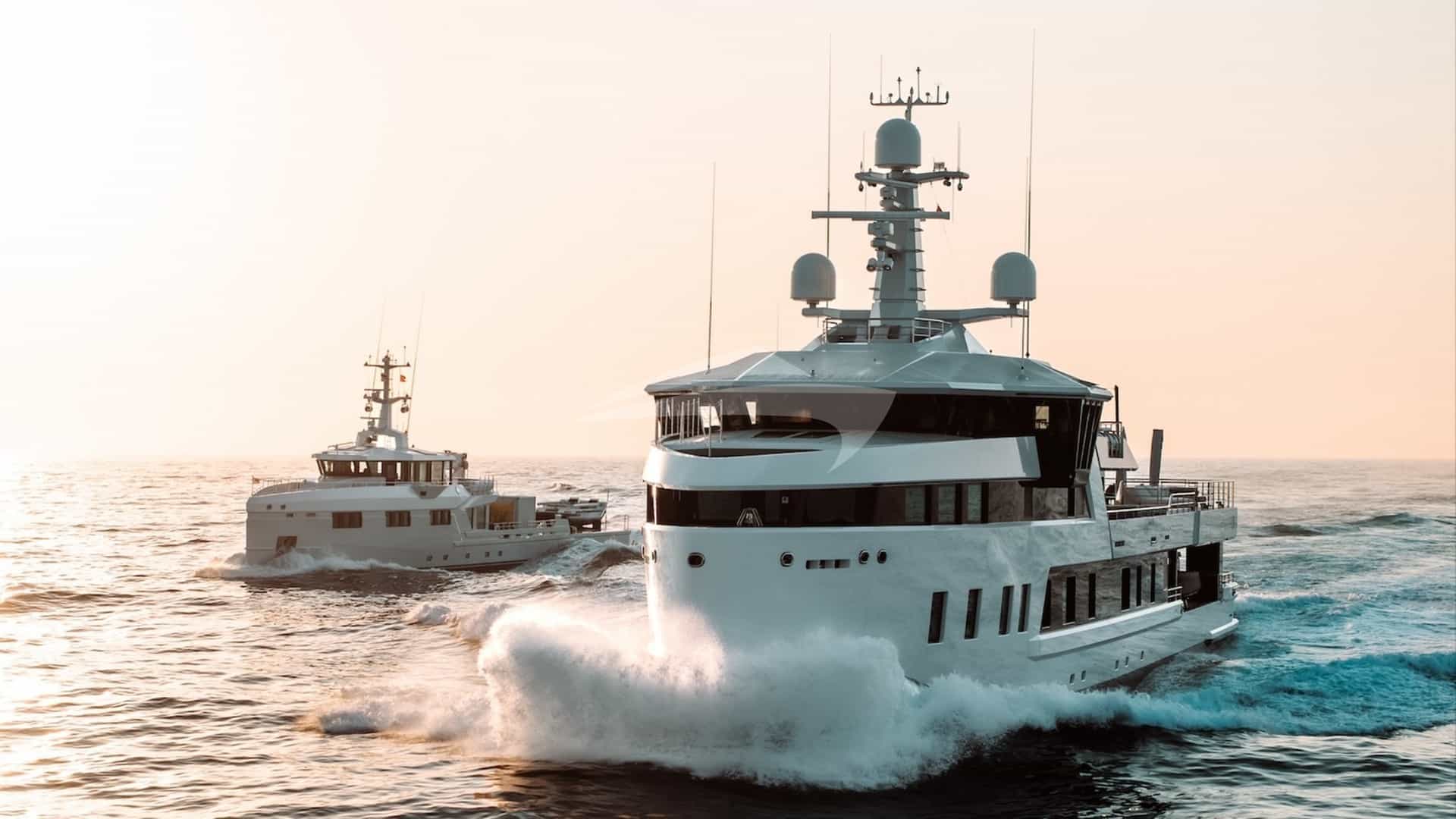
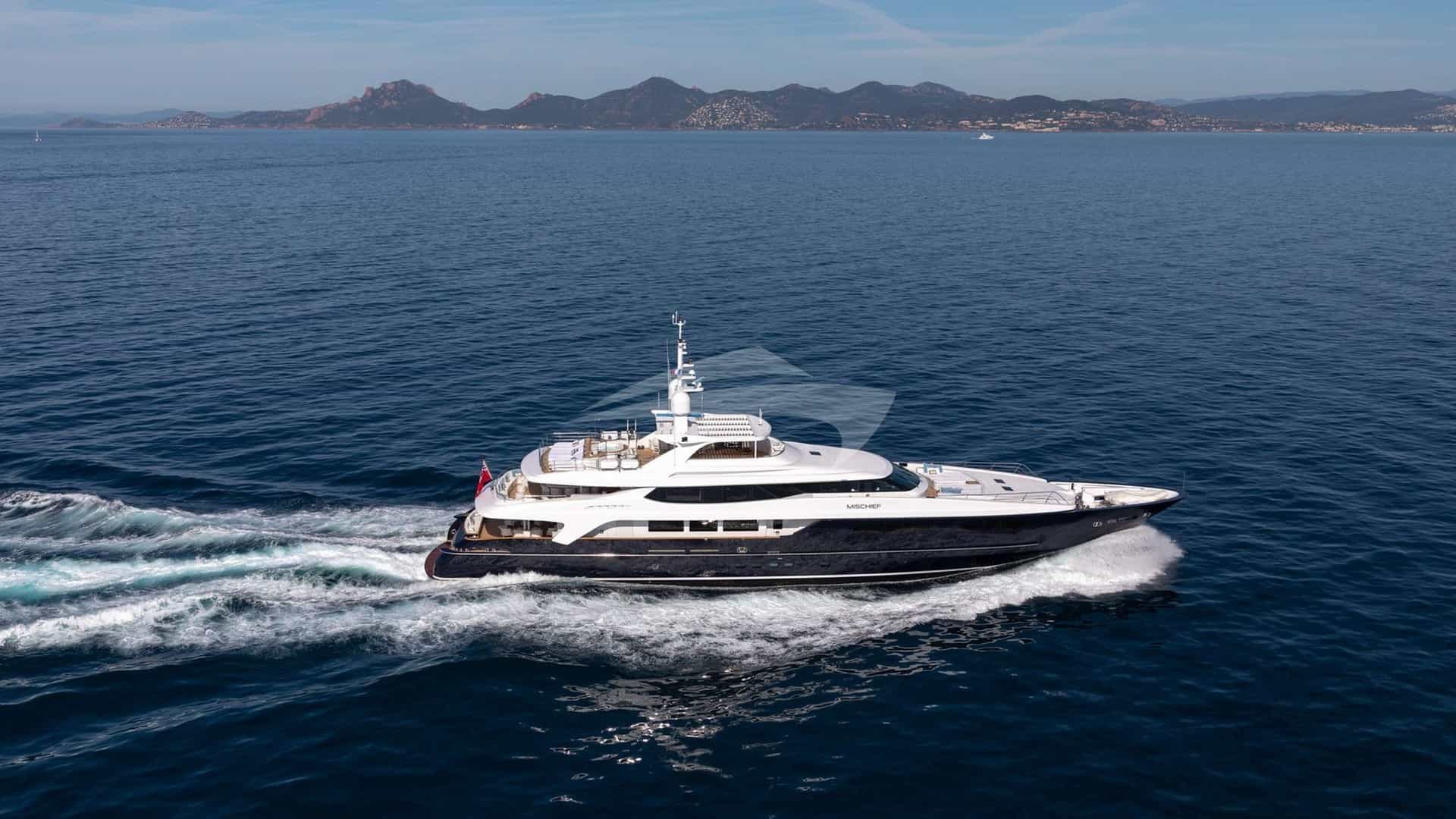
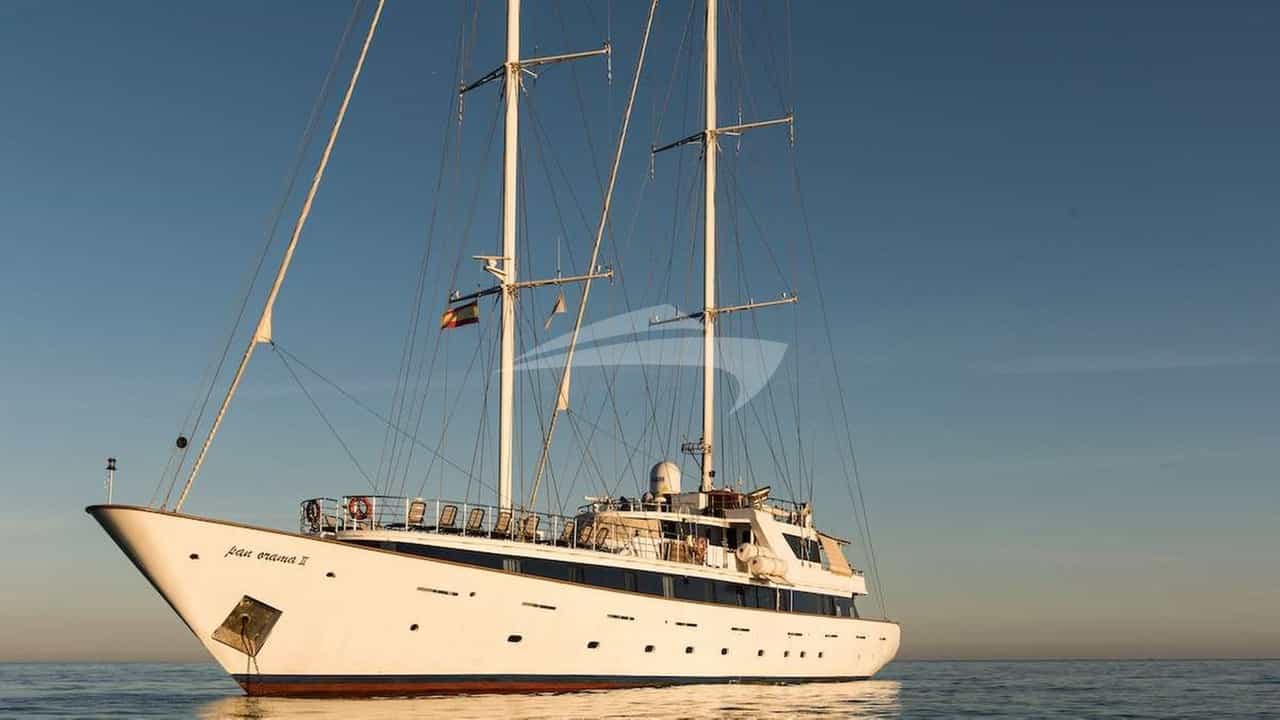
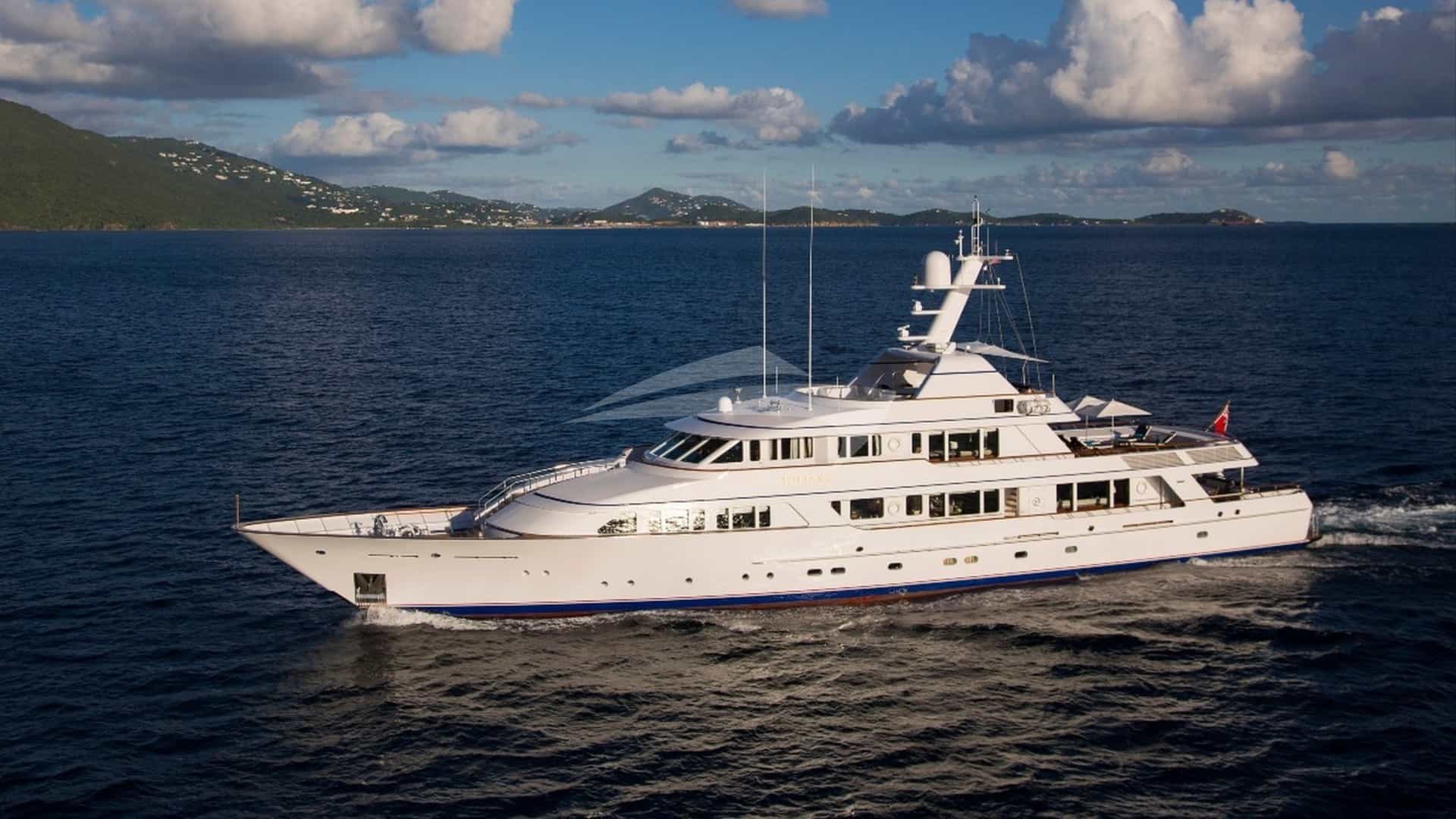
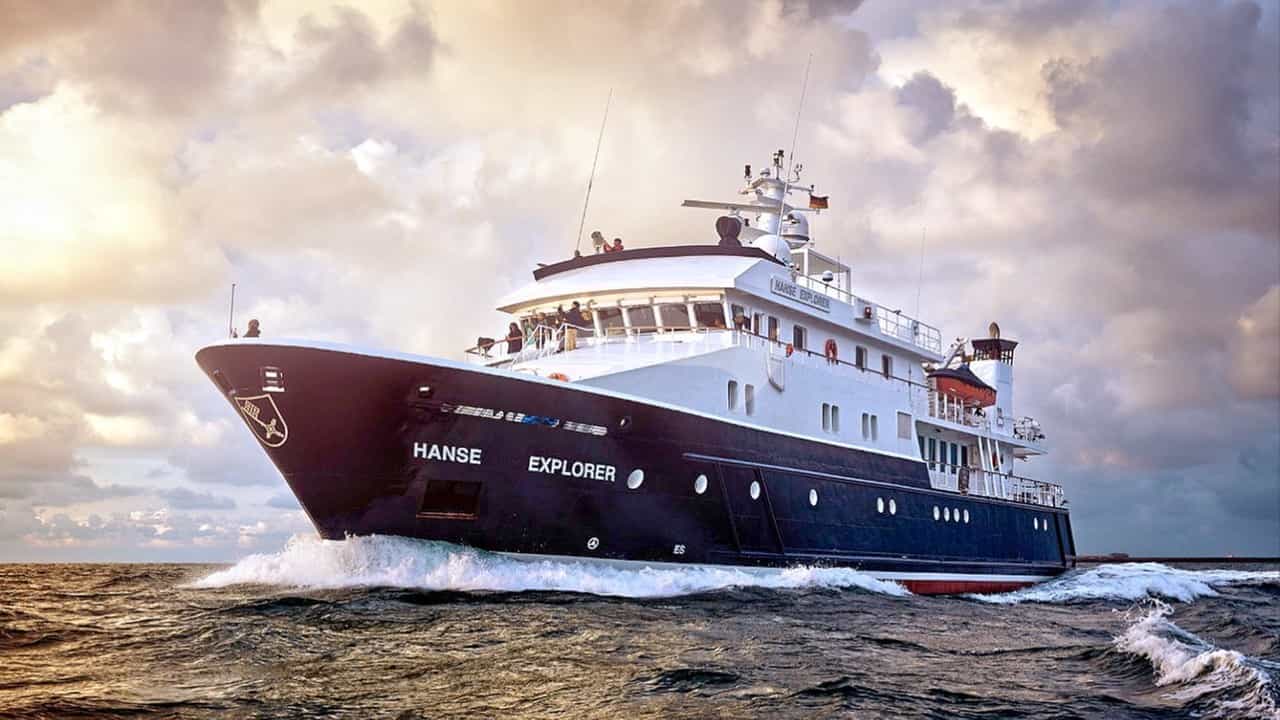
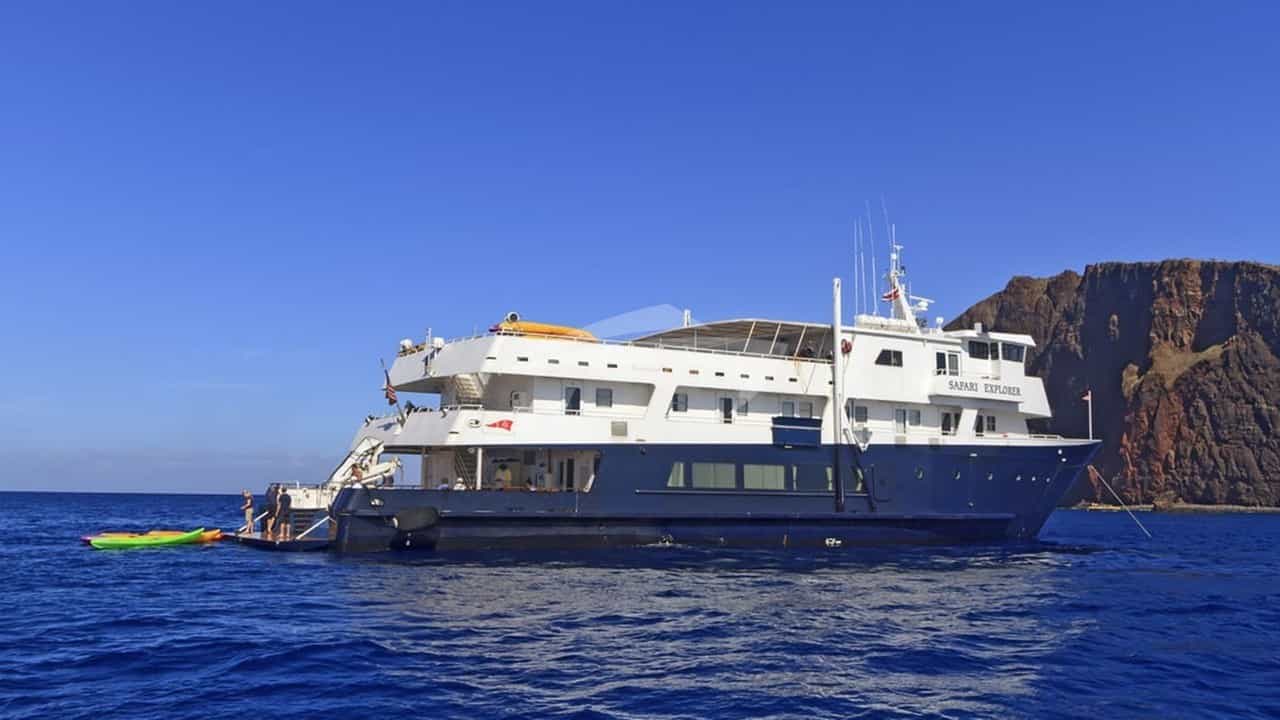
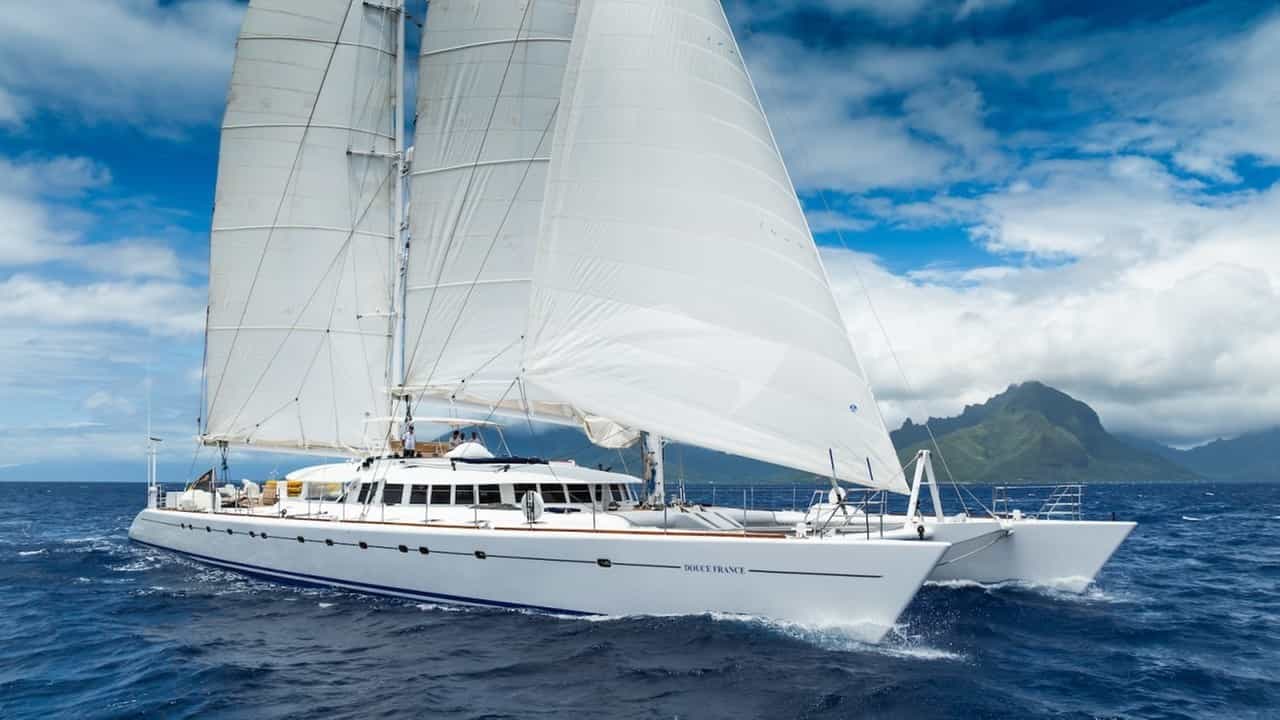
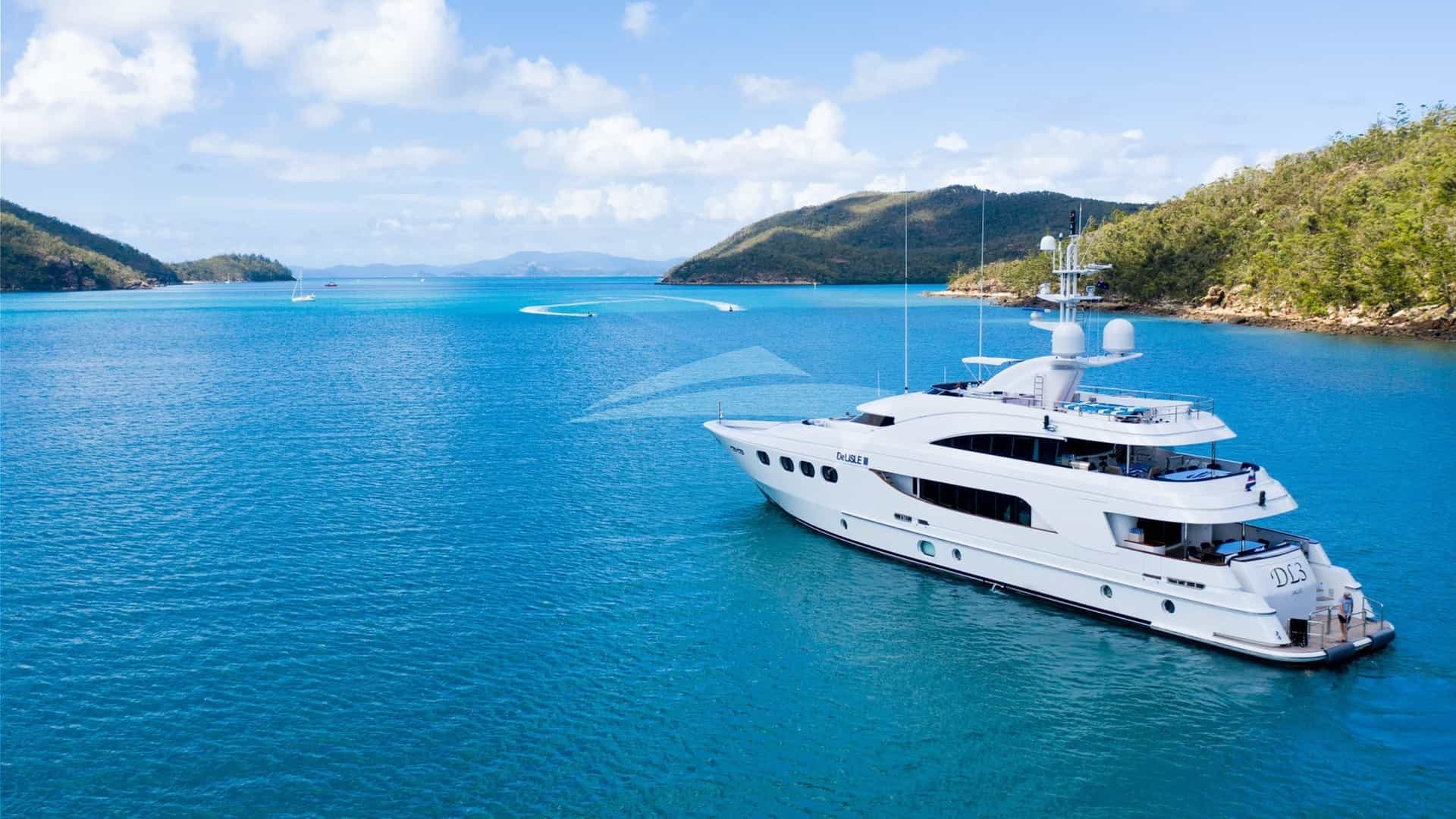
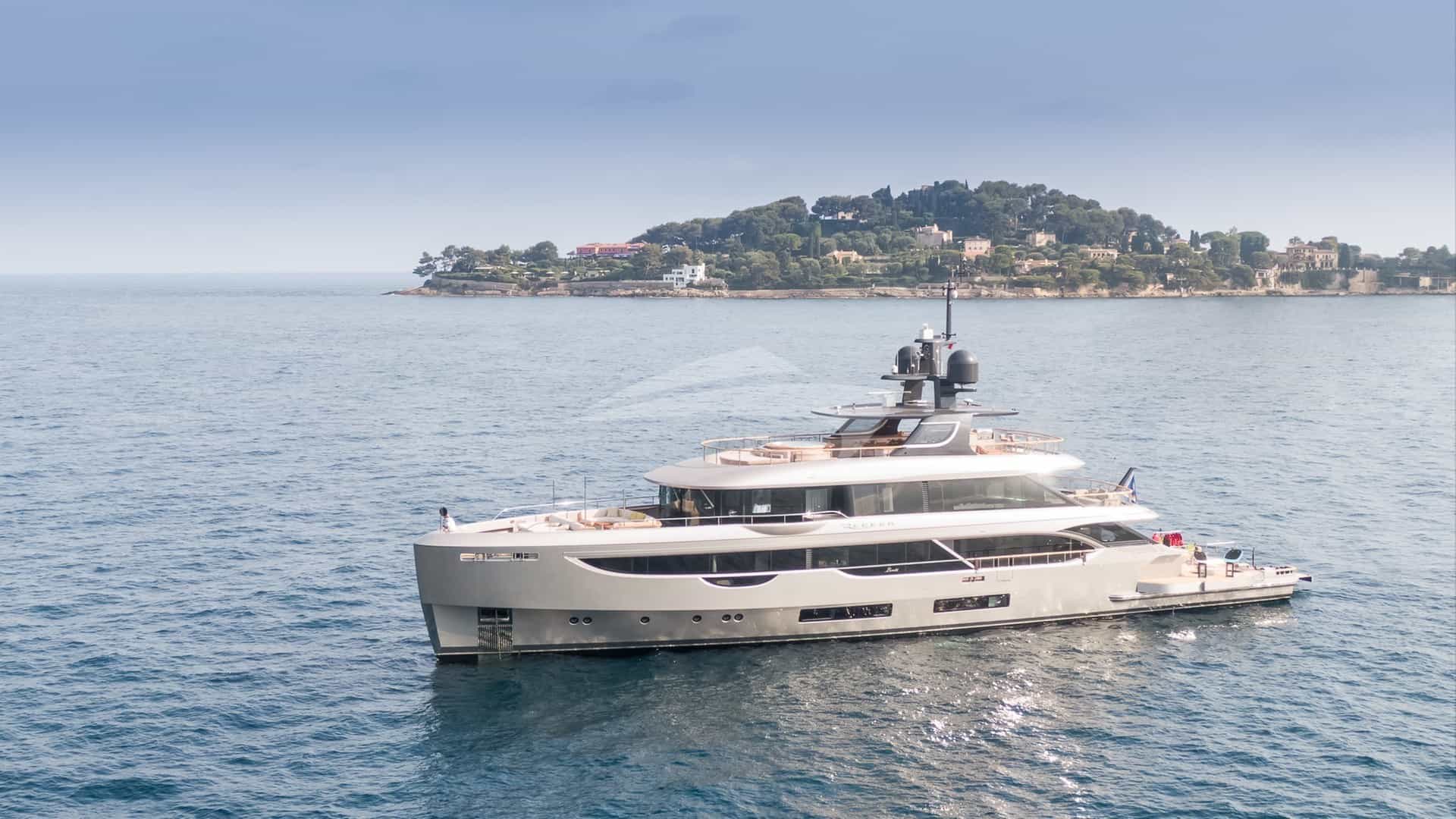
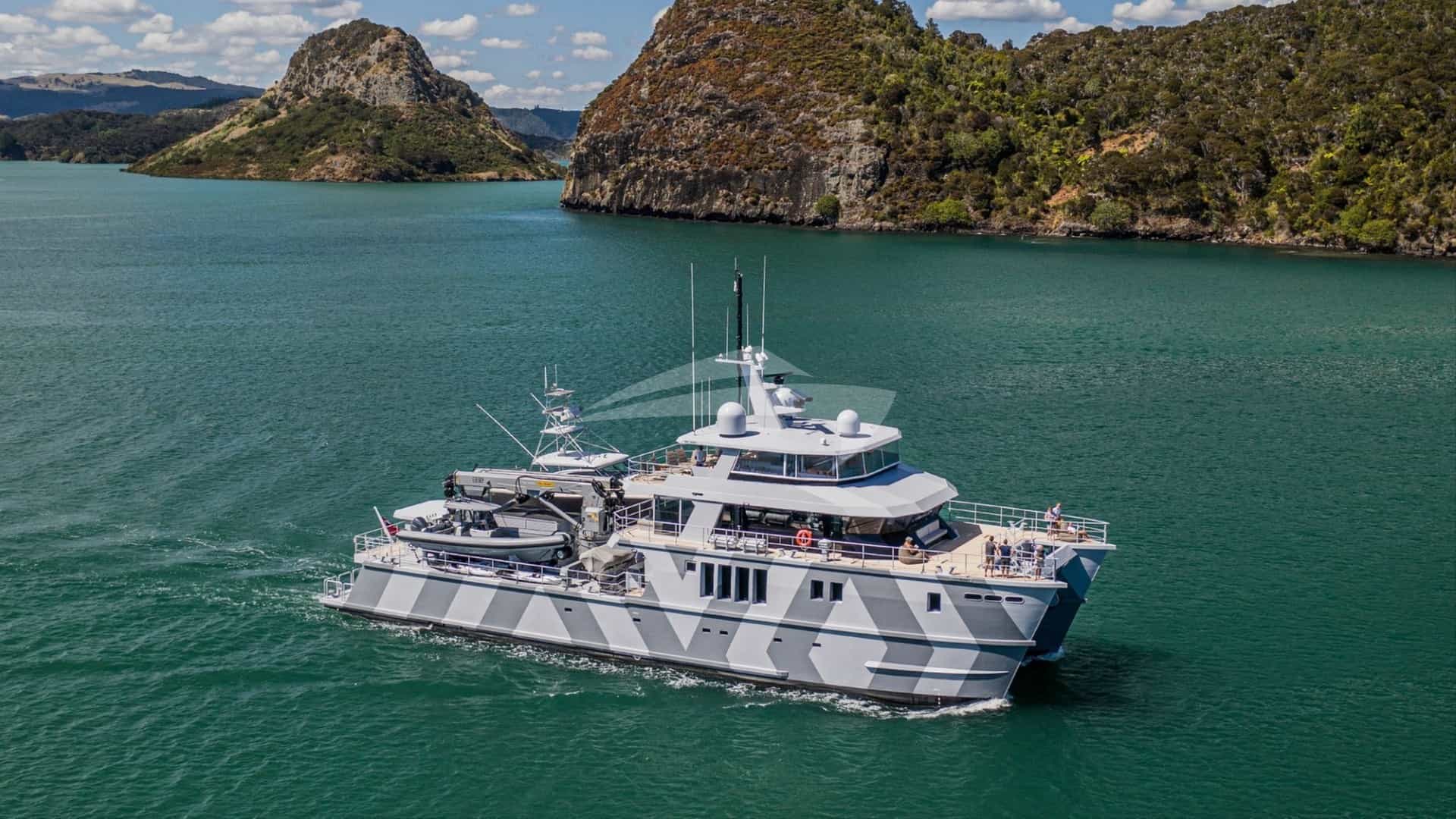
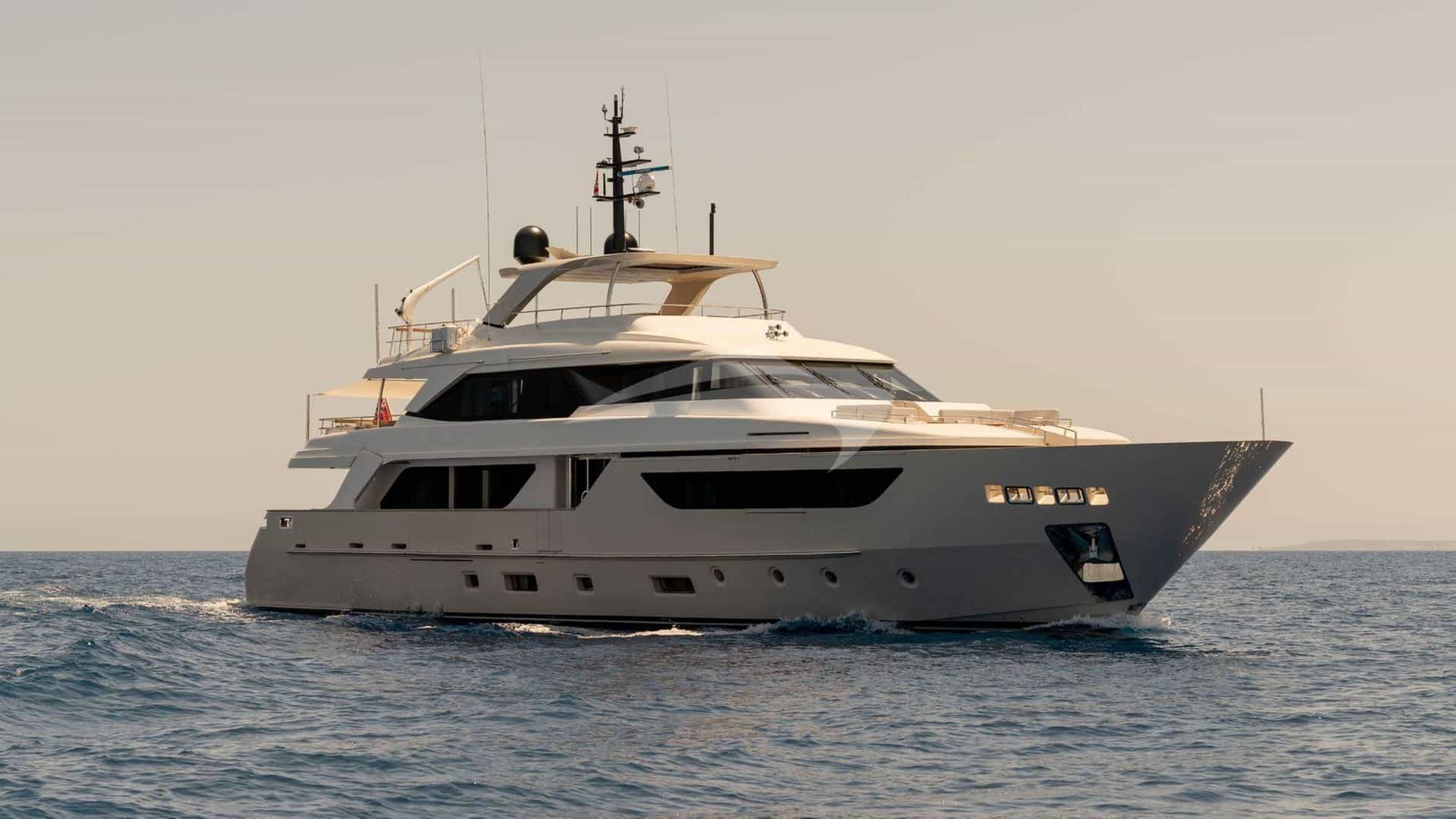
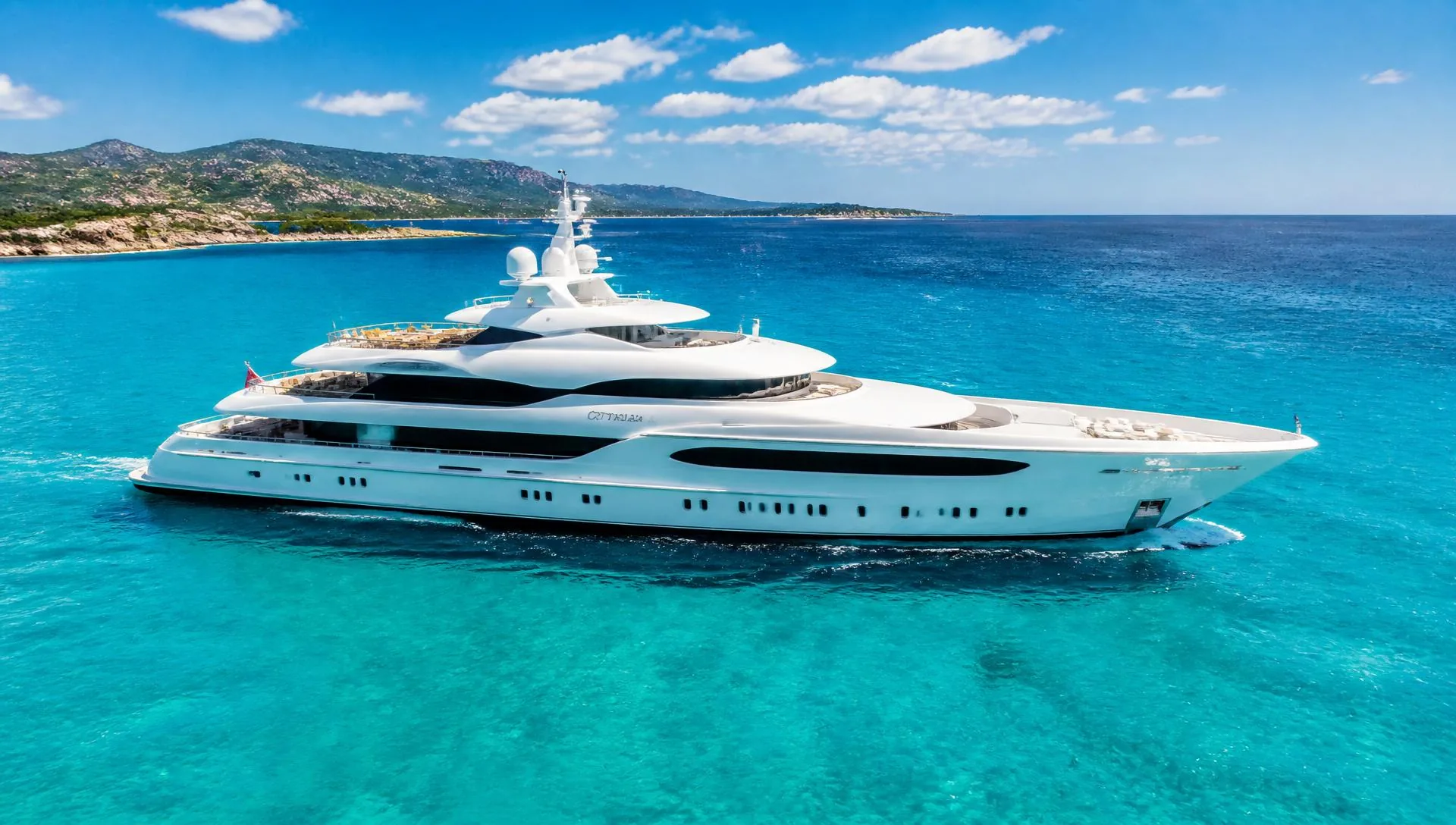
Yachts chartering in this region.
Selected from the wider South Pacific fleet.
Live pricing — charters from €42,000 / week
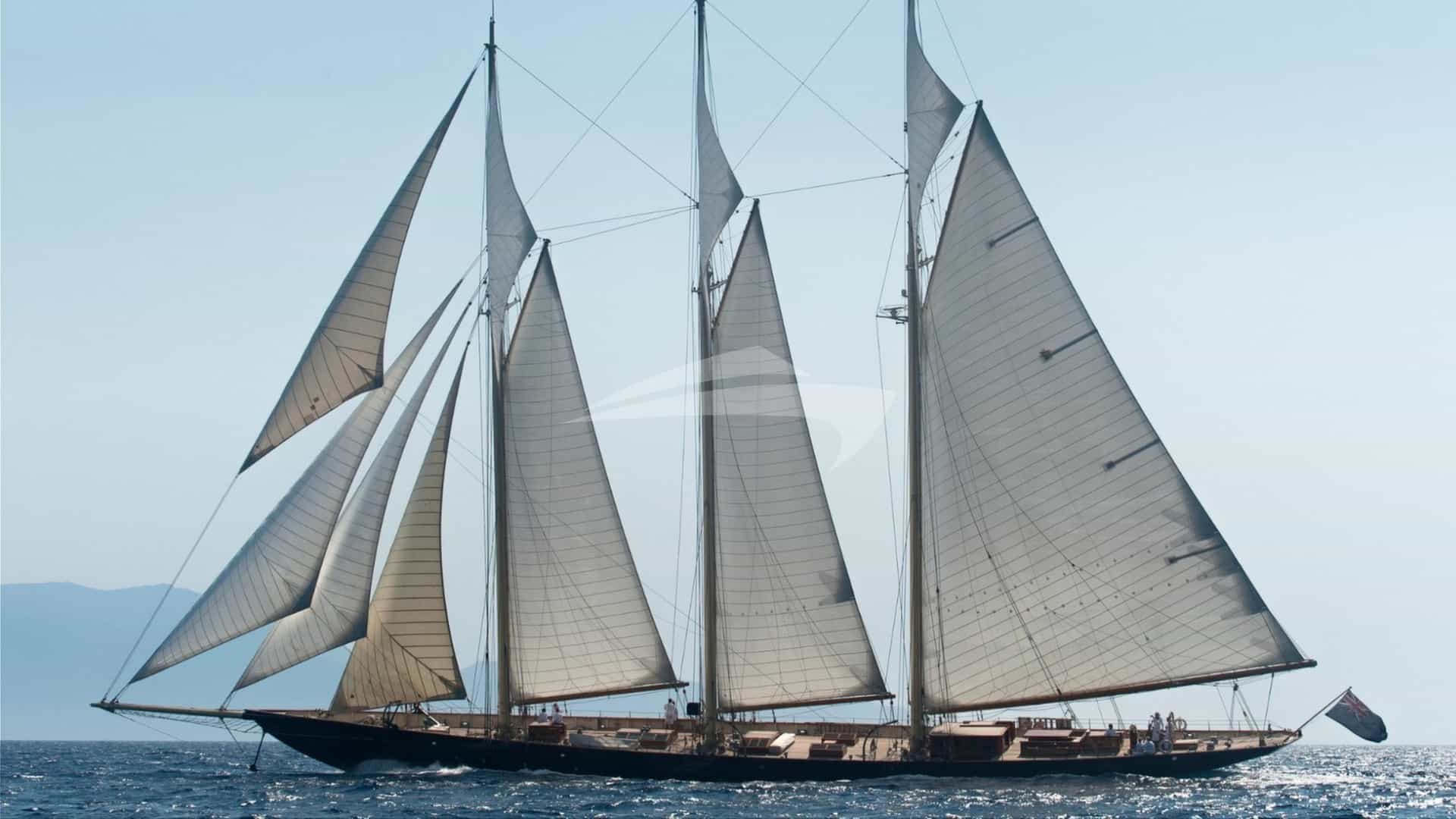
Things to do on your Tahiti charter.
From quiet anchorages to time ashore — a planning sample to adapt around the yacht, local conditions and verified availability.
- 01Onboard time
Swimming, dining and relaxation shaped around the facilities of the yacht selected
- 02Water activities
Use the water toys and sports equipment actually carried by the yacht, where local rules allow
- 03Shore visits
Add towns, beaches, restaurants or cultural stops when verified locally and available for your dates
- 04Private dining
Plan menus with the yacht's confirmed crew and the provisions available for the charter
- 05Flexible days
Keep the route responsive to weather, berth availability and the captain's operating decisions
Tahiti from above.
Satellite view of the coast — ports, headlands and island day-anchors that can shape a week on the water.
Plan your week in Tahiti.
Share a few details and we will return a private yacht shortlist — availability, APA guidance and a clear next step — within one working day.
Door-to-deck · Tahiti
We choreograph PPT / BOB arrivals into Marina Taina, Tahiti.
Meeting point
Meeting point: Marina Taina, Tahiti — confirm quay / pontoon with the captain the morning of embarkation.
Arrival buffer
Plan 60–90 minutes from wheels-down to passerelle for chauffeur corridors; helicopter windows are tighter when helipad access is confirmed.
Berth lead time
4–12 weeks for peak season slips
Captain / crew
Approach Marina Taina, Tahiti with local pilotage notes from the captain; high season berths book weeks ahead. Fuel, water and shore power are available — confirm waste and amp rating before arrival.
Tender fallback
When berths are scarce we hold a sheltered anchorage + tender (or captain-only standby) plan before you fly — never a last-minute scramble at the mole.
Luggage / night before
Night-before hotel near the gateway (or marina) when late arrivals risk missing the embarkation slot — we hold rooms against the transfer plan.
Gateways
Indicative guidance — Indicative seasonal berth ranges are shared on request — confirm with the marina agent before contract. We never publish unverified nightly rates as fact.
Enquire
Enquire for Tahiti
Tell us dates, party size and yacht style — we shortlist live availability with APA and door-to-deck before you fly.
Beach clubs in Tahiti.
Tender bookings, table reservations and jetty access — addresses, phones and sites below. Your Blue Ocean Club concierge can hold the table — request via the enquiry form.
Real restaurants worth a tender in Tahiti.
Tables held in advance by your concierge — addresses, phones and sites below, from beachfront classics to Michelin dining rooms. Request via the enquiry form.
Le Coco's
Punaauia
Lagoon fine dining near Marina Taina.
Les Roulottes
Papeete waterfront
Food-truck night energy in town.
Blue Banana
Punaauia
Overwater plates west of Papeete.
Best anchorages & bays in Tahiti.
Hover a marker for a quick brief — click to open the approach notes below. The protected coves and roadsteads your captain will plot into your week.
- Where to find it
- Captain confirms approach for Punaauia lagoon.
- Where to find it
- Captain confirms approach for Venus Point.
- Where to find it
- Captain confirms approach for Taravao staging.
- Where to find it
- Captain confirms approach for Cook's Bay, Moorea.
- Where to find it
- Captain confirms approach for Opunohu Bay.
Tahiti yacht charter FAQs.
When is the best time for yacht charter in Tahiti?+
Which marina should we embark from in Tahiti?+
How far ahead should we book berths in Tahiti?+
What does APA usually cover on a Tahiti charter?+
Can you arrange airport transfers into Tahiti?+
How does a Tahiti week use Society Islands?+
Continue from here.
Why charter Tahiti with us.
Independent brokerage with live inventory, transparent pricing, and a concierge that works the coast before you step aboard.
- 01Speed
Real-time availability
Live availability feed across 2,000+ yachts — hold and confirm in hours, not weeks.
- 02Trust
100% best-price guarantee
We do not mark up the charter fee. The price you see is the operator's price.
- 03Integrity
Independent advice
Our recommendations follow the boat, not a commission — owners pay us, not introducing brokers.
- 04Craft
Concierge depth
Restaurants, transfers, private guides, helicopters and beach clubs handled long before you board.
Tell us your dates and party — we return three live options within the day.
Ready to charter in Tahiti?
Tell us your dates, party size and what makes a perfect day on the water. We reply within one working day with a curated shortlist and a transparent quote.
How our Tahiti guide is compiled.
Prepared by the Blue Ocean Club editorial team from the cited destination and charter sources available for this page. This page is maintained by the Blue Ocean Club charter desk — editorial content, not an independent certification.
- Experience
Destination intelligence coverage
This guide currently connects 27 charter yachts on record. Counts describe records available to the page, not first-hand visits or live availability.
- Expertise
Editorial provenance
Prepared by the Blue Ocean Club editorial team from the cited destination and charter sources available for this page.
- Authoritativeness
Where the facts come from
No curated citation set is attached to this destination yet. Unsupported source claims are not added as a fallback.
- Trust
Last data refresh
The underlying destination record was last refreshed 25 July 2026. A data refresh is not presented as a human verification event.
- Limitation
What we never state
We do not treat database inventory as live availability and do not present unverified operator pricing or operator terms as confirmed facts. Availability, rates, taxes, berth suitability and charter terms are confirmed for the specific enquiry.