Portofino yacht charter — the 2026 Italian Riviera guide
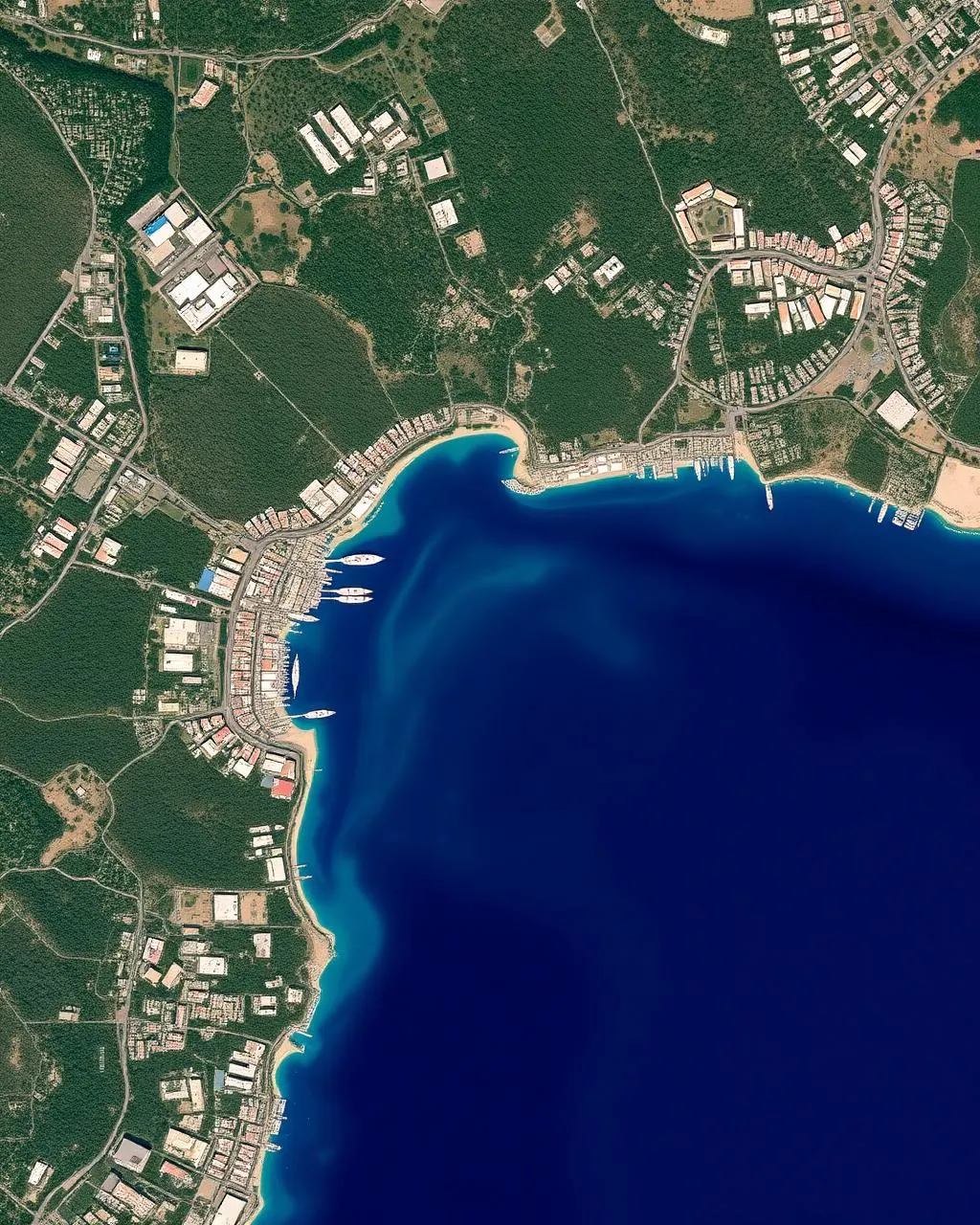
Portofino is the most demanded single anchorage on the Italian Riviera and the only Ligurian harbour that survives in the global charter brief. The horseshoe of pastel houses, the seven legal mooring buoys inside the bay, and the lunch at Da Puny on the piazzetta are non-substitutable assets. Everything else on the Ligurian coast — Camogli, San Fremondo, Sestri Levante, the Cinque Terre — is the supporting cast for one harbour.
This guide is for charterers planning a 2026 booking in the Ligurian and Tigullio gulfs. It assumes you want the right hull, the right week, the right buoy, and a captain who knows which Capitaneria officer takes the call on Friday night.
Why Portofino — and what you are actually buying
Three operational facts decide whether a Portofino leg works:
- There are seven buoys in the inner bay. That number is fixed by the harbour authority. They are allocated through agents (principally Bagni Fiore and Yacht Portofino) on a same-week basis, with a strong seniority bias toward repeat hulls and their captains. There is no booking website.
- The village has zero alongside berthing for charter yachts. The fishing pier is reserved for the local fleet. The seawall handles tenders only. Hulls above 24 m anchor or take a buoy; tenders shuttle.
- Wind exposure is from the south. The bay is closed to the NW (the tramontana) but wide open to the libeccio and scirocco. A southerly above 18 knots empties the buoy field and reroutes the entire fleet to Santa Margherita Ligure, Rapallo or Sestri Levante. Plan a charter that can absorb a 24-hour Portofino delay.
The Capitaneria di Porto enforces a 12-knot speed limit inside the bay and a strict ban on jet-skis and SeaBobs within 300 m of the seawall. Captains who learn this from a fine, not a briefing, are not the captains we put on a Portofino itinerary.
The harbour cluster — read this before you brief
You are not booking Portofino in isolation. You are booking a Ligurian-Riviera arc anchored on four marinas:
- Marina di Portofino (the inner basin, fishing-fleet only for charter yachts; tenders use the seawall)
- Marina di Santa Margherita Ligure (10 minutes by tender; the fallback overnight when Portofino is full or blown out)
- Marina Molo Vecchio, Genova (the embarkation marina for charter yachts above 50 m; 40 minutes by sea from Portofino)
- Marina di Loano (the Western Ligurian high-end marina; quieter, useful for a one-night reset)
A Portofino-centric week typically embarks at Genova or Sanremo, runs east through the Tigullio gulf (Camogli, Portofino, Sestri Levante), drops into the Cinque Terre for the photography day, and rounds out at Lerici or Portovenere before returning to base. Seven nights is enough for two Portofino mornings if the weather holds, plus one Cinque Terre day and two quieter Tigullio anchorages.
A 7-night Ligurian itinerary that books
Day 1 — Embark Genova Molo Vecchio, sail east, anchor Camogli for the night.
Day 2 — Camogli morning, transfer to Portofino for lunch at Da Puny, take the buoy.
Day 3 — Portofino full day; tender to the Abbey of San Fruttuoso for the underwater Cristo degli Abissi, sundowner at La Gritta American Bar.
Day 4 — Reposition to Sestri Levante (Baia del Silenzio for the lunch anchor), overnight at Marina di Portofino-Lavagna.
Day 5 — Cinque Terre cruise (Vernazza and Manarola from the water; do not attempt to berth), overnight Lerici.
Day 6 — Portovenere and the Gulf of the Poets; lunch at the Grand Hotel Portovenere.
Day 7 — Return westbound, second Portofino lunch attempt if weather allows, disembark Genova.
This pattern delivers two Portofino windows. One usually works. If both do, you have the best week on the Italian coast outside the Amalfi.
Da Puny, La Gritta, Pitosforo — the institutional triangle
Three reservations decide whether Portofino feels like Portofino or like a postcard:
- Da Puny on the piazzetta — the lunch with Berlusconi's old corner table, the pansoti with walnut sauce, the pappardelle al pesto that justifies the village. Booked by phone 30+ days out for July–August. No reservation, no table.
- Ristorante Pitosforo above the harbour — the dinner table with the view down onto your own buoy. Booked by the captain on VHF in the morning for the same evening.
- La Gritta American Bar — the sundowner. Walk-in works at 18:00; impossible at 19:30.
Bagni Fiore is the swim club at the western entrance of the bay. The four front-row sunbeds are held by name; the same names every year. Your broker books the second row in March and pays in cash on arrival.
Yacht selection for a Portofino-centric leg
The harbour rewards two yacht profiles and punishes the rest:
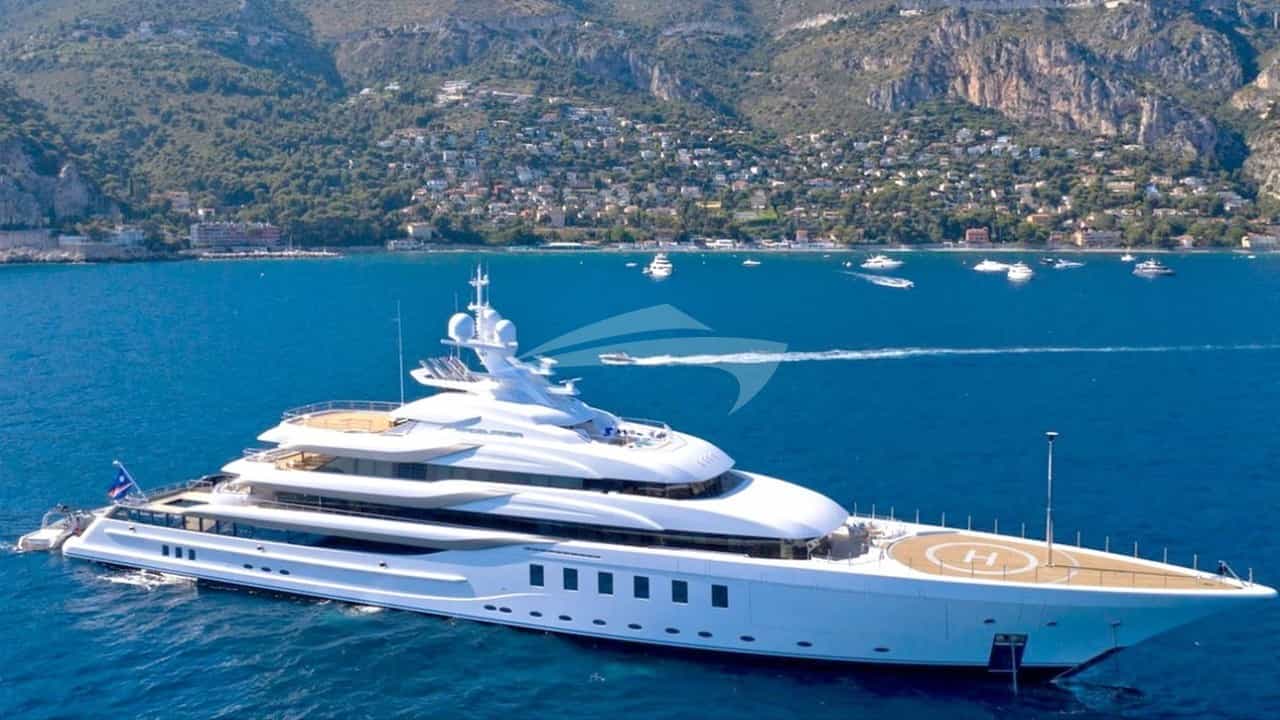
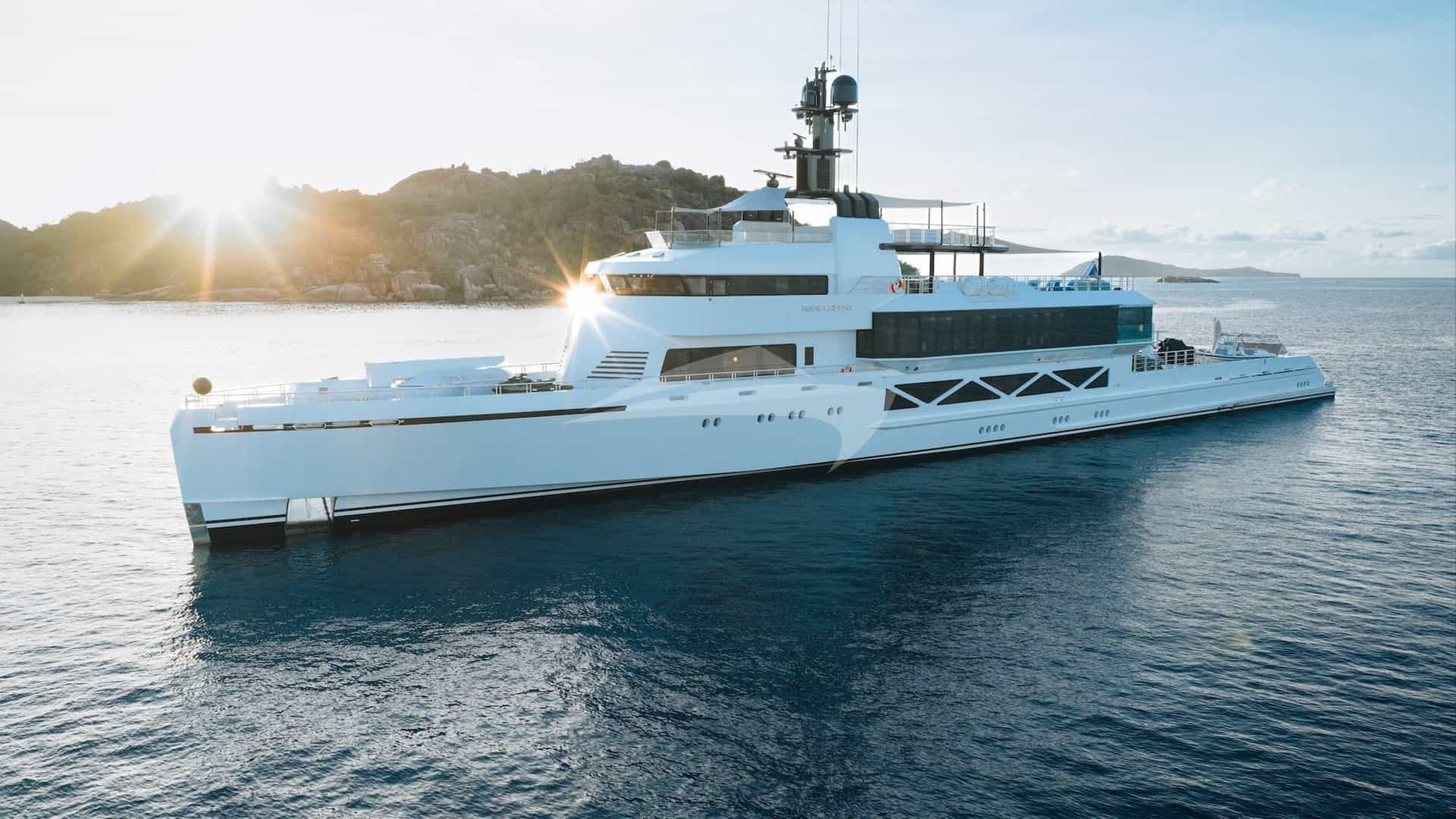
- 30–45 m motor yacht with a fast tender. Takes a buoy comfortably, tender to the seawall in 90 seconds, hull holds the view from the village.
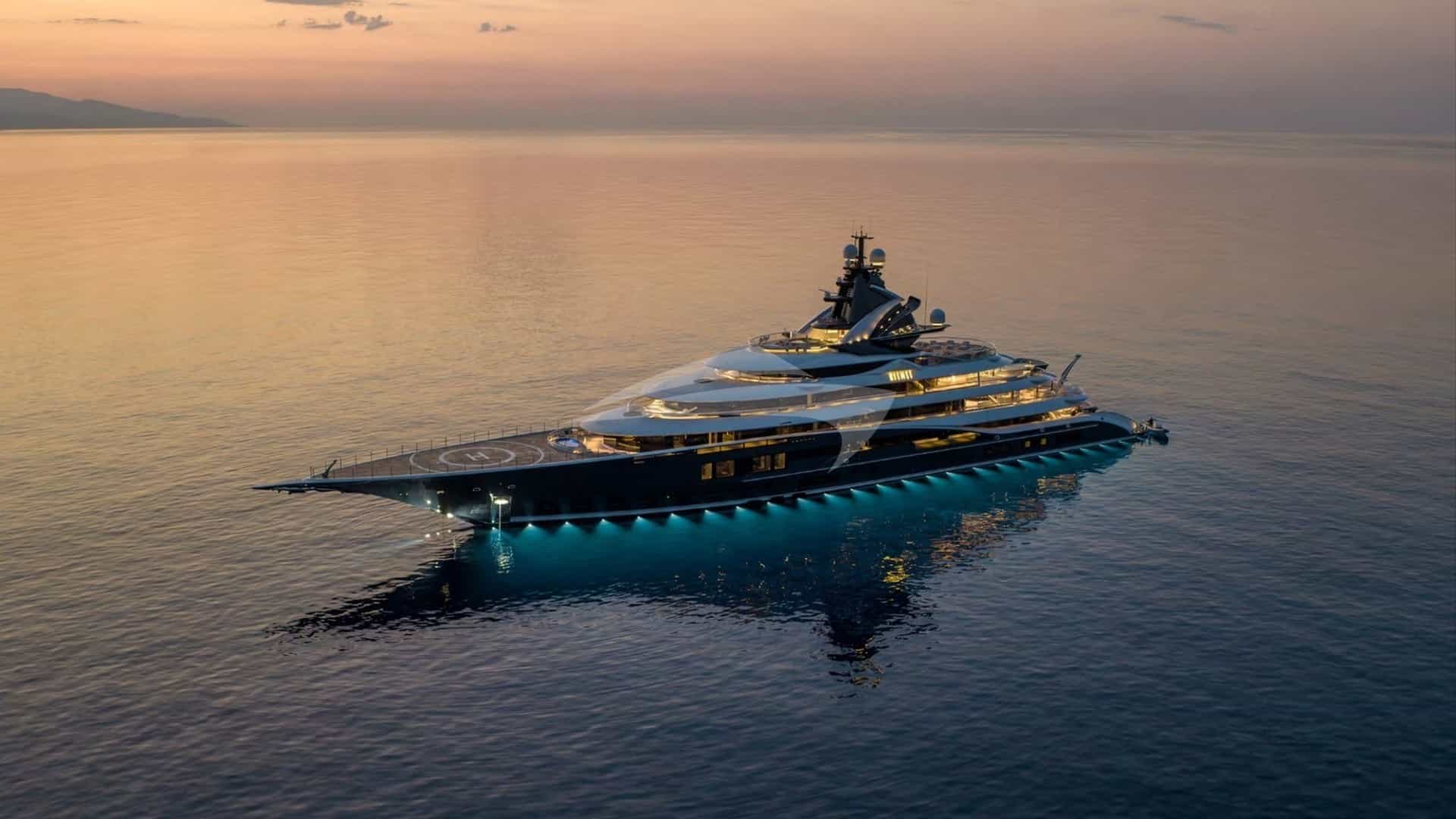
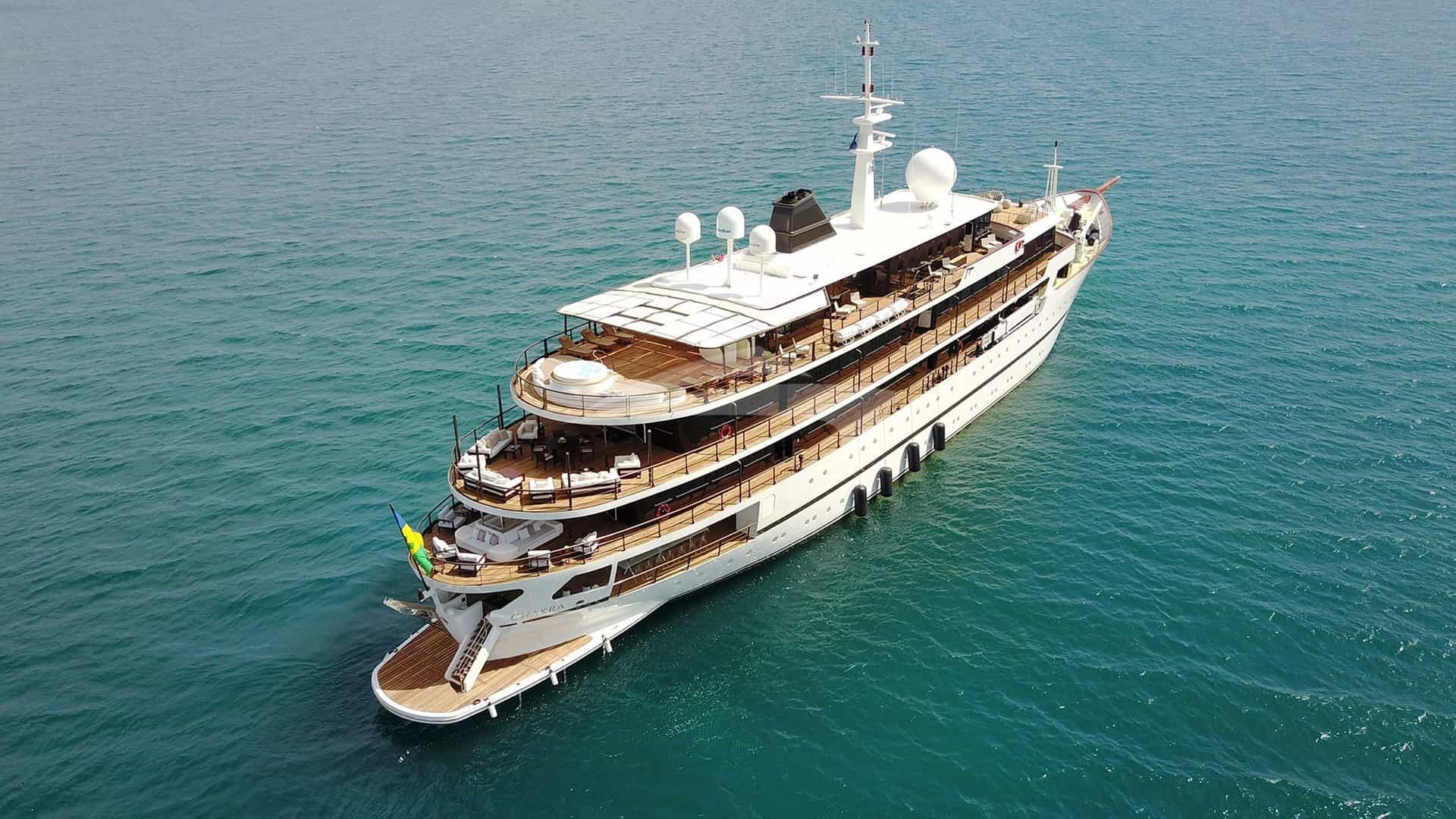
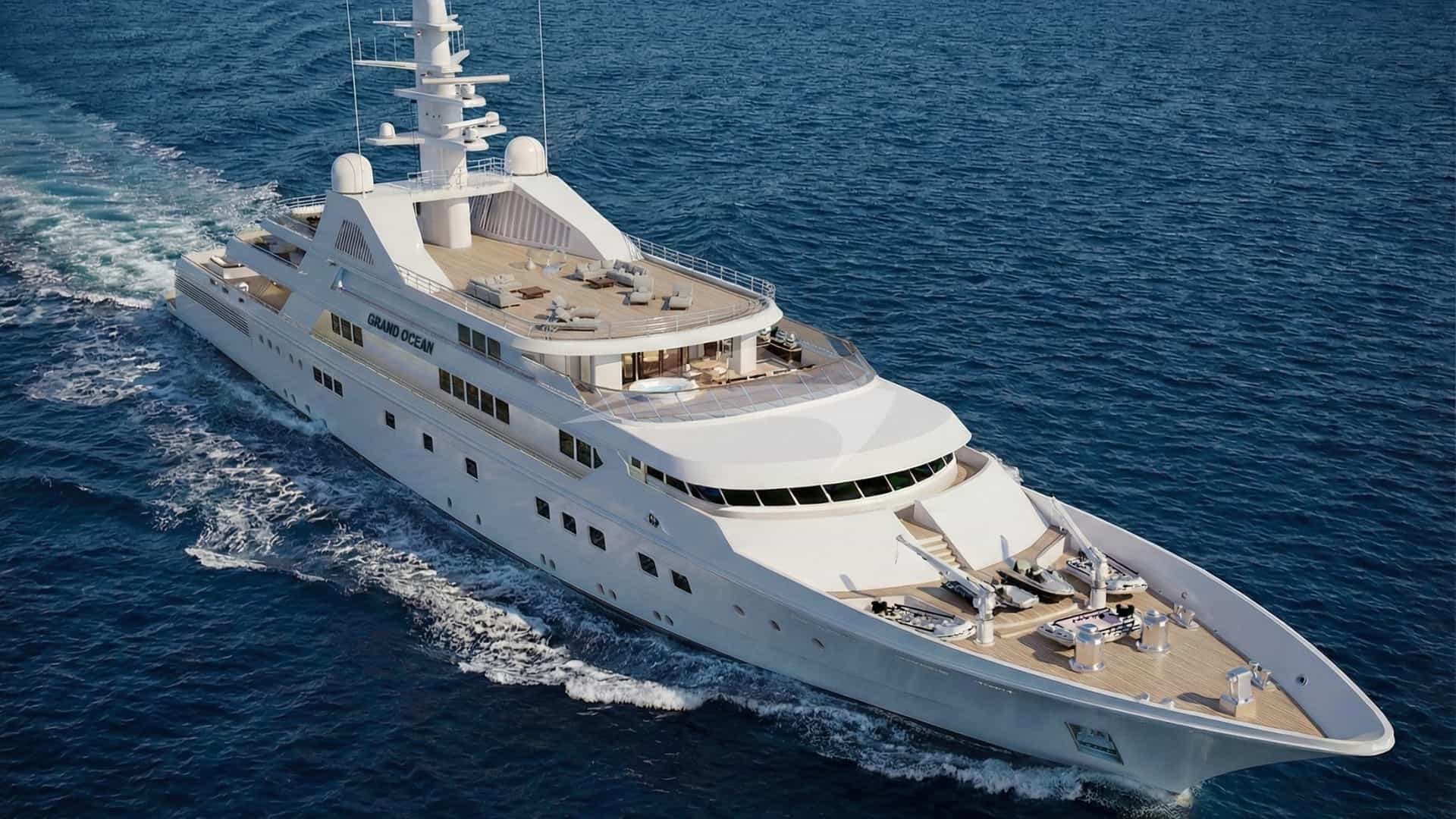
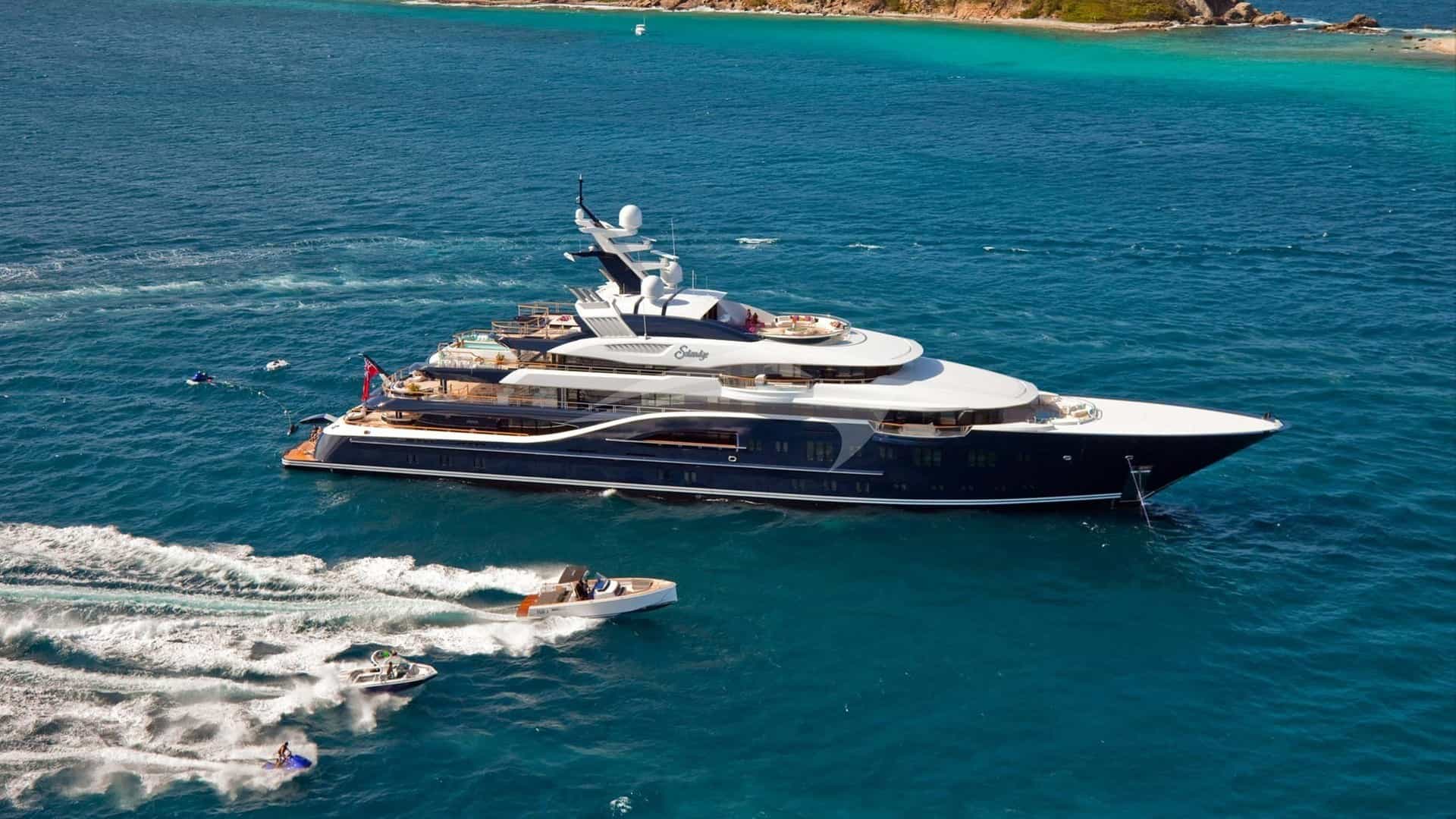
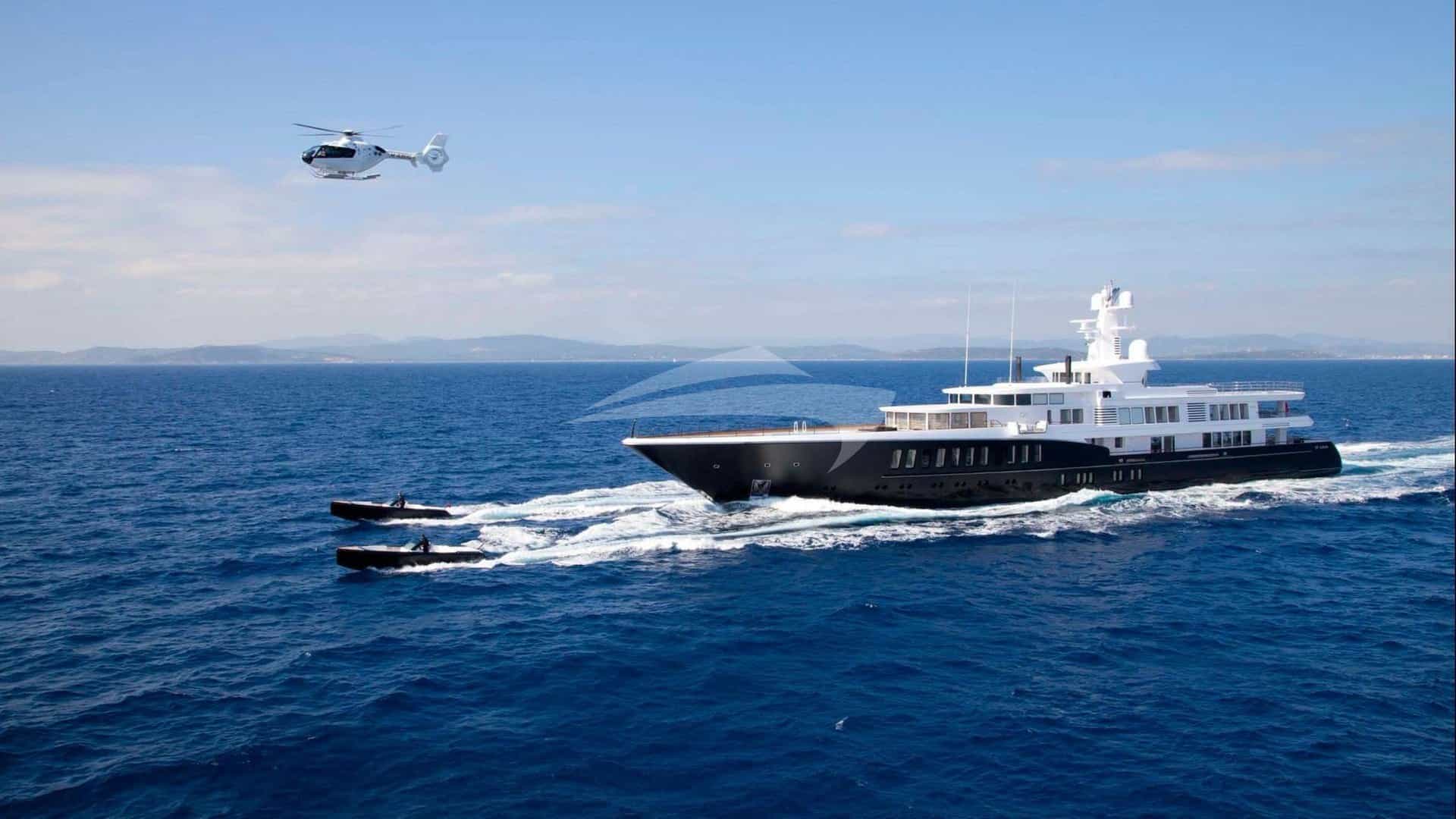
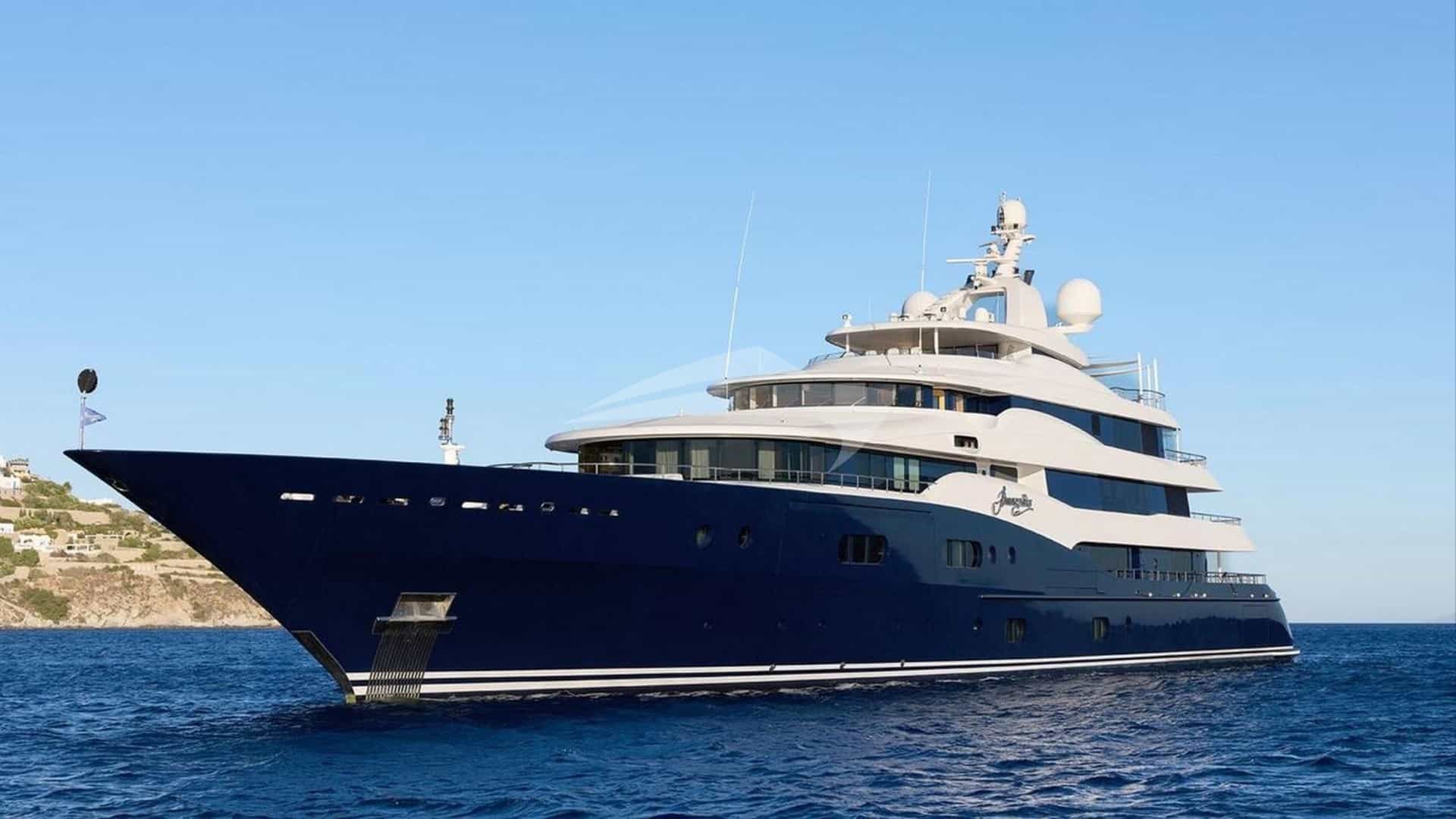
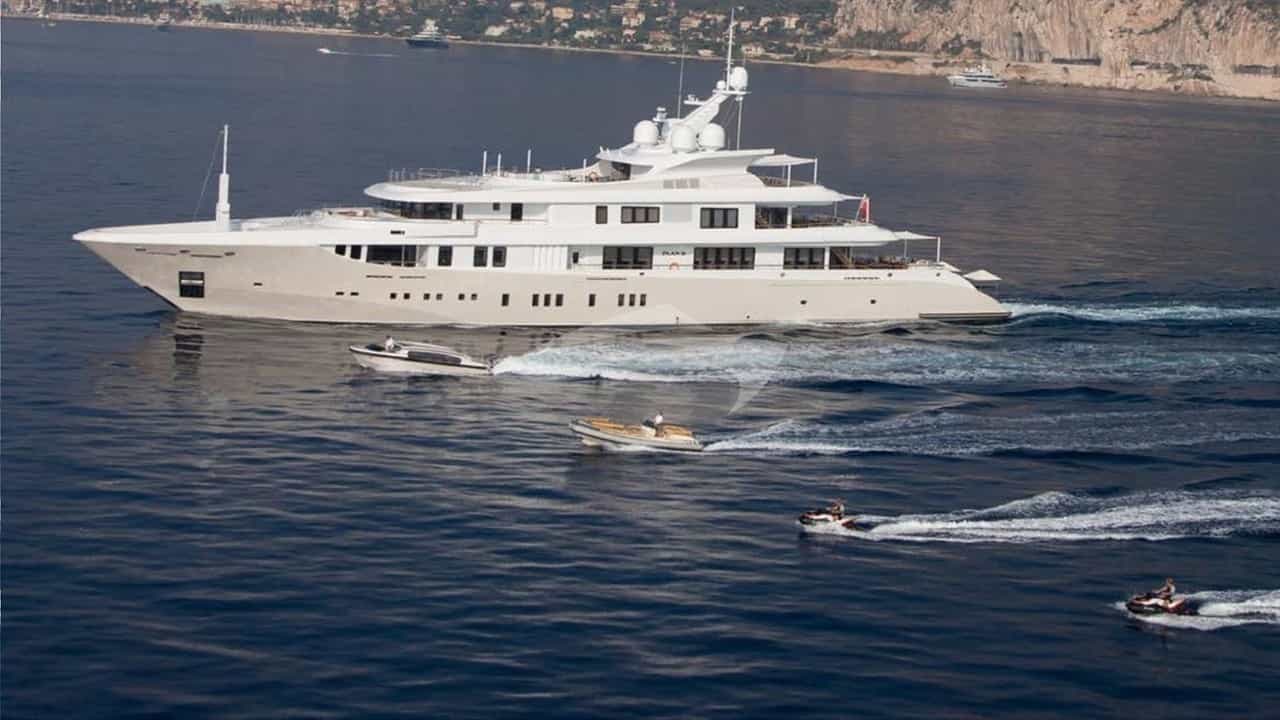
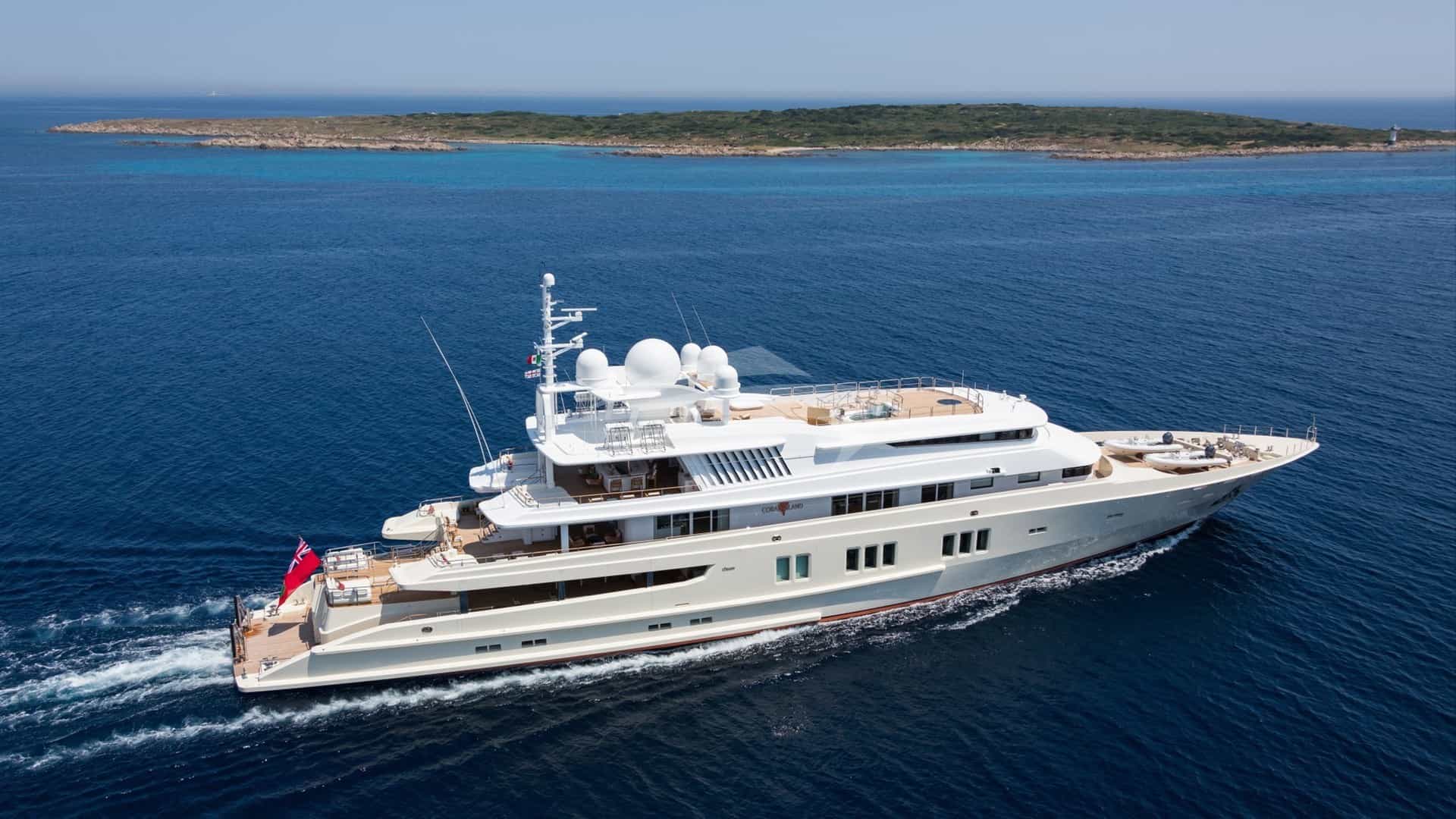
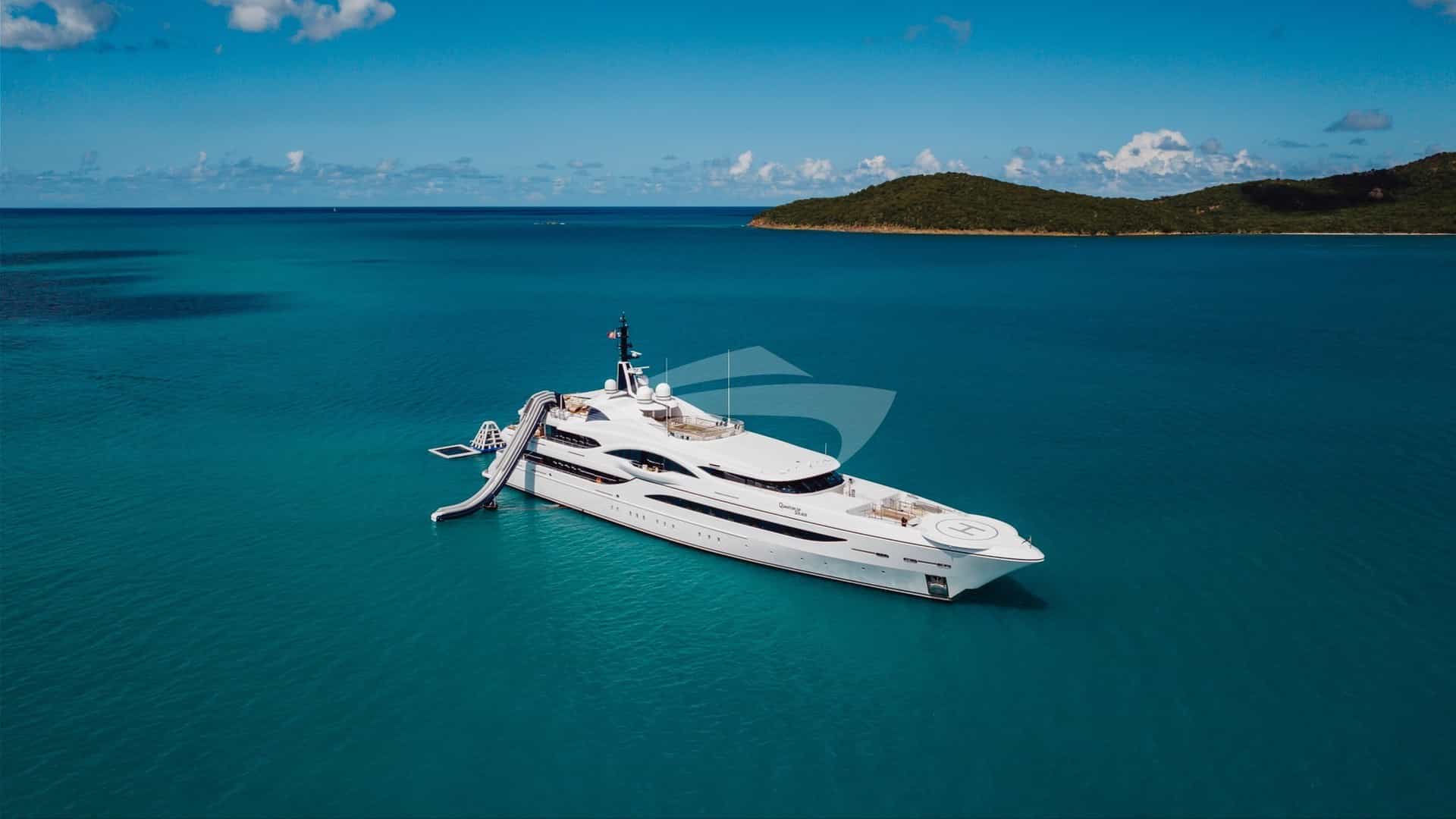
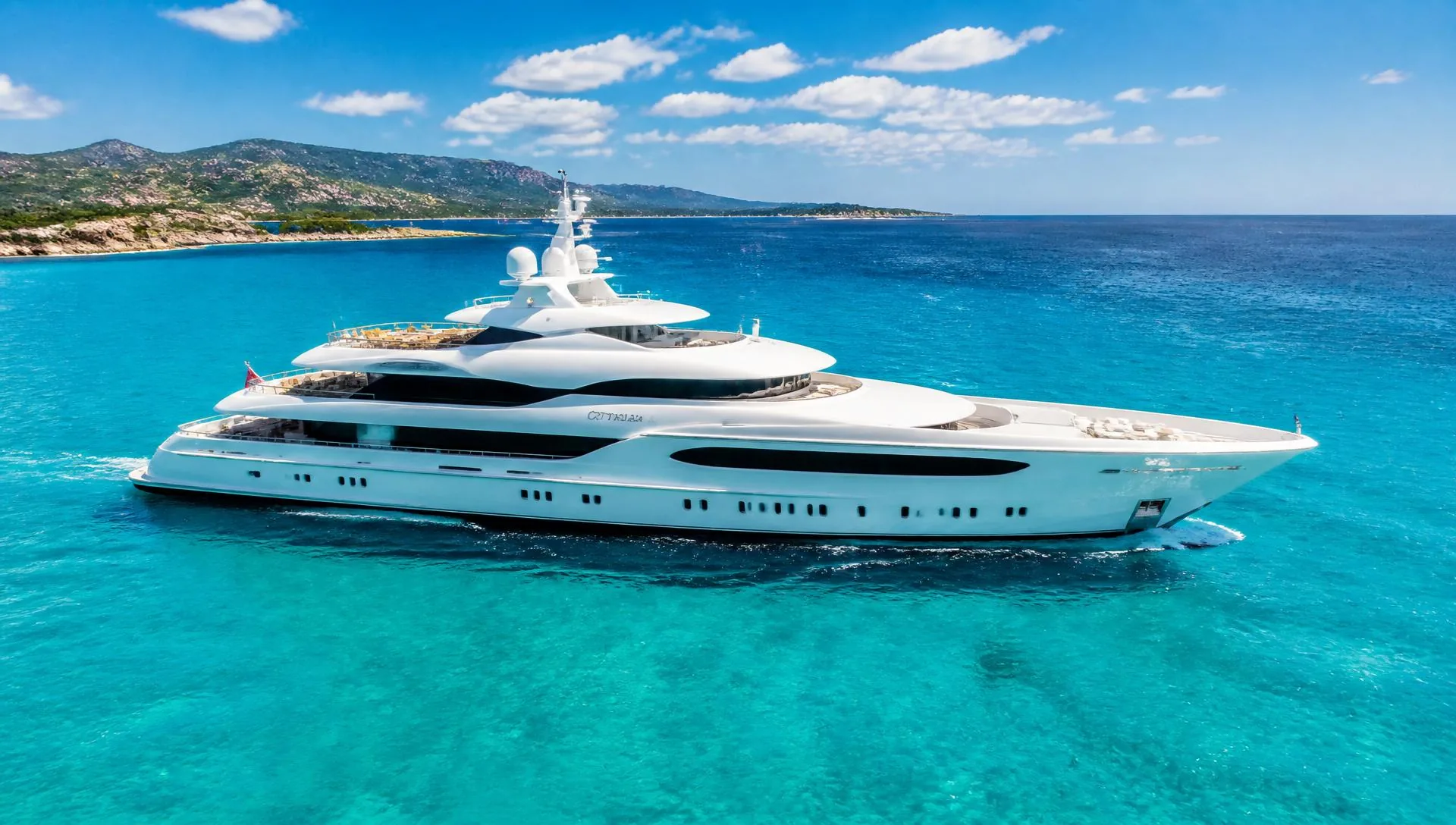
- 50–65 m motor yacht with a limo tender. Anchors outside the bay or takes the deeper roadstead, runs guests in dry. The presence on the bay reads at the right scale for the village.
Sailing yachts above 30 m struggle with the buoy field because the catenary and swing room conflict with the next hull. Catamarans clear the depth but lose the visual scale. Below 24 m the charter doesn't justify the cost of getting there from a Med base.
Financial framing — 2026 numbers
A 45 m motor yacht in high season (15 July – 25 August 2026) charters at €290,000–€380,000 per week plus 22% IVA on the Italian cruising portion of the fee. APA at 30–35% covers fuel, harbour fees, provisioning and shoreside spend.
Realistic Portofino-leg spend inside APA for ten guests, two-night Portofino block:
- Da Puny lunch for ten, wine, tip: €2,200–€3,200
- Pitosforo dinner with the corner-window table: €2,800–€4,000
- Bagni Fiore second-row sunbeds + lunch: €1,400–€2,200
- Mooring buoy (Portofino inner bay, 45 m hull): €1,800–€2,800 per night
- San Fruttuoso anchorage, Abbey entry, tender fuel: €400–€600
- Concierge / fixer for the buoy and the lunch: €1,500–€2,500 for the leg
Captain and crew tip pool at 10–15% of the base charter fee, cash, end of week. Build the brief around the full number, not the headline.
Weather and timing — when the Riviera works
Mid-June and the first three weeks of September are the technically best windows: thermal winds, calmer southerlies, the village still fully operational but the Piazzetta breathable. Mid-July to mid-August is the social window — every villa rented, every restaurant full, libeccio risk peaking. October has the best light of the year and a 40% chance of three good days in a row; book a weather-flexible captain or skip it.
The Ligurian Sea is short-fetch and the swells build fast. A captain who has run the coast in a 25-knot SW knows three lee anchorages within 30 minutes of Portofino. Ask your broker which three.
What this destination is — and isn't
Portofino is not a base for a charter; it is the headline anchorage inside a Ligurian arc. Treat it as the lunch destination on day 2 and again on day 6, with Santa Margherita and Camogli as the reliable overnight, and the week works. Brief it as "we want to stay in Portofino all week" and your captain will spend three nights at anchor in Santa Margherita explaining why.
We broker around 18 Ligurian charters a year. The bookings that deliver have three constants: a buoy held by the agent before Easter, a captain on first-name terms with Da Puny, and guests who understand that the most photographed harbour in Italy is also the one most easily ruined by a southerly. Get those three right and Portofino is the most cinematic 36 hours on the Italian coast above the Amalfi.
Booking window for 2026
The peak Ferragosto window (10–20 August 2026) is effectively closed at the top of the fleet. June, early July and September retain genuine inventory in the 35–55 m motor-yacht bracket. The villa-side fixers raise rates in March; broker briefs in by January get the buoys.
Send the brief, the dates, the guest count and the cruising preference. We will tell you within 24 hours which three hulls are the right shape for a Portofino-centric week and whether you should embark from Genova, Sanremo or further west at Antibes.