

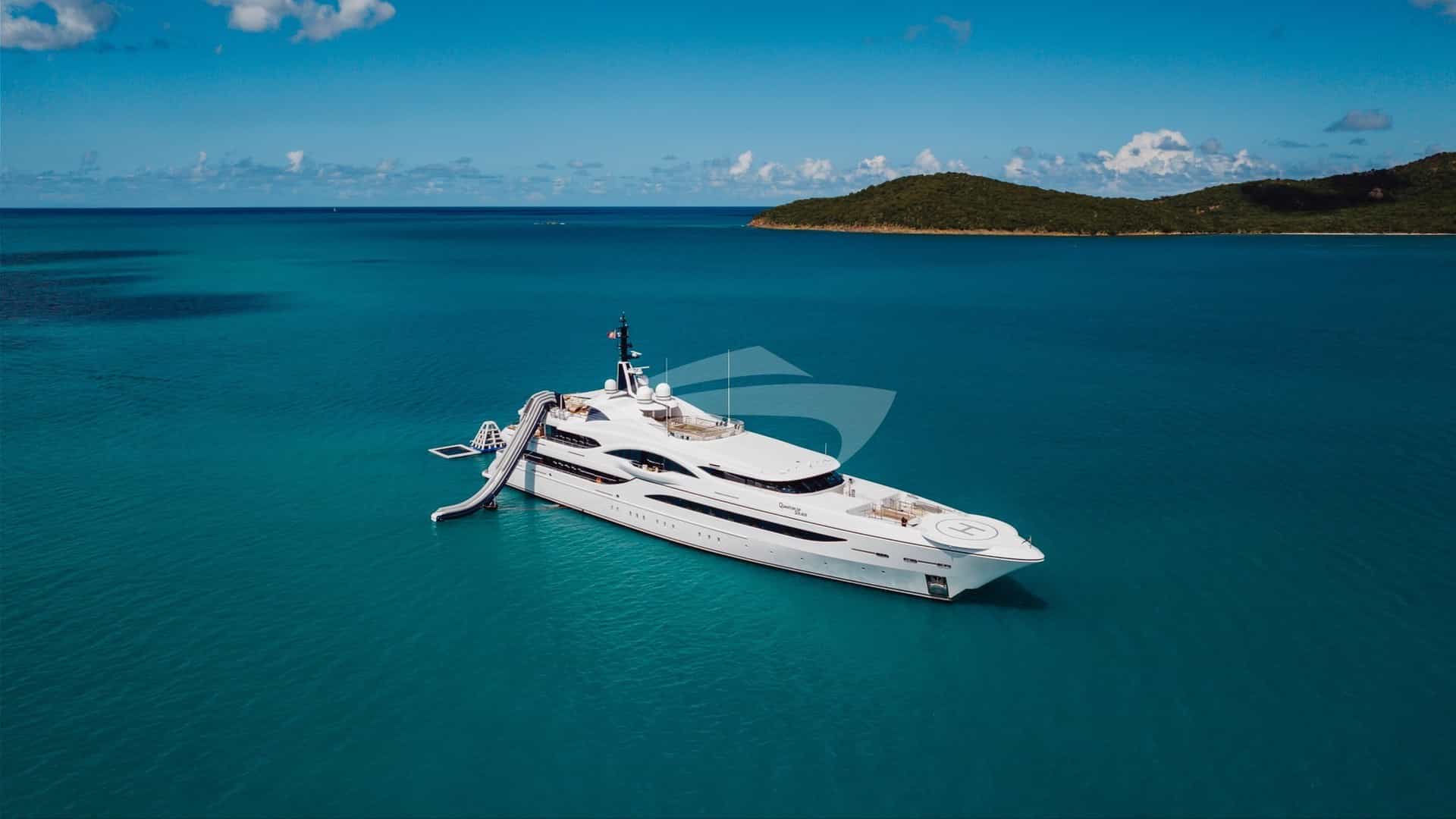
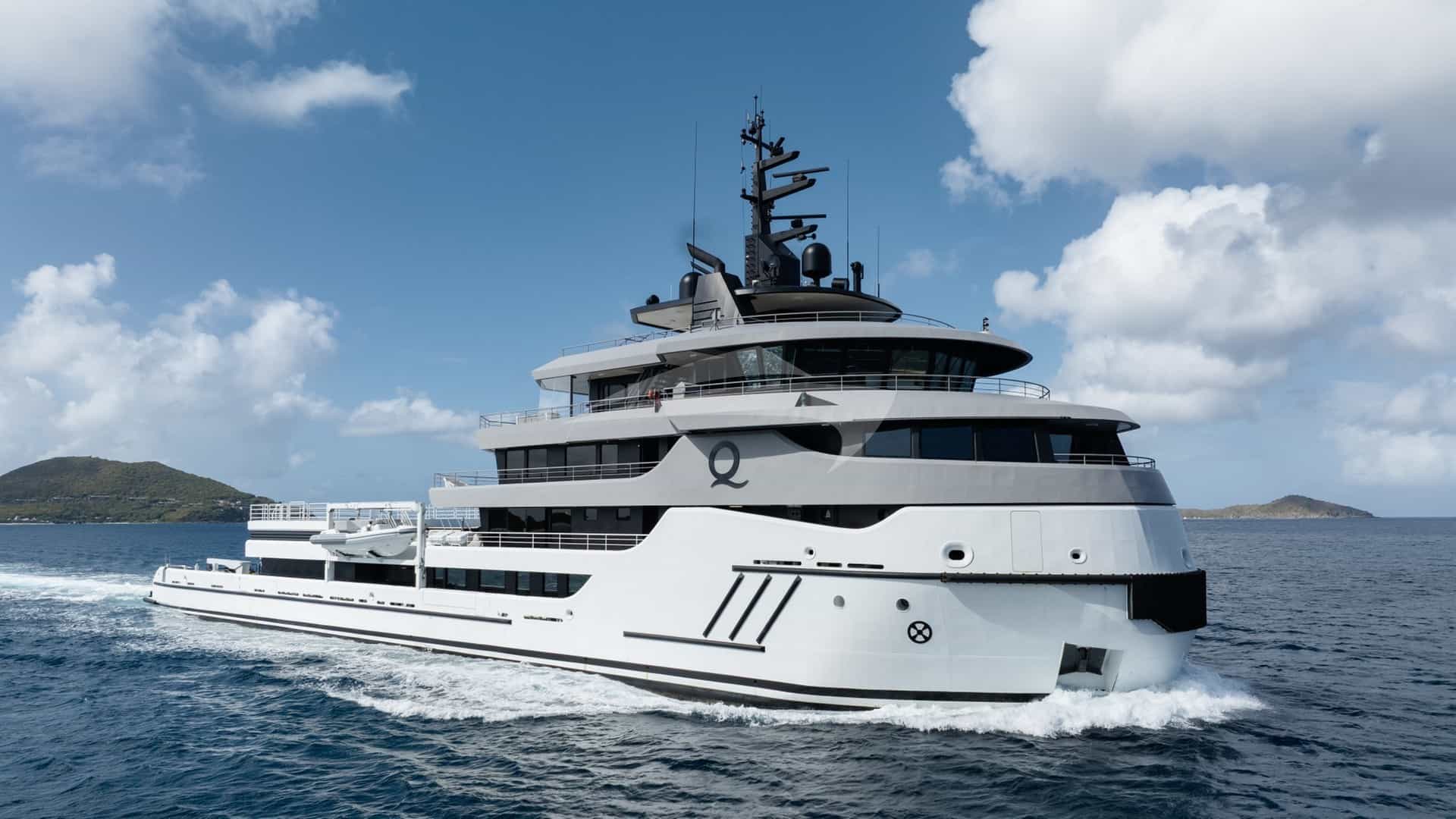
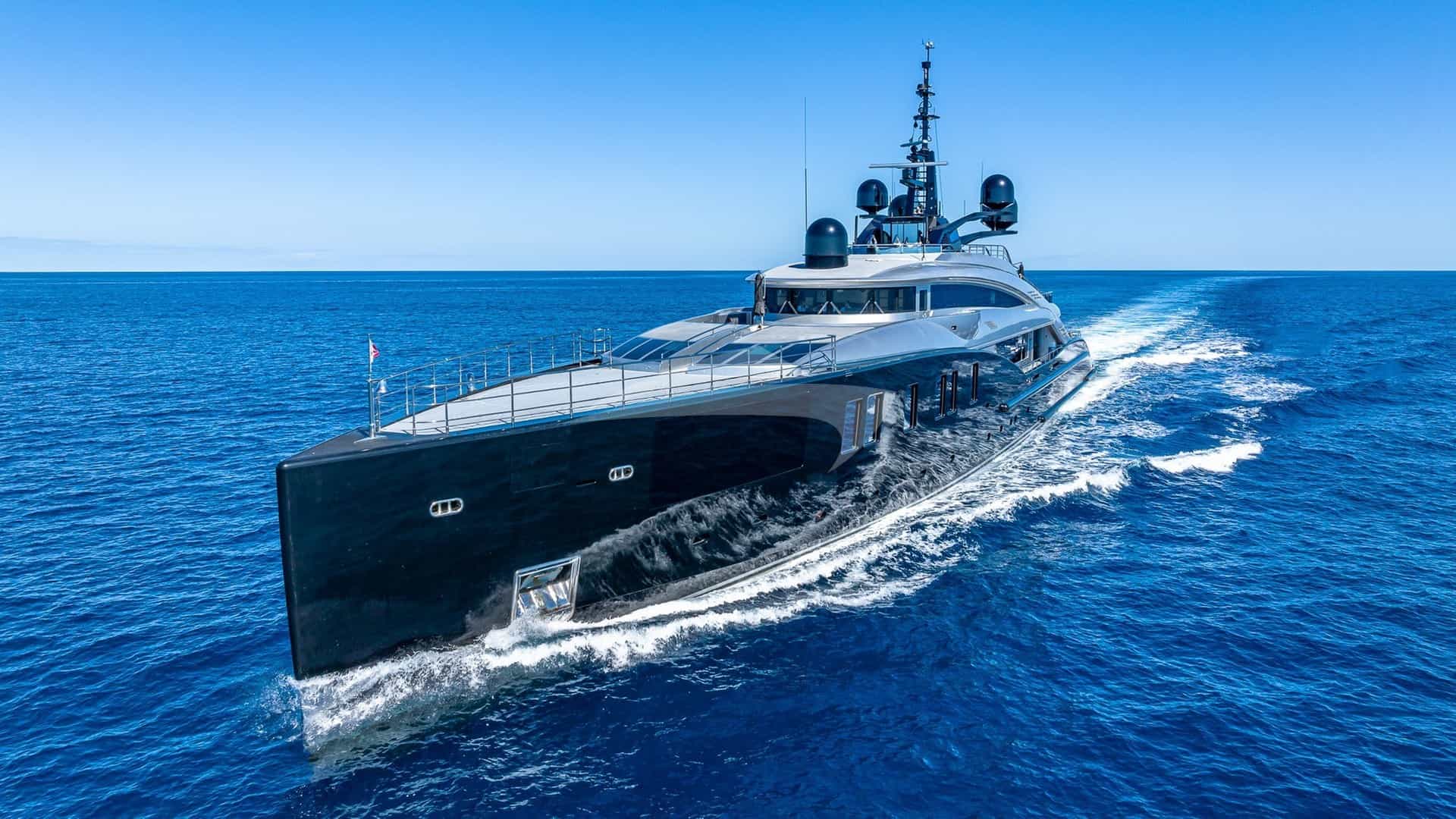
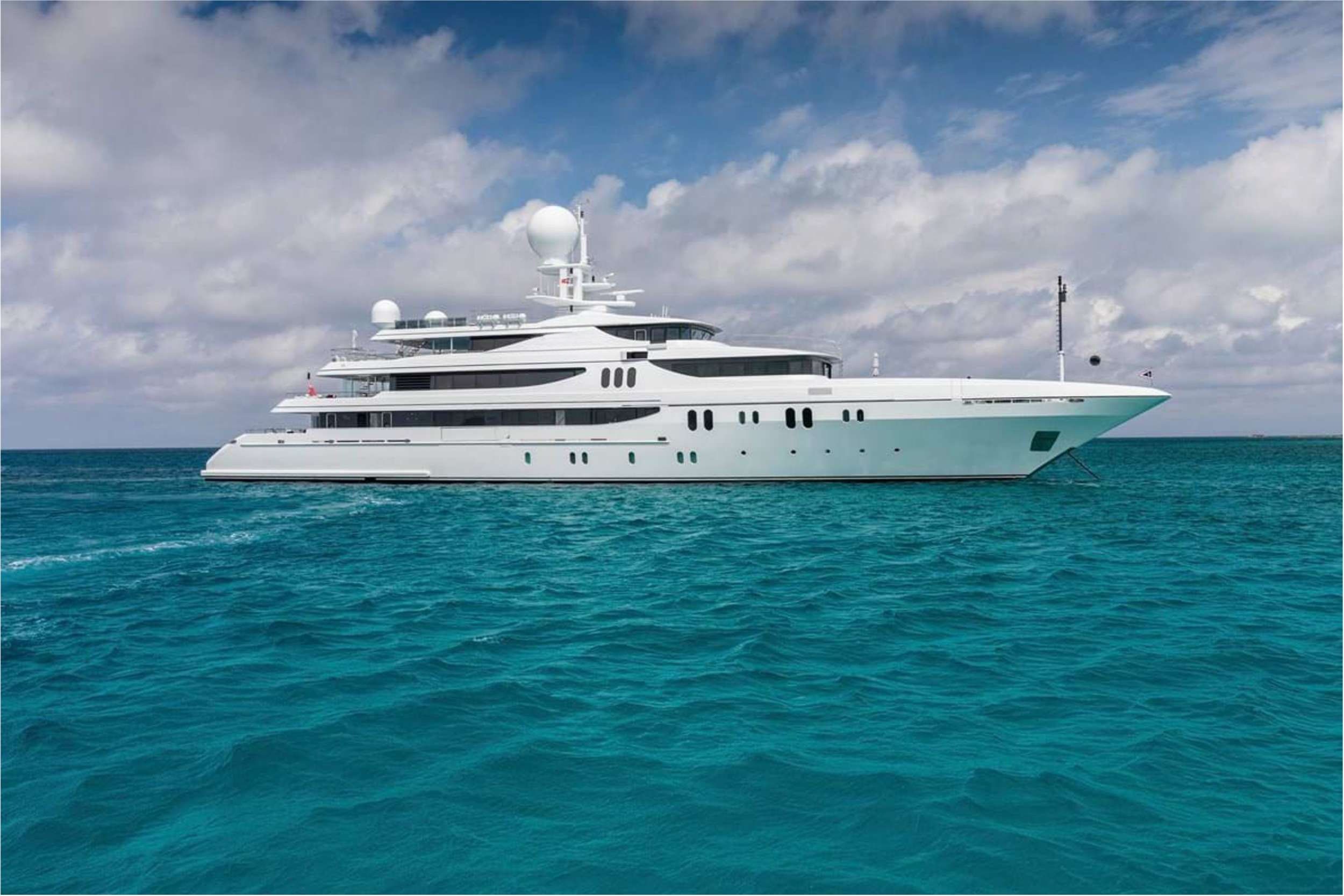
Gustaf III (SBH)
Saint-Barthélemy
- Record: airport · verified
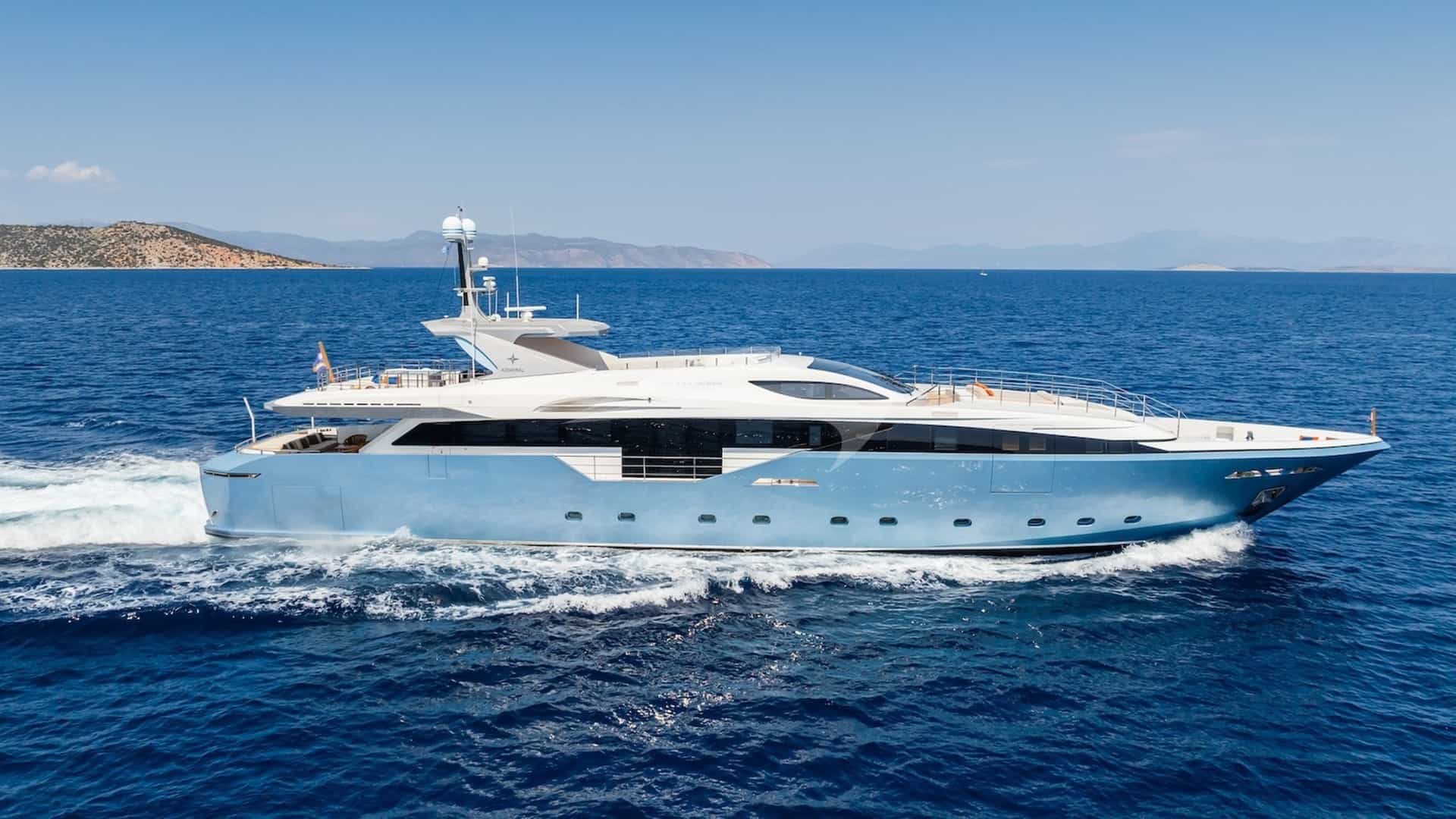
St Barths yacht charter is a peak-week berthing operation around Gustavia — New Year and holiday density, SBH / SXM door-to-deck, and tender culture when the quay is full. We hold outer harbour plans, hotel night-befores and APA before you fly.
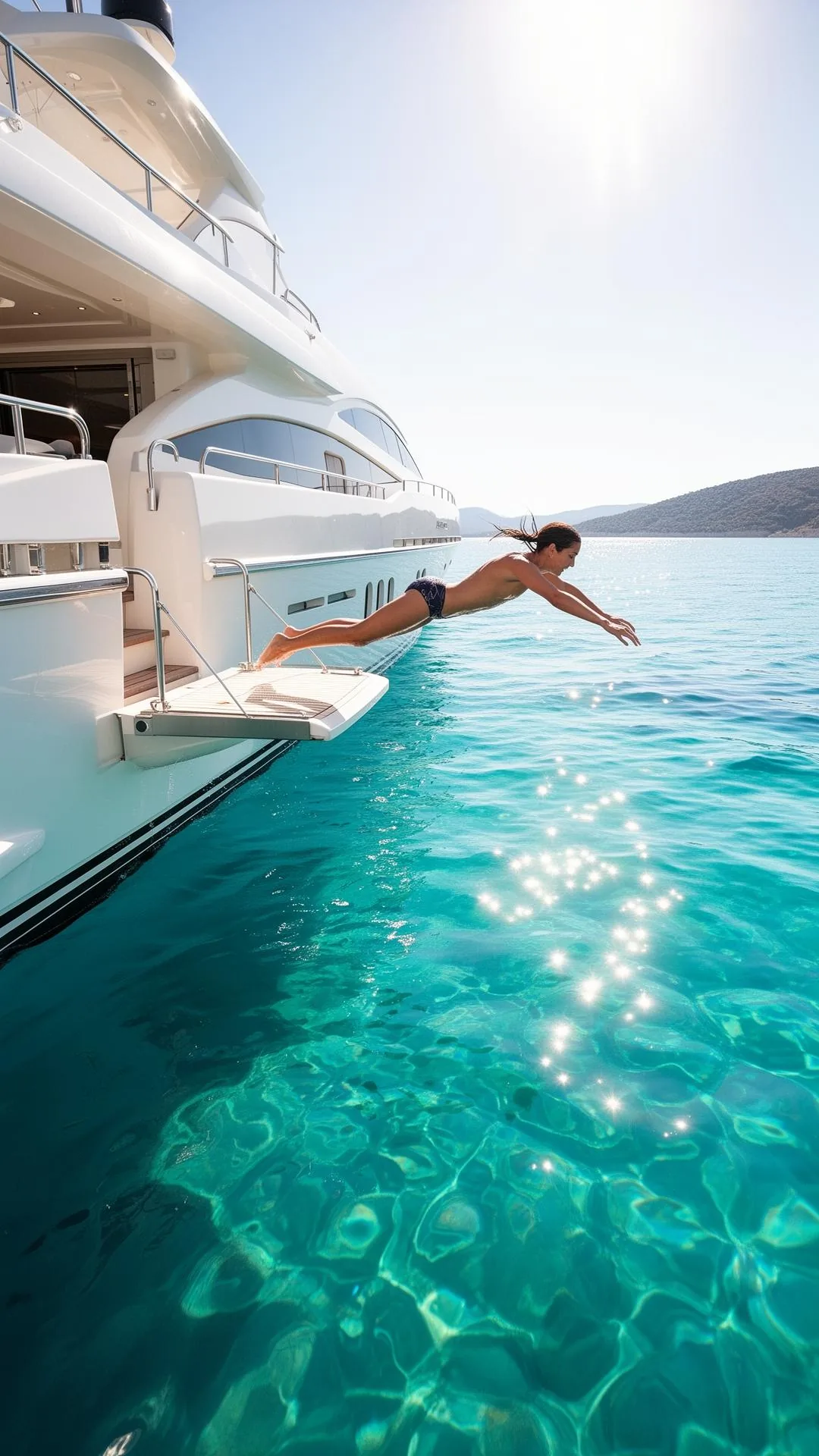
Privacy, pace, and places you cannot reach by road.
A luxury yacht charter St Barths rewards guests with a combination you cannot replicate from a hotel: total privacy, an itinerary that flexes around your party, and access to coves, restaurants and reefs that road-bound travellers simply never see. Blue Ocean Club curates St Barths cruises across motor yachts, sailing yachts, catamarans and superyachts — every option live-priced against the global live availability feed and presented with our 100% best-price guarantee.
St Barths sits at the heart of one of the world's great cruising grounds. Days unfold at the pace of the sea: long swims off the platform, lunch at a beach club where your concierge has held the best table, an afternoon cruise to a quieter anchorage, cocktails on the bow as the light softens. The captain rewrites tomorrow's plan based on tonight's weather and your party's mood.
Blue Ocean Club matches each crewed yacht charter St Barths enquiry to yachts whose published operating area, specifications and current availability fit the requested dates. The final shortlist is checked against the yacht's authorised charter information before contract, and route details remain subject to operating conditions and the captain's final approval.
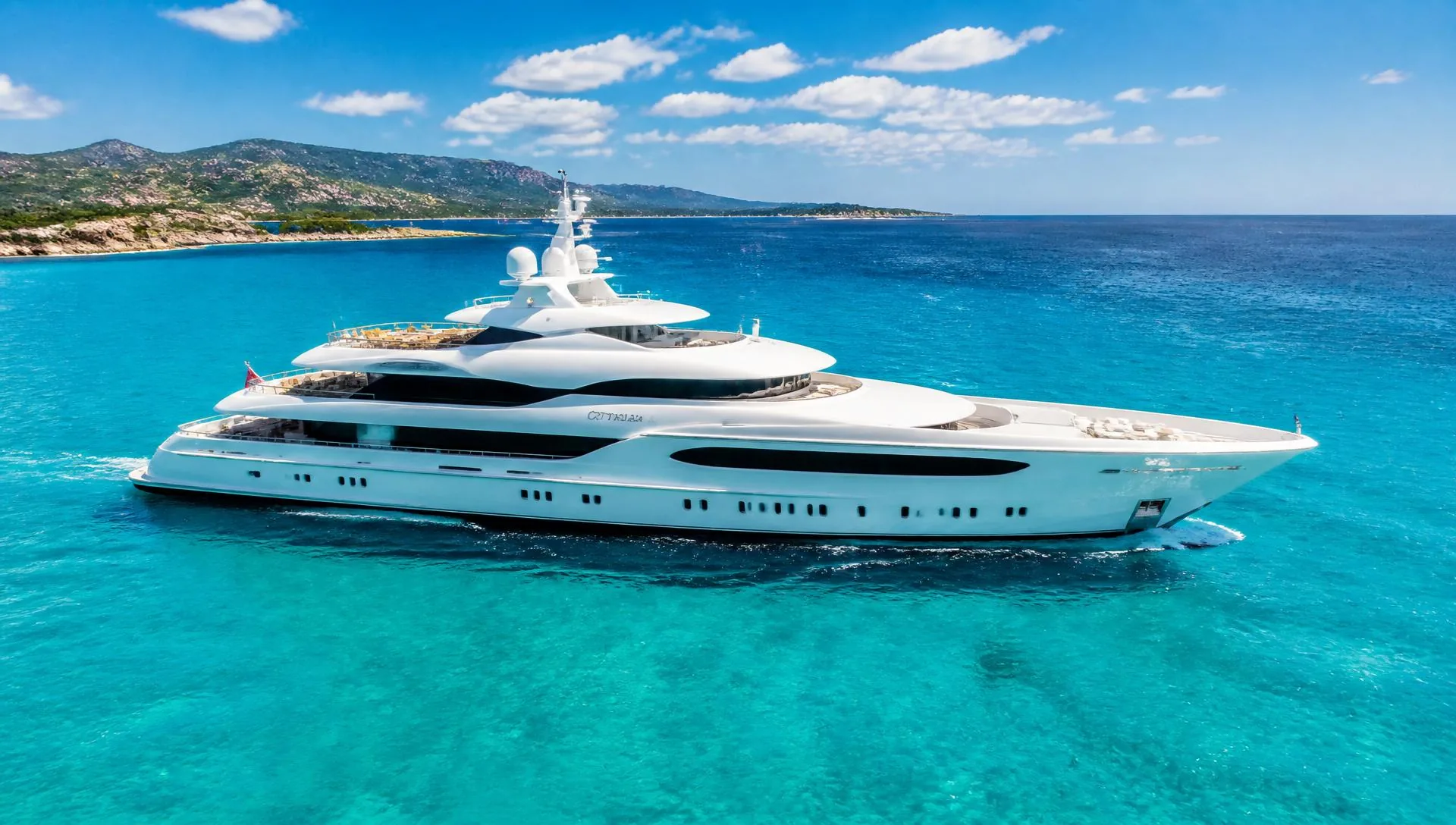
St. Barths isn't just a destination; it's a statement. For UHNW principals and their brokers, a charter here transcends a typical vacation. It's an immersive experience in curated luxury, demanding meticulous planning and an intimate understanding of its idiosyncratic charm. Picture a Mediterranean yachting culture meticulously transplanted to the Caribbean, where a 40-meter Feadship navigates within sight of a Michelin-starred beach club, and a Sunreef 80 Power anchors off a deserted cove. This isn't a "fly-by-night" charter market; it's a sophisticated ecosystem where discretion, access, and impeccable service are paramount.
While the "Caribbean Winter Season" (November to May) is the undeniable prime time, understanding its nuances is critical.
Typical Weather: Expect consistent sunshine, average daytime temperatures between 26-30°C (79-86°F), and pleasant evening breezes. The trade winds, typically 15-20 knots from the east, are a constant factor. For sailing yachts, this is champagne sailing. For motoryachts, it means potential chop on exposed anchorages, especially on the windward side of the island.
St. Barths caters to a diverse fleet, but certain yacht types excel here.
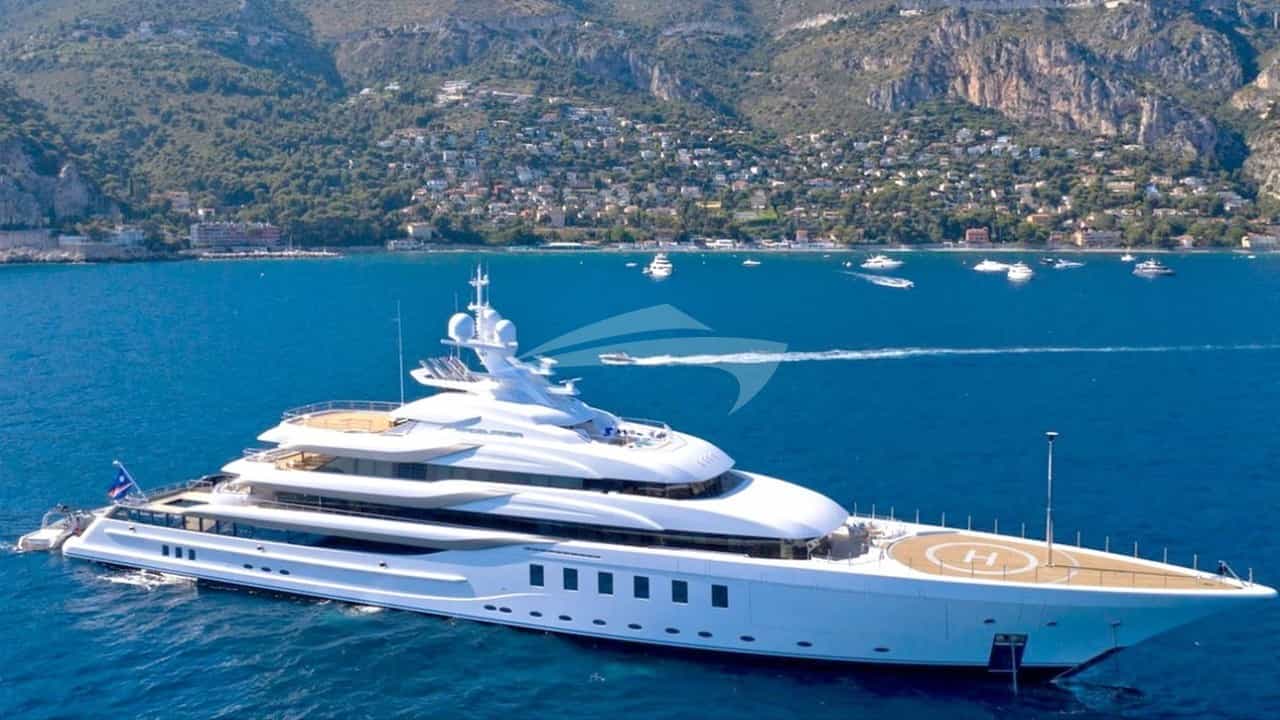
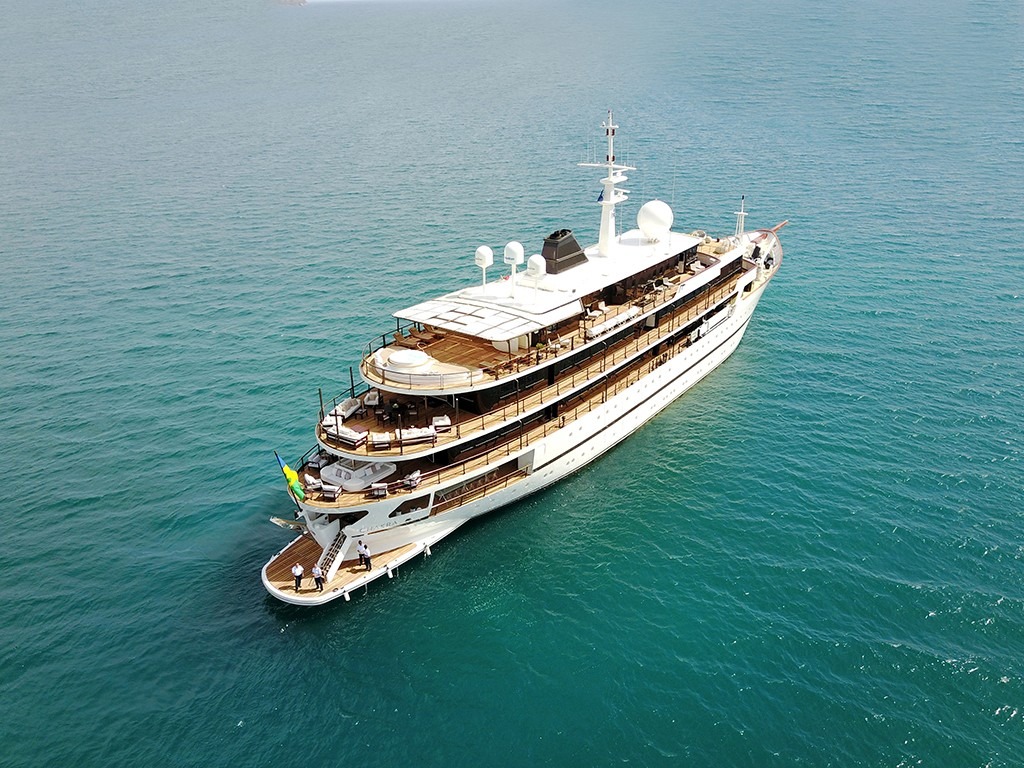
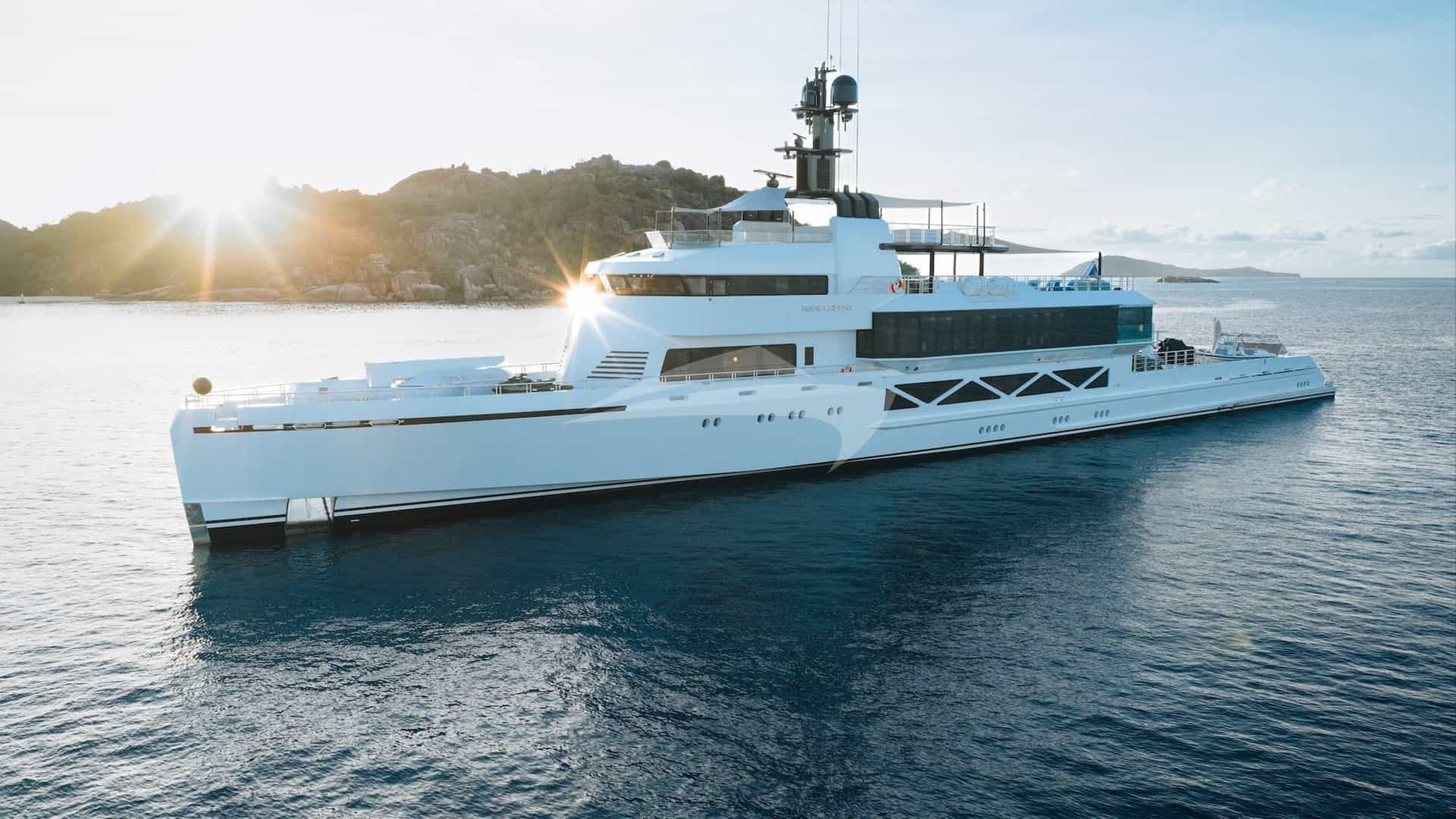
Lionheart or a 55m Feadship Ocean Club offers the space, amenities, and prestige expected. Draft can be a consideration in some anchorages and tenders accessing shallower beach clubs. Expect weekly rates for a 45m motor yacht to range from €200,000 to €450,000+ during high season, plus APA.Key Consideration: Draft. While Gustavia harbor accommodates significant draft, many of the more secluded anchorages and approach channels to beach clubs are shallower. Always confirm draft limitations with the captain.
While Gustavia and St. Jean are undeniably central, the true St. Barths experience extends beyond.
Day 1: Arrival in Gustavia & Unpack in Style. Fly by private jet or airline into St. Maarten (SXM), then take a connecting flight to Gustaf III Airport (SBH), a helicopter transfer or a boat; you can also arrive by yacht. SBH has a runway of about 646 m and takes turboprops only, not jets. Clear immigration. Transfer directly to the yacht. Enjoy cocktails and canapés on the aft deck with a view of the harbor.
Fouquet's for panoramic views and exquisite French cuisine. Or, if a more casual upscale vibe is preferred, Black Ginger for excellent Thai.Bagatelle if the mood strikes.Day 2: St. Jean Bay & Beach Club Culture.
A short cruise to St. Jean Bay. Anchor centrally, deploying watersports toys. Tender into Nikki Beach (St. Jean) for a vibrant lunch and afternoon scene. Alternatively, for a more relaxed and authentic St. Barths beach experience, Gyp Sea Beach Club offers a chic, bohemian vibe.
Pain de Sucre or a paddleboard excursion along the coastline.Eden Rock's Sand Bar for renowned cuisine in an iconic setting. Principals often dock their tenders directly at the Eden Rock landing.Day 3: Anse de Colombier & Secluded Serenity. Cruise to the northwest tip of the island to Anse de Colombier. This pristine bay, accessible only by foot or boat, offers unparalleled snorkeling and tranquility. The Rockefeller Estate is visible from afar.
L'Isola in Gustavia for top-tier Italian, or Bonito for exceptional ceviche and Caribbean-inspired dishes with stunning harbor views.Day 4: Saline Beach & the East Coast. Cruise to the wilder, more natural beaches of the east coast. Anchor off Anse de Saline. This protected natural site is renowned for its pristine white sand and lack of development. It's a favorite for discerning principals seeking true escape.
Le Tamarin (a short drive from the Saline parking lot), famed for its beautiful garden setting and outstanding food. Reservations essential.Restaurant le Gaiac at Le Toiny for an elegant dining experience with ocean views, often featuring live music.Day 5: Petite Anse & Grand Fonds – Off the Beaten Path. Head south to explore Petite Anse, a charming, secluded cove, often uncrowded. Continue further east to Grand Fonds, known for its dramatic rocky coastline and powerful waves crashing against the shore – a dramatic contrast to the calmer bays.
Ti St. Barth on Pointe Milou for a lively, caberet-style dinner show (note: this is a distinct experience, not for every principal). Alternatively, for quiet sophisticated dining, Orega in Gustavia for Japanese-French fusion.Day 6: Isle Fourchue & Watersports Nirvana. A short cruise to the uninhabited island of Isle Fourchue. Its dramatic volcanic landscape and sheltered bays make it an ideal spot for watersports.
Day 7: Last Swim & Departure. Enjoy a final breakfast with a view, perhaps a last swim or paddleboard session in a calm bay nearby before returning to Gustavia. Disembarkation by 10 AM, transfer to airport.
APA (Advance Provisioning Allowance): Standard is 30-35% of the charter fee. In St. Barths, especially during peak season or for demanding principals, recommending 35% is prudent. The island is known for its high cost of living and imported luxury goods, from vintage Champagne to specific cuts of Wagyu. Replenishment of fuel and high-end provisions quickly consumes APA funds. A 2026 reference: Expect premium fuel to be around €1.80-€2.00/liter. High-end provisioning (e.g., fresh black truffles, specific caviar, prime cuts, rare wines) can easily add €5,000-€10,000+ per week above standard provisions.
Clearance & Permits: Yacht clearance is handled efficiently in Gustavia. Ensure all crew and guest passports are valid and visas are pre-arranged if necessary. Fishing permits are required if principals intend to fish outside of direct yacht-tender proximity. Drone permits can be complex and are often restricted in specific areas, especially near the airport or crowded beaches. Always consult the captain or charter manager well in advance.
Crew & Provisioning:
Super U for general needs, dedicated gourmet shops for specialty items), most high-end provisioning for larger yachts is coordinated through external suppliers from Martinique, Guadeloupe, or even Florida. Expect longer lead times for specific, non-standard items. Communicate all dietary restrictions and preferences to the chef weeks in advance. Fresh, local seafood is readily available and excellent.Logistics & Transport:
Discretion & Privacy: St. Barths, while a social hub, also values discretion. High-profile principals often prefer a yacht with excellent tenders to access establishments without drawing undue attention. Many beach clubs and restaurants have private tables or sections available upon request. Communication with the captain and ground agents regarding movements is key.
A St. Barths yacht charter isn't merely a booking; it's an orchestration. For the UHNW principal, it's an expectation of flawless execution and unparalleled access. For the broker, it's a testament to their network, foresight, and understanding of this singular, magnificent island. Deliver on these, and the experience transcends a simple vacation, becoming a cherished memory.
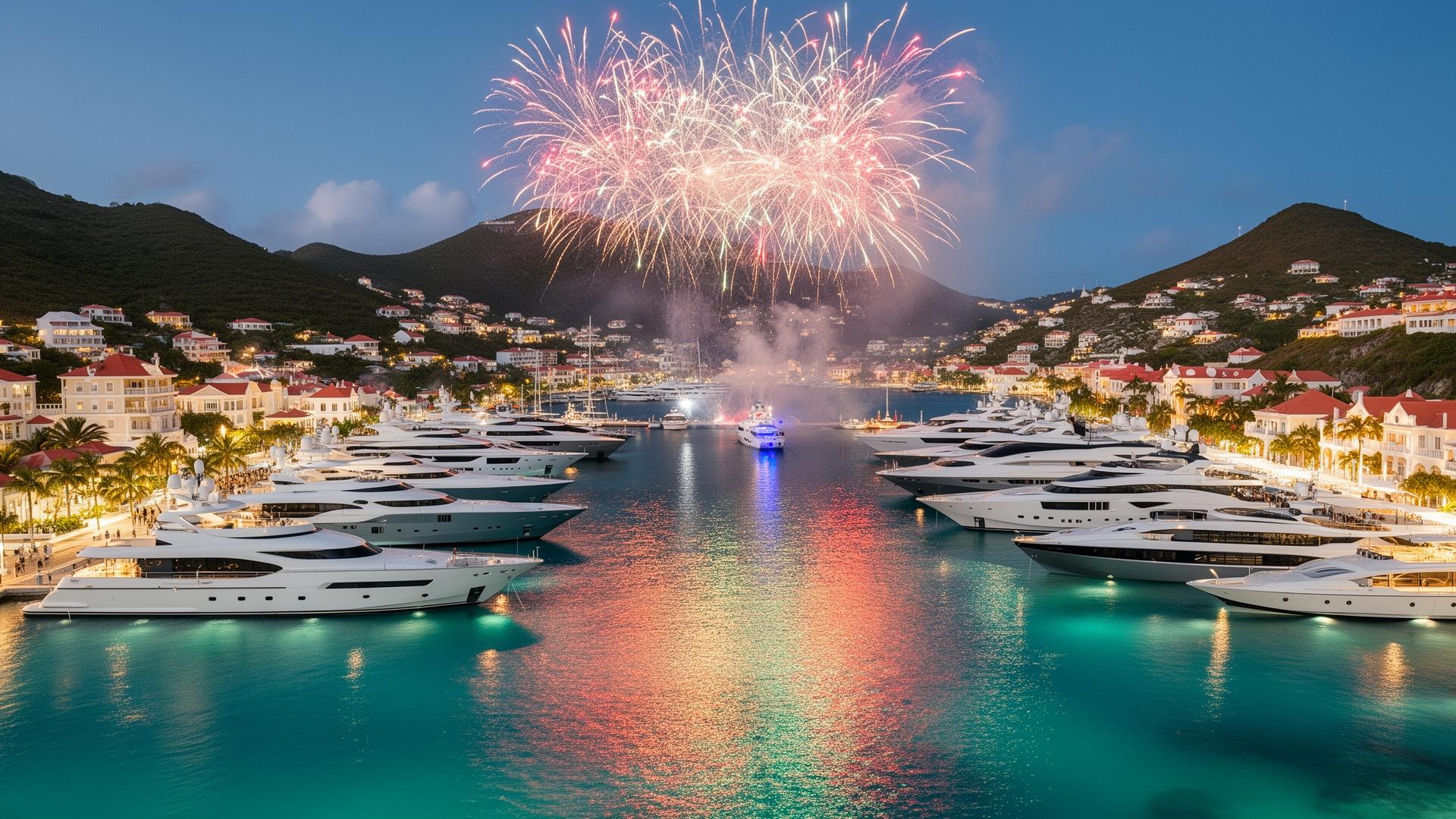
The Festive Season — Christmas through the second week of January — is where St Barths becomes a high-compression environment and where execution decides the charter. Demand outstrips supply for everything from aircraft landing slots to dinner tables, and there is effectively no room for improvisation.
There is no direct long-haul access to St Barths (SBH). All international arrivals funnel through Princess Juliana International Airport (SXM) in St Maarten, and the final leg is a 15-minute flight from SXM to SBH. The SBH runway is notoriously short (646m), precluding all but specialised turboprop aircraft; the primary carriers are Tradewind Aviation (Pilatus PC-12s, private lounge at SXM) and Winair (the local scheduled carrier). The yacht's agent is mission-critical: they coordinate the "wing-to-wing" transfer at SXM, meet the principal's private jet on the tarmac, handles immigration paperwork, and personally escort the party to the waiting Tradewind flight. Luggage is often managed separately and follows on a subsequent flight or via ferry — a day bag is essential. Bookings for the Festive Season must be made 6-9 months in advance.
Securing a berth in Gustavia's inner harbour — particularly on the Quai d'Honneur, Med-moored stern-to with the passerelle a few feet from the boutiques — is the ultimate objective for most Festive-Season clients. The Port Authority (SOGERMAG) manages bookings, and the agent's history with the Capitainerie matters more than any premium a client is willing to pay. For New Year's Eve specifically, berths are not simply booked; they are allocated. Applications are submitted in the summer and a lottery system is often employed for the most desirable spots. Many major yachts book a two-week block to guarantee their position across the 31st.
The majority of the Festive-Season fleet will lie at anchor outside the inner harbour. The outer anchorage is well protected but can be crowded and subject to swell, and the yacht will be on anchor watch 24/7. Tender operations become the sole method of transit to shore, so a capable crew and a fast, comfortable chase boat (12m is standard for this theatre) are non-negotiable. Fuel burn for generators and tenders rises accordingly.
Prime restaurant bookings — Bonito, Le Toiny's Restaurant le Gaiac, L'Isola, the Eden Rock Sand Bar, Shellona at Shell Beach — must be secured by early October at the latest for the Festive window; a party of eight to ten in peak week is a major request. The Sunday party at Nikki Beach in St Jean Bay is a full-day operation for the crew, from tender runs to managing guests on return. Book the table or daybed well in advance; minimum spends are significant.
A note on spelling: the island is known internationally as both St Barts and St Barths, and legally as Saint Barthélemy. This guide uses St Barths as the site convention; the alternative spellings appear naturally throughout the market and either is understood locally.
Season, route, hull and investment — the four things every guest asks before we lock a yacht.
The established charter window used for planning in this cruising region is December through April. Conditions still vary by exact dates and route, so the captain's forecast and operating advice govern the final itinerary.
The strongest St Barths itinerary is built from destination-specific marinas, anchorages and places that are actually available for the requested dates. The route remains flexible around weather, berth availability, local restrictions and the yacht's operating limits.
The most suitable yacht for St Barths depends on guest count, layout preference, draft, range, speed and the intended itinerary. Compare the verified specifications on the individual yacht listings rather than relying on a generic destination-wide yacht type.
Charter pricing in St Barths depends on the yacht, dates, operating area and the final charter terms. Verified yacht rates are shown on individual listings when available; taxes, operating expenses, provisioning and any other booking-specific charges are confirmed before contract rather than estimated from a global template. Minimum charter duration is yacht- and date-specific.
Live pricing — charters from €38,500 / week
From quiet anchorages to time ashore — a planning sample to adapt around the yacht, local conditions and verified availability.
Swimming, dining and relaxation shaped around the facilities of the yacht selected
Use the water toys and sports equipment actually carried by the yacht, where local rules allow
Add towns, beaches, restaurants or cultural stops when verified locally and available for your dates
Plan menus with the yacht's confirmed crew and the provisions available for the charter
Keep the route responsive to weather, berth availability and the captain's operating decisions
Ports, islands and sub-regions across St Barths — each with its own guide, marina context and yacht recommendations.
Satellite view of the coast — ports, headlands and island day-anchors that can shape a week on the water.
The prime window for a yacht charter St Barths runs December through April.
Share a few details and we will return a private yacht shortlist — availability, APA guidance and a clear next step — within one working day.
Private-jet gateways for St Barths Yacht Charter — each airport links door-to-deck transfers and Limitless Sky charter.
Private jet capable
Top transfer: Chauffeur SUV to Port de Gustavia · 1–1 min
Private jet into SBH →Private jet capable
Top transfer: Chauffeur SUV to Port de Gustavia · 31–49 min
Private jet into SXM →Short-field SBH or Juliana (SXM) with boat/heli across — choreographed to the gangway.
Meeting point
Meeting point: Port de Gustavia — confirm quay / pontoon with the captain the morning of embarkation.
Arrival buffer
Plan 60–90 minutes from wheels-down to passerelle for chauffeur corridors; helicopter windows are tighter when helipad access is confirmed.
Berth lead time
6–12 months for New Year / peak holidays
Captain / crew
Harbour control mandatory in peak; outer anchorage + tender is the megayacht default when quay is unavailable.
Tender fallback
When berths are scarce we hold a sheltered anchorage + tender (or captain-only standby) plan before you fly — never a last-minute scramble at the mole.
Luggage / night before
Night-before hotel near the gateway (or marina) when late arrivals risk missing the embarkation slot — we hold rooms against the transfer plan.
Gateways
Indicative guidance — Indicative seasonal berth ranges are shared on request — confirm with the marina agent before contract. We never publish unverified nightly rates as fact.
Tender bookings, table reservations and jetty access — addresses, phones and sites below. Your Blue Ocean Club concierge can hold the table — request via the enquiry form.
Tables held in advance by your concierge — addresses, phones and sites below, from beachfront classics to Michelin dining rooms. Request via the enquiry form.
Pointe Milou
Christopher hotel beach dining.
The festivals, art fairs, regattas and cultural calendar that shape berthing demand — plus concerts and exhibitions your concierge can programme around the yacht week. Dates are seasonal; confirm the current edition before locking the charter.
Hover a marker for a quick brief — click to open the approach notes below. The protected coves and roadsteads your captain will plot into your week.
Reviewed by Naomi Clarke, Caribbean Specialist at Blue Ocean Club.
St Barths is punctuation — I never promise a Gustavia wall I don’t hold in writing. Tell me SBH or SXM and whether New Year is the brief; the outer-harbour plan is ready either way.
WhatsApp or email reaches the charter desk. We reply within one working day with availability and a clear next step.
The morning that justifies the week.
One quay night when held — otherwise tender.
When the jet won’t take SBH.
Independent brokerage with live inventory, transparent pricing, and a concierge that works the coast before you step aboard.
Live availability feed across 2,000+ yachts — hold and confirm in hours, not weeks.
We do not mark up the charter fee. The price you see is the operator's price.
Our recommendations follow the boat, not a commission — owners pay us, not introducing brokers.
Restaurants, transfers, private guides, helicopters and beach clubs handled long before you board.
Tell us your dates and party — we return three live options within the day.
Tell us your dates, party size and what makes a perfect day on the water. We reply within one working day with a curated shortlist and a transparent quote.
Reviewed by Naomi Clarke, Caribbean Specialist at Blue Ocean Club. This page is maintained by the Blue Ocean Club charter desk — editorial content, not an independent certification.
Destination intelligence coverage
This guide currently connects 60 charter yachts on record. Counts describe records available to the page, not first-hand visits or live availability.
Named editorial review
Reviewed by Naomi Clarke, Caribbean Specialist at Blue Ocean Club.
Where the facts come from
1 cited reference is attached to this destination, including official tourism, marina, government, partner or Blue Ocean Club journal sources where listed.
Recorded editorial verification
This destination is in the recorded verification cohort dated 1 July 2026.
Last data refresh
The underlying destination record was last refreshed 17 September 2026. A data refresh is not presented as a human verification event.
What we never state
We do not treat database inventory as live availability and do not present unverified operator pricing or operator terms as confirmed facts. Availability, rates, taxes, berth suitability and charter terms are confirmed for the specific enquiry.
Sources & citations
Tourism boards, official marina operators and Blue Ocean Club journal pieces behind this guide. We never invent citation URLs.
Facts last verified 1 July 2026.
Planning intelligence
Everything you would need to decide on this destination today — seasons, suitability, yachts, aircraft, demand and booking pressure. Each line carries its confidence level, and anything we cannot support says so.
Climate, travel seasons, charter seasons and the operational wind and storm patterns that actually apply here.
Rated on stored evidence, not opinion: Excellent, Very Good, Good, Limited or Unavailable.
Hull types and charter formats that the cruising ground and berth infrastructure actually support.
Classified from our airport graph. Runway limits are never inferred — an unknown stays unknown.
Demand and occupancy trends rather than invented prices.
Planning horizons and waiting-list risk, confidence-labelled.
Described objectively — ages, access, indoor options and medical proximity.
Verified reserves, eco-marina infrastructure and conservation programmes only.
Decision support
The Eastern Caribbean combines dependable trade-wind sailing, short inter-island passages and some of the best reef and beach anchorages in the world, inside a dry season that runs exactly opposite to the Mediterranean’s.
Who should look elsewhere: Anyone planning between August and October, when the hurricane peak makes reliable operations impossible, and guests who want dense cultural or shopping infrastructure.
How long to stay: Seven nights covers one island group. Ten to fourteen allows two groups without long overnight passages.
Luxury experience
Arrival, transfer, shore stay, embarkation, cruising, dining and departure for St Barths — only the stages we can evidence.
Who is travelling
Every decision explained in order, from gateway to disembarkation.
What matters most
Selecting a profile changes the order and emphasis only. The facts, sources and confidence levels never change.
Cruising days follow our published itinerary “7-Day St Barths Yacht Charter Itinerary: Leeward Islands Luxury”.
Day 1 — Arrival and shore stay
Arrive Gustaf III (SBH)
Saint-Barthélemy
Overnight at Cheval Blanc St-Barth Isle de France
Flamands Bay anchorage on the doorstep.
Day 2 — Gustavia, St Barths
105 YCG
32 m · 10 guests · Azimut Yachts
Anchor at Gustavia Harbour
Arrive in Gustavia, St Barths' picturesque capital. Spend the afternoon exploring the charming streets lined with designer boutiques and art galleries, followed by sunset cocktails overlooking the harbour.
Bonito St Barths
Shopping on Rue de la République
Fort Karl historic walk
Gustavia Lighthouse views
Day 3 — Anse de Colombier, St Barths
Anchor at Anse de Colombier
Sail to the secluded Anse de Colombier, a pristine bay accessible primarily by boat. Enjoy swimming and snorkelling in the calm, clear waters, often frequented by sea turtles.
Onboard chef prepared lunch, dinner at Tamarin
Snorkelling with sea turtles
Hiking to Rockefeller's former estate
Beach picnic on the sand
Day 4 — Anse des Salines, St Barths
Anchor at Outside Anse des Salines
Head to Anse des Salines, known for its long stretch of white sand and natural salt ponds. This quieter beach offers a peaceful escape and excellent swimming.
Le Tamarin St Barth
Relaxing on the expansive beach
Exploring the salt ponds
Bodyboarding in the gentle waves
Day 5 — Île Fourchue
Anchor at Île Fourchue anchorage
Cruise to the uninhabited island of Île Fourchue, a national nature reserve located north-west of St Barths. Its volcanic landscape and sheltered coves are ideal for diving and hiking.
Onboard BBQ dinner
Diving at the wreck of the Kayali
Hiking to the island's summit for panoramic views
Exploring volcanic rock formations
Day 6 — Grand Cul-de-Sac, St Barths
Anchor at Grand Cul-de-Sac
Anchor in the shallow, protected waters of Grand Cul-de-Sac. This bay is perfect for watersports, with calm conditions and several luxury beach clubs lining the shore.
Restaurant Le Sereno
Kitesurfing or windsurfing lessons
Paddleboarding to the coral reefs
Lunch at Le Sereno Beach Club
Day 7 — St Jean Bay, St Barths
Anchor at St Jean Bay
Experience the vibrant energy of St Jean Bay, a popular spot known for its dual beaches separated by the Eden Rock hotel. Enjoy watersports or relax on the sand, watching planes land at the nearby airport.
Sand Bar at Eden Rock
Snorkelling around the rocky outcrop
Lunch at Nikki Beach
Watching small planes land
Day 8 — Gustavia, St Barths
Anchor at Gustavia Harbour
Return to Gustavia for a final morning of exploration or last-minute souvenir shopping. Enjoy a leisurely breakfast onboard before disembarking, reflecting on your St Barths yacht charter.
Breakfast onboard or at L'Isola
Last-minute boutique shopping
Breakfast at a harbour-side café
Visiting the Wall House Museum
Source itinerary: 7-Day St Barths Yacht Charter Itinerary: Leeward Islands Luxury (7 days)
Which gateway do guests fly into for St Barths Yacht Charter?
Gustaf III (SBH)
Saint-Barthélemy
Princess Juliana International (SXM)
Sint Maarten
Handles private-jet arrivals.
Which yachts base here?
32 m · 10 guests · Azimut Yachts
42.7 m · 10 guests · AB Yachts
16.8 m · 4 guests · Van Dutch
34.6 m · 10 guests · Ocean Alexander
Where do guests stay the night before boarding?
Cheval Blanc St-Barth Isle de France
LVMH-owned beachfront resort on Flamands Bay.
Flamands Bay anchorage on the doorstep.
Cliffside hotel at Pointe Milou on the north coast of Saint-Barthelemy.
A quieter alternative to Gustavia for guests staying ashore either side of a Leeward Islands charter.
Rosewood Le Guanahani St Barth
Rosewood resort on Grand Cul-de-Sac.
Grand Cul-de-Sac lagoon base for family charters.
Where do guests eat ashore?
Beach club on Saint-Jean bay with restaurant, daybeds and seasonal events.
Short tender or car transfer from Gustavia; the island's main daytime social club during the winter season.
Greek-influenced beach restaurant and club on Gouverneur beach, open for lunch through the afternoon.
Tender-accessible from a Gouverneur anchorage and a common lunch stop on a St Barths charter day.
Gustavia harbour views above the yacht quay.
Gustavia fine dining within walking distance of the berths.
Which beach clubs take yacht guests?
Anchorage-only beach on the island's northwest tip.
Shell-covered beach immediately south of Gustavia on Saint-Barthelemy.
Walking distance from the Gustavia berths, the easiest beach hour for guests in port.
Answered
Each answer is drawn from a certified record in our knowledge graph, with the evidence and its confidence shown. Where we hold nothing, we say so rather than estimate.
The questions our records can answer with evidence today.
Which airport is best for reaching St Barths?
St Barths is served by Gustaf III (SBH) and Princess Juliana International (SXM) in our graph.
Where should I spend a week if I start in St Barths?
7-Day St Barths Yacht Charter Itinerary: Leeward Islands Luxury runs 7 days from St Barths, calling at Gustavia, St Barths, Anse de Colombier, St Barths, Anse des Salines, St Barths and Île Fourchue.
Can I arrive by private jet for a charter in St Barths?
Princess Juliana International (SXM) is recorded as jet-capable for St Barths. Slots, handling and FBO availability are confirmed by the operator, not by us.
How many days should I plan for a charter in St Barths?
Our published route 7-Day St Barths Yacht Charter Itinerary: Leeward Islands Luxury runs 7 days across 7 stops, which is the duration we can evidence for St Barths.
Who should charter in St Barths?
On the evidence we hold, St Barths suits guests planning around the event calendar.
Where should I stay in St Barths before boarding?
Cheval Blanc St-Barth Isle de France, Rosewood Le Guanahani St Barth and Hotel Christopher Saint-Barth are the shore-stay records we hold for St Barths.
When is the best time to charter in St Barths?
The dated activity we hold for St Barths falls in March, April and December, driven by St Barths Bucket Regatta, Les Voiles de Saint-Barth Richard Mille and New Year in Gustavia. We do not forecast weather or sea state.
Which yachts are documented in St Barths?
105 YCG (32 m), 140' AB (42.7 m) and 55 VANDUTCH (16.8 m) are linked to St Barths in our fleet graph. We never hold availability or position — a broker confirms both.
Which events are worth planning a charter around in St Barths?
St Barths Bucket Regatta (March), Les Voiles de Saint-Barth Richard Mille (April) and New Year in Gustavia (December) are on record for St Barths. Event-week berths book far ahead; we do not hold berth availability.
Is St Barths better for a weekend or a full week?
The route we publish for St Barths is 7 days, so a full week uses the cruising ground as documented; a weekend covers only the first stops.
Which beach clubs are on record in St Barths?
Nikki Beach St Barth is on record in St Barths.
Which yacht in St Barths suits a larger party?
105 YCG records 10 guests in 5 cabins, built by Azimut Yachts — the largest guest count linked to St Barths.
What is the nightlife on record in St Barths?
Shell Beach, Nikki Beach St Barth and Bonito St Barth are on record in St Barths.
Which beaches and coves are on record near St Barths?
Colombier Beach and Shell Beach are on record near St Barths.
When is St Barths Bucket Regatta in St Barths?
St Barths Bucket Regatta is recorded in March (regatta). Exact dates are set by the organiser.
Arrival
Gateways, transfer times and the door-to-deck plan — mapped against the berths you would actually use.
Marinas, arrival gateways, stays, dining and family options — toggle the layers you care about.
Gustaf III (SBH)
FBOs: Saint-Barthélemy airport handling
Princess Juliana International (SXM)
FBOs: Arrindell Aviation, Signature Aviation Sint Maarten
Door-to-deck planning with our sister company Limitless Sky. Times and prices are indicative, never a quote.
Composing the journey…
Private aviation
Limitless Sky arranges the private jet or helicopter leg into St Barths; Blue Ocean Club coordinates the yacht side so you step straight from runway to passerelle.
View St Barths on Limitless SkyEstimate on request within 1–2 hours.
Limitless Sky is an independent aircraft charter broker and our sister company; it operates under its own terms and conditions. Blue Ocean Club does not operate aircraft and arranges yacht charter only.
Ashore
Where our clients stay, eat and spend their days off the yacht — each entry held as a verified record, not a listing.
Cheval Blanc St-Barth Isle de France
Flamands Bay anchorage on the doorstep.
Rosewood Le Guanahani St Barth
Grand Cul-de-Sac lagoon base for family charters.
Open seasonally, typically November to August
A quieter alternative to Gustavia for guests staying ashore either side of a Leeward Islands charter.
sourceBeach club · Tender access
Tender-accessible from a Gouverneur anchorage and a common lunch stop on a St Barths charter day.
sourceItalian
Gustavia fine dining within walking distance of the berths.
Beach club · Tender access
Short tender or car transfer from Gustavia; the island's main daytime social club during the winter season.
sourceLatin American
Gustavia harbour views above the yacht quay.
beach
Anchorage-only beach on the island's northwest tip.
beach · Open year-round
Walking distance from the Gustavia berths, the easiest beach hour for guests in port.
sourceSt Barths is one of the markets where owners weigh a berth and a permanent crew against chartering three or four weeks a year. Before you compare, read the yacht ownership vs charter vs fractional ownership cost study — five years of crew, berthing, refit and depreciation set beside the same budget spent on charter — and the most profitable yachts for owners ranking, which models charter recovery by size band and shipyard.