The Village That Behaves Like a Stock Exchange
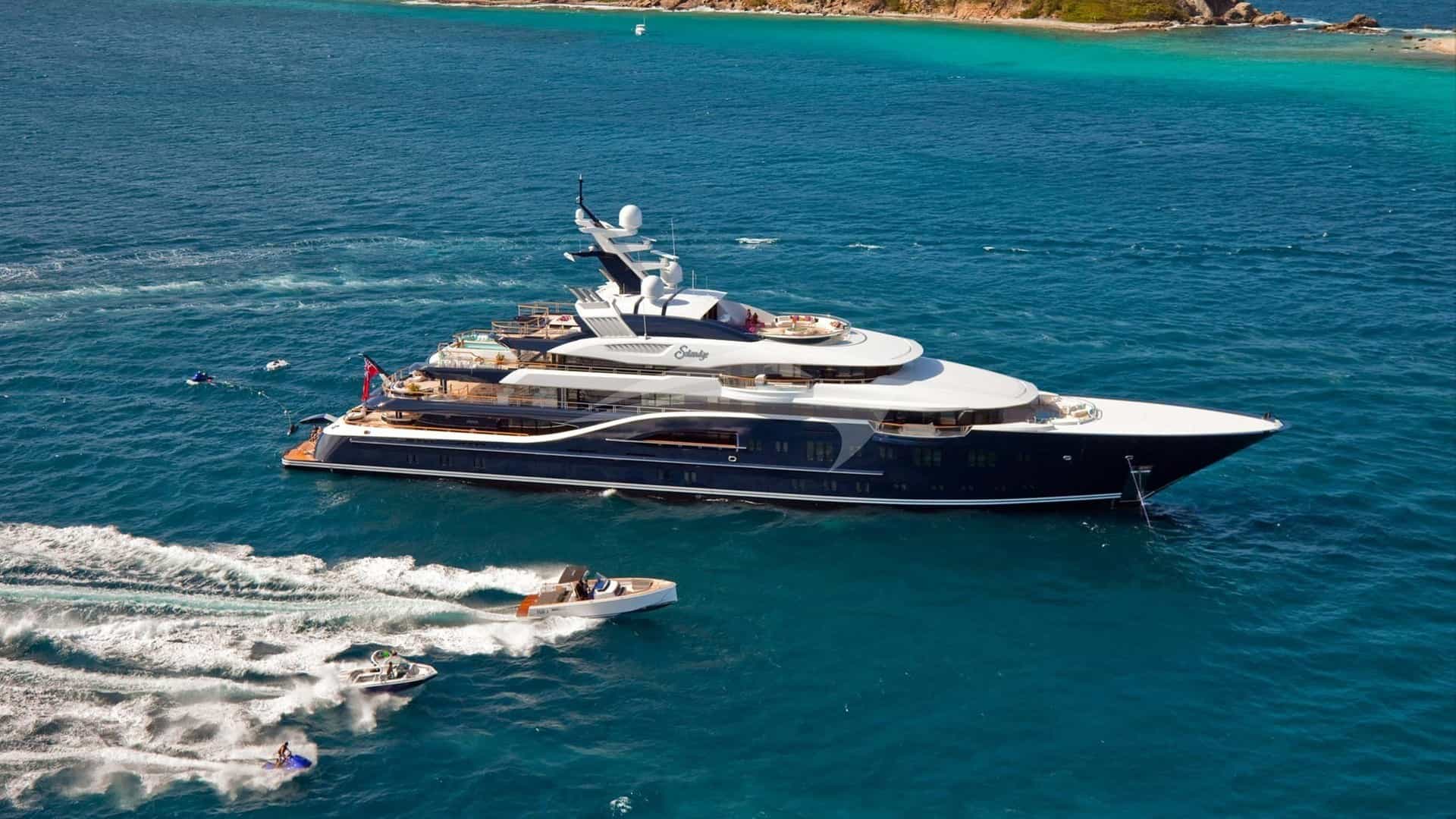
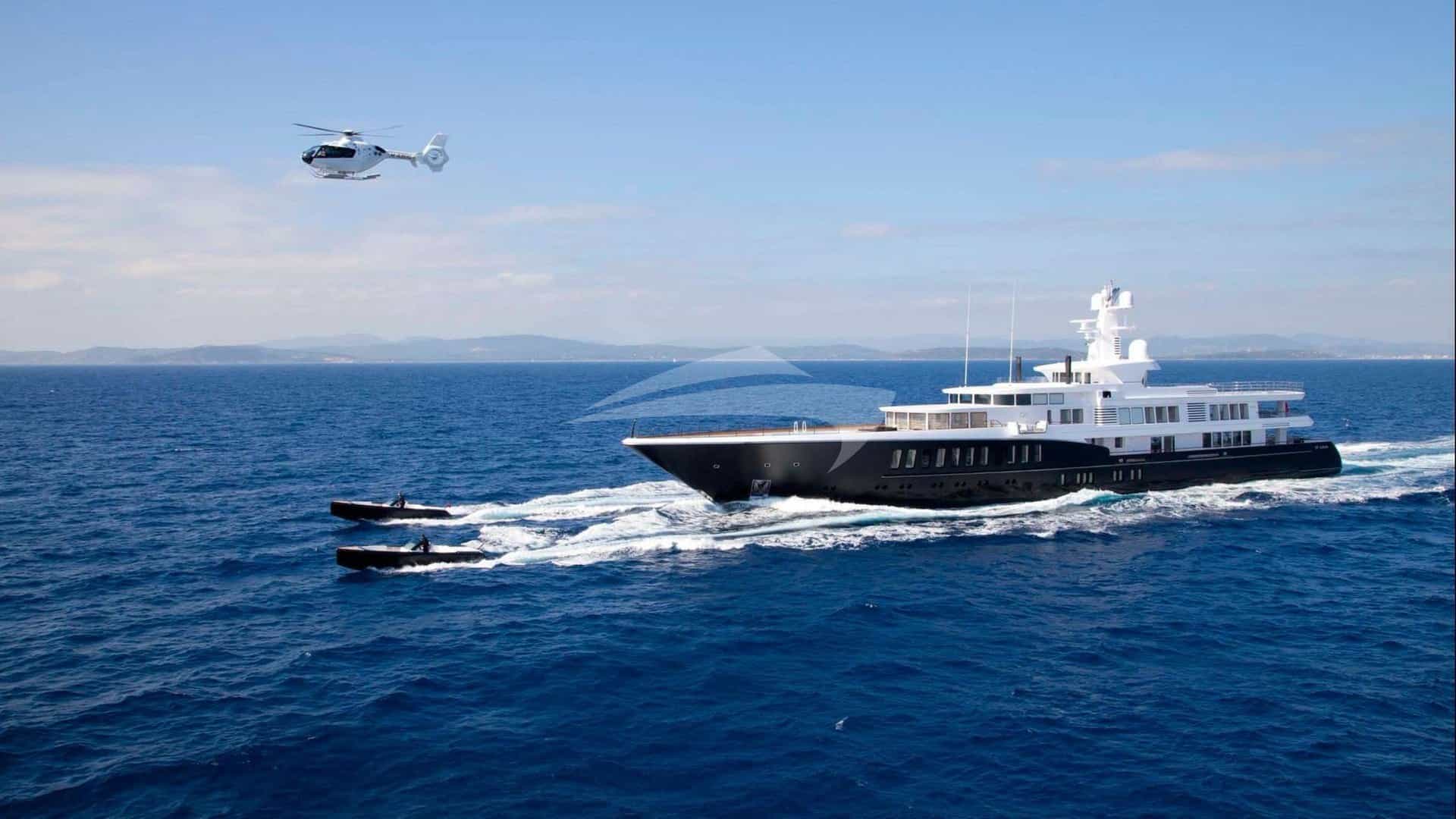
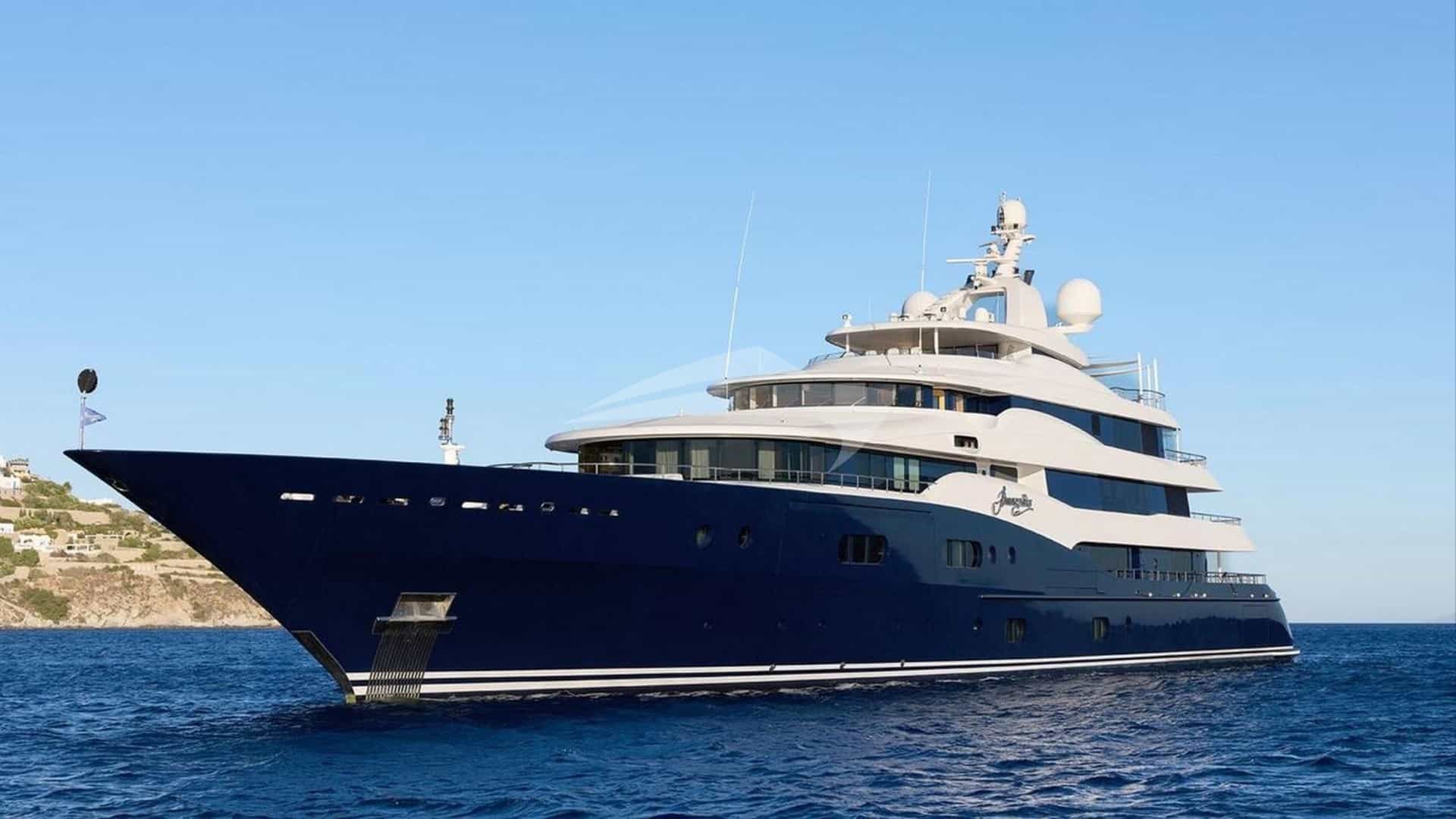
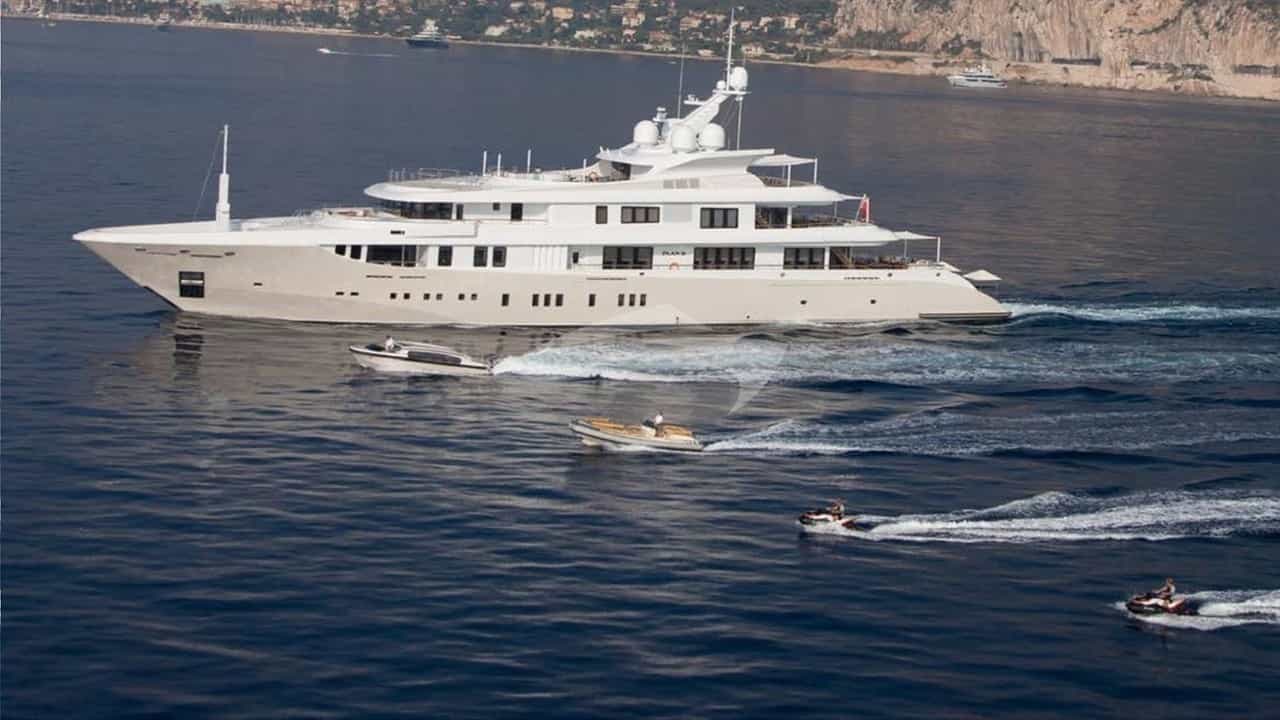
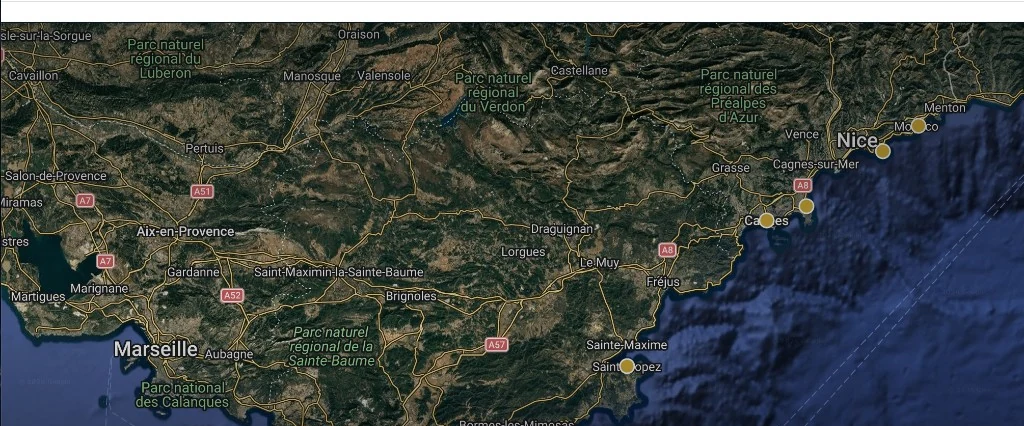
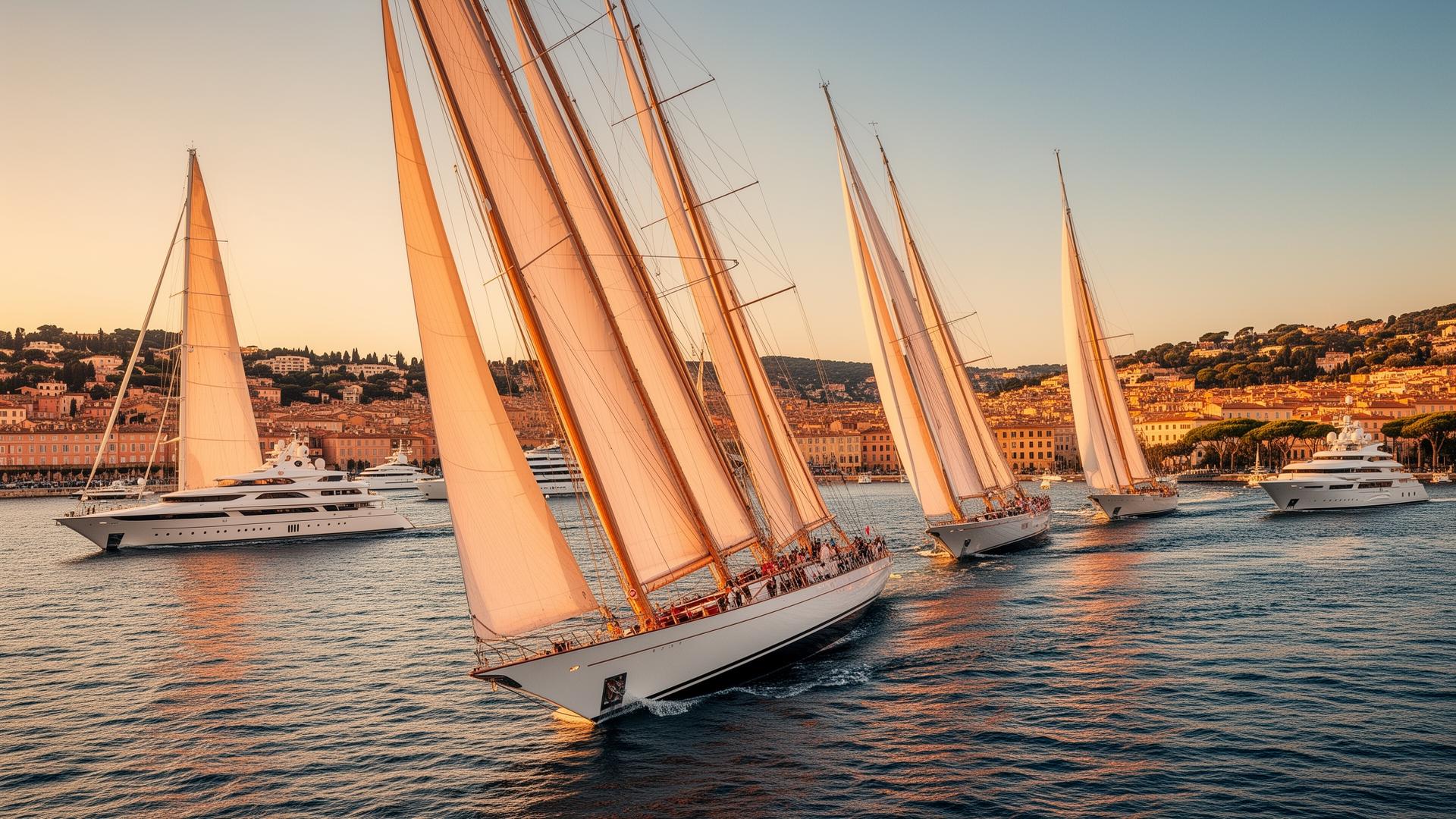
Saint-Tropez has been a working harbour since the Phoenicians and a fashionable one since Brigitte Bardot filmed Et Dieu créa la femme in 1956. The seven decades since have refined a curious commercial structure: the Vieux Port at the centre of the village is the most visible yacht berth in the world, the Pampelonne beach two miles south is the most concentrated cluster of luxury beach clubs anywhere, and the surrounding cruising ground is a sheltered gulf — the Golfe de Saint-Tropez — protected from every wind direction except the rare easterly, with a half-dozen serious anchorages and almost no other charter destination within reasonable cruising distance.
The combination — single village, single berth scene, single beach economy, single sheltered bay — has produced the most concentrated luxury yachting culture in the Mediterranean per square mile. The Vieux Port stern-to lineup in the second week of August is the social register of European summer. The Pampelonne lunch tables are the most-photographed daytime social grid in the world. And the entire commercial calendar runs on a six-week peak from mid-July through the end of August, with a sharp drop on the first weekend of September that empties the village within seventy-two hours.
The Berth, Honestly
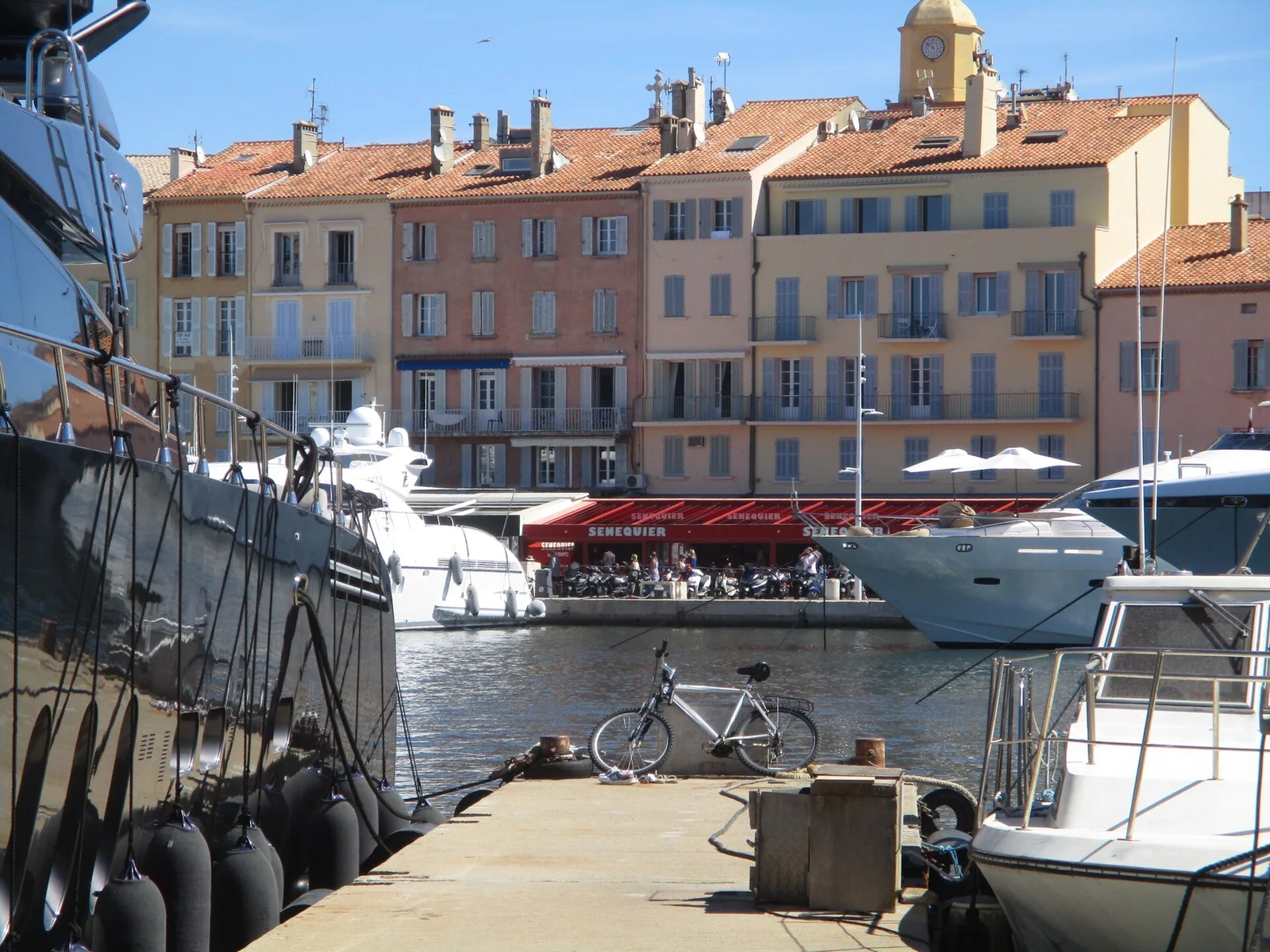
The Vieux Port takes thirteen large yachts stern-to along its outer quay — the famous Quai Jean Jaurès where the celebrity-spotting photographs are taken from the cafés opposite — and another forty or so smaller boats on the inner moles. The slot allocation is run by the Capitainerie de Saint-Tropez and the major brokers, and the peak-window slots are pre-booked years in advance. The walk-up rate card for the outer quay in August clears €8,000 a night on the larger boats, and that is before electricity, water, and the standard port surcharges.
The charter parties who have the inside positions on the Quai Jean Jaurès in the August peak are the same boats year after year, with a small handful of new entries through brokerage relationships. A first-time charter booking the Vieux Port for August in May is, in practice, a charter booking the anchorage off Pampelonne with a tender shuttle into the village. This is not a downgrade — the anchorage is more comfortable, quieter at night, and dramatically cheaper — but it is not what the brochure photograph showed.
The version that works on a serious charter: anchor in the Baie de Pampelonne for the day programme, anchor in the lee of Cap des Salins or in the Baie des Canoubiers (the bay on the north side of the peninsula) for the night, tender into the Vieux Port for the 21:00 dinner. The boat sleeps quietly, the guests get the village evening, and the captain has not spent the equivalent of a small mortgage on twelve hours of stern-to visibility.
The Pampelonne Hierarchy
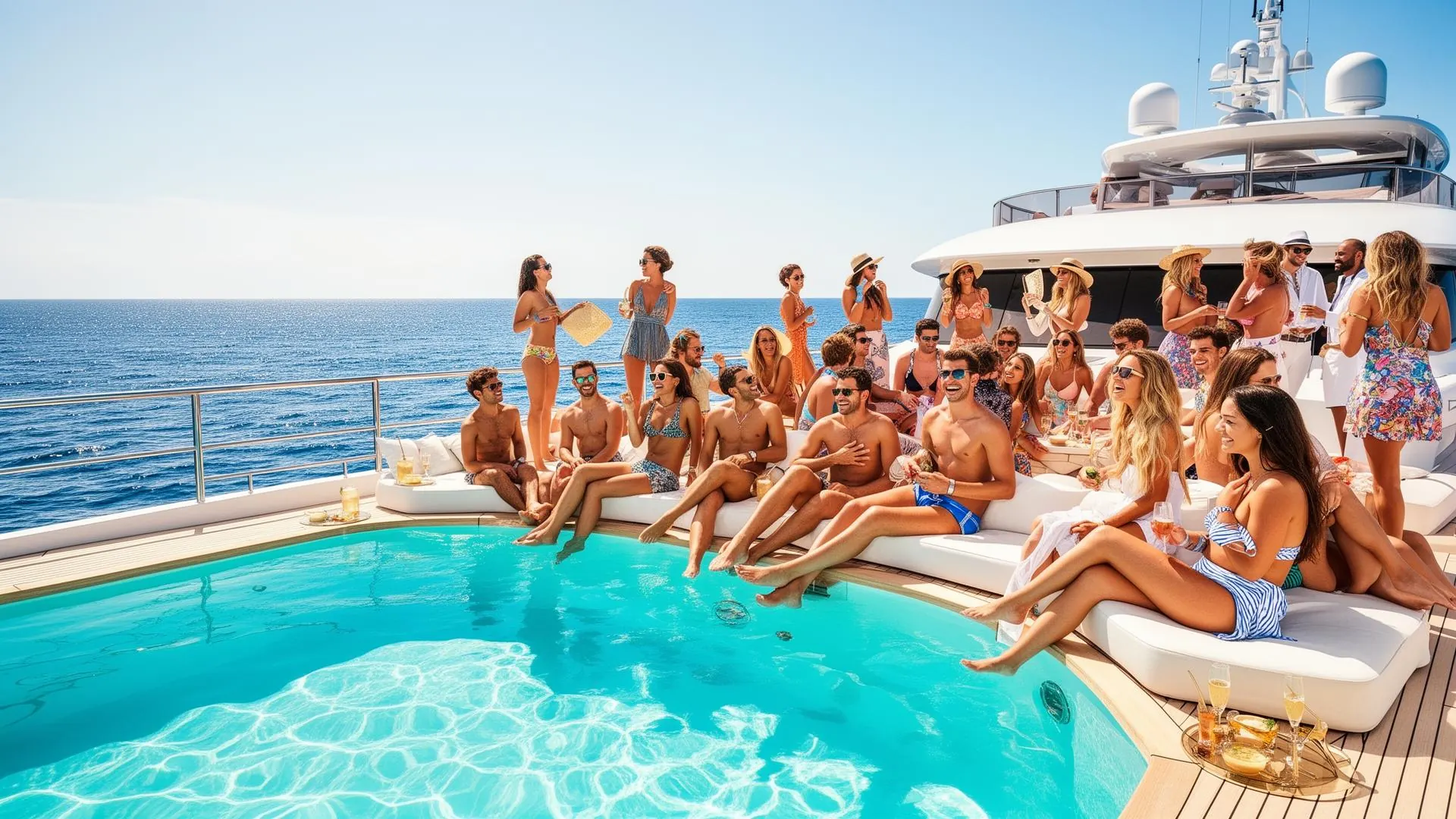
Pampelonne is a five-kilometre stretch of beach on the southern side of the Saint-Tropez peninsula, divided into twenty-two beach concessions of varying scale, register, and operating style. The hierarchy matters because it shapes the day programme of any Saint-Tropez charter, and the table allocation in peak season is the single hardest logistical exercise on the coast.
Club 55 is the institution. Founded in 1955 as the canteen for the crew filming Et Dieu créa la femme, it is now the most-booked Mediterranean lunch in the calendar, with a strict no-DJ, no-bottle-spray operating style that has not changed in three decades. The crudités basket and the grilled loup de mer are the menu most people order, and the table booking system is opaque, relationship-driven, and effectively closed to walk-ups in August. A serious Saint-Tropez charter has the Club 55 booking in the calendar by April.
Loulou (formerly Club Cinquante-Cinq's neighbour Tahiti Beach, rebranded in 2019) is the modern equivalent — same beach, more polished service, more contemporary food, more recent money. The booking system is similar; the cultural register is different.
Indie Beach and Lou Pinet are the smaller, more curated tables on the central Pampelonne stretch. Nikki Beach runs the louder daytime party programme at the southern end. Verde and Bagatelle are the contemporary social plays.
The tender logistics across Pampelonne are the under-recognised difficulty. The beach has no proper tender dock; the boats anchor a few hundred metres off and the tender drivers run guests in through the shore-break onto the sand. In a building Mistral or after lunch when fifty boats are all tendering simultaneously, the run can take forty-five minutes. A charter with one tender and one driver bottlenecks. Two tenders, two drivers, and a captain who pre-positions the boat closer to the chosen beach club an hour before lunch — that is the operational difference between a smooth Pampelonne day and a frustrating one.
The Itinerary
Saint-Tropez does not work as a multi-stop cruising ground in the conventional sense; it works as a hub. A canonical seven-day Saint-Tropez-centred charter:
- Day 1: Embark in Cannes or Antibes, run southwest along the Estérel. Anchor in the Calanque d'Anthéor for lunch, arrive Saint-Tropez bay in the evening.
- Day 2: Saint-Tropez village day. Morning at anchor in Pampelonne, lunch at Club 55, afternoon swim, evening into the Vieux Port by tender for dinner at La Ponche or Sénéquier.
- Day 3: Hyères islands. A genuine day excursion. Porquerolles is forty miles southwest, a fully protected national park with white-sand beaches and the only marina-village in the Var that operates on a different commercial register from Saint-Tropez. Lunch at Mas du Langoustier or anchor at Plage Notre-Dame.
- Day 4: Return via Cavalaire or Pampelonne south. The wild stretch between Cap Camarat and Cap Lardier is the most under-used anchorage zone in the Var — protected coves, no beach clubs, almost no charter traffic. Swimming day, anchor for the night in the Baie des Canoubiers.
- Day 5: Saint-Tropez social day, second pass. Lunch at Loulou or Indie, afternoon at La Réserve à la Plage, dinner ashore at La Vague d'Or for the rare set-menu Michelin three-star evening.
- Day 6: Run east toward Cannes and the Lérins. Anchor at Saint-Honorat in the late afternoon for the quiet swim after the day-trippers clear.
- Day 7: Disembark in Cannes or Antibes.
The Weather and the Mistral
The Golfe de Saint-Tropez is one of the most sheltered bays on the French Riviera and largely insulated from the Mistral, which blows from the northwest and is broken by the Estérel and the Maures massifs inland. The exception is the rare easterly, which builds an uncomfortable swell into the Pampelonne anchorage and pushes boats into the Baie des Canoubiers or further north into the gulf. A captain who reads the easterly forecast forty-eight hours out and repositions the boat for the night avoids the problem.
Costs
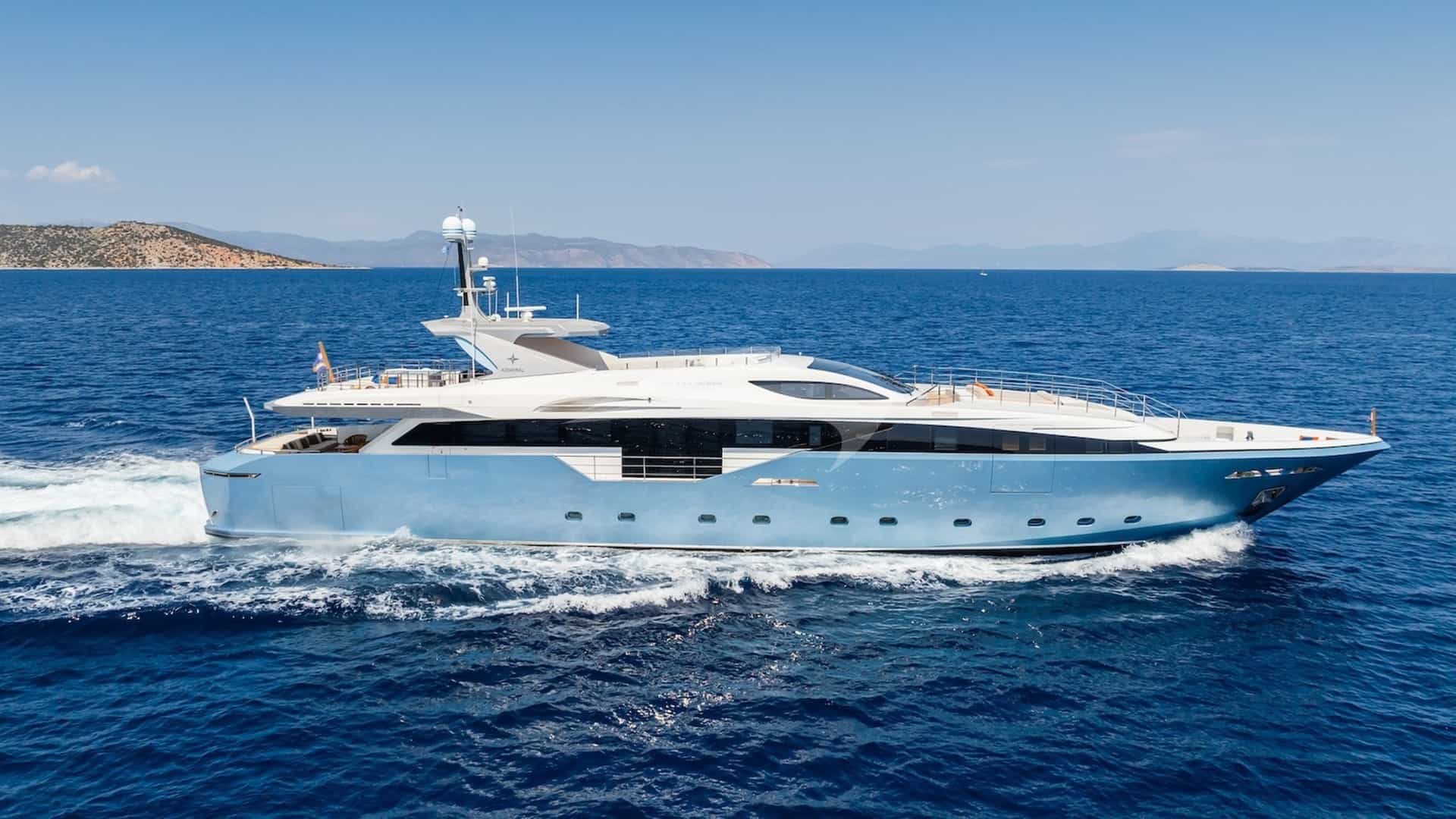
A 40-metre motor yacht based in Saint-Tropez in the first two weeks of August runs €310,000 to €430,000 per week base, broadly in line with the upper Costa Smeralda and the highest part of the French Riviera spread. The French 20 percent VAT applies on the base fee with the standard cruising-pattern reductions where applicable. APA typically settles at 28 to 32 percent — high because of berthing premiums, beach-club spend, and the Saint-Tropez restaurant pricing structure.
The shoulder windows are dramatically different. Late May through mid-June and the second half of September are 30 to 40 percent below the August peak, with the village in a different and quieter mode, the Pampelonne tables readily available, and the cruising-ground weather often better than in the heat of August.
What Saint-Tropez Is
Saint-Tropez is the most concentrated luxury yachting venue in the Mediterranean and the one most over-charged on the peak week for visible reasons. The charter case for the August peak is the case for the social calendar — the village, the Quai Jean Jaurès, the Pampelonne lunches, the dinners ashore, the people the guests are there to see. The charter case for the shoulder weeks is the case for the same village without the operational friction — the same restaurants, the same beach clubs, the same anchorages, at a third less. Both are defensible. The version that fails is the one that books August on the assumption that the village will be available and discovers, on day two, that the Vieux Port is full, the Club 55 table is gone, and the tender queue at Pampelonne is forty-five minutes long. The Saint-Tropez week that earns its bill is the one that did the booking work in March, not in July.