The Trogir Proposition: Strategic Gateway to the Central Dalmatian Archipelago
While Split commands the ferry traffic and Dubrovnik owns the global postcard image, Trogir offers a more refined, operationally superior base for a Central Dalmatian charter. Its proximity to Split Airport (SPU) — a mere 10-minute transfer, versus 30-45 minutes to Split’s primary marinas — provides an immediate and tangible benefit for principals and guests arriving by private jet or commercial first class. The time saved is not trivial; it translates to an afternoon swim at anchor in Krknjaši Bay rather than navigating city traffic.
From a captain’s perspective, Trogir’s position is a tactical advantage. It sits at the nexus of two distinct cruising grounds. A turn southeast puts the glamour spots of Hvar, Vis, and Brač within a short passage. A turn northwest opens up the quieter, more elemental charter experience of the Šibenik archipelago and the Kornati National Park. This flexibility allows for dynamic itinerary planning, catering to principals who might want a blend of high-energy social scenes and secluded natural beauty. The UNESCO-protected old town, a marble-paved island fortress, provides the perfect embarkation backdrop — a dose of history and culture before the engines engage.
Operational Intel: The Brass Tacks
Planning a Trogir-based charter requires a clear understanding of the local fleet, infrastructure, and regulatory environment. Success is dictated by foresight in booking berths and provisioning, not by chance.
The Fleet & The Rates (2026 High-Season Estimates)
The available fleet is robust, with a strong emphasis on modern motor yachts and a growing number of high-performance sailing yachts and luxury catamarans.
-
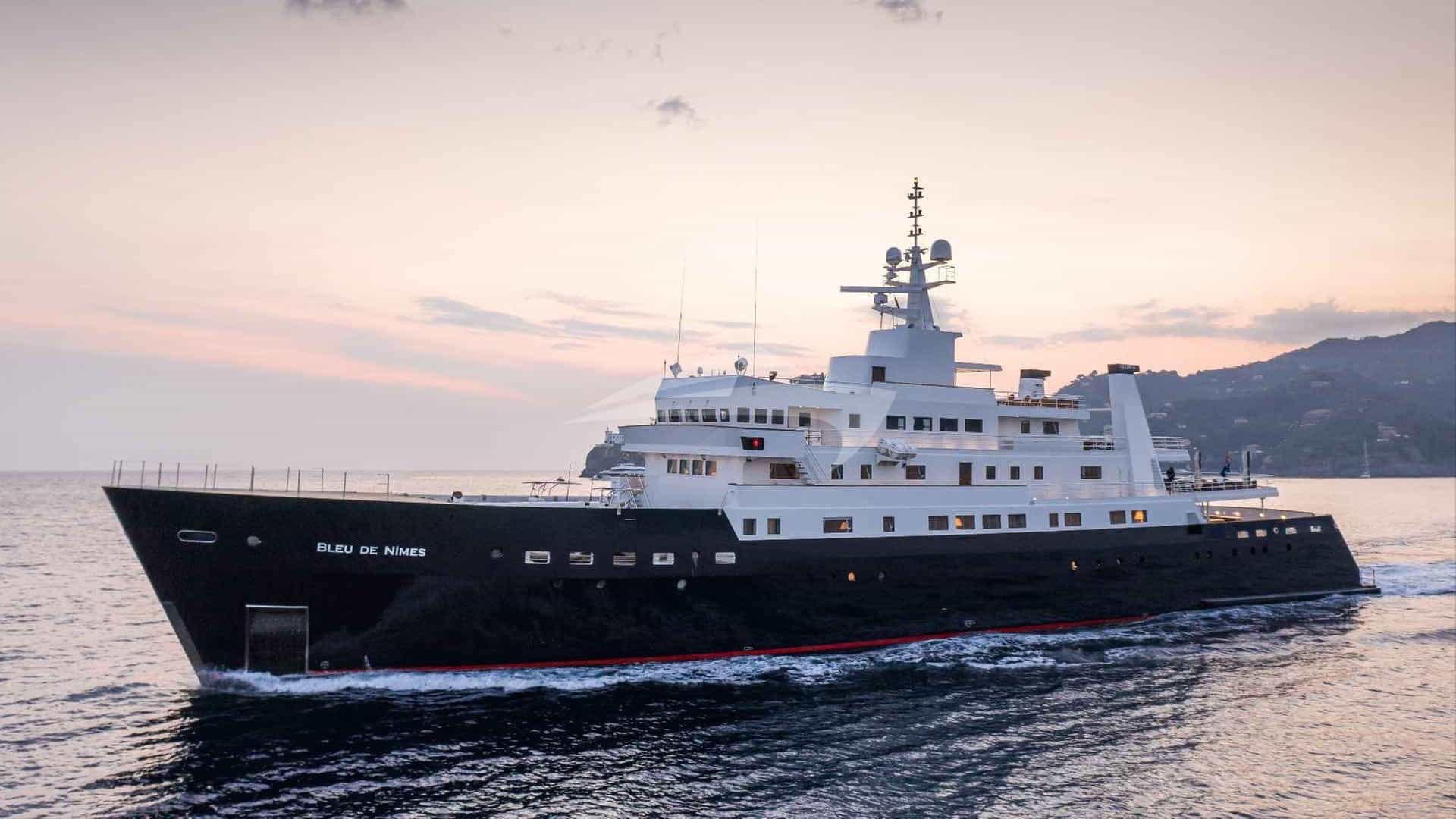
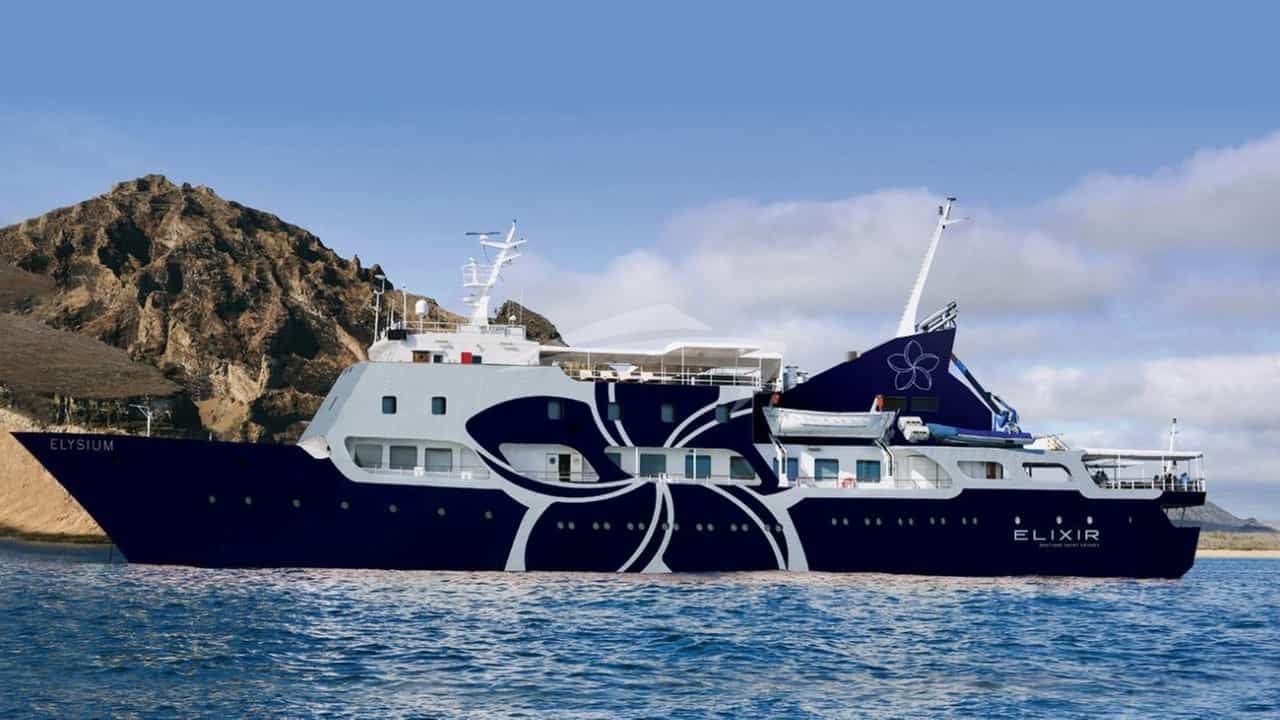
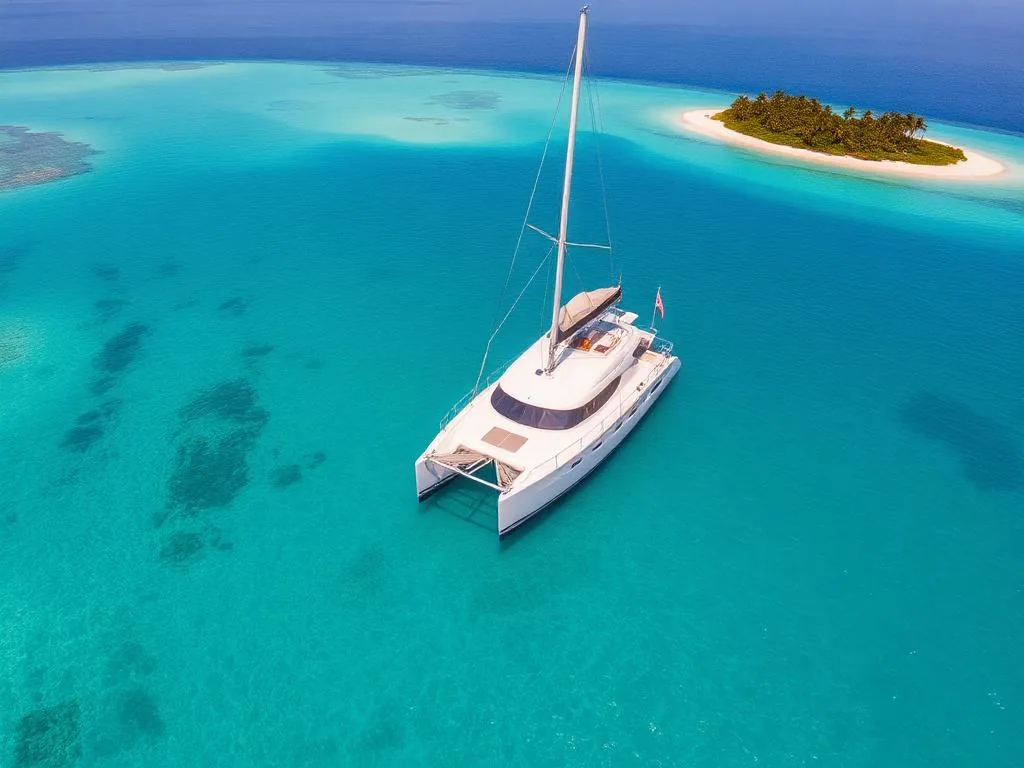
Luxury Sailing Yachts & Gulets (30-45m): Ideal for principals who prioritize the journey over the destination. Think modern classics from builders like Perini Navi or high-end catamarans from Sunreef. These offer exceptional comfort and a more engaged cruising experience. They are particularly well-suited for navigating the tighter anchorages of the Kornati.
- Weekly Charter Rate: €80,000 - €150,000 + APA.
-
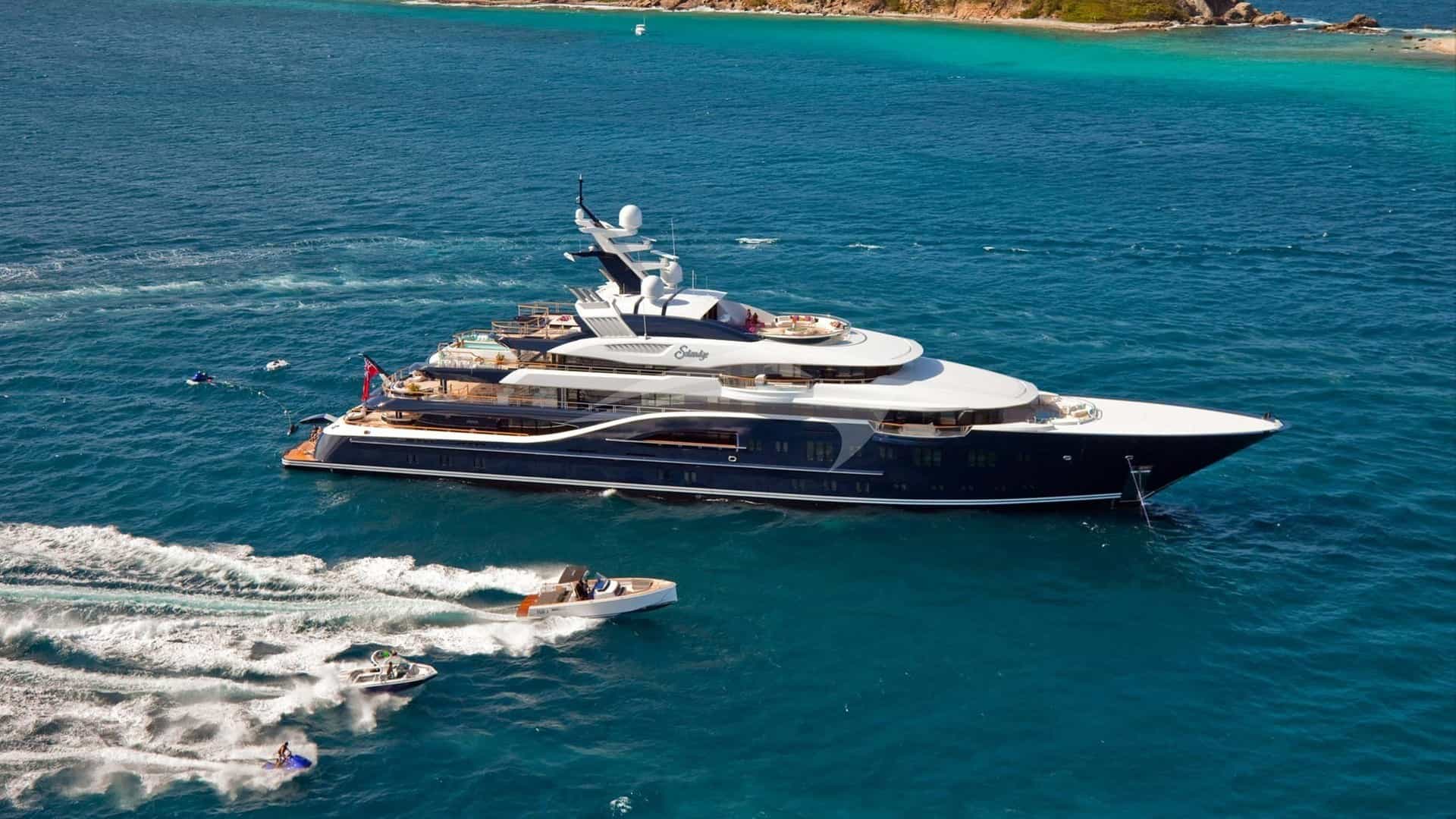
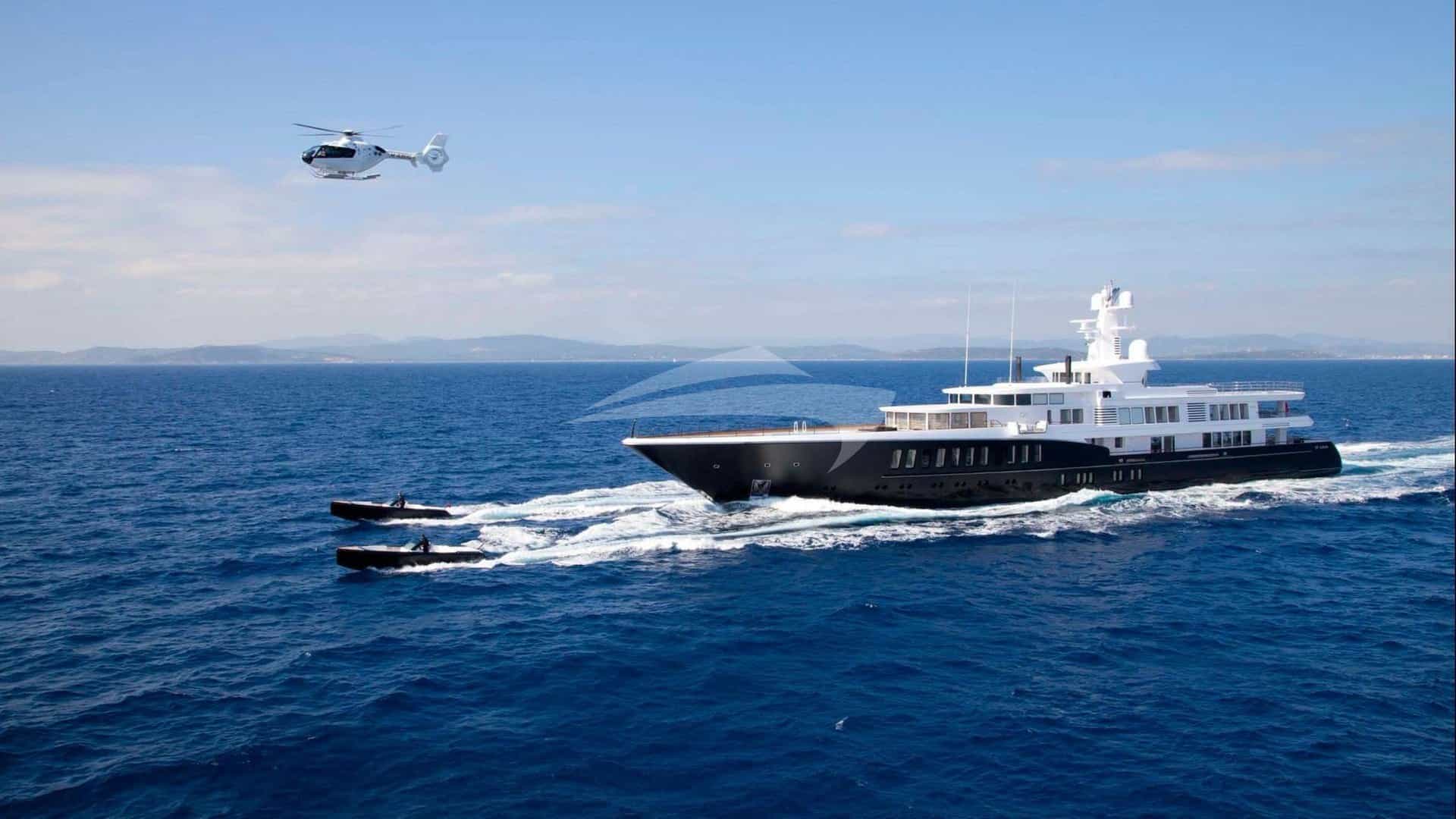
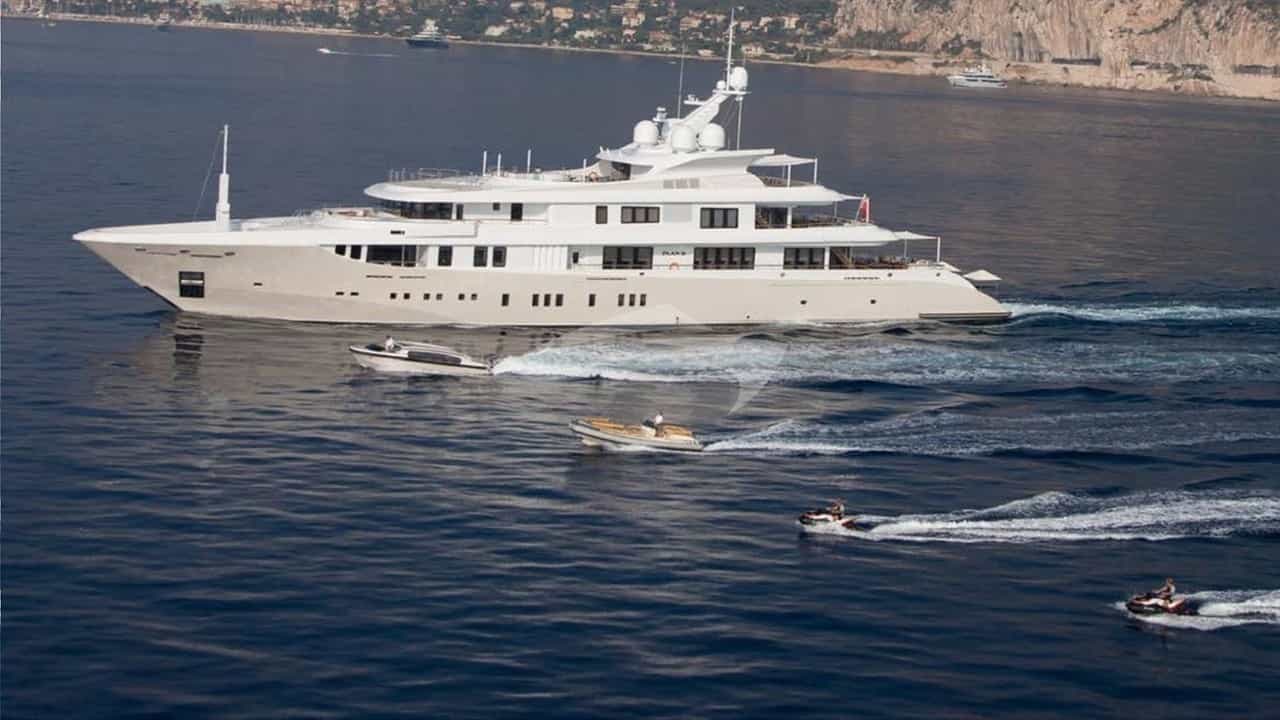
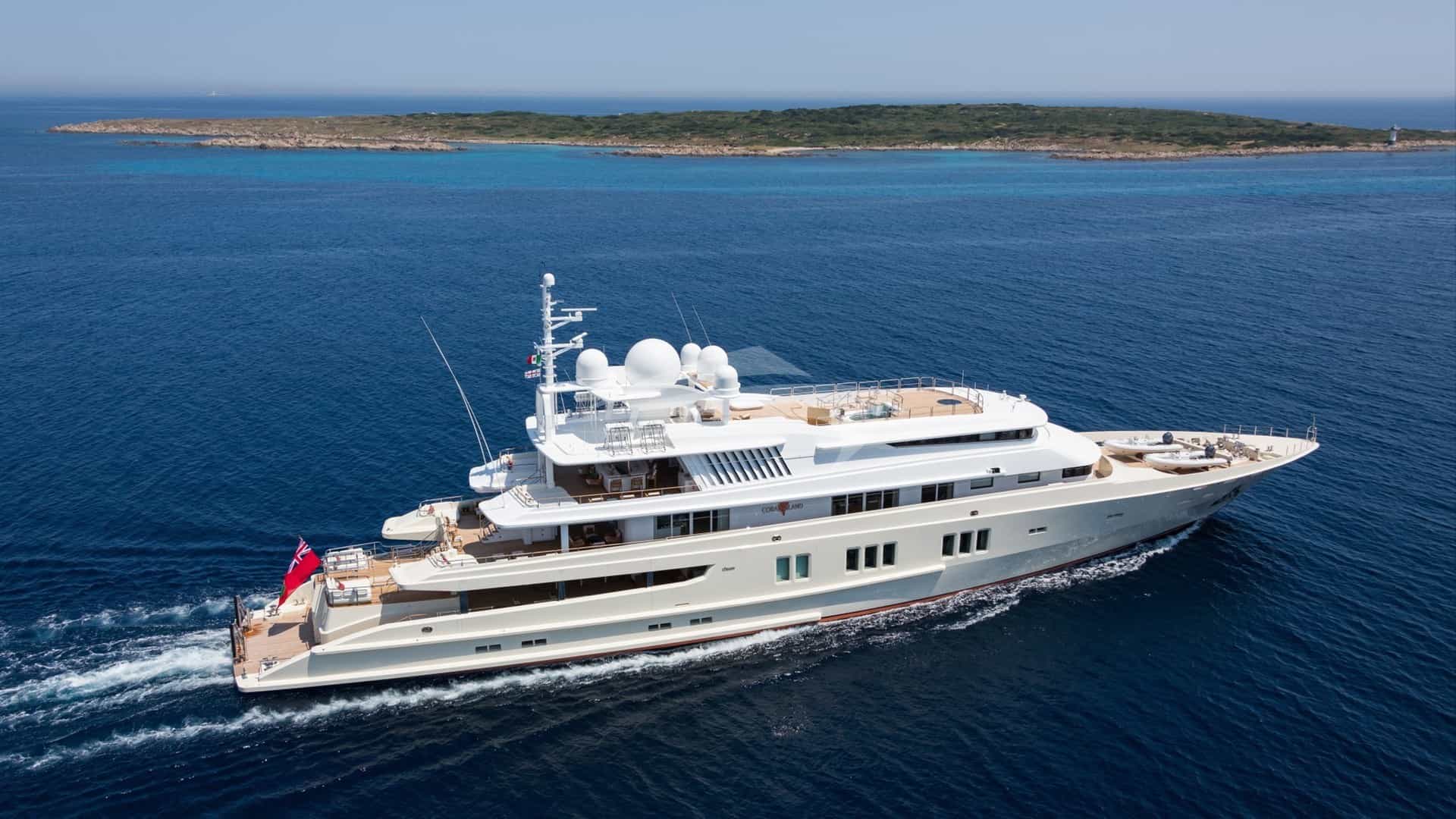
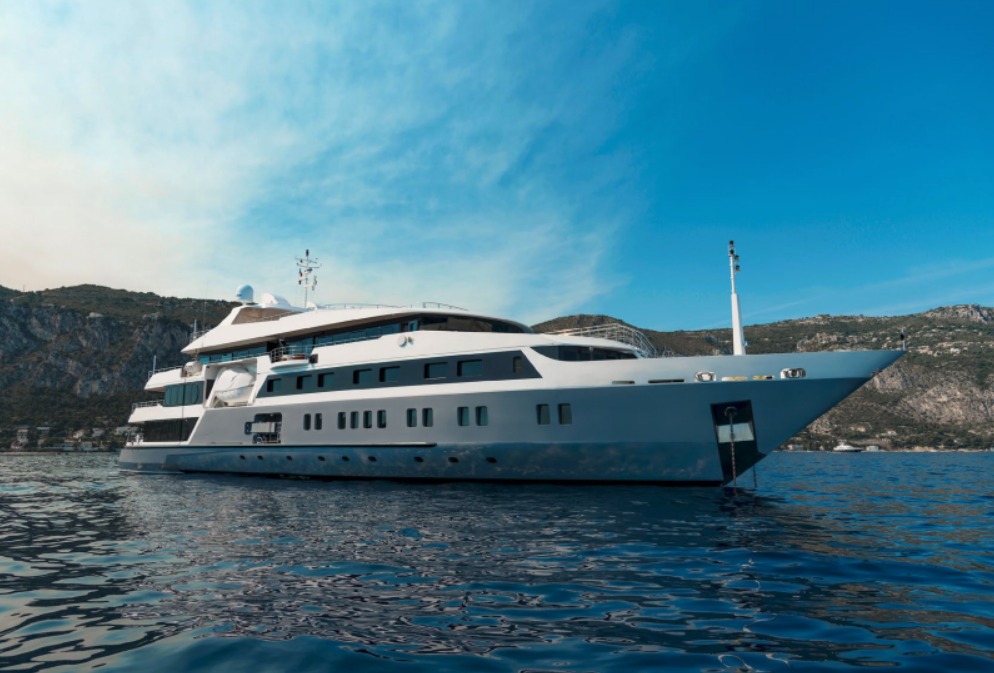
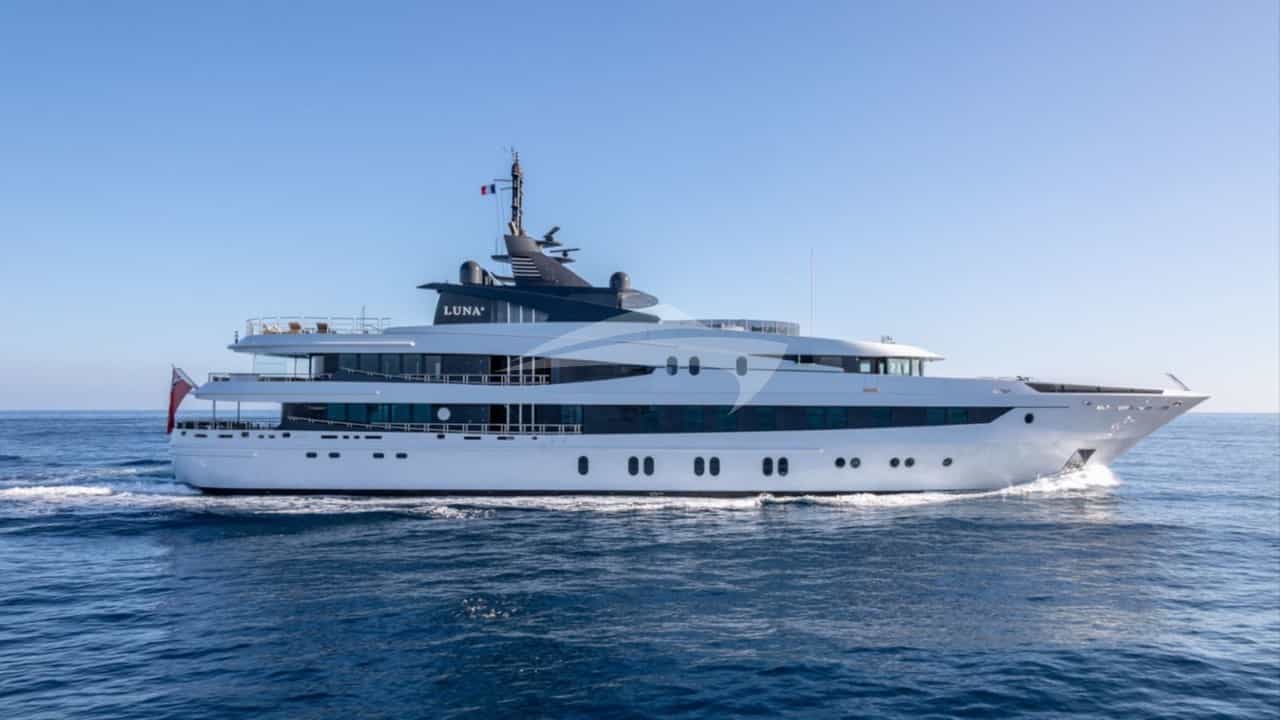
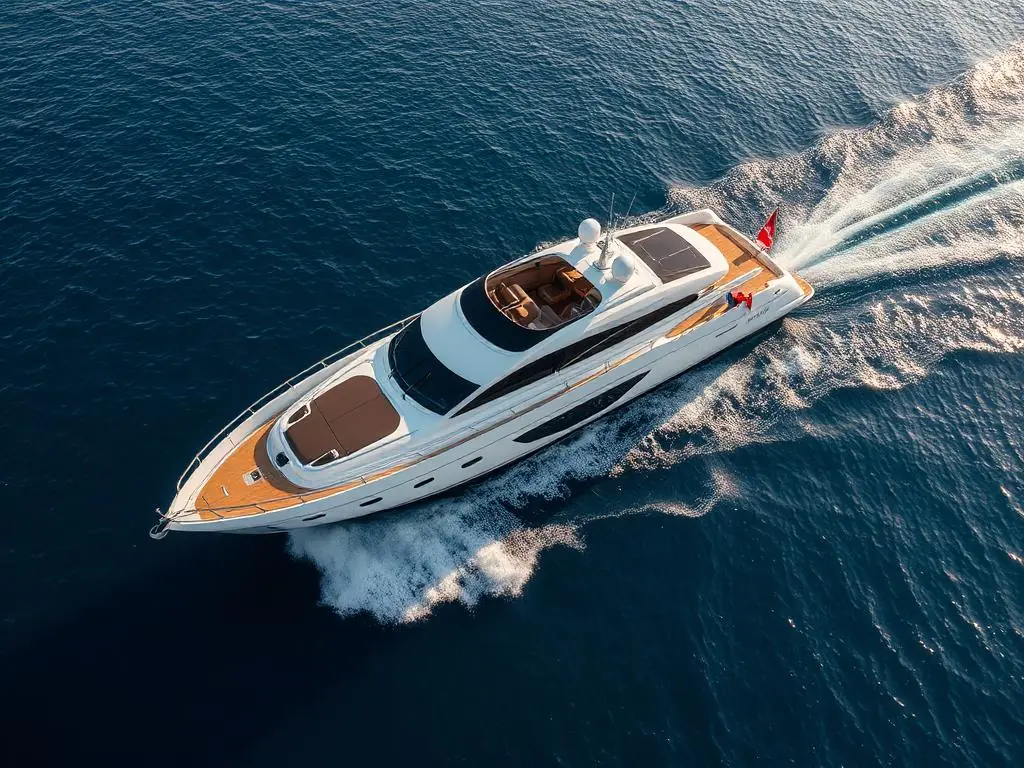
Motor Yachts (40-55m): This is the workhorse of the Croatian charter scene. Yachts from Sanlorenzo, Benetti, and Sunseeker are common. They offer the speed and volume to comfortably cover an itinerary from Vis to Hvar and back, with ample deck space for entertaining and a full complement of water toys.
- Weekly Charter Rate: €150,000 - €300,000 + APA.
-
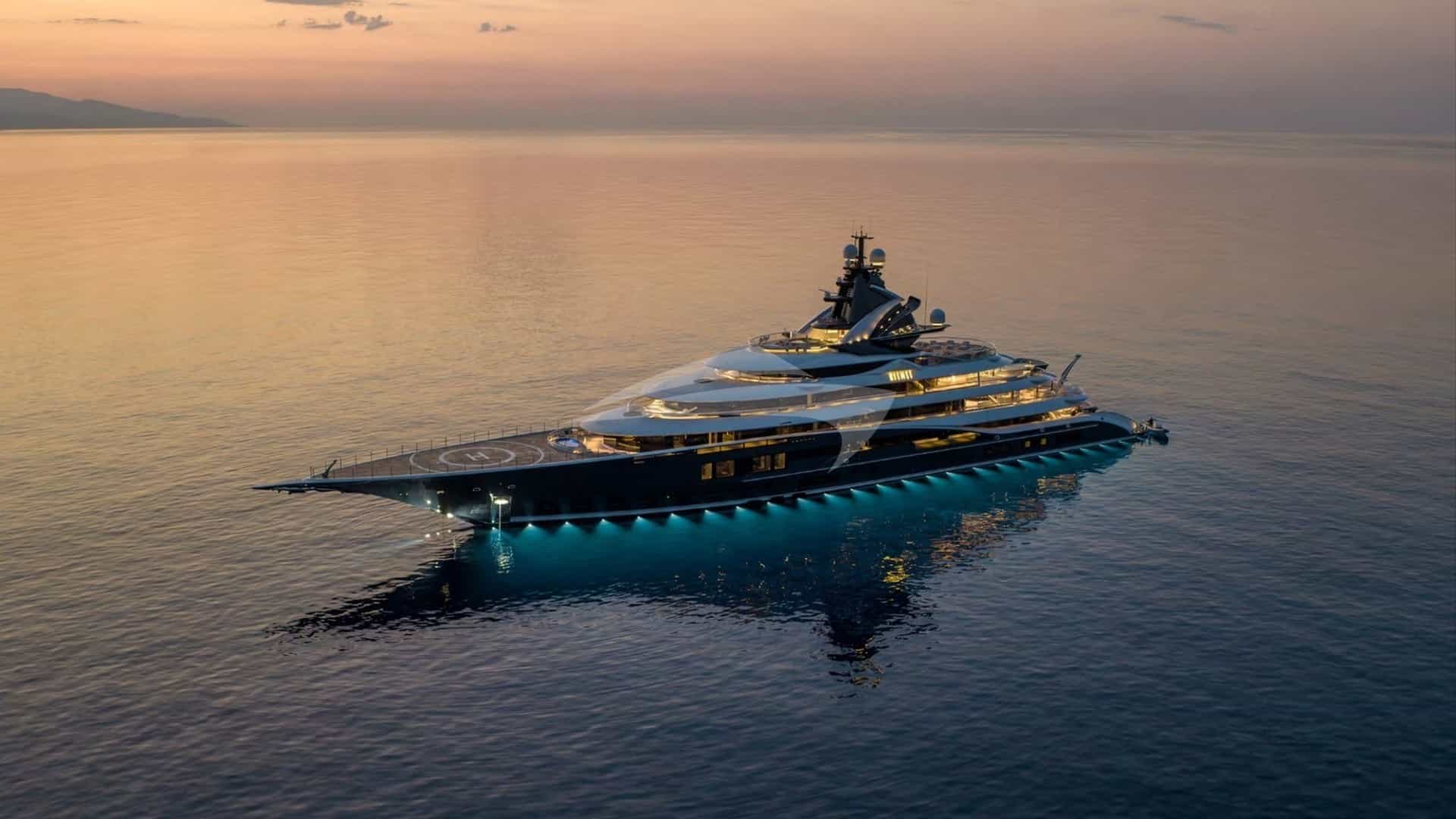
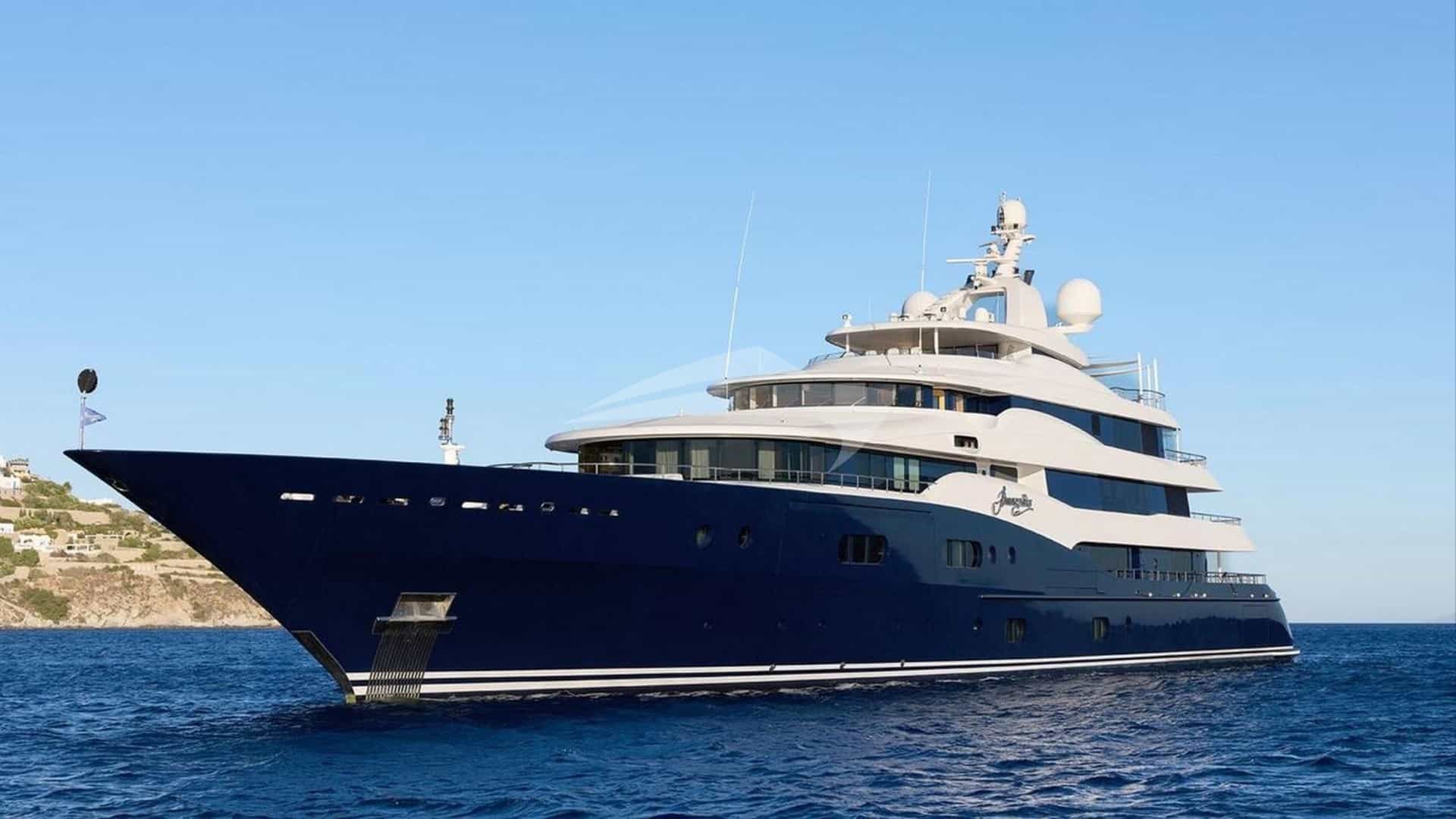
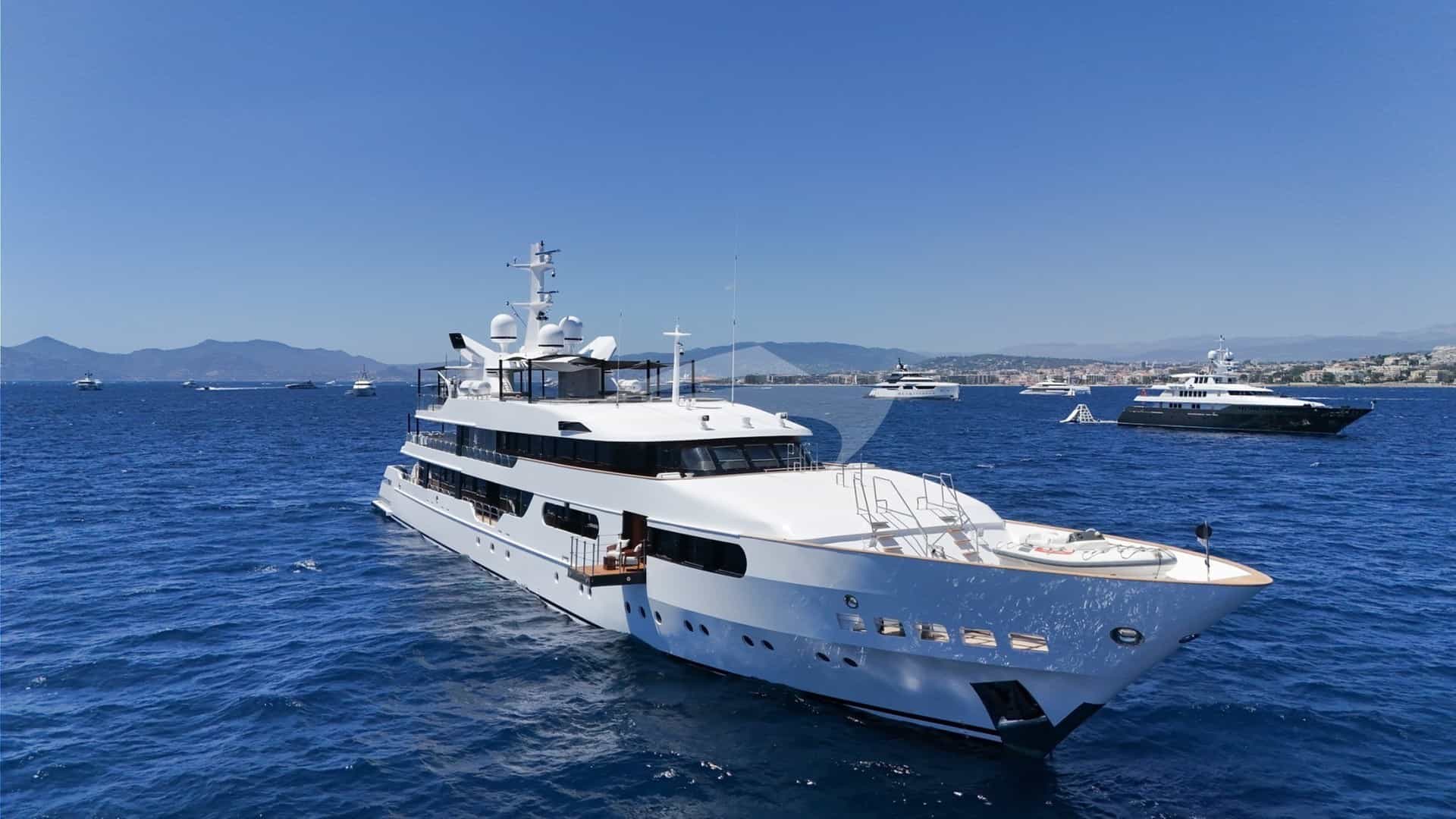
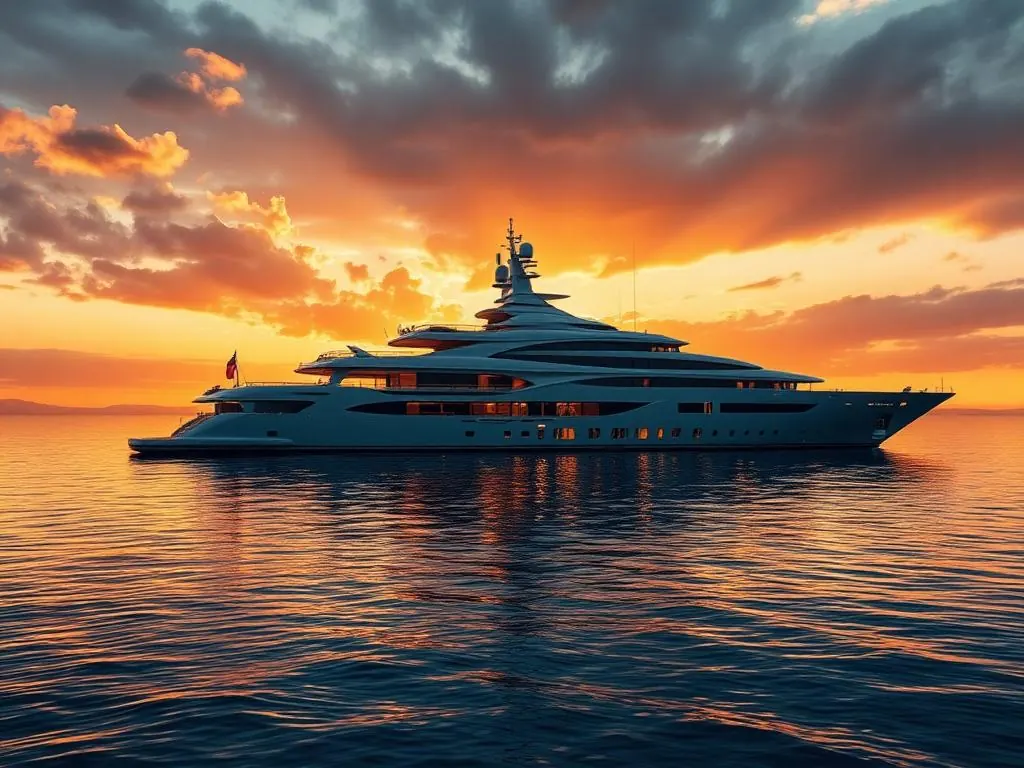
Superyachts (60m+): While Trogir can accommodate them, larger vessels often use it as a pickup/drop-off point, preferring to anchor off rather than enter the busier marinas. The infrastructure is improving, but securing a berth for a 70m+ yacht requires significant advance planning.
- Weekly Charter Rate: €400,000 and up + APA.
APA (Advance Provisioning Allowance)
The standard APA is 30% of the charter fee. However, for a Croatian itinerary that involves significant distances (e.g., a push to the Kornati islands and back) or a principal with a taste for premium imported wines and spirits (French champagnes, specific vintages), it is prudent to budget 35%. Fuel is a major component, and Croatian VAT on provisions and services can add up.
Berthing & Anchorage
Berth space in the peak months of July and August is at a premium. Bookings should be made the moment a charter is confirmed.
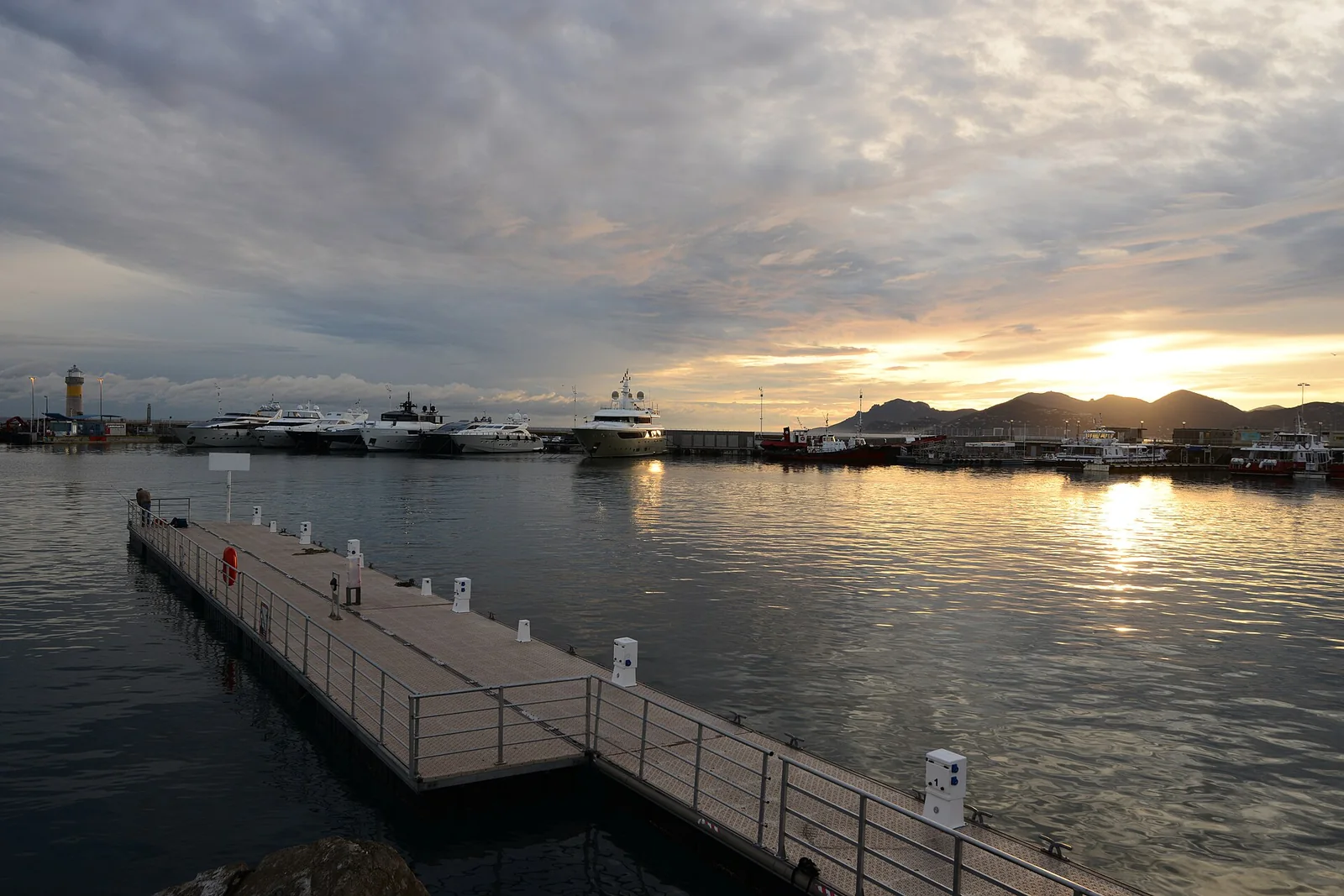
- ACI Marina Trogir: Located directly opposite the old town, offering stunning views but tight fairways and berths best suited for yachts under 40m. The location is unparalleled for guest access to the town, but it can be noisy.
- SCT Marina Trogir (Service Center Trogir): Just down the channel, this facility is built to handle larger yachts, up to 70m. It offers more space, excellent repair facilities, and better security. This is the preferred choice for superyachts planning to berth.
- Marina Kaštela: Situated between the airport and Split, this is a large, modern marina often used for embarkation, provisioning, and crew changes if Trogir is full. It’s less charming but highly functional.
Logistics & Clearances
- Airport: Split Airport (SPU) is the hub, with a private terminal that can handle large-cabin jets. Helicopter transfers directly to some of the larger islands like Hvar are possible but require specific permits.
- Clearances: Croatia is in the Schengen Area, simplifying entry for many guests. For the yacht itself, the process is streamlined via the e-Crew system. A vignette (permit) is required for all charter yachts, and the cost is dependent on the yacht's LOA and the duration of stay. The captain and broker must ensure all paperwork is filed well in advance to avoid any delays on arrival.
Weather Window
The primary charter season runs from mid-May to early October.
- July & August: Peak season. Expect warm, stable weather with sea temperatures around 24-26°C. Anchorages will be crowded, and restaurant reservations are essential.
- June & September: The smart money’s choice. Weather is still excellent, the water is warm, and the crowds are significantly thinner. More flexibility in itineraries and easier access to prime spots.
- Winds: Be aware of two primary local winds. The Bura is a cold, gusty wind from the northeast that can appear suddenly and create challenging sea conditions, typically lasting a day or two. The Jugo is a southeasterly wind that builds over several days, bringing humidity, cloud cover, and choppy seas. A good captain will plan the itinerary to use islands as shelter depending on the forecast.
The Itinerary: A Seven-Day Blueprint from a Trogir Base
This is not a rigid plan but a strategic framework. The key is to blend iconic destinations with secluded bays, managing guest expectations against the realities of distance and crowding.
-
Day 1: Embarkation in Trogir & The Blue Lagoon
- 14:00: Guests arrive at SPU, seamless transfer to SCT Marina. Welcome reception on the aft deck with views of the Kamerlengo Castle.
- 16:00: Depart Trogir. A short, one-hour cruise to Krknjaši Bay on the island of Drvenik Veli. Known as the "Blue Lagoon," the turquoise water is an ideal first anchorage.
- Evening: Sundowners on the flybridge. Dinner on board, prepared by the chef using fresh ingredients sourced from Trogir's market that morning. For a rustic, authentic shoreside meal, a tender can run guests to Konoba Krknjaši.
-
Day 2: Vis - Military History & Culinary Edge
- AM: Morning cruise (approx. 2.5 hours) to the island of Vis. It was a military base until 1989, which preserved it from development. Anchor on the south side and take the tender to explore Stiniva Cove, a stunning bay accessible only by a narrow sea passage (and now, only by swimming in from an anchored tender).
- PM: Relocate to the main harbor of Vis Town. Arrange a private tour of the abandoned submarine pen and military tunnels.
- Evening: Vis is a culinary hotspot. Forgo dinner on board. Book a table well in advance at Pojoda, known for its elevated take on traditional seafood, or Konoba Lola for a stunning courtyard setting.
-
Day 3: Anchorages of the Pakleni Islands
- AM: A short hop to the Pakleni Islands, the wooded archipelago opposite Hvar Town. Secure an anchorage in Vinogradišće Bay or a quieter spot like Taršće. This is the yacht's base for the day.
- Afternoon: The day is for water sports: Seabobs, jet skis, and paddleboards in the clear, protected water. Guests wanting a scene can take the tender to Laganini Beach Club for cocktails.
- Evening: Sunset cocktails at anchor. The yacht's tender is now a private water taxi for an evening in Hvar Town.
-
Day 4: Hvar - The Social Apex
- AM: For those wanting to experience Hvar Town's energy, the tender can run them ashore for coffee and a walk up to the Fortica for panoramic views.
- Afternoon: Secure a daybed at Carpe Diem Beach Club on Marinkovac island. This is the epicenter of the daytime social scene.
- Evening: The main event. Pre-dinner drinks on the Riva before a reservation at Gariful, the iconic seafood restaurant with a glass floor over the water. For clients preferring discretion, a reservation at Zori Restaurant in the Pakleni Islands offers a more refined, upscale experience away from the crowds.
-
Day 5: Brač & The Golden Horn
- AM: Cruise to the island of Brač. Anchor off the famed Zlatni Rat (Golden Horn) beach near Bol. While beautiful, it’s best experienced from the water to avoid the throngs on the beach itself. It's a prime spot for windsurfing and kitesurfing if conditions permit.
- PM: Reposition to the northern side of the island, to the deep, fjord-like harbor of Pučišća. The town is famous for its white limestone, used in building the White House. The atmosphere is tranquil and authentic.
- Evening: A quiet dinner on board in the peaceful anchorage of Pučišća harbor.
-
Day 6: Šolta - The Understated Escape
- AM: Cruise to the western tip of Šolta, an island often overlooked by charter itineraries. Slip into the impossibly chic harbor of Maslinica. The bay is guarded by a handful of tiny islands, making it a perfectly protected anchorage.
- Afternoon: The centerpiece of Maslinica is the Martinis Marchi castle-turned-hotel and marina. Guests can enjoy the bar or explore the sleepy village. Arrange a private tasting at a local family-run olive oil press. This is an authentic, low-key luxury experience.
- Evening: Farewell dinner. The chef can prepare a special meal featuring the local olive oil. The setting in Maslinica Bay is a perfect, serene end to the cruising portion of the charter.
-
Day 7: Return & Disembarkation
- AM: An early, leisurely cruise back towards Trogir (approx. 1.5 hours). Anchor off the island of Čiovo for a final swim and breakfast.
- 10:00: Arrive back at SCT Marina Trogir. Guests disembark for their short transfer to SPU, capitalizing on the logistical efficiency that made Trogir the starting point.
Broker's Advisory: Setting Expectations
- Crowd Management is Key: For July/August charters, reinforce to the principal that spontaneity is a luxury. Prime anchorages are taken by midday. Dinner reservations at top spots like Gariful or Pojoda must be made weeks, not days, in advance. The crew’s local knowledge is critical for finding "Plan B" anchorages.
- The Kornati Question: A Trogir charter can easily be re-routed to the Kornati National Park for a completely different experience. Advise the client this means less glamour and more raw nature. It's a charter for stargazing, hiking, and simple seafood konobas. It requires a specific park permit, and the fuel consumption will be higher, impacting the APA.
- Provisioning & Crew: Croatian crews are professional and have excellent local knowledge. For provisioning, local seafood, lamb, vegetables, and wines are exceptional. However, for highly specific international brands, niche dietary items (e.g., specific vegan cheeses, rare spirits), these must be communicated far in advance. They will likely be sourced from Italy or France and palletized to the yacht, which should be factored into planning and budget.