The Vis Charter: A Strategic Pivot from the Adriatic Milk Run
The standard Split-to-Dubrovnik charter itinerary is a known quantity. It’s effective, but it’s becoming saturated. Hvar Town in July is a battle for berths and reservations. For the principal seeking authentic Adriatic texture without sacrificing service, Vis presents the optimal strategic pivot. Closed to foreign visitors until 1989 due to its military importance, the island retains a rugged, untouched character that Hvar has long traded for Instagram viability. A charter here is less about being seen and more about seeing—a rare commodity in the modern Mediterranean.
This is not an amateur-hour destination. Its appeal lies in its constraints: limited berths, rugged anchorages, and a reliance on hyper-local provisioning. Success requires a well-briefed captain and a broker who understands the operational realities.
Timing, Weather, and Itinerary Flow
The charter window for Vis is precise. Avoid the peak crowds and heat of late July and August. The shoulder seasons—late May through June and early to mid-September—are prime. The water is warm, the crowds are manageable, and the prevailing daytime wind, the Maestral, provides a reliable 10-15 knot breeze from the northwest, ideal for sailing and creating comfortable conditions at anchor. In August, the island is overrun with Italian holidaymakers, straining all resources.
A typical seven-day itinerary originating from Split or Trogir should allocate a minimum of two full days and three nights for the Vis archipelago (Vis and its satellite islands like Biševo and Budikovac).
- Day 1: Depart Split/Trogir, cruise to Šolta (Šešula Bay) for a low-key first-night anchorage and lunch at Konoba Šešula.
- Day 2: Morning cruise (approx. 25nm) to Vis. The choice is immediate: head for the sophisticated bustle of Vis Town or the rustic fishing charm of Komiža.
- Day 3: Explore the southern coast coves (Stiniva, Srebrna) and the outer islands (Biševo for the Blue Cave).
- Day 4: Reposition to Korčula or Hvar, rejoining the more traditional route with the unique Vis experience secured.
This front-loading of Vis ensures the most challenging navigational and berthing elements are handled while the crew is fresh. It also allows the charter to build from quiet authenticity to the more recognized highlights of the Dalmatian coast.
The Two Cores: Vis Town vs. Komiža
A charter yacht’s first major decision at Vis is choosing its base. The island offers two distinct ports on opposite coasts, each with different logistics and atmospheres.
Vis Town: The Polished Hub
Located on the northeastern coast, Vis Town is the island's administrative and commercial center. It's split into two sections: Vis Port (the main ferry terminal area) and Kut, the more charming, historic eastern part of the bay.
- Berthing: This is the primary operational challenge. The main town quay offers approximately 20-25 stern-to berths with power and water, managed by the Port Authority. During high season, these are prized assets. Reservations are essential and are best secured weeks in advance by a local agent. Expect to pay €800 - €1,200+ per night for a 50-meter yacht in 2026. For larger yachts (60m+), anchoring in the large, well-protected bay is the only option. Holding is generally good in mud and sand, but be aware of the ferry traffic corridor.
- Ashore: Kut is where the principal will want to spend their time. The stone-paved waterfront is lined with excellent restaurants. Lola offers a superb courtyard garden setting with a creative menu. For a more classic experience, Pojoda is a local institution famed for its traditional fish preparations. A pre-dinner walk through the back lanes of Kut is non-negotiable. For a high-energy evening, book the owner's table at Fort George, a restored British fortress with a world-class restaurant, bar, and stunning sunset views over the Adriatic. The yacht’s tender can drop guests at the fort's dedicated dock.
Komiža: The Authentic Outpost
On the western coast, nestled at the foot of Mount Hum, Komiža is a quintessential fisherman's village. The vibe is more rustic, more elemental. It's the operational base for any excursion to the Blue Cave.
- Berthing: Facilities are more limited than in Vis Town. A newly constructed breakwater provides some stern-to berths, but these are often occupied by the local fishing fleet and smaller charter yachts (sub-25m). For a superyacht, anchoring in the bay is standard practice. The bay is deep and can be exposed to southerly Jugo winds. A vigilant anchor watch is essential. The primary value of basing here is proximity to the southern coves and Biševo.
- Ashore: Komiža is about seafood. The iconic move is a lobster dinner at Konoba Jastožera, built over the water with lobster pens integrated into the restaurant floor. It's theatrical and outstanding. Barba and Bako are also top-tier choices for fresh-off-the-boat grilled fish. The ashore experience is less about polished boutiques and more about observing the rhythms of a town still deeply connected to the sea.
Must-Execute Anchorages & Excursions
The Blue Cave (Modra Špilja)
- The Asset: A unique geological phenomenon on the nearby island of Biševo where sunlight refracts through an underwater opening, illuminating the cave with an ethereal blue light.
- The Operation: This is a mission for the crew, not a casual tender ride. Superyachts cannot enter. Anchor off Biševo's Mezuporat bay. The captain or chief stew must then manage the shore-side ticketing process, which can involve significant queues in July/August. Current costs are around €18 per person. Guests are transferred into small, 12-person local boats for the 15-minute experience. The optimal time is between 11 AM and 1 PM for the best light. The key is to manage principal expectations: this is a short, impressive, but highly structured and often crowded tourist activity. A good crew insulates the guests from the logistical friction.
Stiniva Cove
- The Asset: Arguably Croatia's most famous beach, a perfect pebble cove enclosed by towering cliffs with only a narrow sea gate for entry.
- The Operation: The entrance is approximately 4-5 meters wide. Tenders can navigate it easily, but the yacht must anchor outside. The challenge is crowding. By midday, the cove is a thicket of tenders and small boats. The pro move is an early morning mission. Arrive by 9 AM. The crew sets up a private breakfast on the beach before anyone else arrives. Alternatively, a late afternoon visit after 5 PM, as day-trippers depart, provides a more serene experience.
Srebrna Beach & Budikovac Lagoon
- The Asset: Srebrna ("Silver") is a beautiful, sloping pebble beach exposed to the open sea, offering a different feel from the enclosed coves. Nearby, the island of Budikovac provides a shallow, brilliantly turquoise lagoon perfect for swimming and water toys.
- The Operation: These are simple, high-reward anchorages. Budikovac is particularly good for yachts with extensive toy collections (e-foils, Seabobs) due to its sheltered, sandy-bottomed water. There's a single, simple restaurant on the island for a casual lunch if desired.
Fleet Selection & Charter Economics: 2026 Projections
The choice of yacht directly impacts the quality of the Vis experience.
-
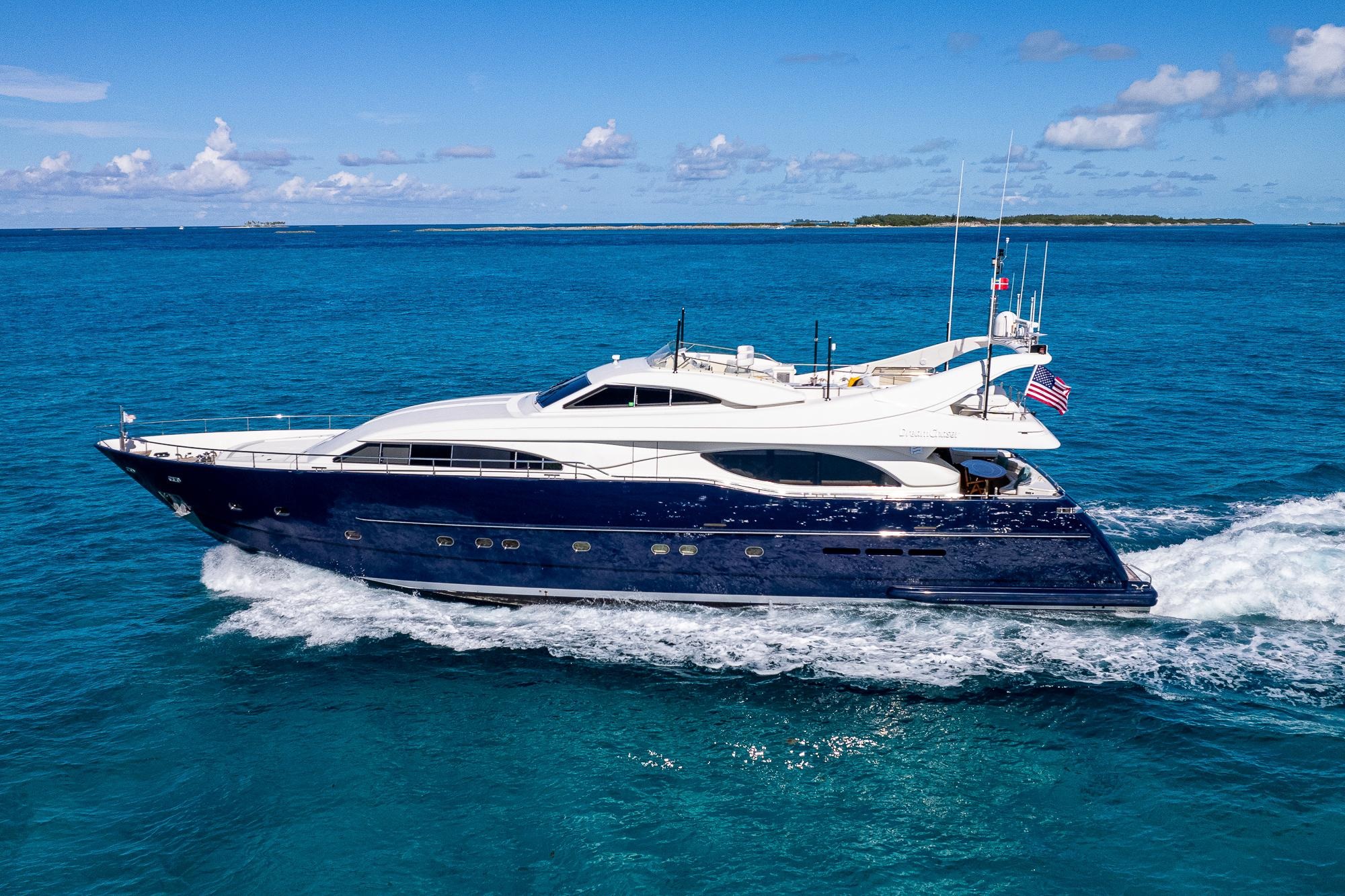
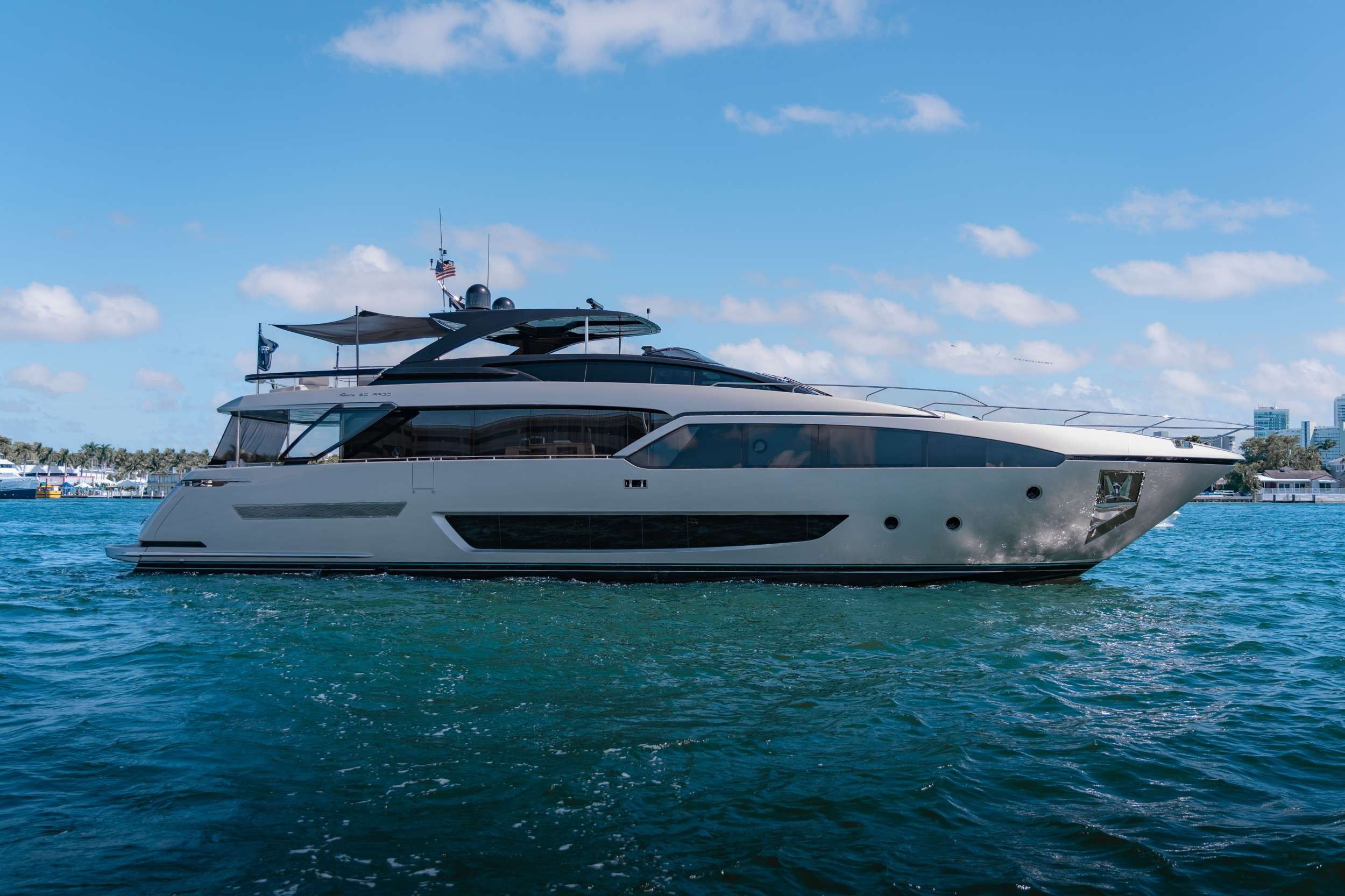
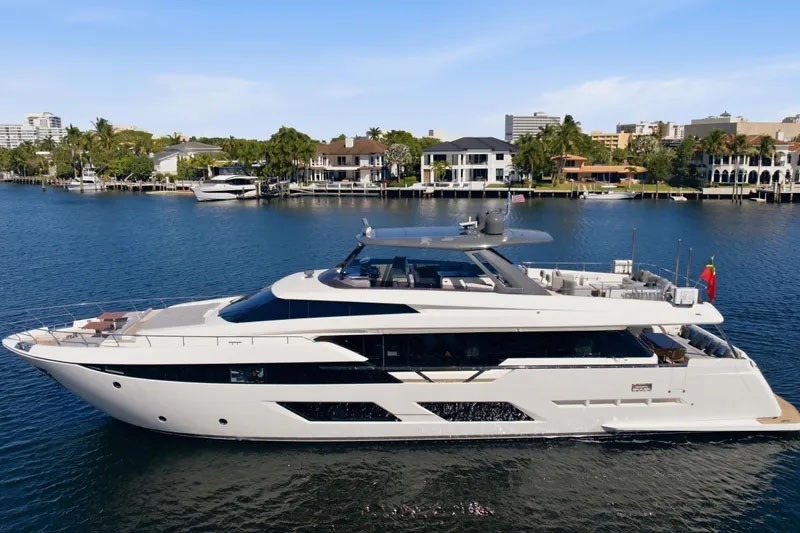
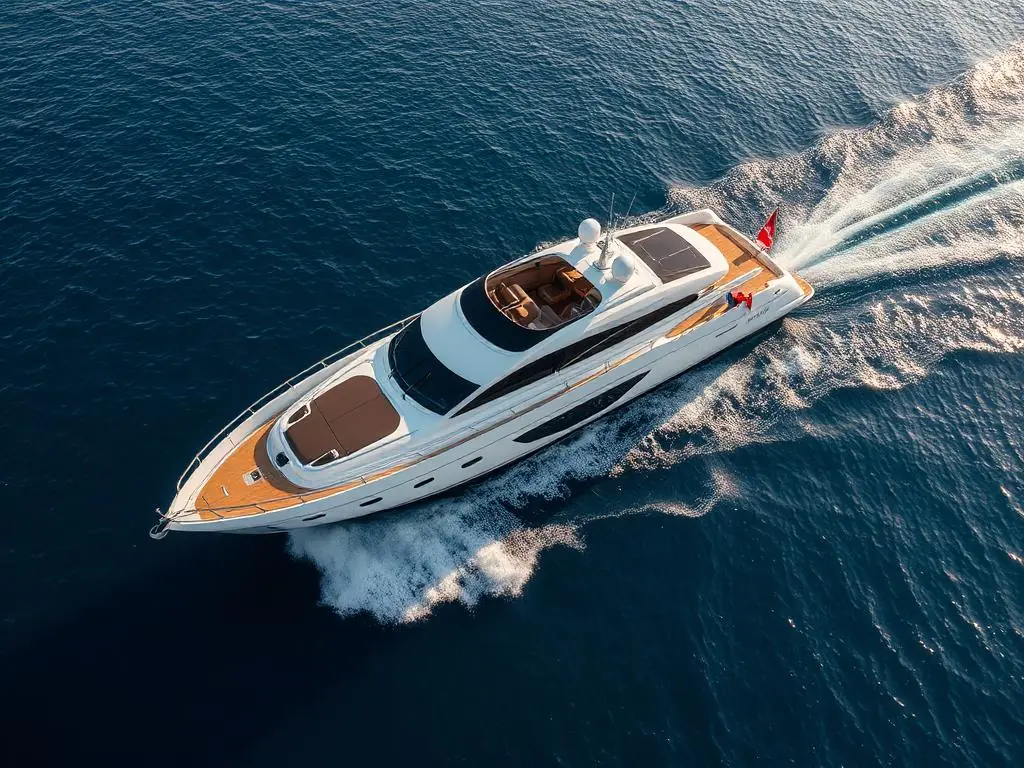
Motor Yachts (35m-50m): This is the sweet spot. A yacht like a Sunseeker 116 or a Custom Line Navetta 37 has the speed to make the Split-Vis crossing efficiently, a shallow enough draft for most anchorages, and a powerful tender for excursions.
- Weekly Charter Rate Estimate (2026): €140,000 - €220,000 + APA.
-
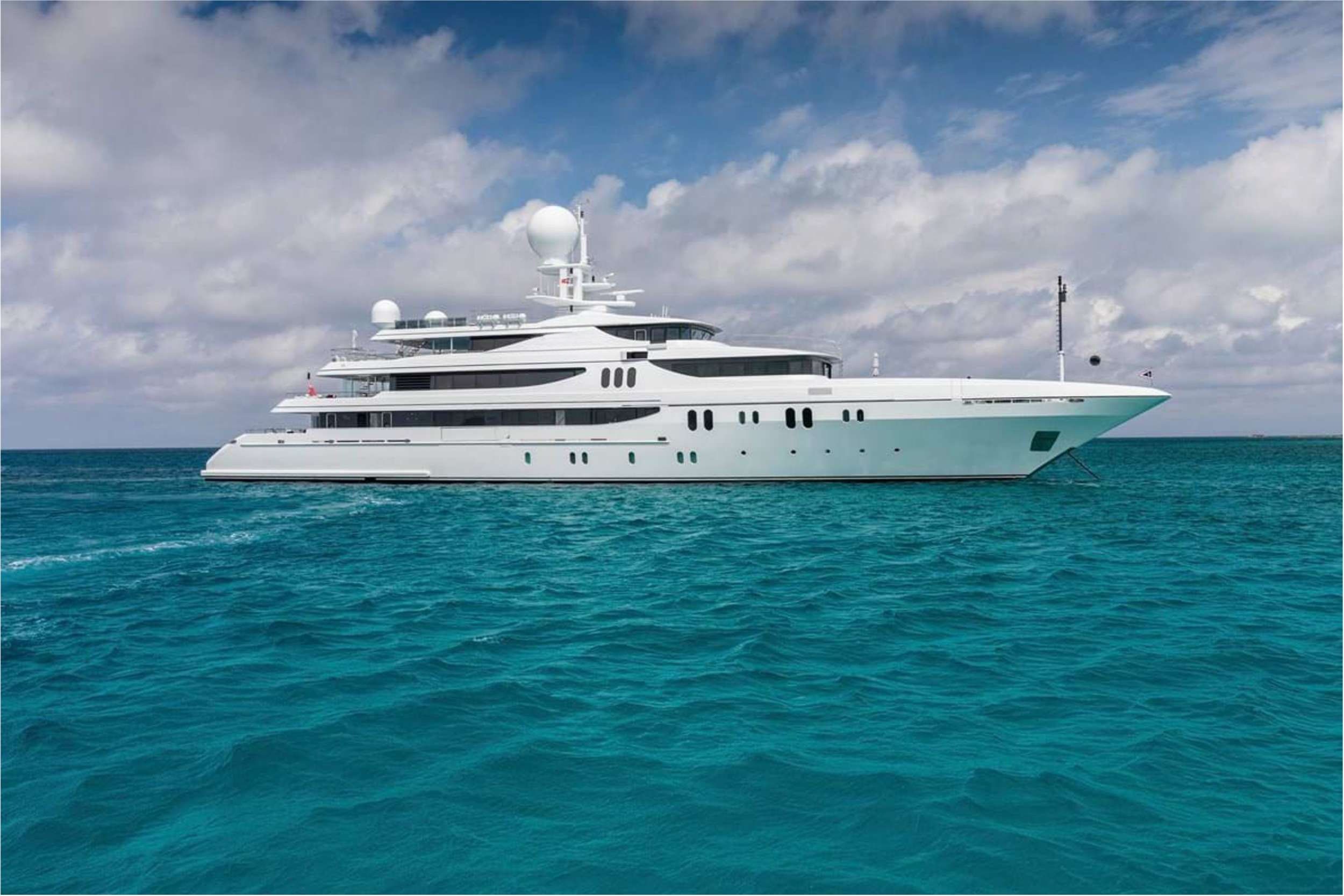
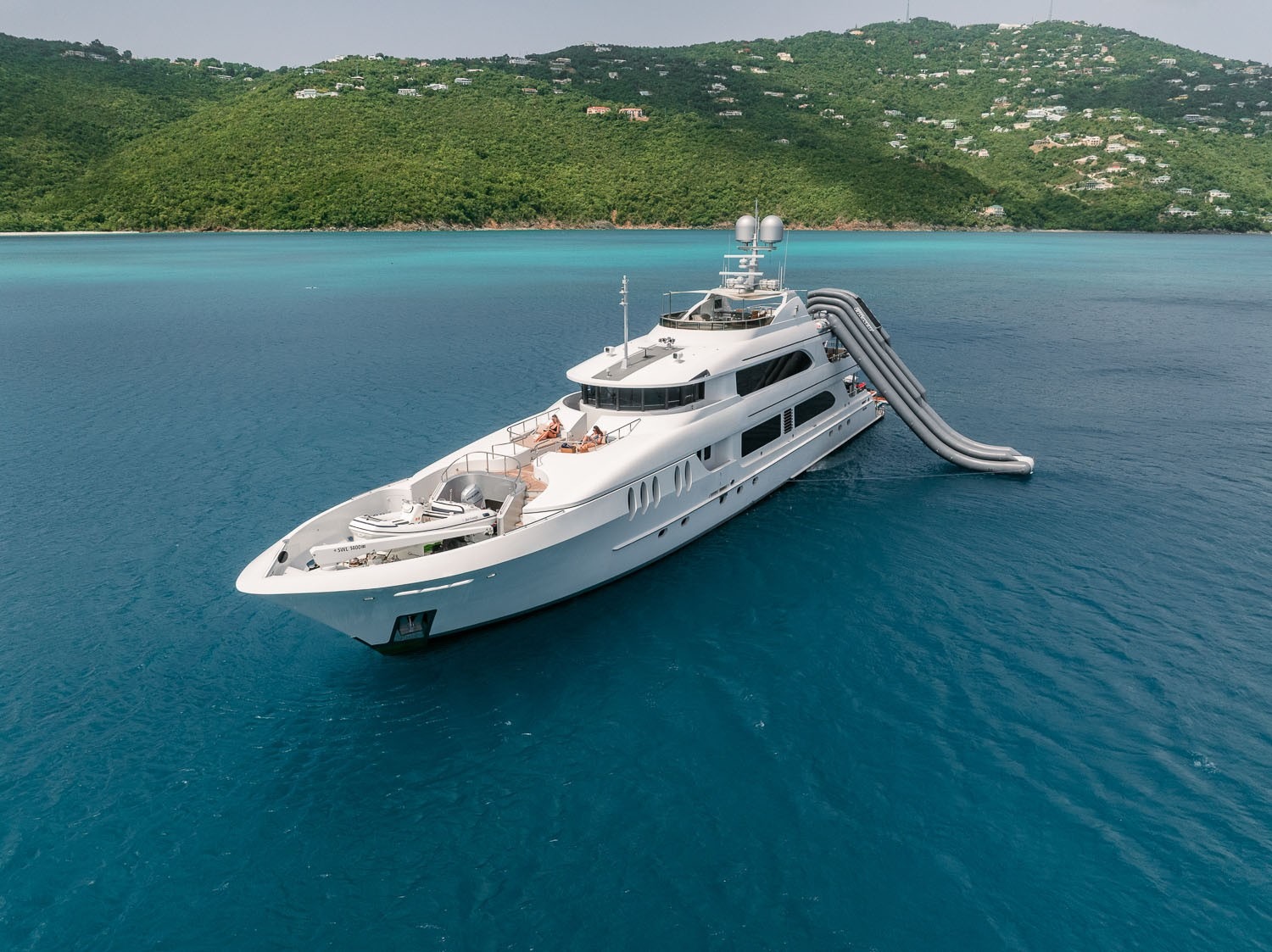
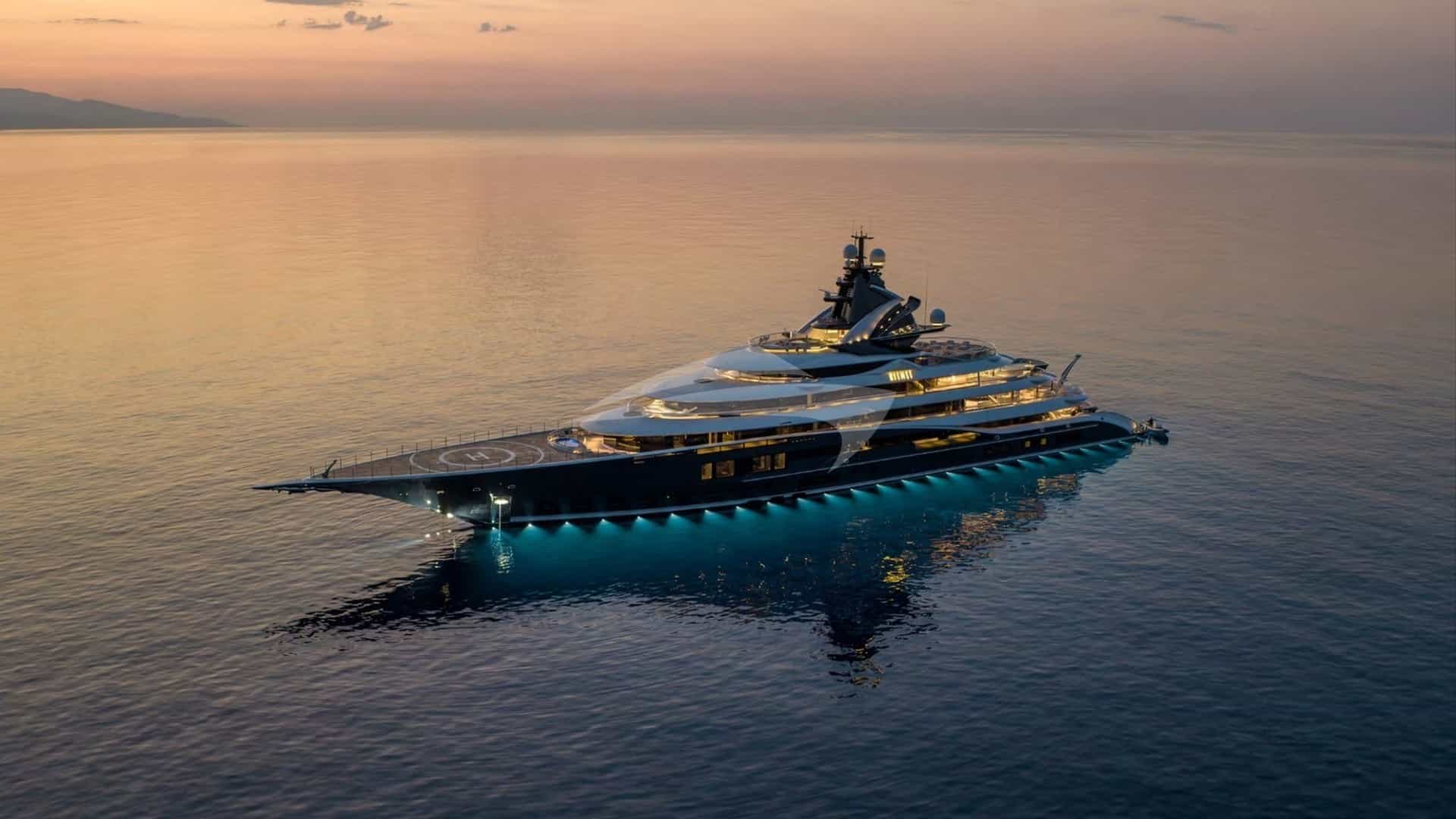
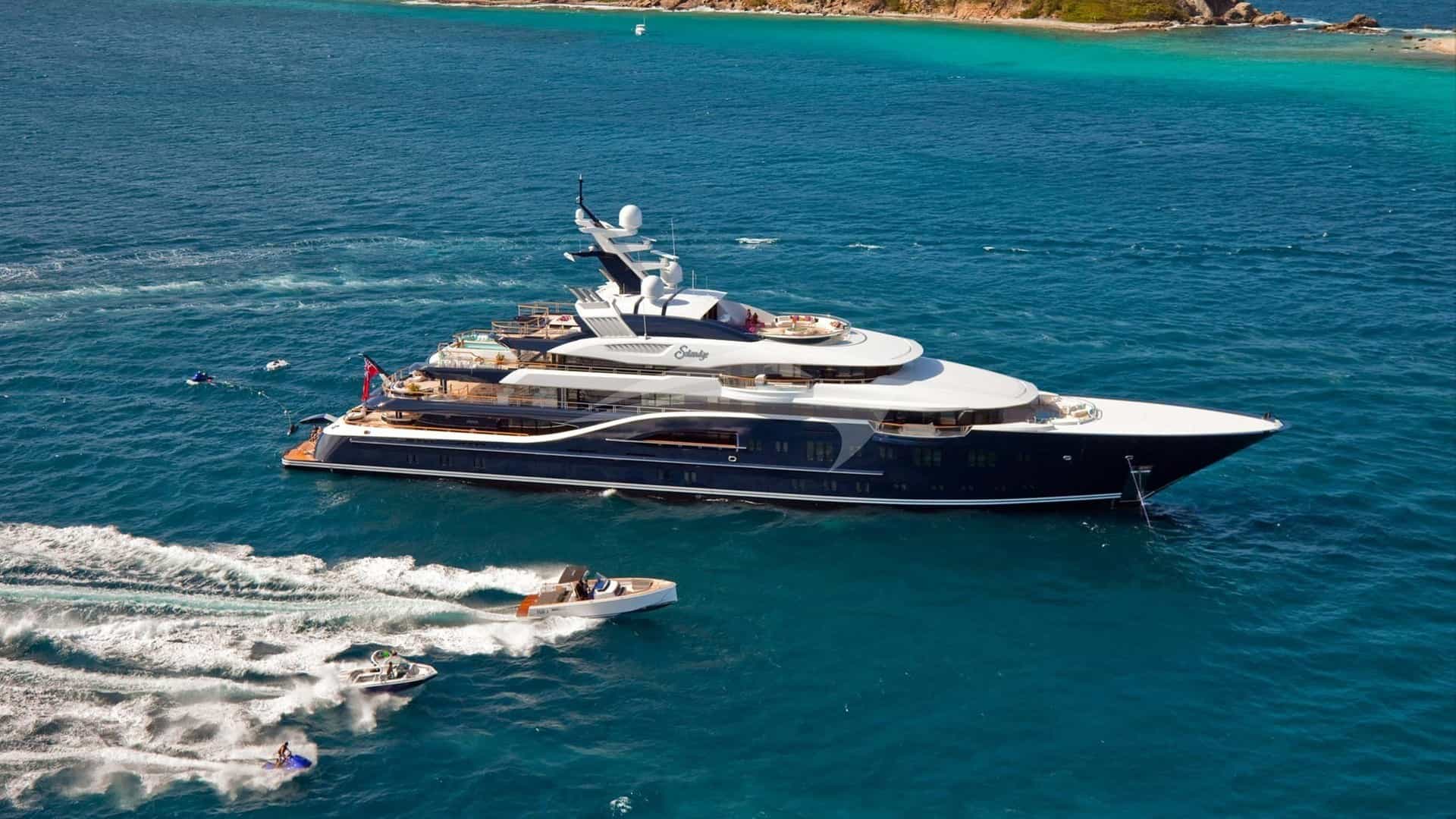
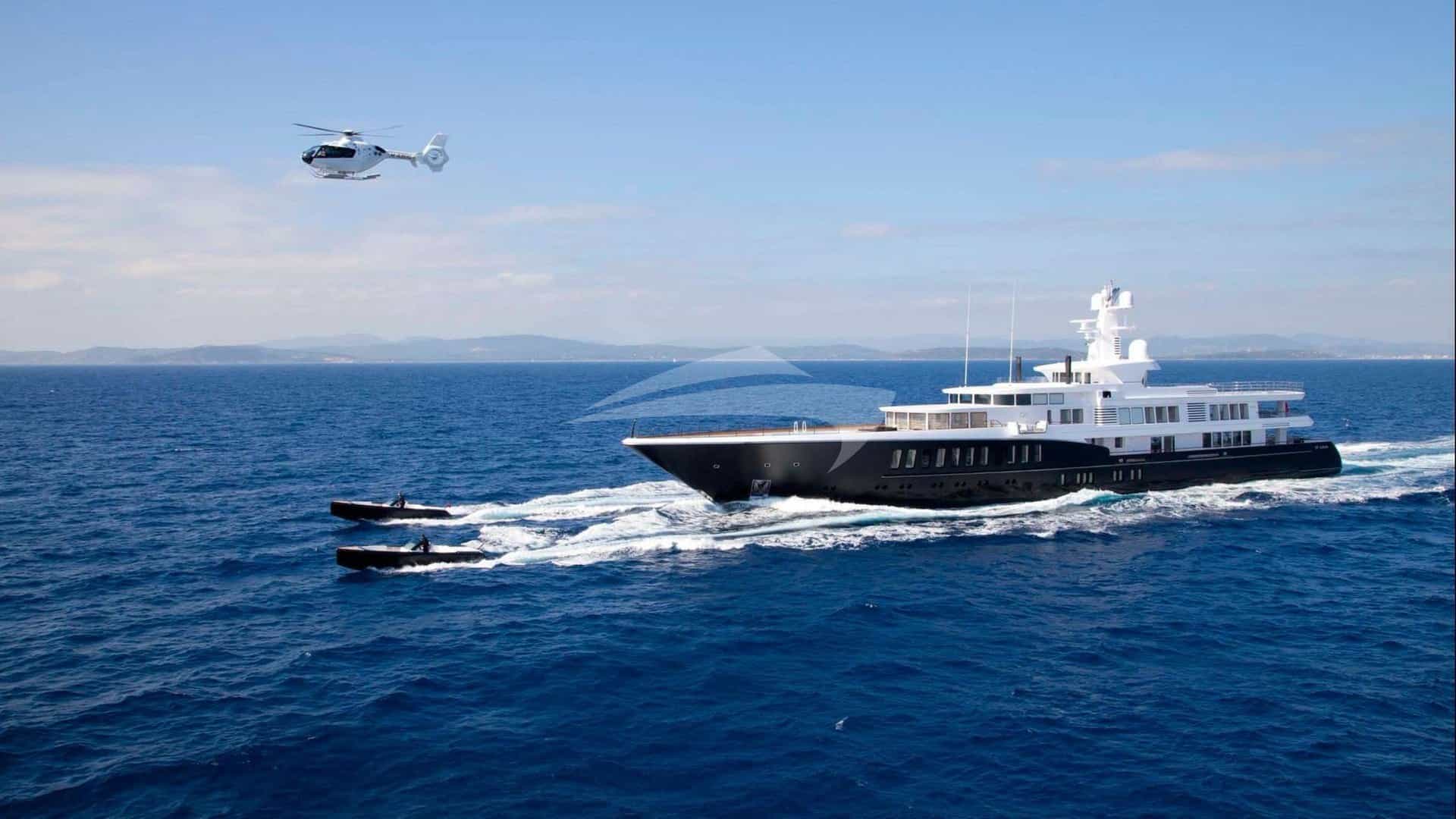
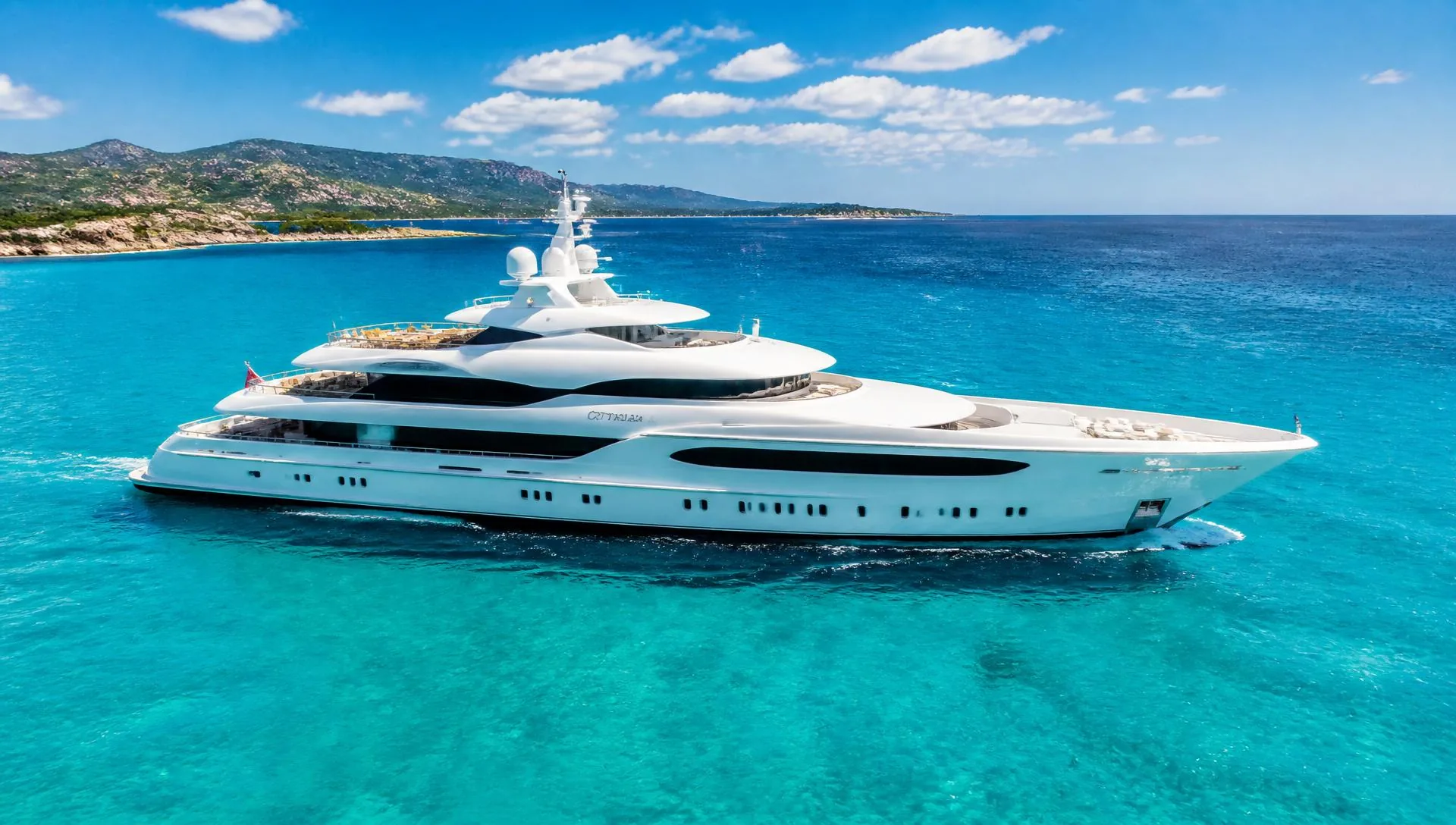
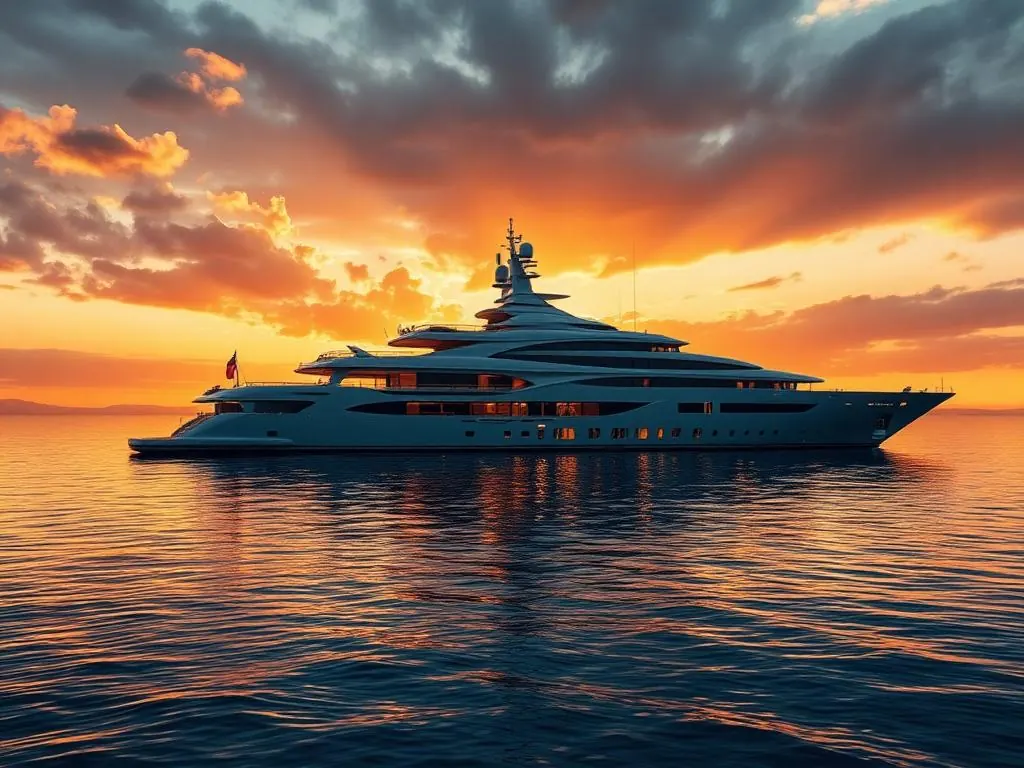
Motor Yachts (50m+): Larger vessels (e.g., Benetti, Feadship) offer unparalleled comfort and service but are restricted to anchoring. Their larger tenders (10m+ Wajer or chase boat) become critical assets, acting as independent day boats for exploring coves like Stiniva.
- Weekly Charter Rate Estimate (2026): €280,000 - €450,000+ + APA.
-
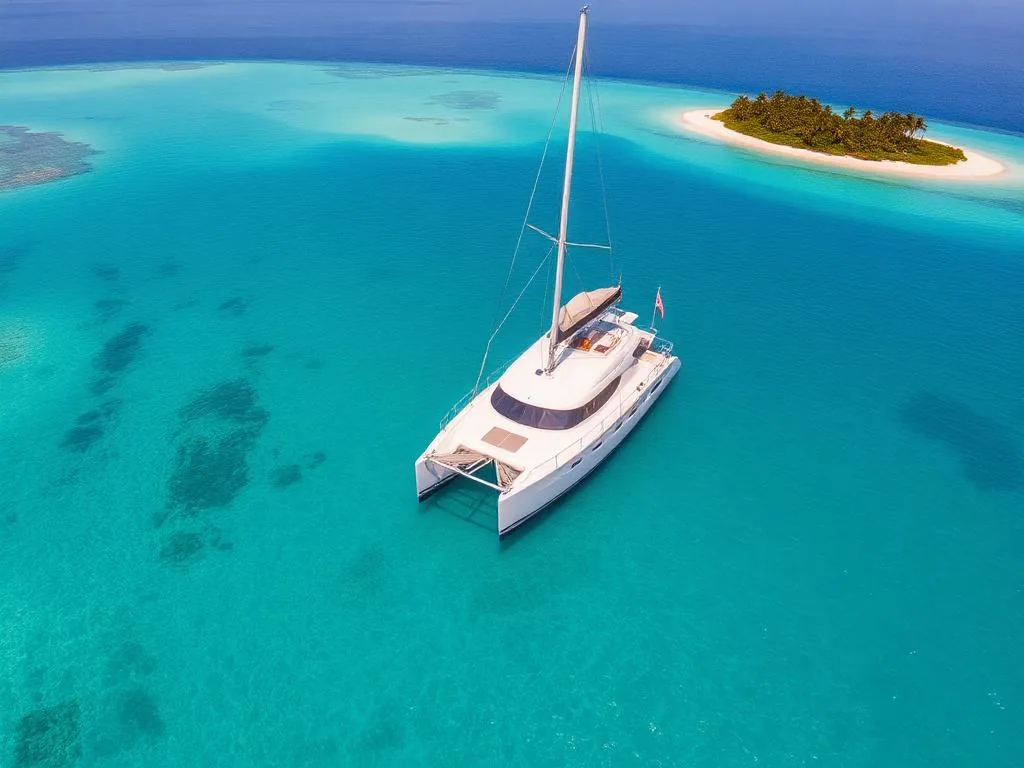
Sailing Yachts (40m+): A modern sailing yacht (e.g., a Perini Navi, Royal Huisman, or a large catamaran like a Sunreef 80) is arguably the purest way to experience Vis. The Maestral provides superb sailing conditions. The pace is slower, but the connection to the environment is deeper. The trade-off is often a smaller tender garage and more time spent on passages.
- Weekly Charter Rate Estimate (2026): €150,000 - €250,000+ + APA.
Advanced Provisioning Allowance (APA): Budget for 35% in Croatia. This is higher than the Greek standard (25-30%) due to a higher VAT on food and beverages and potentially significant fuel consumption if the itinerary includes long daily passages. Fuel costs for a 50m motor yacht repositioning from Split to Vis and then conducting daily excursions can easily run €15,000 - €25,000 for the week.
Crew & Provisioning Notes
A Croatian captain and/or crew is a force multiplier. Their local knowledge for navigating tricky anchorages and their connections for securing last-minute quay space or restaurant reservations are invaluable. Brief the chef to provision heavily on local assets. The charter should feature:
- Wine: Procure cases of the local white grape, Vugava (grown only on Vis), and the robust red, Plavac Mali.
- Seafood: The captain should have a direct line to the fishermen in Komiža for daily catches of scorpionfish, dentex, and lobster.
- Olive Oil: Vis produces some of the finest, most peppery olive oil in the Adriatic.
Vis is not a passive destination. It demands engagement from the yacht's operational team. For the principal who values this blend of raw nature and skillful execution, it delivers a charter experience that feels less like a transaction and more like a discovery.