
West Mediterranean · Spain
Marina Cala d’Or: the Blue Ocean Club guide to south-east Mallorca’s boutique harbour
Marina Cala d’Or sits deep inside Cala Llonga, the narrow natural harbour that gives this corner of south-east Mallorca much of its character. Arriving by sea, yachts leave behind a coast of pale limestone cliffs, pine-topped coves and bright sand calas, then enter a calm, elongated inlet lined with low white buildings and waterfront terraces. It is not a large, industrial yachting hub in the Palma mould; its appeal is more intimate, boutique and quietly practical. Charter yachts use Cala d’Or for protected overnight berthing, easy access to Mondragó, Portopetro and Portocolom, and a shore base where guests can step straight from the passerelle to dinner. The marina works particularly well for family charters, couples who prefer beaches and restaurants within walking distance, and itineraries exploring Mallorca’s less hurried south-east coast. It is also a useful change of rhythm after Palma, offering good shelter, a polished holiday atmosphere and quick reach to some of the island’s prettiest anchorages.
- Indicative max LOA
- approx. 30 m
- Indicative max draft
- approx. 4.5 m
- Berths
- 572
- Fuel
- Available
- Power
- Shore power typical — confirm amp rating vs LOA
- Water
- Available
- Waste
- Pump-out on request / by arrangement
- Wi‑Fi
- Harbour Wi‑Fi variable — starlink aboard preferred
- Charter region
- Mallorca
Indicative — subject to confirmation
Indicative — subject to confirmation
Verified
Berthing at Marina Cala d'Or
Berthing & mooring at Marina Cala d'Or
Approach Marina Cala d'Or with local pilotage notes from the captain; high season berths book weeks ahead. Confirm fuel, shore power amp rating and waste before arrival.
Door-to-deck
Primary gateway PMI. We choreograph chauffeur or helicopter into the gangway window.
Berth lead time
Peak berths around Marina Cala d'Or typically need 4–12 weeks for larger LOA. We hold anchorage fallbacks before you fly.
What does berthing cost at Marina Cala d'Or?
Indicative guidance — Indicative seasonal berth ranges are shared on request — confirm with the marina agent before contract. We never publish unverified nightly rates as fact.
Embark at Marina Cala d'Or
Door-to-deck for Mallorca: fly into the gateway, transfer timed to the gangway, luggage aboard before guests. We choreograph the buffer — not a taxi scramble.
Meeting point
Meeting point: Marina Cala d'Or — confirm quay / pontoon with the captain the morning of embarkation.
Arrival buffer
Plan 60–90 minutes from wheels-down to passerelle for chauffeur corridors; helicopter windows are tighter when helipad access is confirmed.
Berth lead time
Peak berths around Marina Cala d'Or typically need 4–12 weeks for larger LOA. We hold anchorage fallbacks before you fly.
Captain / crew
Approach Marina Cala d'Or with local pilotage notes from the captain; high season berths book weeks ahead. Confirm fuel, shore power amp rating and waste before arrival.
Tender fallback
When berths are scarce we hold a sheltered anchorage + tender (or captain-only standby) plan before you fly — never a last-minute scramble at the mole.
Luggage / night before
Night-before hotel near the gateway (or marina) when late arrivals risk missing the embarkation slot — we hold rooms against the transfer plan.
Gateways
- PMI →
Primary gateway PMI.
Indicative guidance — Indicative seasonal berth ranges are shared on request — confirm with the marina agent before contract. We never publish unverified nightly rates as fact.
Enquire
Plan berths at Marina Cala d'Or
Tell us LOA, dates and embarkation airport — we hold berths, tender fallbacks and door-to-deck before you fly.
On the water at Marina Cala d'Or
Marina & nearby anchorages
Yachts for Marina Cala d'Or
Crewed yachts that can operate or berth around Marina Cala d'Or.
 Berth fit
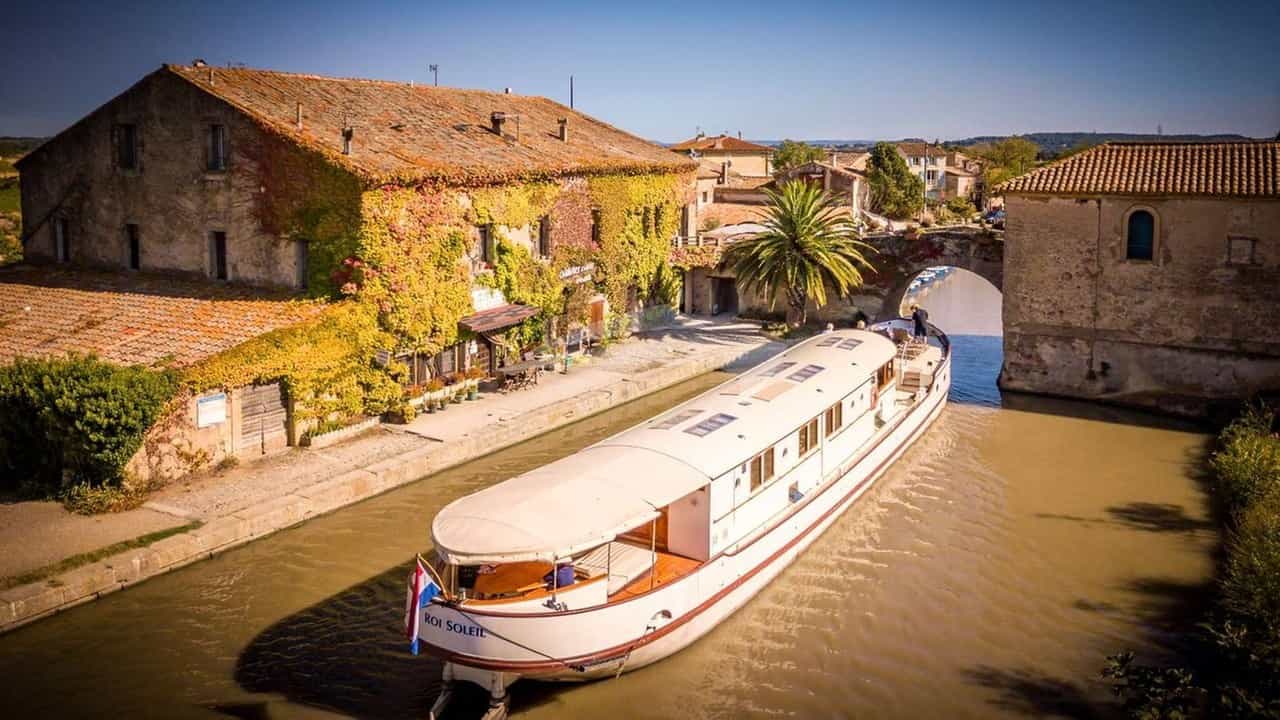
ROI SOLEIL
 Berth fit
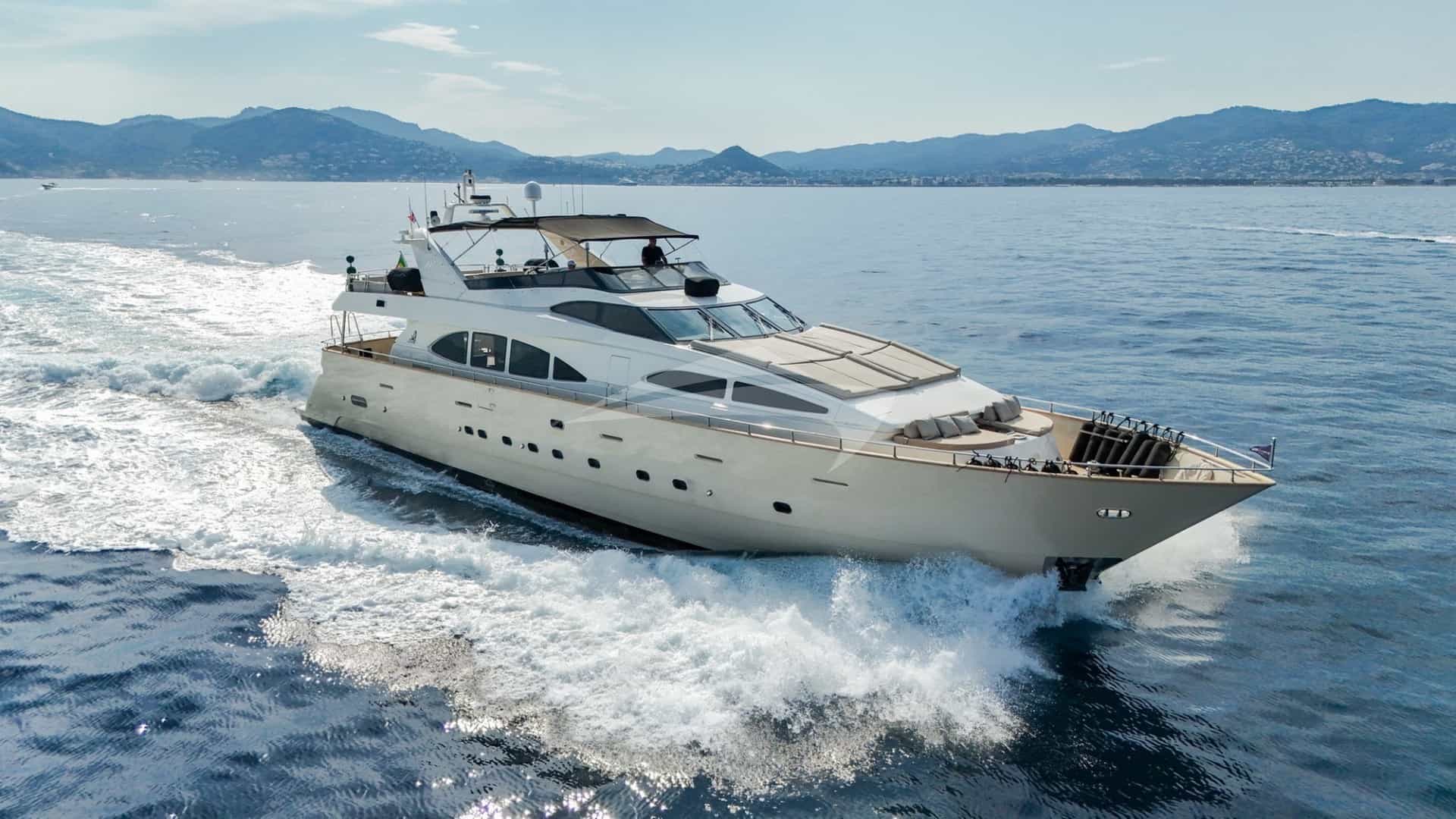
ACCAMA DELTA
 Berth fit
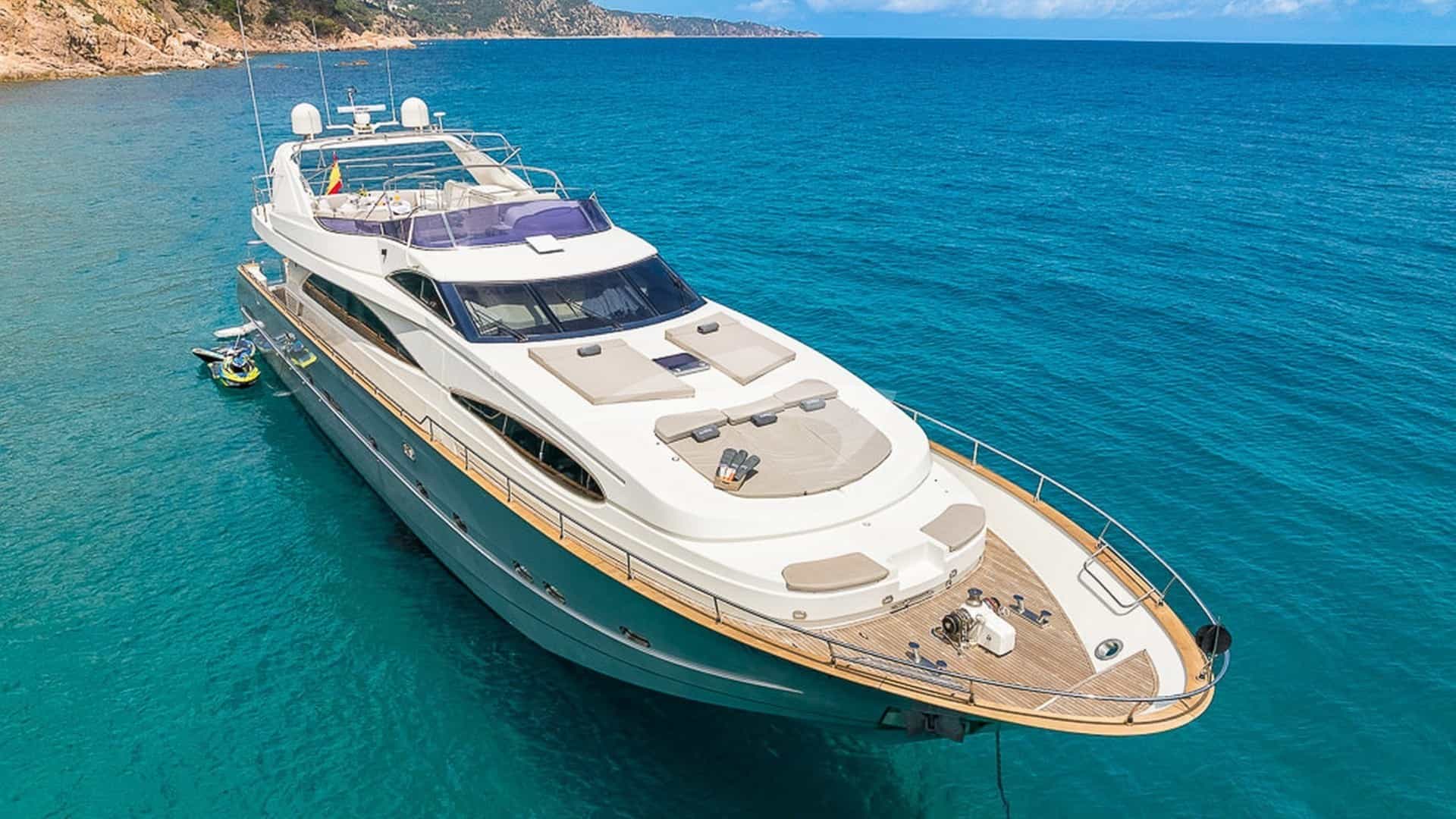
KIAWAH II
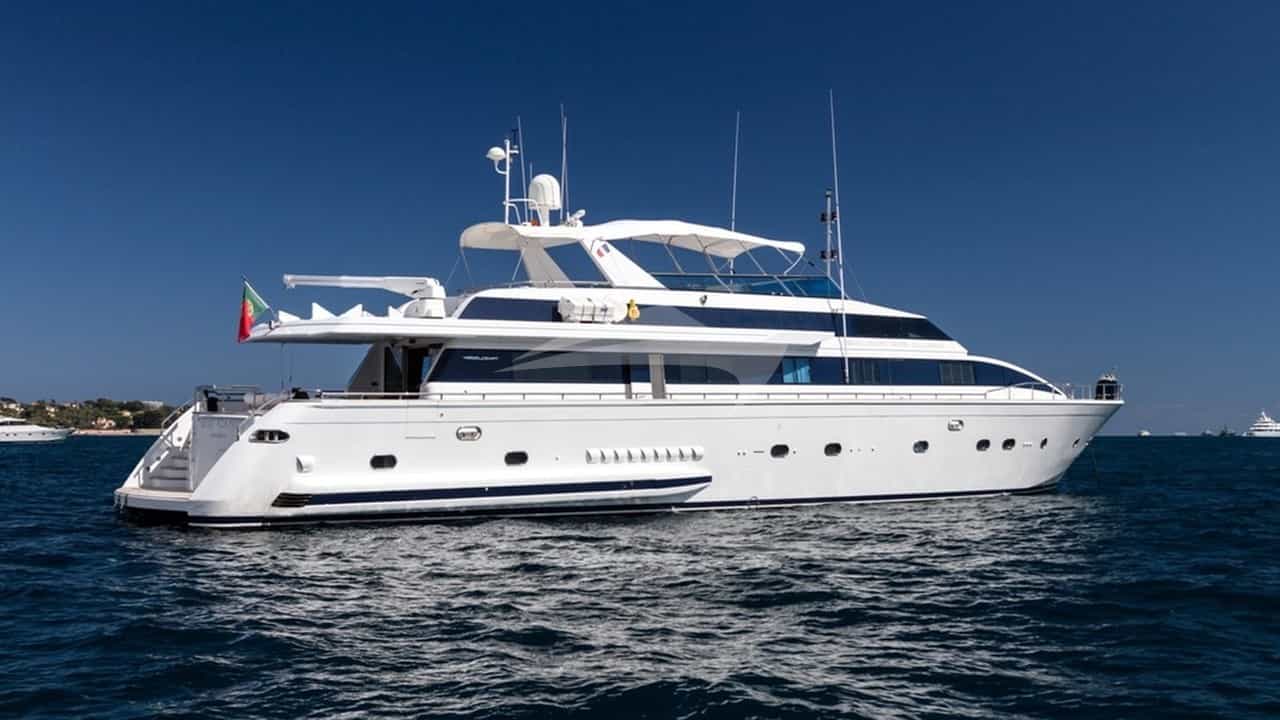 Berth fit
MISS CANDY
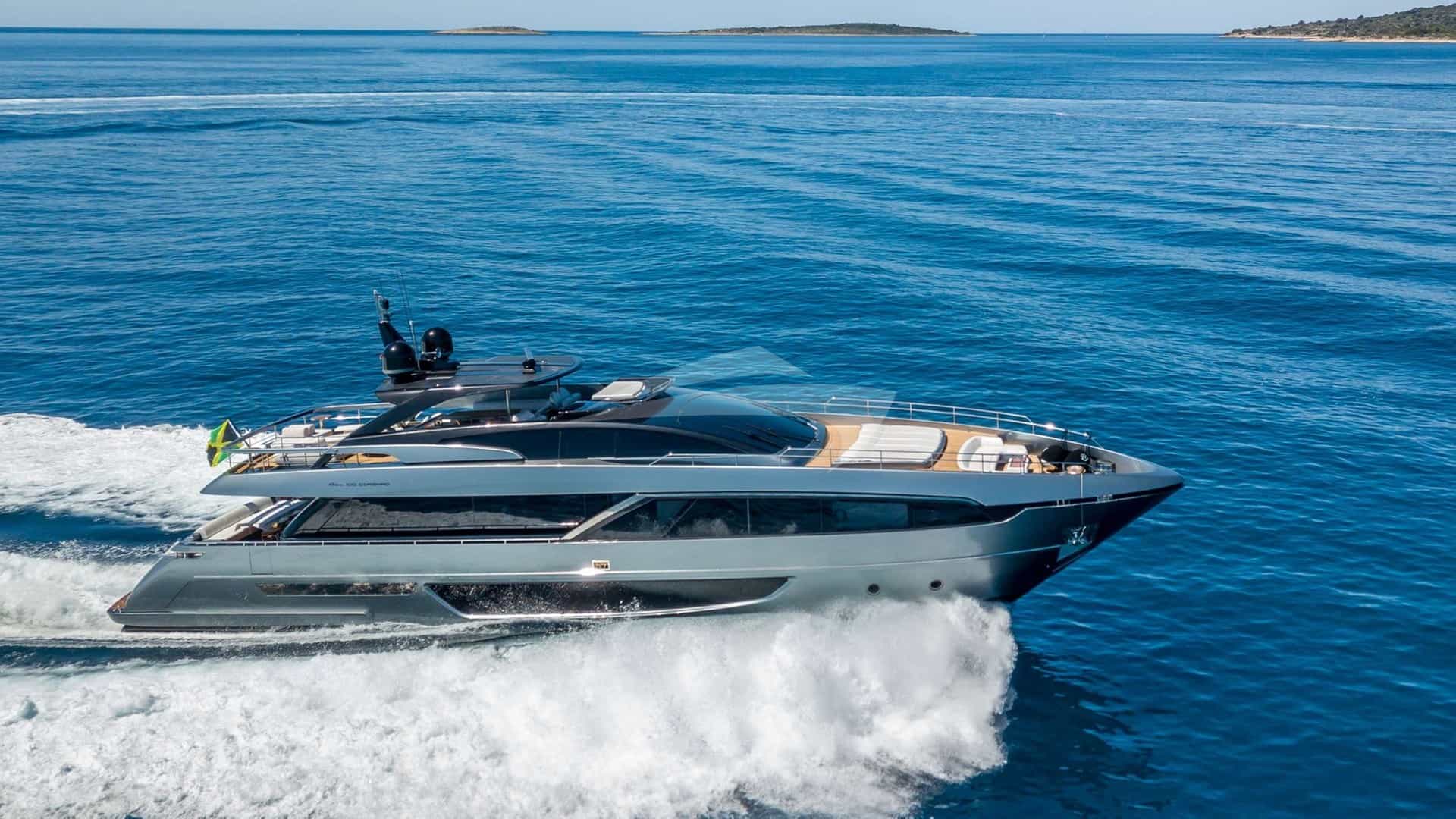 Berth fit
YOYITA II
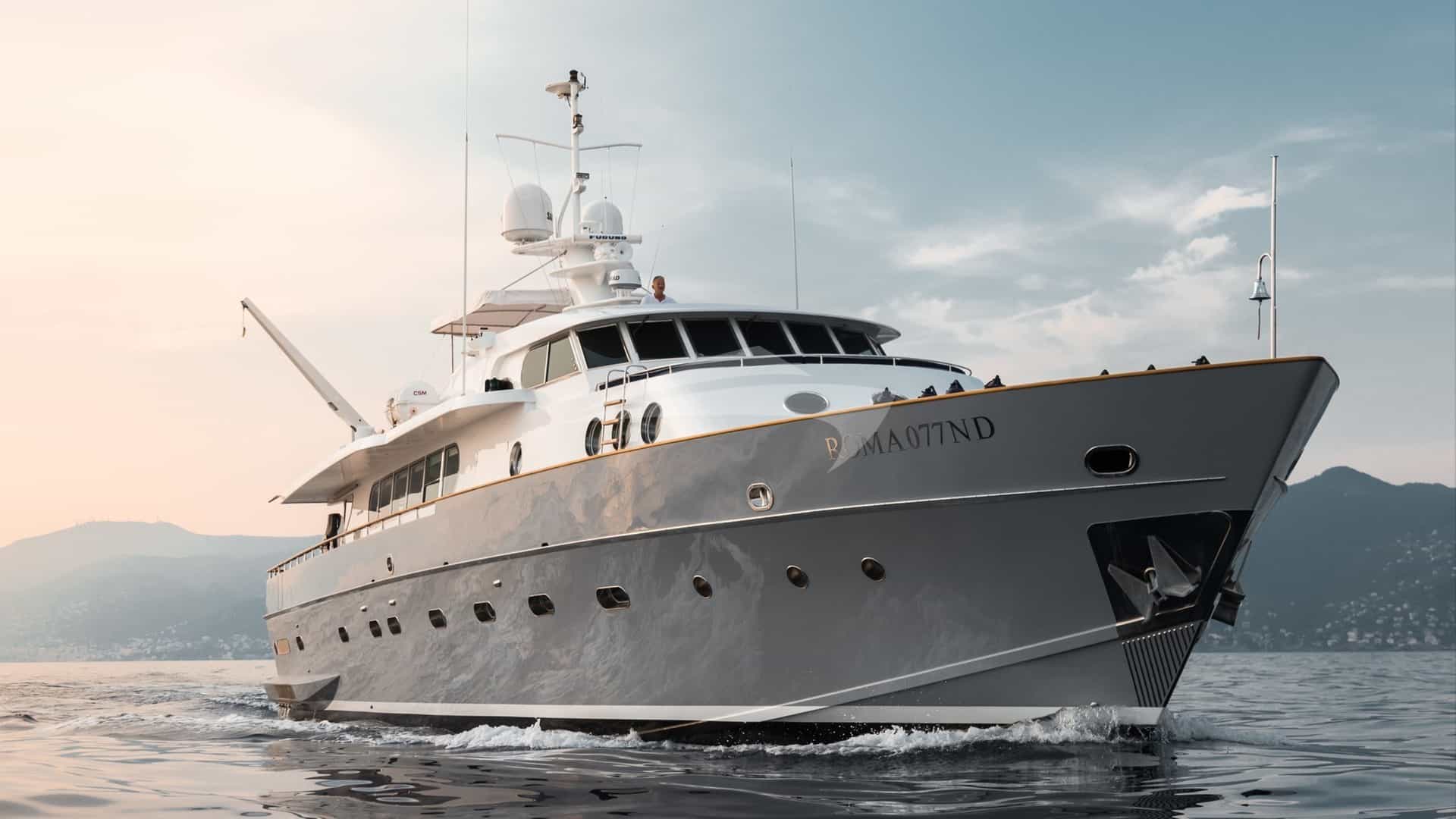 Berth fit
PAOLUCCI
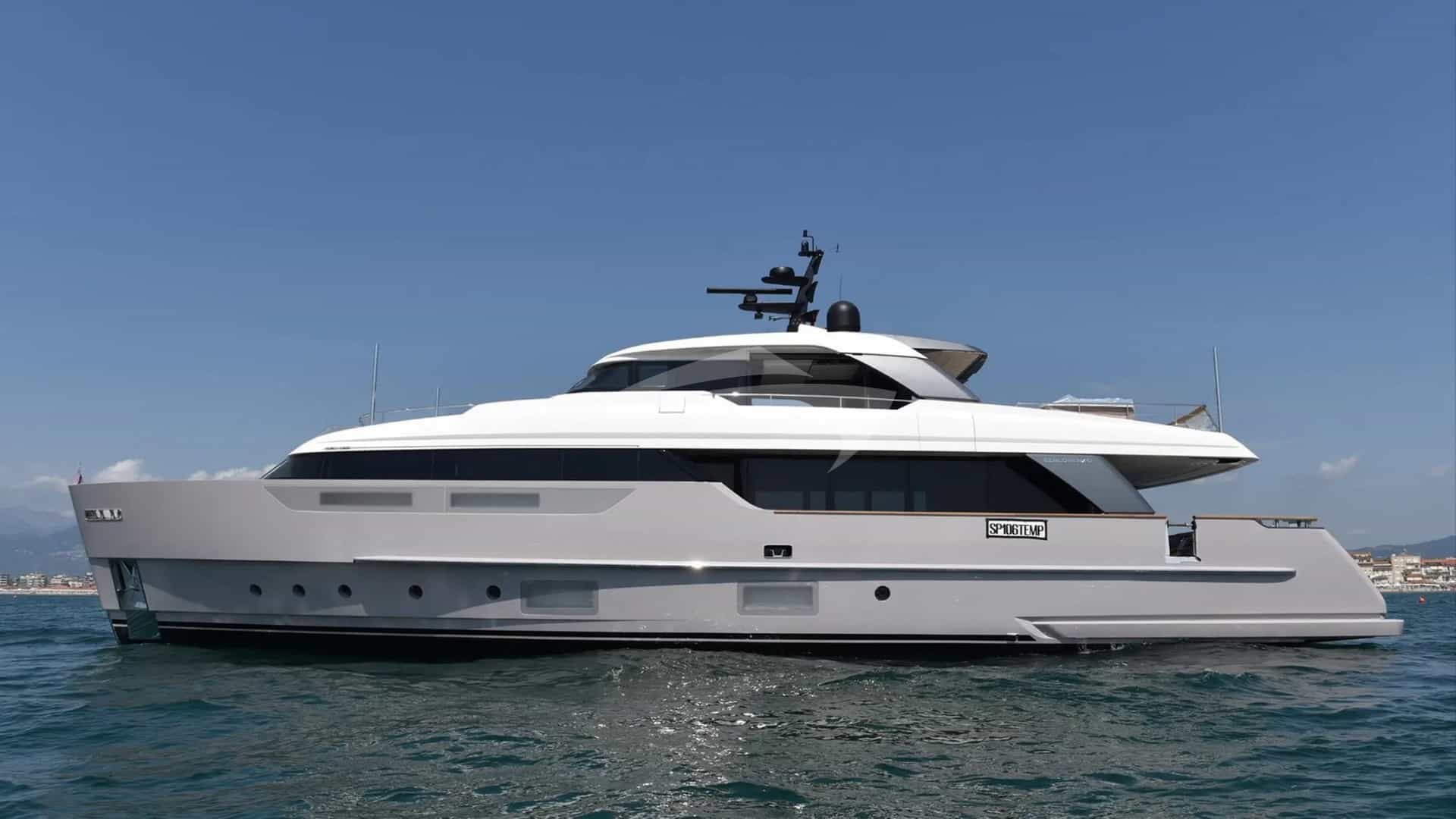 Berth fit
MALKIA
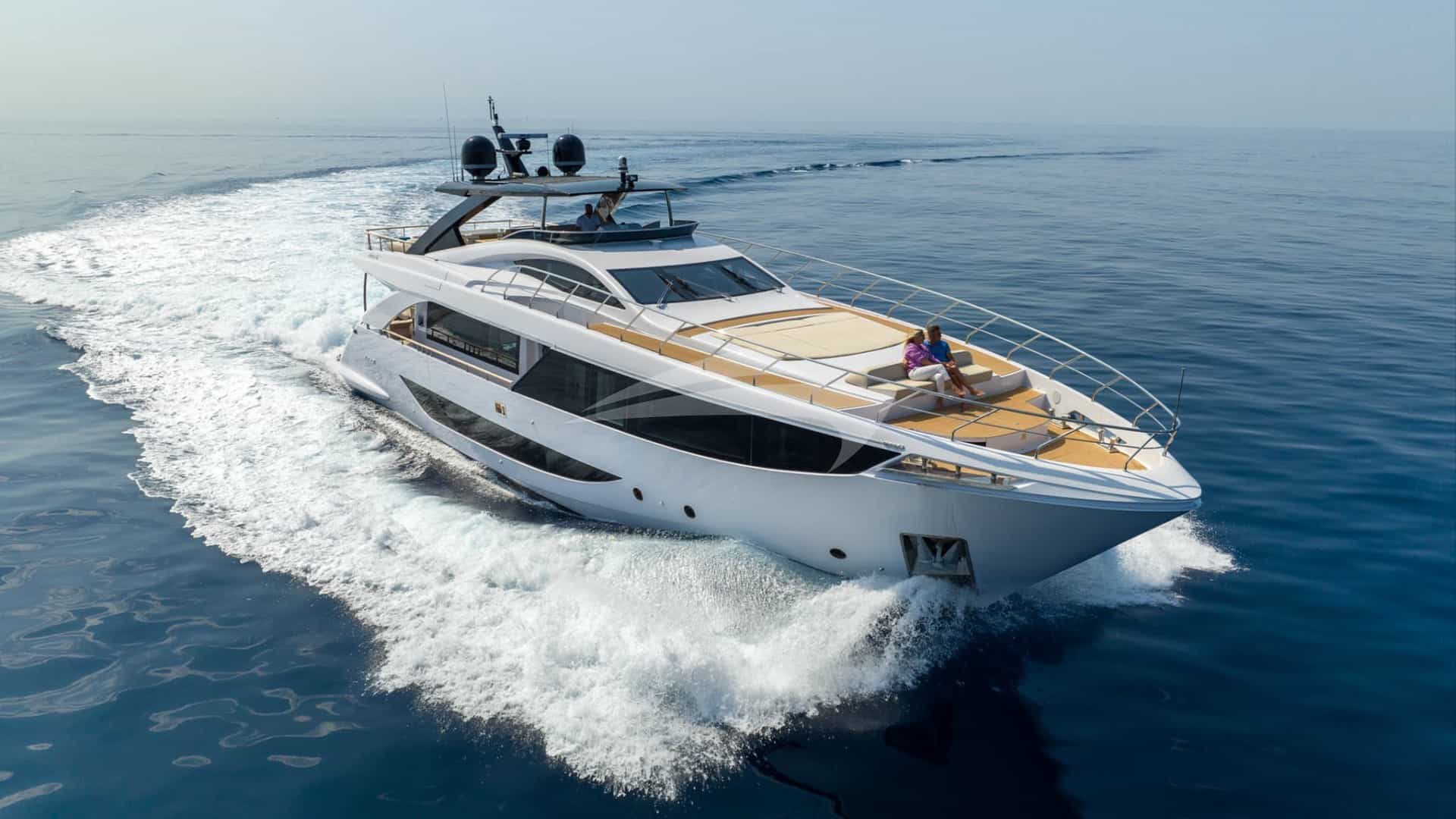 Berth fit
BACCARAT
Marina Cala d'Or berthing FAQ
- How do I embark at Marina Cala d'Or?
- Confirm quay / pontoon with the captain the morning of embarkation after your PMI arrival. We brief the chauffeur on the correct marina gate — not a generic harbour drop.
- Can I berth a yacht at Marina Cala d'Or?
- Yes when LOA, draft and event weeks allow. For peak season and event weeks, 4–12 weeks is typical for larger LOA; shoulder season is more flexible. Blue Ocean Club opens the berth conversation with the yacht shortlist for Mallorca.
- What does berthing cost at Marina Cala d'Or?
- Berthing at Marina Cala d'Or is quoted by LOA, season and events — we share indicative ranges labelled as draft, then confirm in writing before deposit. Never treat a published nightly figure as a hard fact.
- Is yacht charter available from Marina Cala d'Or?
- Yes — Marina Cala d'Or is a practical embarkation for crewed yacht charter in Mallorca. We sequence the berth, transfers and first-night plan before you fly.
- How far ahead should we book a berth at Marina Cala d'Or?
- For peak season and event weeks, 4–12 weeks is typical for larger LOA; shoulder season is more flexible. We start the berth conversation when the yacht shortlist is open.
- What is the practical embarkation airport for Marina Cala d'Or?
- Primary gateway PMI. We choreograph chauffeur or helicopter into the gangway window.
- Can we overnight at anchor instead of taking a quay night?
- Portopetro is a common alternative when the quay is full — captains confirm holding and shelter before committing.
- What services should we expect at Marina Cala d'Or?
- We confirm fuel, shore power, water and waste against your LOA with the marina agent before contract.
Charter destinations near Marina Cala d'Or
Explore in-depth guides for the cruising grounds you can reach from this port.
Prepared by the Blue Ocean Club editorial team from the cited destination and charter sources available for this page. Specs last verified 1 July 2026.
Marina Cala d’Or sits deep inside Cala Llonga, the narrow natural harbour that gives this corner of south-east Mallorca much of its character. Arriving by sea, yachts leave behind a coast of pale limestone cliffs, pine-topped coves and bright sand calas, then enter a calm, elongated inlet lined with low white buildings and waterfront terraces. It is not a large, industrial yachting hub in the Palma mould; its appeal is more intimate, boutique and quietly practical. Charter yachts use Cala d’Or for protected overnight berthing, easy access to Mondragó, Portopetro and Portocolom, and a shore base where guests can step straight from the passerelle to dinner. The marina works particularly well for family charters, couples who prefer beaches and restaurants within walking distance, and itineraries exploring Mallorca’s less hurried south-east coast. It is also a useful change of rhythm after Palma, offering good shelter, a polished holiday atmosphere and quick reach to some of the island’s prettiest anchorages.
Inside Marina Cala d'Or
The setting
Berthing & yacht services
The town & atmosphere
Dining & nightlife
Shopping & provisioning
For families & things for kids
What the crew needs to know
Points of interest & excursions
Why charter from Marina Cala d'Or
- ·Sheltered berthing inside Cala Llonga gives yachts a calm south-east Mallorca base between beach days and coastal cruising.
- ·Guests can walk from the passerelle to harbour restaurants, bars, boutiques and taxis without complex transfers.
- ·The marina is minutes from Mondragó, Portopetro, Cala Sa Nau and other clear-water coves by tender or yacht.
- ·Cala d’Or’s low-rise white architecture creates a softer, more boutique atmosphere than Mallorca’s larger resort ports.
- ·Family charters work especially well, with beaches, casual dining, excursion boats and evening amusements close at hand.
- ·It makes a useful alternative to Palma for itineraries focused on the quieter south-east coast.
Marina facilities
Around Marina Cala d'Or: anchorages, dining and provisioning
Nearby anchorages
Portopetro
Cala Mondragó
Cala Sa Nau
Cala Figuera
Portocolom
Cala Varques
Where to dine
Port Petit
A long-standing marina address with polished service, seafood, rice dishes and a terrace looking across the harbour. Reserve well ahead in July and August.
Restaurante Botavara
Reliable for grilled fish, paella, shellfish and relaxed waterfront dining. It suits charter groups wanting an easy marina supper without formality.
Aquarius
A popular harbourfront restaurant with a broad menu and lively terrace. Useful for mixed-age groups after a beach or tender day.
Gadus
Set by the marina, Gadus offers a modern menu with seafood, meat and seasonal plates. It is a good choice for a smart but relaxed evening ashore.
Yacht Club Cala d’Or Restaurant
A practical marina-side option for lunch, drinks or an informal dinner close to the berths. Particularly useful for crews and guests wanting convenience.
La Bodega Mallorca
A lively town-centre tapas spot with sharing plates and a sociable atmosphere. Best for guests who want a break from marina dining.
Points of interest nearby
Parc Natural de Mondragó
10 min by car or short coastal hopA protected landscape of coves, pines, wetlands and walking paths. S’Amarador and Cala Mondragó are among the best family beach stops nearby.
Portopetro
10 min by car or 2 nmA small fishing harbour with waterside restaurants and a quieter local feel. It is ideal for lunch or a gentle evening wander.
Santanyí
20 min by carThe area’s most attractive inland town, known for golden sandstone, galleries, boutiques and its Wednesday and Saturday market.
Portocolom
25 min by car or 8 nmOne of Mallorca’s loveliest natural harbours, with boathouses, a lighthouse and a calm, traditional atmosphere. Worth visiting by yacht or car.
Caves of Drach
35 min by carA classic Porto Cristo excursion through large limestone caverns and an underground lake. It is useful on windy or overcast days.
Santuari de Sant Salvador
35 min by carA hilltop monastery above Felanitx with broad views across eastern Mallorca. The drive is scenic and best outside the midday heat.
Castell de Santueri
30 min by carA ruined fortress on a rocky outcrop near Felanitx. It adds a strong historical element to an inland excursion.
Cala Figuera
25 min by car or 5 nmA narrow fishing harbour with traditional boat houses and photogenic quays. It is charming for a walk and waterside lunch.
Shopping & provisioning
Avinguda de Tagomago
Shopping district
One of Cala d’Or’s main shopping streets, with resort fashion, jewellery, beachwear, pharmacies and gift shops. Best for guest extras rather than serious luxury retail.
Hiper Centro Cala d’Or
Provisioning
A useful supermarket for everyday galley stores, drinks, cleaning products and household basics. Chefs should pre-order specialist items elsewhere.
Eroski City Cala d’Or
Provisioning
Convenient for top-up supplies, snacks, breakfast goods and bottled drinks. It is practical for quick crew runs during a marina stay.
Spar Cala d’Or
Provisioning
A handy local supermarket option for last-minute items and guest comforts. Stock varies seasonally, so avoid leaving core charter provisioning too late.
Náutica Cala d’Or
Chandlery and yacht services
A local nautical supplier and service contact for basic yachting requirements. For specialist parts, captains should call ahead and confirm availability.
Santanyí Market
Market
A lively twice-weekly market in the old town, good for produce, ceramics, textiles, local cheese and olives. Go early before the tour buses arrive.
Agromart Santanyí
Fresh produce and deli
Part of a Mallorcan produce chain, useful for fruit, vegetables and island pantry items. It is worth combining with a Santanyí market visit.
Bodega Son Alegre
Wine estate
An organic wine producer near Santanyí, useful for guests interested in south-east Mallorca wines. Tastings and purchases should be arranged in advance.
Planning your charter from Marina Cala d'Or
Family, crew and seasonal guidance
For families & kids
- ·Spend the morning at Cala Gran, the easiest family beach from town, with sand, shallow water and nearby cafés.
- ·Take a tender or taxi to S’Amarador in Mondragó Natural Park for a wider beach and short nature walks.
- ·Ride the seasonal Cala d’Or tourist train, an easy low-effort outing for younger children in the evening.
- ·Book a glass-bottom boat trip from Cala d’Or to see coves, caves and fish without a full snorkelling session.
- ·Visit Fantasy Park Cala d’Or for fairground-style amusements when children need a break from beach and boat routines.
- ·Plan a half-day at the Caves of Drach in Porto Cristo when wind or swell interrupts the cruising programme.
For the crew
- ·Confirm berth instructions, delivery access and waste procedures with the marina office before arrival, especially during peak-season changeover days.
- ·Use early mornings for loading drinks and fresh stores, before waterfront traffic and summer parking pressure make quay access slower.
- ·For premium provisioning, combine local supermarkets with Santanyí produce runs or Palma-based suppliers delivering by pre-arrangement.
- ·Arrange laundry with local service providers promptly; August turnaround can be slower when hotels, villas and yachts compete for capacity.
- ·Keep tender speed and wash conservative inside Cala Llonga, where restaurants, pontoons and small craft sit close together.
- ·Taxis and private drivers should be pre-booked for airport transfers, late returns and chef runs beyond Cala d’Or.
- ·For exercise or quiet time, walk or run towards Es Fortí and the coast early, before heat and beach crowds build.
Seasonal & booking guidance
Cala d’Or’s main charter season runs from June to September, with July and August bringing the highest berth demand, busiest restaurants and warmest water. Sea breezes are common on settled summer afternoons, while the Balearics can also feel the effects of tramuntana or mistral-influenced northerlies, plus easterly levante conditions that make some calas uncomfortable. The marina’s sheltered inlet is valuable when the open coast becomes bouncy, but captains should still plan approaches and tender programmes around wind direction. For peak weeks, berth requests and restaurant reservations should be made as early as possible, particularly for larger yachts or weekend arrivals. May, early June, late September and October are often the most rewarding periods: beaches are quieter, service is less stretched, and inland excursions to Santanyí, Felanitx and Mondragó are more comfortable. Shoulder-season evenings can be cooler, and some tourist services reduce hours outside the summer peak.
Insider booking tips
- ·Request berthing well ahead for July and August, giving exact yacht dimensions, arrival window, power needs and any guest transfer requirements.
- ·Do not plan Cala d’Or as your primary customs clearance port; confirm formalities with your agent before routing international arrivals.
- ·Reserve Port Petit, Botavara and other waterfront restaurants before arrival if guests want prime terrace tables at sunset.
- ·Load specialist provisions in Palma or via pre-arranged delivery, then use Cala d’Or for fresh top-ups and last-minute guest items.
- ·Build itineraries around wind direction: Mondragó, Cala Sa Nau and Portocolom each behave differently in easterly or northerly conditions.
- ·Schedule guest transfers outside the busiest Saturday road windows when possible, as airport journeys can lengthen noticeably in summer.
Speak to our concierge team
Our concierge team will match you with the right yacht and handle every berth, customs and provisioning detail.
Operations
Marina Cala d'Or: berthing and operations
Published limits, on-berth services and a suitability check against your yacht's actual dimensions.
Operational facts
- Total berths
- 572
- Maximum LOA
- 30 mindicative
- Maximum draft
- 4.5 mindicative
Yacht suitability checker
Length alone never decides a berth. We check beam and draft too, then confirm availability and harbourmaster approval before you commit.
We hold published limits for Marina Cala d'Or. Enter your yacht's length, beam and draft to check them — every verdict stays subject to harbourmaster approval.
- Length overallEnter your yacht's figure to check
- BeamNo verified limit on record
- DraftEnter your yacht's figure to check
- · Published limits are not a berth guarantee: allocation depends on live availability, neighbouring vessels and harbourmaster discretion.
- · Beam, draft and manoeuvring room can rule out a berth even when length fits.
Marina Cala d'Or on the map
Connected
Itineraries and alternative berths
Destination
Alternative marinas nearby
Pair Marina Cala d'Or with destinations, itineraries & seasonal guides
Continue with the destinations, itineraries, marinas and practical guides that are most closely related to this page.