Blue Ocean Club
Port de Saint-Tropez

West Mediterranean · France

A Yacht Charter Guide to Port de Saint-Tropez

Port de Saint-Tropez places yachts at the heart of the Gulf, where Provençal quays, superyachts and village life meet in full view.

Home · Marinas · Port de Saint-Tropez
Berths
800
Max LOA
75 m
Max draft
6 m
Charter region
View destination

Marina & nearby anchorages

Loading map…

Yachts in the area

Live positions and regional availability within cruising range of Port de Saint-Tropez.

Browse fleet →

Charter destinations near Port de Saint-Tropez

Explore in-depth guides for the cruising grounds you can reach from this port.

All destinations →

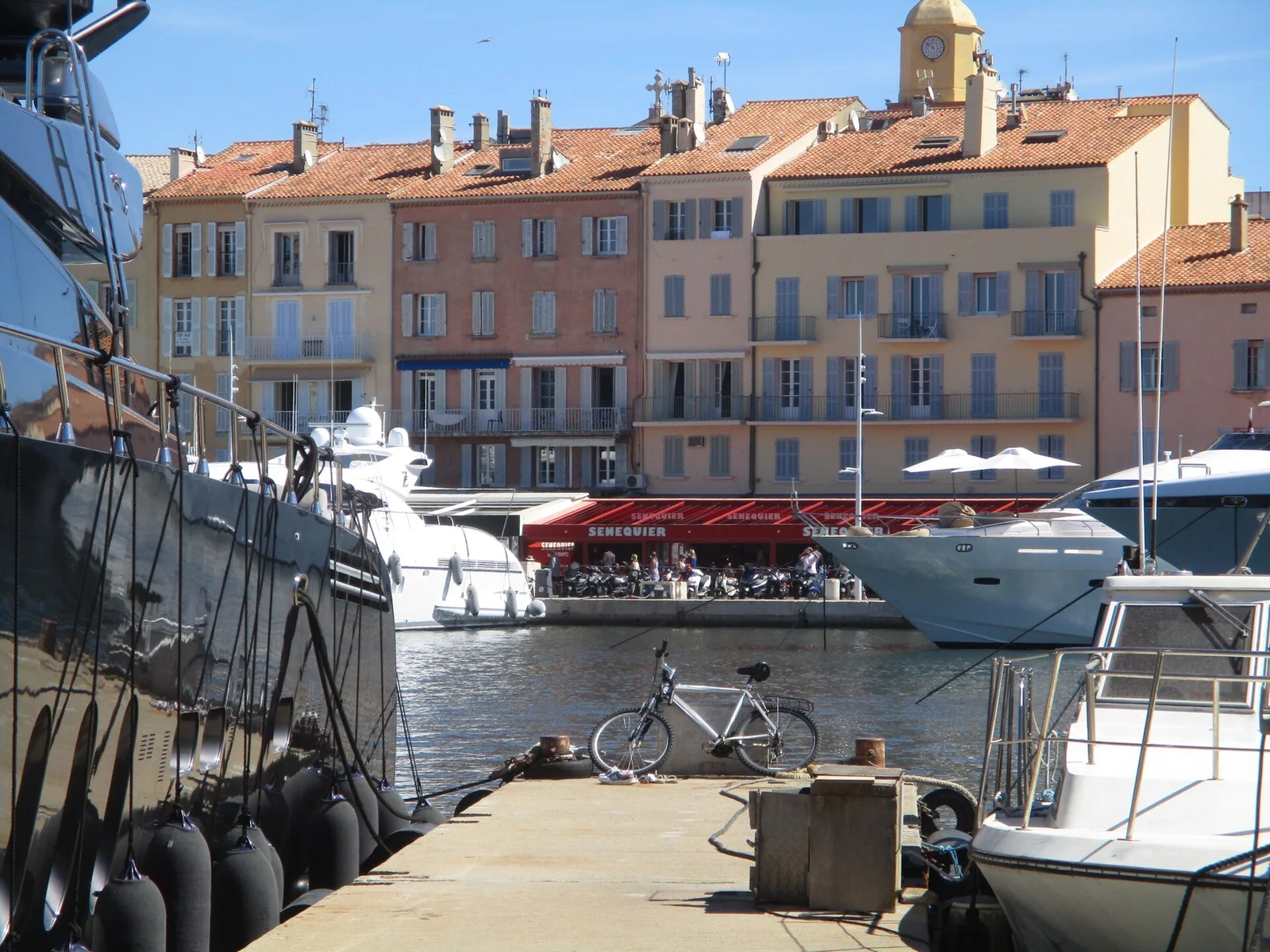
Port de Saint-Tropez is the stage on which the village, the Gulf of Saint-Tropez and the international yachting season all seem to converge. Set on the northern edge of the old town, the harbour opens into a sheltered Mediterranean gulf framed by Sainte-Maxime, Grimaud, Gassin and the Maures hills beyond. Yachts come for practical reasons, including a central Côte d’Azur position, experienced harbour staff, fuel, provisioning and fast access to Pampelonne, but the port’s pull is also emotional. Arriving by sea, the ochre bell tower, pastel façades and arcaded cafés appear almost theatrical against a line of varnished classics, chase boats and large motor yachts. Step ashore and everything is immediate: breakfast at Sénéquier, the lanes of La Ponche, Place des Lices, galleries, boutiques, beach clubs and some of the Riviera’s most animated summer nights. For charter guests, Port de Saint-Tropez is less a marina stop than an address in the middle of the village.

The setting

Port de Saint-Tropez sits inside one of the most recognisable natural theatres in the western Côte d’Azur: the Gulf of Saint-Tropez, a broad, sheltered indentation between the Maures massif and the open Mediterranean. Approaching from the south or east, the land rises gently behind the town, with umbrella pines, ochre roofs and the square bell tower of Église Notre-Dame-de-l’Assomption giving the old port its unmistakable profile. From offshore, the harbour reads less like a standalone marina and more like the front room of the village, its quays pressed directly against cafés, galleries and narrow streets. The entrance brings yachts into a compact, highly observed harbour where classic sailing yachts, day boats, tenders, fishing craft and superyachts share the same visual frame. In summer, arriving is a performance as much as a manoeuvre: quay teams, guests on deck, photographers, restaurant terraces and passers-by all become part of the scene. Yet the geography is practical. The Gulf offers a useful buffer from open-sea swell, while the port gives quick access to Sainte-Maxime, Port Grimaud, the beaches of Pampelonne and the coves around Cap Camarat and Cap Taillat. Step ashore and the sensory shift is immediate. There is the smell of coffee and warm viennoiserie in the morning, polished teak underfoot, bougainvillaea spilling over old stone, and the low sound of halyards, scooters and café conversation. The Vieux Port frontage is open, bright and sociable, while a few turns inland lead to cooler lanes, chapels, boutiques and residential doorways painted in Mediterranean blues and greens. Unlike many purpose-built marinas, Saint-Tropez has no hard boundary between yacht life and town life. The harbour is civic, historic and conspicuously social, which is precisely why yachts continue to make for it despite the seasonal pressure.

Berthing & yacht services

Port de Saint-Tropez is a working town port as well as a prestige yachting address, so berthing here requires planning, clear communication and respect for the harbourmaster’s instructions. Demand is intense from late spring through the end of the summer events calendar, and visiting yachts should treat advance requests, accurate LOA and beam information, arrival times and shore-power needs as non-negotiable details. The capitainerie manages a mixed harbour environment, with resident craft, visiting yachts, classic boats, commercial movements and seasonal traffic all competing for water space. Skippers should expect formal allocation rather than informal choice, and should be ready for close-quarters manoeuvring under observation. Assistance on the quays is a major part of the port’s appeal. Mooring support, water and electricity connections, waste handling, fuel access and liaison for local services are geared to yachts that need fast turnarounds between guest movements. Fuel is available within the port area, but timing matters in high season, when queues and wash from passing traffic can complicate operations. Technical support is available locally for routine engineering, electronics, cleaning, detailing, covers, tenders, upholstery and emergency repairs, while larger yard interventions are often handled around the wider Gulf, including Cogolin, Grimaud and Sainte-Maxime. Customs and immigration formalities should be checked in advance with the agent or harbour office, particularly for non-Schengen movements, crew changes and charter paperwork. Superyacht captains typically work through local agents for berth requests, transport, floral, security, restaurant access, beach-club transfers and last-minute provisioning. The harbourmaster’s expectations are straightforward: radio ahead, observe speed and wash restrictions, keep paperwork current, manage noise, follow waste rules and do not assume that a high-profile vessel overrides the rhythm of the port. Saint-Tropez rewards crews who arrive prepared and polite. It can feel glamorous from the quay, but operationally it is still a compact Mediterranean harbour where timing, fenders, lines and relationships matter.

The town & atmosphere

Saint-Tropez is often reduced to a shorthand for glamour, but the town around the port is older, smaller and more textured than its reputation suggests. Before the photographers, the nightclubs and the summer fleets, this was a Provençal fishing and trading village with a strategic harbour, a citadel above the rooftops and a close relationship with the sea. That maritime identity is still visible if you step away from the busiest café tables. La Ponche, immediately south of the port, is the oldest quarter, a dense weave of lanes, small squares and façades in faded apricot, cream and rose. Nets, shutters, votive plaques and tiny chapels sit alongside polished boutique windows, a contrast that is very Saint-Tropez. The waterfront itself is one of the Riviera’s great promenades. Morning brings bakery runs, delivery vans, deck washing and artists setting up near the quay. By midday, the light is high and reflective, bouncing off white hulls and café awnings. In the evening, the harbour becomes a slow-moving parade, with guests drifting between aperitifs, boutiques and restaurants while crews reset decks for dinner on board. The town’s architecture is low-rise and intimate, which keeps the port human in scale even when the yachts are large. Place des Lices, a few minutes inland, provides the other social anchor. Under plane trees, locals play pétanque, market stalls fill the square on market days, and the terraces are busy from breakfast to late afternoon. Cultural life is stronger than first impressions suggest: the Musée de l’Annonciade holds an important modern art collection, the Citadelle tells the town’s maritime story, and small galleries continue the tradition of painters drawn by the Gulf’s light. The atmosphere is unapologetically seasonal and sometimes theatrical, but it is not artificial. Its appeal comes from the collision of working port, old village, international fashion and Provençal ritual, all within an easy walk of the passerelle.

Dining & nightlife

Dining from Port de Saint-Tropez ranges from barefoot coffee on the quay to formal tasting menus, and the best experiences depend heavily on timing and reservations. Sénéquier remains the harbour’s defining terrace, as useful for breakfast and people-watching as it is for a late aperitif beneath its red awnings. Nearby, Café de Paris offers the classic waterfront brasserie rhythm, while Le Girelier is a dependable address for seafood, grilled fish and shellfish with a direct view of the port. La Ponche, tucked in the old quarter, gives a quieter, more polished version of Saint-Tropez, particularly appealing for guests who want to move away from the main quay without leaving town. For Provençal flavours in a garden setting, Dior des Lices is as much a Saint-Tropez ritual as a fashion address, serving lunch and tea under parasols a short walk from the marina. Salama brings a lively Moroccan-Mediterranean mood for groups, while Cucina Byblos has the relaxed polish associated with the Byblos hotel. For a serious culinary occasion, La Vague d’Or at Cheval Blanc St-Tropez is one of the region’s most celebrated fine-dining rooms and should be arranged well ahead. Nightlife is equally reservation-led. Les Caves du Roy at Hôtel Byblos is the emblematic club for late nights, with a strict door and a high-season scene that rewards advance planning. Bar du Pont and the harbour cafés suit easier evenings, while beach clubs on Pampelonne, including Club 55, Gigi, Verde Beach and Loulou Ramatuelle, often become part of a Saint-Tropez itinerary even if they sit outside the town. Dress codes are Riviera-smart rather than formal in most places, but beachwear belongs at the beach, not at dinner. In July and August, assume every desirable table, transfer and tender slot needs to be confirmed twice.

Shopping & provisioning

Shopping in Saint-Tropez is unusually concentrated, which makes the port valuable for charter guests and crew alike. From the quay, Rue François Sibilli, Rue Gambetta and the lanes around Place des Lices form a compact circuit of fashion, jewellery, swimwear, sandals, art and homeware. Major maisons including Dior, Louis Vuitton, Hermès and Chanel maintain a seasonal or permanent Saint-Tropez presence, but the town’s distinctive style is often found in local names. Rondini has handmade Tropezienne sandals here, K Jacques is another reference for leather sandals, and Vilebrequin, born in Saint-Tropez, remains closely tied to the resort’s beach culture. For market provisioning, the Place des Lices market is indispensable on Tuesday and Saturday mornings, when fruit, vegetables, flowers, olives, cheeses, charcuterie, linens and picnic supplies fill the square. It is best visited early, before the heat and crowds build. Monoprix Saint-Tropez is practical for general supplies, while La Tarte Tropézienne is the essential stop for the town’s famous cream-filled brioche tart, useful for guest breakfasts or casual desserts. Wine and rosé are central to Gulf provisioning: Château Minuty, just outside town in Gassin, is a frequent call for cellar planning and estate visits, and local cavistes can arrange chilled deliveries with notice. Specialist yacht provisioning is usually coordinated through agents, who know which kitchens, restaurants and suppliers can handle discreet back-door collections or timed quay delivery. For chandlery and technical parts, the immediate old town is limited; crew normally look around Cogolin, Grimaud or Sainte-Maxime for broader marine hardware. Saint-Tropez excels at guest-facing shopping and fine food rather than heavy marine retail, so order critical parts before arrival.

For families & things for kids

Saint-Tropez can work very well for families if the day is planned around heat, crowds and short distances. The port itself is fascinating for children who like boats, but supervision is essential: quays are busy, passerelles move, scooters pass close to pedestrians and summer evenings can be crowded. Mornings are the easiest time for a family walk through La Ponche, up to the Citadelle or into Place des Lices for market fruit and pastries. The Musée de l’Annonciade is small enough for a manageable cultural stop, while the Citadelle’s maritime displays and open views are more engaging for energetic children. Beaches provide the main release valve. Pampelonne has organised clubs, loungers, restaurants and watersports in season, though families should choose sections carefully and reserve shade. Plage des Graniers, closer to town, is a simpler option for a swim and lunch, while the beaches around Sainte-Maxime can be reached across the Gulf by boat or ferry. For a bigger outing, Azur Park at Gassin offers rides and evening entertainment in summer, and Aqualand Sainte-Maxime is a straightforward water-park excursion by car. Kid-friendly dining is easiest at harbour brasseries, pizzerias and beach restaurants with early sittings. The best family strategy is simple: do cultural visits early, beach time before or after the strongest sun, and keep evenings flexible if the old port becomes too busy for younger children.

What the crew needs to know

For crew, Port de Saint-Tropez is convenient but demanding. The great advantage is proximity: guests can walk straight into town, agents are close at hand, florists and boutiques are nearby, and most restaurant or beach-club requests can be handled quickly if relationships are in place. The challenge is density. Deliveries, luggage movements, contractors, passerelle access, shore-power requirements and tender runs all happen in a harbour watched by guests and the public. Early starts are essential for deck work, rubbish runs, market provisioning and laundry drop-offs before the quay becomes crowded. Laundry and dry-cleaning can be arranged in town, but large crew loads are often better managed through agents or service providers used to yacht volumes. For casual food, crew usually rely on bakeries, takeaway counters, harbour cafés, Monoprix supplies and simple restaurants away from the main waterfront pricing. Place des Lices is useful in the morning, while quieter coffee breaks can be found in the back streets off Rue Allard and near La Ponche. Technical sourcing is not the port’s strongest point, so crews should anticipate spares requirements and use the wider Gulf for chandlery, engineering and yard support. Transport is another pressure point. Taxis and VTCs should be booked ahead in peak season, especially for Pampelonne, Nice airport and late-night guest returns. Crew downtime is best taken early or off the main quay: a swim at Plage des Graniers, a walk to the Citadelle, or a short ride to quieter parts of the Gulf.

Points of interest & excursions

Port de Saint-Tropez is an excellent base for excursions because the best sights begin almost at the passerelle. The Citadelle, above the old town, is the most rewarding short walk, combining ramparts, maritime history and views across the Gulf to Sainte-Maxime and the Maures hills. Below it, La Ponche is worth exploring slowly, particularly in the early morning before the lanes fill. The Musée de l’Annonciade, housed in a former chapel near the port, connects Saint-Tropez with Signac, Matisse, Bonnard and the painters who transformed the village’s reputation long before the jet set arrived. Place des Lices gives the social pulse of the town, especially on market days, when Provençal produce, flowers and textiles fill the square under the plane trees. By tender or car, Pampelonne remains the classic beach excursion, stretching along the Ramatuelle coast with clubs, watersports and long sandy shallows. Cap Camarat and Cap Taillat offer a more natural coastline, with clear water, rocky points and walking routes suited to guests who want a break from the harbour scene. Inland, Ramatuelle and Gassin are beautiful hill villages with stone lanes, views and calmer restaurants, both useful for lunch away from the waterfront. Wine estates are another strength of the peninsula. Château Minuty and Château de Pampelonne are among the best-known local names for rosé tastings and cellar visits, usually by appointment. Across the Gulf, Port Grimaud offers a very different excursion, a planned waterside village of canals and pastel houses, while Sainte-Maxime provides a family-friendly waterfront and easy ferry connection. The region rewards mixing modes: tender for beach clubs and coves, car for hill villages and estates, and walking for the old town’s cultural core.

Why charter from Port de Saint-Tropez

  • ·Step directly from the passerelle into the Côte d’Azur’s most famous harbourfront, with cafés, boutiques and galleries beside the quay.
  • ·Use the port as a central base for Pampelonne, Cap Taillat, Sainte-Maxime, Port Grimaud and Gulf cruising.
  • ·Combine serious yacht logistics with rare walk-off glamour, from fuel and provisioning to dinner reservations within minutes.
  • ·Give guests immediate access to Saint-Tropez culture, including La Ponche, the Citadelle, Place des Lices and the Annonciade museum.
  • ·Anchor itineraries around beach clubs by day and harbour dining by night without losing valuable cruising time.
  • ·Enjoy strong shoulder-season appeal, when the village breathes, restaurants remain lively and the Gulf is easier to navigate.

Facilities

Harbourmaster’s officeMooring assistanceFuel dockWater and shore powerWi-FiCustoms and immigration by arrangementYacht agency supportWaste receptionBlack-water pump-out by arrangementProvisioning deliveriesLaundry services nearbySecurity patrolsTender accessSuperyacht berthing by application

Nearby anchorages

Baie des Canoubiers

2 nm

Yachts use this close Saint-Tropez anchorage for a quick swim stop and a quieter feel within easy reach of the port.

Pampelonne

5 nm

The classic beach-club anchorage gives tender access to Ramatuelle’s long sandy bay and the peninsula’s most famous daytime scene.

Cap Camarat

7 nm

Clear water, rocky scenery and proximity to the lighthouse make this a rewarding stop when conditions are settled.

L’Escalet

8 nm

This Ramatuelle anchorage is favoured for turquoise water, snorkelling and a more natural coastline than the main beaches.

Cap Taillat

9 nm

Yachts come for wild scenery, sandy shallows and one of the most beautiful swimming areas on the Saint-Tropez peninsula.

Baie de Cavalaire

13 nm

A larger bay west of the peninsula, useful for a change of scene, beach time and shelter depending on wind direction.

Where to dine

Sénéquier

French café and brasserie

The red-awning terrace is the harbour’s best-known address, ideal for breakfast, aperitifs and watching the port come alive. Book ahead for prime summer times.

Le Girelier

Seafood and Mediterranean

A polished waterfront choice for fish, shellfish and classic Riviera plates. Its position on the quay makes it particularly easy for guests stepping ashore.

Café de Paris Saint-Tropez

Brasserie

A lively port-facing brasserie with broad appeal for mixed charter groups. It works well for casual lunches, cocktails and late, people-watching dinners.

La Ponche

Mediterranean

Set in the old quarter, this elegant hotel restaurant offers a calmer counterpoint to the main harbour. It suits guests wanting atmosphere without the quay-side bustle.

Dior des Lices

French Riviera café

A garden restaurant attached to the Dior house, popular for lunch, tea and refined daytime dining. It is a short stroll from the marina.

Salama Saint-Tropez

Moroccan and Mediterranean

A glamorous, sociable address for sharing dishes, cocktails and group dinners. Reservations are essential in July and August.

Cucina Byblos

Italian

Part of the Byblos universe, Cucina brings relaxed Italian cooking and a stylish garden atmosphere. It is useful for guests seeking a smart but informal evening.

La Vague d’Or

Contemporary French fine dining

The celebrated restaurant at Cheval Blanc St-Tropez is for special-occasion dining and should be planned well in advance. Transfers from the port are straightforward.

Points of interest nearby

La Citadelle de Saint-Tropez

10 min walk

The hilltop fortress houses the Musée d’Histoire Maritime and gives the best overview of the Gulf. Go early for cooler paths and clearer views.

Musée de l’Annonciade

3 min walk

A compact but important art museum near the port, with works linked to Signac and the modern painters of the Riviera. It is ideal between lunch and aperitifs.

La Ponche

5 min walk

The old fishermen’s quarter has narrow lanes, small squares and the town’s most atmospheric architecture. It is best explored on foot at an unhurried pace.

Place des Lices

7 min walk

The town’s social square hosts the famous market on Tuesday and Saturday mornings. At other times, cafés and pétanque keep it lively.

Pampelonne Beach

15 min by car

The long Ramatuelle beach is central to the Saint-Tropez charter rhythm, with beach clubs, watersports and sandy swimming. Reservations are essential in season.

Ramatuelle

20 min by car

This hill village offers stone lanes, Gulf views and a calmer dining scene away from the harbour. It pairs well with a winery or beach excursion.

Port Grimaud

20 min by boat

A canal village across the Gulf, known for pastel houses, bridges and waterside streets. It offers a gentle contrast to the intensity of Saint-Tropez.

Château Minuty

15 min by car

A leading Côtes de Provence estate near Gassin, widely associated with Riviera rosé. Tastings and yacht orders should be arranged in advance.

Shopping & provisioning

Rue François Sibilli

Luxury shopping district

One of Saint-Tropez’s key fashion streets, with major international maisons and seasonal resortwear. It is an easy walk from the harbour.

Place des Lices Market

Food and Provençal market

Held on Tuesday and Saturday mornings, the market is excellent for fruit, vegetables, cheeses, flowers, olives and picnic supplies. Arrive early for the best produce.

Rondini

Handmade sandals

A Saint-Tropez institution for leather Tropezienne sandals made in town. It is a genuine local alternative to global luxury labels.

K Jacques Saint-Tropez

Sandals and leather goods

Another historic sandal maker closely associated with Riviera summer style. Fittings and popular models can be busy in high season.

La Tarte Tropézienne

Patisserie and provisioning

The home of the town’s signature cream-filled brioche tart. Useful for guest breakfasts, beach picnics and casual desserts on board.

Monoprix Saint-Tropez

General provisioning

A practical stop for everyday galley items, toiletries and household basics. For large yacht orders, crew should coordinate delivery support.

Dior Saint-Tropez

Luxury boutique

Part boutique, part Saint-Tropez ritual, with the Dior des Lices garden restaurant nearby. It is well placed for guest shopping between lunch and the quay.

Château Minuty

Wine estate

Located in Gassin, this well-known Provençal estate is a reliable rosé reference for tastings and cellar planning. Visits and larger orders are best arranged ahead.

For families & kids

  • ·Walk up to the Citadelle in the morning for open views, maritime displays and enough space for children to move around safely.
  • ·Take a family breakfast or ice cream stop on the harbour before the afternoon crowds build around the main quays.
  • ·Book a shaded lunch and swim day on Pampelonne, choosing a family-friendly beach club with calm service and easy facilities.
  • ·Visit the Place des Lices market for fruit, pastries and colourful stalls, then pause for pétanque-watching under the plane trees.
  • ·Use Plage des Graniers for a simpler town swim when a full beach-club day feels too structured.
  • ·Plan Azur Park in Gassin or Aqualand Sainte-Maxime as high-energy alternatives for older children during longer stays.

For the crew

  • ·Schedule rubbish, laundry and heavy provisioning runs early, before restaurant deliveries, guests and pedestrians crowd the quay approaches.
  • ·Use local agents for large laundry loads, chilled deliveries, flowers and restaurant logistics, particularly during July and August.
  • ·For everyday crew food, look beyond the front-row terraces to bakeries, takeaway counters and Monoprix supplies inland.
  • ·Pre-order technical parts through the wider Gulf, as Saint-Tropez is stronger for guest services than heavy chandlery.
  • ·Book taxis and VTCs well ahead for Pampelonne, Nice airport and late-night guest movements, when availability tightens sharply.
  • ·Take short downtime at Plage des Graniers, the Citadelle paths or quieter lanes behind La Ponche rather than the main quay.

Seasonal & booking guidance

The main Saint-Tropez season runs from May to September, with the greatest pressure in July and August and another surge around late-summer regattas and classic-yacht events. Berths, restaurant tables, beach clubs, taxis and even preferred delivery windows should be requested well ahead for peak dates. Weather is typically hot, bright and dry in summer, with afternoon thermal breezes in the Gulf and busy local traffic creating wash around the harbour approaches. The mistral is the wind to watch on this coast: when it blows hard from the north-west, it can alter anchorage choices, delay tender operations and make exposed beaches uncomfortable. Spring and early autumn are often excellent for charters, with softer light, more civilised quay movement and better availability, while many key restaurants and boutiques remain open. September is especially attractive, combining warm water with a more experienced, less frantic yachting rhythm.

Insider booking tips

  • ·Submit berth requests early with precise yacht dimensions, arrival window, shore-power needs and agent contact details to avoid avoidable quay delays.
  • ·Treat Pampelonne beach clubs like restaurants in town: reserve loungers, lunch tables, transfers and tender timings before guests arrive.
  • ·For peak evenings, confirm restaurant bookings twice and allow extra time for guests walking through crowded harbourfront streets.
  • ·Plan fuel, waste and provisioning outside the busiest guest movement periods, ideally early morning or by pre-arranged delivery slots.
  • ·Keep a settled-weather anchorage plan ready, but also a mistral alternative around the Gulf or west towards more protected water.
  • ·Use shoulder-season dates for clients who want Saint-Tropez atmosphere without the full intensity of August crowds and pricing.

Plan your charter from Port de Saint-Tropez

Our concierge team will match you with the right yacht and handle every berth, customs and provisioning detail.

Speak to our concierge
Internal link web

Pair Port de Saint-Tropez with destinations, itineraries & seasonal guides

The Blue Ocean Club archive — destinations, sample itineraries, seasonal guides, marquee events, marinas and editorial reading. Everything cross-references everything else, so you can plan a week from any starting point.

Popular destinations
Editorial reading
Sample itineraries
Seasonal guides
Marquee events
Featured marinas
By yacht type
Regional charter hubs