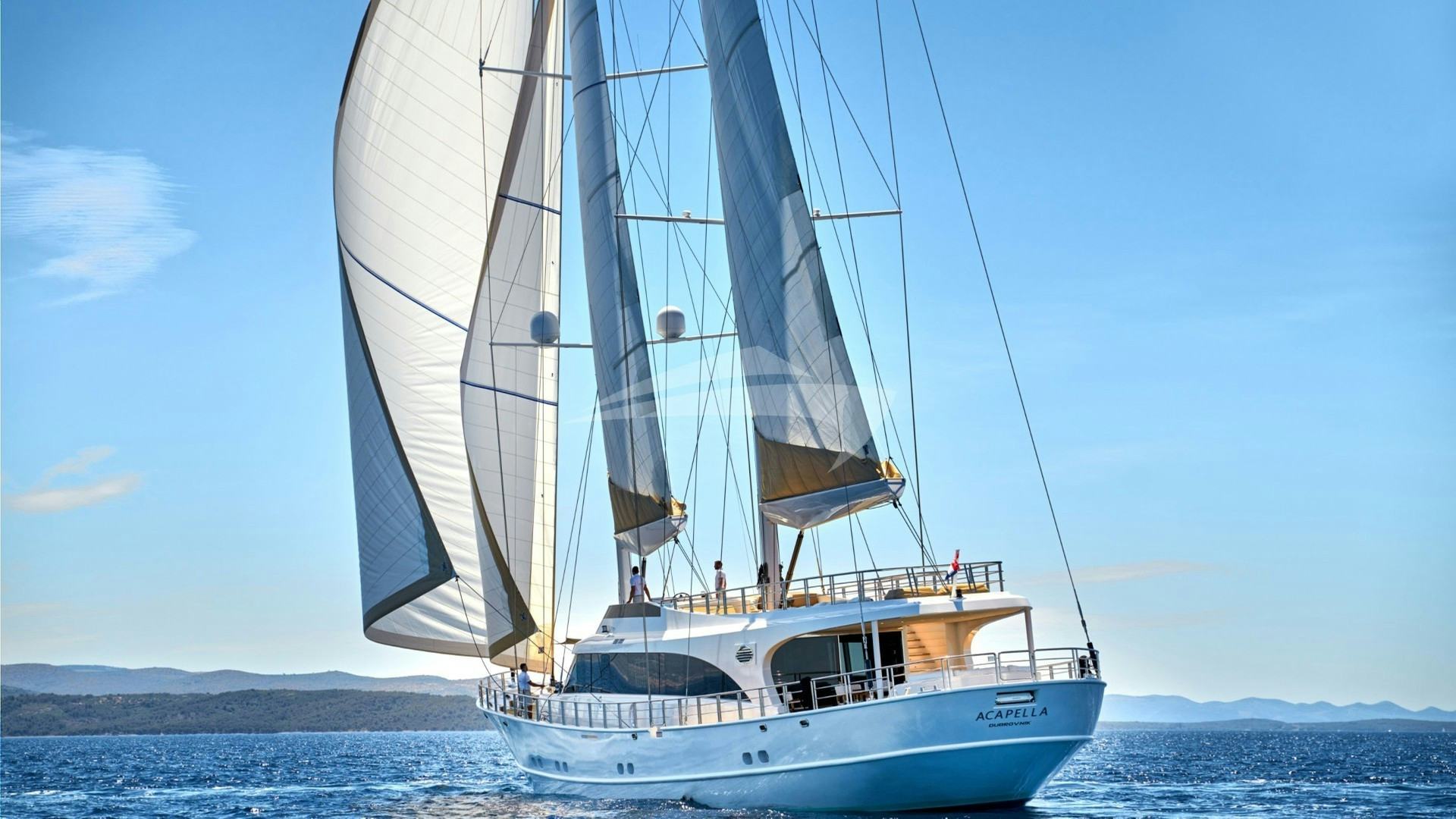
When clients ask what happens if something goes wrong at sea — really wrong, the kind of "wrong" that no first-aid kit on board can solve — the honest answer is that you do not want it improvised. You want a system already in motion before you ever step on the passerelle. That system, for Blue Ocean Club, is our standing partnership with MedEvac.
A dedicated medical team, on standby for every charter
MedEvac is a specialist medical-evacuation provider that operates fixed-wing air ambulances, helicopter lift, and ground transfers across the Mediterranean, the Caribbean, the Middle East and Asia-Pacific. Their clinicians are intensive-care doctors and flight nurses — not generalists with a satellite phone — and the dispatch desk is staffed 24/7 with operators who speak the language of yacht captains, coast guards, and harbour masters.
For our clients, that translates into one simple promise: from the moment a charter contract is signed, every guest on board is covered by a coordination protocol that already knows the yacht's name, position, manifest, and the nearest hospital with a Level-1 trauma or cardiac unit.
“"Most yacht emergencies are survivable. What kills outcomes is the hour lost between the incident and the right hospital. With MedEvac on standing alert for our fleet, that hour disappears." — Nils Haeckonen, founder of Blue Ocean Club”
What MedEvac actually does
The team handles the full chain of evacuation — not just the flight:
- Initial triage by phone or satellite with the captain and any medic on board, within minutes of the call.
- Tasking the right asset: helicopter winch from deck for time-critical cases, fixed-wing ICU jet for longer repositioning, ground ambulance from the closest port for stable patients.
- Hospital placement: choosing the receiving hospital based on the actual injury — stroke unit, hyperbaric chamber for diving accidents, paediatric cardiology, burns centre — not just the closest building with a red cross on the roof.
- Cross-border paperwork: customs, immigration, repatriation flights, and insurance liaison so the family is not navigating bureaucracy in a foreign language during the worst week of their year.
- Repatriation home once the patient is stable, in a configuration appropriate to their condition.
How we share resources in an emergency
We do not treat MedEvac as a phone number to call after the fact. Before each charter, our operations desk shares a short, standing dossier with their dispatch team:
1. Yacht profile — name, flag, length, tender capacity, helideck or winch-suitable deck space, on-board medical kit and AED model. 2. Itinerary and AIS plan — week-by-week cruising ground so MedEvac already knows which air-ambulance base, which receiving hospital, and which approvals are pre-flagged. 3. Guest manifest essentials — guest count, ages, declared medical conditions and allergies, with full GDPR consent. Nothing more than what a treating clinician needs. 4. Captain and crew comms — direct numbers for the captain, chief stew, and the broker on duty, so a call can move from "incident reported" to "asset tasked" without a switchboard in between.
In an active incident, our broker on call joins the MedEvac coordination bridge alongside the captain. We handle the things a captain should not have to think about mid-rescue: notifying family, holding the rest of the itinerary, organising hotel rooms ashore for guests who need to disembark, coordinating with the yacht's flag-state and insurer, and rebooking flights home.
Why this matters more than a standard travel policy
Most leisure travel insurance covers emergency evacuation in principle. In practice, the policies were written for cruise ships and ski resorts, not a 45-metre motor yacht 60 nautical miles off Corsica at 02:00. The friction points are predictable:
- Authorisation delays — many policies require pre-approval from a case manager whose office is closed when the call comes in.
- Asset mismatch — a basic policy will pay for a commercial repatriation flight, not the ICU jet a cardiac patient actually needs.
- No maritime experience — call-centre operators who have never coordinated a helicopter winch from a moving vessel default to "go to the nearest port", which is often the wrong answer.
MedEvac's protocol is built around the maritime reality. Their dispatchers know that "the nearest port" can be six hours away in heavy swell, that a helicopter winch needs the yacht turned into wind, and that a Croatian coastguard handover looks different from a French one. That operational fluency is what we are paying for, and what our clients inherit at no extra cost on every charter we broker.
Beyond the worst case: routine medical support
The same partnership also covers the un-dramatic side of yacht medicine — the things that ruin a week if they are mishandled but rarely make headlines. A guest with a chronic condition who needs a specific medication delivered to the next port. A child with a stubborn ear infection who needs a paediatrician on a video call before the parents decide whether to interrupt the itinerary. A diver who surfaced too fast off Sardinia and needs a hyperbaric assessment within the hour. MedEvac's clinicians handle all of it, calmly, with the boat's crew and our broker copied in.
Why our clients can trust us at sea, not only at anchor
Chartering a yacht is, on most weeks, an exercise in pleasure. But our job as broker is to plan for the week it is not. The MedEvac partnership is one of several reasons our clients — including families travelling with elderly parents, guests with cardiac histories, expedition charters in remoter waters, and corporate principals who simply cannot afford to be out of contact — keep coming back.
If you would like to see the full medical-evacuation protocol that applies to your charter, or to add a specific medical brief for a guest on board, speak to our team. We will walk you through it on the call, before you sign anything.
Further reading
Who answers when a captain calls
These are the senior clinicians and operators on the MedEvac side of our partnership. Blue Ocean Club shares pre-charter medical dossiers and 24/7 contact protocols directly with this team for every guest aboard.
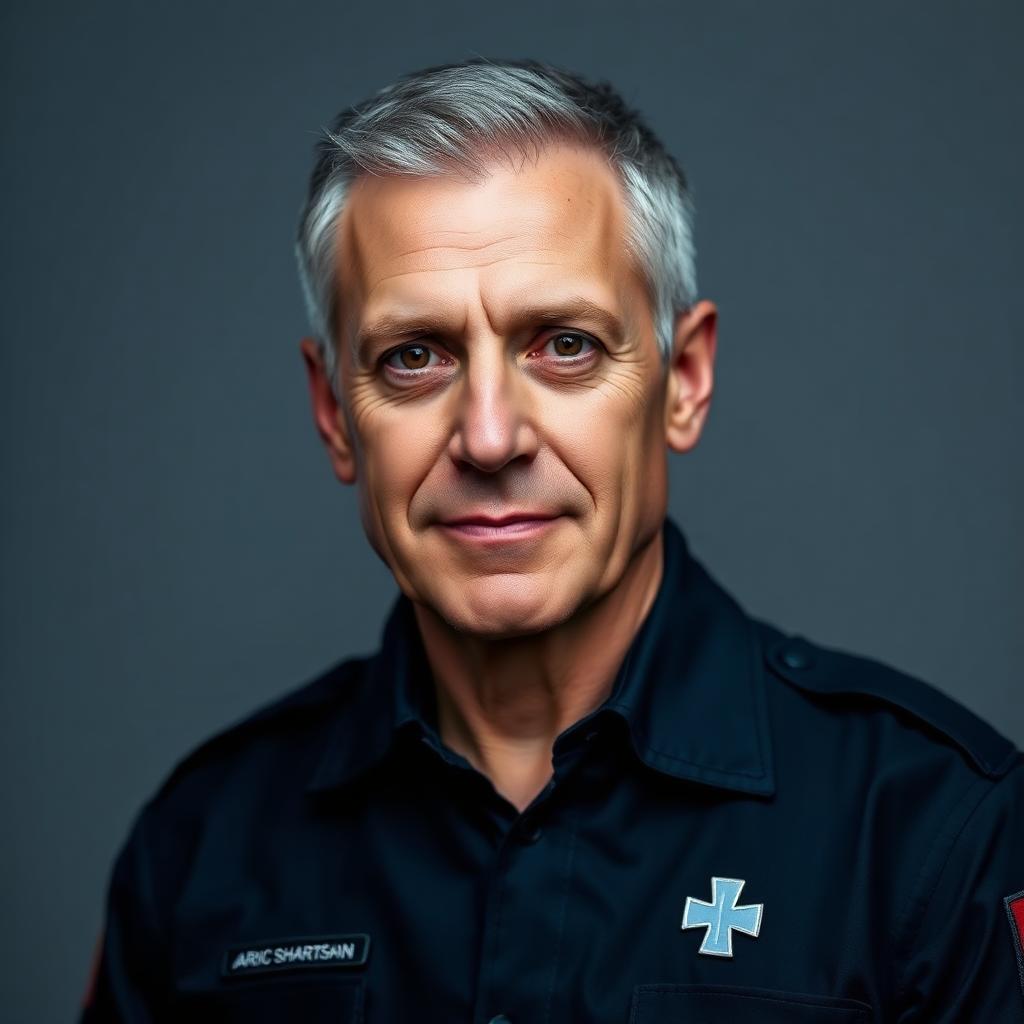 Dr. Marcus HartmannMedical Director, Flight Physician
Board-certified in emergency and critical-care medicine with 18 years on aeromedical missions across the Mediterranean, Caribbean and Indian Ocean. Sets the clinical protocols our partners apply on every Blue Ocean Club charter call-out.
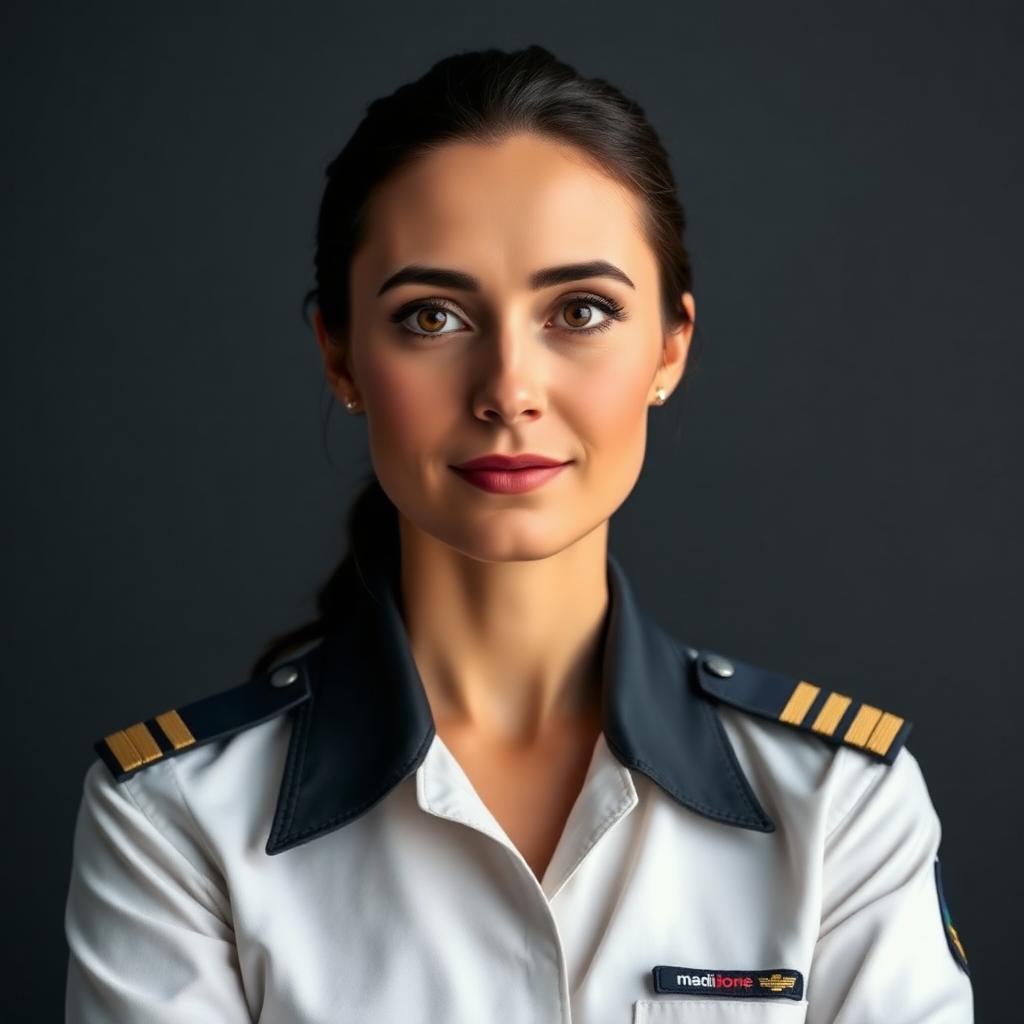 Captain Elena RossiChief Aeromedical Transport Pilot
ATPL-rated on Learjet 45 and Challenger 605 air-ambulance configurations. 6,400 flight hours, the majority on night ICU repatriations into short Mediterranean island strips — the exact profile most yacht-charter call-outs require.
 James Okafor, RN, CCRN-CMCLead Critical-Care Flight Nurse
Adult and paediatric ICU specialist trained in ventilator management, balloon-pump transport and offshore hoist transfers. Leads the in-flight nursing team that handles the leg between tender pickup and hospital handover.
 Sofia Lindqvist24/7 Operations Director
Runs the MedEvac coordination desk that we share access to: triage call, asset tasking, hospital bed-finding, customs and insurance authorisation — usually wheels-up inside 90 minutes of a captain's first call.