7 Days · Recommended Route
Suggested 7-day Cuba itinerary
- Day 1
- Day 2
- Day 3
- Day 4
- Day 5
- Day 6
- Day 7
Cuba (Caribbean) rewards captains who protect swim mornings at Cayo Rosario and hold tables early at La Guarida. Embark via HAV / VRA, berth with intent at Marina Hemingway, Havana, and leave mileage for weather — the working charter view.
Privacy, pace, and places you cannot reach by road.
A luxury yacht charter Cuba rewards guests with a combination you cannot replicate from a hotel: total privacy, an itinerary that flexes around your party, and access to coves, restaurants and reefs that road-bound travellers simply never see. Blue Ocean Club curates Cuba cruises across motor yachts, sailing yachts, catamarans and superyachts — every option live-priced against the global live availability feed and presented with our 100% best-price guarantee.
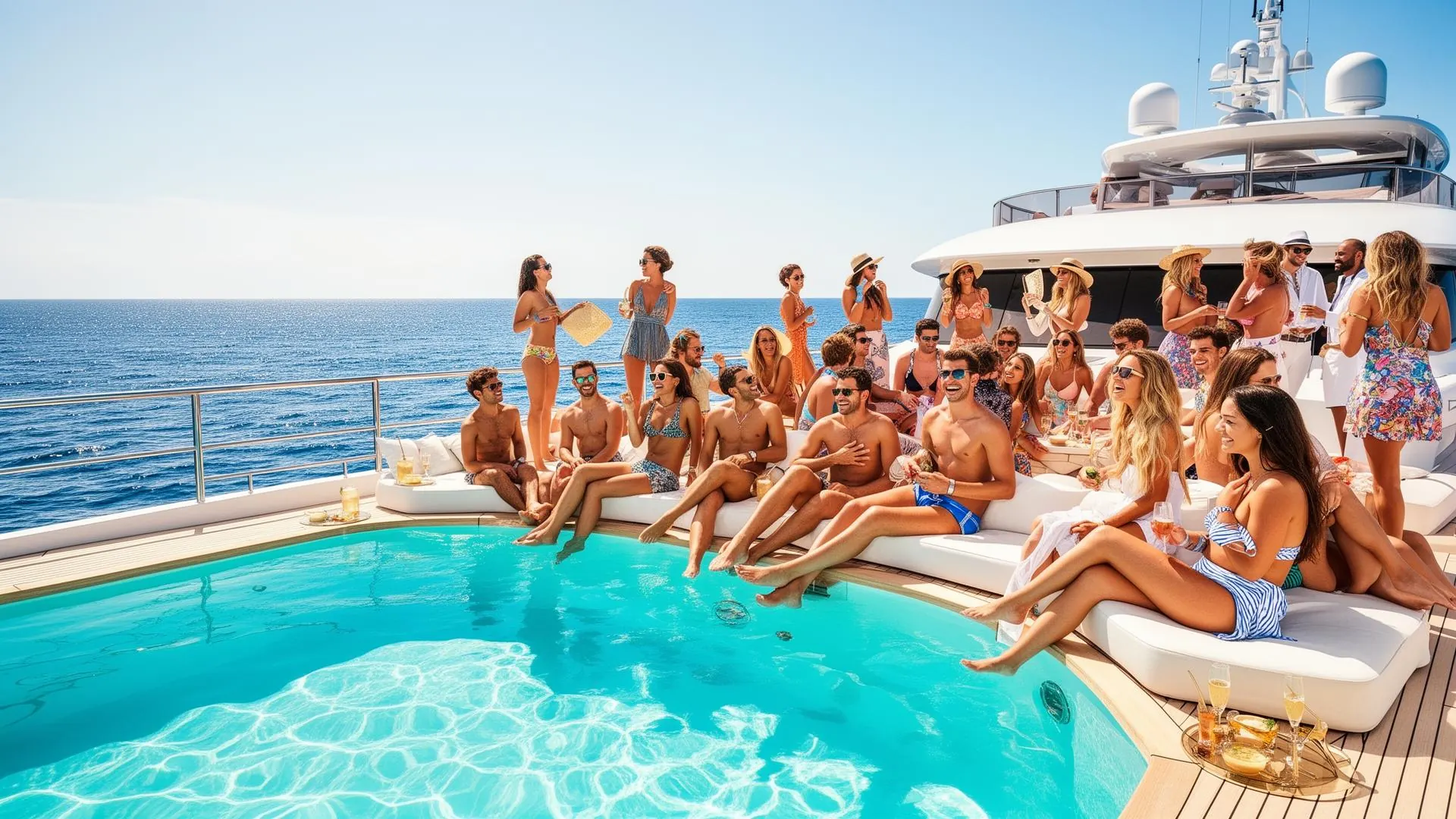
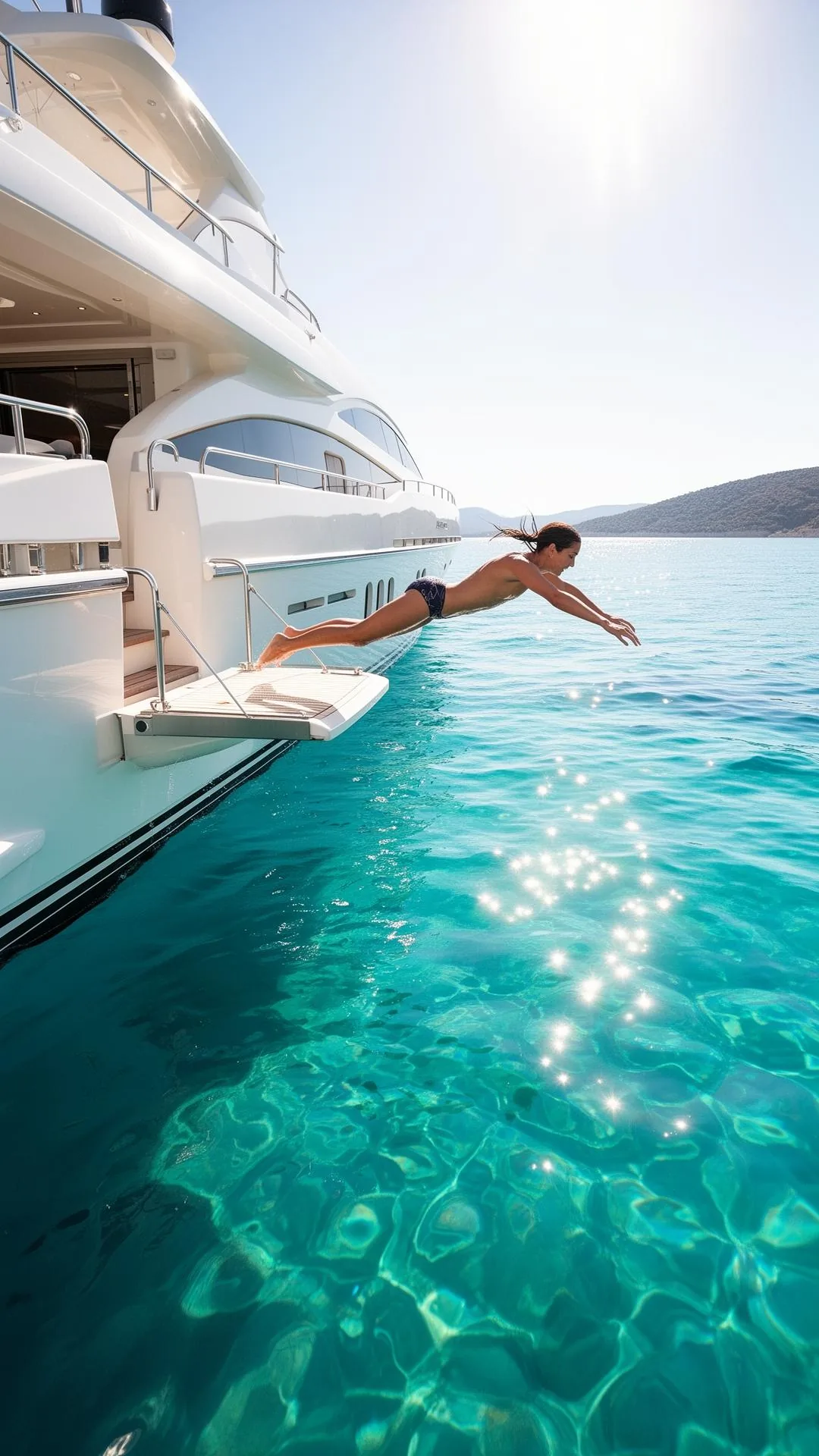
Cuba sits at the heart of one of the world's great cruising grounds. Days unfold at the pace of the sea: long swims off the platform, lunch at a beach club where your concierge has held the best table, an afternoon cruise to a quieter anchorage, cocktails on the bow as the light softens. The captain rewrites tomorrow's plan based on tonight's weather and your party's mood.
Blue Ocean Club matches each crewed yacht charter Cuba enquiry to yachts whose published operating area, specifications and current availability fit the requested dates. The final shortlist is checked against the yacht's authorised charter information before contract, and route details remain subject to operating conditions and the captain's final approval.
A charter in Cuba is not a turnkey operation; it is a logistical exercise that rewards meticulous planning with access to a cruising ground effectively frozen in the 1950s. The primary challenge is not navigation but the intersection of US foreign policy, Cuban state bureaucracy, and a near-total lack of yachting infrastructure. For the right client, one who values authenticity and raw discovery over polished service and predictability, Cuba offers an unparalleled experience. Success here is defined by pre-charter planning, realistic expectations, and the selection of a self-sufficient yacht with a highly experienced crew and a well-connected ground agent. This is not St. Barts; it’s an expedition.
Cuba is the largest island in the Caribbean, and its cruising grounds are best understood as two distinct regions. The first is the northwest passage, centered on Havana. This itinerary is culturally focused, using Marina Hemingway as a base to explore the capital's architecture, music, and history via ground transport. The second, and more compelling for pure yachting, is the southern coast. This is a 300-nautical-mile stretch of cays, archipelagos, and protected marine parks, running from the Canarreos Archipelago (including Cayo Largo) in the west to the Jardines de la Reina in the east. The water here is gin-clear, the beaches are deserted, and the marine life is prolific. Passages between key southern archipelagos are significant, and the entire area is sparsely populated with minimal support services. The appeal lies in this isolation—it is one of the last truly undeveloped marine environments in the Caribbean.
Clearance into Cuba is formal and must be conducted at an official port of entry. The captain will deal with immigration, customs, public health officials, and the Guarda Frontera (Coast Guard).
Marina Hemingway, Havana: This is the primary port of entry for most yachts arriving from the US or the Bahamas. It is a large, state-run facility located 9 miles west of Old Havana. The infrastructure is dated but functional. Expect concrete docks, variable power supply, and limited draft in some channels (a 3-meter draft is a safe maximum for most slips). Clearance here is straightforward but can be time-consuming. This is the logistical hub for provisioning fly-ins and crew changes.
Marina Cienfuegos: Located on the south coast, this is the most practical base for exploring the southern keys. It is better maintained than many other Cuban marinas and serves as a key clearance port for yachts arriving from Jamaica or the Cayman Islands. Its position makes it the logical starting or ending point for a one-way charter focused on Jardines de la Reina and Trinidad.
Cayo Largo del Sur: Has a small marina (Marina Cayo Largo) that can serve as a mid-charter port of call for clearance and basic supplies, but it is not a primary base. Its main function is servicing the handful of tourist hotels on the island.
The 'Despacho': This is the single most critical piece of bureaucracy to understand. Unlike most cruising grounds, Cuba operates on an internal clearance system known as the despacho. Before leaving any port, the captain must submit an itinerary for the next 24-48 hours to the Guarda Frontera and receive an approved cruising permit. Spontaneous itinerary changes are not possible. Each arrival at a new approved anchorage or port requires checking in. This process requires patience, a good command of Spanish or a local agent, and a willingness to operate within a rigid system.
Havana: This is a shore-based experience from the berth at Marina Hemingway. The yacht serves as a private, secure hotel. Ground transport is essential for exploring UNESCO-listed Old Havana, arranging private tours of cigar factories, and dining at paladares (private restaurants). For an authentic high-end experience, book a table at La Guarida or Atelier.
Cayo Largo del Sur: The western anchor of the southern cays. The draw here is the beaches. Playa Sirena and Playa Paraiso on the western tip are consistently ranked among the world's best, with miles of undeveloped, powder-white sand. Anchorages are plentiful and well-protected. Services are limited to the island's small tourist enclave.
Jardines de la Reina (Gardens of the Queen): This is the crown jewel of Cuban marine wilderness. A 150-mile-long archipelago, it has been a strictly protected national park since 1996. Access is by permit only, and all visiting yachts must embark a licensed local dive guide. The reward is unparalleled diving and fishing. This is a healthy ecosystem teeming with silky, Caribbean reef, and nurse sharks on nearly every dive, along with massive goliath groupers and healthy coral formations. This is not a casual stop; the entire visit must be pre-arranged and permitted weeks or months in advance.
Trinidad: While the port of Casilda is industrial, the nearby anchorages provide access to one of the best-preserved colonial cities in the Americas. From a secure anchorage, it is a 15-minute car ride into the UNESCO World Heritage city of Trinidad. Walk the cobblestone streets, visit the Plaza Mayor, and absorb the live music spilling out of every courtyard. This is a cultural highlight of the south coast.
Maria la Gorda: Located on the far western tip of Cuba, this is a destination for serious divers only. It is remote and requires a long, open-water passage. The area is known for its sheer wall dives, dropping into the abyss of the Yucatan Strait, with abundant black coral and swim-throughs. Facilities are limited to a single state-run hotel and dive center.
Self-sufficiency is the single most important characteristic.
Motor Yachts (25-45 meters): This is the sweet spot. A yacht in this range has the volume for comfortable accommodation, the range for long passages between fuel stops, and the water-making and storage capacity to operate independently for a week. A draft under 3 meters is highly advantageous.
Explorer Yachts: The ideal platform for Cuba. Vessels with significant fuel capacity, large tender garages, dive compressors, and extensive cold storage can mitigate nearly all of the island's logistical shortfalls. Their robust construction is well-suited to the sometimes-unpredictable conditions and long passages.
Sailing Catamarans (50-80 feet): Excellent for the shallow cays of the south coast. Their shallow draft opens up countless anchorages unavailable to deeper-draft monohulls. They are fuel-efficient and well-suited to the consistent winter trade winds. The challenge remains provisioning and water capacity for longer charters.
The charter season is dictated by the Atlantic hurricane season.
Primary Season (December - April): This is the dry season and the ideal window. Expect stable weather with temperatures between 25-30°C (77-86°F), lower humidity, and consistent ENE trade winds of 15-20 knots. This is the most reliable and pleasant time to be in Cuba.
Hurricane Season (June - November): Avoid. The risk of tropical storms is high, particularly from August through October. Insurance coverage will be difficult to secure, and local safe harbors capable of protecting a large yacht from a major storm are virtually non-existent.
Pricing must reflect the significant logistical overhead.
Charter Fees (2026 Estimates, Weekly):
APA (Advanced Provisioning Allowance): A standard 30% APA will not be sufficient. Budget for 35-40%. This higher figure is necessary to cover the high cost of imported provisions, potential fuel surcharges, cash for daily despacho permits, mandatory guide fees in protected areas, and ground transportation.
Currency: Cuba operates a dual-economy. The official currency is the Cuban Peso (CUP). However, for yachting purposes, the economy runs on hard currency cash. US Dollars and Euros are essential. Credit cards linked to US banks will not work. Even European cards have limited acceptance outside of major tourist hotels in Havana. The yacht must be funded with a significant amount of cash (USD/EUR in small denominations) to pay for permits, guides, tips, and any local purchases. Assume zero ATM access.
OFAC Compliance (US Persons): For any charter involving US citizens (as guests or owners of the yacht's owning company), the trip must comply with US Office of Foreign Assets Control regulations. This typically means chartering under the "Support for the Cuban People" license category, which requires a full-time schedule of meaningful cultural interactions. The itinerary must demonstrably focus on engagement with the Cuban people, not just leisure. A simple beach holiday is not compliant. This is a critical legal point that requires careful itinerary planning and documentation. US-flagged yachts are, for all practical purposes, prohibited.
Provisioning: This is the single greatest operational hurdle. Assume nothing of quality can be sourced locally. All specialty items—from high-end meats and cheeses to specific wines and spirits—must be provisioned in Florida or Europe and flown into Havana. This requires extensive lead time, customs brokerage, and significant expense.
Fuel: Bunkering is state-controlled, must be arranged days in advance, and paid for in cash or via pre-arranged wire transfer. Fuel quality can be inconsistent; on-site testing by the engineer is prudent. Do not assume fuel is readily available at every port. Plan itineraries around confirmed fuel stops in Havana or Cienfuegos.
Connectivity: Internet and cell service are extremely limited and slow outside of Havana. Starlink is the only viable solution for reliable connectivity onboard, though its official status remains a gray area. Set client expectations that they will be largely offline for the duration of the charter.
Cancun Fly-Cruise: A viable logistical strategy is to base the yacht in Cancun, Mexico. Guests can fly in and out of Cancun's well-serviced international airport. The yacht can be fully provisioned and fueled in Mexico before making the 12-hour, 120-nm crossing to the western tip of Cuba (Maria la Gorda) or a longer passage to Havana. This bypasses many of the provisioning and air travel challenges associated with Havana itself.
Local Agent: A highly competent and well-connected local agent is not a luxury; it is a necessity. They are the key to navigating the despacho system, arranging permits for Jardines de la Reina, coordinating ground transport, and troubleshooting the inevitable bureaucratic hurdles. Their value cannot be overstated.
Season, route, hull and investment — the four things every guest asks before we lock a yacht.
The established charter window used for planning in this cruising region is December through April. Conditions still vary by exact dates and route, so the captain's forecast and operating advice govern the final itinerary.
The strongest Cuba itinerary is built from destination-specific marinas, anchorages and places that are actually available for the requested dates. The route remains flexible around weather, berth availability, local restrictions and the yacht's operating limits.
The most suitable yacht for Cuba depends on guest count, layout preference, draft, range, speed and the intended itinerary. Compare the verified specifications on the individual yacht listings rather than relying on a generic destination-wide yacht type.
Charter pricing in Cuba depends on the yacht, dates, operating area and the final charter terms. Verified yacht rates are shown on individual listings when available; taxes, operating expenses, provisioning and any other booking-specific charges are confirmed before contract rather than estimated from a global template. Minimum charter duration is yacht- and date-specific.
From quiet anchorages to time ashore — a planning sample to adapt around the yacht, local conditions and verified availability.
Swimming, dining and relaxation shaped around the facilities of the yacht selected
Use the water toys and sports equipment actually carried by the yacht, where local rules allow
Add towns, beaches, restaurants or cultural stops when verified locally and available for your dates
Plan menus with the yacht's confirmed crew and the provisions available for the charter
Keep the route responsive to weather, berth availability and the captain's operating decisions
Ports, islands and sub-regions across Cuba — each with its own guide, marina context and yacht recommendations.
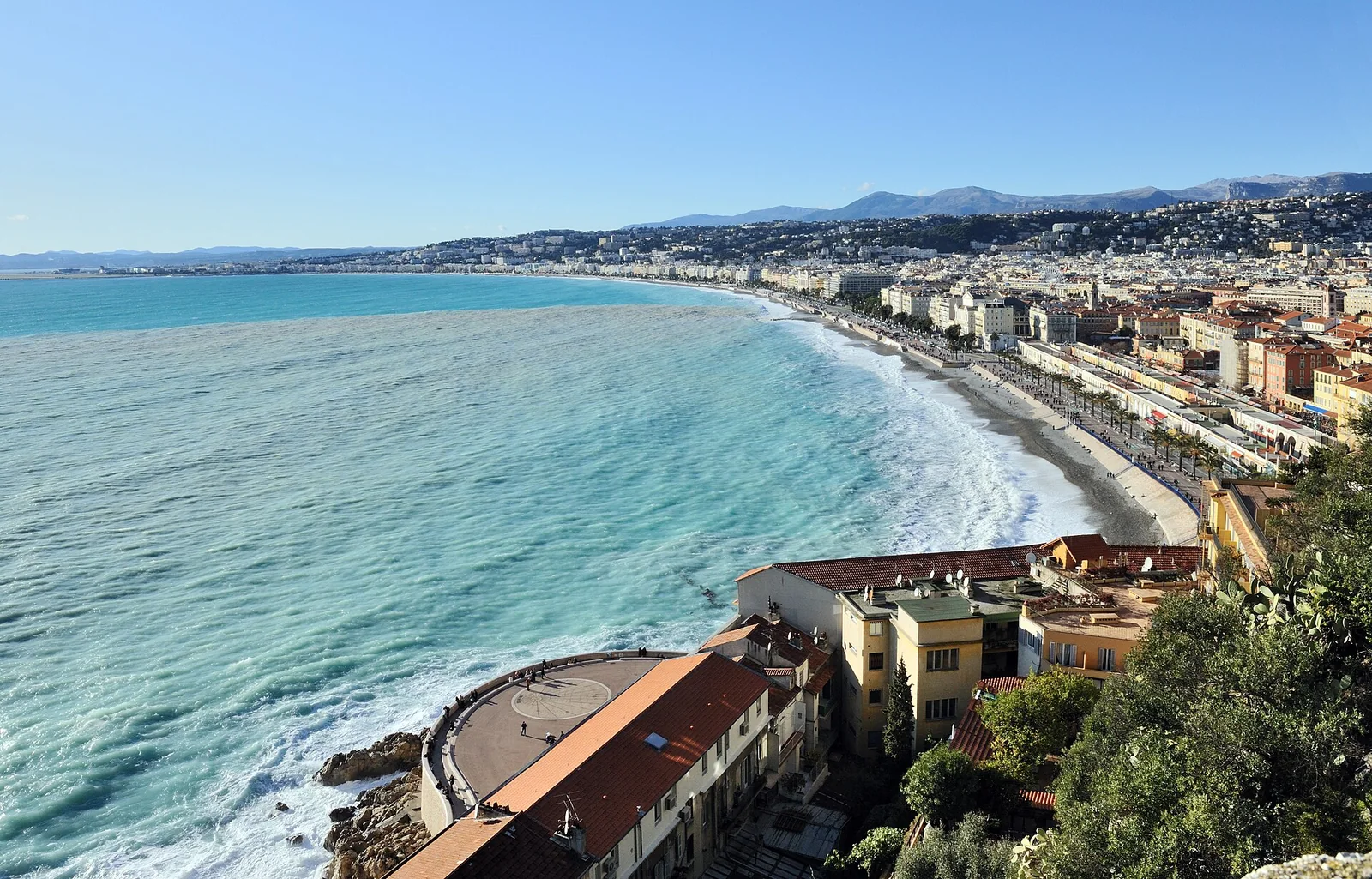
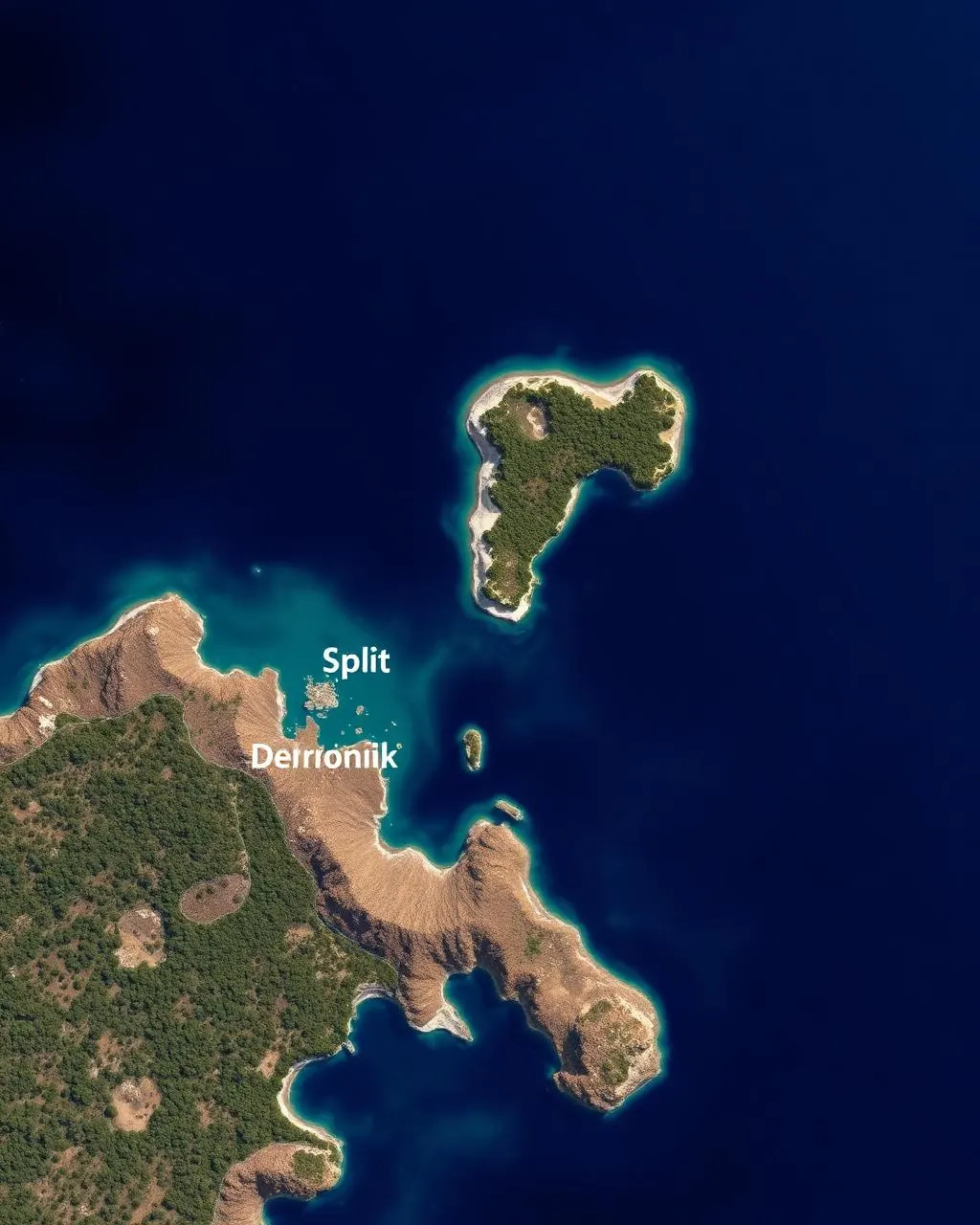
Satellite view of the coast — ports, headlands and island day-anchors that can shape a week on the water.
The prime window for a yacht charter Cuba runs December through April. Use the table below to balance weather, value and crowds.
| Month | Weather | Pros | Cons | Crowd |
|---|---|---|---|---|
| November/December | Dry season begins. Comfortable temperatures, lower humidity. Average 26-28°C. | Very low. | ||
| January/February | Prime dry season. Consistently sunny, dry, and pleasant. Northerly fronts are possible. | Low, peaks slightly with visiting dive groups. | ||
| March/April | Warming temperatures, continued dry weather. Winds tend to be lighter. Average 28-30°C. | Very low. | ||
| May/June | Transition to the wet season. Increased humidity and chance of afternoon rain showers. | Minimal. | ||
| July/August | Hot, humid, with regular afternoon thunderstorms. Peak of the wet season. | Minimal. | ||
| September/October | Peak hurricane season. High risk of tropical storms and severe weather systems. | None. |
A handful of signature experiences that define a charter on this coast.
A pristine, uninhabited archipelago and national park, offering what many consider the world's best-preserved reef ecosystem. Access is strictly controlled, ensuring unparalleled diving and snorkelling with sharks, crocodiles, and goliath groupers.
A chain of around 350 cays south of the Cuban mainland, including the famed Cayo Largo. Characterised by brilliant white-sand beaches, calm turquoise waters, and a more relaxed atmosphere than the wild Jardines de la Reina.
The embarkation port of Cienfuegos, a UNESCO World Heritage site, provides a cultural bookend to a nature-focused charter. The nearby colonial city of Trinidad is also accessible.
The vast, deep bay separating the mainland from the outer cays. It offers excellent open-water sailing conditions and is frequented by dolphins and other pelagic species.
Starting points — every itinerary is rewritten around your party, weather and the captain's local knowledge.
Share a few details and we will return a private yacht shortlist — availability, APA guidance and a clear next step — within one working day.
Hover a marker for a quick brief — click through for the full marina guide, berthing notes and nearby cruising.
The primary superyacht base for exploring Cuba's southern coast. It offers essential services and is the logical starting point for charters to Jardines de la Reina. Facilities are functional rather than luxurious.
A functional marina providing access to the pristine beaches and cays of the Canarreos archipelago. It serves as a key port for supplies and crew changes in this remote area.
Cuba's largest and most famous marina. While located on the north coast, it often serves as an official port of entry for yachts arriving in the country before they reposition to the southern cruising grounds.
We choreograph HAV / VRA arrivals into Marina Hemingway, Havana transfers.
Meeting point
Meeting point: Marina Hemingway, Havana — confirm quay / pontoon with the captain the morning of embarkation.
Arrival buffer
Plan 60–90 minutes from wheels-down to passerelle for chauffeur corridors; helicopter windows are tighter when helipad access is confirmed.
Berth lead time
4–12 weeks for peak season slips
Captain / crew
Approach Marina Hemingway, Havana with local pilotage notes from the captain; high season berths book weeks ahead. Fuel, water and shore power are available — confirm waste and amp rating before arrival.
Tender fallback
When berths are scarce we hold a sheltered anchorage + tender (or captain-only standby) plan before you fly — never a last-minute scramble at the mole.
Luggage / night before
Night-before hotel near the gateway (or marina) when late arrivals risk missing the embarkation slot — we hold rooms against the transfer plan.
Gateways
Indicative guidance — Indicative seasonal berth ranges are shared on request — confirm with the marina agent before contract. We never publish unverified nightly rates as fact.
Enquire
Enquire for Cuba
Tell us dates, party size and yacht style — we shortlist live availability with APA and door-to-deck before you fly.
Compare yacht styles by verified specifications, layout, draft, range and the itinerary you want to operate.
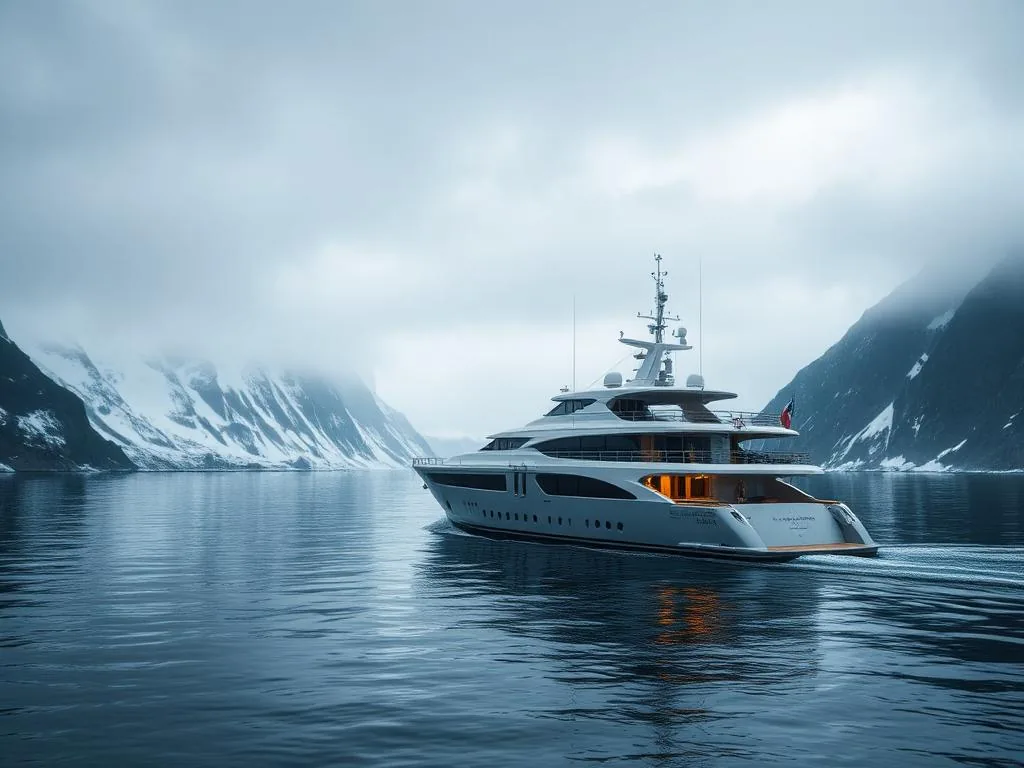
Self-sufficiency is the ultimate luxury in Cuba. These yachts are built for long-range, remote cruising, with ample storage for provisions, fuel, and water, plus superior tenders and equipment for exploration.
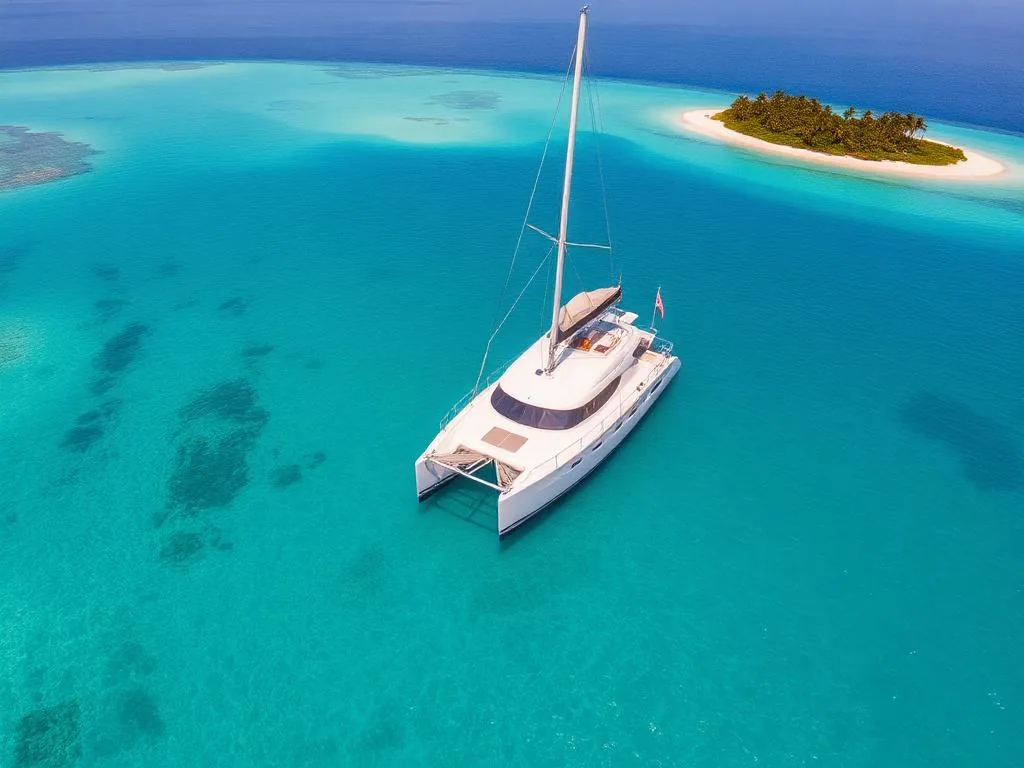
The shallow draft is a significant advantage, allowing safe access to the spectacular anchorages and cays of the archipelagos. They offer excellent stability, fuel efficiency, and deck space.
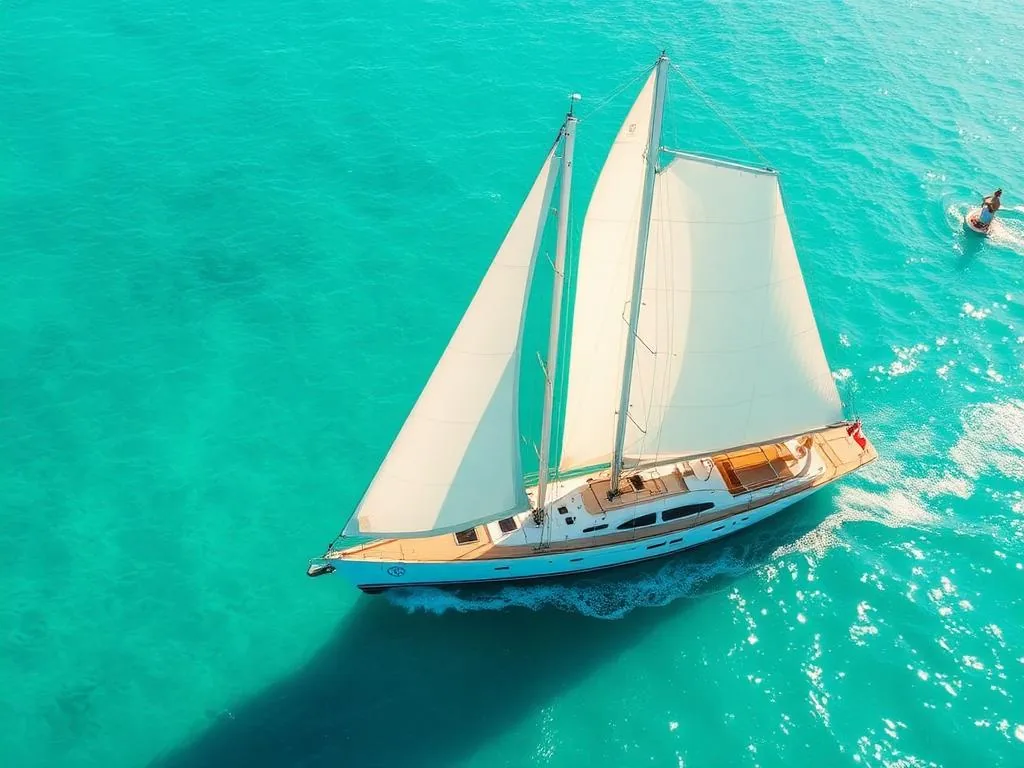
Offers a profoundly quiet and engaging way to experience the marine environment. Ideal for clients who are passionate about sailing and want to minimise their environmental footprint while exploring.
Restaurants, beach clubs, diving, events and villas your concierge can pre-book before you board — with addresses, phones and booking links where public.
Dive with a dedicated marine biologist guide, accessing the most exclusive sites in the park for encounters with sharks, goliath groupers, and pristine coral ecosystems.
A private, chauffeur-driven classic car excursion from Cienfuegos to Trinidad for a day with a local historian and art curator, including access to private colonial homes.
A private session on board with one of Cuba's foremost cigar rollers (torcedor), paired with a tasting of rare, aged Cuban rums selected by an expert.
Charter a helicopter from Cayo Largo for a breathtaking aerial perspective of the turquoise shallows, pristine cays, and vibrant reef systems.
A private salsa lesson on the aft deck from a professional dance couple, followed by live music from a traditional Cuban trio during cocktails.
Spend a day with a legendary local fishing guide, poling across the flats of Cayo Rosario or the Jardines in search of bonefish, permit, and tarpon.
A classic Cuban pig roast, slow-cooked by the crew and a local expert on a secluded beach, creating an unforgettable and authentic culinary event.
Charter costs in Cuba reflect the significant logistical challenges. The charter fee secures the yacht, with an APA (Advanced Provisioning Allowance) of 35-40% required to cover all expenses, fuel, and the complex task of provisioning. All prices are for 2026, in Euros per week.
€30,000 - €70,000 + APA
Ideal for shallow waters. Offers stability and space, but with simpler amenities.
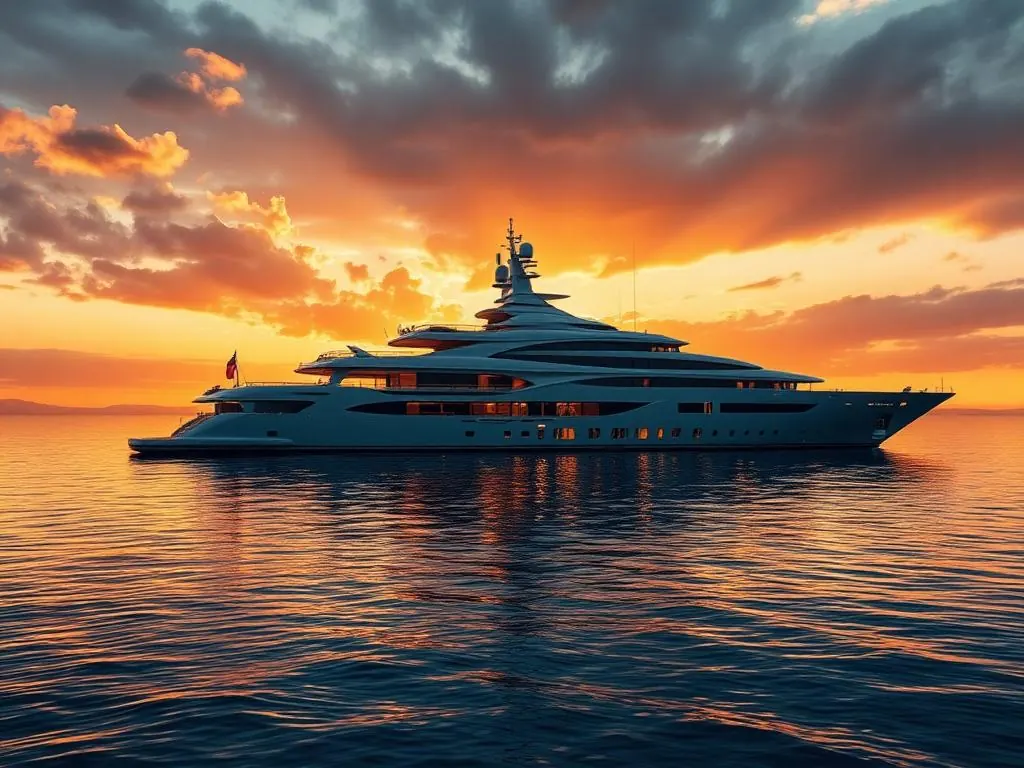
€60,000 - €120,000 + APA
A balance of comfort and capability. Requires careful itinerary planning due to draft and fuel consumption.
€130,000 - €280,000+ + APA
Offers maximum comfort and self-sufficiency. Explorer or expedition yachts are particularly well-suited to this destination.
The published range is the starting point — season, yacht pedigree and on-board provisioning shape the true week cost.
Request a tailored quote →Extensive advanced provisioning, often shipped from Europe or other Caribbean hubs.
Mandatory fees for local guides and permits for national parks.
Fuel costs for longer passages between archipelagos.
Repositioning fees for yachts not based in the region.
US licensing and legal consultation fees, if applicable.
Tender bookings, table reservations and jetty access — addresses, phones and sites below. Your Blue Ocean Club concierge can hold the table — request via the enquiry form.
Cayo Largo del Sur
Cayo Largo del Sur
Playa Ancón, near Trinidad
Jardines de la Reina
Tables held in advance by your concierge — addresses, phones and sites below, from beachfront classics to Michelin dining rooms. Request via the enquiry form.
Cienfuegos
A private restaurant (paladar) with a waterfront setting. Known for fresh, innovative dishes and a sophisticated atmosphere.
Cienfuegos
Set in a restored wooden house at the tip of Punta Gorda, offering superb views and traditional barbecue served with flair.
Trinidad
Located in a former newspaper office, this stylish paladar offers a creative menu and is an excellent choice for a cultural excursion from Cienfuegos.
Cienfuegos
Housed in a grand, Moorish-style palace. The rooftop bar offers the best sunset views in the city, though the food is more traditional than cutting-edge.
Cayo Largo del Sur
The primary restaurant at the Cayo Largo marina. A rustic, open-air setting serving simple, fresh-caught fish and local specialities.
Hover a marker for a quick brief — click to open the approach notes below. The protected coves and roadsteads your captain will plot into your week.
For the client who has seen the Mediterranean and the mainstream Caribbean, Cuba offers something entirely different: a journey back in time. The raw, untouched nature of the Jardines de la Reina is a privilege to experience. It is not about beach clubs and restaurants; it is about world-class diving, profound quiet, and the luxury of total disconnection. It is a genuine expedition.
Independent brokerage with live inventory, transparent pricing, and a concierge that works the coast before you step aboard.
Live availability feed across 2,000+ yachts — hold and confirm in hours, not weeks.
We do not mark up the charter fee. The price you see is the operator's price.
Our recommendations follow the boat, not a commission — owners pay us, not introducing brokers.
Restaurants, transfers, private guides, helicopters and beach clubs handled long before you board.
Tell us your dates and party — we return three live options within the day.
Tell us your dates, party size and what makes a perfect day on the water. We reply within one working day with a curated shortlist and a transparent quote.
Prepared by the Blue Ocean Club editorial team from the cited destination and charter sources available for this page. This page is maintained by the Blue Ocean Club charter desk — editorial content, not an independent certification.
Destination intelligence coverage
This guide currently connects 3 berthing options. Counts describe records available to the page, not first-hand visits or live availability.
Editorial provenance
Prepared by the Blue Ocean Club editorial team from the cited destination and charter sources available for this page.
Where the facts come from
No curated citation set is attached to this destination yet. Unsupported source claims are not added as a fallback.
Last data refresh
The underlying destination record was last refreshed 25 July 2026. A data refresh is not presented as a human verification event.
What we never state
We do not treat database inventory as live availability and do not present unverified operator pricing or operator terms as confirmed facts. Availability, rates, taxes, berth suitability and charter terms are confirmed for the specific enquiry.