
Balearic Islands Yacht Charter
Balearic Islands yacht charter is a four-island operation — Palma and Puerto Portals for Mallorca embarkation, Marina Ibiza for town nights, Maó’s natural harbour for Menorca, and La Savina for Formentera day culture. We hold July–August berths, PMI/IBZ/MAH door-to-deck and APA before you fly.
Privacy, pace, and places you cannot reach by road.
Why charter a yacht in Balearic Islands.
A luxury yacht charter Balearic Islands rewards guests with a combination you cannot replicate from a hotel: total privacy, an itinerary that flexes around your party, and access to coves, restaurants and reefs that road-bound travellers simply never see. Blue Ocean Club curates Balearic Islands cruises across motor yachts, sailing yachts, catamarans and superyachts — every option live-priced against the global live availability feed and presented with our 100% best-price guarantee.
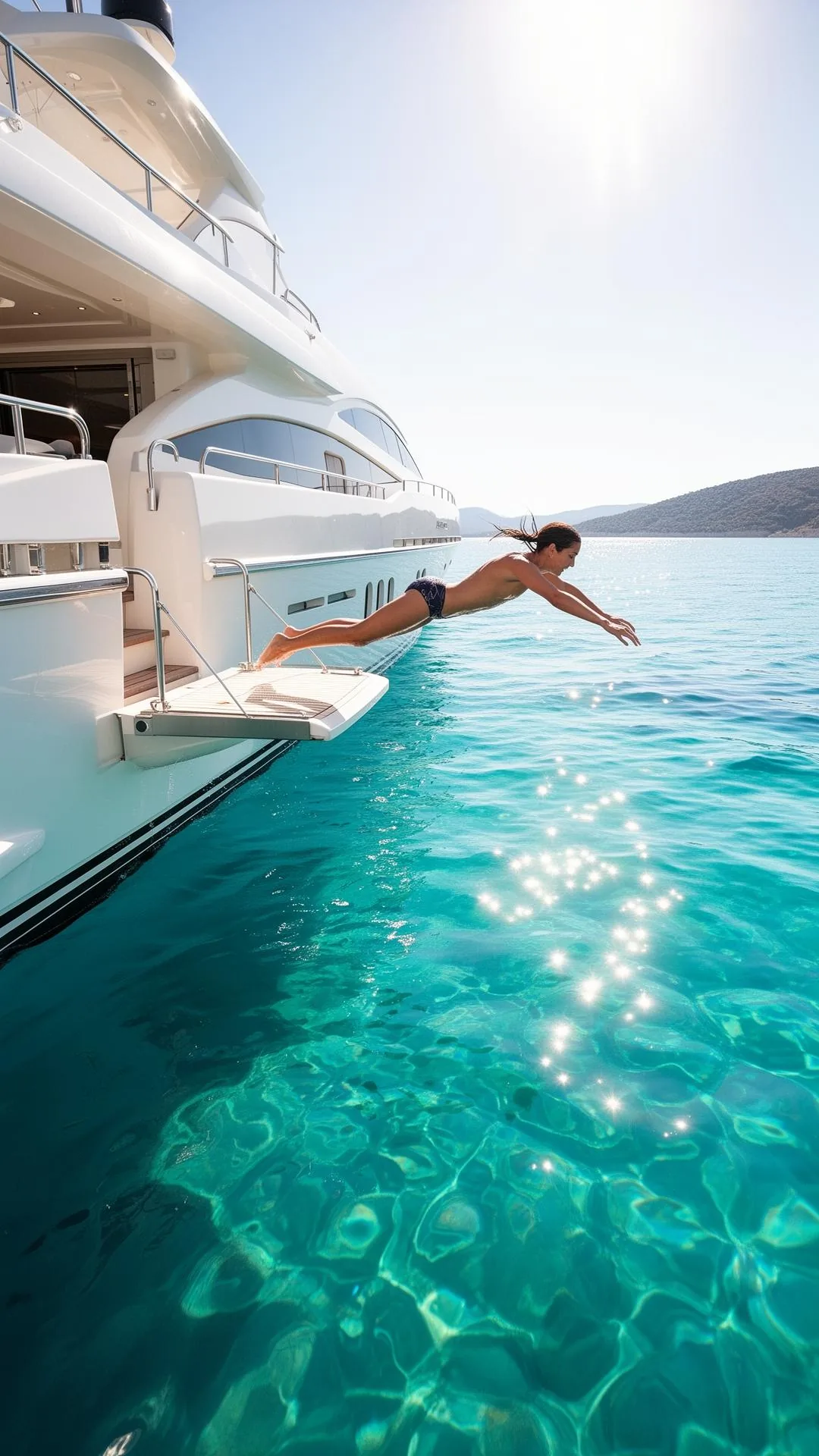
Balearic Islands sits at the heart of one of the world's great cruising grounds. Days unfold at the pace of the sea: long swims off the platform, lunch at a beach club where your concierge has held the best table, an afternoon cruise to a quieter anchorage, cocktails on the bow as the light softens. The captain rewrites tomorrow's plan based on tonight's weather and your party's mood.
Blue Ocean Club matches each crewed yacht charter Balearic Islands enquiry to yachts whose published operating area, specifications and current availability fit the requested dates. The final shortlist is checked against the yacht's authorised charter information before contract, and route details remain subject to operating conditions and the captain's final approval.
Balearic Islands charter, in depth.
Balearics: The High-Beta Play
The Balearic Islands are not an undiscovered frontier. They are the Med’s center of gravity—a known quantity, a high-beta play for any charter season. The operational assumption is not one of exploration, but of execution. For the principal, it’s the path of least resistance to a guaranteed world-class holiday. For the broker, it's about navigating the immense popularity to secure an effortless experience, a task that has become increasingly complex. The magic of Ibiza, the raw beauty of Mallorca's Tramuntana coast, the aquamarine shallows of Formentera, and the quiet dignity of Menorca are all there for the taking, provided the groundwork is flawlessly laid months in advance.
The Operational Briefing: Costs, Permits, and Timing
Success in the Balearics is a function of forward planning. The days of last-minute prime berth bookings in Marina Ibiza are a distant memory.
Charter Rates and APA
Expect prime July and August weekly rates for high-quality, late-model yachts to start around €150,000 for a 40-45m, push towards €300,000-€450,000 for the 55-65m class, and climb from €750,000 into the seven figures for 80m+ vessels with marquee pedigrees.
The standard Advanced Provisioning Allowance (APA) is 30%, but we advise principals to budget for 35% in the Balearics. Why the premium? Fuel consumption for inter-island hops is significant. The demand for premium labels (spirits, champagne, wine) is high and provisioners charge accordingly. And importantly, securing last-minute tables at premier venues or accessing exclusive events often requires a level of concierge service and spend that can tax a standard APA. It's better to have the buffer and receive a larger refund than to interrupt a charter with a request for top-up funds.
Berthing, Anchoring, and Permits: The Posidonia Factor
The single most critical operational constraint in the Balearics is the protection of the Posidonia oceanica seagrass meadows, a UNESCO World Heritage asset. Anchoring is strictly forbidden over these meadows, which cover vast sections of the most desirable bays, particularly around Formentera and southern Ibiza.
- Anchorage Management: A government-run online booking system now manages many of the most popular anchorages. This requires planning and a degree of flexibility; you cannot simply drop anchor where you please. A capable captain will constantly monitor the system for openings, but it’s a competitive environment.
- Marina Berths: Scarcity is the rule. For a July charter, berths in Marina Ibiza, Marina Botafoch (for yachts up to 50m), Port Adriano (Mallorca's premier superyacht hub), and Club de Mar (Palma) should be booked by January at the latest. Prices are formidable: a 60m yacht can expect to pay €2,500 - €4,000+ per night in Marina Ibiza during peak season. Having a berth confirmed provides a secure base for provisioning, crew changes, and guaranteed access to the shore, a luxury that cannot be overstated.
- Spanish Charter Licenses: Ensure any non-Spanish flagged yacht holds a valid Spanish charter license. The Guardia Civil are diligent in their inspections. Attempting to circumvent this is a non-starter and can result in the yacht being impounded, ending a charter immediately. There are no shortcuts here.
Weather Windows and Yacht Selection
-
The Season:
- June: The connoisseur's choice. Sea temperatures are pleasant, the crowds are manageable, and both berths and anchorages are more accessible. Service levels ashore are at their peak.
- July & August: Peak season. Expect high heat, high humidity, and high demand for everything. Wind is typically light, favoring motor yachts. This is the time for those who want to be in the center of the action.
- September: The second "golden month." The water is at its warmest, the summer frenzy has subsided, but the energy remains. A fantastic time for sailing, with more reliable breezes.
- May & October: Shoulder season. Weather can be unpredictable, but you are rewarded with solitude. Ideal for experienced sailors and those prioritizing Mallorca's hiking or Menorca's tranquility over Ibiza's nightlife.
-
Yacht Type:
- Motor Yachts (40m-75m): The dominant choice. Speed and shallow draft are key assets for hopping between islands and accessing a wider range of anchorages. Stabilizers at anchor are non-negotiable for comfort in the often-crowded bays where swell can wrap around.
- Large Sailing Yachts (40m+): A superb platform for a more relaxed pace, particularly for itineraries focused on Mallorca and Menorca. Navigating the tight channels and anchorages around Ibiza and Formentera requires a skilled captain, but basking in Es Vedrà's shadow under sail at sunset is an unmatched experience.
- Superyachts (80m+): These vessels offer an unparalleled private platform, but their operational theatre is more limited. Berthing is restricted to a few key ports (Palma, Port Adriano, Ibiza Magna). They often serve as a magnificent base, using high-speed tenders (12m+ Wajer, Fjord, or Pardo) as the primary mode of exploration and shore access.
The Cruising Grounds: A Broker's Itinerary
A standard charter is 7 to 10 days. A classic itinerary starts in Ibiza and ends in Mallorca, or vice versa.
Ibiza: The Epicenter
The island has two distinct personalities. The charter experience is about toggling between them.
-
The Southern Circuit (High Energy): Based out of Marina Ibiza or Marina Botafoch, or anchored off Playa d'en Bossa. This is the social nexus.
- Day: Tenders buzz to beach clubs. Jondal remains the peak of sophisticated, feet-in-the-sand dining. Blue Marlin is still the essential party scene. An anchorage at Las Salinas, with its long stretch of sand and iconic pirate-shack bars, is a must-do afternoon.
- Night: Dinner at Lío, with its world-class cabaret and views of the Dalt Vila, is a core Ibiza experience. It requires booking months ahead. From there, it's a short walk or tender ride to Pacha or a car to the island's other superclubs.
-
The Northern & Eastern Coasts (Decompression): For the second half of the Ibiza leg, escape north.
- Anchorages: The bay of Benirràs is famous for its Sunday sunset drumming sessions, a holdover from the island's hippie past. The water at Cala Xarraca is exceptionally clear. The enclosed bay of Port de Sant Miquel offers excellent protection.
- Ashore: Lunch at Amante on its cliffside perch is a more refined experience. The village of Santa Gertrudis inland offers a charming alternative to the coastal scene, with excellent restaurants and artisan shops.
Formentera: The Jewel
No Balearic charter is complete without seeing the water at Formentera. It's a 45-minute cruise from Ibiza Town. Due to the Posidonia fields, anchoring is highly restricted. Most yachts anchor in the designated zones in the channel between Ibiza and Formentera (Freus) and tender in.
- Playa de Illetes: This is the main event. A sliver of white sand with impossibly turquoise water on both sides. Tenders drop guests directly onto the beach or to the jetties of the iconic restaurants.
- Dining: Juan y Andrea is the original and still one of the best for classic Spanish seafood. Beso Beach offers a more bohemian, party-centric vibe. Lunch here is an all-afternoon affair. Reservations are essential and fiercely guarded.
- Cala Saona: On the west coast, this horseshoe-shaped bay offers another stunning anchorage (again, in designated zones) and a calmer alternative to Illetes, with beautiful sunset views.
Mallorca: The Complete Island
Mallorca is large enough to be a charter destination in its own right. It offers everything from the high-drama landscape of the west coast to the placid calas of the east.
- Palma: The capital is one of the Med's great yachting cities. Berthing at Club de Mar or Port de Mallorca puts you in the heart of it. The city offers superb provisioning (Mercat de l'Olivar), high-end shopping, and a sophisticated dining scene. It's also the island's main service hub, with yards like STP and Astilleros de Mallorca.
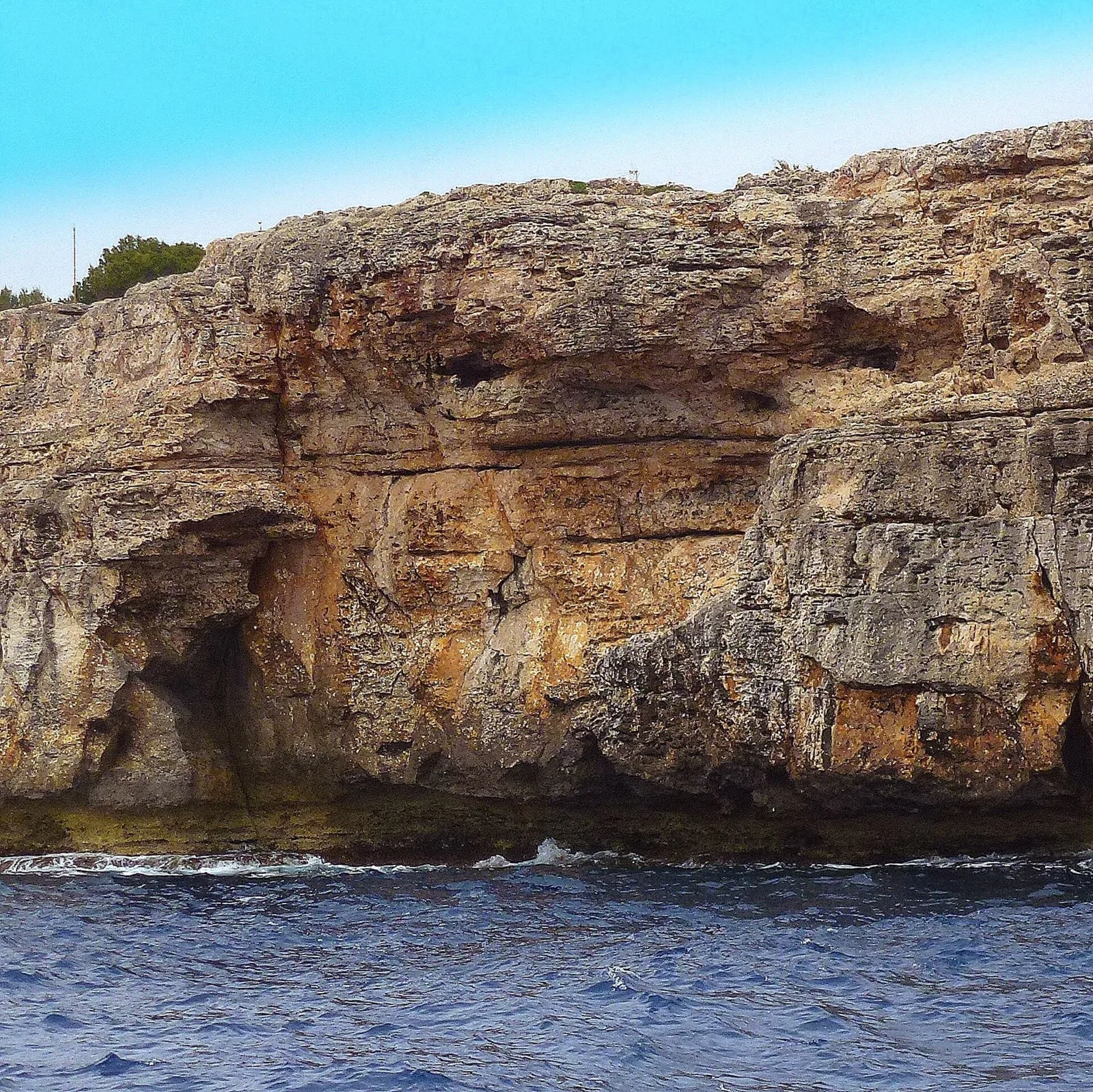
- The West Coast (Serra de Tramuntana): This is the most spectacular cruising ground. Sheer cliffs plunge into a deep blue sea.
- Anchorages: The stunning natural harbour of Port de Sóller is a must-see. The tiny, rock-enclosed cove of Sa Calobra is breathtaking, best visited early morning before the tourist boats arrive. The waters off Deià, while an open roadstead, are worth it for a tender trip up to the village and lunch at Ca's Patro March (the filming location from "The Night Manager").
- The East & South Coasts: A different character entirely—a coastline indented with hundreds of small, pristine coves (calas).
- Anchorages: Cala Varques, Cala Mondragó, and the famous Es Trenc offer beautiful sand and calmer waters. Protection from prevailing winds dictates the choice of the day.
- Ports: Port Adriano, designed by Philippe Starck, is the island's most modern superyacht marina. Further east, Porto Cervo offers a more traditional and charming base.
Menorca: The Biosphere
Just a few hours' cruise from northeast Mallorca, Menorca feels like another country. It's a UNESCO Biosphere Reserve, quieter and more protected. Development is limited, and the vibe is understated.
- Ports: The island is defined by its two magnificent natural harbours. Mahón on the east coast is one of the largest natural harbours in the world. Ciutadella on the west is a beautiful, historic port, though access is limited for larger yachts.
- Anchorages: The south coast is famed for its virgin calas: Cala Macarella, Cala Turqueta, and Cala en Turqueta are picture-perfect, though extremely popular. The north coast is more rugged and exposed, offering wilder beauty for those with the right vessel and weather window.
Provisioning and Crew Notes
The supply chain in the Balearics is excellent. Top-tier provisioners can source almost anything, from specific Japanese Wagyu to obscure vintage champagne, but it comes at a price and requires lead time. Local markets in Palma and Ibiza Town are superb for fresh produce, cheese, and jamón.
Crews on yachts based in the Balearics are typically at the top of their game. They are multilingual, accustomed to the demanding pace, and have the local knowledge and contacts to solve problems—from securing a last-minute berth to finding the best local ensaimada. Trust in a good captain and chief stew is paramount; they are the architects of a seamless charter. The key is not if one should charter the Balearics, but how and when to secure the right asset and itinerary for the principal's precise requirements.
Yacht charter in Balearic Islands — what to expect.
Season, route, hull and investment — the four things every guest asks before we lock a yacht.
The established charter window used for planning in this cruising region is May–October. Conditions still vary by exact dates and route, so the captain's forecast and operating advice govern the final itinerary.
The strongest Balearic Islands itinerary is built from destination-specific marinas, anchorages and places that are actually available for the requested dates. The route remains flexible around weather, berth availability, local restrictions and the yacht's operating limits.
The most suitable yacht for Balearic Islands depends on guest count, layout preference, draft, range, speed and the intended itinerary. Compare the verified specifications on the individual yacht listings rather than relying on a generic destination-wide yacht type.
Charter pricing in Balearic Islands depends on the yacht, dates, operating area and the final charter terms. Verified yacht rates are shown on individual listings when available; taxes, operating expenses, provisioning and any other booking-specific charges are confirmed before contract rather than estimated from a global template. Minimum charter duration is yacht- and date-specific.

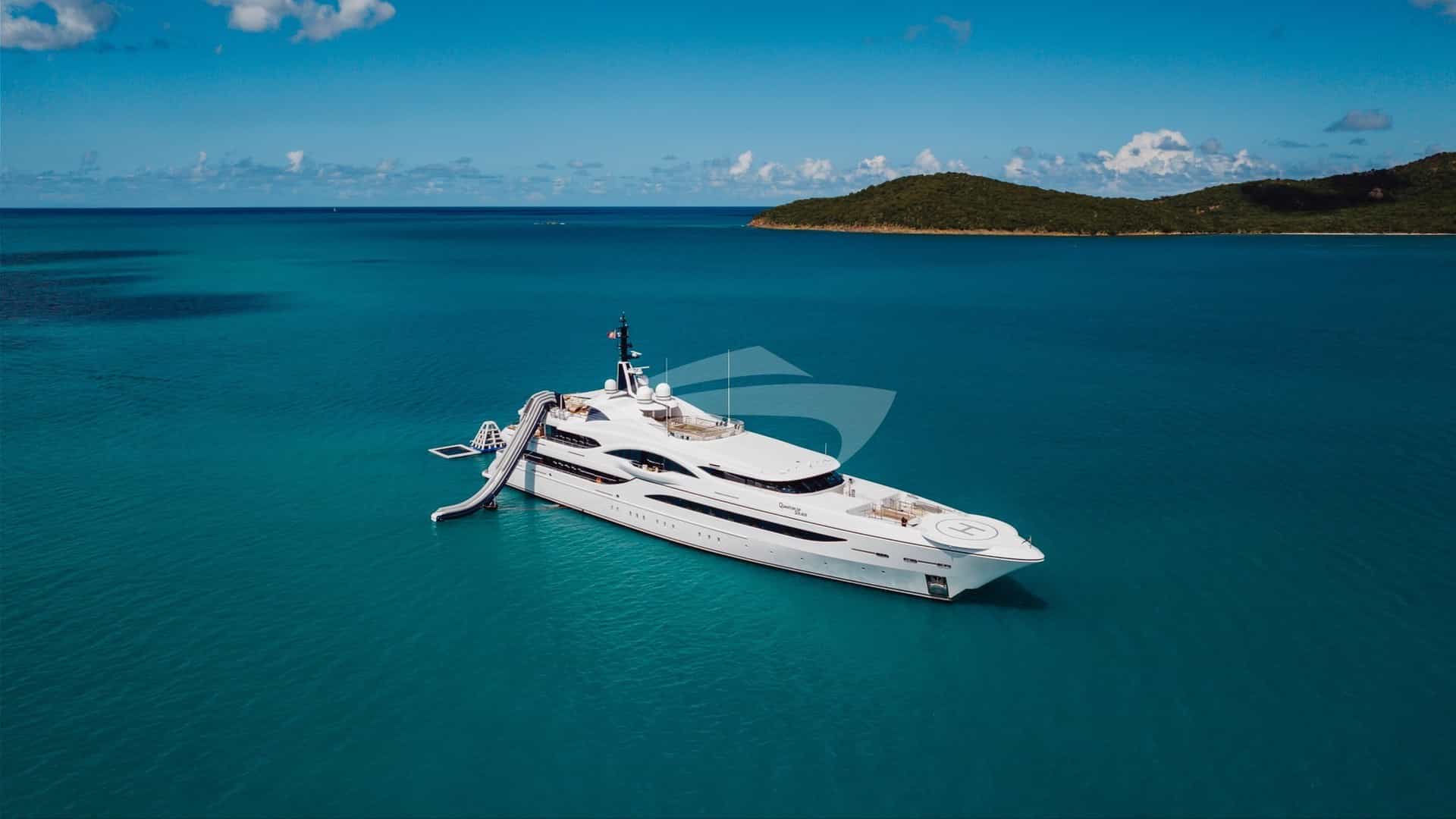
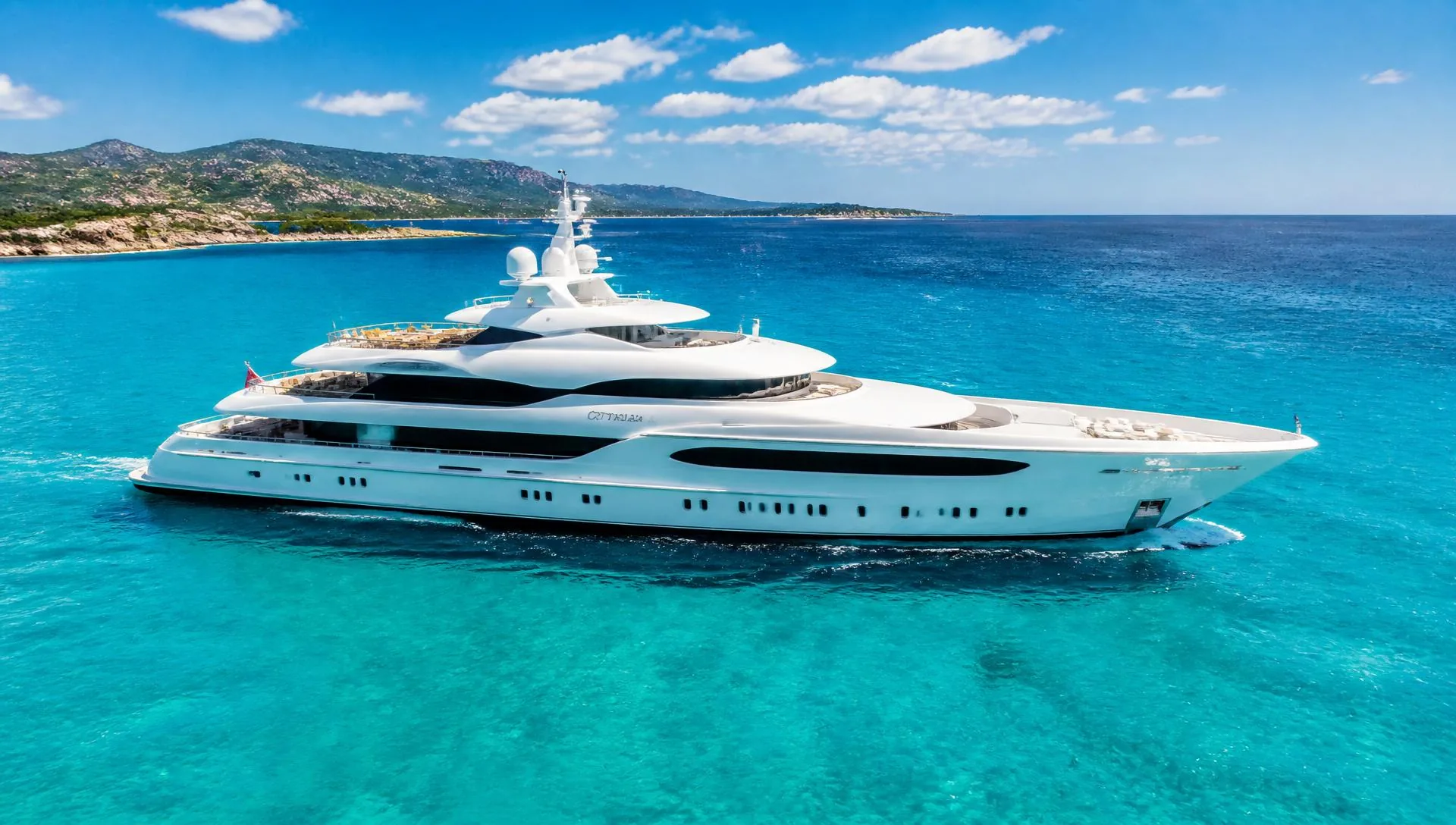
Featured yachts in Balearic Islands Yacht Charter.
Live pricing — charters from €80,000 / week
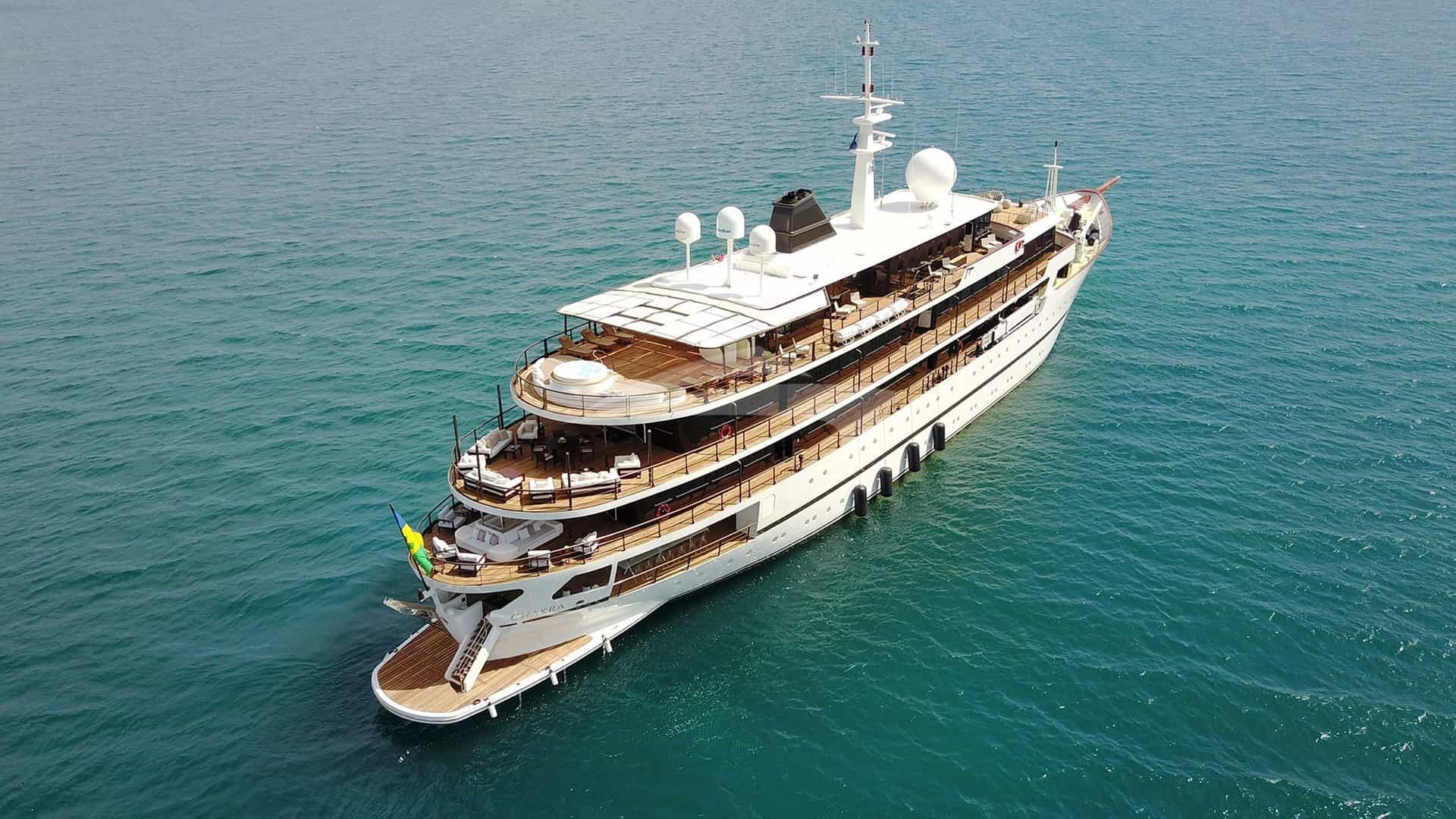
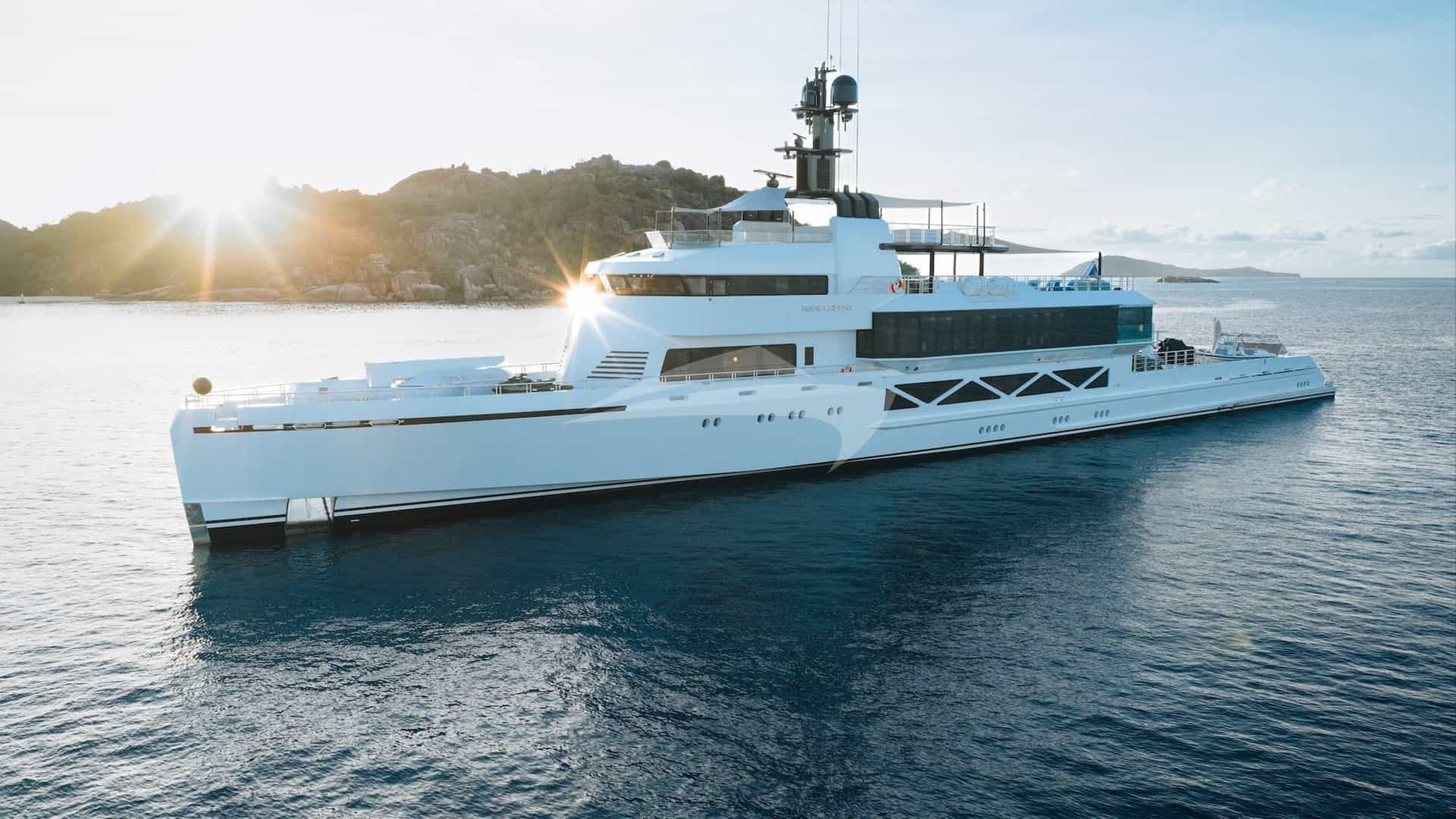
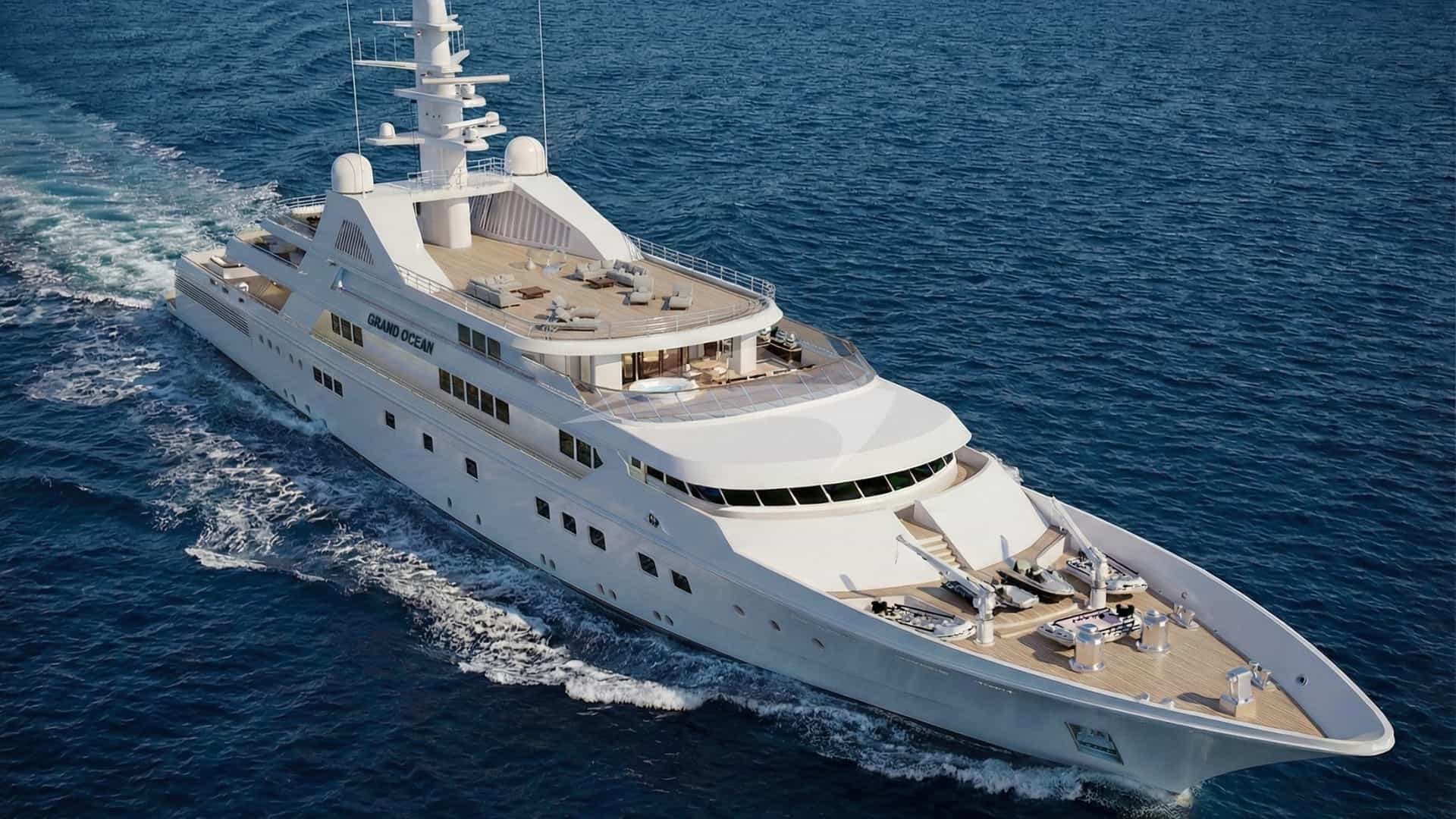
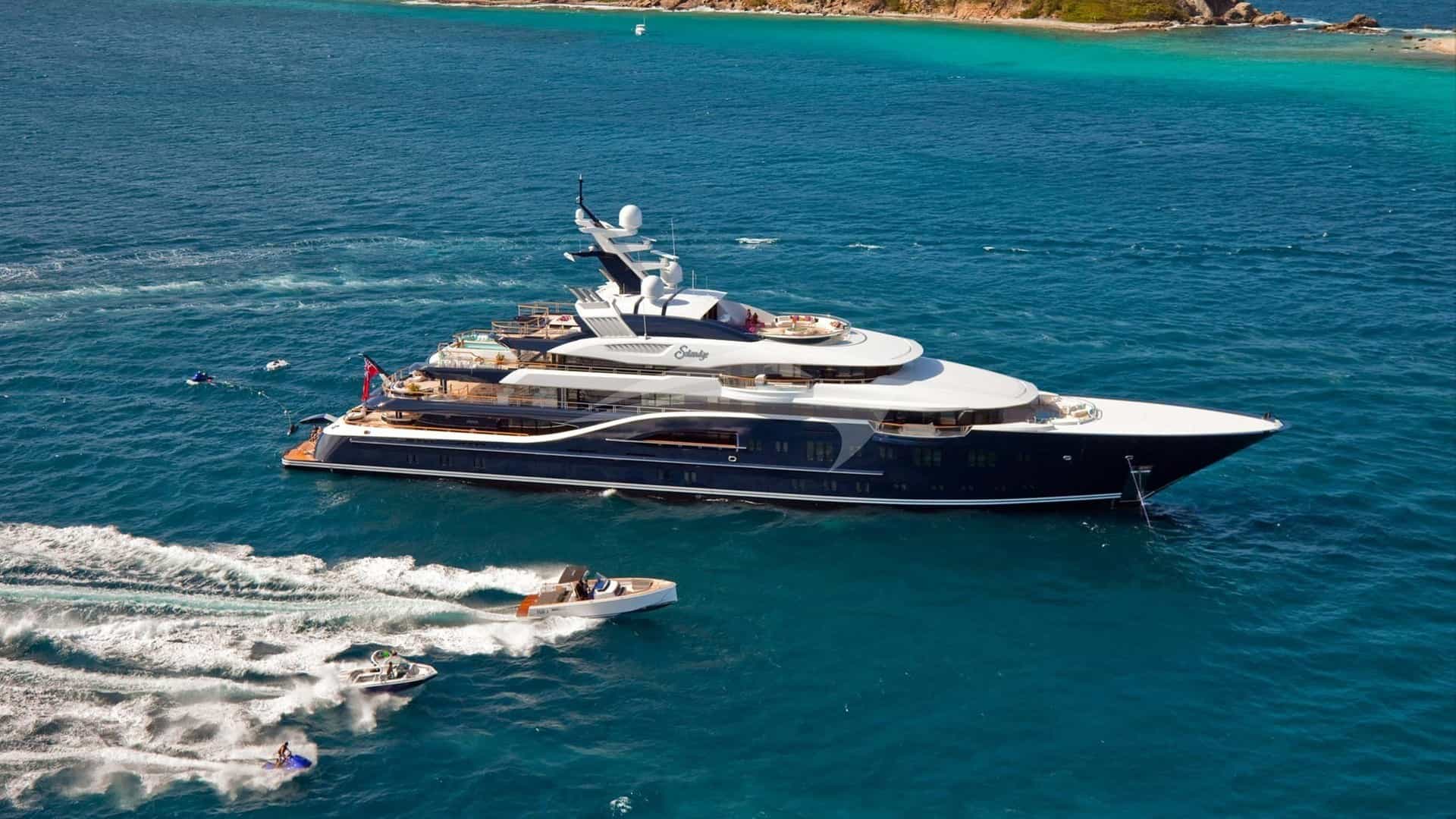
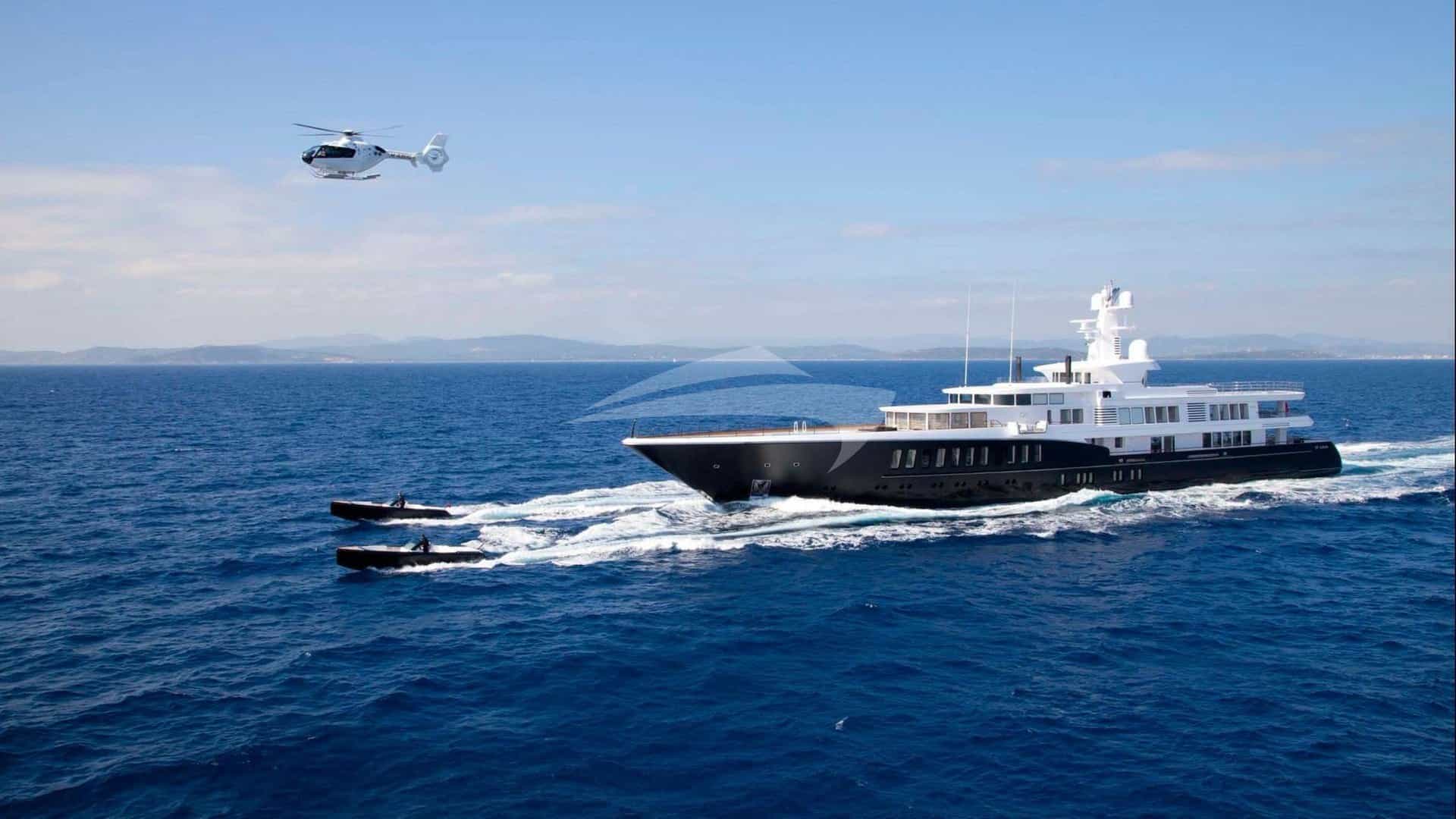
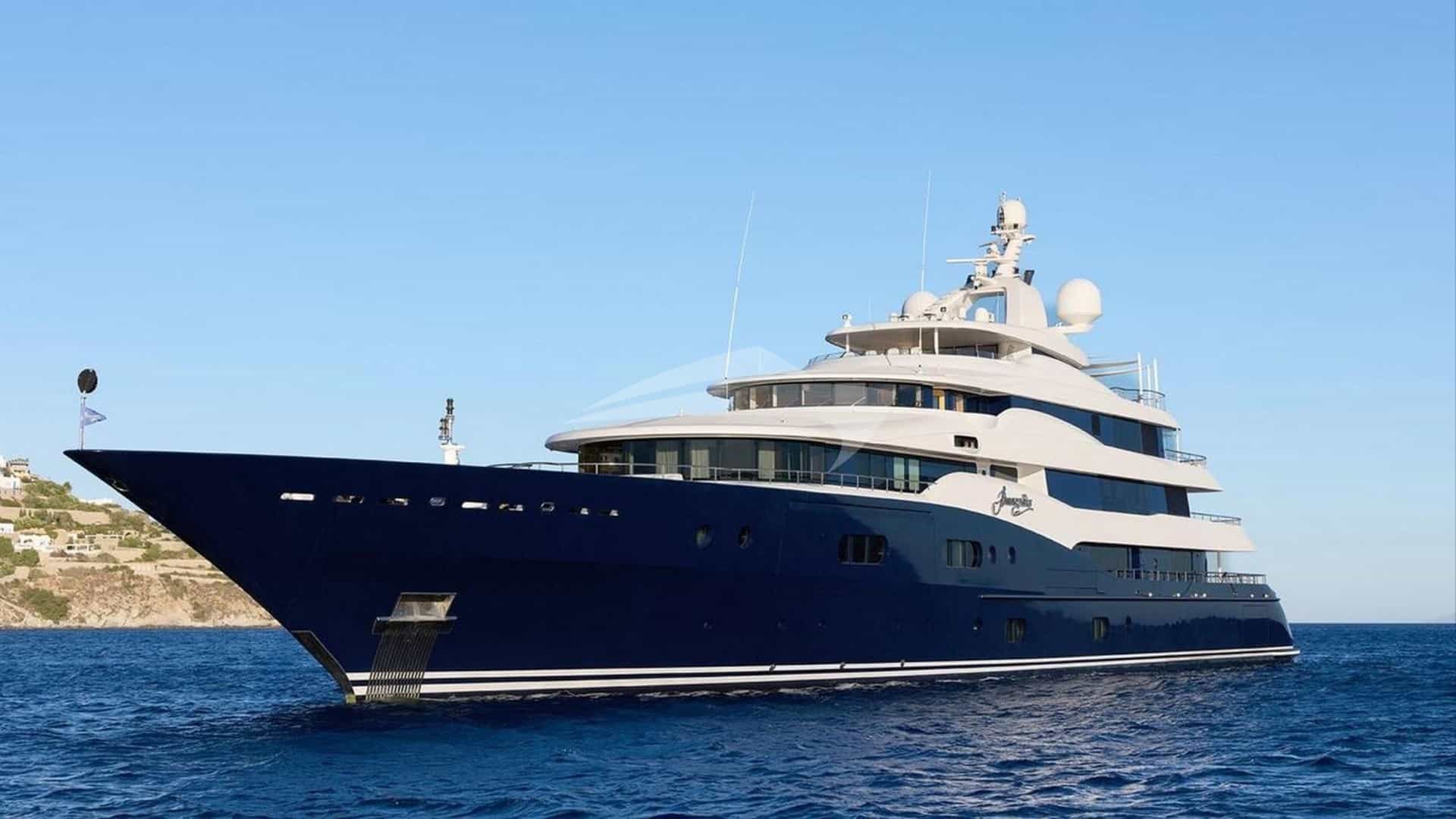

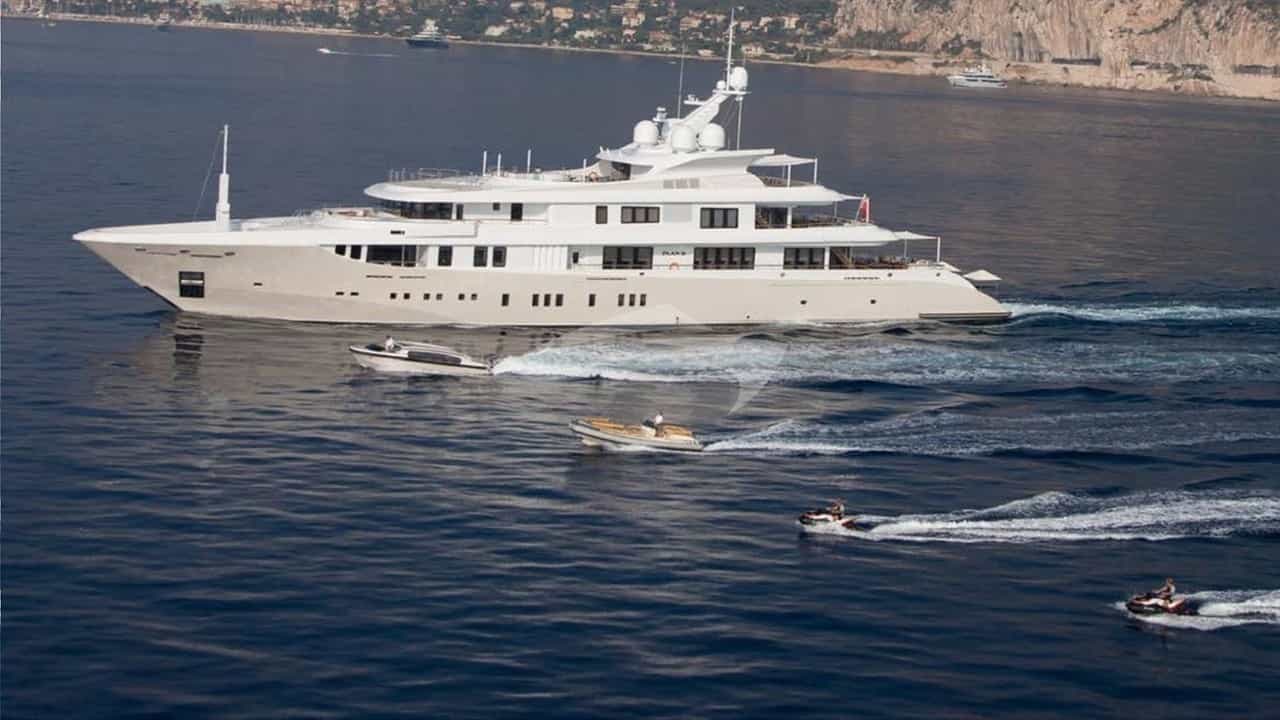
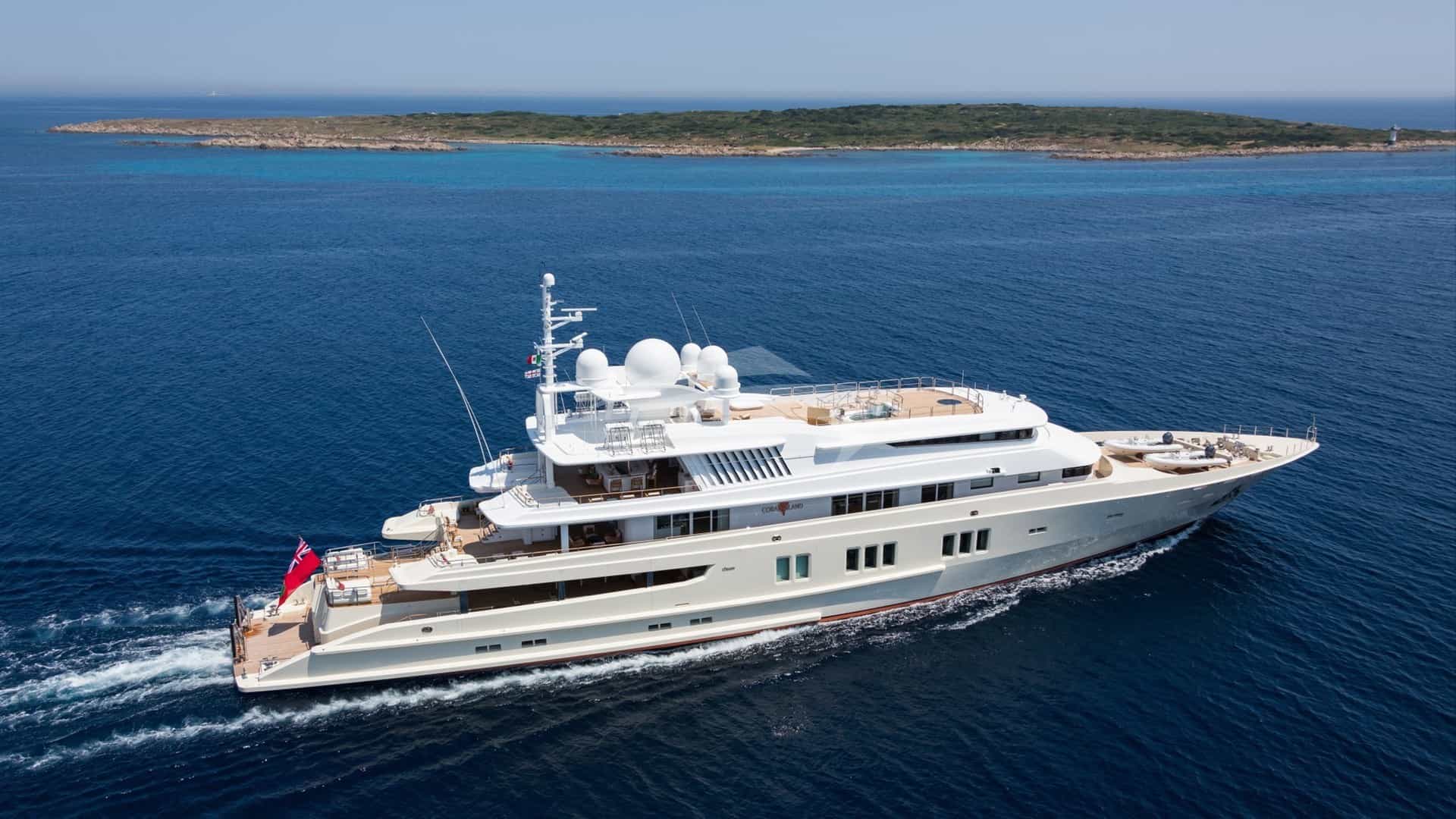
Things to do on your Balearic Islands charter.
From quiet anchorages to time ashore — a planning sample to adapt around the yacht, local conditions and verified availability.
- 01Onboard time
Swimming, dining and relaxation shaped around the facilities of the yacht selected
- 02Water activities
Use the water toys and sports equipment actually carried by the yacht, where local rules allow
- 03Shore visits
Add towns, beaches, restaurants or cultural stops when verified locally and available for your dates
- 04Private dining
Plan menus with the yacht's confirmed crew and the provisions available for the charter
- 05Flexible days
Keep the route responsive to weather, berth availability and the captain's operating decisions
Where to cruise in Balearic Islands.
Ports, islands and sub-regions across Balearic Islands — each with its own guide, marina context and yacht recommendations.
Mallorca
Crewed yacht charter in Mallorca — explore its marina context, nearby cruising stops and destination guide.
Explore →Ibiza
Crewed yacht charter in Ibiza — explore its marina context, nearby cruising stops and destination guide.
Explore →Menorca
Crewed yacht charter in Menorca — explore its marina context, nearby cruising stops and destination guide.
Explore →
Balearic Islands from above.
Satellite view of the coast — ports, headlands and island day-anchors that can shape a week on the water.
Routes captains run in Balearic Islands.
Starting points — every stop, anchorage and beach club is rewritten around your party, the weather and the week's berth reality.
- 02077 days
The White Isle's Legendary Party Circuit
The Balearic sun warms the teak deck as you glide from Marina Ibiza, the medieval walls of Dalt Vila receding into the morning haze. Your week unfolds as a sensory journey through the epicentre of global nightlife, where the world’s best DJs provide the soundtrack at exclusive beach clubs like Blue Marlin. This is a pilgrimage to the legendary party circuit of Ibiza's south coast, balanced by the crystalline waters and bohemian soul of neighbouring Formentera, offering a perfect rhythm of high-energy revelry and serene escape.
Ibiza Town & Marina Ibiza · Cala Jondal · Cala d'Hort & Es Vedrà · Playa de Ses Illetes, Formentera
Read itinerary → 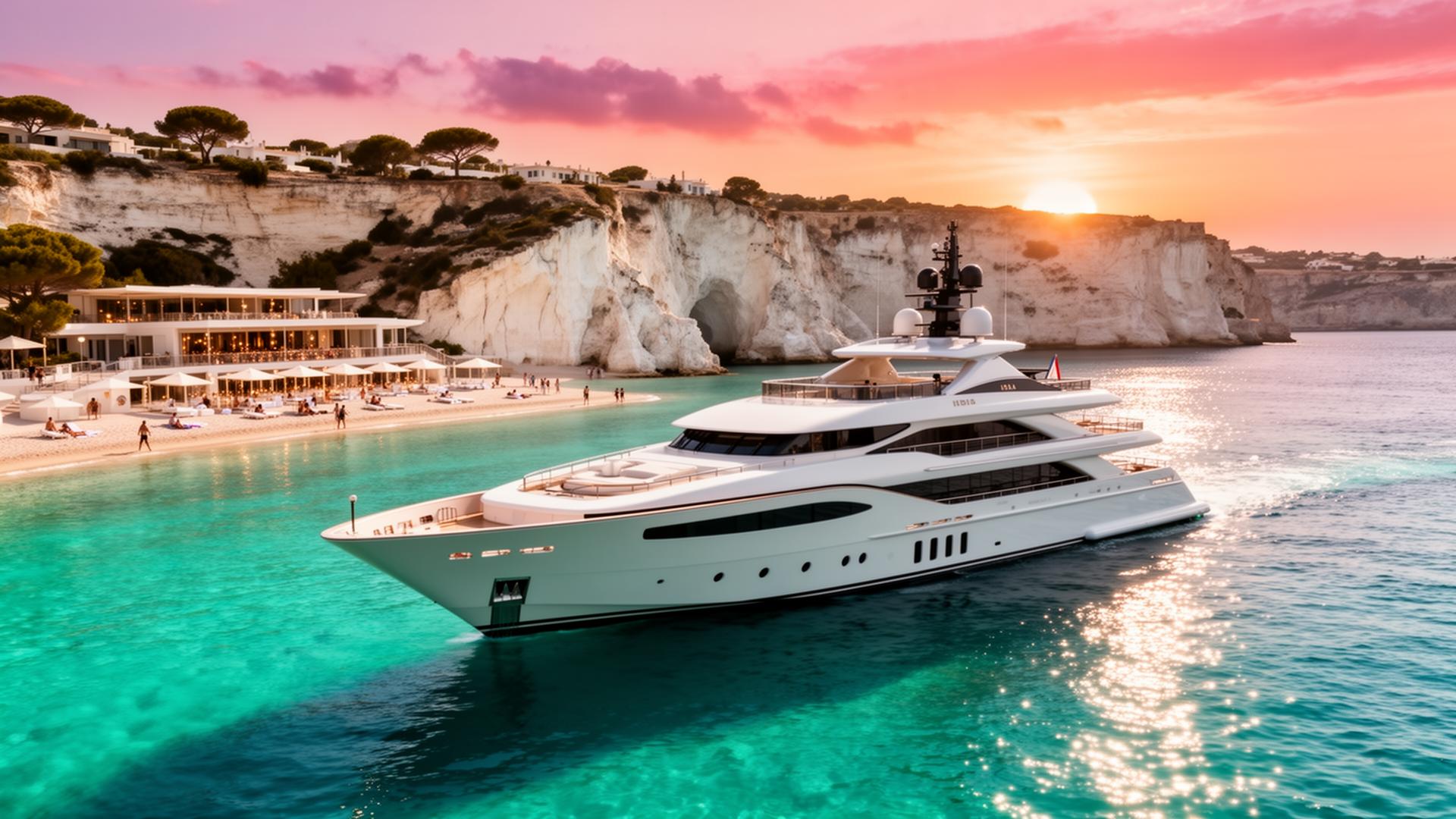 03077 days
Balearics Beach Club
A seven-day cruise between Ibiza and Formentera — sunset anchorages, beach club lunches and turquoise coves that defined Mediterranean glamour.
Ibiza Town · Cala Salada · Es Vedrà · Formentera — Illetes
Read itinerary →
When to charter in Balearic Islands.
The prime window for a yacht charter Balearic Islands runs May–October.
Mallorca charter season, events & booking calendar
Month-by-month weather, regatta dates, beach-club openings and the exact weeks our brokers recommend for this cruising ground.
Top cruising areas & highlights of Balearic Islands.
A handful of signature experiences that define a charter on this coast.
Ibiza & Formentera
Mallorca's Tramuntana Coast
Palma Bay & Mallorca's Southeast
Menorca Circumnavigation

Plan your week in Balearic Islands.
Share a few details and we will return a private yacht shortlist — availability, APA guidance and a clear next step — within one working day.
Marinas & ports in Balearic Islands.
Hover a marker for a quick brief — click through for the full marina guide, berthing notes and nearby cruising.
- 01
Marina Ibiza
Berthing and yacht services at Marina Ibiza.
Marina guide → - 02
Port Adriano, Mallorca
Berthing and yacht services at Port Adriano, Mallorca.
- 03
Club de Mar, Palma
Berthing and yacht services at Club de Mar, Palma.
- 04
Real Club Náutico de Palma (RCNP)
Berthing and yacht services at Real Club Náutico de Palma (RCNP).
- 05
Marina Port de Mallorca
Berthing and yacht services at Marina Port de Mallorca.
- 06
Port de Mahón, Menorca
Berthing and yacht services at Port de Mahón, Menorca.
- 07
Marina de Formentera
Berthing and yacht services at Marina de Formentera.
Door-to-deck · Balearic Islands
Chauffeur corridors into Puerto Portals, Marina Ibiza and Maó — timed to embarkation.
Meeting point
Meeting point: Porto Portals — confirm quay / pontoon with the captain the morning of embarkation.
Arrival buffer
Plan 60–90 minutes from wheels-down to passerelle for chauffeur corridors; helicopter windows are tighter when helipad access is confirmed.
Berth lead time
8–14 weeks July–August
Captain / crew
Flagship Mallorca berth — confirm LOA and draft with Portals agent; PMI chauffeur to gate.
Tender fallback
When berths are scarce we hold a sheltered anchorage + tender (or captain-only standby) plan before you fly — never a last-minute scramble at the mole.
Luggage / night before
Night-before hotel near the gateway (or marina) when late arrivals risk missing the embarkation slot — we hold rooms against the transfer plan.
Gateways
Indicative guidance — Indicative seasonal berth ranges are shared on request — confirm with the marina agent before contract. We never publish unverified nightly rates as fact.
Enquire
Enquire for Balearic Islands
Tell us dates, party size and yacht style — we shortlist live availability with APA and door-to-deck before you fly.
Hull styles that work on this coast.
Named boats live in Featured fleet and Team recommendation — this strip is the shortlist of hull styles that fit the local legs.
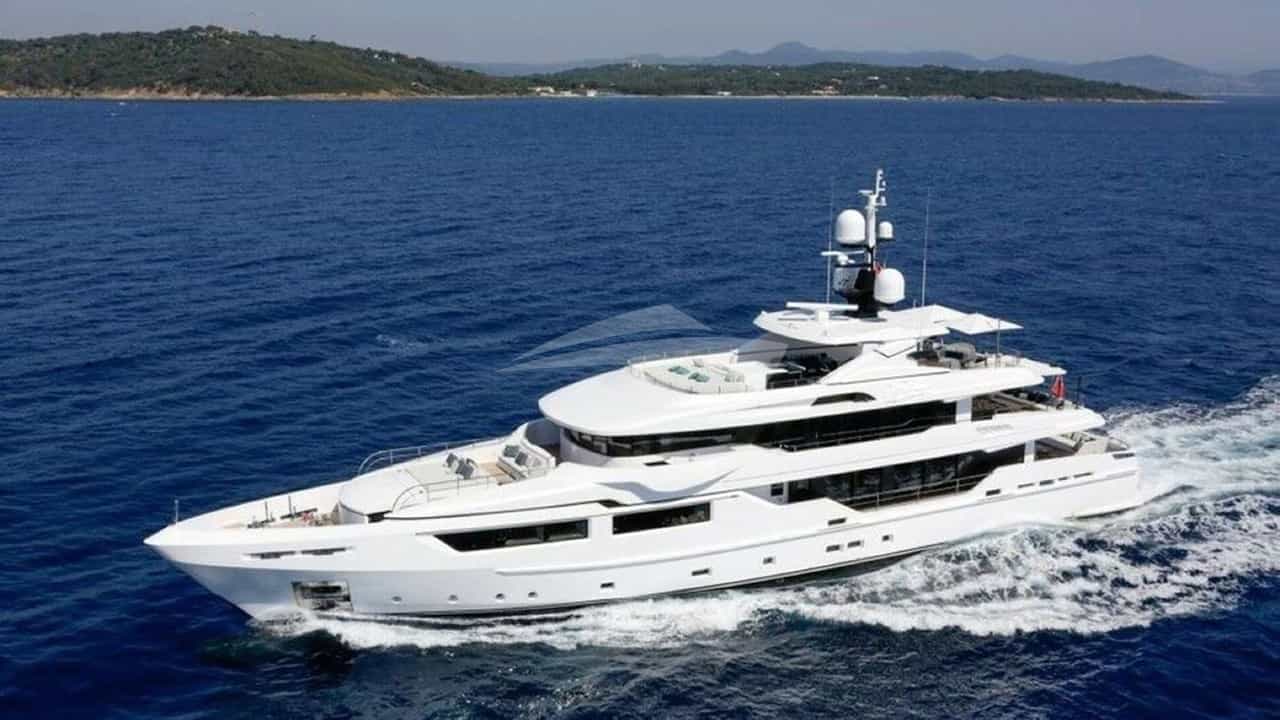
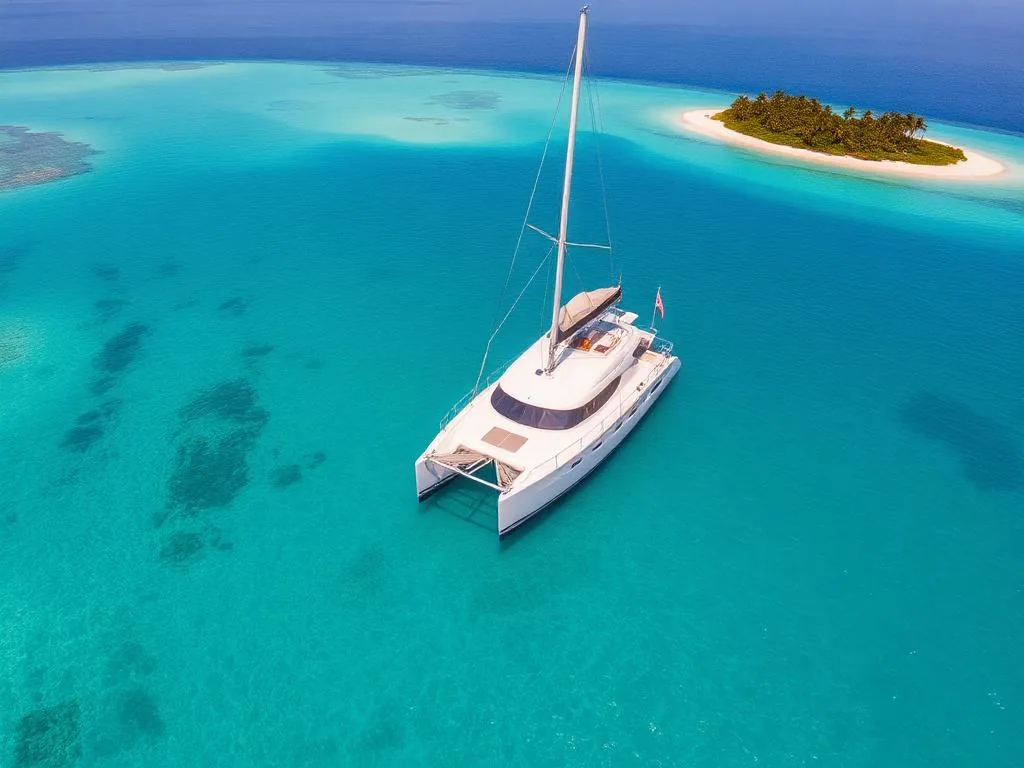
Sailing Catamaran (50-70ft)
Excellent for exploring the shallow calas of Menorca and Mallorca's east coast. The wide beam provides incredible stability at anchor and vast deck space. A lower draft allows access to anchorages larger yachts cannot reach. A more relaxed, sea-focused way to cruise.
Luxury experiences in Balearic Islands.
Restaurants, beach clubs, diving, events and villas your concierge can pre-book before you board — with addresses, phones and booking links where public.
Private Vineyard Tour & Tasting
Private Vineyard Tour & Tasting — arranged by your Blue Ocean Club concierge as part of the charter week.
- How to book
- Ask your Blue Ocean Club concierge to research and reserve this experience against your itinerary.
Helicopter Transfer to the Yacht
Helicopter Transfer to the Yacht — arranged by your Blue Ocean Club concierge as part of the charter week.
- How to book
- Ask your Blue Ocean Club concierge to research and reserve this experience against your itinerary.
On-Board Flamenco Show
On-Board Flamenco Show — arranged by your Blue Ocean Club concierge as part of the charter week.
- How to book
- Ask your Blue Ocean Club concierge to research and reserve this experience against your itinerary.
Sourcing Rare Spanish Vintages
Sourcing Rare Spanish Vintages — arranged by your Blue Ocean Club concierge as part of the charter week.
- How to book
- Ask your Blue Ocean Club concierge to research and reserve this experience against your itinerary.
Private Guided Tour of Dalt Vila
Private Guided Tour of Dalt Vila — arranged by your Blue Ocean Club concierge as part of the charter week.
- How to book
- Ask your Blue Ocean Club concierge to research and reserve this experience against your itinerary.
Beach clubs in Balearic Islands.
Tender bookings, table reservations and jetty access — addresses, phones and sites below. Your Blue Ocean Club concierge can hold the table — request via the enquiry form.
Real restaurants worth a tender in Balearic Islands.
Tables held in advance by your concierge — addresses, phones and sites below, from beachfront classics to Michelin dining rooms. Request via the enquiry form.
Concerts, exhibitions & headline weeks in Balearic Islands.
The festivals, art fairs, regattas and cultural calendar that shape berthing demand — plus concerts and exhibitions your concierge can programme around the yacht week. Dates are seasonal; confirm the current edition before locking the charter.


Best anchorages & bays in Balearic Islands.
Hover a marker for a quick brief — click to open the approach notes below. The protected coves and roadsteads your captain will plot into your week.
- Where to find it
- Captain confirms approach for Platja de Ses Illetes, Formentera.
- Where to find it
- Captain confirms approach for Cala Saona, Formentera.
- Where to find it
- Captain confirms approach for Espalmador.
- Where to find it
- Captain confirms approach for Cala d'Hort, Ibiza.
- Where to find it
- Captain confirms approach for Cala Jondal, Ibiza.
- Where to find it
- Captain confirms approach for Benirràs, Ibiza.
- Where to find it
- Captain confirms approach for Cala Macarella, Menorca.
- Where to find it
- Captain confirms approach for Cala Pregonda, Menorca.
Insider knowledge for your Balearic Islands charter.
- Berths in prime marinas like Marina Ibiza for July and August should be requested at the time of your charter booking, up to a year in advance.
- When dining ashore in Formentera, always book your tender drop-off and pickup time with the restaurant. They manage the busy jetties with military precision.
- The 'Tramontana' wind can affect the north coasts of Mallorca and Menorca. Trust your captain's advice on itinerary changes; they will always have a stunning, sheltered alternative.
- For a true taste of Spain, ask your chef to prepare a 'mercado' lunch using only ingredients they have sourced from the local market that morning, such as Palma's Mercat de l'Olivar.
- While credit cards are widely accepted, always carry some Euros for small purchases in village shops, market stalls, and taxis.
- Spanish dining times are late. Lunch ashore rarely starts before 2 PM, and dinner reservations are typically from 8:30 PM onwards. Adapt to the local rhythm.
- The protected Posidonia seagrass is vital to the water's clarity. Anchoring is forbidden in these areas, which are marked on charts. Fines for violations are substantial.
- Tipping for excellent service in high-end restaurants is appreciated, around 10%. It is not typically included in the bill.
- Use your yacht's tender to explore caves and small coves that are inaccessible to larger vessels. The coastline is full of hidden grottos, especially on Mallorca's east coast.
Planning notes for Balearic Islands.
Reviewed by Mateo Ferrer, Balearics Specialist at Blue Ocean Club.
Balearics weeks fail when every night is a scene night. I protect two quiet calas for every Ibiza quay — and I match PMI vs IBZ to the first breakfast aboard, not the Instagram map.
WhatsApp or email reaches the charter desk. We reply within one working day with availability and a clear next step.
Places and days that often shape a Mediterranean week.
- 01LunchFormentera sandbar
Tender culture day — leave before the afternoon fleet.
- 02BerthPuerto Portals
Mallorca’s cleanest embark for larger LOA.
- 03ArrivalIBZ → Marina Ibiza
Fifteen to twenty-five minutes when traffic behaves.
Three catalog yachts that fit Mediterranean — and why.
Balearic Islands yacht charter FAQs.
Mallorca or Ibiza for embarkation?+
How early for Marina Ibiza berths?+
Is Menorca quieter?+
What APA should we budget?+
Best airports?+
Day charter options?+
Continue from here.
Why charter Balearic Islands with us.
Independent brokerage with live inventory, transparent pricing, and a concierge that works the coast before you step aboard.
- 01Speed
Real-time availability
Live availability feed across 2,000+ yachts — hold and confirm in hours, not weeks.
- 02Trust
100% best-price guarantee
We do not mark up the charter fee. The price you see is the operator's price.
- 03Integrity
Independent advice
Our recommendations follow the boat, not a commission — owners pay us, not introducing brokers.
- 04Craft
Concierge depth
Restaurants, transfers, private guides, helicopters and beach clubs handled long before you board.
Tell us your dates and party — we return three live options within the day.
Ready to charter in Balearic Islands?
Tell us your dates, party size and what makes a perfect day on the water. We reply within one working day with a curated shortlist and a transparent quote.
How our Balearic Islands guide is compiled.
Reviewed by Mateo Ferrer, Balearics Specialist at Blue Ocean Club. This page is maintained by the Blue Ocean Club charter desk — editorial content, not an independent certification.
- Experience
Destination intelligence coverage
This guide currently connects 60 charter yachts on record, 7 berthing options, 3 routed itineraries. Counts describe records available to the page, not first-hand visits or live availability.
- Expertise
Named editorial review
Reviewed by Mateo Ferrer, Balearics Specialist at Blue Ocean Club.
- Authoritativeness
Where the facts come from
3 cited references are attached to this destination, including official tourism, marina, government, partner or Blue Ocean Club journal sources where listed.
- Trust
Recorded editorial verification
This destination is in the recorded verification cohort dated 1 July 2026.
- Trust
Last data refresh
The underlying destination record was last refreshed 9 August 2026. A data refresh is not presented as a human verification event.
- Limitation
What we never state
We do not treat database inventory as live availability and do not present unverified operator pricing or operator terms as confirmed facts. Availability, rates, taxes, berth suitability and charter terms are confirmed for the specific enquiry.
Sources & citations
Tourism boards, official marina operators and Blue Ocean Club journal pieces behind this guide. We never invent citation URLs.
- Illes Balears — official Balearic Islands tourism boardillesbalears.travelTourism board
- Puerto Portals — official sitepuertoportals.comOfficial marina
- Marina Ibiza — official sitemarinaibiza.comOfficial marina
Facts last verified 1 July 2026.
Planning intelligence
Planning a charter in Balearic Islands
Everything you would need to decide on this destination today — seasons, suitability, yachts, aircraft, demand and booking pressure. Each line carries its confidence level, and anything we cannot support says so.
When to go to Balearic Islands
Climate, travel seasons, charter seasons and the operational wind and storm patterns that actually apply here.
Climate
- Average air temperature
- Circa 13 °C in winter, 25–28 °C in July and AugustIndicativeRegional coastal climatology, not a forecast.
- Average sea temperature
- Circa 13–15 °C in winter, 24–26 °C in AugustIndicativeSea surface climatology for the northern Mediterranean basin.
- Rainfall trend
- Dry summers, wettest in October and NovemberCorroborated
- Sunshine
- Among the highest in Europe from May to SeptemberCorroborated
- Daylight
- Circa 15 hours in June, circa 9 hours in DecemberVerifiedAstronomical, not weather-dependent.
Travel seasons
- High season
- Late June to end of AugustCorroborated
- Shoulder season
- May to mid-June and September to early OctoberCorroborated
- Low season
- November to MarchCorroborated
Charter seasons
- Best yacht season
- May to OctoberCorroborated
- Best sailing season
- June to September, with reliable afternoon thermalsCorroborated
- Best diving season
- July to September, when visibility and sea temperature peakIndicative
- Best family season
- June and September — warm water, thinner crowdsIndicative
Sprint 01K — Italy pillar and Balearic commercial pages mapped to the certified Western Mediterranean intelligence profile.
Who Balearic Islands suits
Rated on stored evidence, not opinion: Excellent, Very Good, Good, Limited or Unavailable.
Suitability
- Family
- Very GoodCorroborated
- Romantic
- ExcellentCorroborated
- Honeymoon
- Very GoodCorroborated
- Adventure
- GoodCorroborated
- Nightlife
- ExcellentCorroborated
- Wellness
- Very GoodCorroborated
- Diving
- GoodCorroborated
- Fishing
- GoodCorroborated
- Luxury shopping
- ExcellentCorroborated
- Culture
- ExcellentCorroborated
- Food
- ExcellentCorroborated
- Beach
- Very GoodCorroborated
- Island hopping
- GoodCorroborated
- Corporate retreat
- ExcellentCorroborated
- Ultra luxury
- ExcellentCorroborated
- Remote escape
- LimitedCorroborated
Sprint 01K — Italy pillar and Balearic commercial pages mapped to the certified Western Mediterranean intelligence profile.
Which yacht suits this destination
Hull types and charter formats that the cruising ground and berth infrastructure actually support.
Ideal yacht types
- Motor Yacht
- ExcellentCorroboratedShort hops between harbours reward speed; deep-water berths are widely available.
- Sailing Yacht
- Very GoodCorroboratedReliable afternoon thermals from June to September.
- Catamaran
- GoodCorroboratedBeam can restrict berth allocation in the historic harbours.
- Explorer Yacht
- LimitedCorroboratedDistances are short; explorer range is rarely the deciding factor.
- Sport Yacht
- ExcellentCorroboratedIdeal for day charters between neighbouring harbours.
- Mega Yacht
- ExcellentCorroboratedSuperyacht berths on record across the region.
Charter formats
- Week charter
- ExcellentCorroborated
- Weekend charter
- Very GoodCorroborated
- Day charter
- ExcellentCorroborated
- Crewed charter
- ExcellentCorroborated
- Bareboat
- GoodCorroborated
- Flotilla
- LimitedCorroborated
Sprint 01K — Italy pillar and Balearic commercial pages mapped to the certified Western Mediterranean intelligence profile.
Which aircraft can reach it
Classified from our airport graph. Runway limits are never inferred — an unknown stays unknown.
Aircraft access
- Basis
- Classified from the Blue Ocean Club airport graphCorroborated
Sprint 01K — Italy pillar and Balearic commercial pages mapped to the certified Western Mediterranean intelligence profile.
How busy it gets
Demand and occupancy trends rather than invented prices.
Demand
- Typical demand
- Sustained from May to OctoberCorroborated
- Peak demand
- July and August, plus the Grand Prix and film-festival weeksCorroborated
- Quiet season
- November to March; many berths and beach clubs closeCorroborated
- Event-driven demand
- Major events lift berth and hotel demand far beyond the surrounding weeksCorroborated
- Booking pressure
- High for July and AugustIndicative
- Marina occupancy trend
- Effectively full in peak summer; berths are held long in advanceIndicative
- Airport congestion trend
- Heaviest on summer weekendsIndicative
- Hotel occupancy trend
- Peaks in July and August and around event weeksIndicative
Sprint 01K — Italy pillar and Balearic commercial pages mapped to the certified Western Mediterranean intelligence profile.
When to book
Planning horizons and waiting-list risk, confidence-labelled.
Booking
- Typical booking window
- Six to twelve months ahead for peak summerIndicative
- Suggested planning horizon
- Start twelve months out if a specific yacht or berth mattersIndicative
- High season recommendation
- Confirm July and August by the preceding winterIndicative
- Last-minute suitability
- Realistic in May, June and October; rarely in peak summerIndicative
- Waiting-list risk
- High for event weeksIndicative
Sprint 01K — Italy pillar and Balearic commercial pages mapped to the certified Western Mediterranean intelligence profile.
Travelling with children
Described objectively — ages, access, indoor options and medical proximity.
Travelling with children
- Young children
- Short passages between harbours keep sea time manageableCorroborated
- Teenagers
- Watersports, beach clubs and towns within tender reachCorroborated
- Accessible beaches
- Widely available, though many are pebble rather than sandCorroborated
- Museums
- Dense concentration of major museums and galleriesCorroborated
- Rainy day
- Towns, museums and covered attractions within a short transferCorroborated
- Medical facilities nearby
- Major hospitals in the principal coastal citiesCorroborated
- Family transfers
- Road and helicopter transfers on recordCorroborated
Sprint 01K — Italy pillar and Balearic commercial pages mapped to the certified Western Mediterranean intelligence profile.
Marine protection and responsible cruising
Verified reserves, eco-marina infrastructure and conservation programmes only.
Sustainability
- Eco marinas
- Several regional marinas hold environmental certificationIndicative
- Electric charging
- Shore power widely available; tender charging varies by marinaIndicative
Sprint 01K — Italy pillar and Balearic commercial pages mapped to the certified Western Mediterranean intelligence profile.
Owning versus chartering in Balearic Islands
Balearic Islands is one of the markets where owners weigh a berth and a permanent crew against chartering three or four weeks a year. Before you compare, read the yacht ownership vs charter vs fractional ownership cost study — five years of crew, berthing, refit and depreciation set beside the same budget spent on charter — and the most profitable yachts for owners ranking, which models charter recovery by size band and shipyard.