Kos Charter Operations: A Strategic Dodecanese Briefing
Kos is not an introductory Greek charter destination; it's a strategic hub for executing a high-value, multi-faceted Dodecanese itinerary. Its primary asset is its operational footprint: a well-equipped international airport (KGS) minutes from a robust marina, and its legal status as a Port of Entry/Exit for circuits including Turkey. For clients who have already experienced the Cyclades or Ionian and require more substance than a simple island-hop, Kos serves as the optimal launch point. The charter framework here is about contrast: volcanic landscapes, ancient maritime cultures, and the seamless integration of a non-EU port call into a single week.
This brief is structured for principals and their teams who value logistical clarity over marketing prose. We will cover the core assets, financial parameters, and a viable 7-day operational plan.
The Base: Kos Marina
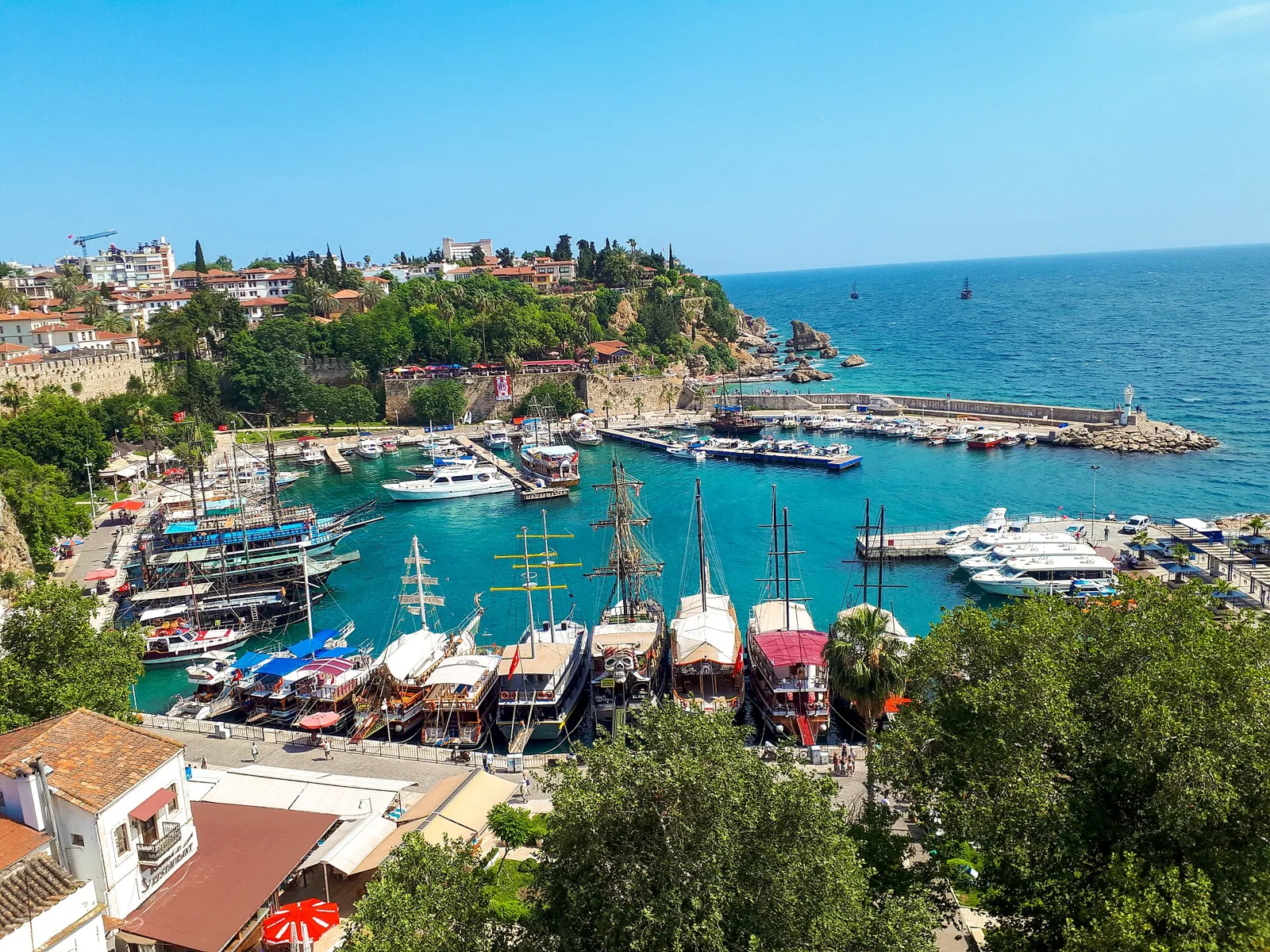
All operations pivot from Kos Marina. It’s a well-managed facility with 250 berths, capable of accommodating vessels up to 80m, though prime summer slots for the 35-50m class require advance commitment, typically by late Q1.
- Logistics: The marina offers reliable shore power (220/380V), fresh water, and fuel bunkering services. Bunkering should be scheduled 24 hours in advance, especially during peak season (July/August).
- Provisioning: The quality of local provisioning is high. We work with established suppliers for standard stock and specialist couriers for niche items (specific vintages, dietary products) flown into KGS. Expect a 10-15% premium on specialist air-freighted goods. For a one-week charter, all major provisions should be onboarded here. Top-ups in smaller ports are unreliable for high-end produce and protein.
- Security & Access: The marina has 24/7 security and controlled access. The proximity to Kos Town is both a benefit for guest entertainment and a factor to manage regarding ambient noise on weekend evenings. Berths deeper within the marina are preferable for clients sensitive to noise.
Charter Financials & Regulatory Framework
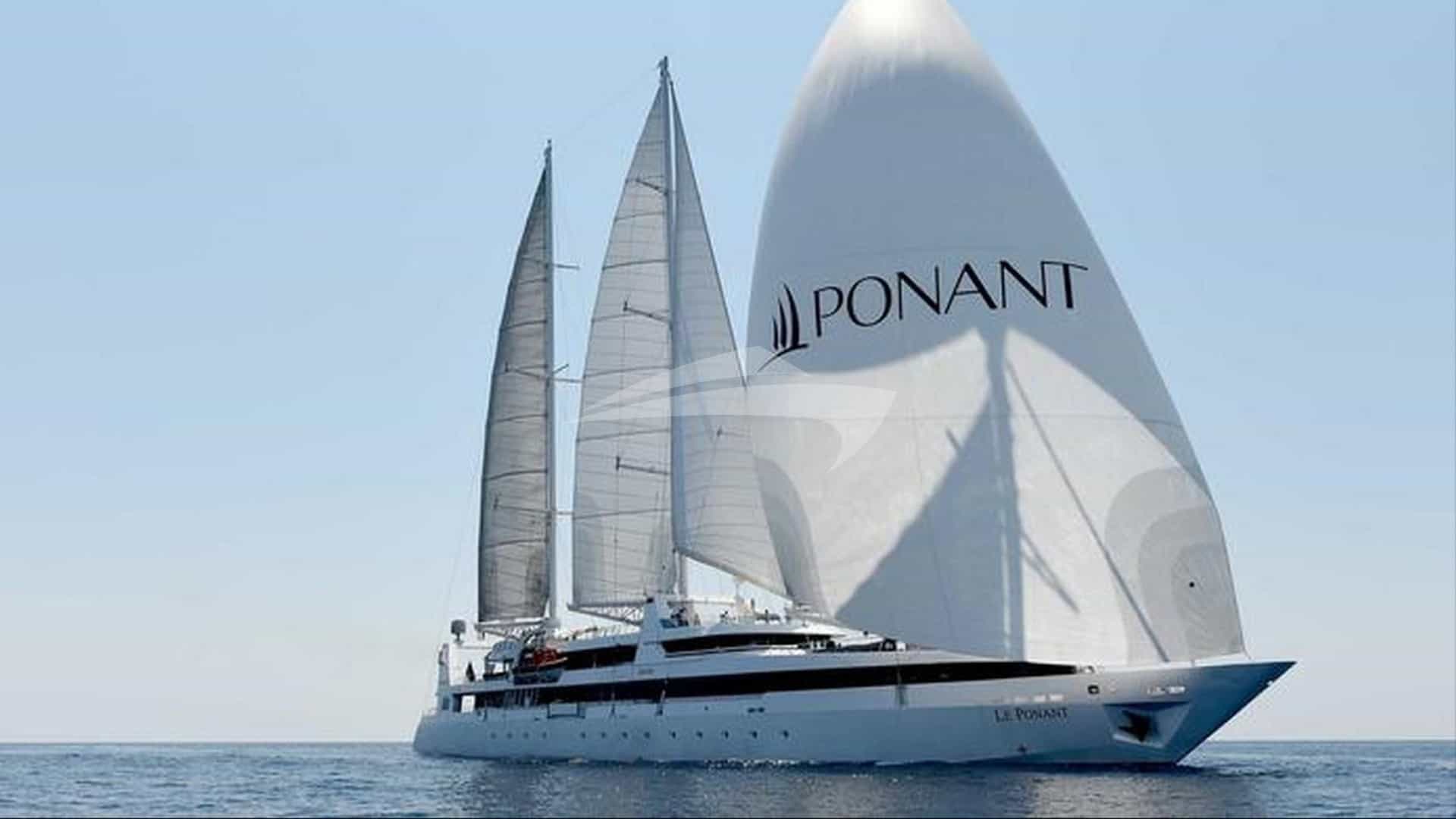
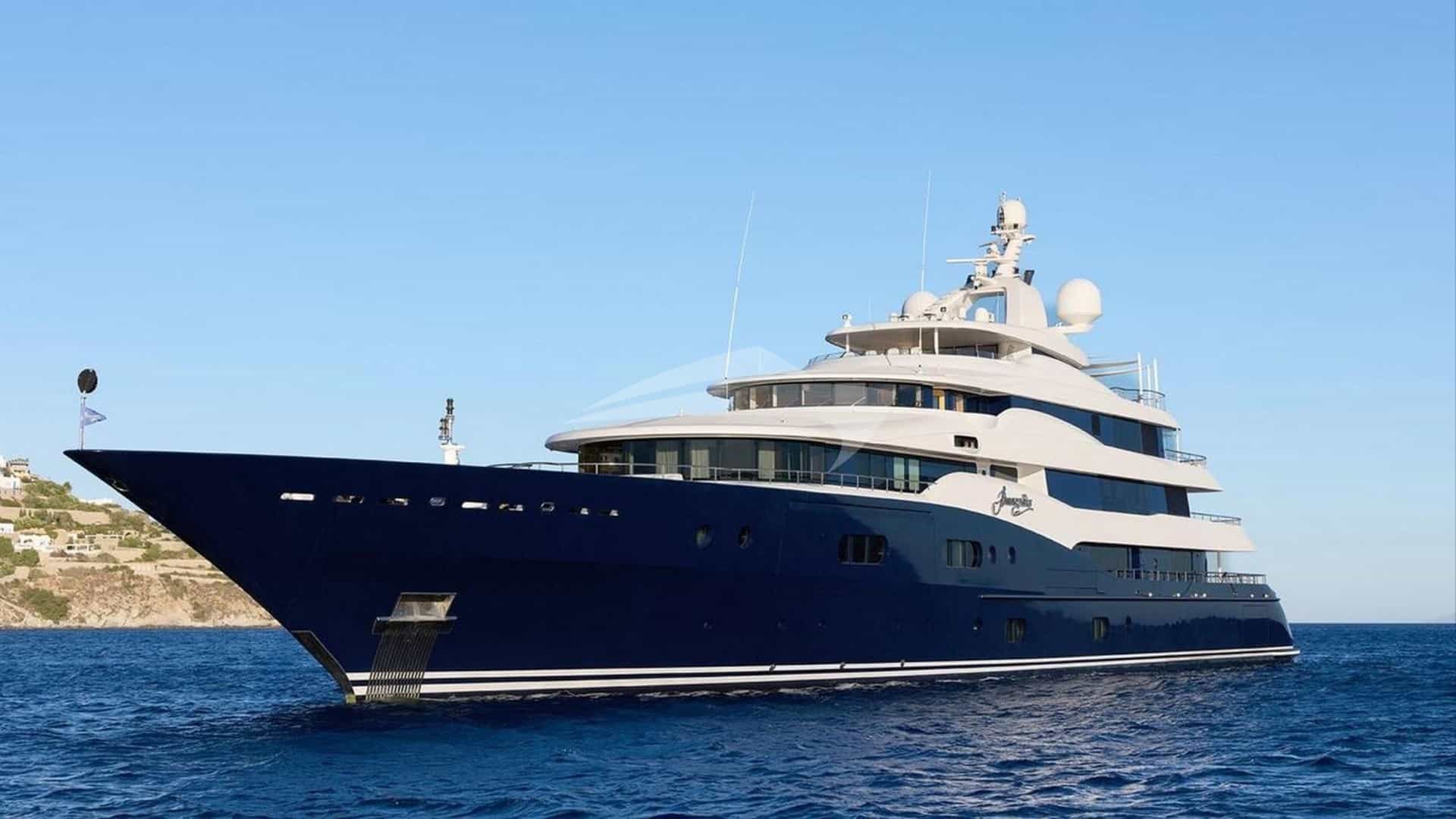
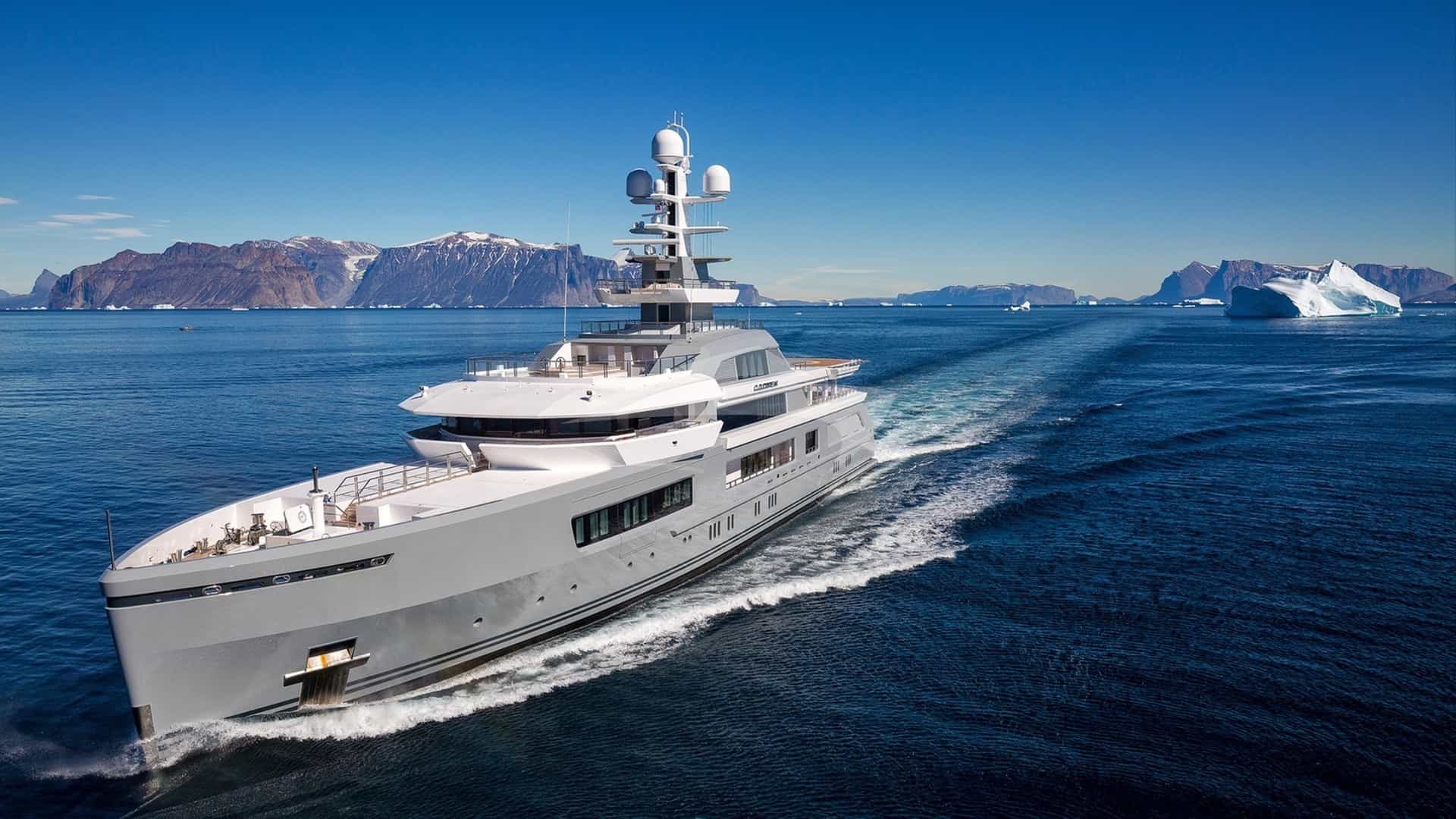
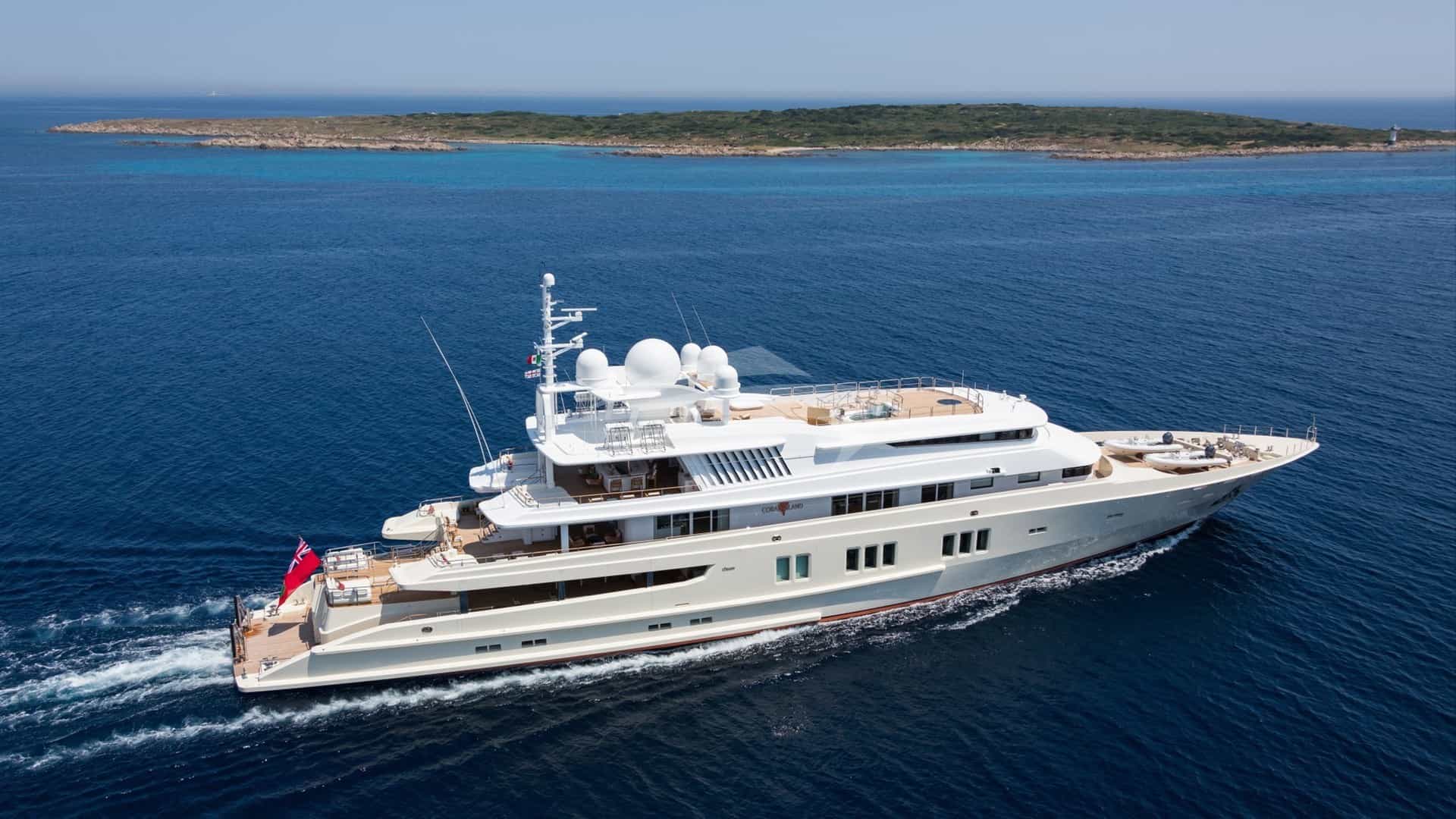
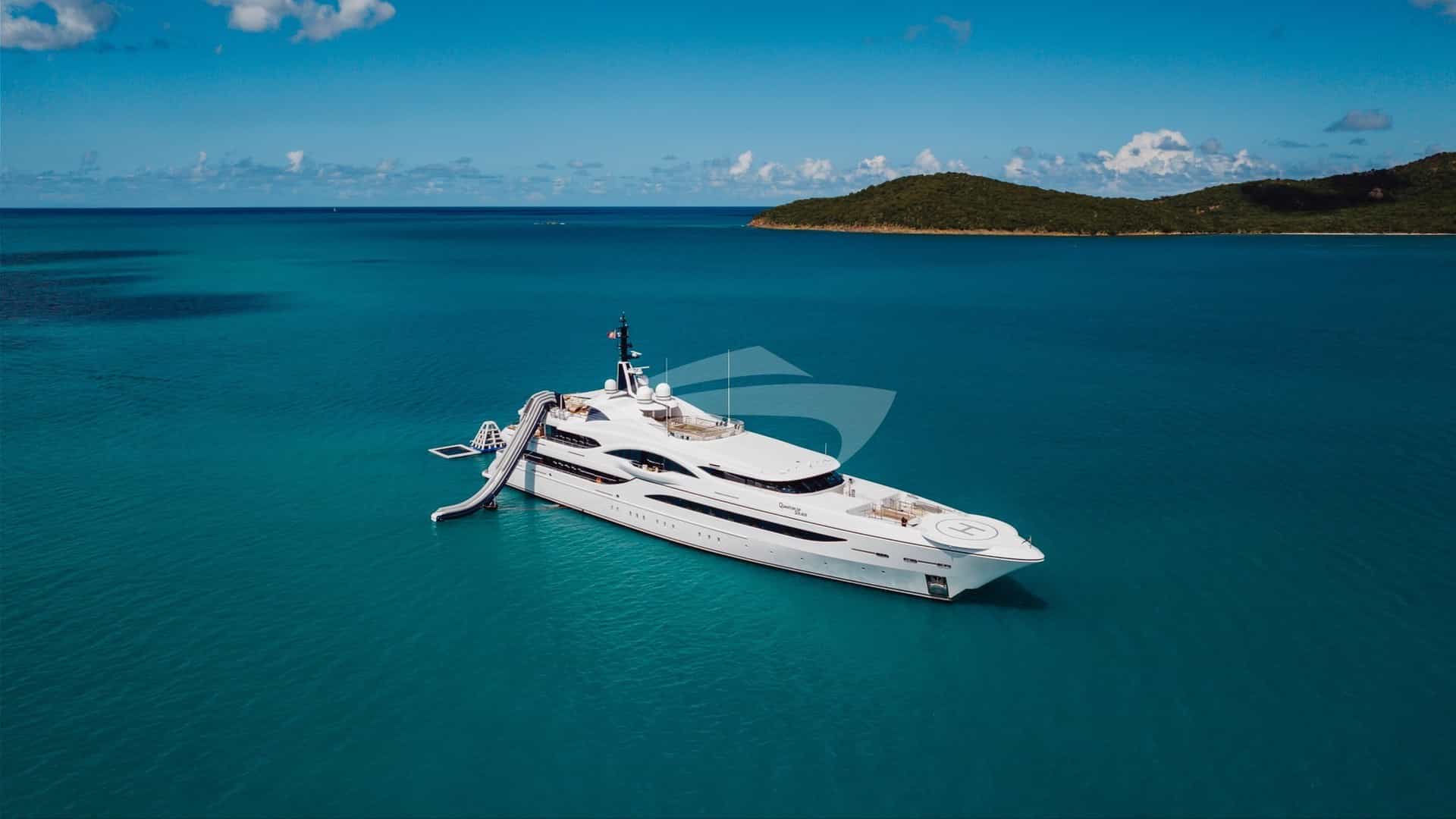
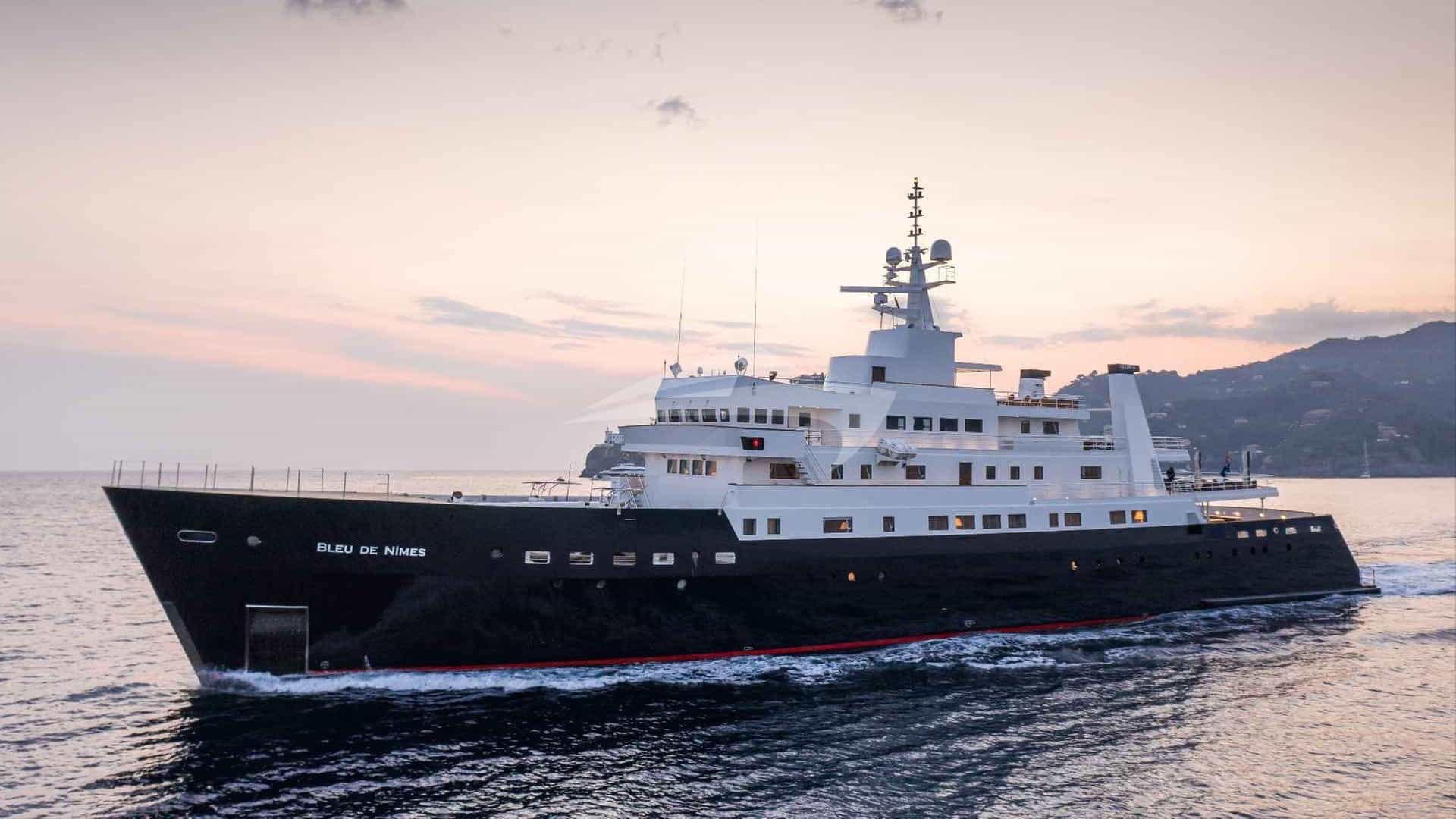
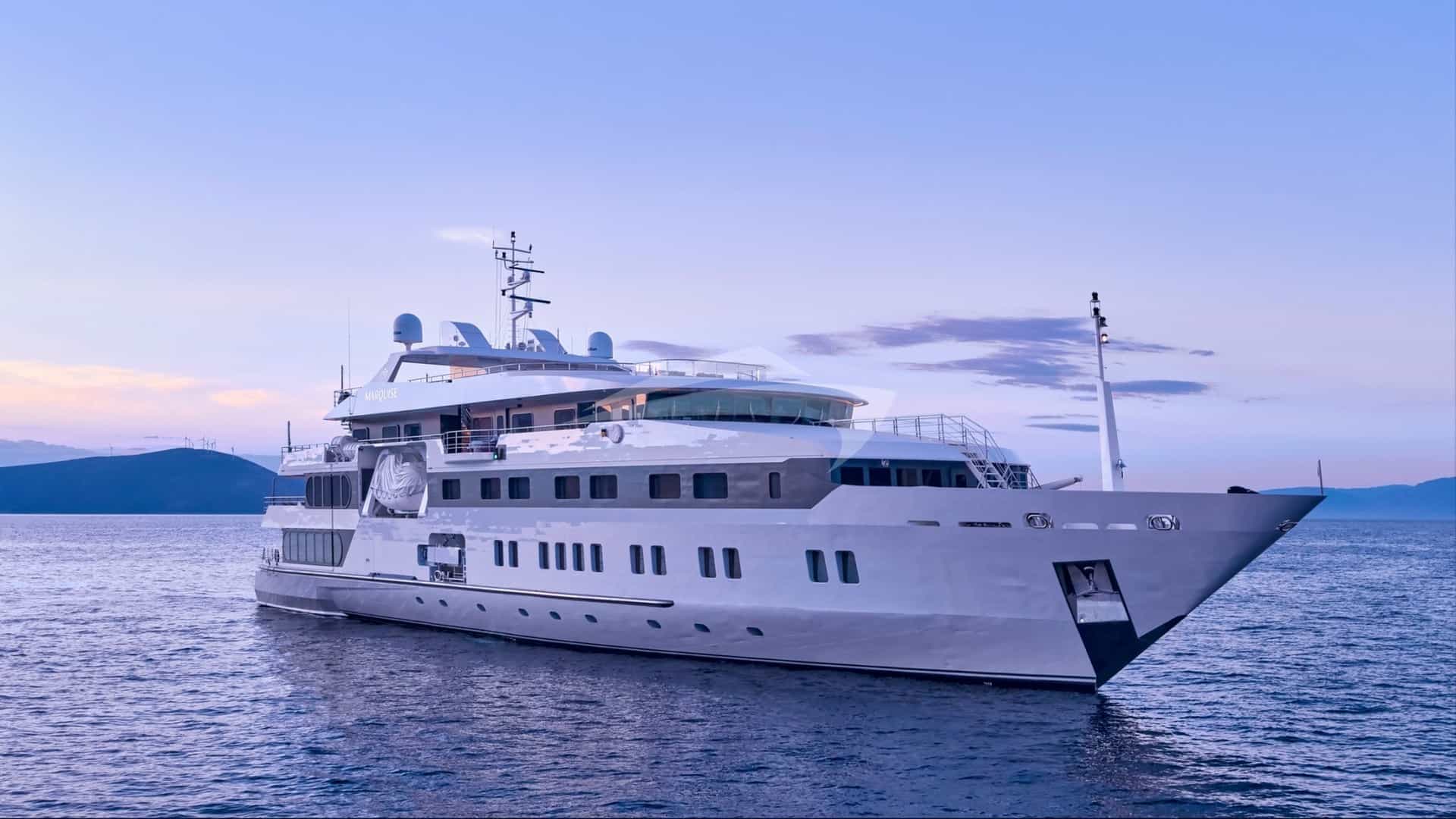
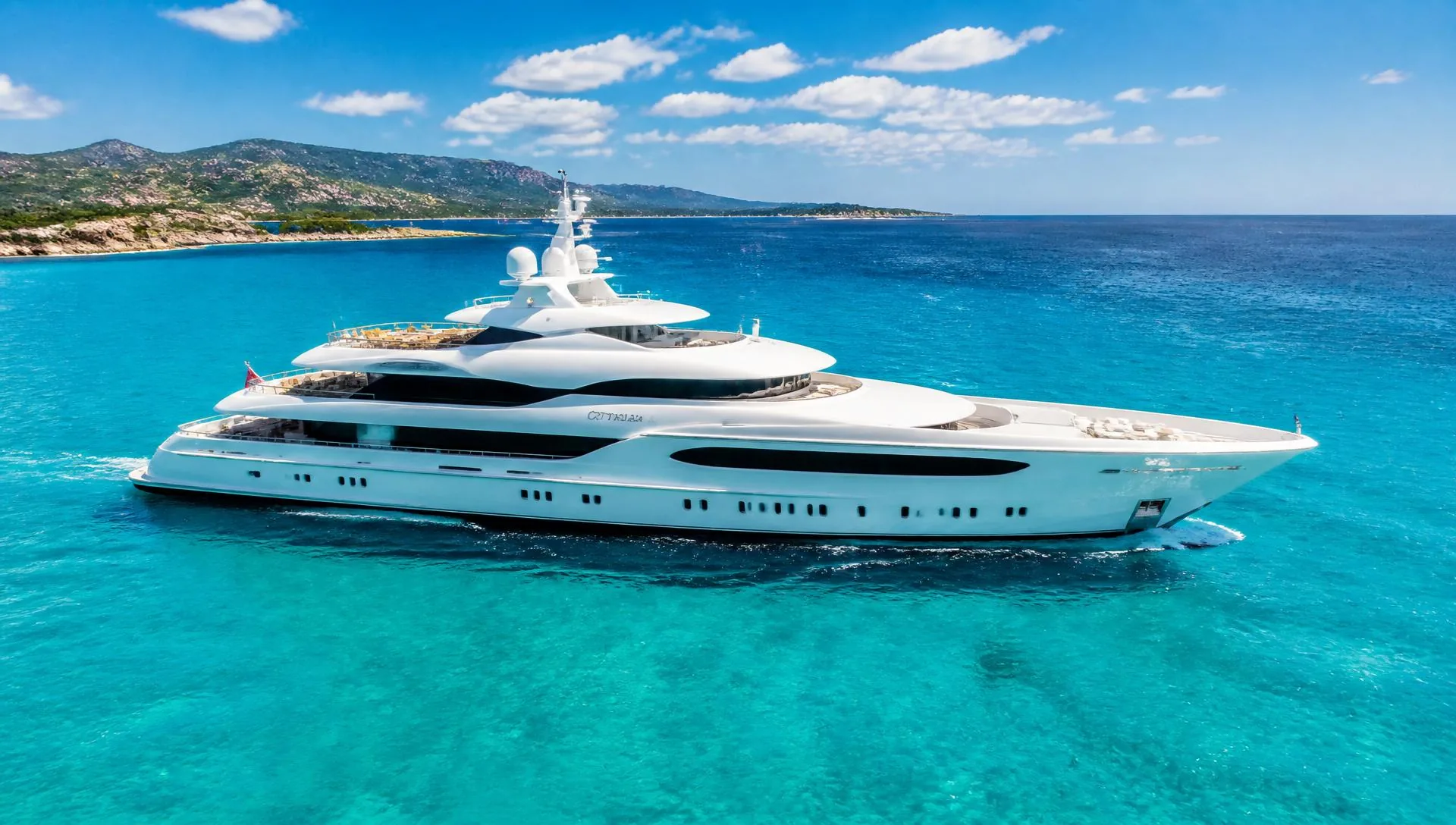
The market for this region centers on 25-45m motor and sailing yachts.
- Pricing (2026 Estimate):
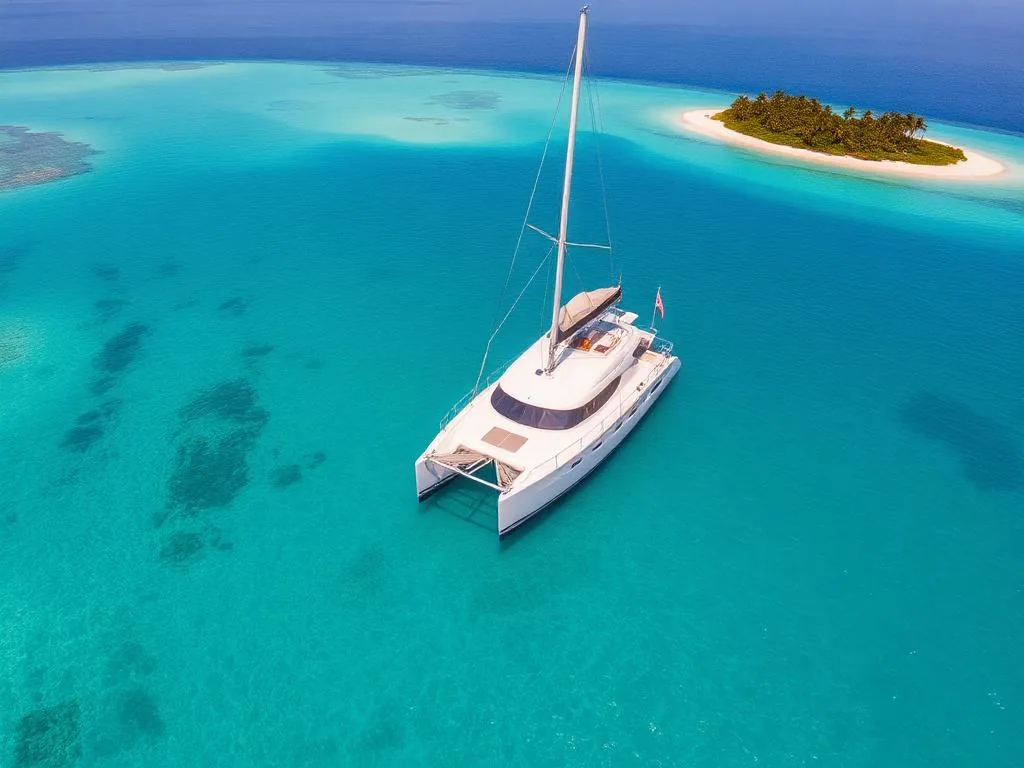
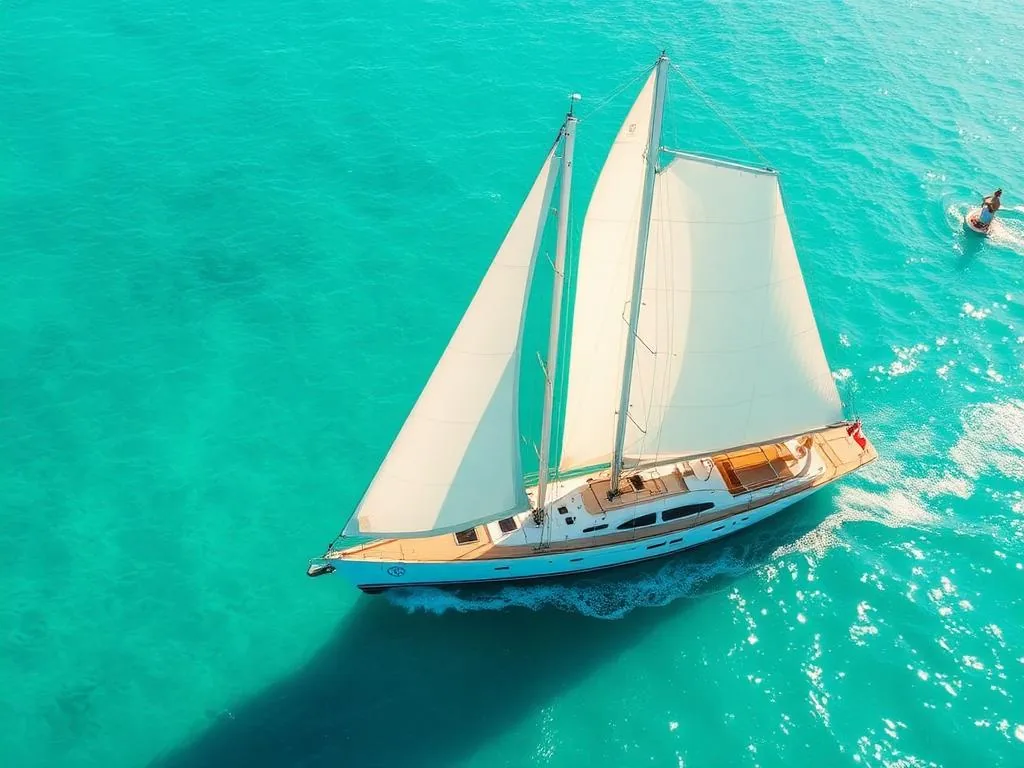
- 25-30m Sailing Yachts / Catamarans: EUR 35,000 - 60,000 per week + APA + VAT. These are excellent platforms for smaller groups focused on a more engaged, wind-driven experience.
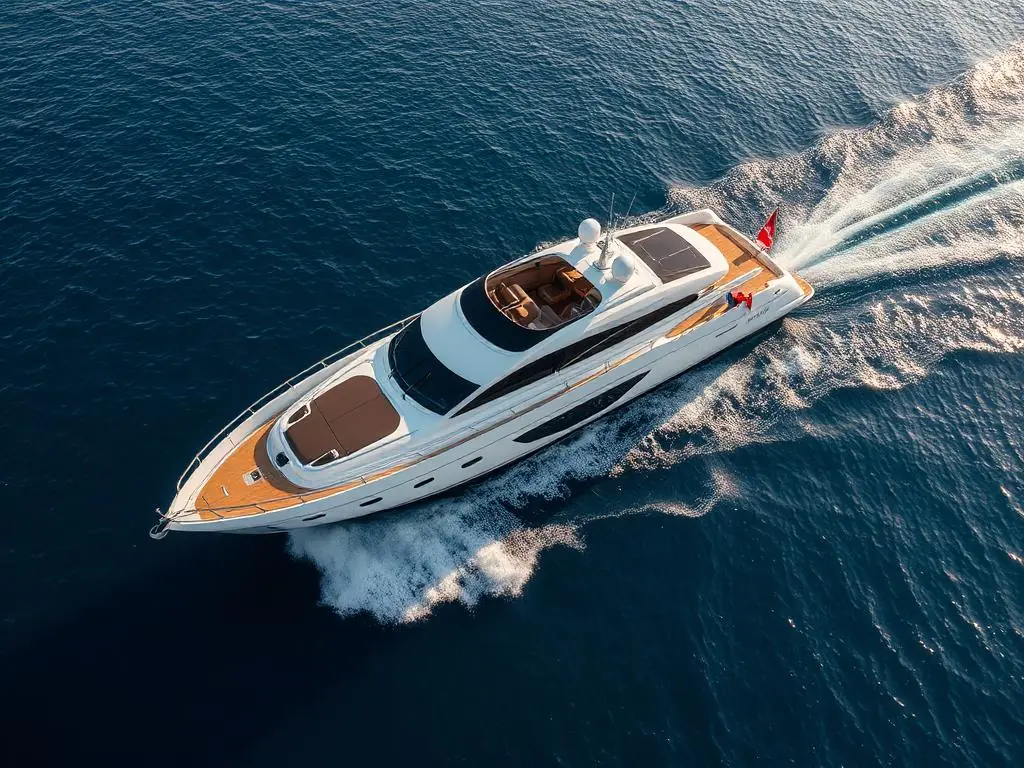
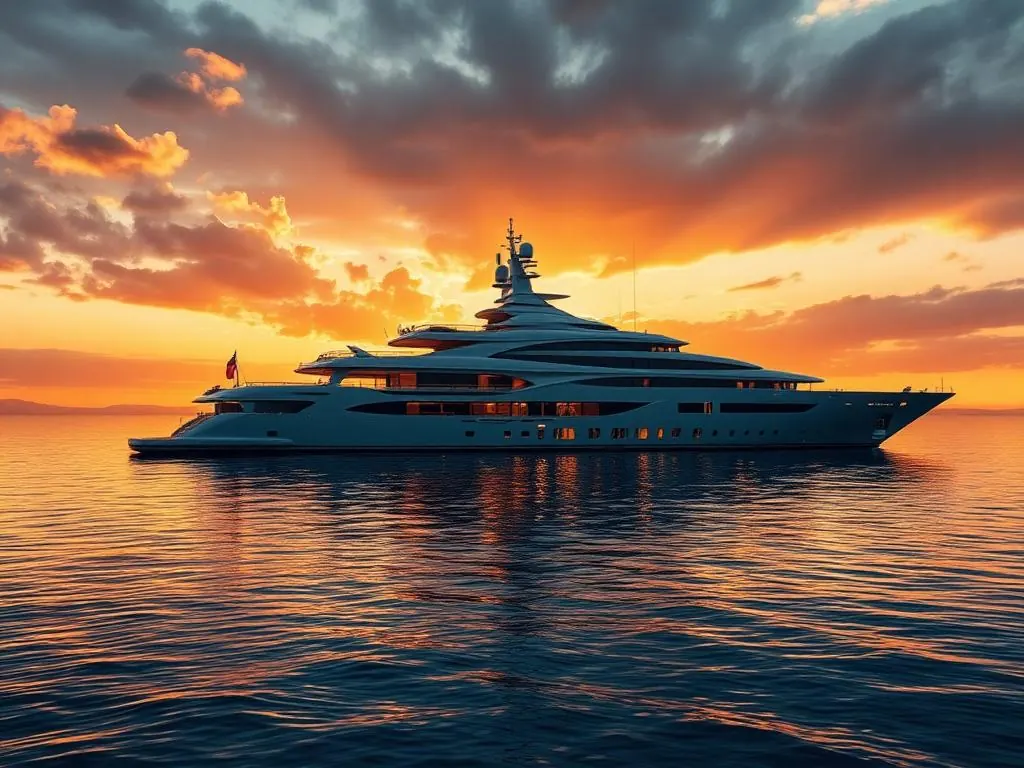
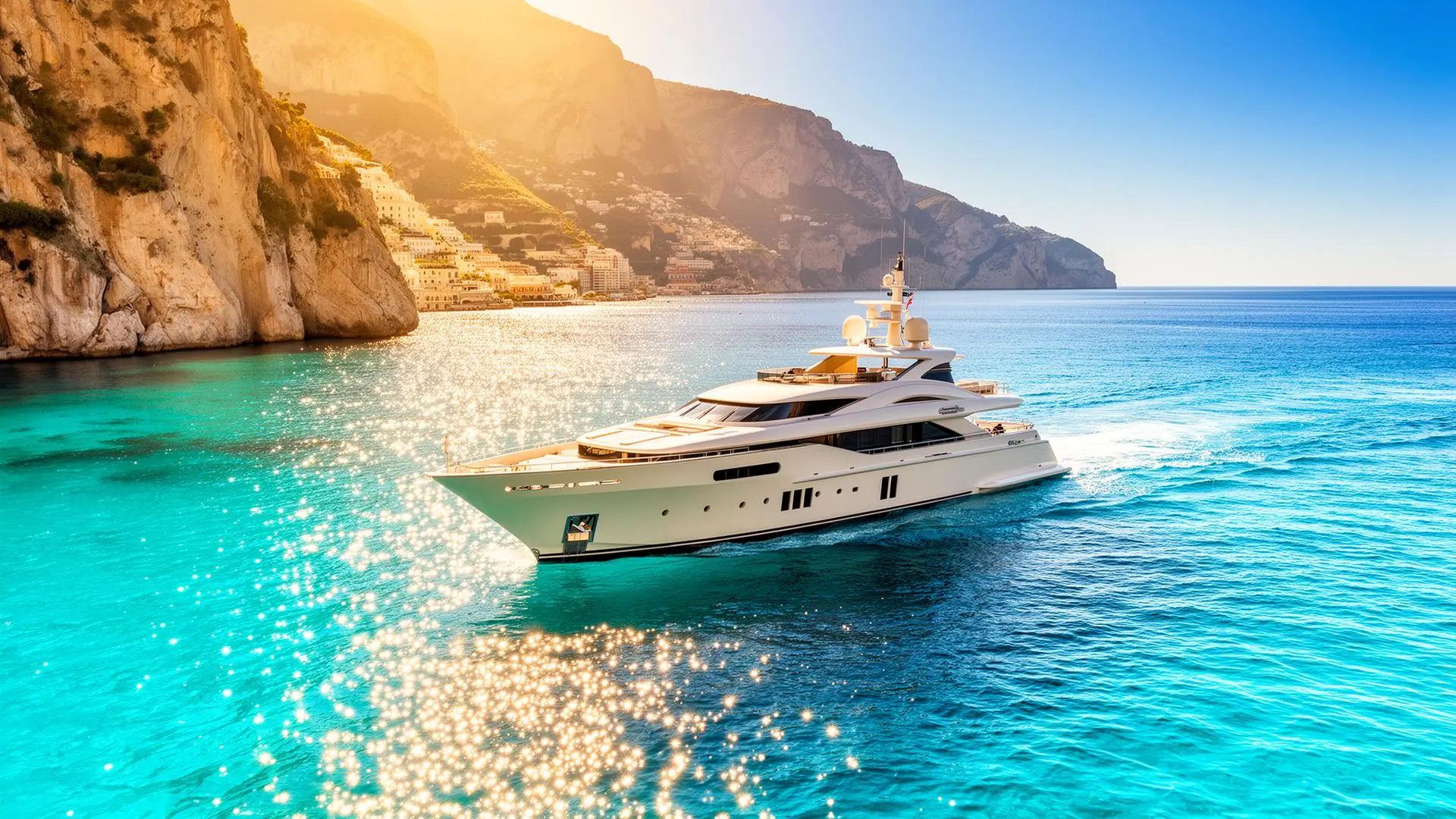
- 30-45m Motor Yachts: EUR 65,000 - 130,000+ per week + APA + VAT. The preferred asset class for this itinerary, offering speed to cover distances efficiently, stability against the Meltemi, and the volume for comfort and amenities.
- APA (Advanced Provisioning Allowance): Budget for an APA of 30-35%. This is higher than some Med destinations due to potential for significant fuel consumption (especially with a Bodrum run), inter-island distances, and the costs associated with Turkish clearance and agent fees. Any Turkish marina fees, provisions, or fuel will be paid from the APA.
- VAT & Taxation: Greek charters are subject to a variable VAT rate, currently sitting between 12-24% depending on the itinerary specifics and vessel classification. This must be confirmed during contracting.
- TEPAI (Greek Cruising Tax): This is a non-negotiable state tax. For yachts over 12m, it's calculated on a per-month basis and must be paid prior to the charter commencing. For a 40m vessel, this is a nominal cost (approx. EUR 1,200/month) but a critical piece of paperwork. The captain handles the payment, but the cost is passed to the charterer.
A Viable 7-Day Itinerary Framework
This is a standard operational plan, subject to weather and client preference. The prevailing wind is the Meltemi (NW), which can be a significant factor in July and August, sometimes reaching Force 6-7. Captains will always prioritize a safe and comfortable route.
Day 1: Arrival & Embarkation (Kos)
- 14:00: Principal and guests met at Kos International Airport (KGS). A pre-booked executive van or SUV service is standard (approx. EUR 150). The transfer to Kos Marina is 25-30 minutes.
- 15:00: Welcome aboard, safety briefing. Luggage is brought to cabins.
- 16:00: Depart Kos Marina for a short shakedown cruise south to Kardamena or a quiet anchorage like Agios Fokas. This allows guests to settle in away from the port.
- Evening: Dinner at anchor or alongside in Kardamena if a low-key town experience is desired.
Day 2: Nisyros - The Volcano
- AM: A 1.5 to 2-hour cruise (20nm) to Nisyros. We bypass the main ferry port and anchor off the small, picturesque port of Mandraki.
- Activity: The yacht's tender runs guests ashore. Pre-arranged vehicles (typically high-quality 4x4s or mini-coaches) will be waiting for the 20-minute drive up to the Stefanos Crater. This is Europe's largest accessible volcanic crater. Guests can walk on the floor of the caldera among the active fumaroles. The smell of sulfur is potent.
- Lunch: Post-volcano, a short drive to the cliffside village of Nikia for lunch at a traditional taverna like Porta for its commanding views over the caldera. Expect to pay EUR 80-100 per head for a full meal with local wine.
- PM: Return to the yacht. Option to cruise to a secluded bay on the south side of Nisyros for swimming. Overnight at anchor.
Day 3: Kalymnos - Sponges and Summits
- AM: A 2.5-hour cruise (28nm) north to Kalymnos. The destination is the main port of Pothia, one of the most visually dense and authentic port towns in the Dodecanese.
- Activity: Go ashore to witness the legacy of the sponge divers. While largely a historical trade, several workshops remain. We can arrange a private visit to see the sponges being processed and learn the history. For more active clients, Kalymnos is now a world-class rock climbing destination. A pre-booked guide can be arranged for a half-day session on the crags overlooking the sea.
- Lunch: A waterfront seafood lunch in the Vathy fjord, a stunning, deep inlet on the island's east coast. Poppy's Taverna is a reliable choice. The yacht can anchor at the mouth of the fjord, with a tender ride in.
- Overnight: Anchor in the sheltered Vathy fjord or return to a quieter bay near Pothia.
Day 4: Pserimos - The Lunch Anchor
- AM: A very short hop (5nm) to the small island of Pserimos, situated between Kos and Kalymnos.
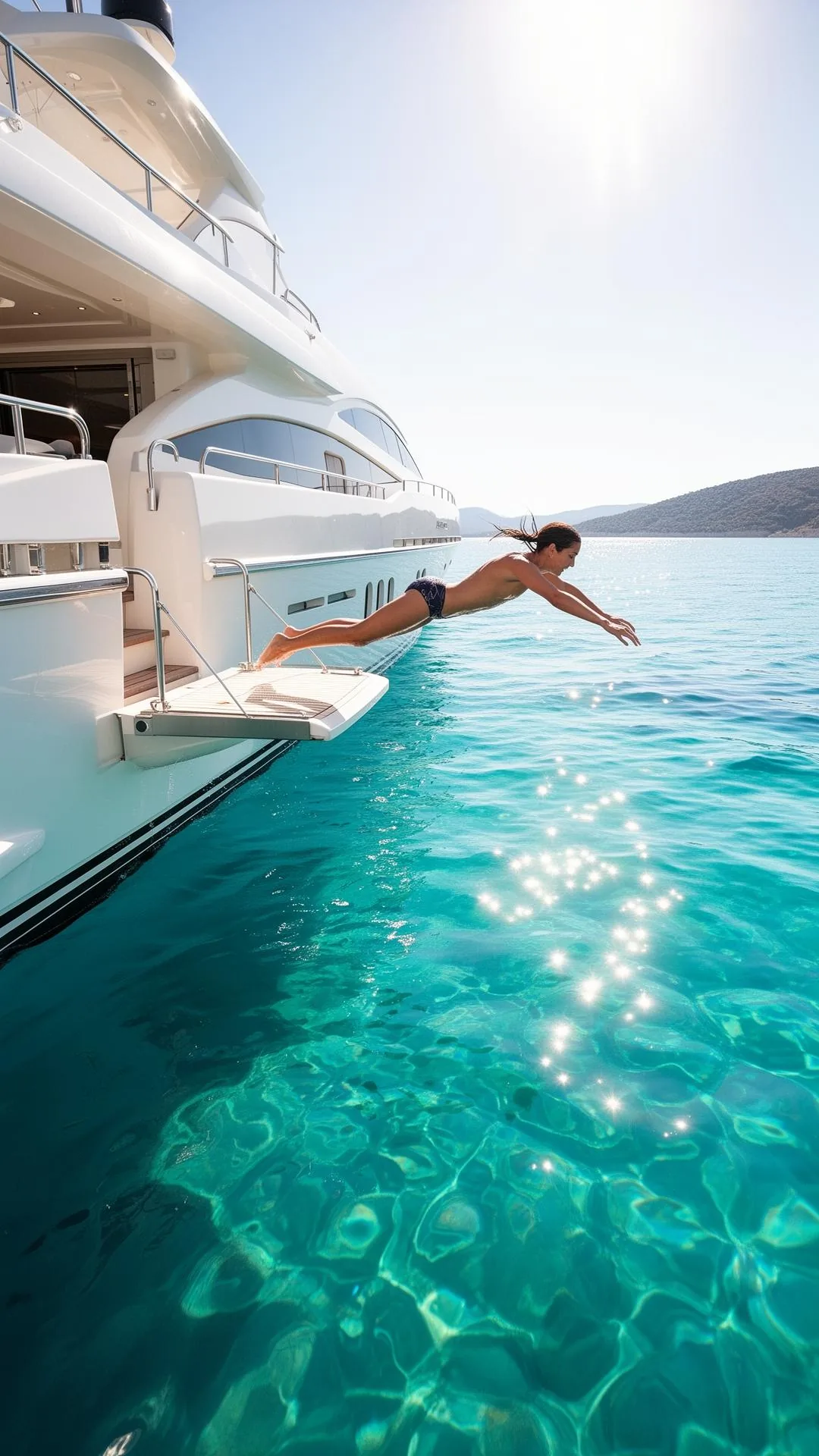
- Activity: This is a pure relaxation and water-sports day. The target is Vathy Bay on the island's eastern side. It's a perfect, sheltered anchorage with crystal-clear water. The yacht's water toys—jet skis, SeaBobs, paddleboards—are deployed.
- Lunch: A long, leisurely lunch served by the crew on the aft deck. This day is about maximizing the value of the platform itself.
- PM: Slow cruise back towards the northern coast of Kos, positioning for the next day's border crossing. Anchor in a quiet bay like Tingaki.
Day 5: The Bodrum Cross-Border Play
- 08:00: The yacht proceeds to Kos Port's customs quay. All guest and crew passports are required. The captain, with our designated port agent, handles the formalities for exiting the Schengen Area. This process takes 60-90 minutes. Guests can remain on board.
- 10:00: Depart Kos for Bodrum, Turkey. The crossing is approximately 11nm and takes under an hour.
- 11:00: Arrive at the customs quay in Bodrum. Again, the agent and captain handle the check-in procedure, including securing the Turkish Transit Log (cruising permit). All passports are processed by Turkish immigration. This can take another 60-90 minutes.
- 13:00: Cleared into Turkey. The yacht moves to a pre-booked berth at Milta Bodrum Marina, a high-end facility with excellent restaurants and luxury shopping.
- Lunch/Afternoon: Lunch at a restaurant in the marina, such as Marina Yacht Club. Explore Bodrum, including the Crusader Castle of St. Peter and the world-class Museum of Underwater Archaeology.
- Evening: Dinner in Bodrum. For a sophisticated experience, Maçakızı (a short car ride away in Türkbükü) is the benchmark. For something closer, Kocadon offers refined Aegean Turkish cuisine in a historic stone house.
Day 6: Return to Greece & Final Evening
- AM: Morning in Bodrum for last-minute shopping or relaxation.
- 11:00: Commence Turkish exit procedures at the customs quay.
- 12:30: Depart Bodrum for Kos.
- 13:30: Arrive at Kos customs quay for re-entry into Greece/Schengen Area. The process is repeated.
- 15:00: Clear of formalities. The yacht proceeds to a final anchorage. A bay on the small island of Pserimos or the north of Kos are good options for a final afternoon of swimming.
- Evening: Farewell dinner aboard the yacht, often a highlight prepared by the chef. The yacht then proceeds to Kos Marina for the final night, allowing for a seamless morning departure.
Day 7: Disembarkation
- 09:00: Guests enjoy a final breakfast.
- 10:00: Luggage is prepared. The pre-booked transport is waiting. Settle the APA account with the captain.
- 10:30: Transfer to KGS for departure flights.
Operational Parameters
- Weather Window: The season runs from May to October. May, June, and September offer the best balance of good weather and fewer crowds. July and August are peak season, with higher temperatures, marina traffic, and the strong Meltemi winds. The Meltemi is the key variable; it can make northern passages uncomfortable and force itinerary adjustments. A motor yacht with stabilizers is strongly recommended for peak summer charters.
- Recommended Fleet: For this itinerary, a 35m+ motor yacht is the ideal platform. It provides the speed to make the Kos-Nisyros and Kos-Bodrum legs efficient, the stability to handle potential sea conditions, and the draft to access most key anchorages. Sailing catamarans are a strong second choice for their stability at anchor and spaciousness, but will be slower on passage. Monohull sailing yachts are for purists who are prepared to have an itinerary dictated by the wind.
- Arrival/Departure: Kos International Airport (KGS) is the only viable entry point. It’s well-served by commercial flights from Athens and major European cities, and can accommodate large private jets. Helicopter transfers from the airport to a nearby landing zone can be arranged for principals requiring maximum speed and privacy, though ground transport is highly efficient.