Mljet: Operational Analysis for the Discerning Itinerary
Mljet is the decompression stop. It’s the counter-programming to the intensity of Dubrovnik and the see-and-be-seen energy of Hvar. For the principal seeking genuine tranquility and a return to nature without sacrificing five-star service from the yacht, Mljet is a non-negotiable inclusion on a South Dalmatian itinerary. This is not a party island. This is where the generators go quiet and the tenders get a workout. From a broker's perspective, it's a low-risk, high-reward day or two that consistently over-delivers for the right client profile.
Charter & Pricing Matrix: 2026 Projections
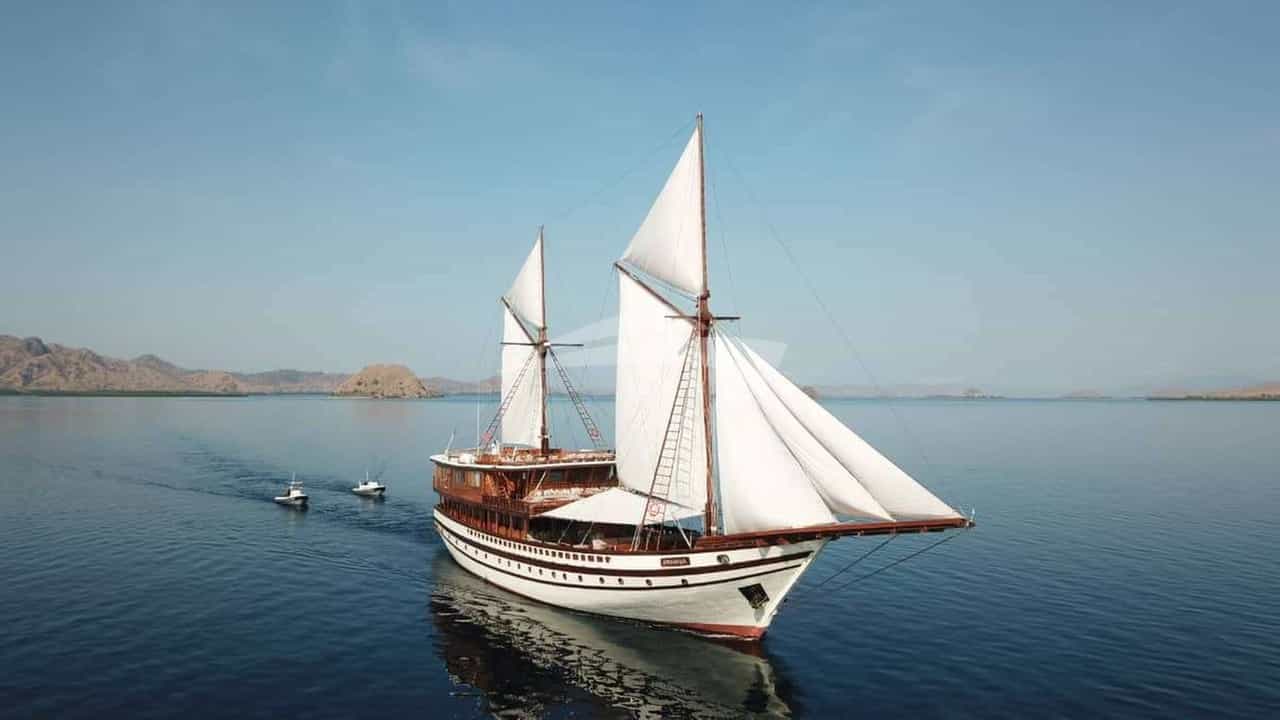
The sweet spot for Mljet is the 25-45 meter sailing yacht or, increasingly, the large-format luxury catamaran. These platforms offer the shallow draft, stability at anchor, and expansive deck space that align perfectly with the island’s ethos.
- 25-30m Sailing Catamaran (e.g., Sunreef 80, Lagoon Seventy 7): Expect weekly rates for 2026 to be in the €65,000 - €95,000 range. These are the dominant platforms here. Their hydraulic swim platforms are ideal for launching paddleboards and kayaks directly into the calm bays.
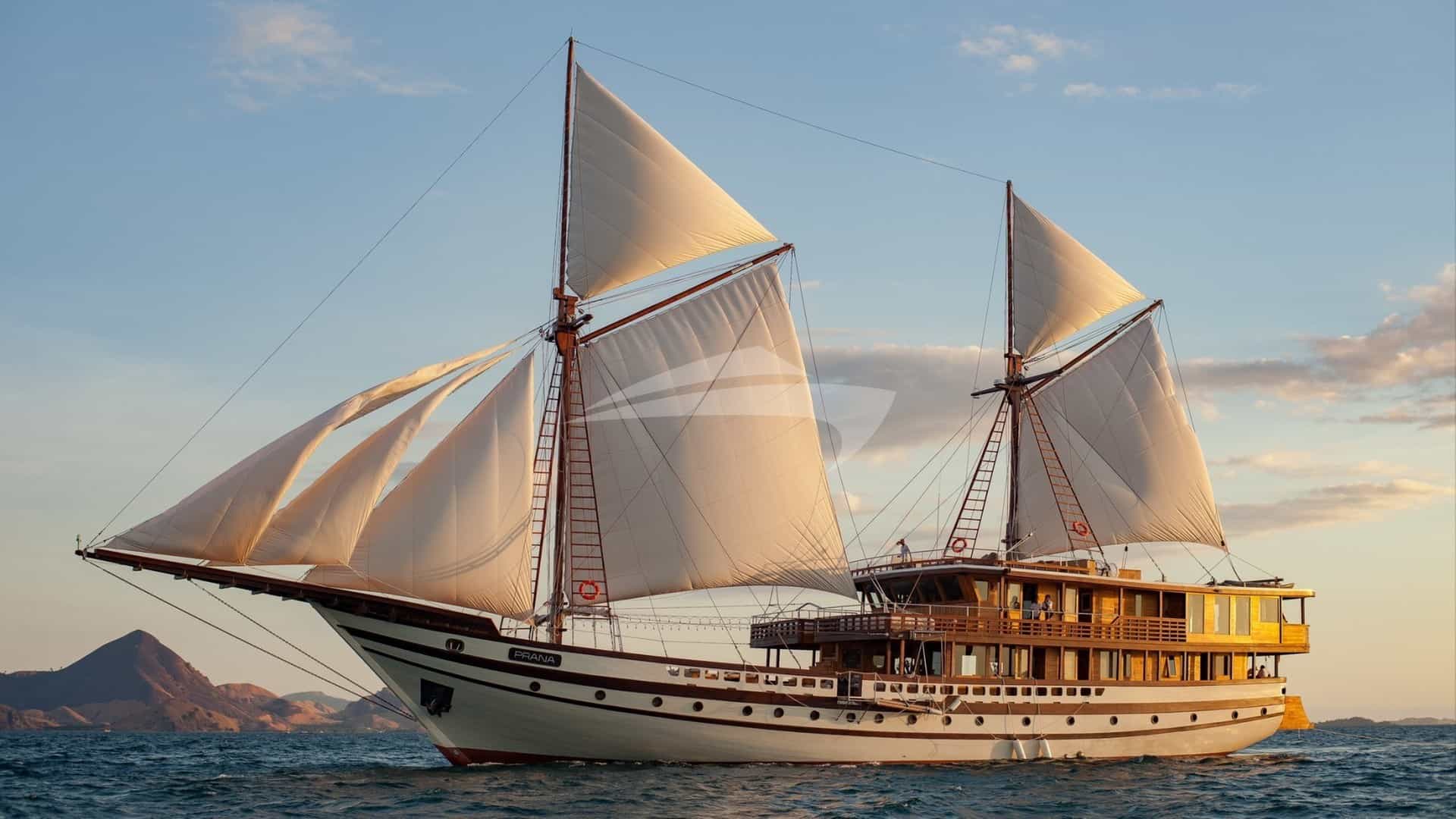
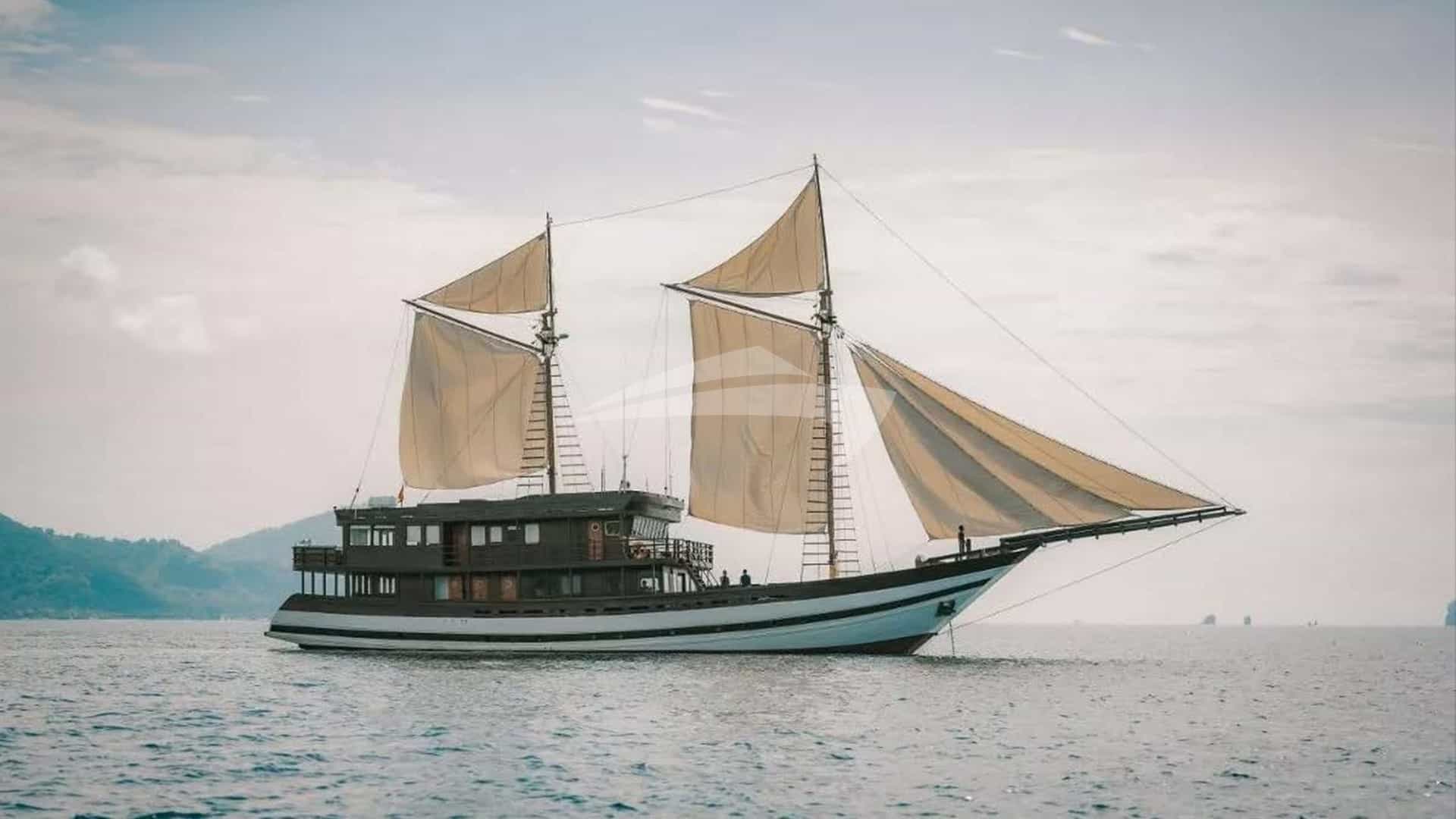
- 35-45m Monohull Sailing Yacht / Motorsailer (e.g., Custom Perini-style, high-spec Gulet): Rates will push into the €80,000 - €130,000+ bracket. These yachts appeal to the traditionalist and offer a different kind of gravitas. Captains need to be more mindful of draft in some of the shallower anchorages.
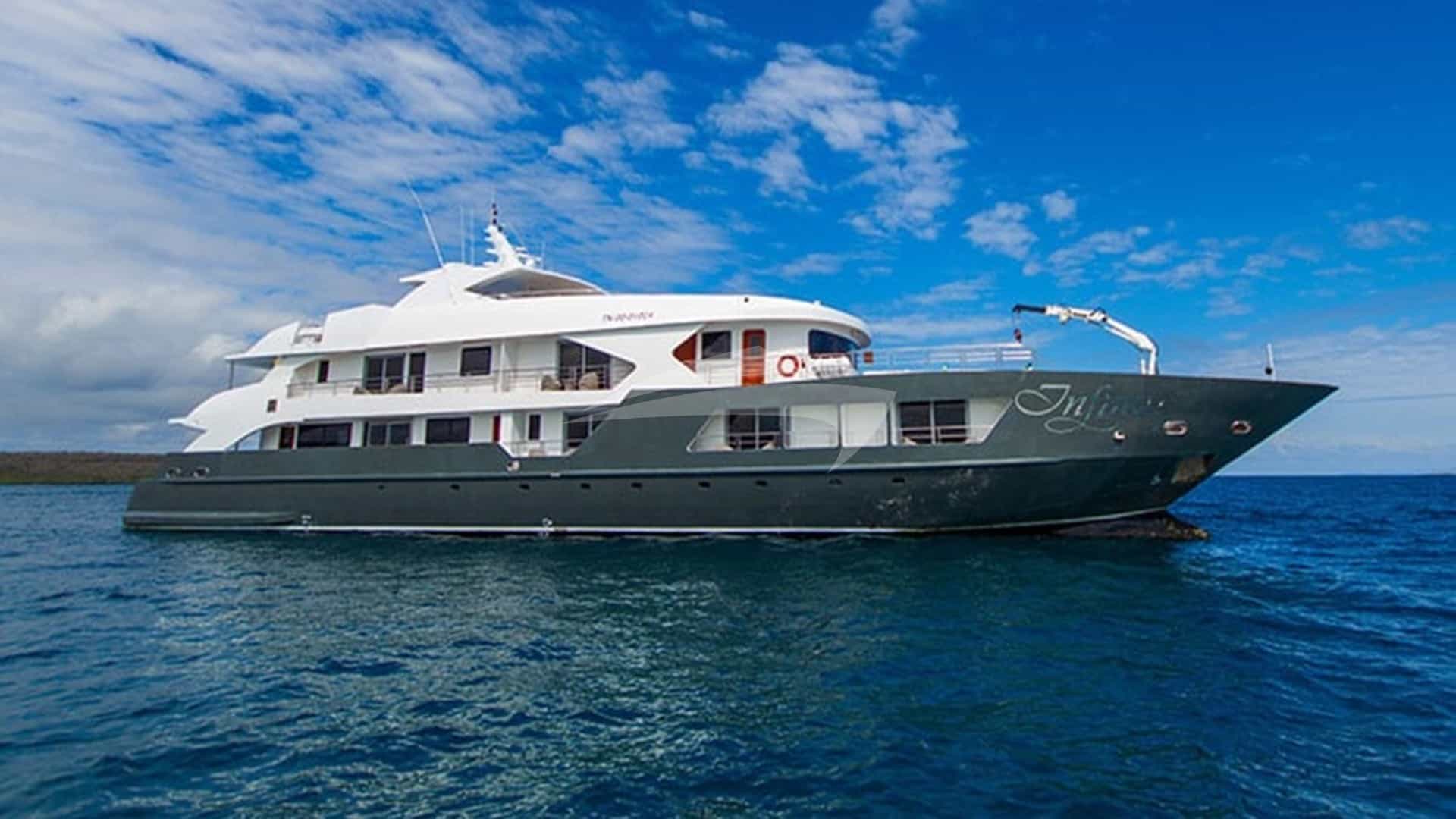
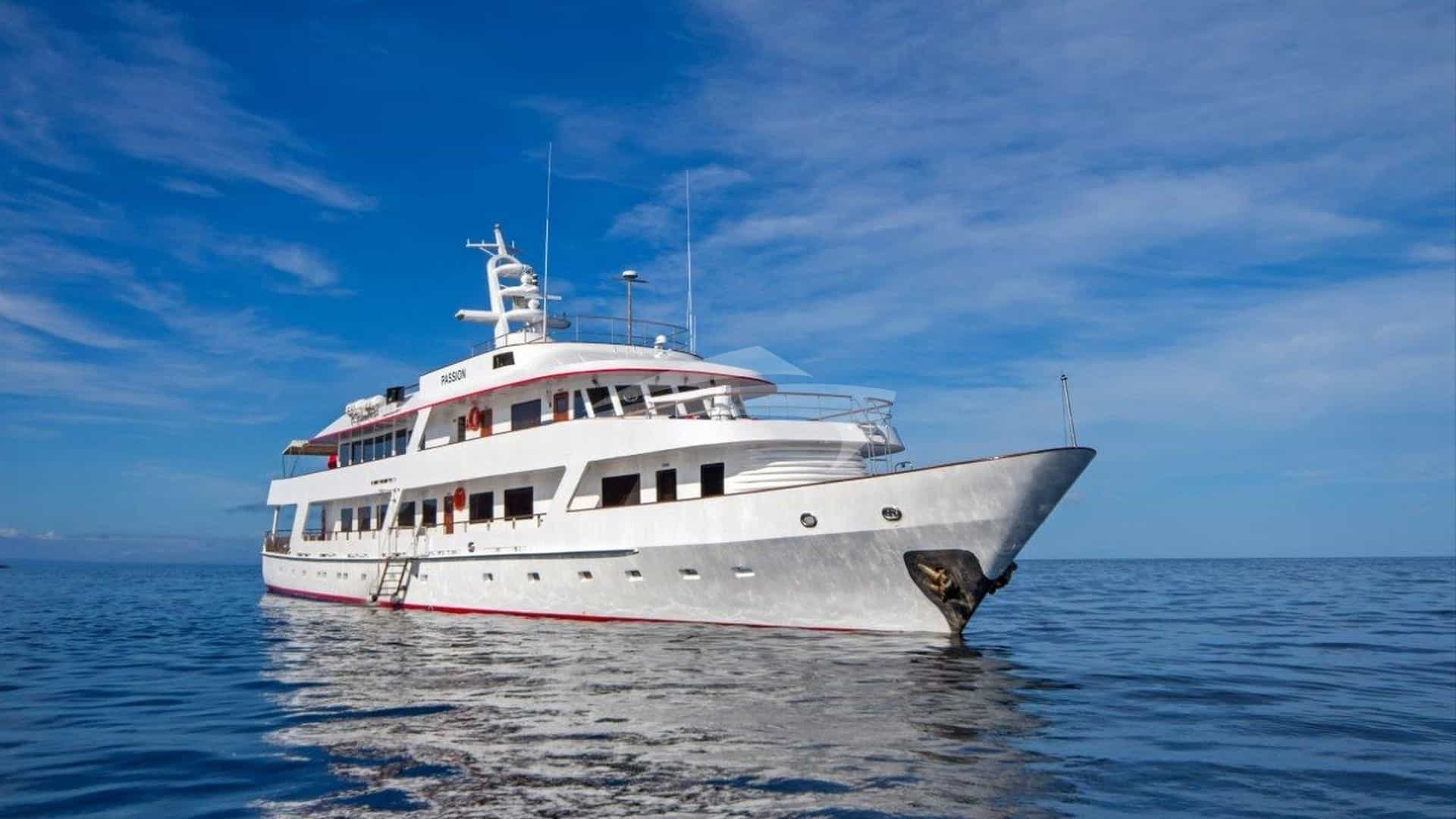
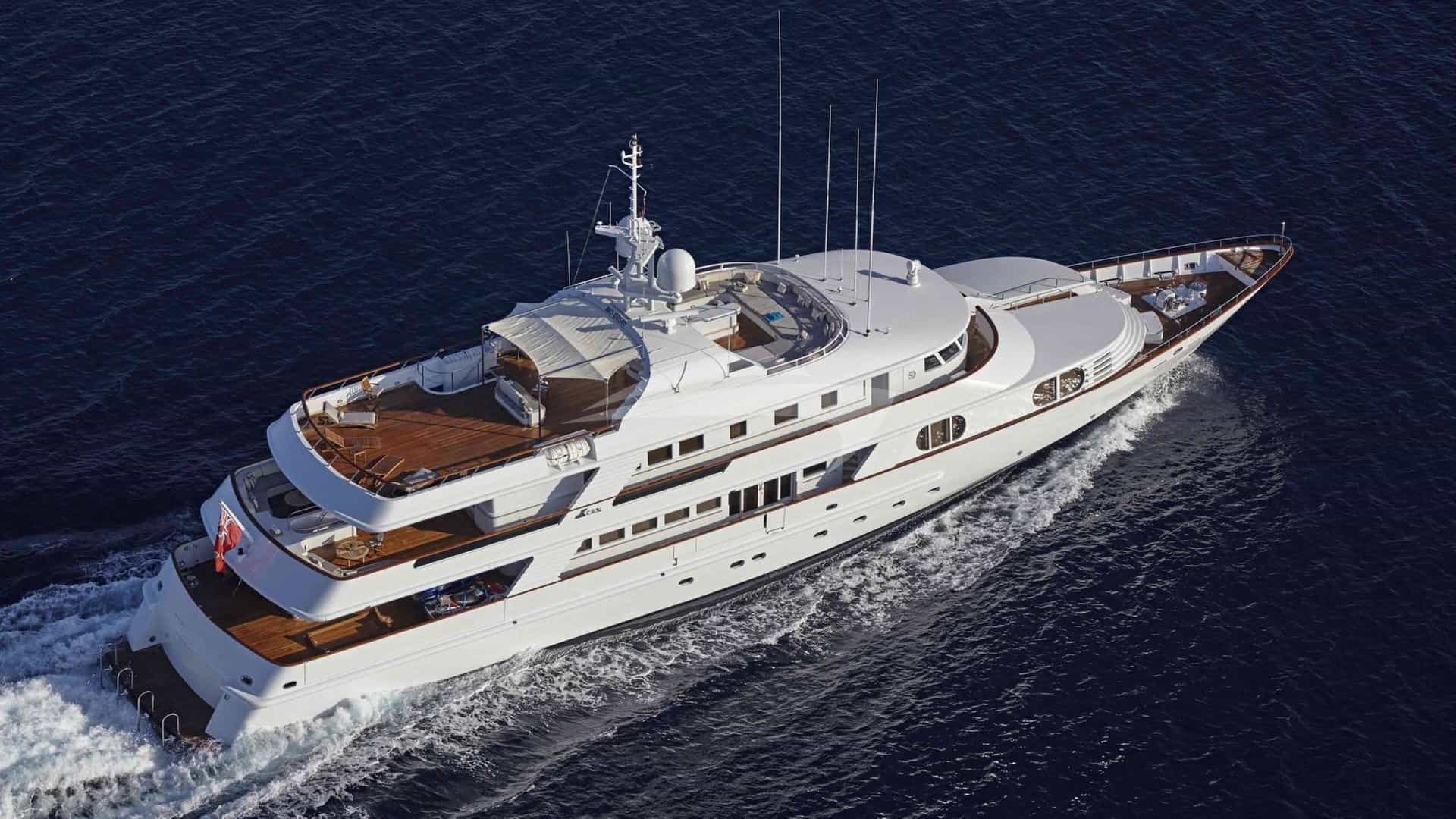
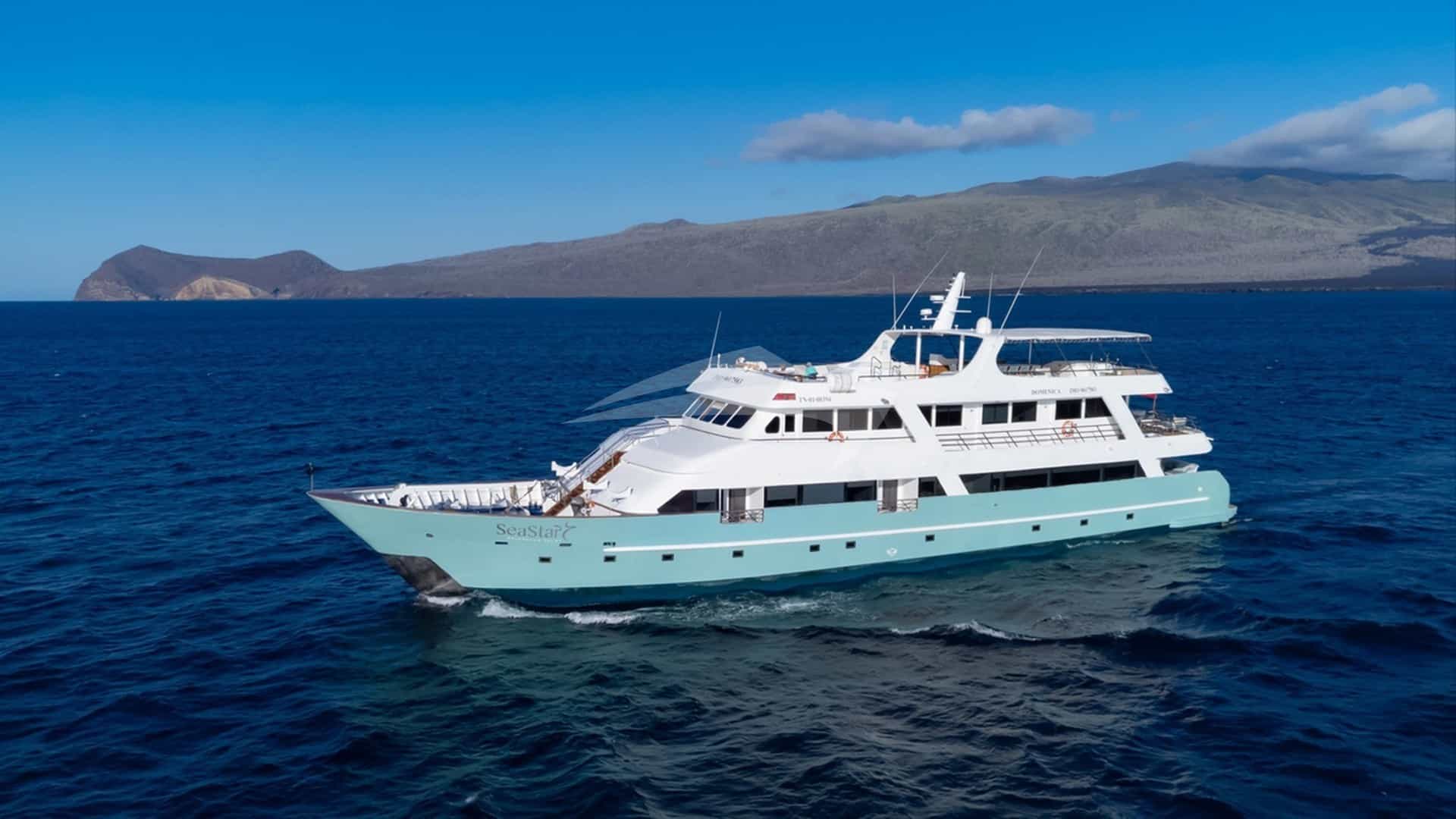
- 28-40m Motor Yacht: While less common for a Mljet-centric charter, they are frequently programmed in. Weekly rates range from €70,000 - €150,000. The primary consideration is fuel burn if using Mljet as a day-trip destination from Dubrovnik.
Financials:
- APA (Advanced Provisioning Allowance): Budget a standard 30-35% of the charter fee. Mljet itself has limited high-end provisioning, so most goods will be sourced from Dubrovnik or Korčula. Fuel consumption is typically low once at anchor.
- VAT: Remains at 13% on the charter fee for itineraries in Croatian waters.
- Permits: A standard Croatian Charter License / Cruising Permit for the vessel is mandatory. This is handled by the charter manager and is a routine part of the pre-charter checklist for any legally operating yacht. No special permits are required for the yacht to approach Mljet, only for guests to enter the National Park.
Navigational & Berthing Intelligence
There are no marinas on Mljet. This is a fundamental point to manage with clients. All berthing is via mooring buoy or anchor. Competition for prime spots in July and August is fierce.
Polače Bay: This is the primary, most protected anchorage on the island's north coast. It's a deep, fjord-like inlet offering excellent shelter from all winds except a strong NE (Bora), which is rare in summer.
- Moorings: The bay is filled with mooring buoys, most of which are "owned" by the waterfront konobas (restaurants). The system is straightforward: the captain calls ahead to a restaurant like Konoba Antika or Stella Maris, books a table for the evening, and a buoy is "reserved." The mooring fee (approx. €60-€100, depending on yacht size) is often waived or discounted with dinner. This is the standard operational procedure.
- Anchoring: There is anchor space further out in the bay, but holding can be variable. Most captains prefer the security of a pre-inspected buoy.
Pomena: Located further west, Pomena is the secondary harbor and the closest access point to the Great and Small Lakes (Veliko and Malo Jezero).
- Moorings: The small harbor is fronted by the Hotel Odisej, which controls a section of the quay and some moorings. It's a tighter, busier, and less protected environment than Polače. Booking a spot on the quay is possible but requires advance planning and is better suited for smaller vessels. Buoy fields are the more common option for charter yachts.
- Value Proposition: Pomena’s sole advantage is the 15-minute walk to the lakes, bypassing the need for a taxi or van transfer from Polače.
Sobra & Okuklje: On the eastern side of the island, these are quieter, more local options. Sobra is the main ferry port; Okuklje is a picturesque, deeply indented bay. They are good for a lunch stop or an overnight for a yacht seeking absolute solitude, but they lack the access to the National Park that defines the Mljet experience.
The National Park: Costs & Logistics
The western third of Mljet is a National Park, and accessing its core attractions—the saltwater lakes—is a managed, ticketed experience. This is a shoreside excursion, not a yachting one.
- Entry Fee: The ticket is the primary cost. As of the last reliable update, projecting for 2026, budget €25 per person. This is not a per-yacht fee. This ticket is typically valid for the duration of the yacht's stay (up to 7 days) and includes the small electric ferry ride across Veliko Jezero to St. Mary's Islet and the shuttle boat transfer between the two lakes.
- The Operation: The yacht will be moored in Polače or Pomena.
- From Polače: Guests can take a park-operated shuttle van (approx. 15-minute ride) from the village to the entrance of the lakes. This is usually organized by the crew.
- From Pomena: It’s a short, signposted walk from the harbor directly to the footbridge separating the sea from Malo Jezero.
- Inside the Park: No private tenders are allowed in the lakes. The park's ecosystem is fiercely protected. The main activities are swimming in the uniquely warm, calm water of Malo Jezero, kayaking/paddleboarding (rentals available shoreside), and cycling the 12km paved loop around Veliko Jezero. E-bikes are the preferred method and can be rented on-site. The highlight for many is the electric boat to the 12th-century Benedictine monastery on St. Mary's Islet. There is a respectable restaurant there for lunch.
Itinerary Integration & Key Sites
Odysseus Cave: Located on the southern coast, this is a must-do tender excursion. It's a collapsed sea cave that can only be entered by swimming or with a small tender in calm seas.
- The Play: The yacht anchors off the coast. The best time for entry is midday (1100-1400) when the sun is directly overhead, illuminating the water inside to a brilliant aquamarine. This is a 10/10 photo opportunity.
- Captain's Note: Sea state is the limiting factor. The southern coast is exposed to the open sea and any southerly swell (Jugo) makes the approach dangerous and the entry impossible. The captain makes the final go/no-go call.
Sample Itineraries:
- Classic Dubrovnik to Korčula (7-Day):
- Day 1: Dubrovnik embarkation, cruise to Šipanska Luka (Šipan) for first night.
- Day 2: Morning cruise to Mljet (Polače). Afternoon exploring the National Park. Dinner ashore tied to the mooring.
- Day 3: Morning tender excursion to Odysseus Cave (weather permitting), then cruise to Korčula.
- Day Charter from Dubrovnik: This is operationally feasible but a long day.
- Route: Dubrovnik -> Koločep/Lopud for a morning swim -> Polače, Mljet for lunch at anchor.
- Reality: It’s a 25nm run each way, totaling 2.5-3 hours of cruising time on a 20-knot motor yacht. This leaves limited time for genuine exploration of the park itself. It's more of a "see Mljet" than an "experience Mljet" trip. Better to sell as an overnight.
Weather Window & Seasonal Considerations
The charter season runs from May to October.
- May/June: The best months. The island is lush and green, the water is warming up, and the crowds have not yet arrived. Buoys are plentiful.
- July/August: Peak season. Air and sea temperatures are highest. Expect significant competition for moorings and anchorages. The onshore breeze (Maestral) can pick up in the afternoons, but bays are generally protected.
- September/October: Excellent conditions. The water is at its warmest, and the summer crowds have dissipated. The primary risk is the increasing chance of a Jugo (strong SE wind), which can create uncomfortable swell on southern approaches and make the Odysseus Cave inaccessible. Captains will favor the protection of Polače during these periods.